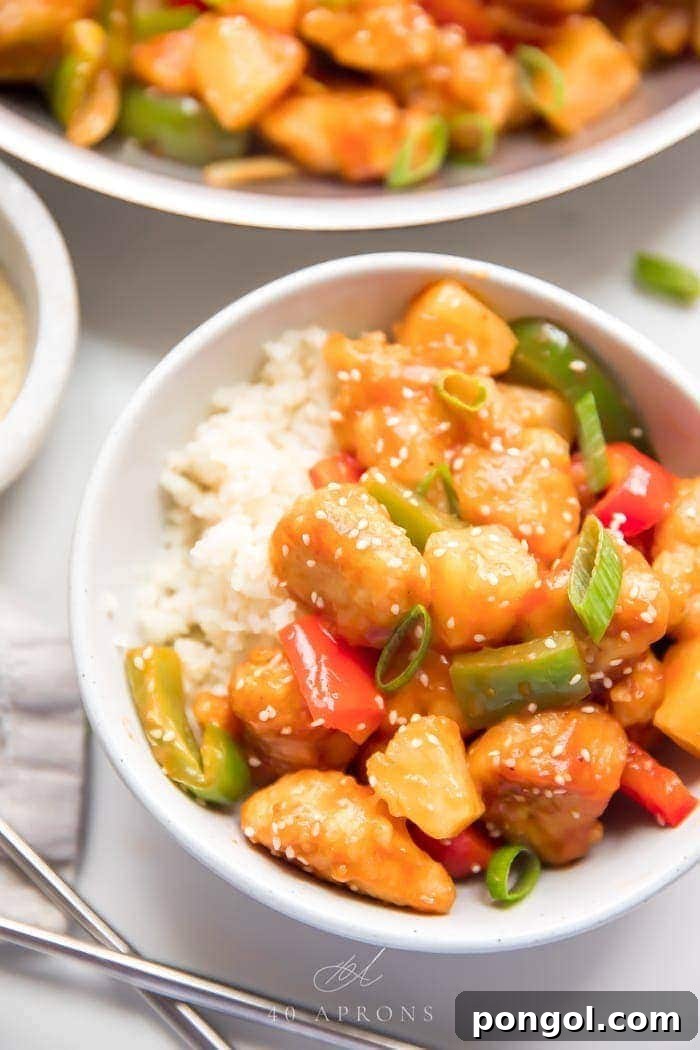
Unbelievably Crispy & Delicious Sweet and Sour Chicken (Whole30, Paleo & Refined Sugar-Free!)
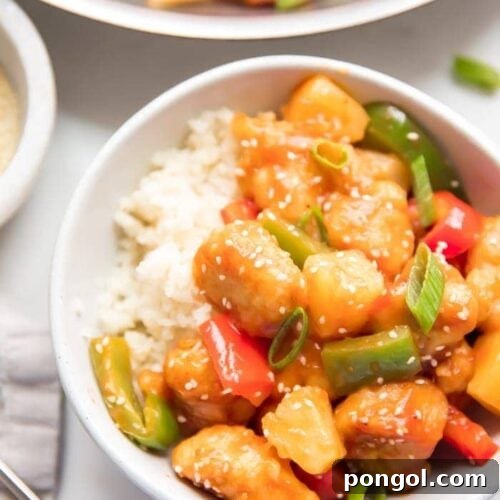
Craving that classic Chinese takeout experience but committed to a healthy lifestyle? Look no further! This sweet and sour chicken recipe delivers an unparalleled crispy texture and the perfect balance of sweet and sour flavors, all while being completely Whole30, Paleo, and refined sugar-free. It’s a truly lightened-up rendition of a beloved Chinese classic, so delicious and satisfying, you’ll swear it came straight from your favorite restaurant. Best of all, it’s surprisingly easy to make at home, featuring a naturally sweetened sauce crafted from dates and pineapple juice.
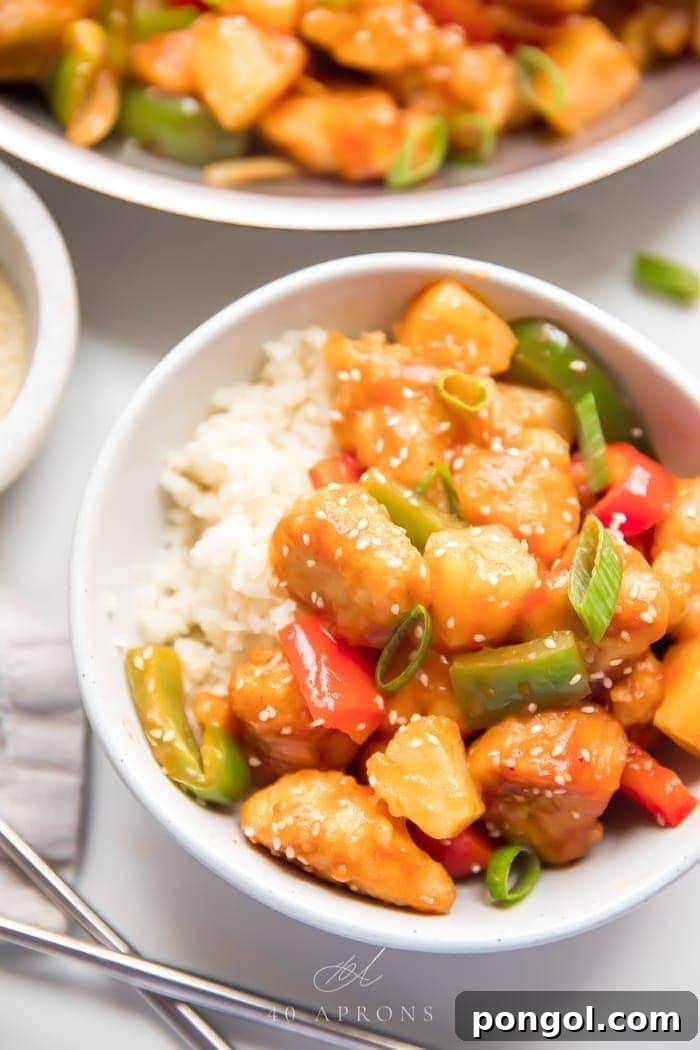
Recreating a Takeout Classic: The Ultimate Sweet and Sour Chicken
There’s an undeniable allure to sweet and sour chicken. For many, it’s the ultimate indulgence at a Chinese buffet, a vibrant beacon amidst the steaming dishes. The combination of succulent, battered, and fried chicken, coated in a glistening, super sweet yet tangy sauce, often with a hint of vibrant food coloring, is simply irresistible. While other favorites like sesame or Kung Pao chicken have their merits, sweet and sour often takes the crown for its unmatched crispiness, richness, and sheer luxuriousness. Am I right?
However, the traditional version, while delicious, often comes loaded with refined sugars, unhealthy oils, and artificial ingredients. The challenge lies in creating a healthier sweet and sour chicken recipe that not only tastes authentic but also meets specific dietary requirements like Whole30 and Paleo. It’s a culinary quest to deliver that same beloved flavor profile without compromising on health or quality. A truly deserving recipe needs to strike a delicate balance:
- Crispy Perfection: The exterior must be wonderfully crispy, providing that satisfying crunch with every bite.
- Tender Interior: The chicken inside should remain moist and tender, never dry or tough.
- Balanced Sweetness: Sweet enough to satisfy your craving, but not overwhelmingly sugary.
- Just Right Tartness: Tangy enough to awaken your taste buds, without being overly sour.
I’m not going to lie; my initial attempts at perfecting this recipe were, to put it mildly, a bit of a disaster. I had high hopes, meticulously took photos, but after the first bite, I found myself trying to convince myself to rename the dish entirely just so I could still post it. It wasn’t *bad* – it made for a decent dinner, certainly! But it lacked the authentic “sweet and sour chicken” magic. More like a pineapple chicken stir-fry, perhaps? Good, yes, but not “I could eat this for the next six meals” good.
This revised version, however, truly delivers. In fact, it’s become a household staple, causing delightful “problems” in the best possible way! My husband now consistently prefers this sweet and sour chicken over any new recipes I develop or even takeout when I’m too tired to cook. He doesn’t care what else is on the menu, as long as he has his bowl of these delectable leftovers. That, my friends, is the ultimate seal of approval.
🌟 Why This Healthy Sweet and Sour Chicken Recipe Shines
This recipe isn’t just a healthy alternative; it’s a culinary triumph that captures the essence of the classic dish while adhering to strict dietary guidelines. Here’s why it will become your new favorite:
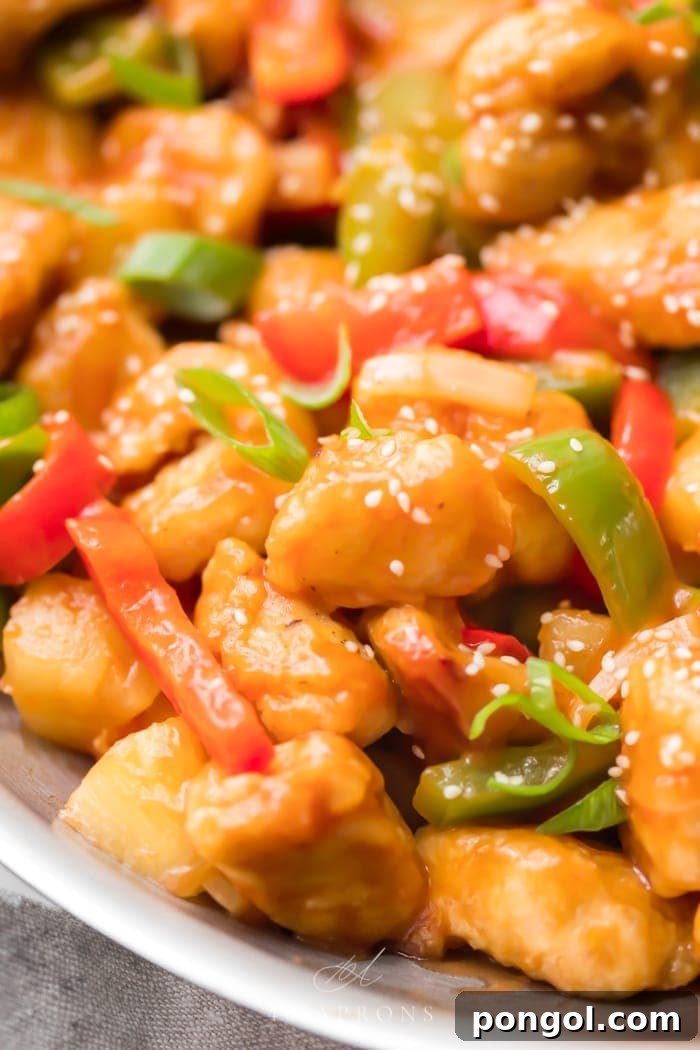
- Unbelievably Crispy Chicken: Achieving genuine crispiness without traditional breading or deep frying is often a challenge. Our secret lies in an easy, effective coating using arrowroot powder and eggs, which creates a light, golden, and incredibly satisfying crisp crust. It’s simple, yet yields exceptional results.
- Packed with Nutritious Veggies: This dish is a powerhouse of flavor and nutrition. The addition of vibrant bell peppers and sweet onions not only enhances the visual appeal but also provides essential vitamins and fiber, making this a truly complete meal. Serve it over fluffy cauliflower rice, and your dinner is perfectly balanced and delicious.
- Homemade, Whole-Food Sweet and Sour Sauce: The heart of any great sweet and sour chicken is its sauce. Ours is a game-changer – incredibly flavorful, made entirely from whole-food ingredients, and blended effortlessly in minutes. Dates provide natural sweetness, while pineapple juice and apple cider vinegar create the perfect tangy balance, without any refined sugars or artificial additives.
- Dietary Compliant: Catering to specific dietary needs, this recipe is proudly Whole30 compliant and Paleo-friendly. This means it’s free from grains, legumes, dairy, soy, and refined sugars, making it a fantastic option for those following these eating plans or simply looking for cleaner, healthier meals.
💡 Creative Recipe Variations to Customize Your Dish
One of the best things about this healthy sweet and sour chicken is its versatility! Feel free to experiment with these delicious variations to suit your taste and dietary preferences:
- Vegetable Swaps: While peppers and onions add fantastic flavor and color, you can easily customize the vegetables. Not a fan of bell peppers? Feel free to omit them or swap in other quick-cooking options like broccoli florets, snap peas, carrots (thinly sliced), or mushrooms. However, the pineapple is truly a star here, adding a crucial layer of natural sweetness and tang, so we highly recommend keeping it!
- Protein Alternatives: If you’re looking for a change from chicken, this recipe adapts beautifully to other proteins.
- Shrimp: Substitute shrimp for the chicken for a quicker cooking option. Follow the breading process as you would for the chicken, but cook the shrimp for a much shorter duration, typically only about 2 minutes per side, until pink and cooked through. Be careful not to overcook!
- Pork: Diced pork tenderloin or thinly sliced pork can also be used, following similar cooking times to the chicken.
- Soy Sauce vs. Coconut Aminos: The recipe calls for coconut aminos to keep it Whole30 and Paleo compliant. If you are not on a Whole30 round and you eat soy, you can absolutely swap out the coconut aminos for soy sauce in the sauce. Just be sure to omit any additional salt from the recipe, as soy sauce is typically much saltier. A quick reminder: if you’re strictly adhering to a Whole30 program, do NOT use soy sauce!
- Pineapple Perfection: We highly recommend using Dole Pineapple Chunks in 100% Pineapple Juice. They are incredibly convenient to keep on hand, and the pre-cut chunks offer perfectly sized bursts of natural sweetness. The juice from the can is also essential for our sauce, ensuring consistency and flavor. If you prefer to use fresh pineapple, remember you will need to sauté it for a longer period to achieve a similar softened texture. For ease and consistent results, just roll with the Dole!
👩🏼🍳 Expert Chef’s Tips for Sweet and Sour Success
Mastering this recipe is easy with a few insider tricks. Follow these chef’s tips for the best possible results:
- Perfectly Sautéed Veggies: The texture of your vegetables can make or break this dish. I personally prefer my peppers and onions to be tender-crisp, not super raw and crunchy. I recommend sautéing them for a good amount of time so they soften slightly but still retain a pleasant bite. Depending on your preference – whether you like them barely cooked or softer – adjust the sautéing time from a couple of minutes to a bit longer. Just ensure they don’t become mushy!
- Bathing the Chicken in Batches: To ensure every piece of chicken gets a beautiful, even coating of arrowroot powder, it’s crucial to shake it in batches. Attempting to coat all the chicken at once can lead to clumpy pieces and uneven coverage. Dividing it into about two batches usually works perfectly. A bonus tip: you can start shaking the second batch while the first batch is happily frying, optimizing your time. Always keep a close eye on the chicken while frying to prevent burning.
- Mind Your Chicken Cut Size: When preparing your chicken, aim for pieces that are smaller than what you might typically consider “bite-sized.” We’re looking for chunks that are approximately 3/4 to 1 inch big, not large cubes. Remember, the arrowroot coating will add some volume to each piece, so starting with slightly smaller chicken ensures a balanced ratio of crispy coating to tender meat. This also helps with even cooking and a more pleasant eating experience.
🤔 Can I use cassava flour instead of arrowroot powder for the coating?
Absolutely, you can! Cassava flour is an excellent alternative for the chicken breading in this recipe. While it can sometimes be a little harder to find in regular grocery stores compared to arrowroot powder, it’s actually one of my favorite grain-free flours or starches. It performs wonderfully, creating a similar crispy texture. Moreover, cassava flour is less prone to gelling, which can sometimes be an issue with arrowroot if not handled correctly. So, if you have cassava flour on hand, feel free to use it!
🥢 More Asian-Inspired Healthy Recipes You’ll Love
If you’re a fan of this healthy sweet and sour chicken, you’ll adore these other Whole30 and Paleo-friendly Asian-inspired dishes:
- Flavorful Egg Roll in a Bowl
- Wholesome Cauliflower Fried Rice with Chicken (Whole30 and Paleo Friendly)
- Healthy and Refreshing Lettuce Wraps
- Convenient Egg Roll in a Bowl Meal Prep (Whole30, Paleo, Keto)
- Spicy Szechuan Chicken
- Delicious Paleo Sesame Chicken
- Light and Zesty Paleo Chinese Chicken Salad (Whole30)
- Zesty Whole30 Bang Bang Shrimp
- Savory Breakfast Egg Roll in a Bowl (Whole30, Paleo)
Recipe By: Cheryl Malik
4.97 from 27 votes
Sweet and Sour Chicken (Whole30, Paleo)
Prep Time: 15 minutes
Cook Time: 20 minutes
Total Time: 35 minutes
Super crispy chicken with the perfect amount of both sweet AND sour. This recipe is Whole30, paleo, and completely refined sugar-free, making it a healthy and delicious meal for any night of the week.

Cheryl Malik
Servings: 6 servings
Equipment
- Standard blender
- Cutting board
- Medium bowl
- Whisk
- Large food-safe sealable plastic bag or container with lid
- 2 Large plates
- Large skillet
- Tongs
- Paper towels
- Wire cooling rack (optional)
- Internal meat thermometer
- Silicone spatula
Ingredients
For the Sweet and Sour Sauce
- ½ cup 100% pineapple juice (from can of pineapple chunks)
- 2 teaspoons arrowroot powder
- 2 Medjool dates (pitted; or 3 Deglet Noor dates, pitted)
- ½ cup apple cider vinegar
- ⅓ cup Whole30 ketchup (store-bought or make your own)
- 1 tablespoon coconut aminos
- 2 cloves garlic (peeled)
- Salt (to taste)
For the Chicken
- 2 pounds boneless, skinless chicken breasts (cut into bite-sized chunks no larger than 1-inch wide)
- Salt (to taste)
- 2 large eggs
- 1 ½ cups arrowroot powder (plus more as needed, see Notes)
- 2-4 tablespoons refined coconut oil or avocado oil, for frying
For the Veggies
- 1 tablespoon refined coconut oil or avocado oil
- 1 cup pineapple chunks (drained, see Notes)
- 1 medium red bell pepper (seeds removed, sliced into ½-inch wide strips)
- 1 medium green bell pepper (seeds removed, sliced into ½-inch wide strips)
- Half of one medium yellow onion (thinly sliced, approximately ½ to ¾ cup)
Suggested Garnishes (All Optional)
- Steamed cauliflower rice
- White sesame seeds
- Thinly sliced green onions (green parts only)
Instructions
For the Sweet and Sour Sauce
-
Add pineapple juice, arrowroot powder, pitted dates, apple cider vinegar, Whole30 ketchup, coconut aminos, peeled garlic cloves, and a pinch of salt to a standard blender. Blend all ingredients until the mixture is completely smooth and uniform.
Once blended, taste the sauce and adjust the ingredients as needed to achieve your desired balance of sweet and sour. If you add more ingredients, blend again to fully incorporate them. Set this prepared sweet and sour sauce aside until you are ready to use it later in the recipe.

For the Chicken
-
Arrange the bite-sized chicken chunks on your cutting board in a single, even layer to ensure even seasoning. Lightly sprinkle salt over the chicken, then flip each piece over and sprinkle salt on the other side. Set the seasoned chicken aside.
-
Crack 2 large eggs directly into a medium-sized bowl. Using a whisk, beat the eggs vigorously until they are fully combined, pale in color, and no longer streaky. This will create a smooth egg wash. Set aside.
-
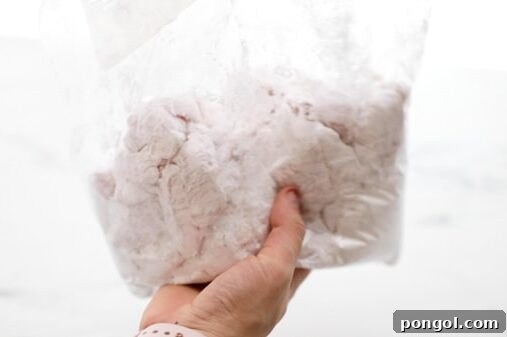
Add 1 ½ cups of arrowroot powder into a large sealable plastic bag or a container with a tight-fitting lid. If there are any clumps in the powder, break them up to ensure a fine, even coating.
-
Take approximately 1 pound of the seasoned chicken chunks (about half of your total chicken). Place these chicken pieces into the bag or container with the arrowroot powder. Seal the bag or secure the lid tightly, then shake vigorously until all the chicken chunks are thoroughly coated with a layer of arrowroot powder.
-
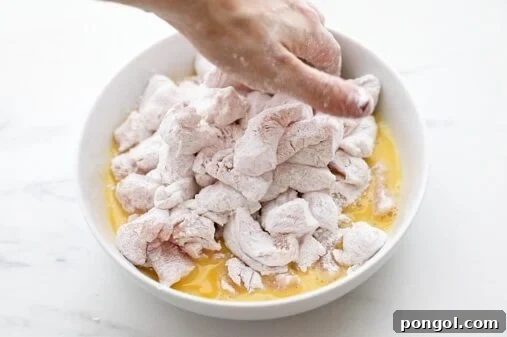
Carefully remove the arrowroot-coated chicken chunks from the bag or container, making sure to shake off any excess powder back into the container. Immediately transfer these chicken pieces into the whisked egg mixture. Use your hands or tongs to gently flip and toss the chicken, ensuring all sides are completely coated with the egg wash. Work in batches if necessary, depending on the size of your bowl, to avoid overcrowding.
-
Remove the chicken chunks from the egg mixture, allowing any excess egg wash to drip back into the bowl. Return these egg-coated chicken pieces to the bag or container with the remaining arrowroot powder. Seal the bag or secure the lid and shake again until the chicken is coated in a second, thicker layer of arrowroot powder. Break up any powder clumps as needed to ensure an even coating.
-
Once again, remove the chicken chunks from the powder, shaking off any excess. Transfer the “breaded” chicken to a large, clean plate and set it aside. Repeat this entire breading process with the remaining 1 pound of chicken, adding more arrowroot powder to the bag or container if needed to maintain sufficient coating.
-
When all the chicken has been breaded, heat a large skillet over medium heat. Once the pan is warm, add 2 tablespoons of refined coconut oil (or avocado oil) to the skillet. Continue heating the skillet, swirling the pan occasionally to coat the bottom evenly with oil, until the oil is just hot and shimmery, indicating it’s ready for frying. While the oil heats, prepare a second large plate by covering it with paper towels. For extra crispy chicken, place a wire cooling rack over the lined plate; this allows air circulation, preventing the chicken from steaming.
-
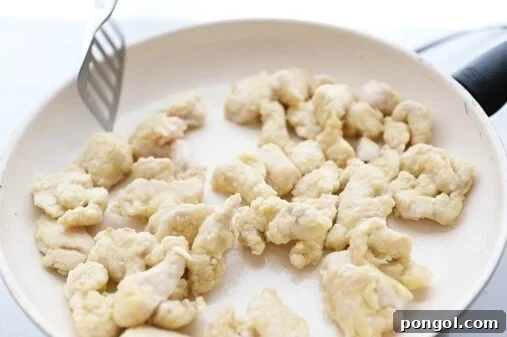
Divide the breaded chicken into 2 to 3 batches to avoid overcrowding the pan, which can lower the oil temperature and prevent even crisping. When the oil is ready, carefully place the first batch of chicken into the skillet in a single layer. Sear the chicken for 1 to 2 minutes on the first side, or until the breading is set and lightly browned. Flip the chicken pieces and cook for another 2 to 4 minutes, or until the breading is a beautiful light golden-brown and the chicken is almost completely cooked through. Use an internal meat thermometer inserted into the thickest part of a chicken piece; it should read between 160°F and 162°F (71°C – 72°C).
-
Transfer the cooked chicken from the skillet to the plate lined with paper towels (or the wire cooling rack) to drain any excess oil. Repeat the pan-frying process with the remaining batches of chicken. Remember to add more oil to the skillet between each batch as needed, ensuring the oil heats up completely before adding the next round of chicken.
For the Veggies
-
Once all the chicken is cooked and set aside, remove the skillet from the heat. Carefully wipe out any residual oil and debris from the skillet using paper towels. Return the clean skillet to the stovetop and warm it over medium heat. Add 1 tablespoon of refined coconut oil (or avocado oil) and swirl the pan to coat. Continue warming the skillet until the oil is hot and shimmery.
-
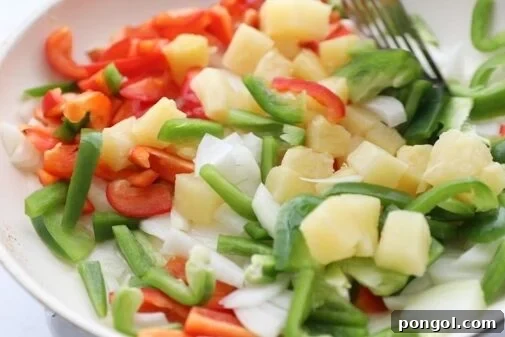
When the oil is ready, add the drained pineapple chunks, sliced red and green bell peppers, and thinly sliced yellow onion to the skillet. Sauté these ingredients, stirring occasionally, until the onions become translucent and the peppers begin to soften. This process usually takes approximately 4 to 5 minutes, depending on your preferred tenderness for the vegetables.
-
Pour the previously prepared sweet and sour sauce into the skillet with the sautéed pineapple and vegetables. Stir everything together well to ensure the pineapple, peppers, and onions are thoroughly coated in the sauce. Allow the mixture to simmer for 2 to 3 minutes, stirring gently, until the sauce has thickened slightly and begins to bubble.
To Serve
-
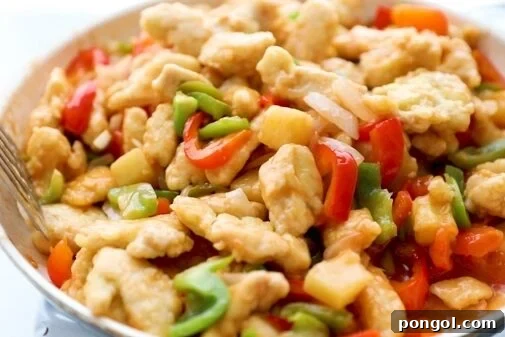
Return all the pan-fried chicken pieces to the skillet with the sauce and vegetables. Gently fold the chicken into the mixture until each piece is thoroughly coated in the rich, sweet and sour sauce. Continue to simmer the entire mixture for a few minutes, just until the chicken is warmed through completely.
-
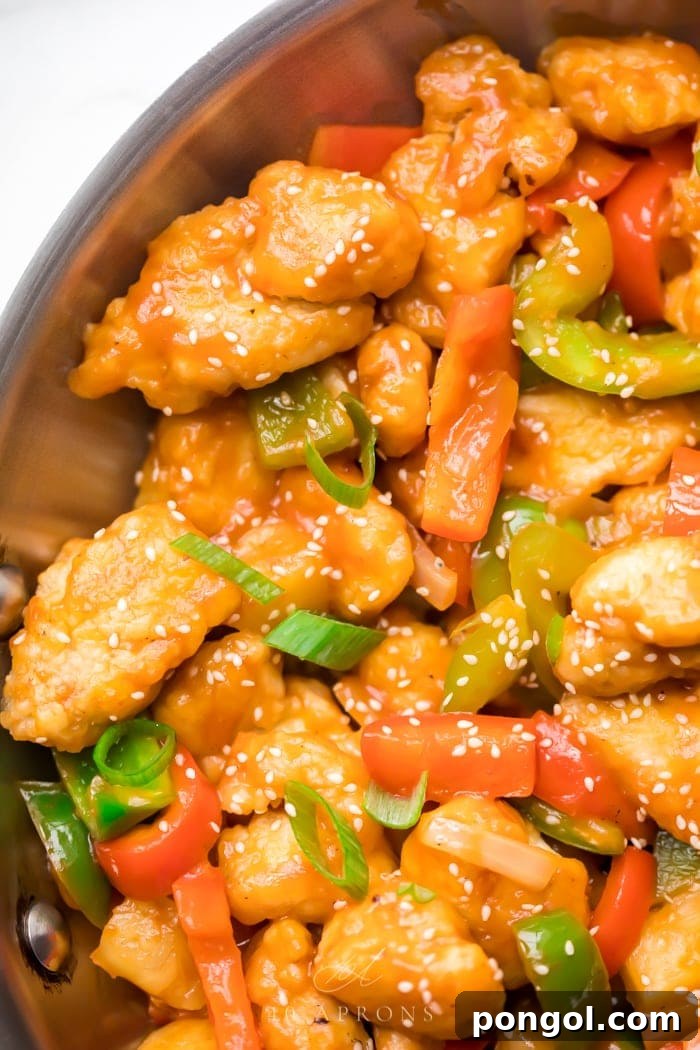
To serve, scoop your preferred amount of steamed cauliflower rice into individual serving bowls. Top each scoop of cauliflower rice with a generous portion of the sweet and sour chicken mixture. For an extra touch of flavor and visual appeal, garnish with a sprinkle of white sesame seeds and a handful of thinly sliced green onions (green parts only). Serve this delightful dish warm and enjoy!
Recipe Notes & Tips for Perfection
- Pineapple Chunks & Juice: This recipe utilizes both the pineapple chunks and their juice. When you drain the can of pineapple chunks, it is absolutely crucial that you do NOT discard the juice! This pineapple juice is a key ingredient for your sweet and sour sauce, contributing natural sweetness and tang. Ensure you are using pineapple that is packed in 100% pineapple juice, with no added sweeteners or other ingredients that might compromise its Whole30 compatibility.
- Sweet & Sour Sauce Customization: The beauty of a homemade sauce is its adjustability. If you desire a sweeter sauce, simply blend in another pitted date. For a tangier flavor with a little more sourness, add a touch more pineapple juice or apple cider vinegar. Keep in mind that the arrowroot powder primarily affects the consistency and thickness of the sauce, not its flavor, so be mindful before adjusting its quantity too much. Furthermore, the quality and flavor of your Whole30 ketchup and coconut aminos will significantly impact the overall taste of your sauce, so choose brands you genuinely enjoy.
- Arrowroot Powder Alternatives: If you happen to have cassava flour readily available, it makes for an excellent alternative to arrowroot powder for the chicken breading! While it might be slightly harder to find, cassava flour is often my preferred grain-free flour due to its consistent performance and it’s less prone to gelling compared to arrowroot powder, which can sometimes happen.
- Coconut Aminos for Dietary Needs: This recipe uses coconut aminos to keep it Whole30 and Paleo compliant. If you are not following a Whole30 protocol and your diet includes soy, you can substitute soy sauce for coconut aminos in the sauce. However, if you choose to use soy sauce, remember to omit any additional salt from the sauce ingredients, as soy sauce has a much higher sodium content. A critical reminder: if you are on a strict Whole30 round, please do not use soy sauce as it is not compliant!
- Perfecting the Chicken Breading: Achieving that ideal arrowroot-egg-arrowroot layer can sometimes be tricky. If you find the coating isn’t sticking as well as you’d like, try this helpful tip: After shaking the chicken in the initial arrowroot powder coating, transfer it to a cutting board or plate and let it rest for 2 to 3 minutes. This brief pause allows the starch to adhere better. After resting, proceed by dipping the chicken in the egg wash, then back into the arrowroot powder as instructed. Additionally, for the crispiest results, always make sure to shake off as much excess arrowroot powder as possible during both breading stages.
- Pan-Frying Arrowroot-Coated Chicken: Frying chicken coated with arrowroot powder requires a slightly different approach than traditional flour breadings, and it might involve a little trial and error at first. If you notice your arrowroot breading burning quickly, it’s likely that your skillet or oil is too hot, or you’ve cooked it for too long. To remedy this, reduce the heat under your skillet to medium-low and allow it a few minutes to cool down slightly before attempting to fry again. I highly recommend performing a “test piece” with just one breaded chicken chunk before committing to a full batch. This way, if the heat isn’t quite right, you won’t waste a significant portion of your delicious meal!
Approximate Nutrition Information for One Serving
Calories: 423 cal
Protein: 36 g
Fat: 8 g
Saturated Fat: 4 g
Trans Fat: 0 g
Cholesterol: 159 mg
Sodium: 377 mg
Potassium: 903 mg
Total Carbs: 50 g
Fiber: 4 g
Sugar: 16 g
Net Carbs: 46 g
Vitamin A: 961 IU
Vitamin C: 55 mg
Calcium: 56 mg
Iron: 2 mg
Nutrition Disclaimers
Number of total servings shown is approximate. Actual number of servings will depend on your preferred portion sizes.
Nutritional values shown are general guidelines and reflect information for 1 serving using the ingredients listed, not including any optional ingredients. Actual macros may vary slightly depending on specific brands and types of ingredients used.
To determine the weight of one serving, prepare the recipe as instructed. Weigh the finished recipe, then divide the weight of the finished recipe (not including the weight of the container the food is in) by the desired number of servings. Result will be the weight of one serving.
Did You Make This Recipe?
We’d love to see your creations! Tag @40aprons on Instagram and be sure to leave a review on the blog post to share your experience with other home cooks!
Tag @40Aprons on Instagram