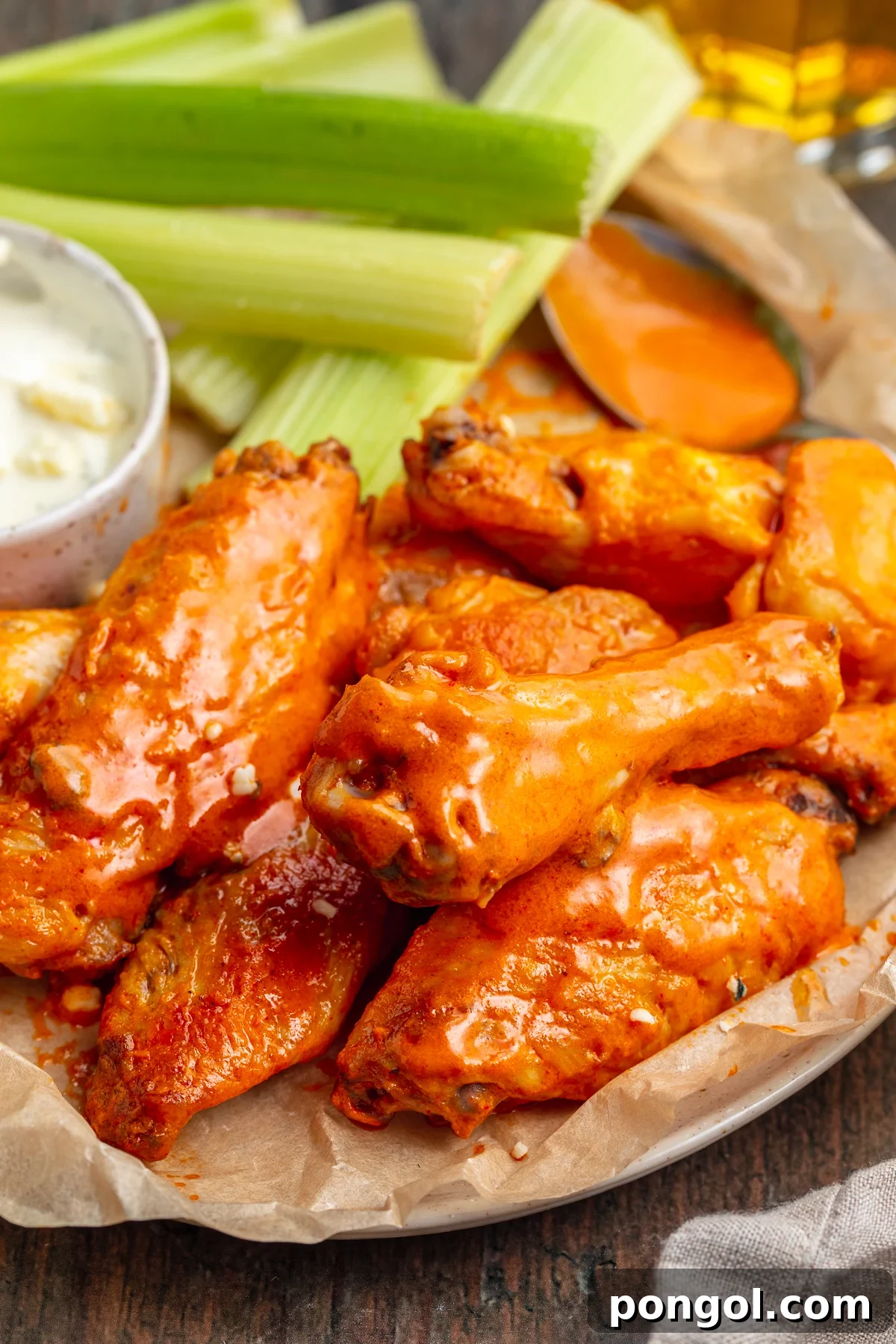
Prepare to revolutionize your approach to chicken wings! Forget dry, tough, or inconsistently cooked wings. This sous vide method promises the most incredibly tender, succulent chicken wings you’ve ever savored. Imagine perfectly cooked meat, slow-bathed in a precise water environment to lock in every ounce of natural juiciness, then finished under a hot broiler for that irresistible, golden-crisp skin. Finally, tossed in a classic, tangy buffalo sauce, these wings are not just a meal; they’re an experience. This technique is remarkably simple, virtually hands-off, and absolutely foolproof, guaranteeing ideal results every time. Whether you’re hosting a game day party, a casual get-together, or simply craving an elevated snack, these sous vide chicken wings will undoubtedly become your new go-to recipe.
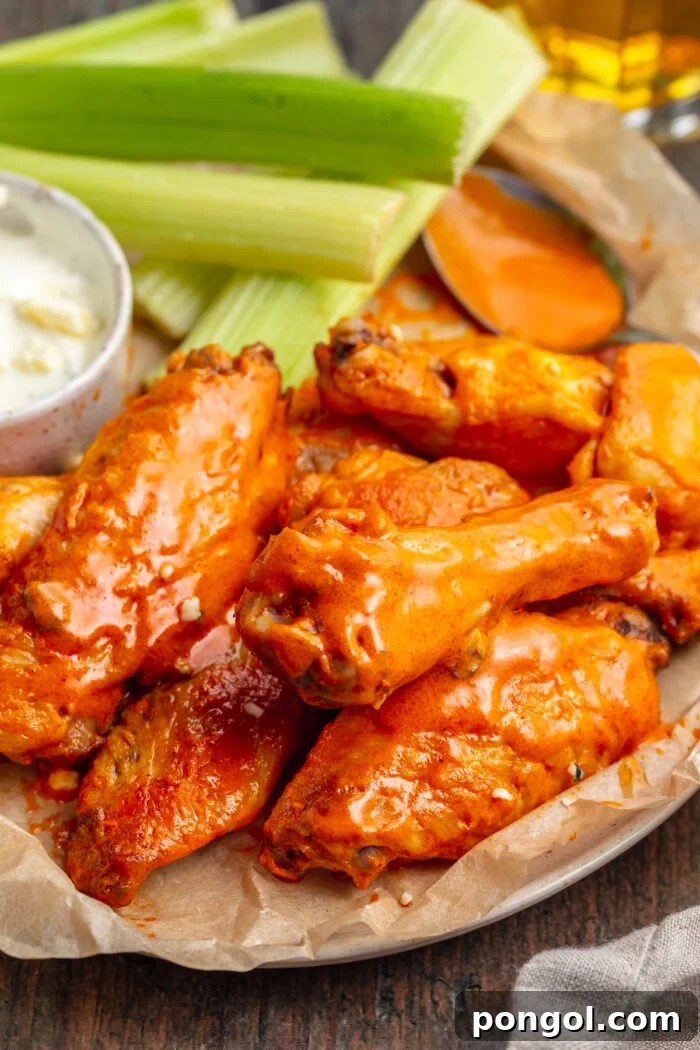
Why Sous Vide Chicken Wings Are a Game Changer
The culinary world is constantly evolving, and sous vide cooking has emerged as a truly transformative technique, especially for dishes like chicken wings. While methods like a Crockpot, an air fryer, or an Instant Pot offer convenience, the sous vide method stands unparalleled in achieving profound tenderness and consistent cooking. It might sound daunting, but we assure you, it’s just as simple and foolproof as any other, yielding results that are simply unbeatable.
- Unmatched Tenderness and Juiciness: The magic of sous vide lies in its precise temperature control. By cooking the wings in a vacuum-sealed bag immersed in a temperature-controlled water bath, the chicken cooks slowly and evenly in its own juices. This prevents the meat from drying out or becoming tough, instead rendering it incredibly tender and bursting with flavor. The vacuum seal ensures that all the moisture and seasonings are locked in, contributing to an incredibly juicy interior that other cooking methods often struggle to achieve. You’ll bite into wings that practically melt off the bone.
- The Perfect Crispy Finish: While sous vide excels at tenderness, it doesn’t naturally provide the crispy skin we all crave in a perfect wing. This is where a quick finish comes in. After their luxurious bath, the wings are transferred to a hot broiler or even an air fryer for just a few minutes. This high-heat blast rapidly crisps up the skin to golden perfection, creating a delightful contrast to the succulent interior. This two-stage cooking process ensures you get the best of both worlds: unbelievably juicy meat and satisfyingly crunchy skin.
- Incredible Versatility and Dietary Friendliness: Chicken wings are a canvas for flavor, and this sous vide method maintains that versatility. You can season them with a myriad of spices before their bath and toss them in any sauce you desire afterward. The foundational recipe is naturally adaptable to various dietary needs, including keto, low carb, paleo, Whole30, dairy-free, and gluten-free. This flexibility makes them a perfect dish for any crowd, accommodating different tastes and dietary restrictions with ease. If you have guests who prefer plant-based options, perhaps some tofu fried “chicken” would be a delicious complement!
The Science Behind Perfectly Tender and Crispy Wings
Understanding the science behind sous vide helps appreciate why this method produces such superior results. Sous vide, meaning “under vacuum” in French, involves cooking food in a precisely temperature-controlled water bath. For chicken wings, this precision is key. Chicken muscle fibers can toughen when exposed to high, uncontrolled heat. The sous vide method cooks the wings at a consistent, lower temperature (typically 160°F or 71°C for chicken) for an extended period, which slowly breaks down the connective tissues without overcooking the meat. This gentle cooking environment allows the collagen to convert into gelatin, resulting in that incredibly tender, fall-off-the-bone texture.
Furthermore, the vacuum sealing prevents any moisture loss, effectively self-basting the chicken in its own savory juices and seasonings. This maximizes flavor and keeps the meat incredibly moist. After the sous vide bath, the wings are still pale. The final step—broiling—introduces high, direct heat, triggering the Maillard reaction. This chemical reaction occurs between amino acids and reducing sugars when heat is applied, creating hundreds of new flavor compounds and that desirable golden-brown crust we associate with crispy chicken skin. The short, intense burst of heat achieves crispness without compromising the tender interior, which is already perfectly cooked through.
Essential Equipment for Your Sous Vide Wing Journey
Embarking on your sous vide adventure requires a few key pieces of equipment, most of which you might already own or are easily accessible. Investing in these tools will open up a world of culinary possibilities beyond just wings.
- Large Pot or Heat-Resistant Container: This will serve as your water bath. A stockpot, Dutch oven, or even a large food-grade cooler can work. Ensure it’s deep enough to fully submerge your wings and accommodate the immersion circulator’s minimum and maximum water level indicators.
- Sous Vide Immersion Circulator: This is the heart of your sous vide setup. It precisely heats and circulates the water, maintaining a constant temperature. Various models are available, from entry-level to professional-grade.
- Cutting Board and Paper Towels: Essential for prepping the wings, ensuring they are properly dried before seasoning and cooking. Dryness is critical for both seasoning adherence and achieving a crispy skin later on.
- Large Food-Safe Vacuum Sealing Bags: These bags are designed to withstand the water bath temperature and create an airtight seal. They are crucial for preventing water from entering the bag and locking in the wings’ juices.
- Vacuum Sealer (Optional, but Recommended): A vacuum sealer effectively removes all air from the bag, creating a perfect seal. If you don’t have one, the water displacement method (detailed in the “Chef’s Tips” section) is a viable alternative using regular zip-top bags.
- Broiler (or Air Fryer/Deep Fryer): Necessary for the final crisping stage. A standard oven broiler works wonderfully, but an air fryer offers an alternative for crisping with less oil, and a deep fryer delivers classic fried texture.
- Large Baking Sheet and Tongs: For transferring and handling the wings during the crisping process. Lining the baking sheet with parchment paper or foil can make cleanup easier.
- Large Bowl: Ideal for tossing the cooked and crisped wings in your desired sauce, ensuring an even coating.
Pro Tips for Flawless Sous Vide Wings Every Time
Achieving the perfect sous vide chicken wings is easy, but a few expert tips can elevate your results from great to truly extraordinary. Pay close attention to these details for a genuinely restaurant-quality experience.
- Double Drying is Non-Negotiable: This is arguably the most crucial step for incredible wings. First, thoroughly pat the chicken wings dry before you season them and place them in the sous vide bag. This ensures the salt and any other seasonings adhere properly and form a flavorful crust during cooking. Second, and equally important, pat them completely dry again after they come out of the sous vide bath and before they go under the broiler. Any moisture on the skin at this stage will steam rather than crisp, leading to a rubbery rather than crunchy texture. Seriously, for the crispiest skin, pat them dry twice!
- Start with Fresh or Properly Defrosted Wings: This recipe is optimized for fresh or fully defrosted bone-in chicken wings. Avoid using frozen wings directly in the sous vide bath, as this can affect cooking times and consistency. If your wings are frozen, plan ahead and move them to the refrigerator to thaw overnight. In a pinch, you can speed up the defrosting process by placing the frozen wings in a food-safe bag and submerging them in cold water for about 30 minutes, or until they are completely thawed. Ensure they are fully defrosted before drying and seasoning.
- Mastering the Water Displacement Method: No vacuum sealer? No problem! You can achieve excellent results using a sturdy, sealable food-safe bag (like a gallon-sized freezer bag) and the water displacement method. Here’s how: Place your seasoned wings in the bag and seal it almost entirely, leaving a small corner open. Slowly lower the bag into the preheated water bath. As the water level rises around the bag, the pressure will naturally force the air out around the food. Once the wings are fully submerged and virtually all the air has been expelled, seal the remaining corner of the bag tightly. This creates a makeshift vacuum seal, ensuring optimal cooking.
- Ensure Full Submersion: For even cooking, every part of the chicken wings must be fully submerged in the water bath. If any portion of the wing floats above the water line, it won’t cook to the correct temperature, potentially leading to undercooked spots. If your bag tends to float, you can use heavy-duty clips to attach it to the side of your pot, or even place a heat-safe weight (like a heavy ceramic plate or clean silverware) on top of the bag to keep it submerged.
- Don’t Overcrowd the Broiler: When it’s time to crisp, arrange the wings in a single layer on your baking sheet, ensuring they aren’t touching. Overcrowding the pan will create steam, preventing the skins from getting truly crispy. Give each wing its space to achieve that perfect golden-brown crunch.
Crafting the Ultimate Buffalo Sauce and Complementary Sides
The beauty of sous vide wings extends beyond their tender texture; it’s also about the incredible flavor they carry, especially when coated in a classic buffalo sauce. While store-bought buffalo sauce offers convenience, making your own allows for customization to your perfect heat and tang preference. A simple homemade buffalo sauce typically combines hot sauce (like Frank’s RedHot), melted butter, a splash of white vinegar, and a touch of Worcestershire sauce. Adjust the ratios to find your ideal balance.
Beyond buffalo, these versatile wings can be tossed in a myriad of other delicious sauces. Consider a sticky, savory BBQ sauce for a smoky twist, a zesty lemon pepper rub for a brighter flavor, or a sweet and spicy Korean gochujang sauce for an adventurous palate. Teriyaki, garlic parmesan, or even a simple dry rub can transform these wings into a completely different culinary experience.
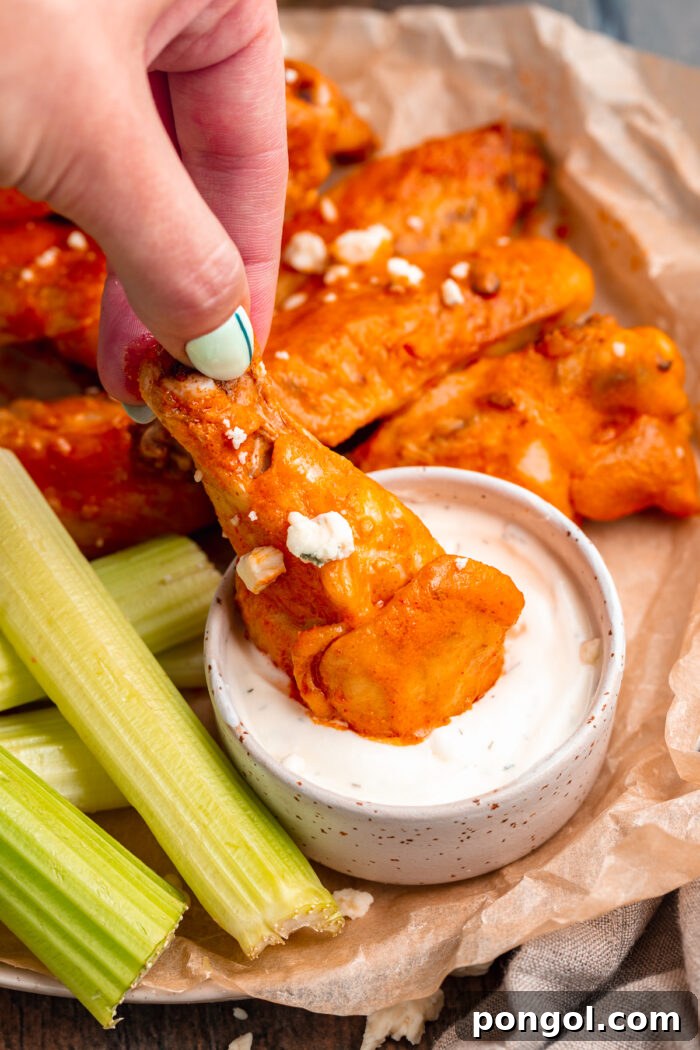
No plate of buffalo wings is complete without the perfect accompaniment. Cool and creamy ranch dressing or a pungent blue cheese dressing are traditional favorites, offering a delightful counterpoint to the spicy heat of the sauce. Crisp celery sticks and carrot sticks are not just for dipping; they provide a refreshing crunch and help cleanse the palate between bites. For an extra touch, consider serving them alongside sweet potato fries, a fresh coleslaw, or even a side of fluffy jasmine rice to complete the meal.
Other Irresistible Chicken Recipes You’ll Love
- Marry Me Chicken (Chicken in a Sun Dried Tomato Cream Sauce)
- Boneless Chicken Wings
- Ultimate Chicken Casserole
- Instant Pot Chicken Pot Pie Soup
- Chicken Pot Pie Casserole
- Mandarin Chicken
- Air Fryer Pecan Crusted Chicken with Honey Mustard Sauce
- Instant Pot Chicken Breasts
- Chicken Costoletta
- Hibachi Chicken with Fried Rice and Vegetables
- Marry Me Chicken Salad
- Firebirds’ Chicken Pasta Copycat
- Grilled Chicken and Rice

Sam Guarnieri
Sous Vide Chicken Wings with Buffalo Sauce
15 minutes
2 hours 5 minutes
2 hours 20 minutes

Sam Guarnieri
Pin Recipe
Save Recipe
Equipment
-
Large pot or other large, heat-resistant container
-
Sous vide immersion circulator
-
Cutting board
-
Paper towels
-
Large food-safe vacuum sealing bags or large, sealable food-safe storage bag
-
Vacuum sealer optional, see Notes for alternative
-
Broiler
-
Large baking sheet
-
Tongs
-
Large bowl
Ingredients
- 1 pound chicken wings drums, flats, or a combination
- Salt to taste
- ½ cup buffalo sauce store-bought or make your own
- Ranch dressing optional, to serve
- Blue cheese dressing optional, to serve
- Celery sticks optional, to serve
Instructions
-
Fill a large pot or other large, heat-resistant container with water. Insert the sous vide immersion circulator and set to 160° Fahrenheit. Note: The pot must be deep enough that the water level falls between the minimum and maximum indicators on the circulator.
-
When the water is preheated, place chicken wings on a cutting board. Pat each wing completely dry with paper towels, then liberally season all sides of the wings with salt.

-
Transfer wings to a sealable, food-safe bag. Close the bag and use a vacuum sealer or the water displacement method (see Notes below) to remove as much air as possible.
-
Fully submerge the chicken wings in the preheated water bath. Cook wings for 2 hours at 160° Fahrenheit.
-
Once the 2-hour cook time is up, immediately remove the bag of chicken wings from the water bath. Preheat your broiler on high heat. While the broiler preheats, transfer the chicken wings from the bag to a baking sheet. Pat the wings completely dry with paper towels.
-
When the broiler is preheated, place the baking sheet under the broiler and cook wings for 5 to 6 minutes or until the skins are crisp and golden brown. Carefully remove the baking sheet from the broiler.
-
Transfer the wings to a large bowl. Pour buffalo sauce over the wings and toss or gently stir until the wings are completely coated with sauce. Transfer wings to serving plate(s) and serve immediately with ranch or blue cheese dressing and celery sticks, if desired.
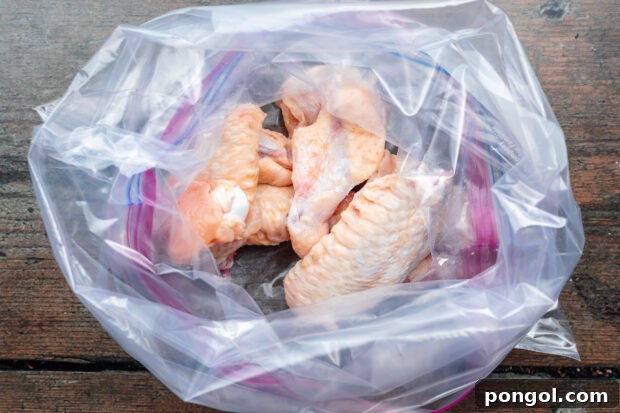
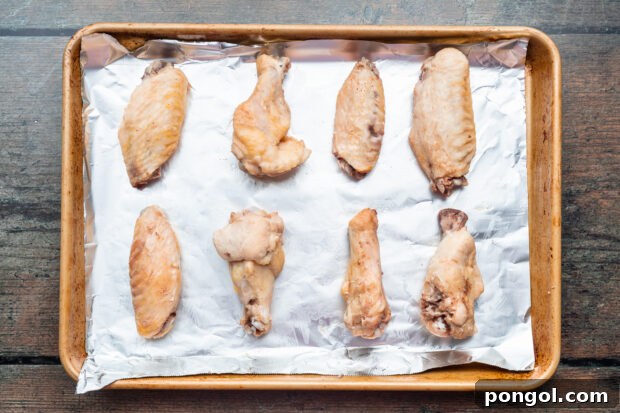
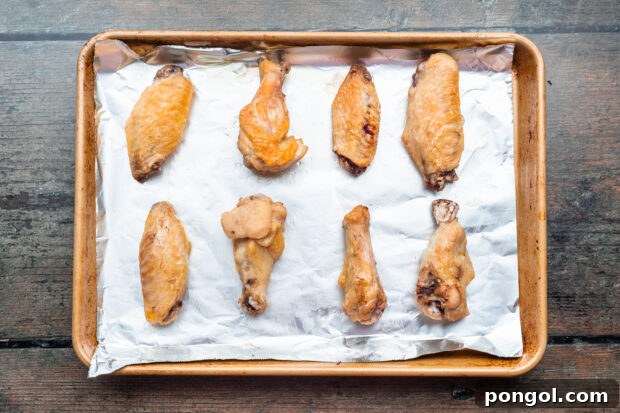
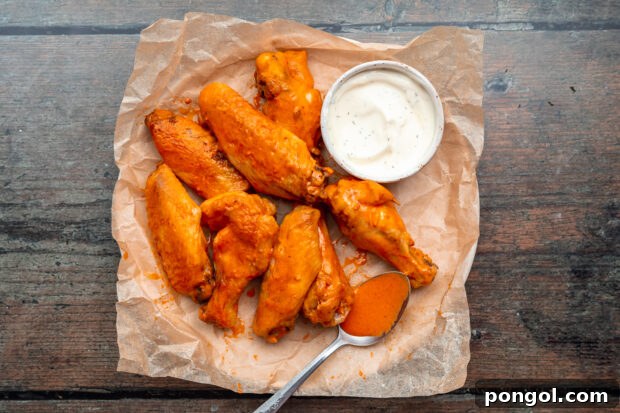
- The chicken wings must be fully submerged in order to cook properly. If any portion of the chicken is above the water, you risk the wings not cooking all the way. If needed, you can tie or tape weights or silverware to the bottom of the bag to keep it submerged.
- Water Displacement Method: If you don’t have a vacuum sealer, place your ingredients in an appropriately-sized plastic bag (like a Ziploc gallon-sized bag) and seal the bag halfway across the top. Heat water with your sous vide immersion circulator, then slowly lower the bag into the water. You should see the plastic cling to the food as the pressure from the hot water forces the air out. Once the food is entirely submerged and the air is completely out, seal the bag completely and continue with the recipe.
Approximate Information for One Serving
Calories: 272 cal
Protein: 22 g
Fat: 20 g
Saturated Fat: 5 g
Trans Fat: 0.2 g
Cholesterol: 94 mg
Sodium: 1929 mg
Potassium: 191 mg
Net Carbs: 0 g
Vitamin A: 180 IU
Vitamin C: 1 mg
Calcium: 15 mg
Iron: 1 mg
Nutrition Disclaimers
Number of total servings shown is approximate. Actual number of servings will depend on your preferred portion sizes.
Nutritional values shown are general guidelines and reflect information for 1 serving using the ingredients listed, not including any optional ingredients. Actual macros may vary slightly depending on specific brands and types of ingredients used.
To determine the weight of one serving, prepare the recipe as instructed. Weigh the finished recipe, then divide the weight of the finished recipe (not including the weight of the container the food is in) by the desired number of servings. Result will be the weight of one serving.
Did You Make This Recipe?
Tag @40aprons on Instagram and be sure to leave a review on the blog post!
Tag @40Aprons on Instagram
Conclusion: Elevate Your Wing Game
There you have it – the ultimate guide to creating unbelievably tender and crispy sous vide chicken wings with buffalo sauce. This method, while seemingly sophisticated, is straightforward and yields consistently spectacular results that will impress even the most discerning wing connoisseur. By harnessing the power of precise temperature control, you unlock unparalleled juiciness, and a quick finish under the broiler delivers that coveted crispy skin. Whether you’re a seasoned sous vide enthusiast or a curious beginner, this recipe is a fantastic way to elevate your home cooking and bring restaurant-quality wings to your table. Gather your ingredients, follow these steps, and prepare for a truly delicious experience. Your taste buds, and your guests, will thank you!