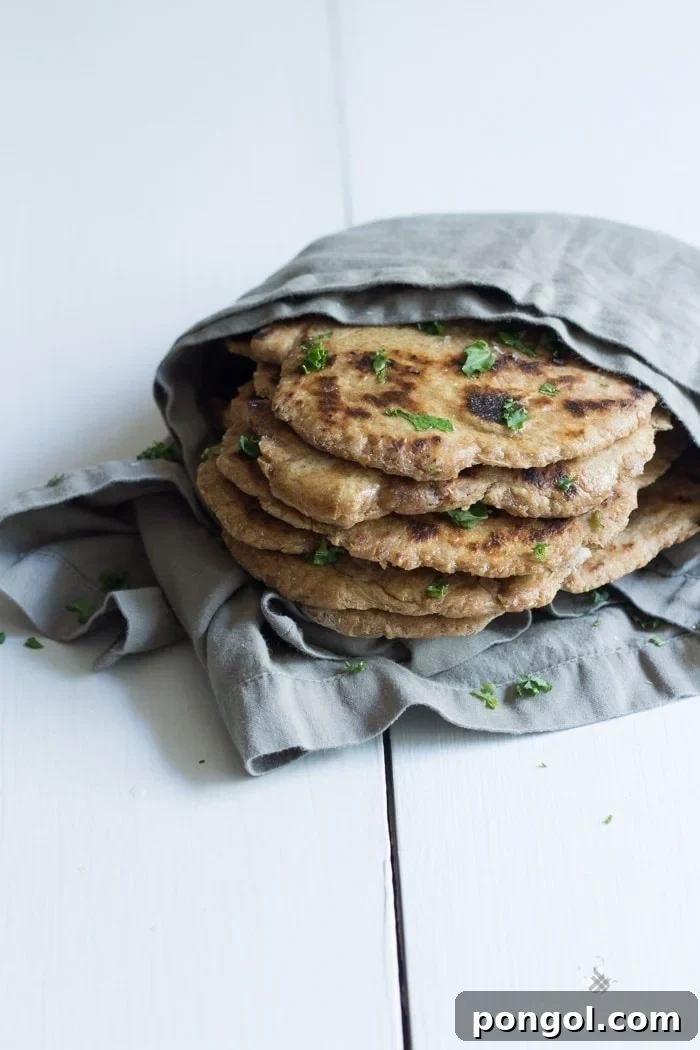
The Ultimate Homemade Whole Wheat Naan: A Flavorful Journey to Your Table
There’s something uniquely comforting about the aroma of freshly baked bread, especially when it’s infused with the rich traditions of South Asian cuisine. For our family, Indian and Pakistani food isn’t just about sustenance; it’s a celebration of heritage, a bridge to my husband O’s roots (who is half-Pakistani), and a constant source of culinary joy. This deep connection explains why our wedding featured beautiful mendhi on my palms and why our kitchen often hums with the preparation of spiced dals and aromatic curries.
O grew up with the delightful tastes of halwa poori and cholay for breakfast, followed by hearty bowls of dal and curry for lunch and dinner. My own culinary affections lean towards the vibrant flavors of saag paneer, the earthy goodness of mushroom bhaji, and the zesty kick of chicken 65. Yet, for O, the true magic lies in the experience of eating – specifically, the delightful journey a spoonful of curry takes from the bowl to his mouth, lovingly scooped up by a piece of warm, pillowy naan. He truly adores bread, and a meal simply isn’t complete without it.
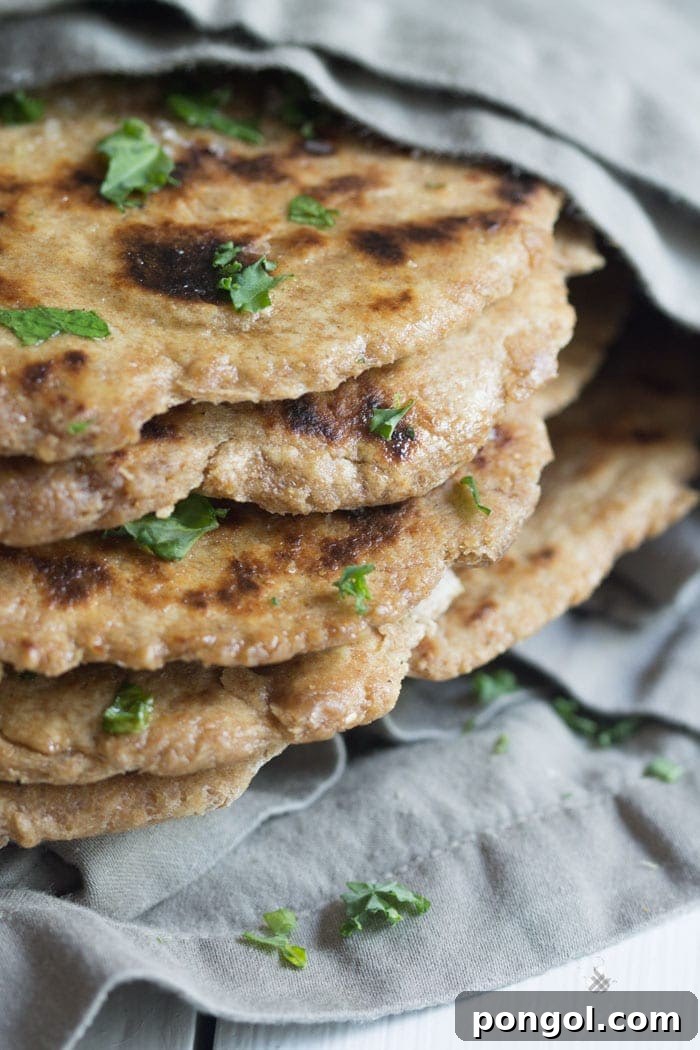
Why Choose Homemade Whole Wheat Naan?
The desire for authentic, wholesome naan intensified when I recently prepared a batch of creamy palak paneer. While store-bought, prepackaged naan is readily available (and often pricey at around $5 a pack at places like Whole Foods), it rarely matches the freshness and quality of homemade. Moreover, the naan we typically enjoy at restaurants is often made with refined white flour. I wanted something more nourishing, something that aligned with our desire for healthier eating without sacrificing flavor or texture. This commitment led me down the path of creating the perfect whole wheat naan.
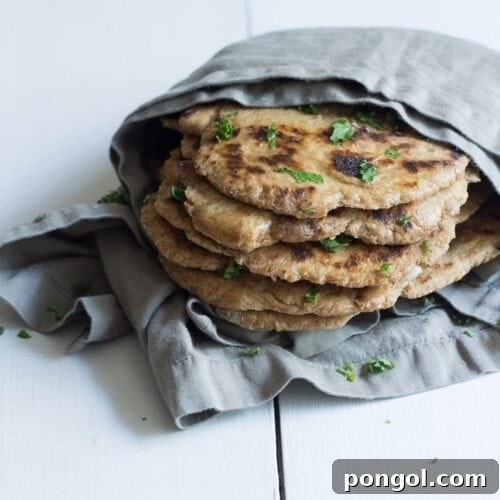
My quest for a truly whole wheat naan recipe proved challenging. Many recipes I encountered only incorporated a small percentage of whole wheat flour, predominantly relying on white flour. This approach didn’t sit right with me. If we’re going to make whole wheat naan, by Jove, it should be genuinely whole wheat! So, I decided to venture out on my own, experimenting until I developed a recipe that is almost entirely whole wheat. The result is a naan that is wonderfully toothsome yet tender, bursting with a rich, nutty flavor, and absolutely ideal for scooping up every last drop of your favorite curry.
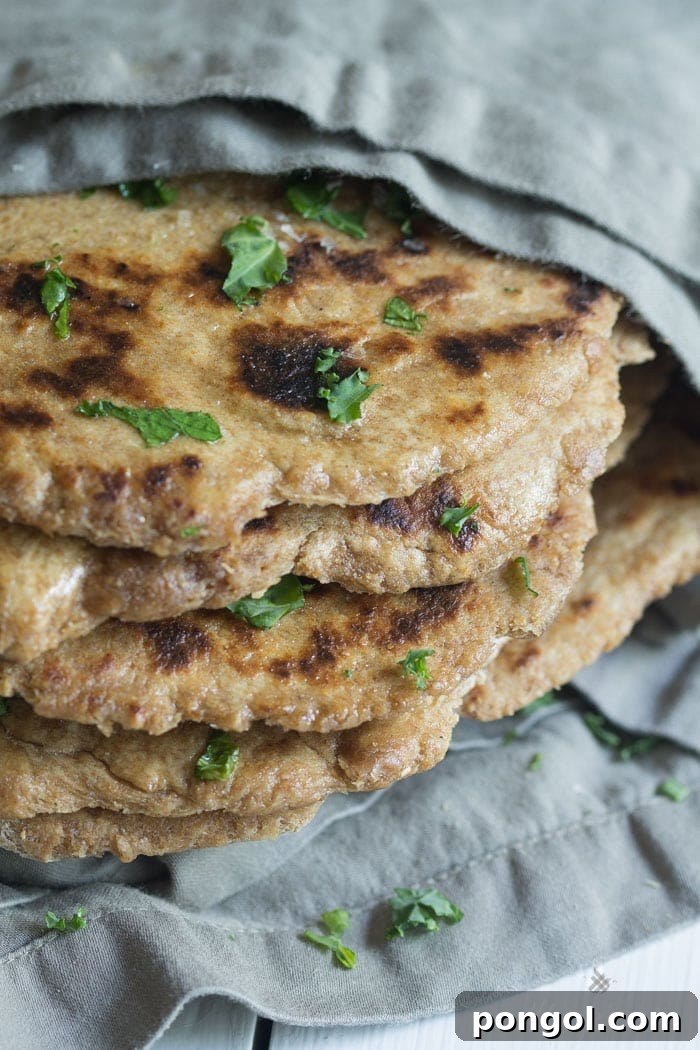
Beyond its incredible taste, opting for whole wheat naan brings a host of nutritional benefits. Whole wheat flour retains the entire wheat kernel – the bran, germ, and endosperm – meaning it’s packed with fiber, B vitamins, iron, magnesium, and other essential nutrients that are stripped away during the processing of white flour. This makes whole wheat naan not only more filling but also a more wholesome choice for your digestive health and overall well-being. It’s a simple swap that significantly elevates the nutritional profile of a beloved staple, allowing you to indulge guilt-free.
Mastering the Art of Whole Wheat Naan at Home
Making naan from scratch might seem intimidating, but with a few key tips, you’ll be creating perfectly puffed, flavorful bread in no time. The process is incredibly rewarding, transforming simple ingredients into a culinary masterpiece. Here’s a deeper dive into the steps to ensure your homemade whole wheat naan is a resounding success.
The Science of the Dough: Yeast, Flour, and Fermentation
The foundation of any great bread is its dough, and naan is no exception. Start by activating your yeast in warm milk. The ideal temperature for milk is between 100-110°F (38-43°C). If it’s too hot, it will kill the yeast; too cold, and the yeast won’t activate. You’ll know the yeast is active when it becomes foamy and bubbly after about 10 minutes – this is a crucial sign that your dough will rise. In a large mixing bowl, combine the flours, baking powder, baking soda, and sea salt. The combination of white whole wheat flour and a small amount of all-purpose flour provides the perfect balance of nutty flavor and tender texture. Baking powder and soda work alongside the yeast to give the naan its characteristic fluffiness and airy pockets.
Next, create a well in the center of your dry ingredients and pour in the wet components: olive oil, honey, and whole milk yogurt. The yogurt adds a wonderful tang and softness to the dough, a hallmark of traditional naan. Honey not only provides a touch of sweetness but also acts as food for the yeast, enhancing its activity. Lightly mix these ingredients, then gradually incorporate the milk-yeast mixture. Mix until the dough just comes together, aiming for a consistency that is soft but not overly sticky. If it feels too wet, add a tiny bit more whole wheat flour; if too dry, a touch more milk. Trust your instincts here.
Kneading for Perfection
Kneading is where the magic truly happens. For whole wheat naan, knead the dough for a full 7 minutes. This process develops the gluten in the flour, which is essential for creating an elastic dough that can stretch and hold air, resulting in a tender, chewy naan. If your dough is too sticky during kneading, dust your hands or the surface with a minimal amount of flour – resist the urge to add too much, as this can make your naan tough. A well-kneaded dough will be smooth and pliable.
The All-Important Rest
After kneading, cover the dough and allow it to rest for a generous 2 hours. This resting period is vital for fermentation, giving the yeast time to work its wonders. During this time, the dough will slightly expand, developing deeper flavors and becoming even more pliable. Don’t be surprised if it feels a bit stickier after resting; this is a normal indication of proper fermentation. Patience truly is a virtue in bread making, and this rest is non-negotiable for achieving the best texture.
Shaping and Cooking Your Naan
Once rested, divide the dough into 6 equal pieces. On a well-floured surface, roll out each piece into an oval or round shape. The thickness matters: thicker naan tends to bubble less but retains a softer, chewier interior, while thinner naan might puff up more dramatically but can be crispier. Experiment to find your preferred thickness.
For cooking, a large cast-iron skillet is your best friend. Heat it on medium-high heat until it’s sizzling hot. Cast iron retains heat exceptionally well, which is crucial for achieving that characteristic blistered exterior and rapid cooking. Add a small spoon of ghee (clarified butter) to the hot skillet – ghee adds an incredible depth of flavor and helps with browning. Place one rolled naan onto the skillet and immediately cover it with a lid. This traps steam, helping the naan to puff up beautifully. Cook for 1-2 minutes on the first side; you’ll notice bubbles forming across the surface. Flip the naan over and cook for another minute until golden brown spots appear. Remove from heat and repeat the process for the remaining dough, adding a little more ghee to the skillet as needed for each piece.
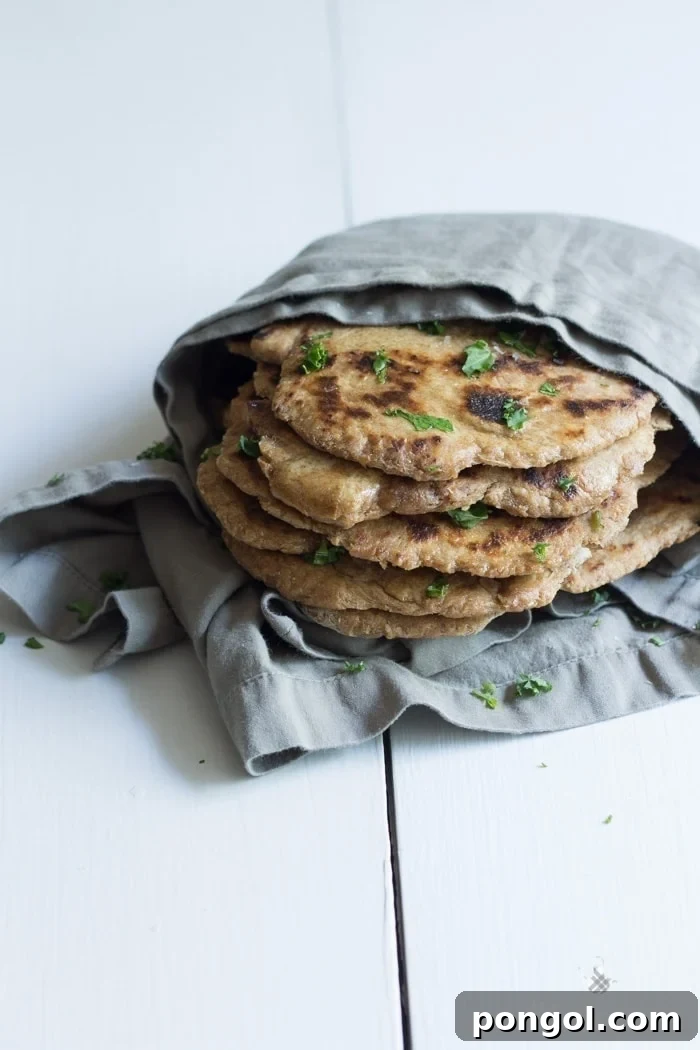
Finally, brush your freshly cooked naan with a little extra ghee for a glossy finish and an irresistible aroma. Serve immediately while warm, ready to perfectly complement your homemade curries or stews. Remember, in our house, naan always comes first!
Serving Suggestions & Creative Variations
While this whole wheat naan is an absolute dream paired with palak paneer, its versatility extends far beyond. It’s an essential companion for a wide array of South Asian dishes, from rich Dal Makhani and spicy Chicken Tikka Masala to succulent Lamb Karahi and comforting vegetable curries. Beyond traditional pairings, consider using it as a base for mini pizzas, a hearty wrap for grilled meats and veggies, or simply enjoy it with a bowl of hummus or a dollop of raita.
Feel free to get creative with flavor additions! Before cooking, sprinkle your rolled-out naan with minced garlic and fresh cilantro for a classic Garlic Naan, or a mix of nigella seeds (kalonji) and sesame seeds for added texture and aroma. A touch of finely chopped mint can also add a refreshing twist.
Making it Vegan or Dairy-Free
For those following a vegan or dairy-free diet, this recipe is easily adaptable. I’ve only tried it with regular yogurt and milk, but you can confidently substitute whole milk yogurt with a high-quality vegan yogurt (such as soy or almond-based) and regular milk with your preferred plant-based milk (almond, soy, or oat work well). You might want to add just a little bit more olive oil to the dough to compensate for the lower fat content of many dairy-free alternatives, ensuring your naan remains tender and moist. Otherwise, the method and results should be just as delicious!
Troubleshooting Common Naan Issues
Even seasoned home bakers can encounter small hurdles. Here are some common issues and how to resolve them:
- Tough Naan: This often happens from over-kneading, adding too much flour, or not letting the dough rest long enough. Ensure you measure flour accurately and stick to the 7-minute kneading time, allowing the full 2-hour rest.
- Naan Not Puffing: Inactive yeast is a common culprit. Always check that your milk is at the right temperature for yeast activation. Also, ensure your skillet is hot enough; a lukewarm pan won’t create the necessary steam. Lastly, rolling the naan too thin can also prevent significant puffing.
- Dough Too Sticky: While the dough should be soft, if it’s unmanageably sticky, you can gradually add a very small amount of flour during kneading. However, remember that the dough will become slightly stickier after resting, which is normal.
For optimal freshness, homemade naan is best enjoyed immediately. If you have leftovers, store them in an airtight container at room temperature for up to 2 days or freeze them for longer storage. Reheat gently in a dry skillet or microwave until warm and soft.
Recipe By: Cheryl Malik
Whole Wheat Naan
Prep: 2 hours 20 minutes
Cook: 5 minutes
A nutty, simple whole-wheat naan that’s absolutely perfect for homemade curries.
Cheryl Malik
Pin Recipe
Servings: 6
Ingredients
- 2 ½ cup white whole wheat flour
- ½ cup all-purpose flour
- 1 teaspoon honey
- ¾ teaspoon baking powder
- ¾ teaspoon baking soda
- ¾ teaspoon sea salt
- ½ cup whole milk yogurt
- 1 teaspoon olive oil
- ½ cup milk, warmed to about 100-110ºF
- 1 1/4- ounce packet of yeast
- 1 tbsp ghee, for frying and serving
Instructions
- Sprinkle yeast over milk and set aside for about 10 minutes. In a large bowl, whisk together flours, baking powder, baking soda, and salt.
- Make a well in the center and pour in oil, honey, and yogurt. Lightly mix. Add in milk-yeast mixture and mix until dough comes together. Dough should be soft but not quite sticky.
- Knead for 7 minutes, adding a bit of flour if necessary. Set aside and allow dough to rest for 2 hours. Dough will slightly expand and become stickier.
- Divide dough into 6 equal pieces. On a well-floured surface, roll out dough into desired shape (oval or round). Thicker naan bubbles less when cooking as compared to thinner naan.
- Heat a large cast iron skillet on medium-high heat until hot. Add a little spoon of ghee to the skillet. Place one round on the skillet and cover with lid immediately. Allow to cook for 1-2 minutes. Naan will begin to bubble. Flip naan over and cook for another minute.
- Remove from heat. Repeat until all naan dough has been cooked.
- Brush with ghee and serve warm.
Notes
Brush with ghee and serve warm.
Approximate Nutrition Information for One Serving
- Serving Size:
- 6 serving
- Calories:
- 280 cal
- Protein:
- 11 g
- Fat:
- 6 g
- Saturated Fat:
- 3 g
- Cholesterol:
- 11 mg
- Sodium:
- 449 mg
- Potassium:
- 232 mg
- Total Carbs:
- 49 g
- Fiber:
- 7 g
- Sugar:
- 3 g
- Net Carbs:
- 42 g
- Vitamin A:
- 53 IU
- Calcium:
- 104 mg
- Iron:
- 2 mg
Nutrition Disclaimers
Number of total servings shown is approximate. Actual number of servings will depend on your preferred portion sizes.
Nutritional values shown are general guidelines and reflect information for 1 serving using the ingredients listed, not including any optional ingredients. Actual macros may vary slightly depending on specific brands and types of ingredients used.
To determine the weight of one serving, prepare the recipe as instructed. Weigh the finished recipe, then divide the weight of the finished recipe (not including the weight of the container the food is in) by the desired number of servings. Result will be the weight of one serving.
Did You Make This Recipe?
We’d love to see your culinary creations! Tag @40aprons on Instagram and be sure to leave a review on the blog post!
Tag @40Aprons on Instagram
You might also like…