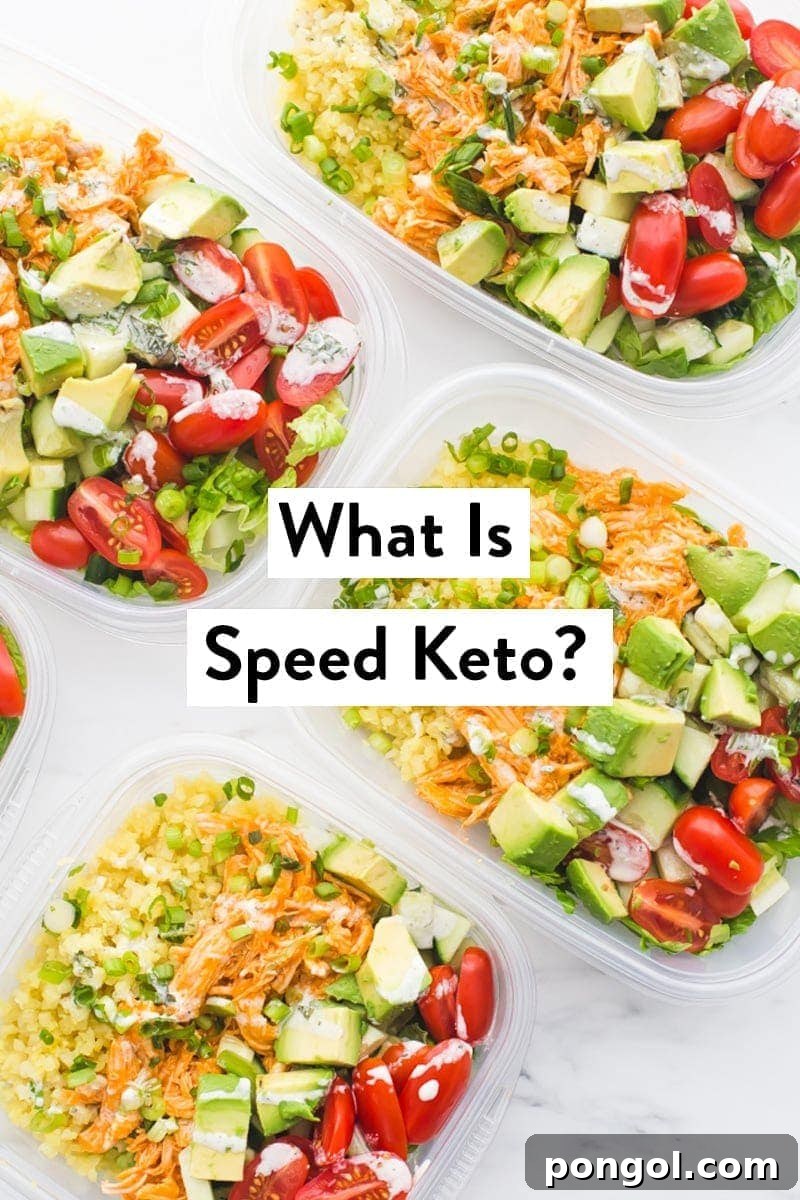
The pursuit of rapid weight loss and peak physical condition has led to an explosion of specialized diets and eating protocols. Among the most popular and intriguing is the ketogenic diet, revered for its ability to shift the body’s metabolism to burn fat for fuel. But what if you could accelerate those results even further? Enter Speed Keto, a modified approach that promises to boost weight loss, skyrocket energy levels, and dramatically reduce sugar cravings beyond what traditional keto alone offers. This intense regimen combines the core principles of a low-carb, high-fat ketogenic diet with an extremely restrictive form of intermittent fasting.
For many, the idea of achieving quicker, more pronounced results is incredibly appealing, especially for those who might have hit a plateau on their traditional keto journey. However, with any intensified dietary plan, it’s crucial to delve beyond the claims and understand the full picture. Is Speed Keto truly a game-changer for sustainable health and weight management, or does its extreme nature come with significant drawbacks? In this comprehensive guide, we’ll explore what Speed Keto entails, dissect its purported benefits, and critically examine the potential issues and long-term viability, helping you make an informed decision about whether this accelerated approach is right for you.
Understanding Speed Keto: A Deeper Dive
At its core, Speed Keto builds upon the well-established foundation of the ketogenic diet, which mandates a very low carbohydrate intake, moderate protein, and high fat consumption. This macronutrient distribution forces the body into a metabolic state called ketosis, where it primarily burns fat for energy instead of glucose. The benefits of traditional keto, such as enhanced fat loss, improved blood sugar control, and increased satiety, are well-documented and have attracted millions of followers.
Speed Keto then layers a stringent intermittent fasting protocol on top of this. Intermittent fasting (IF) involves cycling between periods of eating and voluntary fasting. Common IF schedules include 16/8 (fasting for 16 hours, eating within an 8-hour window) or 18/6. The rationale behind IF is to extend the time your body spends in a fat-burning state, optimize hormone levels like insulin, and promote cellular repair processes such as autophagy. Many individuals on a standard ketogenic diet naturally incorporate some form of intermittent fasting because the high fat intake helps to reduce hunger and extend feelings of fullness.
However, Speed Keto elevates the intensity of intermittent fasting to an extreme level. While many IF practitioners might eat two or three meals within their designated eating window, Speed Keto specifically allows for only one meal per day (OMAD). This means you would fast for approximately 23 hours, consuming all your daily caloric and nutritional needs within a single, hour-long eating period. The creator of Speed Keto posits that this ultra-restrictive approach significantly accelerates the process of entering and maintaining a deep state of ketosis, thereby maximizing fat loss and boosting other ketogenic benefits.
The appeal for many lies in the promise of overcoming stubborn weight loss plateaus. For those who have been diligently following traditional keto but have seen their progress stall, the idea of a method that can “speed up” results is incredibly tempting. It suggests a powerful tool to kickstart a stalled metabolism or break through resistance that conventional methods couldn’t overcome. Furthermore, proponents suggest that this intense approach can lead to even greater energy, mental clarity, and reduced cravings due to sustained, deep ketosis and prolonged fasting periods.
The Allure and Reported Benefits of Speed Keto
The attraction to Speed Keto isn’t merely about faster weight loss; it encompasses a range of perceived advantages that draw individuals to this highly restrictive protocol. Understanding these reported benefits is crucial for a balanced perspective:
Rapid Weight Loss and Enhanced Fat Burning
The most immediate and compelling benefit of Speed Keto is its potential for very rapid weight loss. By combining the fat-burning state of ketosis with prolonged fasting, the body is consistently pushed to utilize its fat stores for energy. The severe caloric restriction inherent in eating just one meal a day almost guarantees a significant caloric deficit, leading to initial swift reductions on the scale. This accelerated loss can be highly motivating, especially for those seeking quick results or feeling discouraged by slower progress on other diets. The emphasis on entering and staying in “deep” ketosis is believed to optimize the body’s fat-burning machinery, making it incredibly efficient.
Overcoming Weight Loss Plateaus
Many individuals on a traditional ketogenic diet eventually experience a weight loss plateau, where progress halts despite continued adherence. Speed Keto is often marketed as a potent strategy to break through these plateaus. The extreme nature of OMAD fasting, coupled with keto, can shock the system, potentially resetting metabolic processes and reigniting fat loss. This can be a huge draw for those feeling frustrated and seeking a drastic change to resume their weight loss journey.
Increased Energy and Mental Clarity
Similar to traditional keto, proponents of Speed Keto report significant improvements in energy levels and cognitive function. Once the body fully adapts to burning ketones for fuel, many experience a stable, sustained energy supply without the spikes and crashes associated with carbohydrate consumption. The prolonged fasting periods are also thought to enhance brain function, leading to heightened focus, clarity, and reduced “brain fog.” This mental sharpness is often cited as a key benefit, allowing individuals to feel more productive and alert throughout their day.
Reduced Cravings and Appetite Suppression
Both the ketogenic diet and intermittent fasting are known for their appetite-suppressing effects. The high-fat content of keto meals promotes satiety, while the regular fasting periods can help regulate hunger hormones. Speed Keto, by combining these, is said to create an even more profound reduction in hunger and cravings, particularly for sugary and processed foods. The idea is that once the body adapts, the fasting periods become easier, and the desire for unhealthy snacks diminishes significantly, simplifying adherence to the diet.
Simplicity and Reduced Decision Fatigue
For some, the single-meal-a-day structure of Speed Keto simplifies their relationship with food. Instead of planning multiple meals and snacks, there’s only one meal to prepare and consume. This can reduce decision fatigue and the mental load associated with constant food choices, freeing up time and energy. This streamlined approach can be appealing to busy individuals looking for a minimalist dietary strategy.
Potential Downsides and Significant Concerns of Speed Keto
While the promises of Speed Keto are compelling, it’s essential to critically examine the significant drawbacks and potential risks associated with such an extreme dietary approach. The intensity that drives rapid results can also lead to serious challenges and health complications.
Sustainability and Long-Term Adherence
One of the biggest problems with Speed Keto is its inherent lack of long-term sustainability. Eating only one meal a day, coupled with strict ketogenic guidelines, is incredibly restrictive and challenging to maintain indefinitely. The psychological toll of constant food restriction, the difficulty in navigating social situations involving food, and the sheer mental discipline required make it a regimen that few can stick to for extended periods. Most people will eventually want to eat more than one meal a day or desire a wider variety of foods, leading to an inevitable departure from the diet. Diets that are too restrictive often lead to a “rebound effect” once discontinued.
High Risk of Weight Regain
Once you deviate from such a strict diet, or eventually transition back to a more conventional eating pattern, the likelihood of regaining lost weight, and often more, is substantially high. This phenomenon is common with many crash diets. The body, having adapted to extreme caloric restriction, may slow its metabolism to conserve energy. When food intake increases, it can be more prone to storing calories as fat, leading to rapid weight regain. Furthermore, the deprivation experienced during the diet can lead to overeating or unhealthy food choices once restrictions are lifted, contributing to the cycle of yo-yo dieting.
Potential for Nutrient Deficiencies
Consuming all your daily nutrients within a single meal makes it incredibly challenging to meet the body’s full requirements for essential vitamins, minerals, and fiber. Even with careful planning of a nutrient-dense keto meal, obtaining adequate amounts of micronutrients from a single serving can be difficult. Over time, this could lead to deficiencies, impacting various bodily functions, from immune health to bone density and energy levels. While supplemental vitamins can help, a whole-food approach is always preferable for optimal nutrient absorption.
Electrolyte Imbalances and Dehydration
Both ketogenic diets and prolonged fasting can lead to significant fluid and electrolyte imbalances. When carb intake is drastically cut, the body excretes more water and, with it, essential electrolytes like sodium, potassium, and magnesium. With only one meal a day, it’s harder to replenish these through food, and inadequate hydration during extended fasting periods can exacerbate the issue. This can lead to symptoms like the “keto flu” (headaches, fatigue, dizziness), muscle cramps, heart palpitations, and, in severe cases, dangerous cardiac arrhythmias.
Exacerbation of Pre-existing Health Conditions
Traditional keto already carries its own set of risks, including low blood pressure, an increased risk of heart disease for some individuals, and kidney stones, just to name a few. Doctors strongly advise against keto for people with gallbladder, liver, thyroid, or pancreas issues. Adding the extreme stress of only one meal per day through Speed Keto could potentially lead to even more severe medical problems, worsening existing conditions or even triggering new ones. The prolonged fasting can put significant strain on organs and metabolic pathways.
Impact on Hormonal Balance
For some individuals, particularly women, highly restrictive diets and prolonged fasting can disrupt hormonal balance. This can manifest as irregular menstrual cycles, impact fertility, and affect thyroid function. The body interprets extreme caloric restriction as a period of scarcity, which can trigger stress responses and lead to hormonal dysregulation over time.
Risk of Disordered Eating Patterns
The highly rigid structure of Speed Keto, with its intense focus on restriction and meal timing, can be a slippery slope towards disordered eating for susceptible individuals. The constant preoccupation with food rules, the intense guilt associated with breaking them, and the extreme control required can foster an unhealthy relationship with food, leading to binging or other problematic eating behaviors.
Social and Practical Challenges
Adhering to Speed Keto presents considerable social and practical challenges. Dining out with friends or family becomes difficult, as does attending social events where food is central. Meal planning and preparation for that single, nutrient-dense meal become a critical, time-consuming task, requiring significant discipline and foresight. This can isolate individuals and make the diet feel even more burdensome.
Who Should Consider Speed Keto (and Who Absolutely Shouldn’t)
Given the extreme nature of Speed Keto, the decision to embark on such a regimen should never be taken lightly. It’s paramount to understand that this is not a universally suitable diet, and for many, it poses significant health risks. The most crucial recommendation for anyone considering Speed Keto is to consult with a qualified medical professional, such as a doctor or registered dietitian, before making any dietary changes.
Who might potentially consider Speed Keto (under strict medical supervision):
- Individuals with significant weight loss goals: For those with severe obesity where rapid weight loss might be medically indicated to improve certain health markers, and traditional methods have failed, a very short-term, medically supervised Speed Keto protocol *might* be considered. This would involve constant monitoring for nutrient deficiencies, electrolyte imbalances, and overall health.
- Those highly disciplined and well-informed: Individuals who have extensive experience with both ketogenic diets and intermittent fasting, understand their body’s responses, and are committed to meticulous nutrient and electrolyte tracking may consider it for very specific, short-term goals. However, even for this group, the long-term sustainability remains a major concern.
Who absolutely shouldn’t try Speed Keto:
- Pregnant or breastfeeding women: These periods require consistent, adequate nutrition for both mother and child. Extreme caloric restriction and prolonged fasting are dangerous.
- Individuals with a history of disordered eating: The restrictive nature of Speed Keto can easily trigger or exacerbate anorexia, bulimia, or other eating disorders.
- People with specific medical conditions: This is a critical point. Individuals with diabetes (especially those on insulin or certain medications), kidney disease, liver disease, gallbladder issues, pancreatic conditions, thyroid disorders, or cardiovascular disease should avoid Speed Keto. The diet can significantly worsen these conditions or interfere with medication.
- Anyone on specific medications: Certain medications, particularly for blood pressure, blood sugar, or mental health, can interact negatively with drastic dietary changes and prolonged fasting.
- Children and adolescents: Growing bodies require consistent and diverse nutrition for proper development.
- Athletes or those with high physical demands: While some may claim increased energy, extreme caloric restriction can impair performance, recovery, and overall physical health for those engaged in intense physical activity.
- Individuals prone to electrolyte imbalances or dehydration: These risks are amplified on Speed Keto and can lead to dangerous complications.
Ultimately, Speed Keto is an extreme measure. Its potential benefits are often outweighed by the significant risks and sustainability challenges. Prioritizing long-term health and sustainable lifestyle changes, guided by professional advice, is always the safest and most effective approach to well-being.
Alternative Approaches: Achieving Keto Results Sustainably
For those drawn to the benefits of the ketogenic diet and intermittent fasting but concerned about the extreme nature of Speed Keto, there are numerous sustainable and effective alternatives. These approaches allow for the metabolic advantages of keto and fasting without the severe risks and psychological strain of consuming only one meal a day.
Standard Ketogenic Diet with Moderate Intermittent Fasting
Instead of OMAD, consider integrating a more moderate intermittent fasting schedule with a well-formulated ketogenic diet. Protocols like 16/8 (fasting for 16 hours, eating within an 8-hour window) or 18/6 (fasting for 18 hours, eating within a 6-hour window) are widely practiced and well-tolerated. These schedules allow for two or even three meals within the eating window, making it easier to achieve nutrient adequacy and manage hunger, while still leveraging the benefits of extended fasting for fat burning and insulin sensitivity. This combination is highly effective for weight loss, energy, and blood sugar control for many people.
Focus on Clean Keto and Nutrient Density
Prioritize “clean keto” over “dirty keto.” This means building your diet around whole, unprocessed foods like grass-fed meats, wild-caught fish, organic poultry, low-carb vegetables, healthy fats (avocado, olive oil, nuts, seeds), and full-fat dairy (if tolerated). Avoiding highly processed keto-friendly foods ensures a higher intake of essential vitamins, minerals, and antioxidants, supporting overall health and mitigating the risk of deficiencies that can arise from restriction.
Precise Macronutrient Tracking and Adequate Protein Intake
To ensure sustainable results and preserve muscle mass (which is crucial for metabolism), meticulously track your macronutrients. While keeping carbs very low and fats high is key, ensuring adequate protein intake is equally vital. Protein helps with satiety, muscle repair, and preventing muscle loss during weight reduction. Many people on keto unintentionally under-eat protein, which can be detrimental in the long run. Aim for a moderate protein intake (e.g., 0.7-1.0 grams per pound of lean body mass).
Prioritize Electrolyte Balance and Hydration
Regardless of your keto or fasting protocol, diligent attention to electrolyte balance and hydration is non-negotiable. Supplementing with sodium, potassium, and magnesium, especially in the initial phases and during longer fasting periods, can prevent common side effects like the keto flu, headaches, and muscle cramps. Drinking plenty of water throughout the day is also essential for all bodily functions.
Incorporate Strength Training and Regular Physical Activity
Exercise is a powerful complement to any diet. Strength training helps build and maintain muscle mass, which boosts resting metabolism and improves body composition. Cardiovascular exercise supports heart health and can enhance fat burning. Combining a well-formulated keto diet with regular physical activity can accelerate results, improve overall health markers, and increase the sustainability of your lifestyle changes.
Listen to Your Body and Practice Flexibility
One of the most important aspects of sustainable dietary change is learning to listen to your body’s signals. If you feel overly hungry, fatigued, or experience adverse symptoms, it’s crucial to adjust your approach. Flexibility is also key; allowing for occasional variations or slightly longer eating windows on social occasions can prevent burnout and make the diet feel less restrictive, increasing the likelihood of long-term adherence. True sustainability means finding an eating pattern that supports your health goals without making you miserable or feeling deprived.
Making an Informed Decision: Consult Your Doctor
In the vast landscape of dietary trends, Speed Keto stands out as an exceptionally intense and restrictive protocol. While its proponents tout rapid weight loss, enhanced energy, and accelerated progress against plateaus, a critical examination reveals significant drawbacks concerning long-term sustainability, potential health risks, and nutritional adequacy.
The allure of quick fixes is powerful, but true health and lasting weight management are built on sustainable habits, not extreme deprivation. The combined stress of a very low-carb diet and eating only one meal a day places considerable strain on the body, risking nutrient deficiencies, electrolyte imbalances, hormonal disruptions, and potentially exacerbating pre-existing medical conditions. The high likelihood of weight regain once such a strict regimen is discontinued also questions its overall effectiveness as a long-term solution.
Before starting any lifestyle or diet program, especially one as demanding as Speed Keto, it is critically important to ensure it’s the right fit for your body by talking to a medical professional. Your doctor or a registered dietitian can assess your individual health status, medical history, current medications, and specific needs. They can help you understand the potential risks and benefits in the context of your unique physiology and guide you towards a dietary strategy that is safe, effective, and sustainable for your long-term health and well-being. Remember, a diet that can’t be maintained isn’t truly successful, and your health should always be the top priority.

More Posts on Keto
- What’s Dirty Keto?
- Keto Shopping List
- 7-Day Keto Meal Plan
- The Keto Diet for Beginners