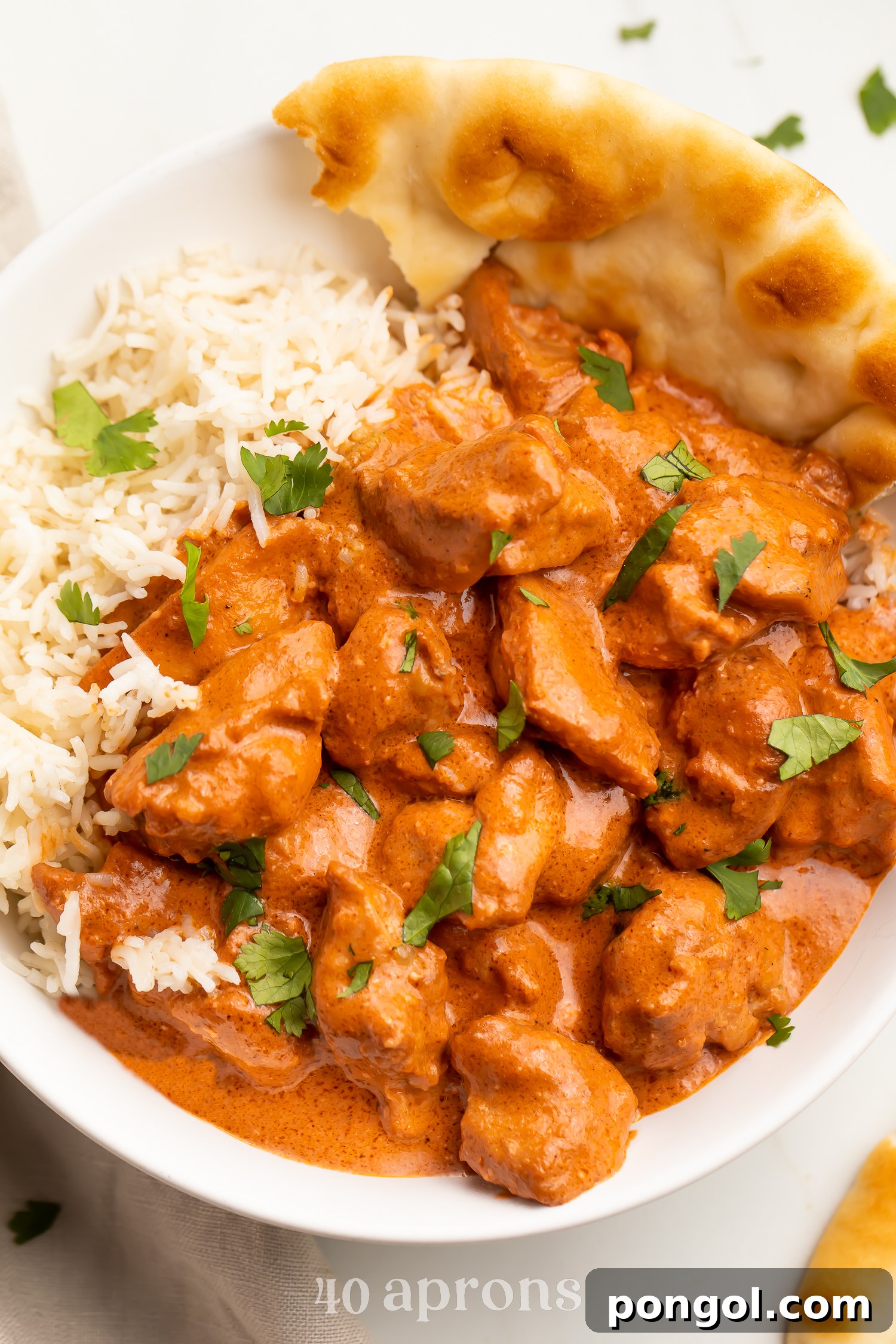
Embark on a culinary journey to India with our meticulously crafted recipe for Butter Chicken, renowned globally as Murgh Makhani. This iconic dish is a celebration of flavor, featuring exceptionally tender chicken thighs generously coated in a luscious, richly spiced, and delightfully creamy tomato-based curry. It’s an indulgent experience that promises warmth and satisfaction with every spoonful. Having perfected this recipe over many years, it holds a special place in my heart and my family’s, particularly delighting my Pakistani father-in-law, who truly savors its authentic taste.
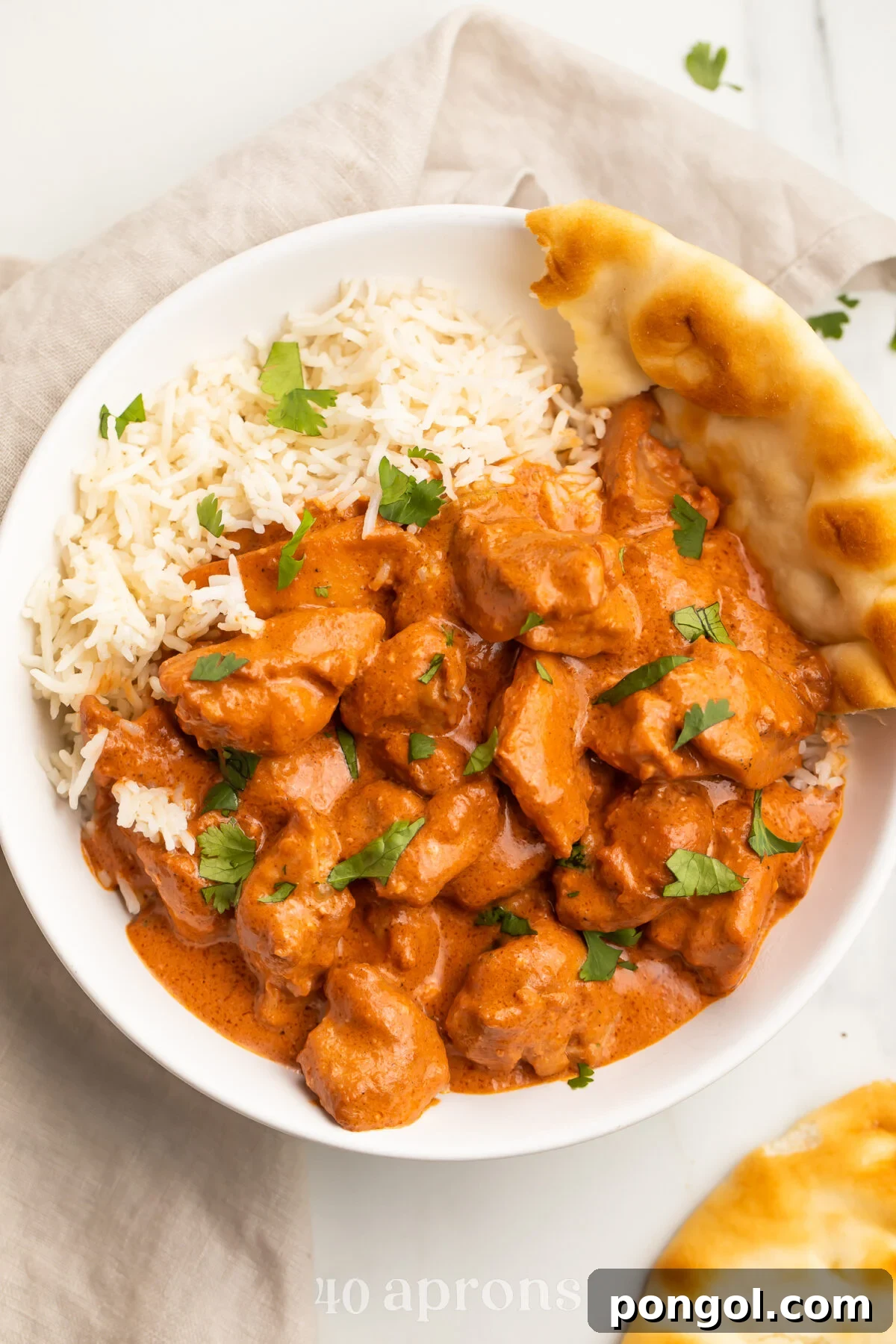
Why This Butter Chicken Recipe Shines Above the Rest
Crafting exquisite Indian cuisine in your own kitchen should be an enjoyable and rewarding experience, not a daunting one. Our Butter Chicken recipe is specifically designed to bring the complex, restaurant-quality flavors of Murgh Makhani to your home with remarkable simplicity. Here are the compelling reasons why this particular recipe stands out as a true culinary gem:
- An Accessible Gateway to Indian Cooking: If you’re new to the world of homemade Indian food, this recipe is your perfect starting point. We strip away the intimidation, offering clear, step-by-step instructions that guide you through transforming everyday ingredients into an extraordinary meal. The entire cooking process is consolidated into a single skillet or wok, significantly reducing cleanup time and making it an ideal choice for busy weeknights when you crave something special yet convenient.
- A Harmonious Blend of Spices and Textures: At the core of this dish lies the unparalleled tenderness of juicy chicken thighs, which are slowly simmered to perfection in a deeply flavorful tomato curry. The magic truly happens with our carefully selected array of aromatic spices: the profound warmth of garam masala, the sweet, vibrant hue of paprika, the earthy zest of ground coriander, the sharp, refreshing kick of fresh ginger, a customizable hint of chili powder, and the fragrant embrace of whole cinnamon and subtly bruised cardamom pods. A final infusion of creamy yogurt and luscious heavy cream culminates in a sauce that is velvety, thick, and utterly irresistible, ensuring every piece of chicken is enrobed in pure deliciousness.
- Perfectly Balanced Heat for Every Palate: While Butter Chicken often draws comparisons to Chicken Tikka Masala, it distinguishes itself with a generally milder and subtly sweeter flavor profile. This characteristic makes it exceptionally appealing to a wide range of tastes, including families with young children or individuals who prefer less spicy dishes. However, this recipe empowers you with complete control over the heat; easily adjust the amount of chili powder to achieve your personal ideal, from a gentle warmth to an invigorating zest. It’s a versatile dish designed for your enjoyment.
- Unrivaled Comfort and Gourmet Indulgence: There’s an inherent soul-soothing quality to a well-made, creamy curry, and Murgh Makhani embodies this comfort food ideal. It’s a dish that feels like a comforting embrace, perfect for unwinding and savoring a luxurious meal at home. The interplay of tender chicken, the rich, aromatic sauce, and the perfectly balanced spices creates an experience that is both sophisticated and deeply satisfying. To complete this culinary masterpiece, serve it alongside fragrant basmati rice and warm, pillowy naan bread, ensuring that not a single drop of this magnificent curry goes unappreciated.
Expert Tips for Crafting Flawless Butter Chicken
Achieving a butter chicken that rivals your favorite Indian restaurant is more attainable than you might imagine, especially when armed with a few professional insights. These chef-approved tips are designed to elevate your homemade Murgh Makhani, ensuring a delectable and authentic result every time:
- The Balance of Authenticity and Convenience: Traditional Murgh Makhani often begins with an overnight marinade of chicken in a spiced yogurt blend, followed by grilling in a tandoor oven for its characteristic smoky depth. To make this recipe practical and enjoyable for the home cook on a typical weeknight, we have strategically streamlined these time-intensive steps. While our version offers a quicker preparation, it brilliantly captures the iconic flavor profile, providing a delicious and efficient alternative without compromising on taste. If time permits, a minimum 30-minute marinade for the chicken in yogurt and a pinch of salt can still significantly enhance its tenderness and flavor.
- Mastering Perfectly Cooked Chicken: Chicken thighs are inherently more forgiving than chicken breasts due to their higher fat content, making them an excellent choice for curries that involve simmering. However, even thighs can become dry if overcooked. To guarantee consistently juicy and tender chicken, an internal meat thermometer is your best friend. Aim for the chicken to reach an internal temperature of 160°F to 163°F during its initial simmer in the tomato sauce. The chicken will continue to cook and tenderize as it finishes its journey in the creamy yogurt and heavy cream mixture for the final 5 minutes, ultimately reaching the safe internal temperature of 170°-175°F. This precise two-stage cooking method ensures optimal texture and moisture.
- Deepening Flavors Through Advanced Preparation: Much like fine wines or slow-cooked stews, the flavors of butter chicken mature and meld beautifully as the dish rests. It’s a common culinary secret that butter chicken is often even more exquisite the day after it’s made! If your schedule allows, consider preparing the curry sauce a day in advance. After completing the sauce (before adding the chicken, yogurt, and cream), transfer it to an airtight container. Allow it to cool completely at room temperature, then refrigerate it overnight. The following day, simply cook your chicken pieces, incorporate them into the pre-made curry base, and then gently stir in the dairy components, simmering until everything is heated through and gloriously creamy. This simple step profoundly enhances the depth and richness of the curry.
- The Importance of Room Temperature Dairy: A critical, yet often overlooked, tip when adding yogurt and heavy cream to your hot curry is to ensure they are at room temperature, or at least not chilled directly from the refrigerator. Introducing cold dairy to a hot sauce can shock it, potentially leading to curdling or an undesirable separated texture. To prevent this, simply take your yogurt and cream out of the fridge 15-30 minutes before you plan to use them. This small step guarantees a silky, smooth, and perfectly integrated sauce.
- Unlocking Aroma with Toasted Whole Spices: While our recipe calls for a blend of ground spices, the inclusion of whole cinnamon sticks and bruised cardamom pods is deliberately chosen for their aromatic contribution. Briefly sautéing these whole spices in butter or oil at the beginning of the cooking process awakens their essential oils, releasing a far more profound and intricate aroma and flavor into the curry base. This “blooming” technique is fundamental to authentic Indian cooking. Specifically, don’t forget to gently bruise the cardamom pods with the flat side of your knife; this simple action helps unleash their intense, fragrant, and slightly floral notes, adding significant depth to the final dish.
The Irresistible Story of Butter Chicken
Butter Chicken, or Murgh Makhani, carries a captivating origin story deeply woven into the culinary tapestry of post-partition India. Its creation dates back to the 1950s, attributed to two visionary chefs, Kundan Lal Jaggi and Kundan Lal Gujral, at the renowned Moti Mahal restaurant in Delhi. The tale suggests that faced with leftover tandoori chicken, they sought an innovative way to prevent it from drying out. Their ingenious solution was to simmer the tender tandoori pieces in a rich, velvety gravy made from tomatoes, butter, and cream, which was affectionately termed “murgh makhani.” This resourceful culinary invention quickly captured the hearts and palates of diners, rapidly ascending to global fame and cementing its status as an indispensable cornerstone of Indian cuisine. Today, it remains celebrated worldwide for its luxurious texture and exquisitely balanced, vibrant flavor profile – a true testament to culinary innovation born from necessity.
Key Ingredients & Their Culinary Magic
To truly appreciate the complex and harmonious flavors of Butter Chicken, it’s helpful to understand the unique contribution of each core ingredient. Here’s a breakdown of the stars that make this dish shine:
- Chicken Thighs: We opt for boneless, skinless chicken thighs for their superior flavor, inherent moisture, and robust texture. Unlike leaner chicken breasts, thighs remain incredibly tender and juicy even after extended simmering, making them ideal for absorbing the rich curry flavors without drying out.
- Butter & Ghee: The very essence of “butter chicken,” these fats are not just for cooking but integral to the dish’s flavor and richness. Ghee, or clarified butter, offers a distinctly nutty aroma and a higher smoke point, making it perfect for blooming spices without burning. Using a combination of unsalted butter and ghee imparts a multi-layered buttery depth that is unparalleled.
- Tomato Sauce: This forms the sweet, tangy, and robust foundation of our curry. Tomatoes provide essential acidity, which beautifully balances the richness of the butter and cream, and creates a vibrant base that carries the complex spice profile. Using a good quality, plain tomato sauce is key.
- Aromatic Spice Blend: The heart and soul of Indian cooking.
- Garam Masala: A foundational Indian spice blend, offering a warming, earthy, and complex aromatic backbone to the curry.
- Sweet Paprika: Primarily chosen for its beautiful red color and mild, subtly sweet, and smoky flavor, rather than heat.
- Ground Coriander: Imparts distinct citrusy, earthy, and slightly floral notes, a signature flavor in many Indian curries.
- Fresh Ginger: Provides a pungent, zesty, and warming kick, brightening the entire flavor profile of the dish.
- Chili Powder: The primary source of heat in this recipe. Its quantity can be easily adjusted to match your desired spice level, from a gentle warmth to a bold intensity.
- Cinnamon Stick: Contributes a sweet, woody warmth and a subtle, comforting fragrance that slowly infuses into the sauce during simmering.
- Cardamom Pods: When gently bruised, these release an intensely fragrant, slightly floral, and sweet aroma, adding a sophisticated layer of complexity that is characteristic of authentic Murgh Makhani.
- Yogurt & Heavy Cream: These dairy components are indispensable for achieving the dish’s signature luxurious, creamy texture and for tempering the intensity of the spices. Full-fat plain yogurt adds a subtle tanginess and further tenderizes the chicken, while heavy cream provides an unmatched velvety mouthfeel and richness.
- Granulated Sugar (or alternatives): A touch of sweetness is crucial for balancing the natural acidity of the tomatoes and harmonizing with the warming spices, bringing all the flavors into perfect, delectable equilibrium.
- Fresh Lemon Juice: Added at the final stage of cooking, a generous squeeze of fresh lemon juice acts as a bright finishing note. It cuts through the richness of the curry, enhancing and lifting the overall flavor profile with its refreshing zest.
Serving Suggestions for Your Homemade Murgh Makhani
While the Butter Chicken itself is undoubtedly the star, the right accompaniments transform it into a complete and unforgettable Indian dining experience. Here are some highly recommended pairings to serve alongside your homemade Murgh Makhani:
- Fluffy Basmati Rice: The quintessential partner. Its long, slender, and aromatic grains are perfect for soaking up every drop of the rich, creamy sauce, providing a delicate contrast that allows the curry’s complex flavors to truly shine.
- Warm Naan Bread: An absolute essential for scooping up the glorious, velvety sauce. The soft, chewy texture of fresh naan (especially garlic naan for an extra burst of flavor) is simply irresistible and complements the curry perfectly.
- Fresh Cilantro Garnish: A sprinkle of finely chopped fresh cilantro adds a burst of vibrant green color and a refreshing, herbaceous note. This fresh garnish beautifully contrasts the richness of the curry, adding a touch of brightness to each bite.
- Cooling Raita: A simple, cooling side dish made from yogurt, grated cucumber, and a hint of mint. Raita provides a refreshing counterpoint to the curry’s warmth and spice, cleansing the palate between flavorful mouthfuls.
- Indian Side Salad (Kachumber): A light and crisp salad of finely chopped cucumbers, tomatoes, and onions, lightly dressed with lemon juice and a pinch of salt. It offers a delightful crunch and freshness that balances the richness of the main dish.
- Assortment of Chutneys and Pickles: Enhance the complexity of your meal by serving a small side of sweet mango chutney or a tangy lime pickle. These condiments introduce additional layers of sweet, sour, and spicy notes, inviting a dynamic tasting experience.
Customizing Your Butter Chicken Experience
One of the greatest joys of home cooking is the freedom to adapt recipes to perfectly match your preferences, dietary needs, or whatever ingredients you happen to have on hand. Our Butter Chicken recipe is remarkably versatile, offering numerous avenues for customization:
- Tailoring the Spice Level: The chili powder in this recipe acts as your personal heat control. For an exceptionally mild dish, consider reducing the chili powder to just ⅛ teaspoon or omitting it entirely. If you are a fan of robust heat, feel free to increase the quantity of chili powder, or for a fresh kick, incorporate a finely minced green chili along with the ginger.
- Exploring Dairy Alternatives: For those seeking a lighter version, you can substitute heavy cream with half-and-half or even evaporated milk, though be aware that the final texture may be slightly less rich. For a dairy-free or specialized diet option (like Whole30 or Paleo), full-fat coconut milk or a homemade cashew cream can mimic the creamy consistency and flavor remarkably well, creating a delicious Whole30 Butter Chicken.
- Delightful Vegetarian Variations: This recipe can be effortlessly transformed into a satisfying vegetarian meal. Simply replace the chicken with firm paneer (Indian cheese), hearty chickpeas, or a vibrant medley of vegetables such as cauliflower florets, diced potatoes, and green peas. Adjust cooking times as necessary to ensure vegetables are tender-crisp.
- Sweetener Choices: While granulated sugar is traditionally used to balance the flavors, you can experiment with other sweeteners like honey, maple syrup, or coconut sugar. Each option will impart a slightly different subtle nuance to the curry’s overall sweetness and depth.
- Boosting Aromatic Depth: For an even more profound and authentic Indian flavor, consider adding a tablespoon of kasuri methi (dried fenugreek leaves), lightly crushed between your palms, during the final stages of cooking. This ingredient imparts a unique, slightly bitter, and highly aromatic depth that is a hallmark of many traditional Indian dishes.
Storage and Reheating Made Simple
Butter chicken is not only a fantastic fresh meal but also an incredibly convenient option for meal prepping throughout the week. Its flavors tend to deepen and become even more complex after resting. Here’s how to properly store and reheat your Murgh Makhani to maintain its delicious quality:
- Refrigeration: Once your butter chicken has cooled completely to room temperature, transfer it to an airtight container. It will keep beautifully in the refrigerator for up to 3 to 4 days. In fact, many find that the flavors intensify and meld even more exquisitely overnight, making it an even more delightful meal the next day.
- Freezing: For longer storage, butter chicken freezes exceptionally well. Portion the cooled curry into freezer-safe containers or heavy-duty freezer bags. Properly stored, it can be kept in the freezer for up to 2 to 3 months without significant loss of quality. For best results, thaw the frozen curry overnight in the refrigerator before proceeding to reheat.
- Reheating Methods:
- Stovetop: This is generally the preferred method for reheating butter chicken as it allows for the most even heating and best preservation of texture. Transfer the desired portion to a saucepan or skillet over medium-low heat. Stir occasionally to prevent sticking, and if the sauce appears too thick, add a small splash of water, milk, or cream to achieve your desired consistency. Heat until thoroughly warmed through.
- Microwave: For a quick and convenient reheating option, place a single serving of butter chicken in a microwave-safe bowl. Cover loosely to prevent splattering and heat in 1-minute intervals, stirring gently after each interval, until it is hot throughout. Be mindful not to overheat, as excessive microwave cooking can sometimes dry out the chicken.
Cheryl Malik
Butter Chicken
15 minutes
40 minutes
55 minutes

Cheryl Malik
4
servings
Equipment
-
Cutting board
-
Sharp knife
-
Large wok or similar large skillet (at least 12-inch diameter)
-
Slotted spoon
-
Large plate
-
Internal meat thermometer
Ingredients
For the Butter Chicken
- 2 pounds boneless, skinless chicken thighs trimmed of excess fat and cut into 1-inch (2.5 cm) pieces
- salt to taste, for seasoning chicken and sauce
- 2 tablespoons peanut oil or refined coconut oil, or ghee
- ¼ cup unsalted butter or additional ghee
- 2 teaspoons garam masala
- 2 teaspoons sweet paprika
- 2 teaspoons ground coriander
- 1 tablespoon finely chopped fresh ginger (about 1-inch piece)
- ¼ teaspoon chili powder adjust to desired heat level
- 1 whole cinnamon stick (about 2-3 inches / 5-7 cm)
- 6 cardamom pods bruised with the flat side of a knife to release aroma
- 1 15-ounce can tomato sauce (plain, unsalted, 425g)
- 1 ½ tablespoons granulated sugar or honey, maple syrup, or coconut sugar
- ⅓ cup full-fat plain yogurt at (or close to) room temperature to prevent curdling
- ½ cup heavy cream or half and half, at (or close to) room temperature
- 1 tablespoon fresh lemon juice for brightness
Serving Suggestions (All Optional but Highly Recommended)
- finely chopped fresh cilantro for garnish
- 1 cup steamed basmati rice
- fresh naan bread or roti for scooping
Instructions
-
Prepare the chicken: Place boneless, skinless chicken thighs on a clean cutting board. Using a sharp knife, cut the chicken into small, evenly-sized 1-inch (2.5 cm) pieces. Spread the chicken pieces out in a single layer on the board. Liberally sprinkle salt over the chicken pieces, ensuring even coverage, then flip the chicken over and salt the other side. Set the cutting board aside.
-
Preheat the wok: Heat a large wok or a similar large, heavy-bottomed skillet (at least 12-inch / 30 cm) over medium-high heat. Once the skillet is very hot, add the peanut oil (or refined coconut oil/ghee) and swirl the wok to distribute the oil evenly across the cooking surface. Continue heating the wok until the oil is shimmering and hot, indicating it’s ready for searing.
-
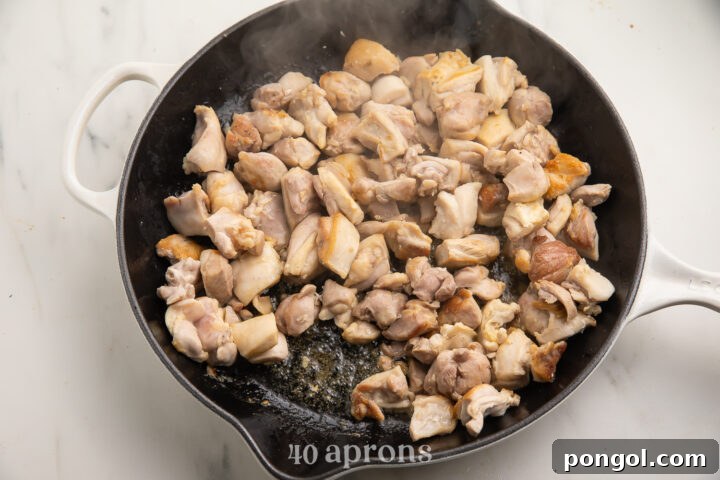
Brown the chicken (first batch): When the oil is ready, carefully add about half of the prepared chicken pieces to the wok in a single layer to avoid crowding. Cook the chicken, stirring frequently to ensure even browning, for approximately 4 minutes or until each piece is lightly browned on all sides. This step is crucial for developing flavor and creating a good texture.

-
Finish browning chicken: Using a slotted spoon, transfer the browned chicken pieces to a large plate and set aside. Repeat this browning process with the remaining uncooked chicken, ensuring all chicken is lightly seared and set aside.
-
Prepare for sauce: Once all the chicken has been cooked and removed, carefully discard any remaining oil from the wok. Return the clean wok to the stovetop and reduce the heat to medium-low.
-
Melt the butter: Add the ¼ cup of unsalted butter (or additional ghee) to the wok. Allow it to melt completely over the gentle heat, swirling the wok occasionally to ensure the melted butter is evenly distributed across the bottom. Be careful not to let the butter brown or burn.
-
Bloom the spices: When the butter is completely melted but has not started to brown or bubble vigorously, add the garam masala, sweet paprika, ground coriander, finely chopped fresh ginger, chili powder (adjusting to your preference), the whole cinnamon stick, and the bruised cardamom pods to the wok. Simmer these aromatic spices, stirring constantly to prevent burning, for approximately 1 minute or until they become intensely fragrant. This “blooming” step releases their full flavor potential.
-
Coat the chicken: Return all the browned chicken pieces to the wok with the bloomed spices. Stir thoroughly to ensure that every piece of chicken is evenly coated in the rich, fragrant spice mixture.
-
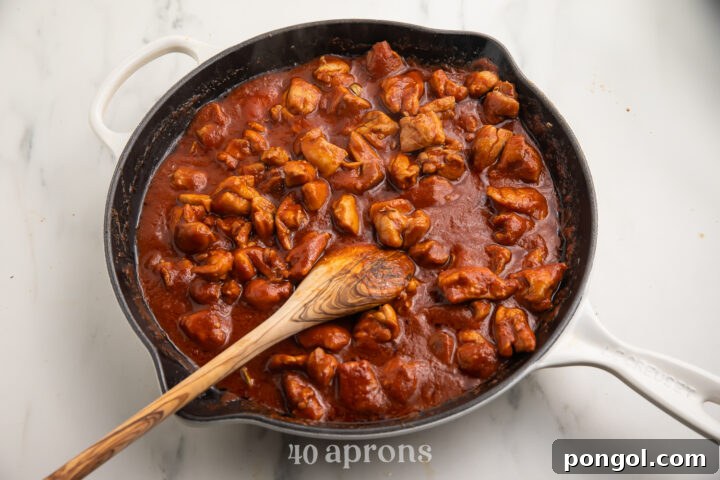
Simmer the curry base: Add the 15-ounce can of tomato sauce and the granulated sugar (or your chosen alternative) to the wok. Stir everything together very well to fully incorporate all ingredients into a cohesive sauce. Bring the mixture to a gentle simmer and cook for 10 to 15 minutes, allowing the flavors to meld and the sauce to thicken slightly. During this time, use an internal meat thermometer to ensure the chicken reaches an internal temperature of 160°F to 163°F (71°-73°C).
-
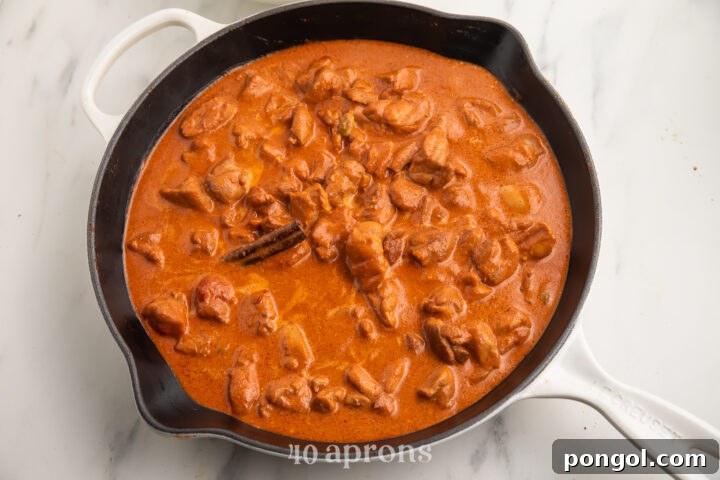
Add dairy and lemon: Once the chicken has reached the desired temperature, remove the wok from the heat. Let the mixture cool slightly for a minute or two. Then, add the room temperature full-fat plain yogurt, heavy cream (or half-and-half), and fresh lemon juice. Gently stir the ingredients until they are fully incorporated into the luscious tomato sauce, ensuring a smooth and creamy consistency.
-
Final simmer and serve: Return the wok to low heat. Simmer the butter chicken for an additional 5 minutes, or until the sauce has thickened to your preference and the chicken is fully cooked through (reaching an internal temperature of 170°-175°F / 77°-79°C). Taste the sauce and adjust seasoning by adding more salt if desired. For a smoother texture, you can remove the whole cinnamon stick and cardamom pods before serving, though they can be left in.
-
Plate and garnish: Divide the butter chicken into preferred portions and generously plate with aromatic basmati rice and warm, fresh naan bread. Garnish the chicken with a sprinkle of finely chopped fresh cilantro, if desired, for a touch of brightness and serve immediately for an unforgettable meal.
Notes:
- Heat Level Customization: While this dish is not inherently spicy, the chili powder allows for personal adjustment. For a very mild curry, reduce chili powder to ⅛ teaspoon or omit it completely. For a spicier kick, increase the amount of chili powder or add a finely minced green chili along with the ginger. The cooling effects of yogurt, cream, naan, and rice will help balance any heat.
- Make it Whole30/Paleo: For a dietary-compliant version, substitute dairy with full-fat coconut milk or a homemade cashew cream. You can find a dedicated recipe for Whole30 Butter Chicken on our site.
More Indian-Inspired Recipes You’ll Love
- Best Chicken Tikka Masala Recipe (Restaurant Style)
- Flavorful Chicken Saag
- Easy Instant Pot Dal
- Delicious Paneer Tikka Masala
- Rich Beef Vindaloo
Approximate Nutrition Information for One Serving
Calories: 629cal
Protein: 48g
Fat: 40g
Saturated Fat: 18g
Trans Fat: 1g
Cholesterol: 282mg
Sodium: 761mg
Potassium: 703mg
Total Carbs: 21g
Fiber: 4g
Sugar: 10g
Net Carbs: 17g
Vitamin A: 1397IU
Vitamin C: 3mg
Calcium: 92mg
Iron: 3mg
Nutrition Disclaimers
Number of total servings shown is approximate. Actual number of servings will depend on your preferred portion sizes.
Nutritional values shown are general guidelines and reflect information for 1 serving using the ingredients listed, not including any optional ingredients. Actual macros may vary slightly depending on specific brands and types of ingredients used.
To determine the weight of one serving, prepare the recipe as instructed. Weigh the finished recipe, then divide the weight of the finished recipe (not including the weight of the container the food is in) by the desired number of servings. The result will be the weight of one serving.
Did You Make This Recipe?
We’d love to see your culinary creations! Tag @40aprons on Instagram and be sure to leave a review on the blog post to share your experience and feedback with us!
Tag @40Aprons on Instagram