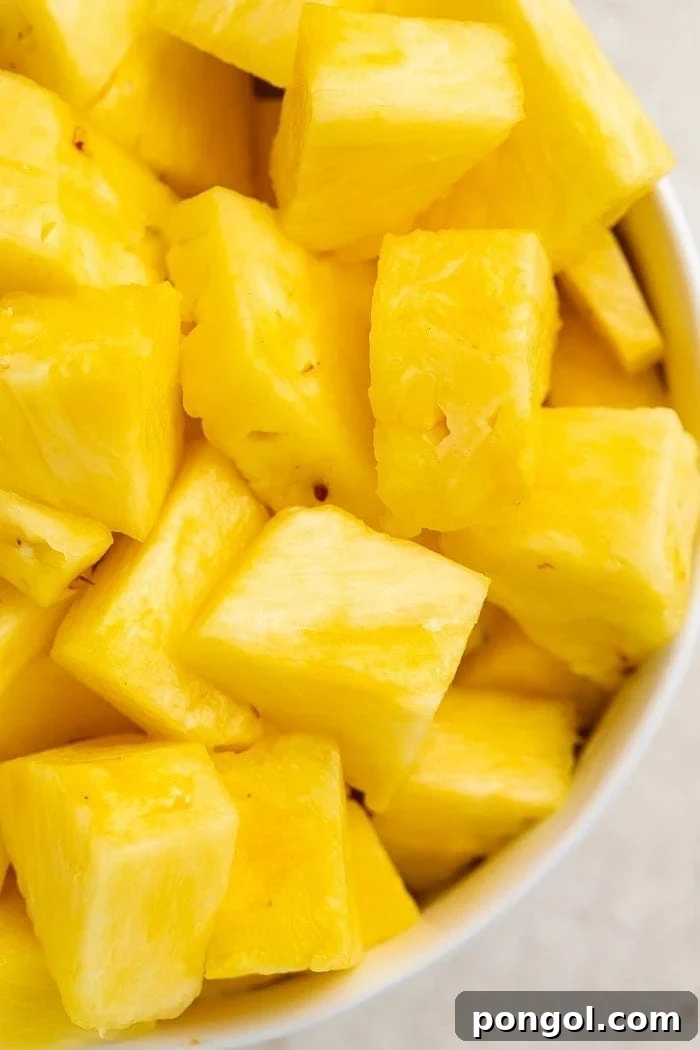
The Ultimate Guide to Cutting a Pineapple Perfectly Every Time
Often perceived as a daunting task, cutting a fresh pineapple can seem intimidating with its tough, spiky skin and fibrous core. Many home cooks resort to buying pre-cut pineapple or opting for canned varieties, missing out on the superior taste, texture, and nutritional benefits of a freshly prepared fruit. But what if we told you that with a few simple techniques and the right tools, you could master the art of cutting a pineapple with confidence, turning this tropical delight into a regular feature in your kitchen? This comprehensive guide will walk you through each step, ensuring you achieve perfect, juicy pineapple chunks every single time, making the addition of this vibrant fruit to your diet an absolute breeze.
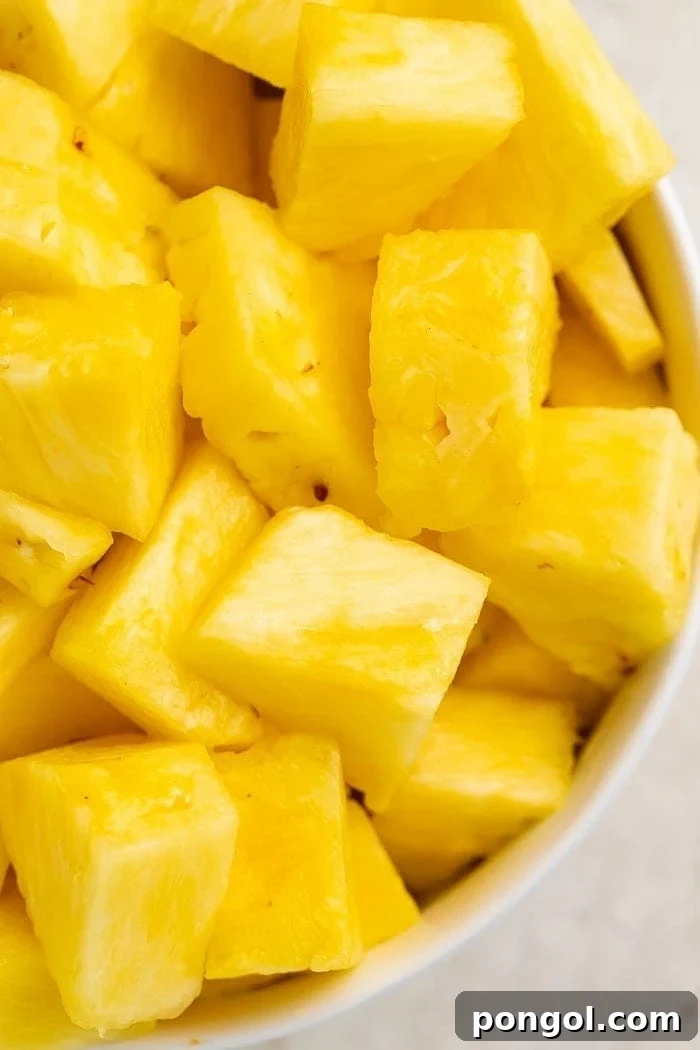
Why Choose Fresh Pineapple? The Benefits You Can’t Ignore
Beyond its wonderfully sweet and tangy flavor, fresh pineapple is a nutritional powerhouse. It’s an excellent source of Vitamin C, a powerful antioxidant that supports immune health and collagen production. Pineapple also contains significant amounts of manganese, essential for bone health and metabolism, and a good dose of B vitamins, copper, and fiber. Perhaps most notably, pineapple is rich in bromelain, an enzyme complex known for its anti-inflammatory properties and digestive benefits. When you choose fresh pineapple over its canned counterparts, you not only get a superior flavor and texture but also a higher concentration of these beneficial nutrients, as processing can often diminish their potency. Fresh pineapple is incredibly versatile, perfect for snacking, adding to smoothies, grilling, or incorporating into both sweet and savory dishes.
Essential Tools for Pineapple Preparation
Before you begin, ensuring you have the right tools will make the process smoother, safer, and more efficient. You don’t need any specialized gadgets, just a few kitchen staples:
- A Large, Sharp Chef’s Knife: This is arguably the most crucial tool. A sharp knife will glide through the tough skin and fibrous flesh effortlessly, significantly reducing the risk of slippage and injury.
- Sturdy Cutting Board: A large, stable cutting board is essential to prevent the pineapple from moving around during cutting, ensuring your safety and allowing for clean cuts.
- Bowl for Prepared Pineapple: Have a clean bowl ready to collect your freshly cut pineapple chunks.
Step-by-Step Guide to Cutting a Pineapple Like a Pro
1. Prepare Your Pineapple: Trim the Top and Bottom
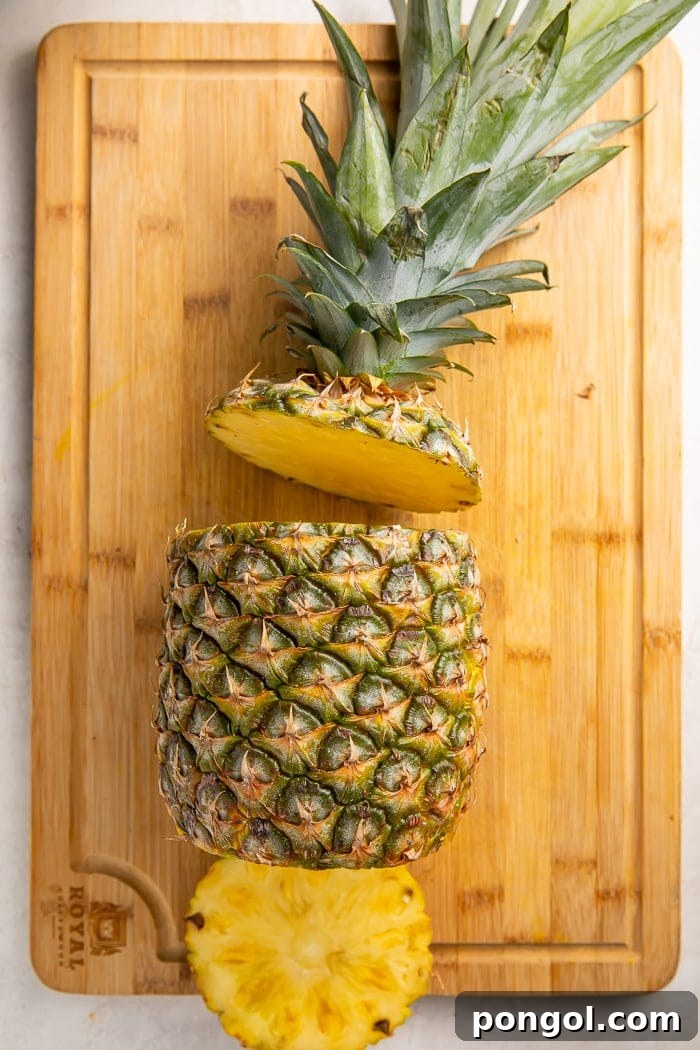
The first step in achieving perfectly cut pineapple is to create a stable base. Lay the pineapple on its side on your cutting board. Using your large, sharp knife, carefully cut off the top green crown, aiming about 1/2 to 1 inch down into the fruit. Next, rotate the pineapple and cut off the bottom base, again taking off about 1/2 to 1 inch. These cuts should result in two flat surfaces, which are crucial for stability in the subsequent steps.
2. Peel the Skin: Removing the Spiky Exterior
With a flat top and bottom, the pineapple is now much easier and safer to handle. Stand the pineapple upright on one of its newly flattened ends. Now, working from top to bottom, carefully cut the tough, spiky skin off in strips. Follow the natural curve of the pineapple, trying to remove only the skin and a minimal amount of flesh to maximize your yield. Aim for strips that are about 1/2 to 3/4 inch thick. As you peel, you’ll notice small “eyes” remaining in the flesh. Don’t worry about removing all of them in this step; we’ll address those in the next phase. Continue rotating the pineapple and removing strips until all the outer skin is gone.
3. Remove the Core: Slicing Around the Fibrous Center
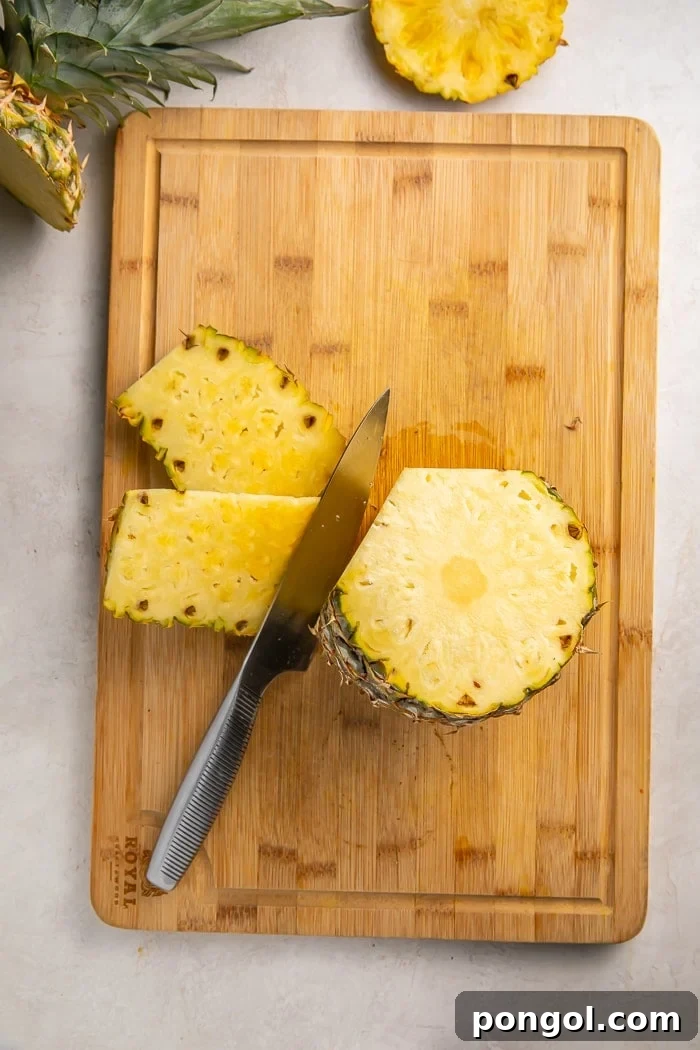
The core of a pineapple is very fibrous and generally not pleasant to eat. To remove it, stand the peeled pineapple upright once more. Locate the central circular core. Now, with your sharp knife, carefully cut down the pineapple to the side of the circular core. Imagine you’re slicing off a large slab of pineapple flesh, leaving the core intact in the center. Repeat this process on all four sides (or around the entire circumference, if you prefer smaller slabs) of the core, effectively creating four large, core-less sections of pineapple and a central core that will be discarded. This method ensures you remove the tough core while preserving as much edible flesh as possible.
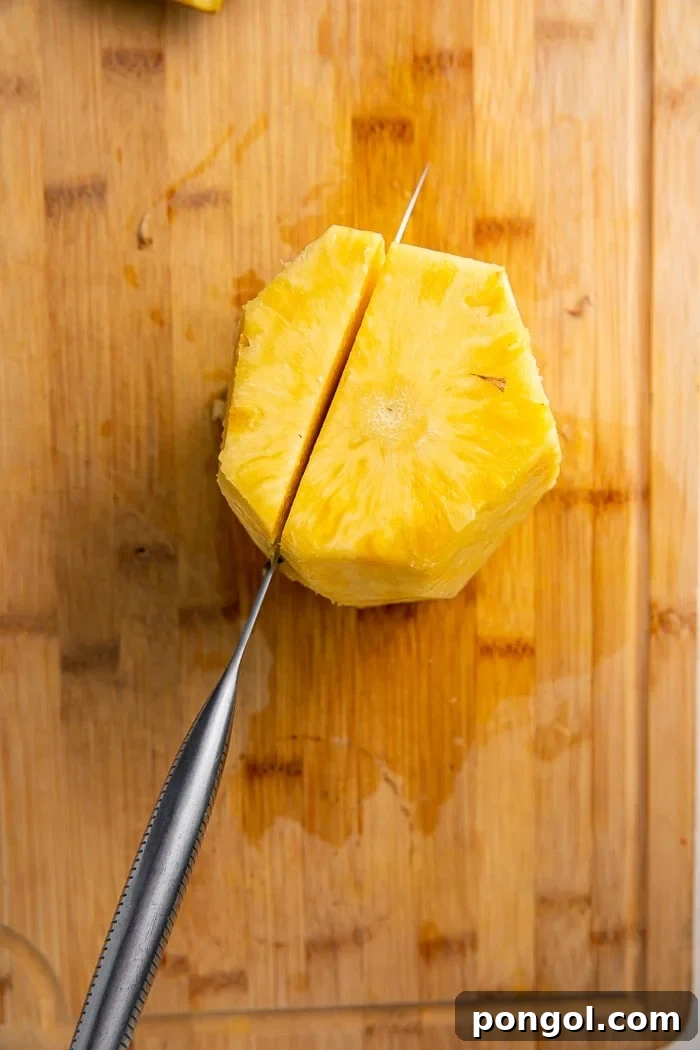
4. Prepare Slabs for Dicing
Now that you have your large, core-less sections, it’s time to prepare them for dicing. Take one of the core-less sides of the pineapple you just cut, and lay it flat on your cutting board. This flat surface provides stability, making the next steps safer and allowing for uniform cuts. If any “eyes” remain visible on the flesh, you can carefully trim them out with the tip of your knife at this stage, or leave them if they are minimal and don’t bother you.
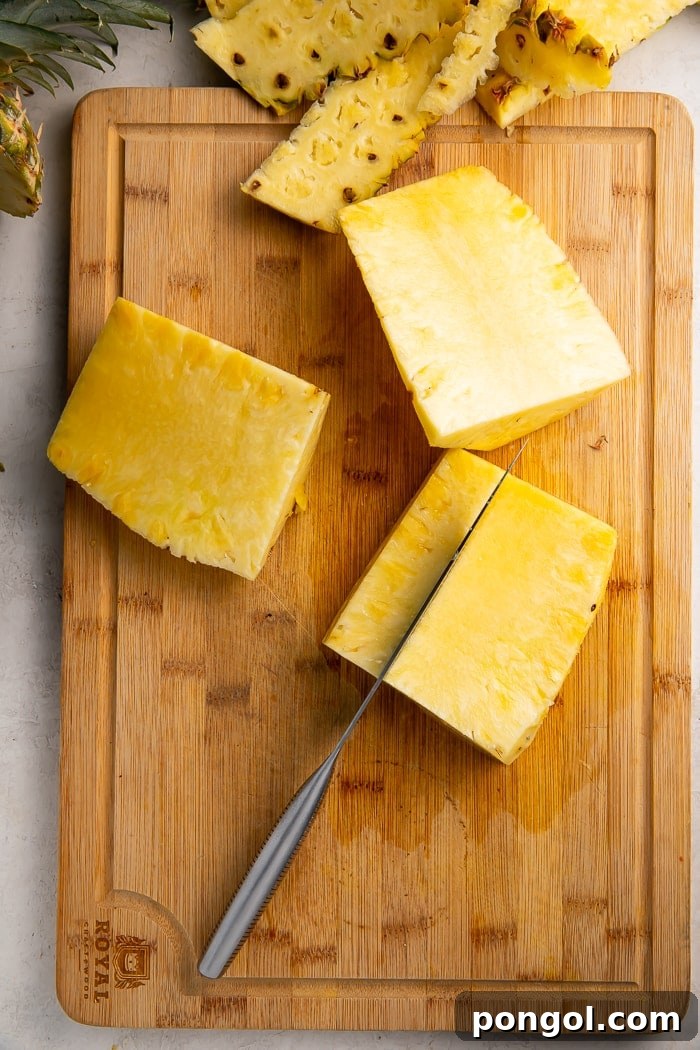
5. Slice into Long Strips
To create uniform pineapple chunks, you’ll first slice your flat pineapple slabs into strips. On the slab lying flat, make 2-3 vertical slices down its length, cutting it into 3 or 4 long strips. The width of these strips will determine the length of your final pineapple cubes, so aim for a consistent width, typically around 3/4 to 1 inch, depending on your preferred chunk size. Ensure your cuts are even to promote uniform dicing.
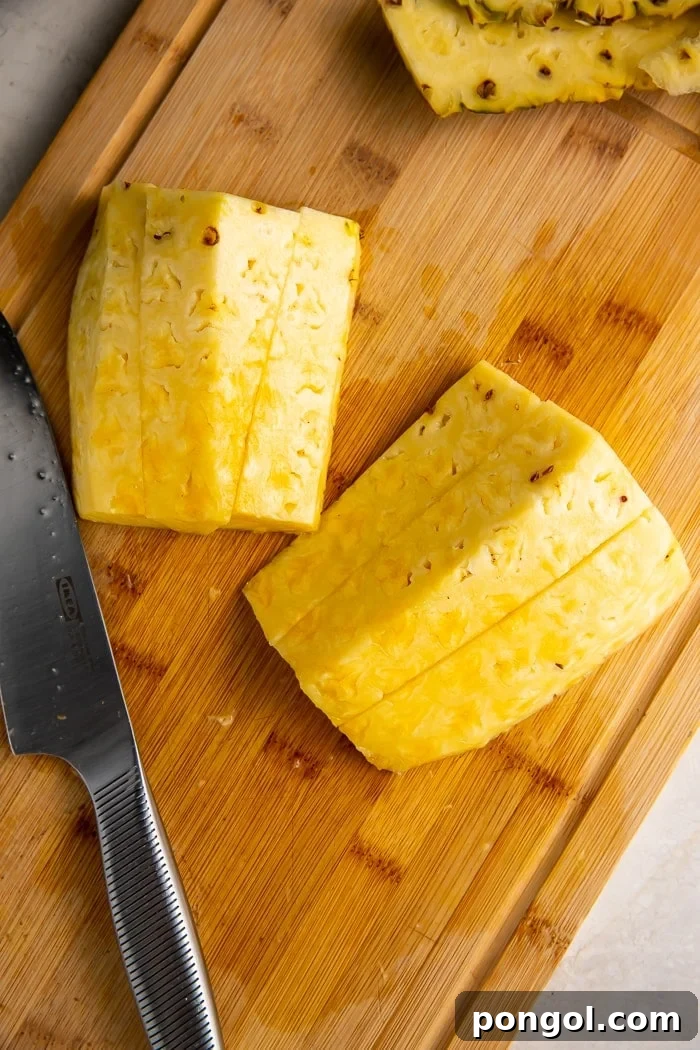
6. Dice into Cubes: The Final Cut
Almost there! Now, rotate the long slices of pineapple you just cut 90 degrees. Arrange them side-by-side or stack them if they are stable enough. Then, cut across these strips into 3/4 to 1-inch sized cubes. This cross-cutting motion will yield perfectly bite-sized pineapple chunks. Repeat steps #5 and #6 with the remaining core-less slices of pineapple until all edible flesh has been transformed into beautiful, ready-to-eat cubes.
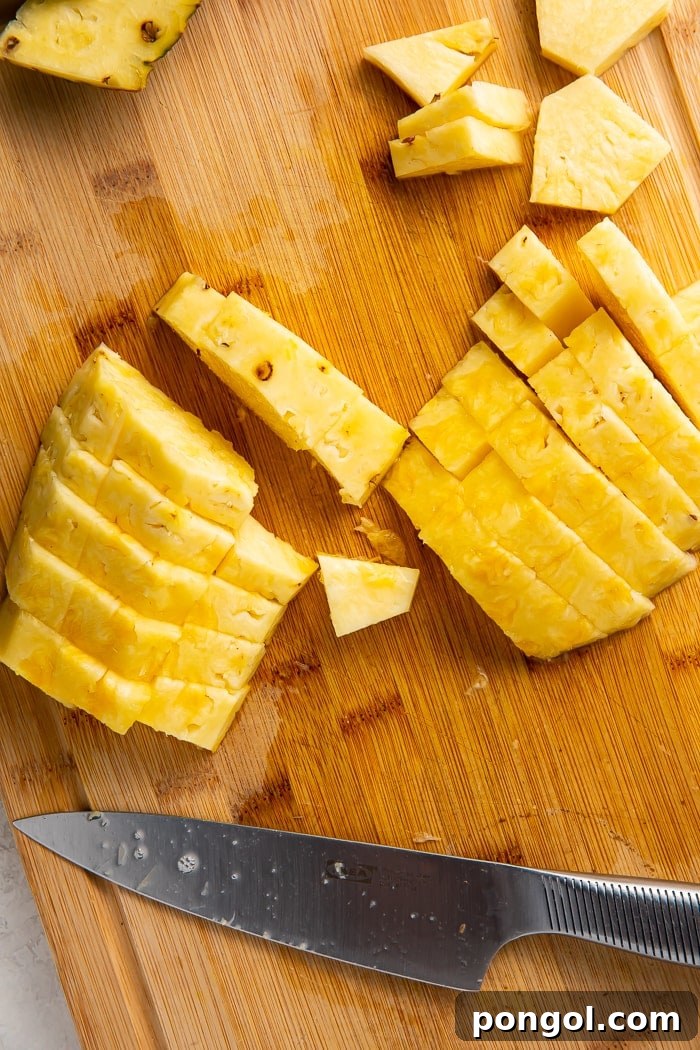
7. Salvage the Remaining Flesh from the Core
Even after removing the main slabs, there might be some delicious, thin slices of pineapple flesh still clinging to the tough central core. Don’t let them go to waste! Carefully cut any thin, edible slices off the sides of the remaining core. Be mindful of the fibrous nature of the core and only take the tender parts.
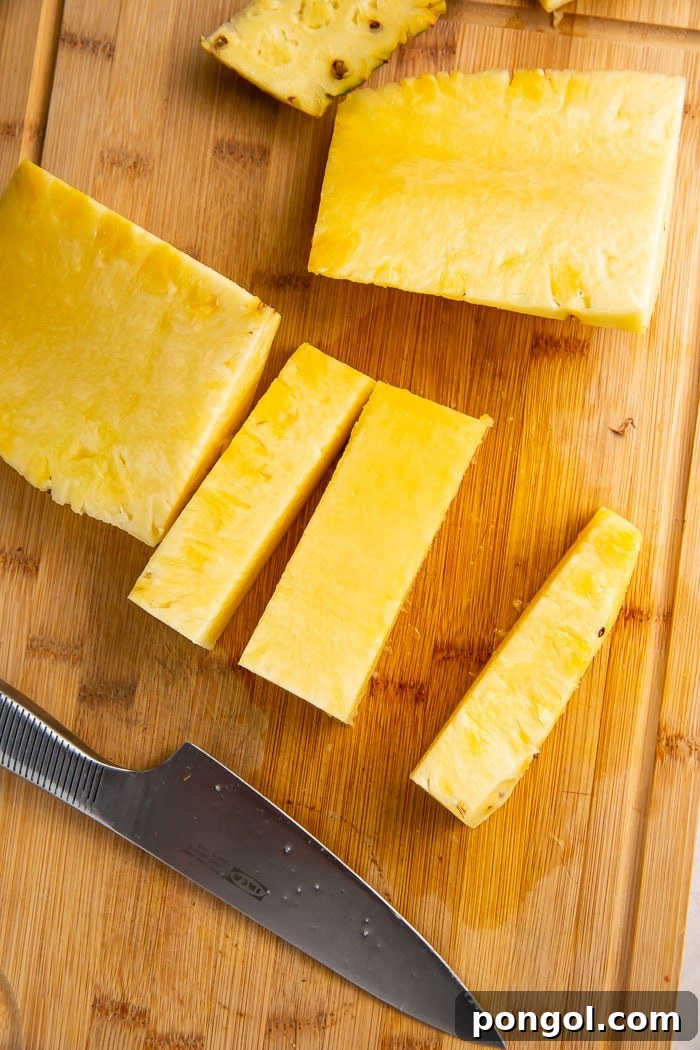
8. Dice and Discard
Take those salvaged thin slices and cut them into 3/4″ sized cubes, matching the size of your other pineapple chunks. Once you’ve removed all the usable flesh, discard the tough, fibrous central core and the exterior skin. Congratulations, you’ve successfully cut a whole pineapple!
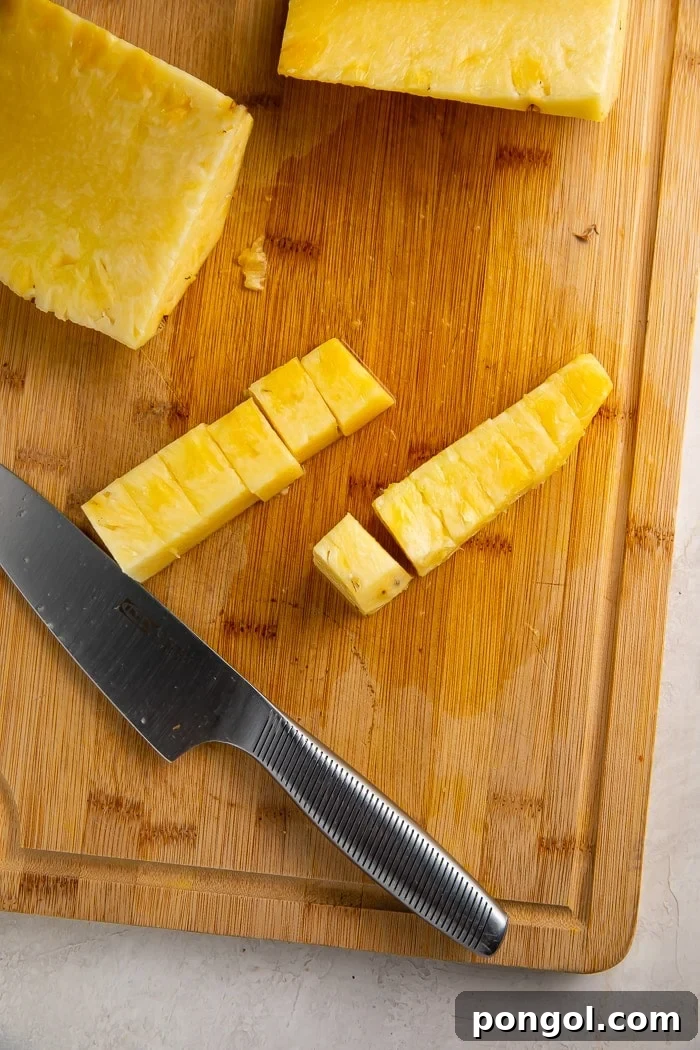
Chef’s Essential Tip: The Indispensable Role of a Sharp Knife
This is not just a suggestion; it’s a fundamental principle for safe and efficient food preparation. Always make sure you use a large, incredibly sharp knife when cutting a pineapple. A sharp knife isn’t just about making cleaner cuts; it’s primarily about safety. A sharp blade will effortlessly slice through the pineapple’s tough outer skin and dense flesh with minimal pressure. This means the knife is less likely to slip, significantly reducing your risk of cutting your hand or fingers.
Conversely, a knife with a dull blade requires significantly more force to cut. When you exert more pressure, especially with a dull blade, you’re more prone to using the point of the knife or pushing too hard, both of which increase the chance of the blade slipping off the fruit and potentially causing a serious injury. Furthermore, a sharp knife dramatically reduces the amount of effort and time it takes to cut through the pineapple, making the entire process quicker, more enjoyable, and resulting in cleaner, more professional-looking cuts.
Invest in a good quality knife and learn how to keep it sharp, or have it professionally sharpened regularly. This one tip alone will transform your pineapple-cutting experience.
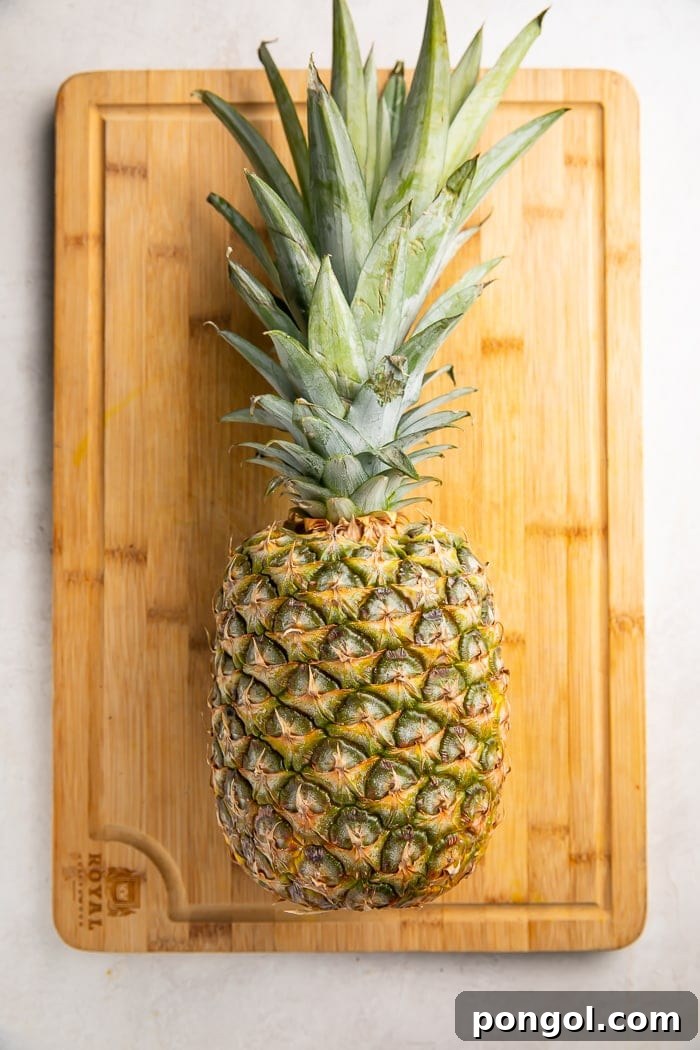
Selecting the Perfect Pineapple: A Guide to Ripeness
To ensure you get the most flavorful experience, it’s vital to choose a ripe pineapple. Here’s what to look for:
- Color: A ripe pineapple typically has a golden-yellow color around its base, gradually turning greener towards the top. Avoid pineapples that are entirely green or have significant soft spots.
- Smell: Hold the pineapple to your nose and smell the base. A ripe pineapple will have a sweet, distinctive pineapple aroma. If there’s no smell, it might be under-ripe. If it smells fermented or vinegary, it’s likely over-ripe.
- Firmness: Gently squeeze the pineapple. It should give slightly, indicating juiciness, but still feel firm. Avoid pineapples that are rock hard (under-ripe) or too soft and mushy (over-ripe).
- Leaves: Try pulling one of the innermost leaves from the crown. If it comes out easily with a slight tug, the pineapple is generally ripe. If it’s difficult to pull, it’s likely not ready.
Storing Freshly Cut Pineapple
Once you’ve gone through the effort of cutting a fresh pineapple, proper storage is key to maintaining its freshness and flavor. Transfer your pineapple chunks to an airtight container and refrigerate them. Freshly cut pineapple will typically last for 3 to 5 days in the refrigerator. For longer storage, you can freeze pineapple chunks. Spread them in a single layer on a baking sheet and freeze until solid, then transfer them to a freezer-safe bag or container. Frozen pineapple is perfect for smoothies and will keep for up to 6 months.
Creative Ways to Enjoy Your Fresh Pineapple Chunks
Now that you have a bowl full of delicious, perfectly cut pineapple, the possibilities are endless! Here are some ideas to inspire you:
- Snack Time: Simply enjoy the refreshing chunks on their own or with a sprinkle of chili-lime seasoning for a zesty kick.
- Fruit Salads: Combine with other tropical fruits like mango, papaya, and berries for a vibrant and healthy salad.
- Smoothies: Blend fresh or frozen pineapple with yogurt, spinach, coconut milk, or other fruits for a delicious and nutritious drink.
- Grilling: Pineapple rings or chunks can be grilled to caramelized perfection, making a fantastic side dish for savory meats or a dessert with a scoop of ice cream.
- Salsas and Savory Dishes: Diced pineapple adds a sweet and tangy counterpoint to spicy salsas, particularly those served with fish or chicken tacos. It’s also excellent in stir-fries or alongside pork.
- Desserts: Incorporate into upside-down cakes, tarts, or simply serve with a dollop of whipped cream.
- Cocktails: Muddle pineapple chunks into your favorite tropical cocktails or use them as a festive garnish.
Common Pineapple Cutting Mistakes to Avoid
Even with a guide, some common pitfalls can make the process less enjoyable. Be mindful of these to ensure success:
- Using a Dull Knife: As stressed in our Chef’s Tip, this is the biggest safety hazard and efficiency killer.
- Removing Too Much Flesh: When peeling the skin or cutting around the core, try to be precise to avoid wasting edible fruit. Small imperfections are fine, but large chunks of flesh going into the discard pile mean less for you to enjoy.
- Not Creating a Stable Base: Trying to peel or core a wobbly pineapple is dangerous and inefficient. Always start by trimming the ends to create flat surfaces.
- Leaving Too Many “Eyes”: While some people don’t mind them, the small, brownish “eyes” are often a bit tough. If you’re aiming for perfectly smooth chunks, make an effort to trim them out after peeling.
- Inconsistent Cuts: For aesthetic appeal and even cooking/eating, try to make your slices and dices as uniform as possible. Practice makes perfect!
Cutting a pineapple doesn’t have to be a chore. By following these clear, step-by-step instructions and remembering the importance of a sharp knife, you’ll soon be slicing and dicing like a seasoned pro. Embrace the fresh, vibrant flavor of homemade pineapple and elevate your culinary creations. Enjoy the process, and savor the delicious results!
More Culinary Guides From 40 Aprons
- How To Cut Watermelon
- How To Boil Corn
- Orange Zest – How to Make It and Ways to Use It
- How Much Juice is in One Lime?
- How to Dice an Onion… the Easy Way!
- All About Lemon Zest + 4 Ways to Zest a Lemon
- How To Digital-Detox
- How To Keep Up a Healthy Lifestyle When You’re Stuck at Home