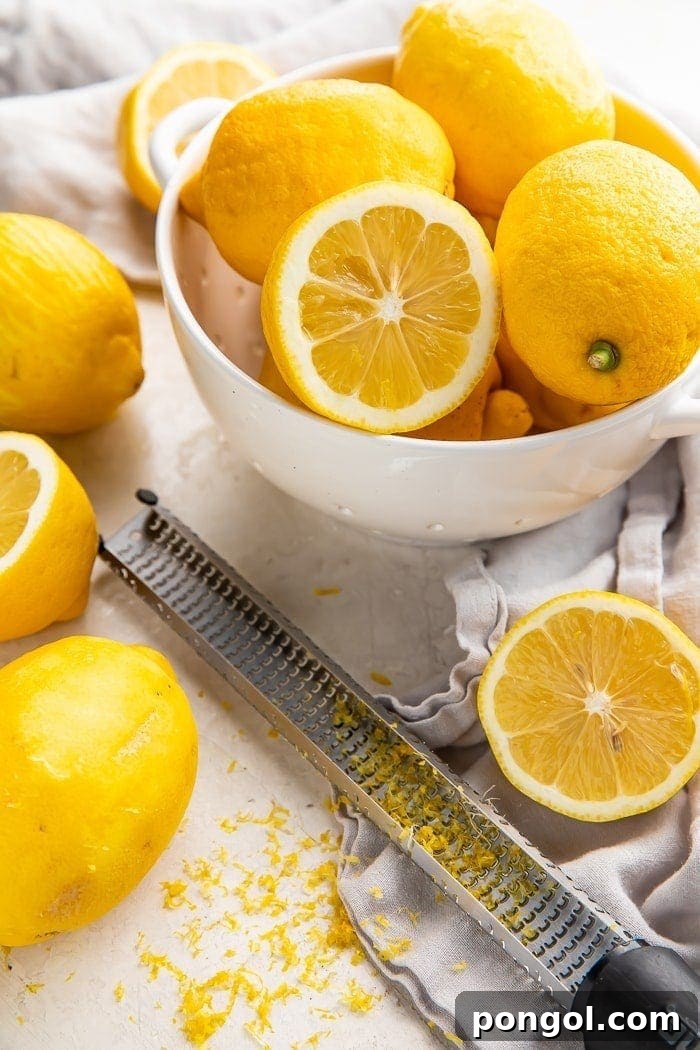
Unlocking a world of vibrant flavor and aromatic delight, lemon zest is a simple yet powerful ingredient that can transform your cooking. Forget the overwhelming tartness of lemon juice – zest offers a concentrated burst of bright citrus essence, elevating both sweet and savory dishes to gourmet heights without adding excess liquid or acidity. If you’ve ever wondered how to perfectly capture that sunny, fresh lemon flavor, you’re in the right place. This comprehensive guide will walk you through everything you need to know about lemon zest: what it is, how to get the finest zest, the best tools for the job, creative ways to use it, and essential tips for maximizing its impact in your kitchen. Get ready to add an irresistible layer of sophistication to your favorite recipes!
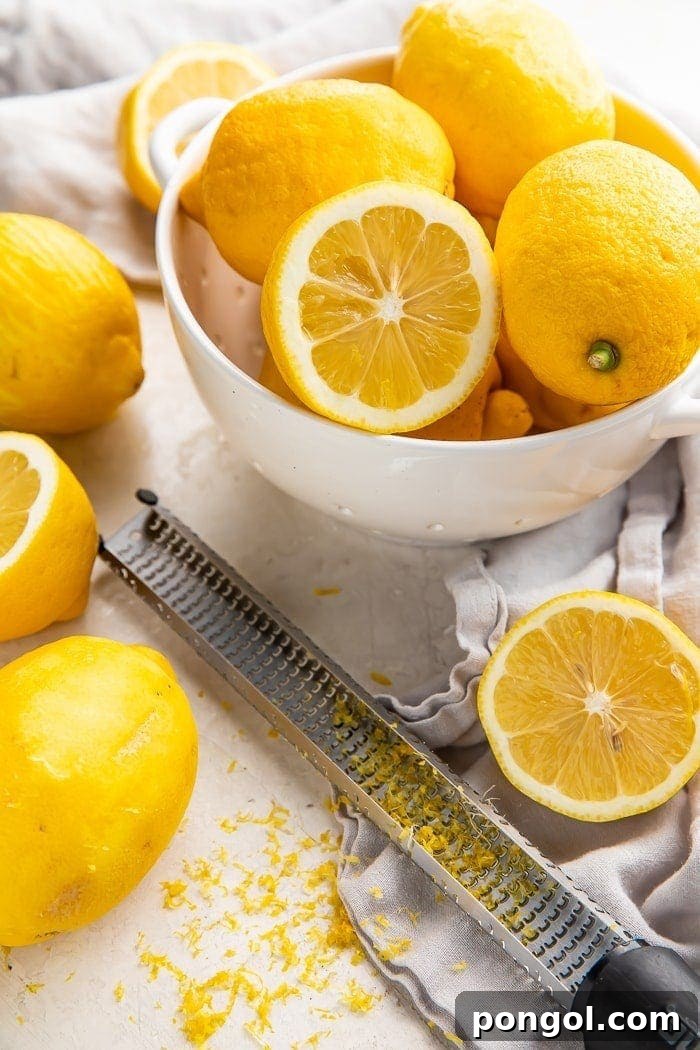
What Exactly Is Lemon Zest?
Lemon zest is the colorful, outermost layer of the lemon peel. Scientifically known as the “flavedo,” this brightly colored skin is distinct from the white, spongy layer beneath it, called the “albedo.” The flavedo is packed with highly concentrated essential oils, which are responsible for the lemon’s distinctive, fragrant, and slightly bitter-sweet citrus flavor. Unlike lemon juice, which provides acidity and liquid, the zest delivers pure, intense aroma and flavor without altering the moisture content or pH of your dish significantly. It’s this unique characteristic that makes lemon zest an indispensable ingredient for countless culinary applications, from delicate desserts to robust savory meals.
Understanding the difference between the zest and the pith (albedo) is crucial. The white pith, while sometimes used in marmalades, is generally avoided in zest because it contains bitter compounds that can easily spoil the flavor of your dish. When zesting, the goal is always to capture only the thin, fragrant yellow layer, leaving the bitter white layer behind.
Why Incorporate Lemon Zest into Your Cooking?
Lemon zest offers an unparalleled culinary advantage, bringing a host of benefits to your dishes:
- Intense Flavor Profile: It provides a concentrated burst of bright, tangy, and aromatic lemon flavor that is distinct from the tartness of lemon juice.
- Aromatic Richness: The essential oils in the zest release complex fragrances that enhance the overall sensory experience of a meal.
- Balances Richness: Its vibrant character can cut through and lighten heavy or rich dishes, adding a refreshing counterpoint.
- Visual Appeal: Fine flecks of yellow zest add a pop of color and an elegant touch to finished plates.
- Versatility: It seamlessly integrates into both sweet and savory recipes, offering endless creative possibilities.
- No Added Liquid or Acidity: Unlike lemon juice, zest adds flavor without altering the texture or chemical balance of delicate recipes like batters or sauces.
Choosing the Perfect Lemons for Zesting
The quality of your zest begins with the quality of your lemons. To get the best results, look for:
- Bright Yellow Skin: Choose lemons with a vibrant, unblemished yellow hue.
- Firmness: They should feel firm to the touch, indicating freshness and juiciness, though for zest, firmness of the skin is most important.
- Smooth Texture: While some natural bumps are fine, avoid lemons with overly coarse or dried-out skin, as these will be harder to zest and yield less oil.
- Unwaxed or Organic (Recommended): Many conventional lemons are coated with a thin layer of food-grade wax to preserve freshness and enhance appearance. While this wax is generally safe, it can interfere with zesting and is best avoided or thoroughly scrubbed off. Organic lemons are typically unwaxed and grown without synthetic pesticides.
The Art of Zesting: Step-by-Step Guide
Achieving perfect lemon zest is a straightforward process, but technique matters. Follow these steps for the best results:
- Thoroughly Wash Your Lemon: This is a critical first step. Even if using organic lemons, wash them well under cold running water. If your lemons are not organic or have a visible waxy coating, scrub them gently with a vegetable brush or a clean cloth. You can also briefly soak them in warm water to help dissolve any wax, then rinse and dry completely. Any residual dirt, pesticides, or wax will transfer to your zest.
- Prepare Your Workspace and Lemon: Hold the lemon firmly in one hand, or if you plan to juice the lemon afterward, you can cut it in half and lay it flat on a cutting board for stability. Position your chosen zesting tool (microplane, zester, box grater) over a plate, cutting board, or directly over your mixing bowl to catch the zest.
- Grate or Remove Only the Yellow Part: Using light pressure, glide your tool across the lemon’s surface. Your aim is to remove only the bright yellow part of the peel, which contains the essential oils. Stop immediately when you start to see the white pith underneath. The pith is bitter and will impart an undesirable flavor to your dish.
- Rotate the Lemon Continuously: As you zest, rotate the lemon slowly in your hand, always moving your tool over a fresh, yellow section of the peel. This ensures you get the maximum amount of fragrant zest while avoiding the bitter pith. Continue until you’ve zested all the yellow areas.
- Collect and Use Your Zest: If using a microplane or box grater, some zest may cling to the underside. Gently tap the tool or use a small spoon or your finger to scrape it off. Your fresh lemon zest is now ready to use!
Essential Tools for Zesting Lemons
While the goal is always the same – to get that bright yellow peel – different tools yield different textures and are suited for various culinary applications.
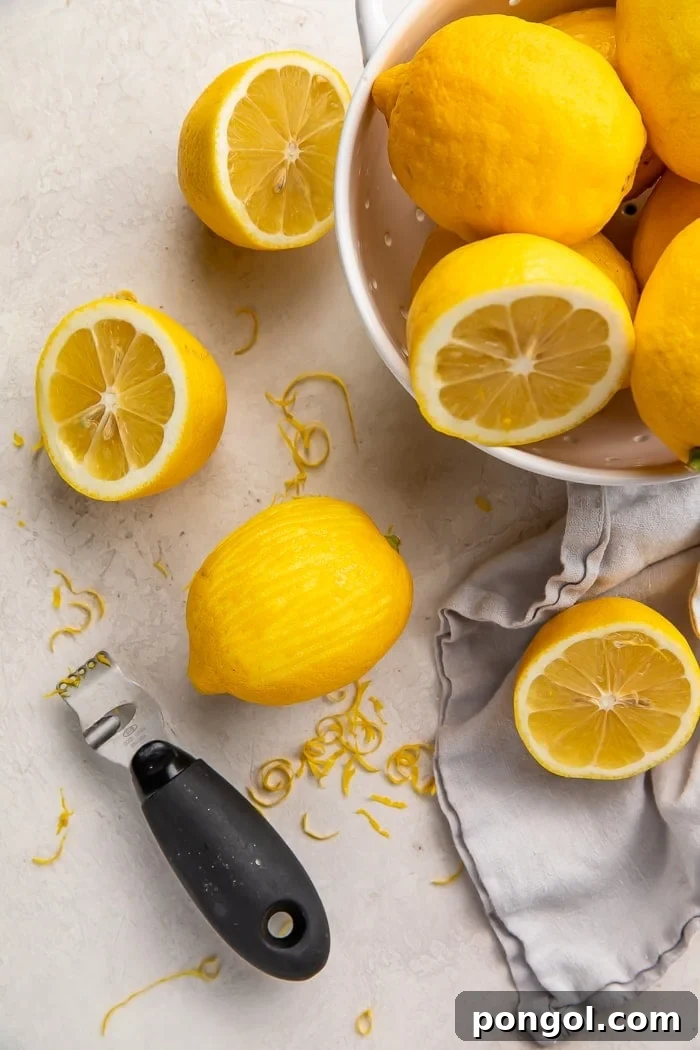
Channel Zester / Lemon Zester – This traditional handheld tool creates thin, decorative ribbons or curls of zest. It’s excellent for garnishing cocktails, desserts, or plating savory dishes where a visual pop is desired. The zest produced is typically too coarse to incorporate smoothly into batters or sauces, but perfect for infusing liquids or as a striking finish.
Microplane Grater (or Fine Grater) – This is widely considered the best tool for achieving a very fine, fluffy texture of zest that practically melts into your dishes. Its razor-sharp, tiny holes efficiently shave off only the outermost layer, making it easy to avoid the bitter pith. The fine texture ensures even distribution of flavor throughout your recipe, making it ideal for baking, sauces, dressings, and general cooking. While some zest may cling to the grater, a quick tap or brush with a spoon will free it.
Box Grater – A common kitchen staple, a box grater can certainly get the job done if you don’t have a microplane. Use the side with the smallest holes. Hold the lemon firmly and grate it carefully over these fine holes, always rotating the lemon to avoid the pith. Be mindful of your knuckles and exercise caution. The zest will be slightly coarser than what a microplane produces, but still perfectly usable for most recipes.
The “Peel and Chop” Method (with Paring Knife or Vegetable Peeler) – No specialized grater? No problem! This method is perfect for when you need slightly larger pieces of zest or want complete control over the size. Use a sharp paring knife or a vegetable peeler to carefully remove thin strips of just the yellow peel, trying to minimize any white pith. Once you have your strips, lay them flat on a cutting board and finely mince them with your knife. This method is excellent for infusing oils, making candied zest, or adding a more substantial texture to certain dishes or garnishes.
Common Mistakes to Avoid When Zesting Lemons
To ensure your lemon zest is always flavorful and never bitter, steer clear of these common pitfalls:
- Zesting the Pith: This is the most common mistake. The white layer (pith) beneath the yellow zest is highly bitter. Always stop as soon as you see any white.
- Not Washing Lemons Properly: Unwashed lemons can transfer dirt, wax, or pesticide residues directly into your food. Always scrub them thoroughly.
- Applying Too Much Pressure: Over-aggressive zesting can easily push you into the bitter pith layer, regardless of the tool you’re using. Use a light, gentle touch.
- Using Old or Dry Lemons: Older lemons tend to have less vibrant flavor and fewer essential oils in their zest. Their skin can also be tougher, making them harder to zest efficiently.
- Ignoring the Remaining Lemon: After zesting, don’t discard the lemon! It can still be juiced for other recipes or sliced for drinks.
Storing Your Fresh Lemon Zest
While fresh zest is always best, you can store it for future use:
- Short-Term Storage (Refrigeration): Place fresh zest in a small, airtight container or a sealed plastic bag. It will keep in the refrigerator for up to 2-3 days, though some of its potency may diminish.
- Long-Term Storage (Freezing): This is an excellent way to preserve zest for several months.
- Spread the zest in a single layer on a parchment-lined baking sheet.
- Freeze for about an hour until solid.
- Transfer the frozen zest to an airtight freezer bag or container. This prevents clumping and allows you to use small amounts as needed.
You can also mix zest with a little sugar (for baking) or salt (for savory dishes) before freezing to create flavored blends.
- Drying Lemon Zest: For a shelf-stable option, you can dry lemon zest. Spread it thinly on a baking sheet and either air dry for several days (in a clean, dry environment), use a food dehydrator, or bake in a very low oven (around 150-200°F or 65-95°C) until completely brittle. Once dried, store in an airtight container in a cool, dark place. Remember that dried zest has a more subdued flavor than fresh.
Lemon Zest vs. Lemon Juice: Knowing the Difference
While both come from the same fruit, lemon zest and lemon juice play very different roles in cooking:
- Lemon Zest: Primarily provides intense aromatic flavor and essential oils. It’s less acidic than juice and adds depth without altering the liquid content or pH of a dish. Ideal for brightening flavors, adding fragrance, and visual appeal.
- Lemon Juice: Provides tartness, acidity, and liquid. It’s used to balance flavors, tenderize meats, prevent oxidation, and add moisture.
Often, recipes call for both, as they offer complementary qualities. The zest delivers the sunny “lemon-ness” while the juice provides the classic sour punch.
Creative Ways to Use Lemon Zest in Your Kitchen
The versatility of lemon zest knows no bounds. Here are just a few ideas to get you started, ranging from sweet to savory applications:
- Baking: Fold into cake batters, cookie doughs, muffin mixes, scones, and glazes for an instant burst of citrus flavor.
- Desserts: Sprinkle over fruit salads, puddings, custards, tarts, and even plain yogurt for a refreshing zing.
- Savory Dishes:
- Roasted Vegetables: Toss with roasted broccoli, asparagus, potatoes, or carrots just before serving.
- Pasta: Stir into pasta sauces, especially creamy or olive oil-based ones, with garlic and fresh herbs.
- Seafood & Poultry: Rub onto fish or chicken before roasting or grilling.
- Marinades & Dressings: An essential component of many vinaigrettes, marinades, and rubs.
- Soups & Stews: Stir a teaspoon into minestrone, chicken noodle, or lentil soup for brightness.
- Drinks: Garnish cocktails, infuse iced tea or water, or add to homemade lemonade.
- Compound Butters & Sugars: Mix with softened butter for a lemon herb butter to top steaks or bread. Blend with sugar to create a fragrant lemon sugar for baking or rimming glasses.
- Infused Oils: Add to olive oil for a vibrant finishing oil.
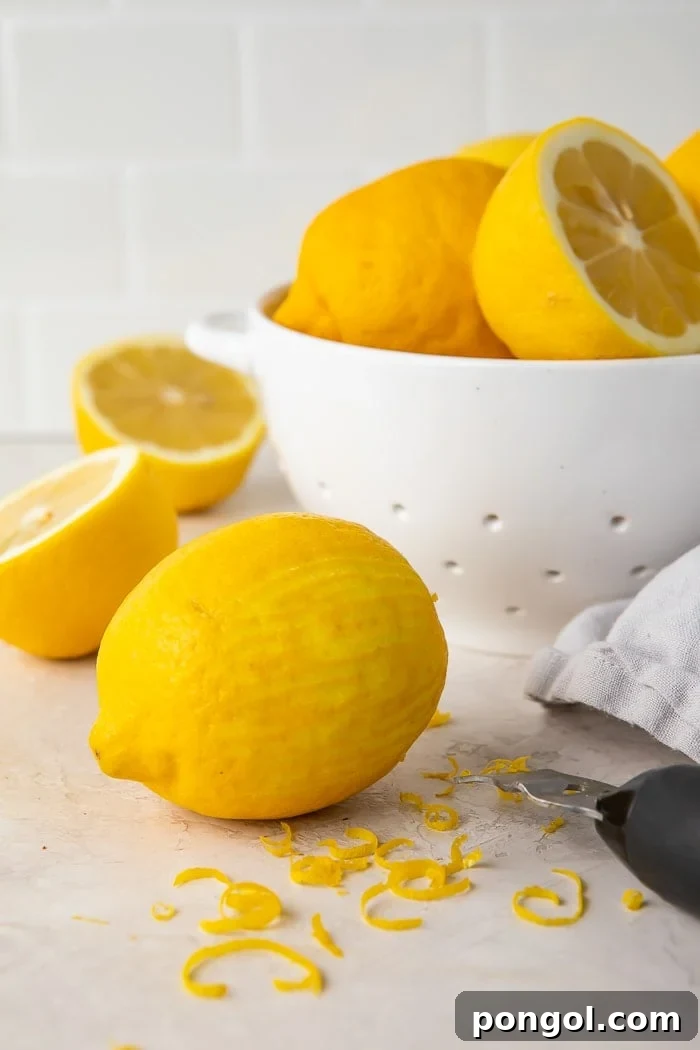
Great Recipes Featuring Lemon Zest
Lemon zest can genuinely elevate a wide array of dishes, from comforting classics to light, healthy options. It adds a layer of sophisticated flavor that is both bright and nuanced. Here are some fantastic recipes where lemon zest truly shines, demonstrating its incredible versatility across sweet and savory spectrums:
- Blueberry Muffin Smoothie Bowl (Vegan, Paleo) – A refreshing start to your day with a citrus kick.
- Paleo Flag Fruit Tart (Vegan Option) – The zest brightens the fresh fruit and rich crust.
- Blueberry Smoothie – A hint of lemon zest can make the blueberry flavor pop.
- Zucchini Salad – Lemon zest provides a lovely, fresh counterpoint to the vegetables.
- Cherry Smoothie Bowl (Vegan, Paleo) – Adds a delicate acidity that complements the sweetness of cherries.
- Paleo American Flag Pie (Grain Free, Gluten Free, Refined Sugar Free, Dairy Free) – Essential for a vibrant fruit filling.
- Gluten Free Red Velvet Cake (Paleo, Healthy, Grain Free, Refined Sugar Free) – A subtle inclusion to lift the rich cocoa notes.
- Paleo Blueberry Muffins (Gluten Free, Grain Free) – A classic pairing where lemon zest enhances the blueberries.
- Greek Healthy Meal Prep (Paleo and Whole30 Meal Prep Options) – Perfect for marinades and dressings in Mediterranean dishes.
- Healthy Lemon Muffins – The star ingredient, offering pure lemon flavor.
- Paleo Rhubarb Tart (Grain-Free, Gluten-Free, Dairy-Free) – Zest beautifully balances the tartness of rhubarb.
- Roasted Radishes with Garlic Browned Butter – Adds a surprising burst of freshness to savory roasted vegetables.
Beyond Zest: More Cooking Tips & Tricks for Your Kitchen
Mastering lemon zest is just one step in becoming a more confident and creative cook. Explore these additional kitchen hacks and guides to further expand your culinary skills and make your time in the kitchen more enjoyable and efficient:
- How Much Juice is in One Lime? – Understand your citrus yields for perfect recipes every time.
- How To Cut a Pineapple Easily – Streamline your fruit prep with simple techniques.
- Orange Zest – How to Make It and Ways to Use It – Expand your zest knowledge to other citrus fruits.
- How to Brine a Turkey – Learn the secret to a juicy, flavorful holiday bird.
- How to Dice an Onion… the Easy Way! – Master this fundamental knife skill with ease.
- All About Dirty Keto – Dive into different dietary approaches and their implications.
- How To Cut Watermelon – Get perfectly portioned watermelon every time.
- How To Boil Corn – Simple tips for perfectly cooked corn.
Incorporating lemon zest into your cooking is a small step that yields huge flavor dividends. By following these tips and experimenting with its many uses, you’ll discover just how powerfully this humble ingredient can transform ordinary dishes into extraordinary culinary experiences. Don’t be afraid to experiment – your taste buds will thank you!