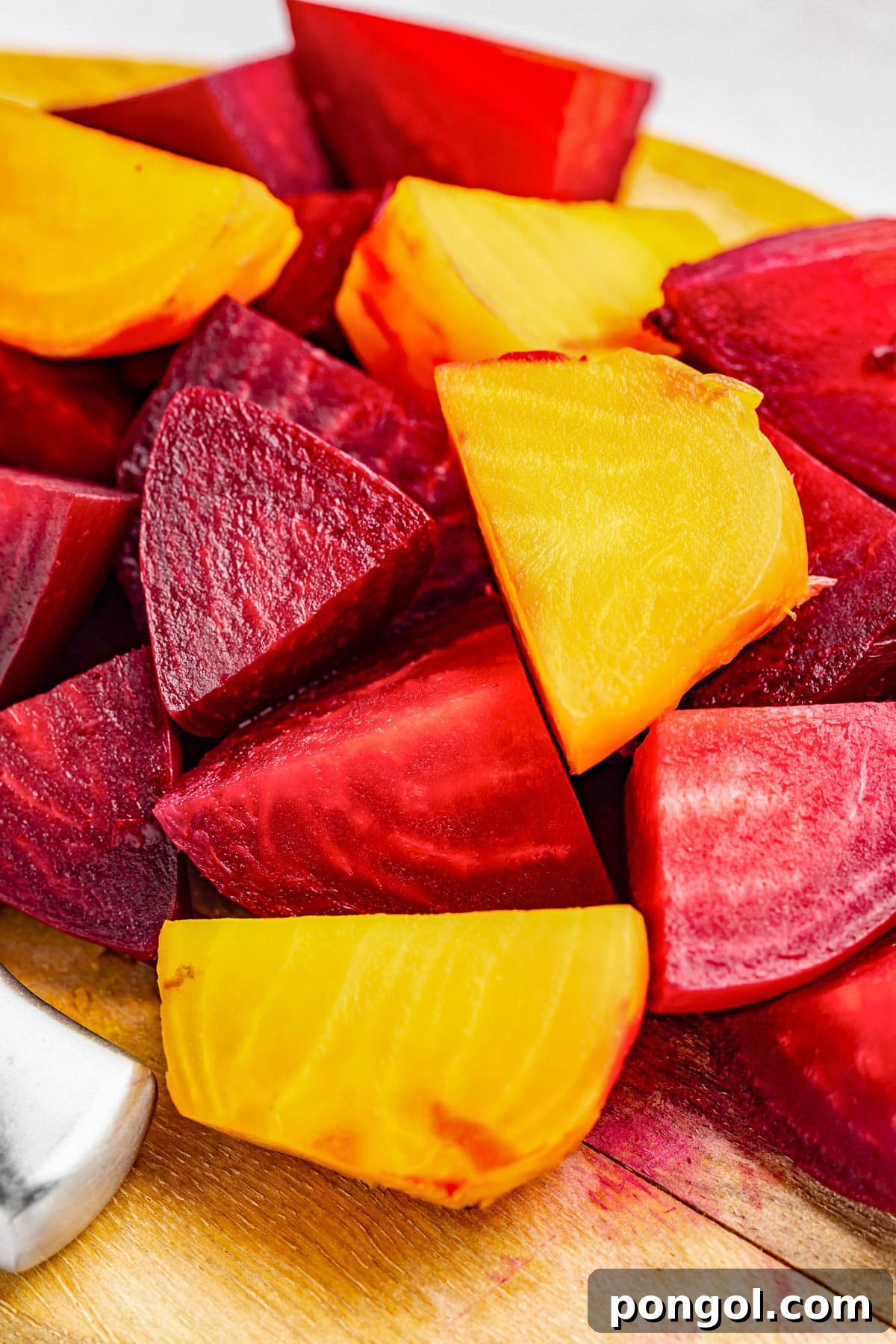
Unlock the secrets to effortlessly preparing perfect beets, whether you prefer them boiled, steamed, roasted, or microwaved! These vibrant root vegetables not only infuse your dishes with a beautiful splash of color but also deliver a powerful punch of essential nutrients, making them a superb addition to any meal. This comprehensive guide will walk you through every step, from selecting the freshest beets to mastering four distinct cooking methods, ensuring delicious results every time.
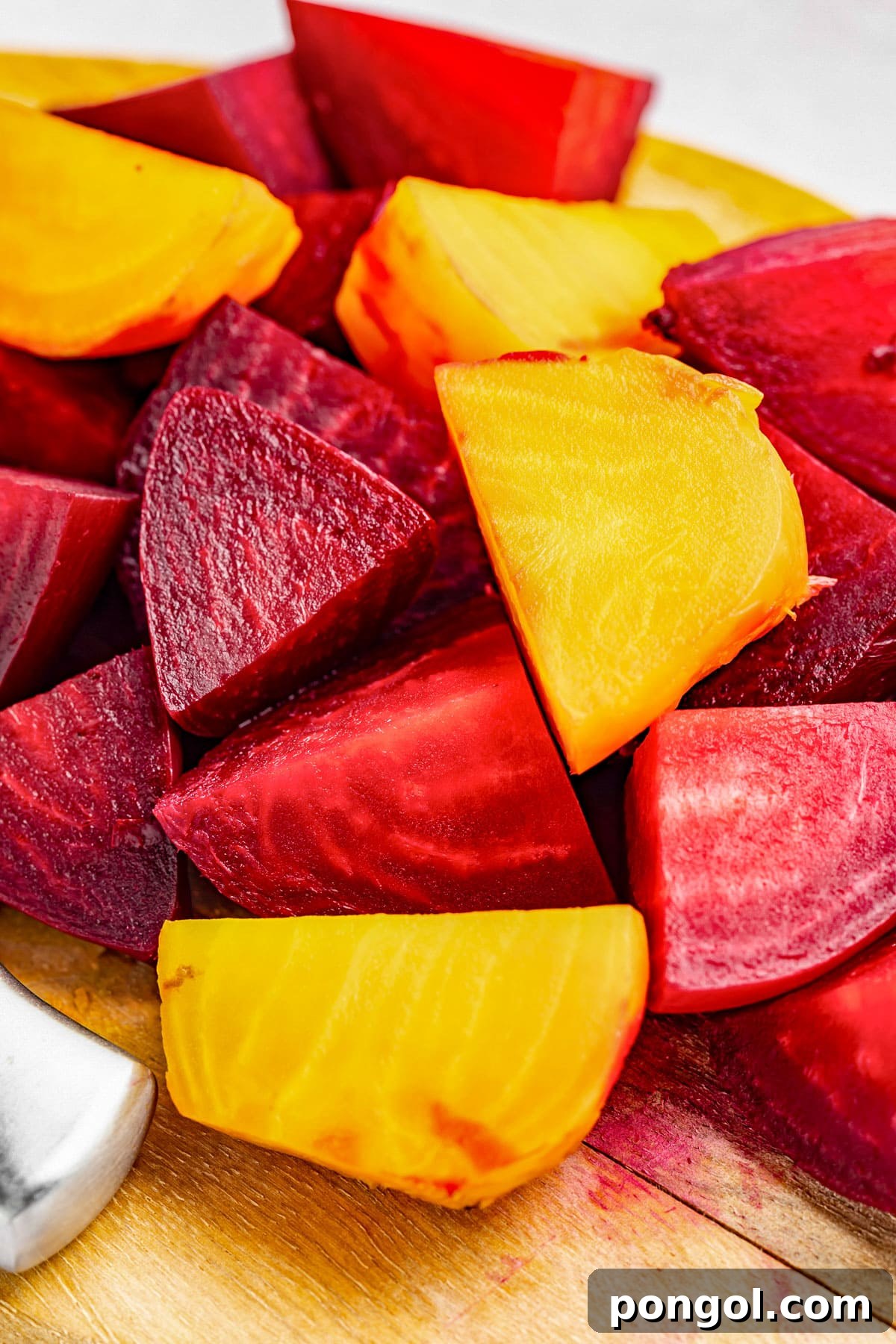
Discover the Incredible Health Benefits of Beets
Before we delve into the culinary techniques, let’s take a moment to appreciate why beets (also known as beetroots) are such a nutritional powerhouse. Often underestimated, these earthy wonders are packed with goodness that supports overall health and well-being.
- Rich in Essential Vitamins and Minerals: Beets are incredibly nutrient-dense, offering a wide array of vital compounds. A modest 3.5-ounce (100-gram) serving is low in calories and fat, yet brimming with fiber. It supplies approximately 20% of your daily folate needs, crucial for cell growth and function; 14% of manganese, important for bone health and metabolism; 7% of potassium, vital for blood pressure regulation; and about 4% each of vitamin C, vitamin B6, and iron. They are also a good source of copper, essential for energy production and iron absorption.
- Natural Blood Pressure Support: Several studies have highlighted beets’ potential to lower blood pressure. This benefit is largely attributed to their high concentration of nitrates, which the body converts into nitric oxide. Nitric oxide helps relax and dilate blood vessels, improving blood flow and reducing pressure. While beets can be a valuable part of a heart-healthy diet, they are not a substitute for professional medical advice. If you struggle with high blood pressure, consult your doctor.
- Beyond the Basics: Holistic Health Advantages: The health benefits extend even further. Research suggests that the vibrant pigments in beets, called betalains, possess potent anti-inflammatory properties. Beets may also promote cognitive function by increasing blood flow to the brain, aid digestion due to their high fiber content, and improve oxygen utilization, thereby enhancing energy levels and endurance for physical activity. Incorporating beets into your regular diet can contribute significantly to a healthier lifestyle.
Versatile Ways to Enjoy Beets in Your Diet
Beets are remarkably versatile, offering a multitude of delicious ways to incorporate them into your culinary repertoire. Their unique flavor and vibrant color can enhance a wide range of dishes, from refreshing beverages to savory sides.
- Fresh Beet Juice: A popular choice for a nutritious boost, fresh beet juice is an excellent way to concentrate their health benefits. Blend raw beets with apples, ginger, and carrots for a vibrant and invigorating drink.
- Pickled Beets: Transform beets into a tangy, sweet, and savory condiment. Pickled beets make a fantastic addition to salads, sandwiches, or even as a unique topping for tacos, offering a delightful contrast in flavor and texture.
- Salad Topping: Grate them raw for a crunchy, fresh element, or thinly slice and roast them for a tender, slightly sweet addition to any green salad. Their color instantly elevates the visual appeal of your meal.
- Creamy Dips and Hummus: Blend cooked beets into a vibrant dip, either on their own with a touch of garlic and herbs, or incorporate them into your favorite hummus recipe for a striking color and earthy flavor profile.
- A Versatile Side Dish: Whether roasted, boiled, steamed, or microwaved, beets make a fantastic side dish for almost any main course. Their earthy sweetness pairs well with both meats and other vegetables.
- Smoothie Enhancer: Add a small amount of raw or cooked beets to your morning smoothie for an extra dose of nutrients and a beautiful natural coloring. They blend seamlessly with berries, bananas, and leafy greens.
- Homemade Beet Chips: Slice beets paper-thin, then bake or air fry them until crispy for a healthy and satisfying snack. A sprinkle of sea salt is all you need for a truly delicious treat.
A Buyer’s Guide: How to Select the Best Fresh Beets
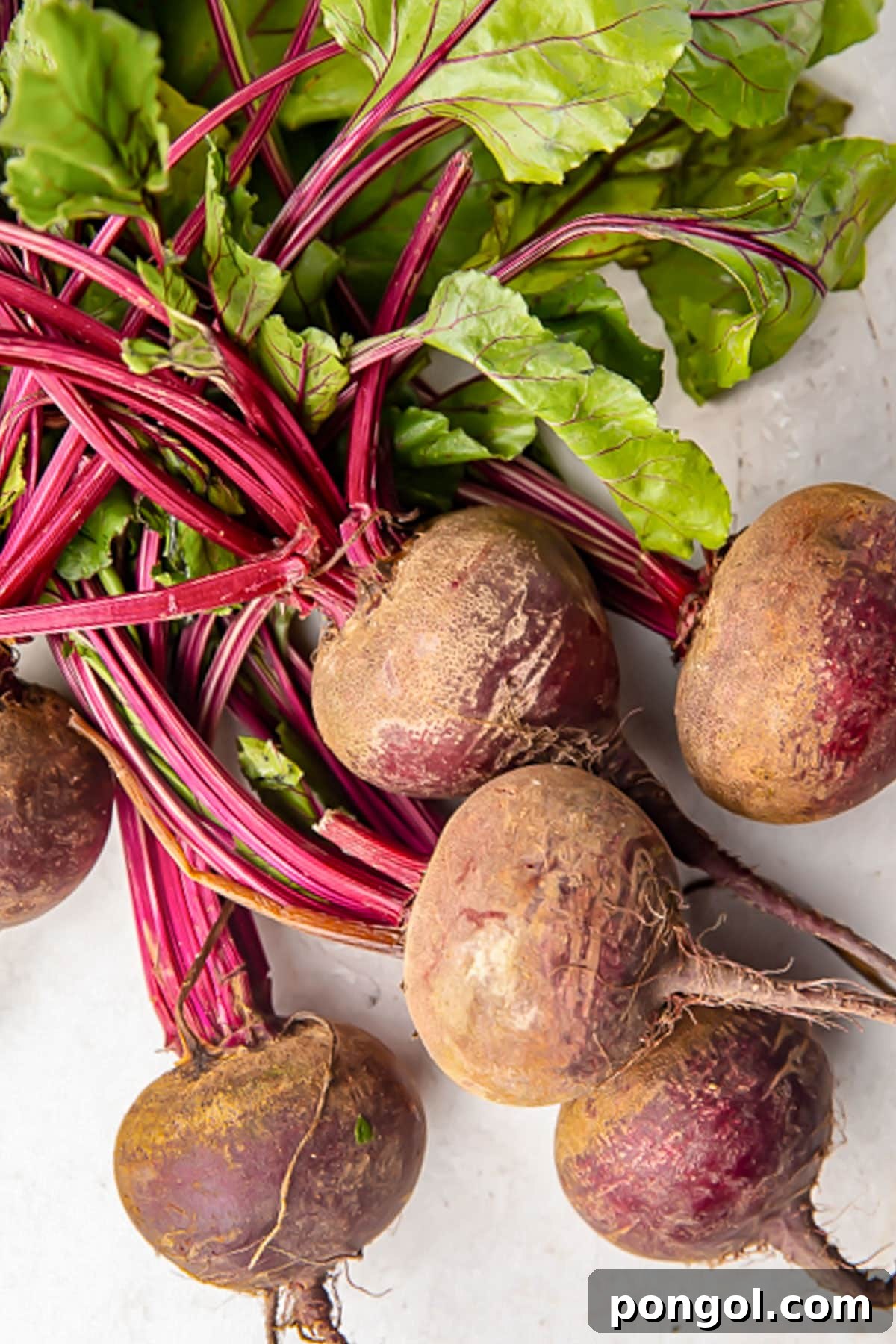
Choosing high-quality fresh beets is just as important as knowing how to cook them. Whether you’re at the grocery store or a bustling farmers’ market, these guidelines will help you pick the finest specimens, regardless of their specific shape, size, or color. Opting for fresh, firm beets ensures the best flavor and texture in your cooked dishes.
When selecting beets, always look for:
- Vibrant Color and Healthy Leaves: Prioritize beets with a deep, rich color appropriate for their variety (e.g., intense red for red beets, bright yellow for golden beets). If the greens are still attached, they should appear bright green and crisp, not wilted, yellowed, or slimy. Healthy greens indicate a freshly harvested beet.
- Size and Firmness: Generally, smaller to medium-sized beets are preferred over very large ones. Smaller beets tend to be more tender and less fibrous, offering a sweeter and more delicate flavor. Regardless of size, every beet should feel firm and heavy for its size, which signifies a good moisture content and freshness. Avoid any that feel soft, squishy, or spongy.
- Absence of Blemishes: Carefully inspect the skin of the beets for any blemishes, bruises, cuts, or holes. These imperfections can be entry points for rot or mold, affecting the beet’s quality and shelf life. A smooth, unblemished skin is a sign of a healthy beet.
- The Intact Taproot: Try to find beets that still have their taproot attached. This is the long, thin root extending from the bottom of the beet. An intact taproot helps the beet retain its moisture and nutrients. However, if the taproot appears excessively hairy, it often indicates that the beet is older and might have a tougher, woodier texture inside.
Essential Tips for Cooking and Handling Beets
Working with beets can be a rewarding experience, but a few expert tips can make the process even smoother and more enjoyable. From storage to preventing stains, these insights will help you get the most out of your beet cooking adventures.
- Optimal Seasonality: While beets are typically available year-round in most markets, they are at their peak flavor and freshness during the cooler months, specifically fall and winter. This is when they tend to be sweetest and most tender.
- Proper Storage for Freshness: Once you bring your beets home, it’s crucial to prepare them for storage correctly. Cut off the leaves and stems, leaving about half an inch to an inch attached to the beet. This prevents the leaves from drawing moisture away from the root, which can cause the beet to become soft and shriveled. You can either discard the trimmed greens or save them for use in other recipes, as they are edible and nutritious. Store the unwashed beetroots in a produce bag or a sealable bag in your refrigerator’s vegetable drawer. Stored this way, fresh beets can maintain their quality for 2 to 3 weeks. Always wash them thoroughly just before cooking.
- To Peel or Not to Peel: The decision to peel beets is largely a matter of personal preference. The skin of cooked beets becomes quite soft and is perfectly edible. Many chefs and home cooks choose to leave the skin on for added nutrients and fiber, and because it minimizes waste. However, beet skin can sometimes have a slightly bitter or earthy taste that some find unappealing.
- For roasted beets, it’s generally easier to peel them *before* roasting if you prefer them skinless.
- For boiled, steamed, or microwaved beets, it’s often simpler to cook them first. Once cooked and slightly cooled, the skins will slip off effortlessly with a gentle rub from a paper towel or your fingers.
- Managing Beet Stains: Beets are famous for their incredibly vibrant color, which is beautiful in dishes but can be quite messy to handle. The intense red pigment can (and often will) stain anything it touches: your skin, clothing, countertops, cutting boards, and even some bowls. To minimize staining, consider wearing gloves, especially when working with red beets. If your hands do get stained, lemon juice or vinegar can often help remove the color. For cutting boards and other surfaces, a quick wipe-down immediately after use is best. Stainless steel or glass bowls are less likely to stain than plastic.
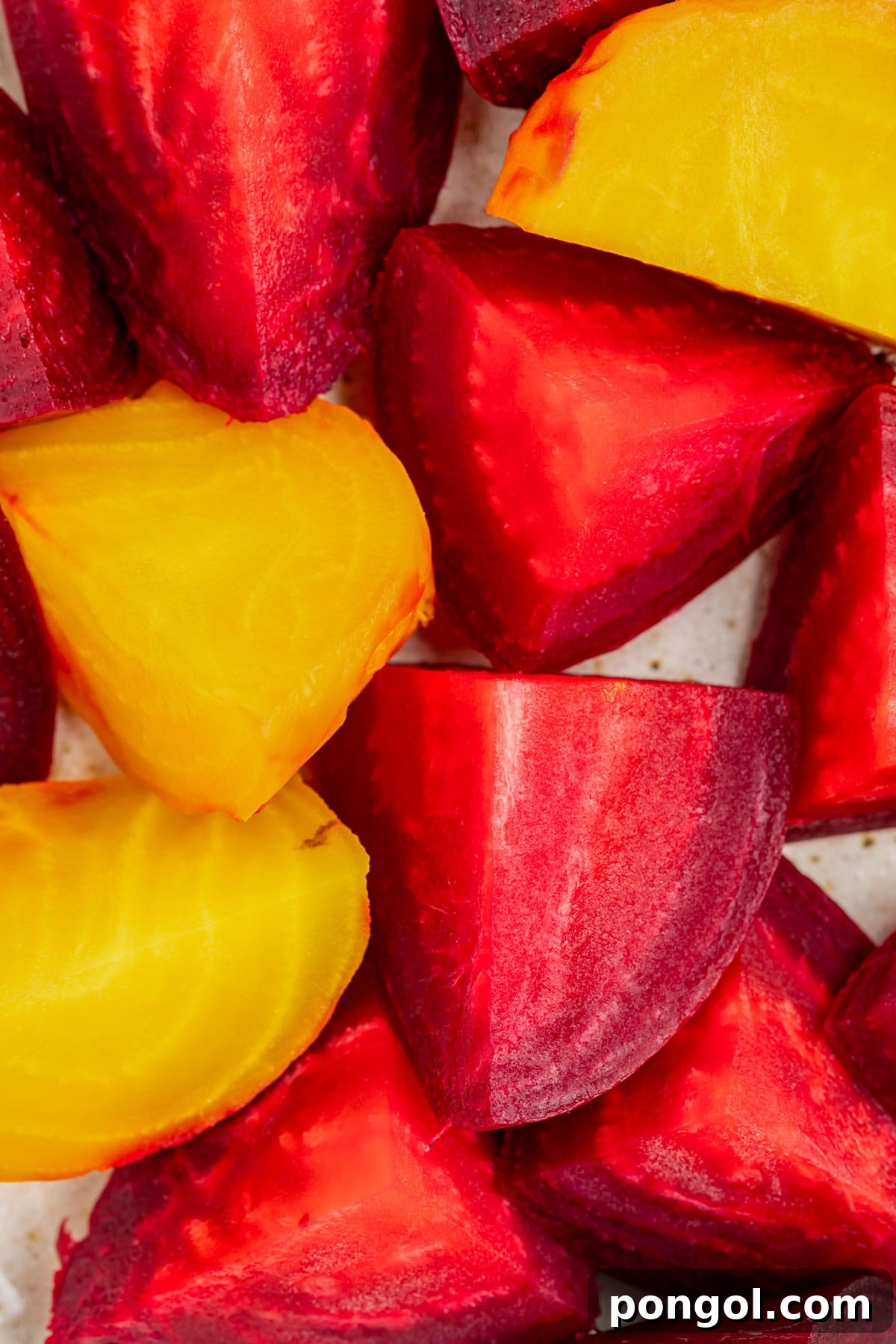
Master the Art of Cooking Beets: 4 Simple Methods
Beets are incredibly versatile and can be prepared using various cooking methods, each yielding a slightly different texture and flavor profile. Below, we explore four popular and easy ways to cook beets perfectly every time.
Overall Beet Preparation (for all methods):
Before you begin any cooking method, proper preparation of your beets is essential. This ensures cleanliness and optimal cooking results.
- Wash Thoroughly: Place the beets under cold running water. Use a stiff vegetable brush to gently scrub away as much surface dirt and soil as possible. Ensure no grit remains, as beets grow in the soil and can hold onto quite a bit of dirt.
- Trim Stems and Leaves: After washing, place the beets on a clean cutting board. Using a sharp chef’s knife, cut away the leaves and stems, leaving approximately ½-inch to 1-inch of the stem attached to the beet. This small piece helps prevent the beet’s color from bleeding out during cooking. Discard the trimmed leaves and stems, or save them for use in other recipes (beet greens are delicious when sautéed!).
Boiling Beets for a Tender Texture
Boiling is a classic method that results in soft, tender beets, perfect for salads, purees, or simply seasoned as a side dish. The boiling process helps to mellow their earthy flavor.
- Prepare Water: Fill a large, heavy-bottomed pot with approximately 16 cups of water. Place the pot on your stovetop over medium-high heat and bring the water to a rolling boil.
- Season the Water: Once the water begins to boil vigorously, add 1 tablespoon of salt. Stir gently to ensure the salt dissolves. Allow the water to return to a rolling boil before adding the beets.
- Boil the Beets: Carefully add 4 small beets (approximately 3-4 ounces each) to the salted boiling water. Reduce the heat slightly to maintain a gentle boil. Boil the beets for about 20 minutes.
- Check for Doneness: After 20 minutes, check for doneness by piercing a beet with a fork or a small paring knife. It should slide in with little to no resistance. If the beets are still firm, continue boiling, checking every 5-10 minutes until they reach your desired tenderness. Medium or large beets will require longer boiling times.
- Cool and Peel: Once tender, use a slotted spoon to carefully transfer the cooked beets from the hot water into a large bowl filled with cold water and ice (an ice bath). This stops the cooking process and makes peeling much easier. Let the beets cool slightly in the ice bath. Once cool enough to handle, gently rub the beets with a paper towel or your fingers to remove the skins. They should slip off effortlessly.
- Serve: Your perfectly boiled beets are now ready to be served whole, sliced, diced, or incorporated into your favorite recipes.
Steaming Beets for Vibrant Color and Nutrients
Steaming is an excellent method for cooking beets as it helps to retain their vibrant color, delicate texture, and many of their heat-sensitive nutrients. It results in a firm-tender beet with a slightly sweeter taste.
- Prepare Steamer: Add about 2 inches of water to a large pot. Place the pot over medium-high heat. Position a steamer basket inside the pot, ensuring the bottom of the basket does not touch the water.
- Steam the Beets: Heat the water until steam begins to rise through the steamer basket. Once steaming, carefully place 4 small beets (approximately 3-4 ounces each) into the basket. Cover the pot tightly with a lid to trap the steam.
- Cook and Check Doneness: Steam the beets for approximately 25 minutes. Begin checking for doneness by piercing a beet with a fork or knife. Continue steaming as needed, checking every 5-10 minutes, until the utensil easily pierces the beets with little to no resistance.
- Cool and Peel: Once the beets are tender, carefully transfer them from the steamer basket to an ice bath to cool slightly and stop the cooking. When they are comfortable to handle, gently rub the beets with paper towels to remove their skins.
- Serve: Serve your beautiful, steamed beets as a healthy side or use them in salads and other dishes.
Roasting Beets for Enhanced Sweetness
Roasting is arguably one of the most popular methods for cooking beets, as it caramelizes their natural sugars, intensifying their sweetness and developing a richer, more complex flavor. This method results in wonderfully tender beets with a slightly crispy exterior.
- Preheat Oven and Prepare Foil: Preheat your oven to 400°F (200°C). Tear off 4 sheets of aluminum foil, each large enough to fully wrap a single beet. Set these foil sheets aside.
- Season the Beets: Place 4 small beets (approximately 3-4 ounces each) in a medium mixing bowl. Drizzle with 1 tablespoon of extra virgin olive oil and season with salt to taste. Gently toss the beets until they are evenly coated in the oil and salt mixture. If you prefer to peel your beets for roasting, do so now before oiling and salting.
- Wrap and Arrange: Once the beets are well coated, individually wrap each beet completely in one of the prepared aluminum foil sheets, forming a sealed pouch. Place the foil-wrapped beets on a large baking sheet, ensuring there is some space between each foil pouch for even cooking.
- Roast and Check Doneness: Place the baking sheet in the preheated oven. Roast the beets for about 30 minutes. To check for doneness, carefully unwrap one beet just enough to pierce it with a fork or knife. If the utensil meets resistance, rewrap the beet and continue roasting, checking every 10-15 minutes, until it pierces easily. Larger beets will require significantly longer roasting times.
- Cool and Serve: When the beets are tender, carefully remove the baking sheet from the oven and set it aside to cool slightly. Once cool enough to handle, unwrap and discard the foil.
- Serve: Enjoy your flavorful roasted beets as a hearty side, in salads, or puréed into dips.
Microwaving Beets for Quick and Easy Cooking
For those times when you need cooked beets in a hurry, microwaving is the fastest method. While it may not offer the same depth of flavor as roasting, it’s incredibly convenient and still yields tender beets suitable for many recipes.
- Vent the Beets: Using the tines of a fork, prick 4 small beets (approximately 3-4 ounces each) several times over their entire surface. These small vent holes help steam escape during cooking, preventing the beets from bursting. Be careful not to pierce too deeply.
- Prepare for Microwaving: Place the pricked beets in a large, microwave-safe bowl. Add enough water to fill the bowl about halfway.
- Cover and Microwave: Dampen a few paper towels with water, then wring out any excess so they are just moist. Cover the mouth of the bowl with a single layer of these damp paper towels. This helps to create a steaming environment and prevents the beets from drying out.
- Cook and Check Doneness: Place the covered bowl in the microwave. Microwave on full power for 4 minutes. After 4 minutes, carefully remove the bowl and check for doneness by piercing a beet with a fork. If the fork does not easily pierce the beet, recover the bowl with damp paper towels and continue microwaving in 1-2 minute increments, checking each time, until the beets are tender with little to no resistance.
- Cool and Peel: Once the beets are tender, carefully remove the bowl from the microwave. Discard the paper towels and immediately transfer the hot beets to an ice bath to cool slightly and stop the cooking. Once cool enough to handle, gently rub the beets with paper towels to remove the skins.
- Serve: Your quick-cooked beets are now ready to be used as desired!
Recipe By: Sam Guarnieri
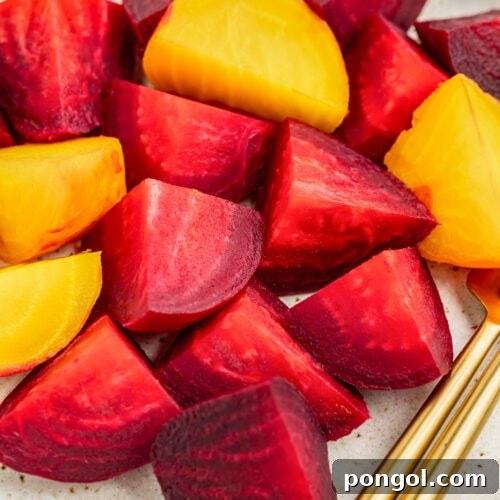
How to Cook Beets 4 Ways
Roasted, boiled, steamed, or microwaved – these easy methods for cooking beets perfectly will make this root veggie a new staple in your diet!
Cook Time: 30 minutes
Total Time: 45 minutes

Sam Guarnieri
Equipment
- Cold running water
- Vegetable brush
- Cutting board
- Sharp chef’s knife
- Large, heavy-bottomed pot (with lid; for boiled or steamed beets)
- Large wooden spoon (for boiled beets)
- Fork or paring knife (to check doneness)
- Slotted spoon (for boiled beets)
- Large bowl (filled with cold water and ice)
- Steamer basket (for steamed beets)
- Aluminum Foil (for roasted beets)
- Large baking sheet (for roasted beets)
- Medium mixing bowl (for roasted beets)
- Large microwave-safe bowl (for microwaved beets)
- Paper towels
Ingredients
For Boiled Beets
- 16 cups water
- 1 tablespoon salt
- 4 small beets (approximately 3-4 ounces each)
For Steamed Beets
- Water (enough to fill pot 2 inches)
- 4 small beets (approximately 3-4 ounces each)
For Roasted Beets
- 4 small beets (approximately 3-4 ounces each)
- 1 tablespoon extra virgin olive oil
- Salt to taste
For Microwaved Beets
- 4 small beets (approximately 3-4 ounces each)
- Water (enough to fill microwave-safe bowl halfway)
Instructions
To Prepare Beets (General Prep for all methods)
- Wash beets under cold running water, using a scrub brush to gently remove as much surface dirt as possible.
- Place washed beets on cutting board. Cut away leaves and stems, leaving approximately ½-inch to 1-inch of stem attached to beets. Discard trimmed leaves and stems, or save to use in other recipes.
For Boiled Beets
- Fill large pot with 16 cups water. Place pot on stovetop over medium-high heat and bring water to a rolling boil.
- Once water begins to boil, add 1 tablespoon salt and stir to incorporate. Allow water to return to a rolling boil.
- When salted water begins to boil, add 4 small beets. Boil beets for 20 minutes, then check doneness by piercing beets with a fork or knife. Continue boiling as needed until a fork or knife easily pierces beets with little to no resistance.
- When beets are tender, use a slotted spoon to transfer beets from the pot to an ice bath. Let beets cool slightly, then gently rub beets with paper towels to remove skins.
- Serve or use boiled beets as desired.
For Steamed Beets
- Add 2 inches of water to a large pot and place pot over medium-high heat. Fit a steamer basket into the pot, making sure the bottom of the basket does not touch the water in the pot.
- Heat water over medium-high heat until steam begins to rise through the steamer basket. Once steaming, place 4 small beets in the basket and cover with a lid.
- Steam beets for 25 minutes, then begin checking doneness with a fork or knife. Continue steaming beets as needed until a fork or knife easily pierces beets with little to no resistance.
- When beets are tender, carefully transfer beets from the steamer basket to an ice bath. Let beets cool slightly, then gently rub beets with paper towels to remove skins.
- Serve or use steamed beets as desired.
For Roasted Beets
- Preheat oven to 400° Fahrenheit (200°C). Tear 4 sheets of aluminum foil large enough to wrap each beet completely. Set foil sheets aside.
- Place 4 small beets in a medium mixing bowl. Add 1 tablespoon extra virgin olive oil and salt to taste. Gently toss beets until completely covered in oil and salt.
- Once beets are well coated, wrap each beet in one sheet of aluminum foil, covering beets completely. Place foil-wrapped beets on a baking sheet, leaving space between each foil pouch.
- Place baking sheet in preheated oven. Roast beets for 30 minutes, then begin checking doneness. To check doneness, carefully unwrap one beet enough to pierce the beet with a fork or knife. If the utensil does not pierce the beet easily, rewrap the beet and continue roasting until the utensil pierces the beet with little to no resistance.
- When beets are tender, carefully remove the baking sheet from the oven and set aside. Let beets cool slightly, then unwrap and discard foil.
- Serve or use roasted beets as desired.
For Microwaved Beets
- Prick 4 small beets with the tines of a fork, creating small vent holes over the entire surface of each beet. Be careful not to force the tines of the fork too deeply into the beets.
- Place beets in a large, microwave-safe bowl. Add enough water to fill the bowl halfway.
- Wet paper towels with water, then wring out excess water so paper towels are just damp. Cover the mouth of the bowl with a single layer of damp paper towels.
- Place covered bowl in microwave. Microwave for 4 minutes on full power, then check doneness with a fork. If the fork does not pierce beets easily, continue microwaving as needed until the fork can pierce beets with little to no resistance.
- Once beets are tender, carefully remove the bowl from the microwave. Discard paper towels and transfer beets to an ice bath. Let beets cool slightly, then gently rub beets with paper towels to remove skins.
- Serve or use microwaved beets as desired.
Important Recipe Notes
- Preparation is Key: Thoroughly washing and scrubbing your beets is not optional; it ensures clean and grit-free results.
- Beet Skins: Whether to peel beets before or after cooking is entirely up to you. For roasted beets, peeling before roasting is usually easier if you prefer skinless. For boiled, steamed, or microwaved beets, the skins rub off easily after cooking and cooling.
- Adjust Cook Times: The cook times provided are specific to small beets (approximately 3-4 ounces each). Medium or large beets will require extended cooking times, regardless of the method chosen, so always check for tenderness.
- Leftovers: Store any leftover cooked beets in an airtight container in the refrigerator for up to 5 days. They are great for meal prep!
- Instant Pot Option: For an even quicker method, consider cooking beets in an Instant Pot. You can find detailed instructions in this dedicated post.
Approximate Nutritional Information (Per Serving)
Serving Size: 1 serving
Calories: 37 cal
Protein: 1 g
Fat: 0.1 g
Saturated Fat: 0.02 g
Sodium: 1858 mg
Potassium: 277 mg
Total Carbs: 8 g
Fiber: 2 g
Sugar: 6 g
Net Carbs: 6 g
Vitamin A: 28 IU
Vitamin C: 4 mg
Calcium: 43 mg
Iron: 1 mg
Nutrition Disclaimers
Number of total servings shown is approximate. Actual number of servings will depend on your preferred portion sizes.
Nutritional values shown are general guidelines and reflect information for 1 serving using the ingredients listed, not including any optional ingredients. Actual macros may vary slightly depending on specific brands and types of ingredients used.
To determine the weight of one serving, prepare the recipe as instructed. Weigh the finished recipe, then divide the weight of the finished recipe (not including the weight of the container the food is in) by the desired number of servings. The result will be the weight of one serving.
Frequently Asked Questions About Beets
Here are some common questions about beets to help you make the most of this wonderful vegetable:
- Can you eat beet greens? Yes, absolutely! Beet greens are highly nutritious and can be cooked just like spinach or Swiss chard. They are excellent sautéed with garlic and a touch of olive oil, added to soups, or even blended into smoothies.
- What kind of beets are there? While red beets are the most common, you can also find golden beets (yellow or orange, with a milder, sweeter flavor and less staining), Chioggia beets (distinguished by their beautiful red and white concentric rings, also known as candy cane beets), and even white beets. Each offers a slightly different taste and visual appeal.
- How long do cooked beets last? Cooked beets, when stored properly in an airtight container in the refrigerator, will stay fresh for up to 5 days. This makes them a great option for meal prepping and adding to various dishes throughout the week.
- Do beets make your urine red? Yes, for some people, consuming beets can cause their urine (and sometimes stool) to turn a reddish or pinkish color. This harmless phenomenon is called “beeturia” and is due to the presence of betacyanin, the pigment that gives red beets their color, which some individuals cannot fully break down. It’s completely normal and nothing to worry about.
Did You Make This Recipe?
We’d love to see your creations! Tag @40aprons on Instagram and be sure to leave a review on the blog post to share your experience with other home cooks!