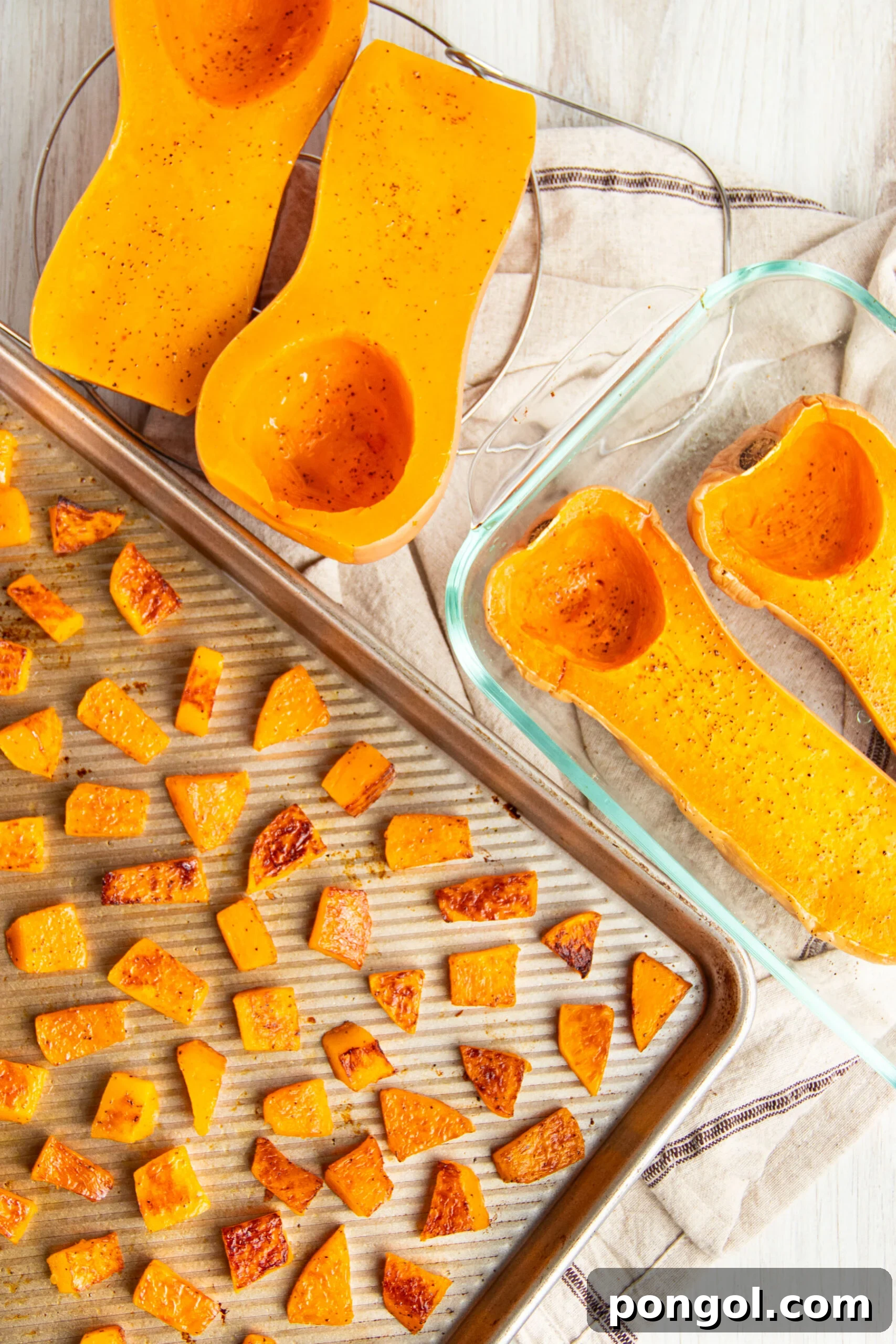
If you’re looking to master the art of cooking butternut squash, you’ve come to the right place! This comprehensive guide will equip you with all the knowledge to prepare this versatile winter squash perfectly, whether you prefer baking it in the oven, steaming it in an Instant Pot, or quickly cooking it in the microwave. Say goodbye to guesswork and hello to delicious, tender butternut squash that can star as a wholesome side dish or form the base of an impressive main course.
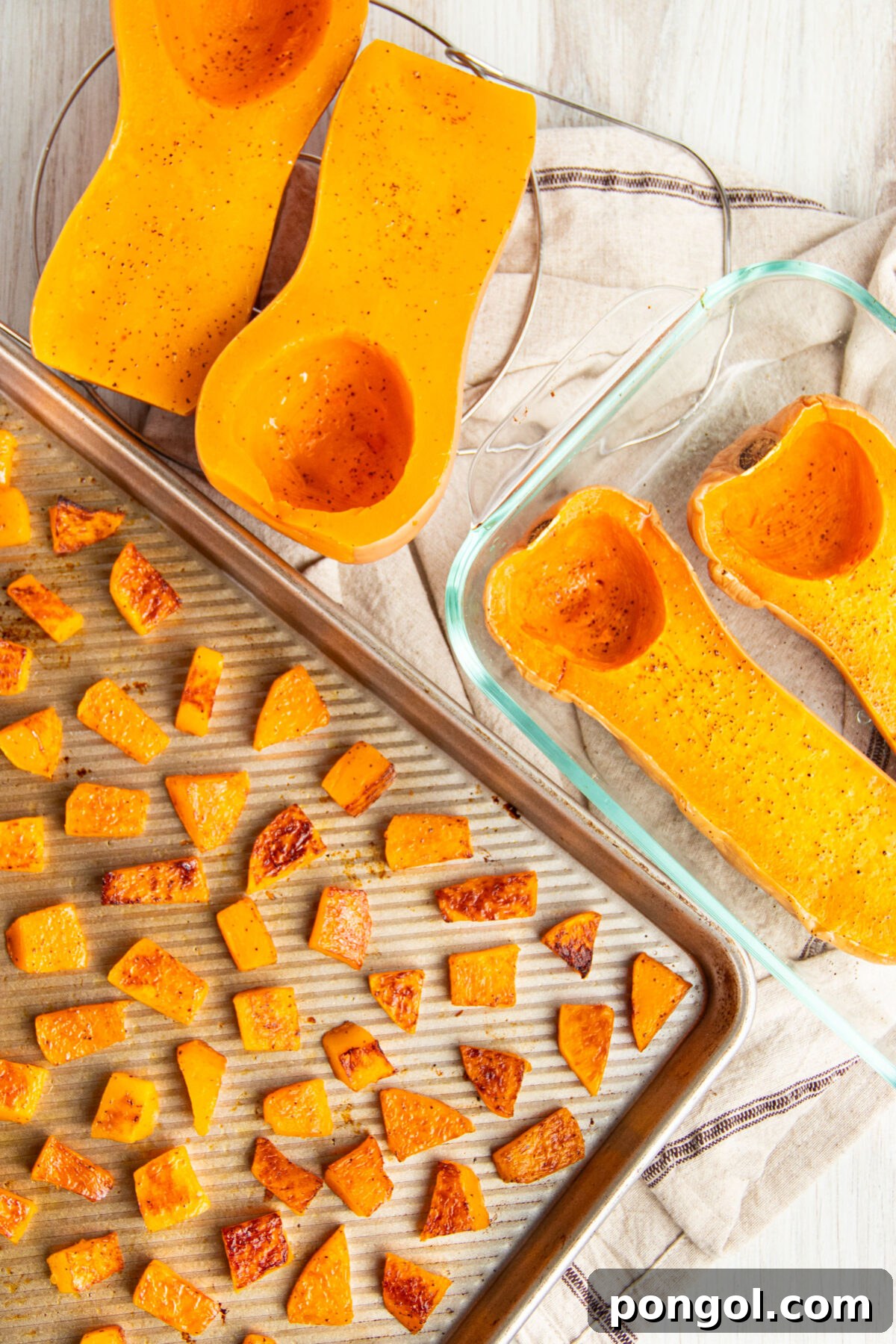
Why Butternut Squash Deserves a Spot on Your Plate
Butternut squash is more than just a seasonal favorite; it’s a nutritional powerhouse and a culinary chameleon. This humble fruit, often treated as a vegetable in the kitchen, offers a wealth of benefits that make it an excellent addition to any diet.
- Nutrient-Rich Profile: Butternut squash is packed with essential vitamins and minerals. It’s an excellent source of Vitamin A, crucial for vision and immune function, and Vitamin C, known for its antioxidant properties. Furthermore, it provides a good amount of dietary fiber, promoting digestive health, and potassium, vital for maintaining fluid balance and blood pressure. All this comes with a low-calorie and low-fat count, making it a truly guilt-free indulgence.
- Incredible Versatility: From sweet to savory, butternut squash adapts beautifully to a wide array of flavors and cooking styles. It can be roasted to perfection with aromatic herbs, blended into creamy soups, mashed into a comforting side dish, or even used in desserts. It truly shines during the autumn and winter months, offering a vibrant alternative to other common seasonal produce. While pumpkin often steals the spotlight, butternut squash is an unsung hero of fall cuisine, ready to elevate your holiday table or weeknight meals.
- Effortless Preparation: Don’t let its firm exterior intimidate you. Butternut squash is surprisingly easy to prepare, especially with the right techniques. Some methods require minimal effort, allowing you to simply halve it and let your chosen appliance do the rest. Whether you’re a seasoned chef or a kitchen novice, you’ll find a cooking method that suits your skill level and time constraints.
Butternut Squash 101: Selection and Storage
Choosing the right butternut squash and storing it properly are key steps to ensuring a delicious culinary experience.
How to Select the Perfect Butternut Squash
- Color: Look for squash with a solid, dark beige or tan color. Avoid any with green streaks, which indicate it’s not fully ripe.
- Skin: The skin should be smooth, dull, and free from any brown spots, soft spots, or punctures. Punctures can allow bacteria to enter, compromising the squash’s freshness and flavor.
- Firmness and Weight: A good butternut squash will feel firm and heavy for its size. Gently press on the skin; it should not give way. This indicates a dense, well-hydrated interior.
- Stem: Check that the stem is intact and dry. A healthy stem helps prevent moisture loss and spoilage.
Storing Butternut Squash
- Whole Squash: Store whole, uncut butternut squash in a cool, dark, and dry place, such as a pantry or basement. Avoid refrigerating whole squash as the humidity can cause it to spoil faster. When stored correctly, a whole butternut squash can last for 1 to 3 months, or even longer.
- Cut Squash: Once cut, butternut squash should be stored in an airtight container or tightly wrapped in plastic wrap in the refrigerator. It will typically last for 3 to 5 days. For longer storage, cubed or pureed butternut squash can be frozen for several months.
Frequently Asked Questions About Butternut Squash
Should You Peel Butternut Squash?
While the skin of butternut squash is edible and contains beneficial fiber and nutrients, whether you peel it largely depends on your cooking method and personal preference. For roasting or baking halved squash, peeling is often optional, as the skin softens considerably during cooking and can be easily scooped out or eaten. However, if you plan to cube the squash for roasting, sautéing, or adding to stews, it’s generally recommended to peel it first. A simple vegetable peeler works wonders, making this task much easier than it seems. The skin of an older squash can be particularly tough, making peeling a good choice for a more tender texture.
How Do You Use Cooked Butternut Squash?
The possibilities are truly endless! Serve it simply as a comforting side dish with your favorite entrées, perhaps with a drizzle of maple syrup or a sprinkle of herbs. Cubed and roasted squash makes an excellent addition to salads, offering both color and a delightful nutty texture. Mash it with butter and warm spices for a savory twist on mashed potatoes. Blend it into creamy soups, hearty stews, or smooth pasta sauces. You can even use it in baked goods like muffins or pies for added moisture and nutrition. Don’t forget to consider stuffing the halved squash with grains, vegetables, or meat for a complete and satisfying main course.
How Long Does It Take to Cook Butternut Squash?
The cooking time for butternut squash varies significantly depending on the method and how you’ve prepared it. Quick methods like microwaving can take as little as 8-15 minutes for halves, while the Instant Pot can cook halves in about 8-10 minutes under pressure, plus release time. Oven roasting can take anywhere from 30-50 minutes, depending on whether it’s cubed or halved and the desired tenderness. Always check for doneness by piercing the flesh with a fork – it should be tender and easily pierced.
Is Butternut Squash a Fruit or a Vegetable?
Botanically speaking, butternut squash is classified as a fruit. This is because it develops from the flower of the plant and contains seeds. However, in culinary contexts, it is almost universally treated and prepared as a vegetable, commonly used in savory dishes rather than sweet ones (though it can certainly be used in both!).
👩🏼🍳 Chef’s Pro Tips for Butternut Squash Perfection
- Mastering the Cut: Butternut squash can be tough to cut. For safety and ease, use a sharp, heavy chef’s knife. If it’s particularly stubborn, microwave the whole squash for 2-3 minutes before cutting to soften the skin slightly. Always use a stable cutting board and keep your fingers clear.
- Seasoning Strategies: Butternut squash is incredibly versatile when it comes to flavor.
- Savory: Simple salt and freshly ground black pepper are a fantastic start. Elevate it with herbs like rosemary, thyme, or sage. A dash of garlic powder, onion powder, or paprika can add depth. For a spicy kick, try a pinch of cayenne pepper or red pepper flakes. Drizzle with olive oil or avocado oil.
- Sweet: Embrace its natural sweetness with brown sugar, maple syrup, or honey. Warm spices like cinnamon, nutmeg, and allspice are classic pairings. A hint of vanilla extract can also be delightful.
- Sweet & Savory: Combine a touch of maple syrup with rosemary and a sprinkle of sea salt for a balanced flavor profile.
- Don’t Discard the Seeds! Just like pumpkin seeds, butternut squash seeds are a delicious and nutritious snack. After scooping them out, rinse them thoroughly to remove any pulp. Toss them with a little olive oil, salt, and your favorite spices (paprika, chili powder, or even cinnamon sugar) and roast them in a preheated oven at 300°F (150°C) for 15-20 minutes, or until golden brown and crispy.
- Testing for Doneness: Regardless of the cooking method, the ultimate test for cooked butternut squash is tenderness. It should be easily pierced with a fork with little to no resistance. If you’re roasting, look for slightly caramelized edges, which add a wonderful depth of flavor.
- Meal Prep Powerhouse: Cooked butternut squash is excellent for meal prep. Roast a large batch on the weekend and use it throughout the week in salads, grain bowls, or as a quick side. Pureed squash freezes beautifully, ready to be defrosted for soups or baby food.
🌱 More Winter Squash Recipes You’ll Love
Once you’ve mastered cooking butternut squash, explore these other delightful winter squash recipes:
- Instant Pot Butternut Squash Soup
- Instant Pot Whole30 Chili With Butternut Squash
- Butternut Squash Casserole with Parmesan Breadcrumbs
- The Best Roasted Acorn Squash with Life-Changing Maple Butter
- How to Cook Acorn Squash
- Instant Pot Spaghetti Squash
- Healthy Chicken “Alfredo” with Spaghetti Squash
Recipe By: Cheryl Malik
How to Cook Butternut Squash (in the Oven, Instant Pot, or Microwave)
Cook Time: 15 minutes
Total Time: 30 minutes
THREE foolproof cooking methods for perfect butternut squash to go alongside your holiday dinner or star as your main course.
Yields: 4 servings
Equipment
- Cutting board
- Sharp knife
- Large spoon or ice cream scoop (to remove seeds)
- Instant Pot (plus Instant Pot trivet)
- Large microwave-safe dish (if microwaving)
- Large baking sheet (if oven-roasting)
- Parchment paper (optional, for easier clean up)
- Basting Brush (if oven-roasting)
- Vegetable peeler (for cubed squash)
Ingredients
- 1 medium butternut squash (approximately 2-3 pounds; washed, dried)
- 1 cup water (for Instant Pot method)
- 1 tablespoon avocado oil (or other neutral oil, for oven method)
- Seasonings (optional, as desired – e.g., salt, pepper, cinnamon, brown sugar, maple syrup)
Instructions
Halved Butternut Squash in the Instant Pot
- Place butternut squash on a cutting board. Carefully cut the butternut squash in half lengthwise, cutting through the squash completely from top to bottom.
- Use a spoon or ice cream scoop to remove the seeds and stringy pulp from the butternut squash halves. Discard the seeds or save them for roasting.
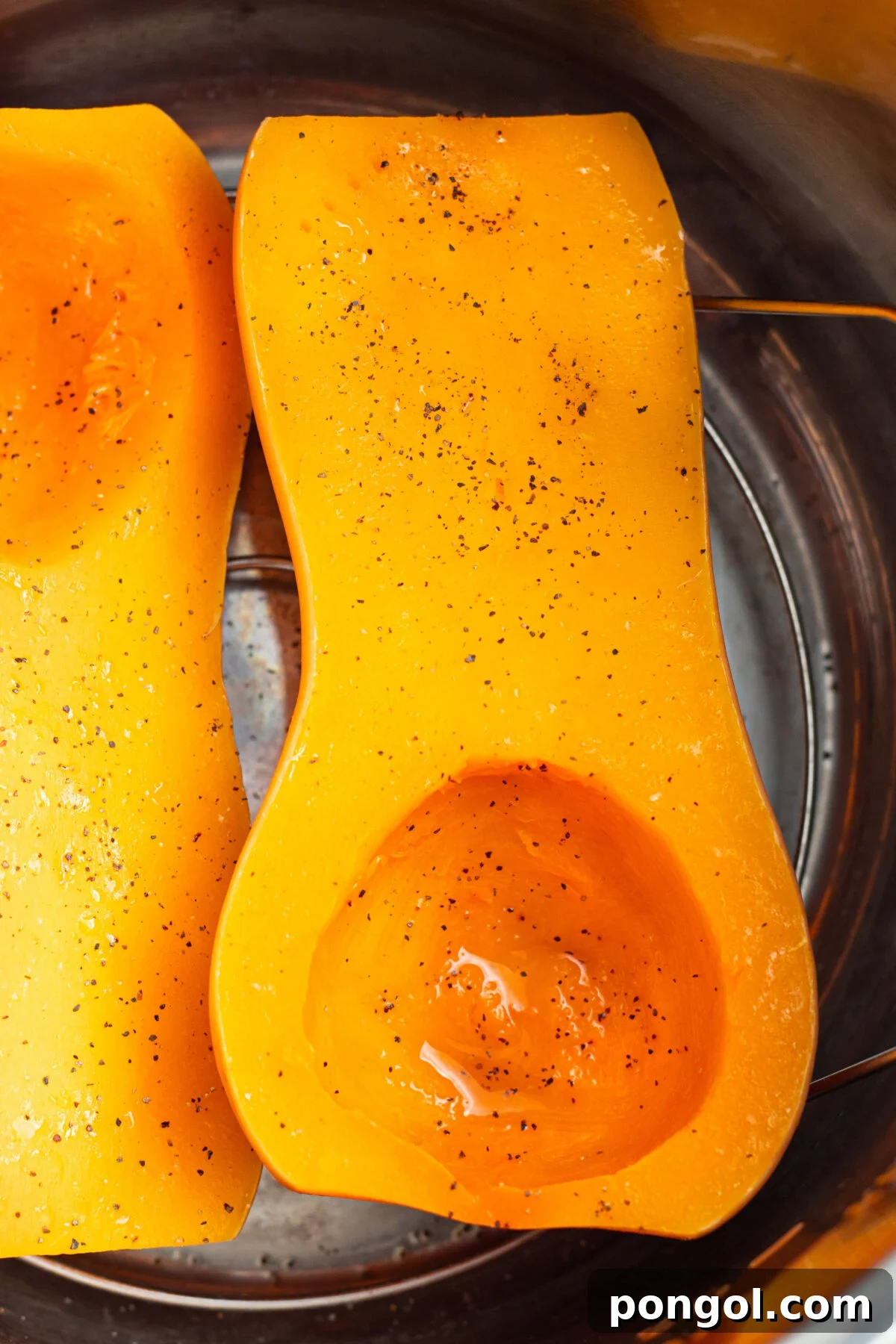
- Place the Instant Pot trivet in the bottom of the Instant Pot. Pour in 1 cup of water, then carefully place the butternut squash halves cut-side up on the trivet.
- Secure the lid on the Instant Pot, ensuring the vent is in the Sealing position. Set the Instant Pot to Manual High Pressure for 8 minutes. The Instant Pot will build pressure, and then the cook time will begin.
- After the 8-minute cook time is finished, allow the pressure to Natural Release for 10 minutes. After 10 minutes, carefully Quick Release any remaining steam by turning the vent to the Venting position. Once the pin drops, remove the lid from the Instant Pot.
- Carefully transfer the cooked squash halves to a large bowl or serving dish and finish as desired (e.g., mash, season, or scoop out the flesh).
Halved Butternut Squash in the Microwave
- Place butternut squash on a cutting board. Carefully cut the butternut squash in half lengthwise, cutting through the squash completely from top to bottom.
- Use a spoon or scoop to remove the seeds and stringy pulp from the butternut squash. Discard the seeds or save for another use.
- Place the squash halves cut-side up in a large microwave-safe dish. Place the dish in the microwave and microwave the squash on full power for 8 minutes.
- After 8 minutes, check the doneness of the squash by piercing it with a fork. If it’s not tender, continue microwaving in 2-minute increments, checking after each burst, until the squash is soft enough to be easily pierced with a fork. Cooking times can vary based on microwave wattage and squash size.
- Carefully transfer the cooked squash halves to a large bowl or serving dish and finish as desired.
Halved Butternut Squash in the Oven
- Preheat your oven to 350° Fahrenheit (175°C). For easier cleanup, you may line a large baking sheet with parchment paper.
- Place butternut squash on a cutting board. Carefully cut the butternut squash in half lengthwise, cutting through the squash completely from top to bottom.
- Use a spoon or scoop to remove the seeds and stringy pulp from the butternut squash. Discard the seeds or save them for roasting.
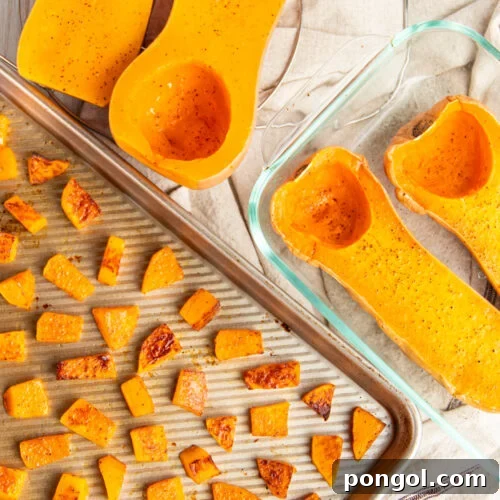
- Brush the cut-side of the squash halves evenly with avocado oil (or olive oil). Place the squash cut-side down on the prepared baking sheet and place the baking sheet in the preheated oven.
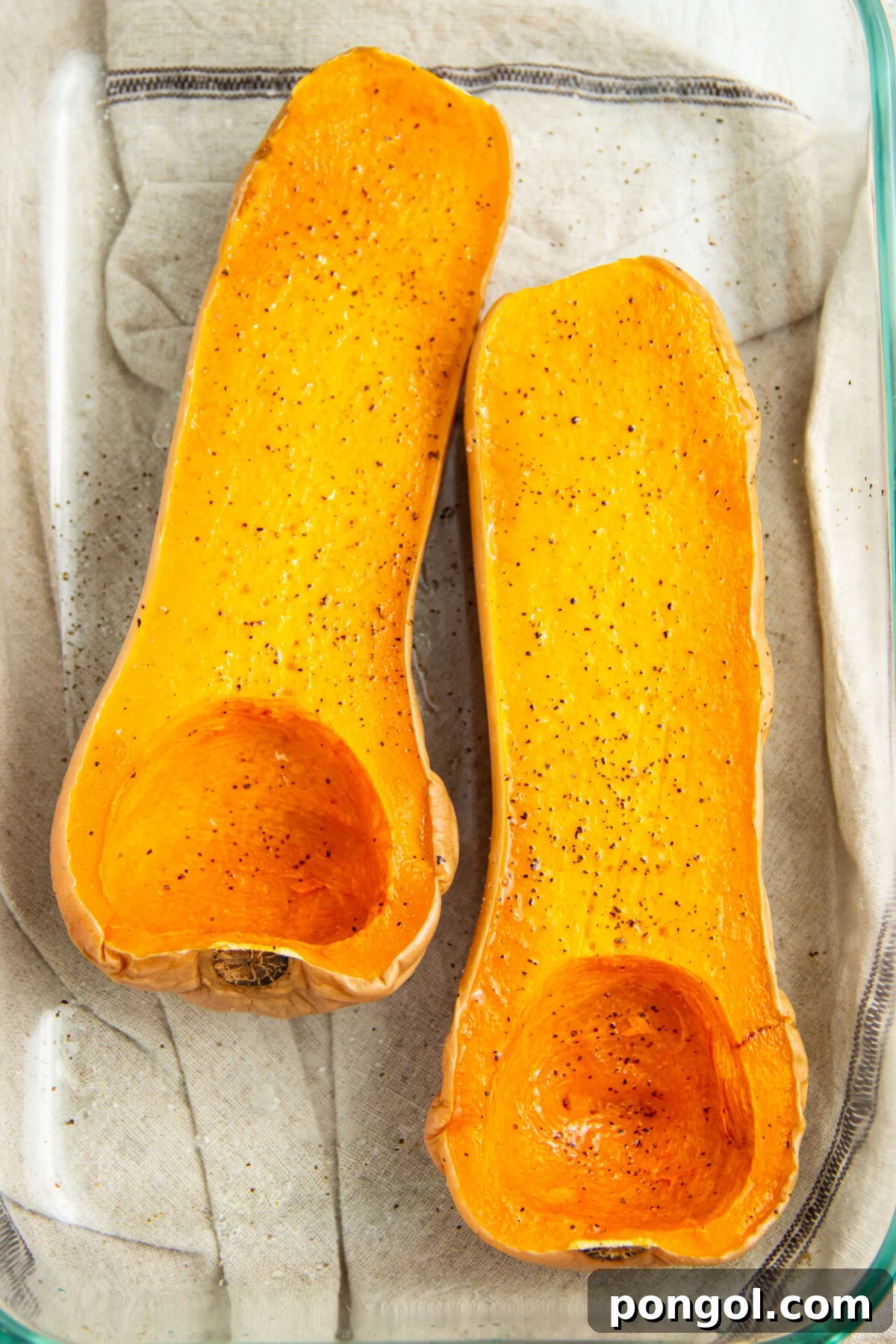
- Roast the butternut squash, undisturbed, for 45 to 50 minutes, or until the squash is soft enough to be easily pierced with a fork. The cooking time may vary slightly depending on the size of your squash.
- Carefully remove the baking sheet from the oven, transfer the cooked squash halves to a large bowl or serving dish, and finish as desired.
Cubed Butternut Squash in the Oven
- Preheat your oven to 400° Fahrenheit (200°C).
- Use a vegetable peeler to peel the squash completely. Then, place the peeled squash on a cutting board. Carefully cut the butternut squash in half lengthwise, cutting through it completely from top to bottom.
- Use a spoon or scoop to remove the seeds and stringy pulp. Discard the seeds or save them for another use. Slice the squash into uniform 1-inch cubes for even cooking.
- Drizzle the avocado oil (or olive oil) over the squash cubes, then sprinkle with salt and pepper (or your desired seasonings). Use your hands to toss the squash until all cubes are completely coated with oil and seasonings.
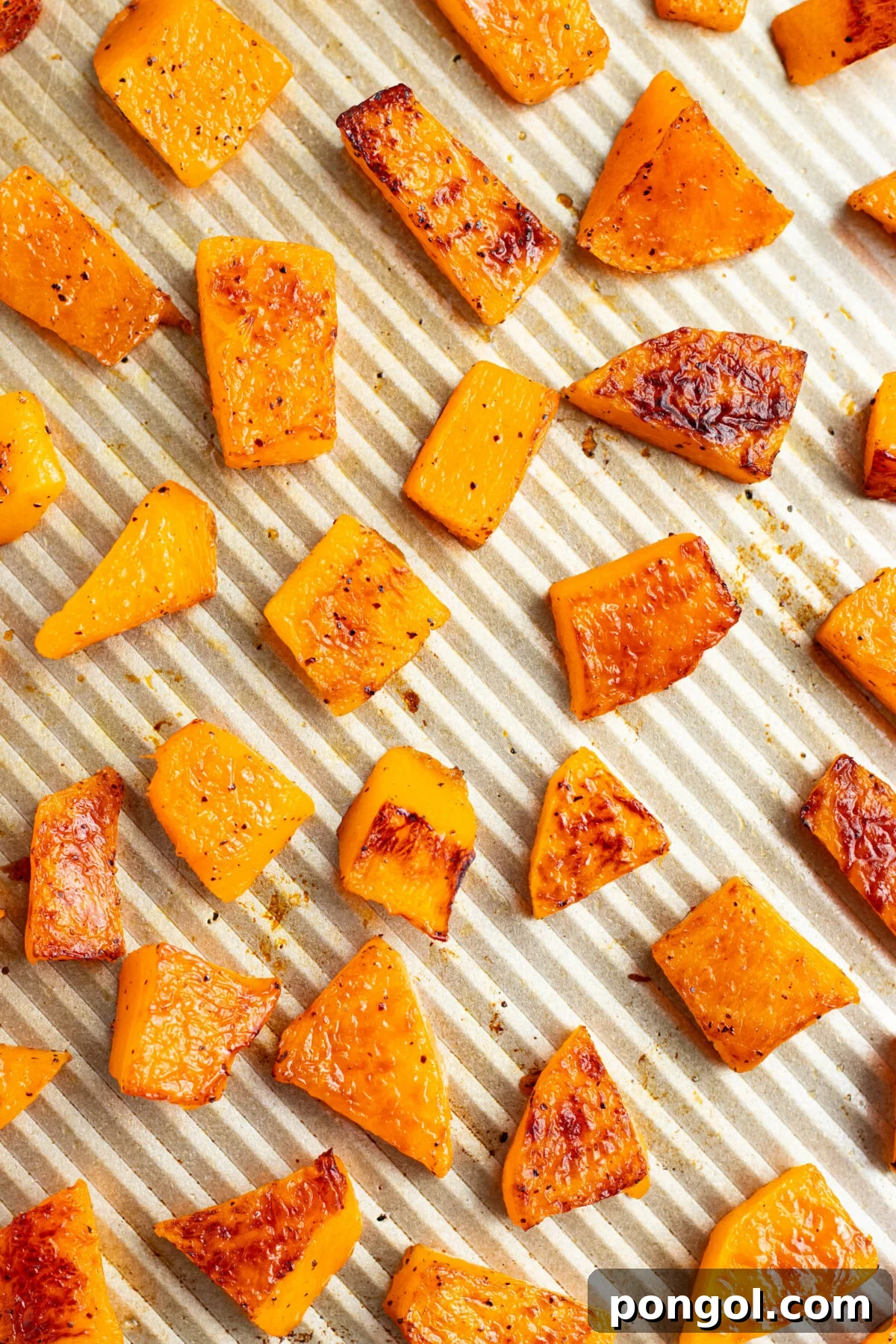
- Transfer the seasoned squash cubes to a large baking sheet and spread them out into a single, even layer. Avoid overcrowding the pan, as this can steam the squash instead of roasting it; use two baking sheets if necessary.
- Place the baking sheet in the preheated oven. Roast the butternut squash for 35 to 40 minutes, or until the cubes are tender and slightly caramelized at the edges. Toss once halfway through cooking for even browning.
- Carefully remove the baking sheet from the oven, transfer the cooked squash cubes to a large bowl or serving dish, and finish as desired.
Notes
- Seasoning Flexibility: Butternut squash is incredibly versatile. Enjoy it simply with a sprinkle of salt and pepper. For a sweet touch, add a dash of cinnamon and brown sugar, or drizzle with maple syrup. For a savory profile, consider herbs like rosemary or thyme.
- Choosing Your Squash: When selecting a butternut squash, look for one that is firm, heavy for its size, and has a deep, uniform beige color. Avoid any squash with soft spots, green patches (indicating immaturity), or any visible punctures.
Approximate Nutrition Information for One Serving
Serving Size: 1 serving
- Calories: 102 cal
- Protein: 2 g
- Fat: 0.2 g
- Saturated Fat: 0.05 g
- Sodium: 9 mg
- Potassium: 798 mg
- Total Carbs: 27 g
- Fiber: 5 g
- Sugar: 5 g
- Net Carbs: 22 g
- Vitamin A: 24108 IU
- Vitamin C: 48 mg
- Calcium: 109 mg
- Iron: 2 mg
Nutrition Disclaimers
Number of total servings shown is approximate. Actual number of servings will depend on your preferred portion sizes.
Nutritional values shown are general guidelines and reflect information for 1 serving using the ingredients listed, not including any optional ingredients. Actual macros may vary slightly depending on specific brands and types of ingredients used.
To determine the weight of one serving, prepare the recipe as instructed. Weigh the finished recipe, then divide the weight of the finished recipe (not including the weight of the container the food is in) by the desired number of servings. The result will be the weight of one serving.
Did You Make This Recipe?
We’d love to see your culinary creations! Tag @40aprons on Instagram and be sure to leave a review on the blog post to share your experience!
Tag @40Aprons on Instagram
Conclusion: Enjoy Your Perfectly Cooked Butternut Squash!
Cooking butternut squash has never been easier or more rewarding. With these detailed instructions and helpful tips, you can confidently prepare this wholesome and delicious winter squash using your preferred method. Whether you crave the rich caramelization of oven-roasted squash, the speedy convenience of the Instant Pot, or the quick results from your microwave, you now have the tools to achieve perfect tenderness and flavor every time. Experiment with different seasonings and serving ideas to make butternut squash a regular, cherished feature in your healthy meal rotation. Happy cooking!