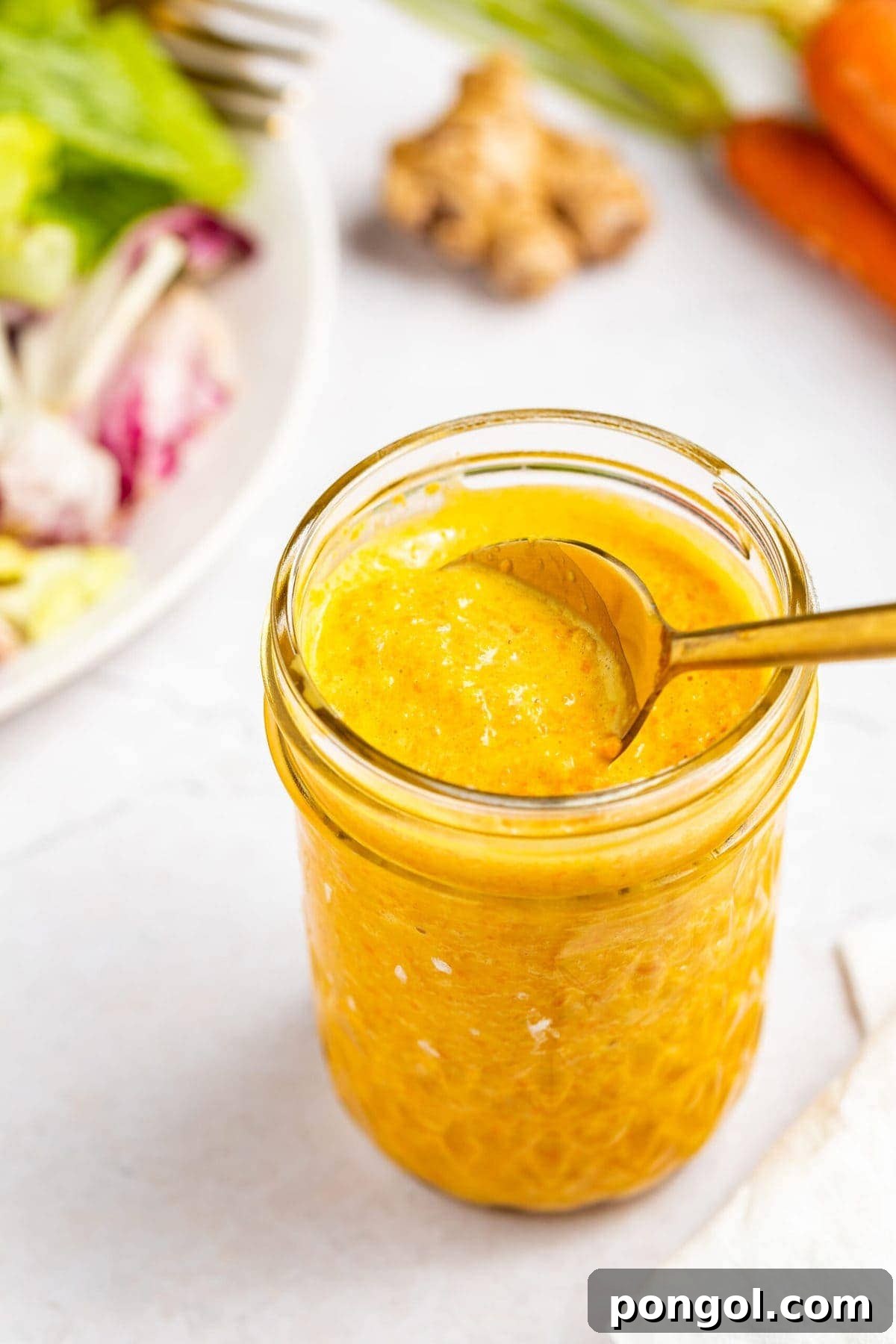
Welcome to the ultimate guide for crafting the most delectable homemade Japanese salad dressing – a vibrant, tangy, and subtly sweet concoction that tastes just like your favorite restaurant creation. Forget store-bought alternatives; this easy-to-follow recipe brings the authentic flavors of ginger, soy, and rice vinegar right into your kitchen in mere minutes. Perfect for busy weeknights or anytime you crave that distinctive Japanese culinary touch, this dressing is a game-changer for salads, marinades, and beyond. Get ready to elevate your meals with this insanely delicious and incredibly simple ginger dressing!
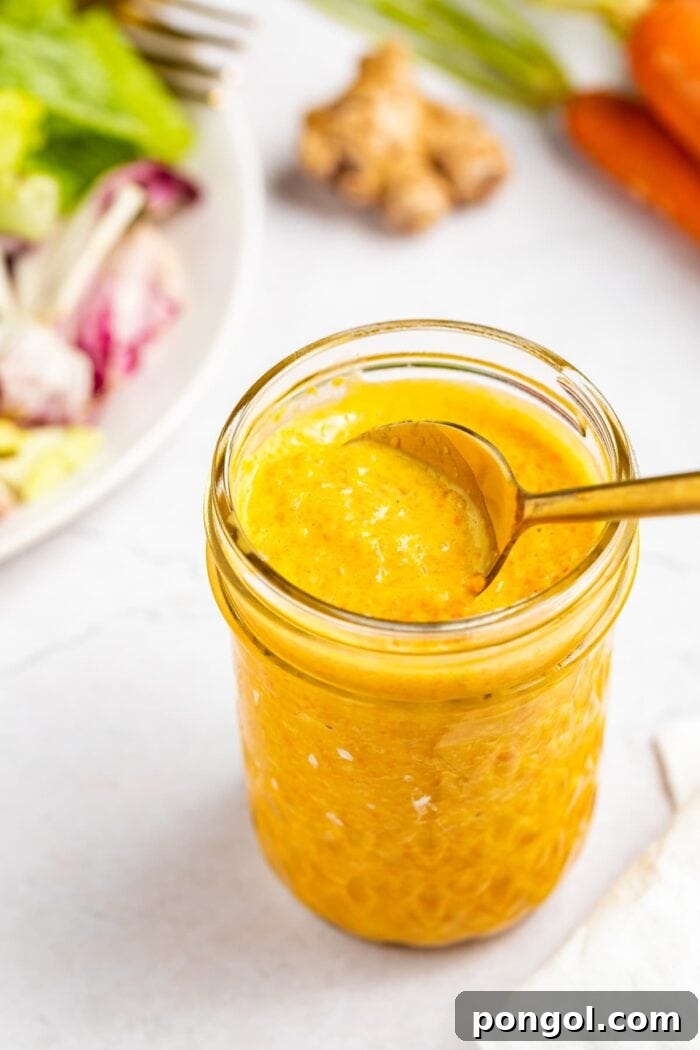
Why Homemade Japanese Salad Dressing is a Must-Try
There’s something truly special about the bright, zesty taste of Japanese salad dressing, often served as a delightful prelude to a hibachi meal or alongside fresh sashimi. Recreating this iconic flavor at home might seem daunting, but this recipe proves just how accessible and rewarding it can be. Here’s why this particular ginger salad dressing recipe stands out:
Authentic Restaurant Flavor at Your Fingertips
This isn’t just *a* Japanese salad dressing; it’s *the* Japanese salad dressing. Many of us have fond memories of the unique orange, ginger-infused dressing served at our favorite hibachi or sushi restaurants. That distinct blend of savory, sweet, and tangy notes, coupled with a refreshing ginger kick, is perfectly replicated here. You’ll be amazed at how accurately this recipe captures that beloved restaurant experience, transforming your ordinary salad into an extraordinary culinary delight. It’s truly an exact dupe to that coveted hibachi restaurant salad dressing, ensuring you can enjoy its magic anytime you wish.
Effortless Preparation in Minutes
One of the greatest advantages of this recipe is its incredible speed and simplicity. You don’t need to be a gourmet chef to whip up this flavorful dressing. The entire process, from chopping a few basic vegetables to blending, takes less than 5 minutes. Simply gather your ingredients, give the vegetables a rough chop, toss everything into a blender, and pulse for a few seconds. In the blink of an eye, you’ll have a fresh, vibrant, and utterly delicious homemade Japanese salad dressing ready to invigorate your meals. It’s the perfect solution for adding a burst of flavor to quick weeknight dinners.
Packed with Nutritious Fresh Ingredients
Unlike many store-bought dressings that often contain artificial additives and excessive sugars, this homemade version is a powerhouse of fresh, wholesome ingredients. The foundation of this vibrant dressing is built upon nutritious carrots, aromatic fresh ginger, and crisp celery. These vegetables not only contribute to the dressing’s characteristic flavor and beautiful orange hue but also add a wealth of vitamins and antioxidants. Enjoying this dressing means you’re adding a healthy boost to your salads, making it a guilt-free indulgence that’s good for your body as well as your taste buds.
A Versatile Culinary Companion
While primarily a salad dressing, the applications for this ginger dressing extend far beyond a simple bowl of greens. Its robust and balanced flavor profile makes it an incredibly versatile condiment. Use it as a marinade for chicken, fish, or tofu to infuse them with an irresistible Asian flair. Drizzle it over grilled vegetables for a burst of freshness, or use it as a dipping sauce for spring rolls, dumplings, or even fresh-cut veggies. This Japanese salad dressing can even elevate cold noodle dishes or serve as a secret ingredient in your stir-fry sauces. Its adaptability ensures it will become a staple in your kitchen, inspiring countless delicious creations.
Cost-Effective and Customizable
Making your own dressing at home is not only healthier but also significantly more economical than continuously purchasing bottled versions from the store. With just a few common pantry staples and fresh produce, you can create a large batch of this exquisite ginger dressing for a fraction of the cost. Furthermore, homemade allows for complete customization. You can adjust the sweetness, tanginess, or ginger kick to perfectly match your preferences. Prefer a little more spice? Add a pinch of red pepper flakes. Crave a richer sesame flavor? A dash of toasted sesame oil will do the trick. The power to personalize is entirely in your hands.
Key Ingredients for the Perfect Japanese Salad Dressing
Each component in this recipe plays a crucial role in achieving the signature taste and texture of authentic Japanese ginger dressing. Understanding the contribution of each ingredient will help you appreciate the balance and depth of flavor in every spoonful.
Soy Sauce: The Umami Foundation
Soy Sauce is the cornerstone of many Asian dishes, and this dressing is no exception. It provides the essential savory, umami-rich base that defines the Japanese flavor profile. For those with dietary restrictions, feel free to use gluten-free soy sauce, or opt for a low-sodium version to better control the salt content. If you are mindful of sodium intake, start with two tablespoons of soy sauce and taste before adding more, adjusting to your preference. Tamari is another excellent gluten-free alternative that offers a similar depth of flavor.
Rice Vinegar: The Tangy Brightness
Most great dressings are characterized by a balanced acidity, and in this Japanese salad dressing, Rice Vinegar steps up to the plate. It delivers a gentle, bright tang that perfectly cuts through the richness of the oil and balances the sweetness and savory notes. Rice vinegar, widely used in Asian cuisine, is notably milder and less acidic than other vinegars like white vinegar or apple cider vinegar, making it ideal for this delicate dressing. If you don’t have rice vinegar on hand, you can substitute with 2-3 tablespoons of white vinegar, though you may want to start with less and adjust, as white vinegar is stronger.
Peanut Oil: For Subtlety and Smoothness
Peanut Oil contributes a subtly sweet, nutty flavor that is characteristic of many Japanese and Asian dressings. Its neutral-to-mild flavor profile and high smoke point also make it a versatile cooking oil. However, if you have a peanut allergy or simply prefer a different oil, any neutral-tasting oil will work beautifully. Good alternatives include canola oil, vegetable oil, grapeseed oil, or even a light olive oil (though a strongly flavored olive oil might alter the dressing’s delicate balance). The oil helps emulsify the dressing, providing a smooth, creamy texture and ensuring the flavors meld together harmoniously.
Fresh Ginger: The Heart of the Flavor
The star of any ginger dressing is, naturally, Fresh Ginger. Its pungent, spicy, and aromatic notes are what give this dressing its unmistakable zing and refreshing quality. Grated fresh ginger releases its potent essential oils, infusing the entire dressing with its distinctive warmth and slight sweetness. Don’t skimp on the fresh ginger – it’s what truly makes this dressing sing! A little extra can go a long way in boosting the authentic taste.
Carrots and Yellow Onion: Color and Sweetness
Carrots and Yellow Onion aren’t just for texture; they are integral to the dressing’s beautiful pale orange color and foundational sweetness. When blended, carrots add a natural sweetness and creamy body, while the onion provides a subtle sharpness that mellows out beautifully in the mixture. These fresh vegetables contribute to the wholesome goodness and vibrant appearance of the dressing, making it appealing to both the eye and the palate.
Honey: A Touch of Sweet Balance
A touch of Honey is added to perfectly balance the tangy vinegar and savory soy sauce, creating a harmonious flavor profile. Its natural sweetness rounds out the dressing without making it overtly sugary. For those following a vegan diet, maple syrup or white sugar are excellent substitutes that provide a similar sweet balance. Adjust the amount to your personal preference – some might enjoy a slightly sweeter dressing, while others prefer more tang.
Celery: Freshness and Aroma
The inclusion of Celery might seem unexpected, but it adds a subtle layer of freshness and a delicate earthy aroma that contributes to the complexity of the dressing. When blended, it contributes to the dressing’s vibrant color and overall vegetable-forward taste without being overpowering. It’s a small addition that makes a noticeable difference in the final flavor profile of this Japanese salad dressing.
Expert Tips for the Best Japanese Salad Dressing
To truly master this homemade Japanese salad dressing, consider these expert tips that will enhance its flavor, texture, and longevity.
Chill for Optimal Flavor Development
While you can certainly enjoy this dressing immediately after blending, if you have the time, chill it in the fridge for at least 30 minutes before serving. This resting period allows the flavors to meld and develop further, resulting in a more complex and integrated taste. There’s something undeniably refreshing and delicious about this dressing when served perfectly cold, making it even more invigorating on a fresh salad.
Storage and Meal Prep Brilliance
This Japanese salad dressing is an excellent candidate for meal prepping. You can easily make a batch at the beginning of the week and enjoy it for days. Store any leftover dressing in an airtight container in the fridge for up to 5 days. This makes it incredibly convenient to have a healthy, flavorful dressing ready to go, encouraging you to eat more salads and vegetables throughout your busy week. Always give it a good shake or stir before serving, as natural separation can occur.
Achieving the Perfect Consistency
Depending on the power of your blender, you might encounter a bit of a challenge in achieving that perfectly smooth, pureed consistency. If your dressing appears too thick or chunky, don’t fret! You can easily adjust it by adding a tablespoon or two of water or a bit more oil. Start small, adding liquid gradually, and blend until you achieve your desired silky-smooth texture. The goal is a pourable consistency that coats your salad leaves beautifully, so take your time and adjust as needed.
Customizing Your Dressing: Make It Your Own
While this recipe provides a perfectly balanced base, feel free to experiment and customize it to your taste. For an extra nutty flavor, add a teaspoon of toasted sesame oil. If you enjoy a touch of heat, a tiny pinch of red pepper flakes or a dash of sriracha can add a delightful kick. A squeeze of lime juice can brighten the flavors even further, especially if you enjoy a more pronounced citrus note. Don’t be afraid to adjust the honey for sweetness or soy sauce for saltiness until it’s just right for your palate.
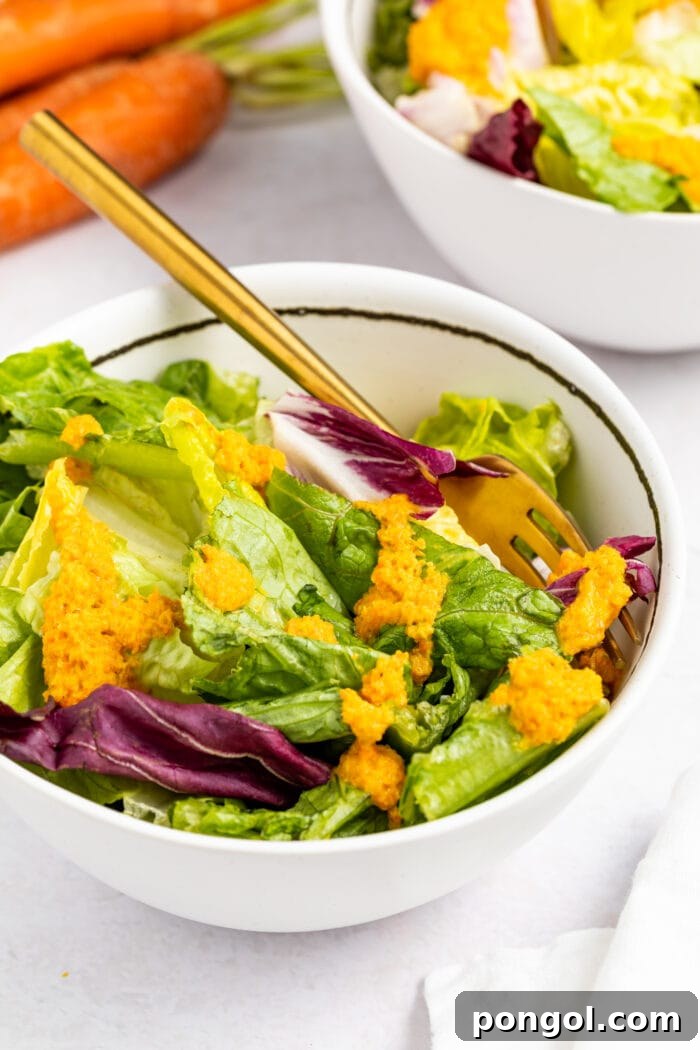
How to Serve Your Homemade Japanese Salad Dressing
This versatile ginger dressing is more than just a topping for lettuce. Its bright, savory, and tangy profile makes it an incredible enhancer for a variety of dishes. Here are some ideas to inspire you:
Classic Green Salads: The Obvious Choice
The most straightforward and perhaps most satisfying way to enjoy this dressing is over a crisp, fresh green salad. Pair it with romaine lettuce, mixed greens, cucumbers, tomatoes, and bell peppers for a simple yet incredibly flavorful side. Add grilled chicken, shrimp, or tofu for a complete and healthy meal.
Marinade for Meats and Tofu: Infuse with Flavor
Use this dressing as a vibrant marinade for your favorite proteins. Chicken breasts, pork tenderloin, firm tofu, or even flaky white fish can soak up the incredible ginger and soy flavors. Marinate for at least 30 minutes (or longer for deeper flavor), then grill, bake, or pan-sear for a delicious meal with an irresistible Asian twist.
Dipping Sauce: A Versatile Condiment
Its rich flavor and smooth consistency make it an excellent dipping sauce. Serve it alongside spring rolls, chicken nuggets, vegetable sticks, or even as an accompaniment to a sushi platter. It adds a refreshing counterpoint to richer foods and a burst of flavor to plainer items.
Noodle Bowls and Stir-fries: An Asian Delight
Elevate your cold noodle bowls or warm stir-fries with a generous drizzle of this dressing. It can replace or supplement traditional stir-fry sauces, adding a fresh ginger-forward flavor. Toss it with cooked soba or ramen noodles, a medley of fresh vegetables, and your choice of protein for a quick and satisfying meal.
Glaze for Roasted Vegetables: Sweet and Savory Shine
Brush this dressing over roasted broccoli, asparagus, or carrots during the last few minutes of cooking. The heat will slightly caramelize the honey, and the ginger and soy will create a wonderful glaze, adding a complex layer of flavor to your vegetables.
More Delicious Salad Dressing Recipes to Try
If you’ve fallen in love with making your own dressings, here are some other fantastic recipes to expand your culinary repertoire:
- Creamy Italian Dressing
- Miso Dressing
- Asian Salad Dressing
- Cilantro Lime Dressing
- Avocado Salad Dressing
- Hot Bacon Dressing
Sam Guarnieri
Homemade Japanese Salad Dressing
5 minutes
5 minutes
This restaurant-style Japanese salad dressing is easy to make and insanely delicious! This dressing is delightfully tangy, packed with ginger, and balanced out with a bit of sweetness. It’s also quick to throw together for a busy week or anytime you’re craving Japanese salad dressing at home!

Sam Guarnieri
8
servings
Equipment
- standard blender
Ingredients
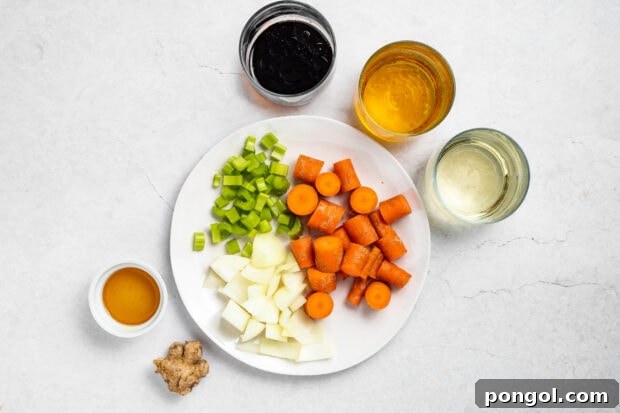
- 1 cup carrots chopped
- ½ cup yellow onion chopped
- ¼ cup fresh ginger grated
- 2 tablespoons celery chopped
- 1 tablespoon honey
- ¼ cup soy sauce
- ½ cup rice vinegar
- ½ cup peanut oil
Instructions
-
Add all ingredients (carrots, yellow onion, fresh ginger, celery, honey, soy sauce, rice vinegar, and peanut oil) to a standard blender.

-
Blend on high until all ingredients are completely pureed and the dressing reaches a smooth, consistent texture. If the dressing is too thick, add a tablespoon or two of water or more oil until desired consistency is achieved.
-
For best flavor, chill the Japanese salad dressing in the refrigerator for at least 30 minutes before serving, allowing the flavors to fully meld.
- Make it Paleo: Use coconut aminos instead of soy sauce and avocado oil instead of peanut oil.
- Make it Vegan: Use maple syrup or white sugar instead of honey.
Recipe yields approximately 8 servings. Nutritional values shown reflect information for one serving out of 8, not including salad. Macros may vary slightly based on specific brands or types of ingredients used.
To determine the size of one serving, prepare the recipe as instructed, then weigh the recipe when finished. Divide the total weight (not including the weight of the container the food is in) by 8. Result will be the weight of one serving.
Approximate Information for One Serving
Serving Size:
1
serving
Calories:
148
cal
Protein:
1
g
Fat:
14
g
Saturated Fat:
2
g
Sodium:
419
mg
Potassium:
101
mg
Total Carbs:
6
g
Fiber:
1
g
Sugar:
4
g
Net Carbs:
5
g
Vitamin A:
2682
IU
Vitamin C:
2
mg
Calcium:
11
mg
Iron:
1
mg
Nutrition Disclaimers
Number of total servings shown is approximate. Actual number of servings will depend on your preferred portion sizes.
Nutritional values shown are general guidelines and reflect information for 1 serving using the ingredients listed, not including any optional ingredients. Actual macros may vary slightly depending on specific brands and types of ingredients used.
To determine the weight of one serving, prepare the recipe as instructed. Weigh the finished recipe, then divide the weight of the finished recipe (not including the weight of the container the food is in) by the desired number of servings. Result will be the weight of one serving.
Did You Make This Recipe?
We’d love to see your creations! Tag @40aprons on Instagram and be sure to leave a review on this blog post to share your experience!
Tag @40Aprons on Instagram