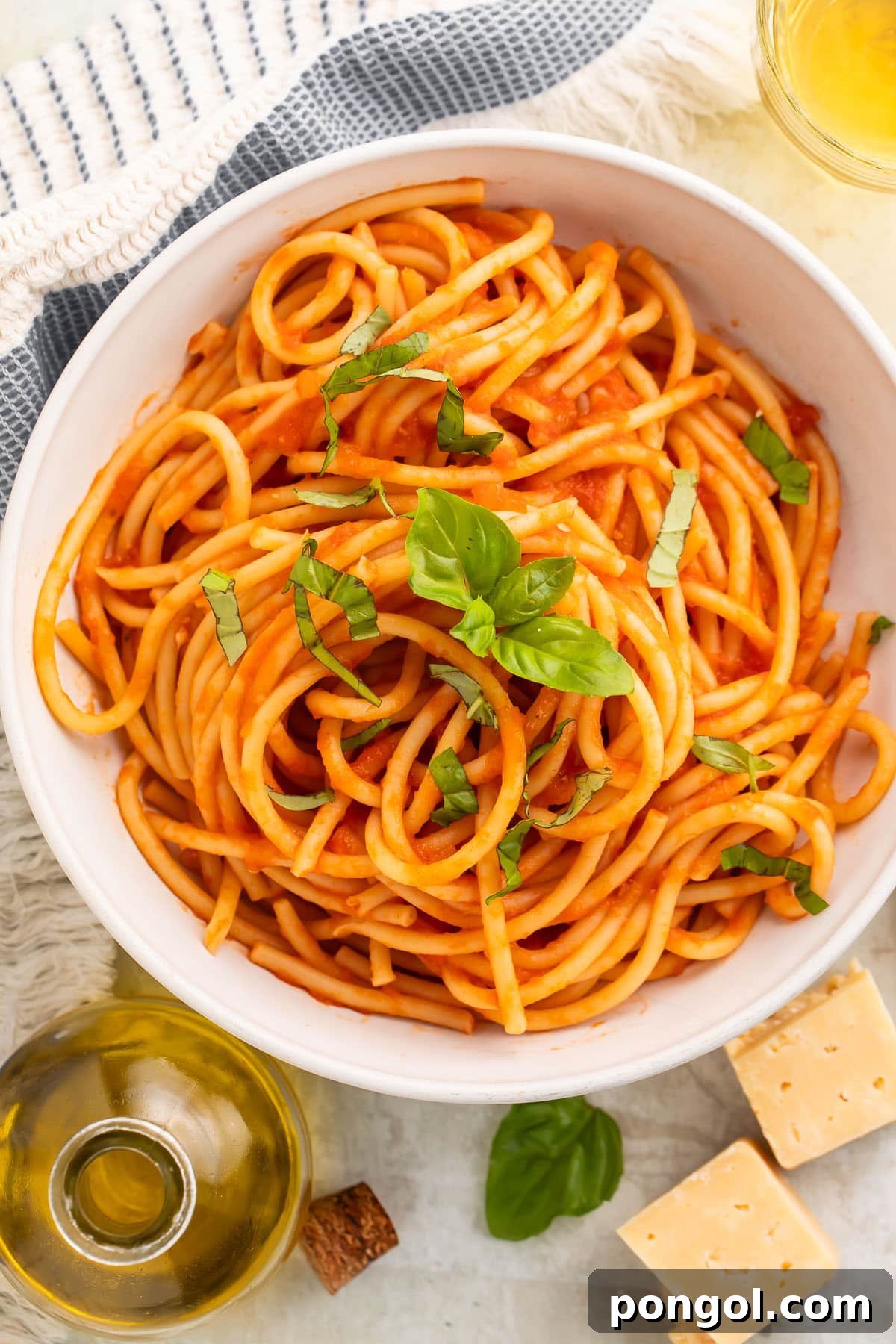
Imagine a sauce that transcends the ordinary, a culinary creation so profound yet incredibly simple that it will revolutionize your home cooking. This authentic pomodoro sauce is not just rich and vibrant; it’s an effortless masterpiece that will banish jarred tomato sauces from your pantry forever. With each delicious bite, you’ll be instantly transported to a quaint, bustling Italian trattoria, savoring the true flavors of Italy without ever stepping foot outside your kitchen. This isn’t merely a recipe; it’s become our family’s undisputed favorite tomato pasta sauce, a cherished classic that my children and husband enthusiastically request again and again for its comforting warmth and genuine taste.
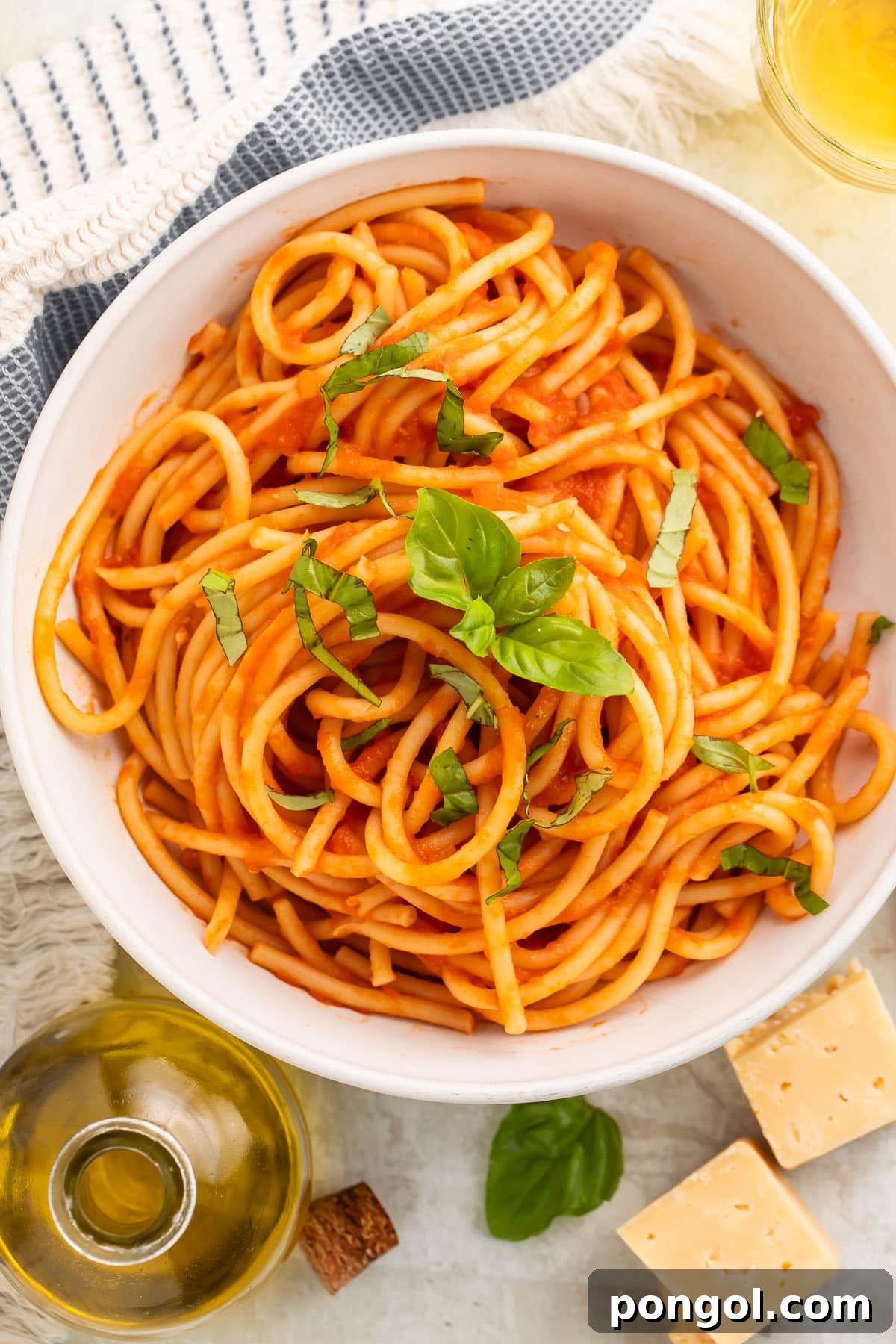
Why This Homemade Pomodoro Sauce Recipe is a Must-Try
There are countless reasons why this particular pomodoro sauce recipe stands out, making it a staple in kitchens around the world and a treasured favorite in ours. It brings together simplicity, incredible flavor, and remarkable versatility, making it perfect for both everyday meals and special occasions.
- Unforgettable Authentic Flavor: This isn’t just a tomato sauce; it’s a journey back to the sun-ddrenched hills of Italy. Every spoonful of this pomodoro sauce is packed with rich, classic flavors that evoke memories of genuine Italian trattorias and family gatherings. The harmonious blend of fresh tomatoes, aromatic garlic, fragrant basil, and a hint of olive oil creates a depth of taste that store-bought sauces simply cannot replicate. For our family, pasta pomodoro ranks high on the list of ultimate comfort foods, a dish that consistently brings smiles to the table.
- Effortlessly Simple to Prepare: The beauty of this pomodoro sauce lies in its incredible ease of preparation. You’ll be amazed at how quickly and simply you can transform a few high-quality ingredients into a gourmet sauce. The straightforward steps and minimal cooking time mean you can whip up a fresh, homemade pomodoro sauce on a moment’s notice, even on the busiest weeknights. Once you experience the superior taste and effortless process of making your own, you’ll confidently bid farewell to all store-bought jarred pasta sauces, realizing that fresh is always best. Most of the ingredients, such as quality canned tomatoes, olive oil, and garlic, are likely already pantry staples, ensuring you’re always ready to create this vibrant dish.
- Remarkably Versatile Culinary Staple: Beyond its ease and exquisite taste, this pomodoro sauce is incredibly versatile. Its mild, bright, and perfectly balanced flavor profile makes it an ideal companion for virtually any Italian-inspired dish. While it shines brightly with traditional pasta — from long strands of spaghetti and fettuccine to short cuts like penne and rigatoni, or even delicate gnocchi and ravioli — its uses extend far beyond. Use it as a vibrant base for an easy chicken parm, a flavorful simmer for your favorite homemade meatballs, a topping for homemade pizza, or even a simple sauce for baked vegetables. Its adaptability ensures it will quickly become a cherished foundational recipe in your culinary repertoire.
Fun fact: While both sauces are made from tomatoes, only one is explicitly named for them. The word “Pomodoro” is Italian for “tomato” (literally “golden apple”), reflecting its primary ingredient. “Marinara,” on the other hand, comes from “marinaro,” which translates to “seafaring.” It is widely believed to have been a popular sauce among Italian sailors, likely because it could be made with easily preserved ingredients and cooked quickly.
Chef’s Tips for Perfect Pomodoro Sauce
Achieving the perfect pomodoro sauce, with its signature smooth texture and deeply concentrated flavors, is simpler than you might think. Follow these expert tips to elevate your homemade sauce to professional trattoria standards.
- Achieving Silky Smoothness with an Immersion Blender: A hallmark of traditional pomodoro sauce is its wonderfully smooth consistency, a stark contrast to the chunkier texture of marinara. The secret to effortlessly transforming whole San Marzano tomatoes into this velvety sauce lies in the convenience of an immersion blender. This invaluable tool means you won’t have to go through the messy and potentially hazardous step of transferring hot tomato mixture to another container. Simply move your saucepan off the heat, allow the mixture to cool slightly for a few minutes to prevent splattering, then plunge the immersion blender directly into the pot and blend until your sauce reaches the desired thick and smooth texture.
- Using a Standard Blender Safely: If an immersion blender isn’t available, a standard upright blender will certainly do the job, though it requires a bit more care and time. Blending hot liquids in a conventional blender can be dangerous due to steam buildup and pressure. Therefore, it is crucial to heed the safety notes provided in the recipe card below and observe extra caution. Always allow the tomato mixture to cool significantly before attempting to blend. Work in small batches, filling the blender jar no more than halfway each time. Ensure the lid is securely fastened, but remove the small cap from the lid and cover the opening with a folded kitchen towel to allow steam to escape while blending, preventing pressure from building up.
- Deepening Flavors and Making Ahead: The true magic of this pomodoro sauce is how its flavors evolve and deepen over time. If you’re not constrained by time, consider letting your sauce simmer on a very low heat for an extended period beyond the recommended cooking time. A longer, gentle simmer allows the ingredients to meld more thoroughly, intensifying the richness and complexity of the sauce. This “low and slow” method develops a truly remarkable depth of flavor. Additionally, this sauce is an excellent candidate for make-ahead meal prep. You can prepare the sauce up to 24 hours before you plan to serve it. Simply let it cool completely to room temperature before transferring it to an airtight container and refrigerating. When you’re ready to serve, gently reheat the sauce on the stovetop over low heat, stirring occasionally, until it’s warmed through and ready to coat your favorite pasta.
Frequently Asked Questions About Pomodoro Sauce
Curious about the nuances of pomodoro sauce? Here are answers to some of the most common questions, helping you master this Italian classic.
At its heart, authentic pomodoro sauce is a celebration of simple, high-quality ingredients. While slight variations may exist between individual recipes or regional preferences, the foundation always includes a few core components: sweet, low-acidity tomatoes (preferably San Marzano), rich olive oil (extra virgin olive oil for the best flavor), fresh garlic, fragrant fresh basil, and perfectly balanced salt. These minimal ingredients are combined to create a sauce where the natural taste of the tomatoes truly shines.
While both pomodoro and marinara are beloved tomato-based sauces in Italian cuisine, they possess distinct characteristics. Pomodoro is typically a thicker, smoother, and often more vibrant red sauce. It focuses on the pure flavor of the tomato, with minimal additions. Marinara, on the other hand, tends to be chunkier, with a more rustic texture, and often incorporates a wider array of herbs and spices beyond basil, such as oregano, parsley, and sometimes a pinch of red pepper flakes, giving it a more complex and sometimes spicier profile. Pomodoro emphasizes simplicity and the natural sweetness of the tomato, while marinara offers a broader spectrum of herbal notes.
Pomodoro sauce offers a taste experience that is both sophisticated and comforting. Made primarily from lower-acidity tomatoes, it is inherently rich and robust, yet beautifully balanced with a subtle, natural sweetness that comes directly from the ripe fruit. The earthy, pungent notes of fresh garlic provide a warm, aromatic foundation, while the bright, peppery essence of fresh basil infuses the sauce with an irresistible herbaceous lift. The result is a sauce that is deeply flavorful, wonderfully balanced, and incredibly fresh-tasting, perfectly complementing the authentic Italian flavors without overwhelming the palate.
While San Marzano tomatoes are highly recommended for their ideal balance of sweetness and acidity, and their tender pulp, you can certainly experiment with other high-quality canned tomatoes. Look for whole peeled plum tomatoes, or even crushed tomatoes if you’re short on time. If using fresh tomatoes, choose ripe, meaty varieties like Roma (plum tomatoes), and blanch, peel, and seed them before use to achieve a similar consistency and flavor profile. The key is always to select the best quality tomatoes you can find, as they are the star of this simple sauce.
Storing leftover pomodoro sauce is easy, making it perfect for meal planning. Once cooled completely, transfer the sauce to an airtight container and refrigerate for up to 3-4 days. For longer storage, pomodoro sauce freezes beautifully. Pour the cooled sauce into freezer-safe containers, heavy-duty freezer bags, or even ice cube trays for smaller portions. It can be frozen for up to 3-4 months. Thaw frozen sauce in the refrigerator overnight or gently reheat it from frozen on the stovetop over low heat, stirring occasionally, until warmed through.
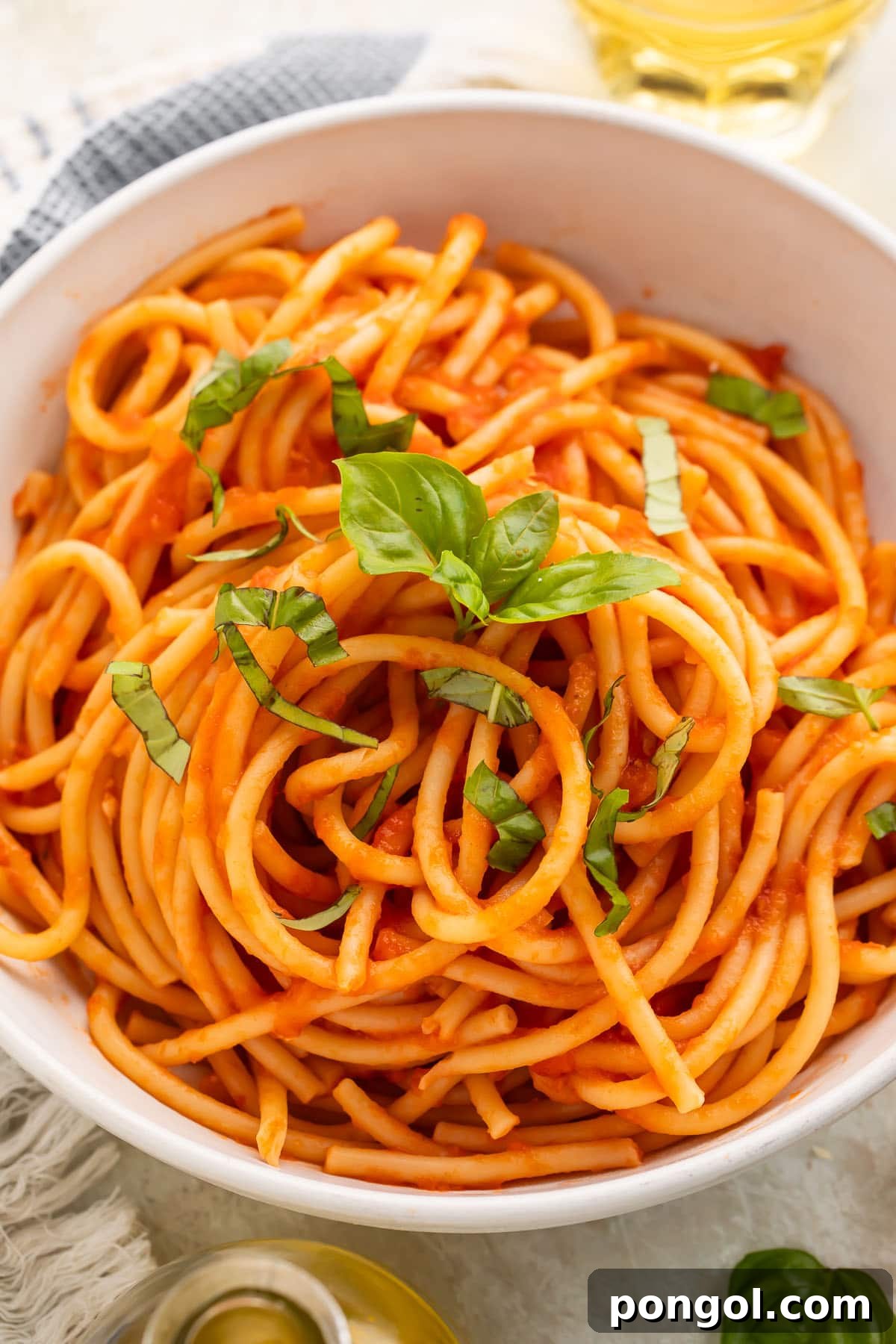
Other Delicious Italian-Inspired Recipes You’ll Love
If you loved this simple pomodoro sauce, explore these other Italian-inspired dishes that are sure to delight your taste buds and become new family favorites!
- Chicken Carbonara
- Spaghetti Alfredo
- Chicken Francese
- Baked Italian Dressing Chicken (Only 2 Ingredients!)
- Air Fryer Pizza
- Chicken Romano
- Healthy Chicken Alfredo with Spaghetti Squash (Whole30, Paleo, Dairy Free)
- Eggplant Lasagna
- Chicken Parmesan Soup
- Stuffed Artichokes
- Crispy Chicken Fritta (Olive Garden Copycat)
- Paleo Carbonara with Palmini
- Baked Feta Pasta
- One-Pot Chicken Pesto Pasta
- Creamy Chicken Piccata
- Marry Me Chicken Pasta
- Antipasto Salad with Easy Italian Vinaigrette
- Keto Spaghetti
- Chicken Vesuvio
Cheryl Malik
Authentic Pomodoro Sauce
15 minutes
45 minutes
1 hour
One bite of this delicious homemade tomato sauce will transport you directly to an authentic Italian trattoria, offering a rich and vibrant experience right in your own kitchen!

Cheryl Malik
servings
Equipment
-
Large saucepan 6-quart or 8-quart
-
Large wooden spoon or silicone spatula
-
Immersion blender or standard blender, see Notes below for safety tips
Ingredients
For the Pomodoro Sauce
- 2 tablespoons olive oil
- 1 medium onion finely chopped, approximately 1 cup
- 3 large cloves garlic minced, approximately 2 tablespoons
- 2 28-ounce cans whole peeled San Marzano tomatoes 56 ounces (1588 grams) total, do not drain
- ¼ cup chopped fresh basil leaves
- 1 ½ teaspoons kosher salt more or less to taste
- ½ teaspoon freshly ground black pepper more or less to taste
Serving Suggestions (All Optional)
- cooked pasta of choice
- grated parmesan
- extra fresh basil for garnish
- a drizzle of high-quality extra virgin olive oil
Instructions
- Begin by preparing your large saucepan. Place it on the stovetop over medium-high heat. Allow the pan to warm thoroughly for a minute or two. Once the saucepan is warm, carefully add 2 tablespoons of olive oil. Gently swirl and tilt the pan as needed to ensure the oil evenly coats the entire surface. Continue heating until the olive oil is hot and appears shimmery, indicating it’s ready for the next step.
- Once the oil is properly heated, add the 1 medium onion, which you’ve finely chopped (approximately 1 cup), to the saucepan. Stir the onions thoroughly to incorporate them into the hot olive oil, ensuring they are well coated. Sauté the onions, stirring occasionally to prevent burning, for 8 to 10 minutes. This slow sautéing process is crucial for developing a deep, sweet flavor in the onions, which will form the aromatic base of your pomodoro sauce. Continue until the onions are very soft and translucent.
- After the onions have softened perfectly, reduce the heat under the saucepan to a medium setting. Add the 3 large cloves of minced garlic (roughly 2 tablespoons) to the pan. Stir the garlic continuously for about 60 seconds, or until it becomes wonderfully fragrant. Be very careful not to let the garlic brown or burn, as this can impart a bitter taste to your sauce. The goal is to release its aromatic essence without overcooking.
- As soon as the garlic is fragrant, carefully add the 2 28-ounce cans of whole peeled San Marzano tomatoes (totaling 56 ounces or 1588 grams) to the saucepan. Ensure you do not drain the tomatoes; the canning liquid is essential for the sauce’s body and flavor. Stir everything together to fully incorporate the tomatoes with the sautéed onions and garlic. Increase the heat under the saucepan to high and bring the mixture to a gentle boil, stirring occasionally to prevent sticking and ensure even heating.
- The moment the tomato mixture begins to boil, immediately reduce the heat back to a low setting. Allow the sauce to simmer for 20 minutes. During this time, stir occasionally and use your wooden spoon or spatula to gently break up the whole tomatoes against the side of the pan. This simmering period allows the flavors to meld and the tomatoes to soften further, contributing to the sauce’s depth and texture.
- After the initial 20 minutes of simmering, add ¼ cup of freshly chopped basil leaves to the saucepan. Stir the basil into the sauce until it is well incorporated. Continue to simmer the mixture for another 5 minutes, stirring occasionally. The fresh basil will infuse the sauce with its distinctive aromatic and slightly peppery notes, brightening the overall flavor profile.
- Once the additional 5 minutes of simmering are complete, remove the saucepan from the heat. Stir in 1 ½ teaspoons of kosher salt and ½ teaspoon of freshly ground black pepper. Mix thoroughly to distribute the seasonings evenly. Now, allow the mixture to cool slightly. This brief cooling period is important, especially if you plan to use a standard blender, as it reduces the risk of splashing and steam buildup.
- When the mixture has cooled enough to handle safely, insert your immersion blender directly into the saucepan. Purée the mixture until the sauce achieves a thick, velvety smooth consistency, with only a few tiny flecks of tomato remaining (or to your desired level of smoothness). If you are using a standard blender, please refer to the specific safety notes below for blending hot mixtures. Blend in batches, ensuring safety precautions are strictly followed.
- Once you are satisfied with the texture and smoothness of your pomodoro sauce, taste it and adjust the salt and/or pepper as needed to suit your personal preference. The flavor should be perfectly balanced. When the sauce’s flavor is just right, add your cooked pasta of choice directly into the saucepan. Gently toss and stir the pasta until every strand or piece is beautifully coated in the vibrant pomodoro sauce.
- Finally, portion the pasta and pomodoro sauce evenly between serving bowls or plates. If desired, generously top each serving with grated parmesan cheese and a few extra fresh basil leaves for garnish. Serve immediately and enjoy the authentic taste of Italy!
Important Recipe Notes
- Unlike some other pasta sauces, authentic pomodoro sauce is traditionally served in more modest amounts. The goal is to coat the pasta lightly, enhancing its flavor without drowning it. This allows the quality of both the pasta and the sauce to shine.
Tips for Blending Hot Mixtures Safely (if using a standard blender)
- Fill Blender Sparingly: To prevent dangerous pressure buildup and splattering, never fill your standard blender more than halfway with hot liquid. You will likely need to blend your sauce in several small batches.
- Cool Slightly First: Before transferring the hot mixture to the blender, let it sit in the saucepan for a few minutes to cool down slightly. This reduces steam and helps prevent immediate pressure buildup.
- Vent and Cover: When blending hot liquids, remove the center cap from your blender lid. Instead, cover the opening with a clean kitchen towel. This allows steam to escape safely while blending, preventing the lid from blowing off. Always keep your hand firmly on the lid to hold it down while operating the blender.
- Start Slow: Begin blending on the lowest speed setting and gradually increase if needed, to maintain control and avoid sudden splashes.
Approximate Nutrition Information for One Serving
Serving Size: 1 serving
Calories: 117 cal
Protein: 3 g
Fat: 5 g
Saturated Fat: 1 g
Trans Fat: 0 g
Cholesterol: 0 mg
Sodium: 715 mg
Potassium: 825 mg
Total Carbs: 16 g
Fiber: 3 g
Sugar: 11 g
Added Sugars: 0 g
Net Carbs: 13 g
Vitamin A: 54 IU
Vitamin C: 3 mg
Calcium: 134 mg
Iron: 4 mg
Nutrition Disclaimers
The number of total servings shown is approximate. Actual number of servings will depend on your preferred portion sizes.
Nutritional values shown are general guidelines and reflect information for 1 serving using the ingredients listed, not including any optional ingredients. Actual macros may vary slightly depending on specific brands and types of ingredients used.
To determine the weight of one serving, prepare the recipe as instructed. Weigh the finished recipe, then divide the weight of the finished recipe (not including the weight of the container the food is in) by the desired number of servings. The result will be the weight of one serving.
Did You Make This Recipe?
We absolutely love seeing your culinary creations! Share your experience by tagging @40aprons on Instagram, and don’t forget to leave a review on the blog post!
Tag @40Aprons on Instagram