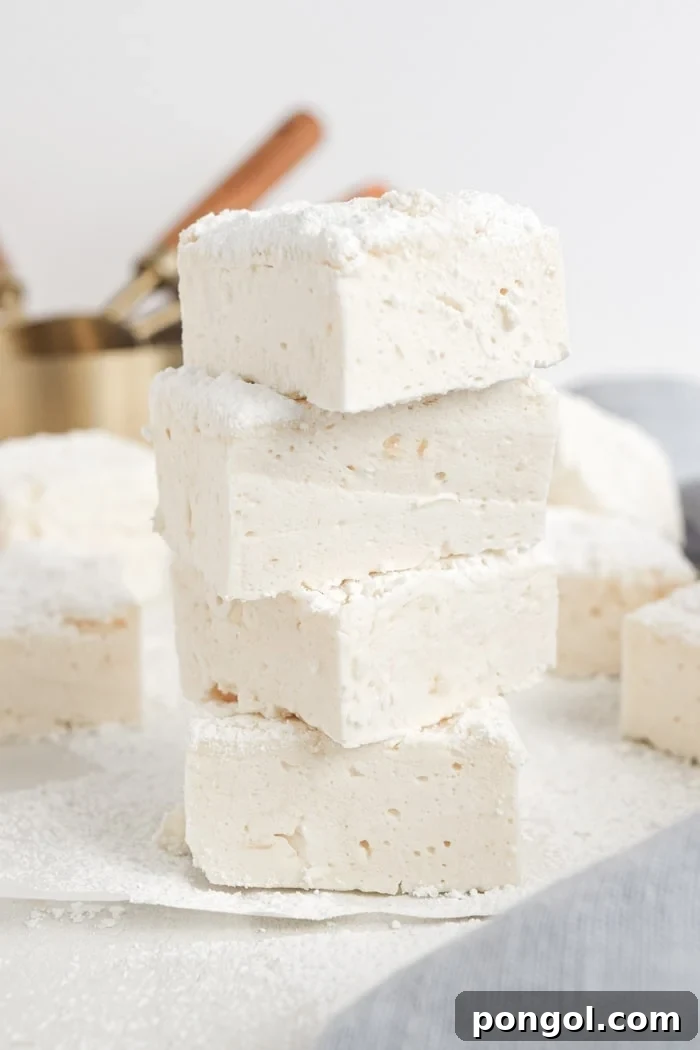
Welcome to the enchanting world of homemade vegan marshmallows! Forget everything you thought you knew about marshmallows, because this recipe will truly revolutionize your sweet treat game. Imagine light, incredibly fluffy, and utterly delicious confections that are completely plant-based, easy to make, and perfect for every occasion. Whether you’re a seasoned vegan chef or simply curious about gelatin-free alternatives, these aquafaba marshmallows are designed to impress with their simplicity and delightful texture.
Craving the classic campfire experience? These vegan marshmallows toast beautifully, making them an essential ingredient for mouth-watering s’mores. Or perhaps you’re looking to elevate your favorite warm beverage? Drop a few into a steaming cup of hot chocolate for a sweet, pillowy cloud of vegan bliss. This recipe isn’t just about creating a dessert; it’s about crafting a little piece of edible magic right in your own kitchen.
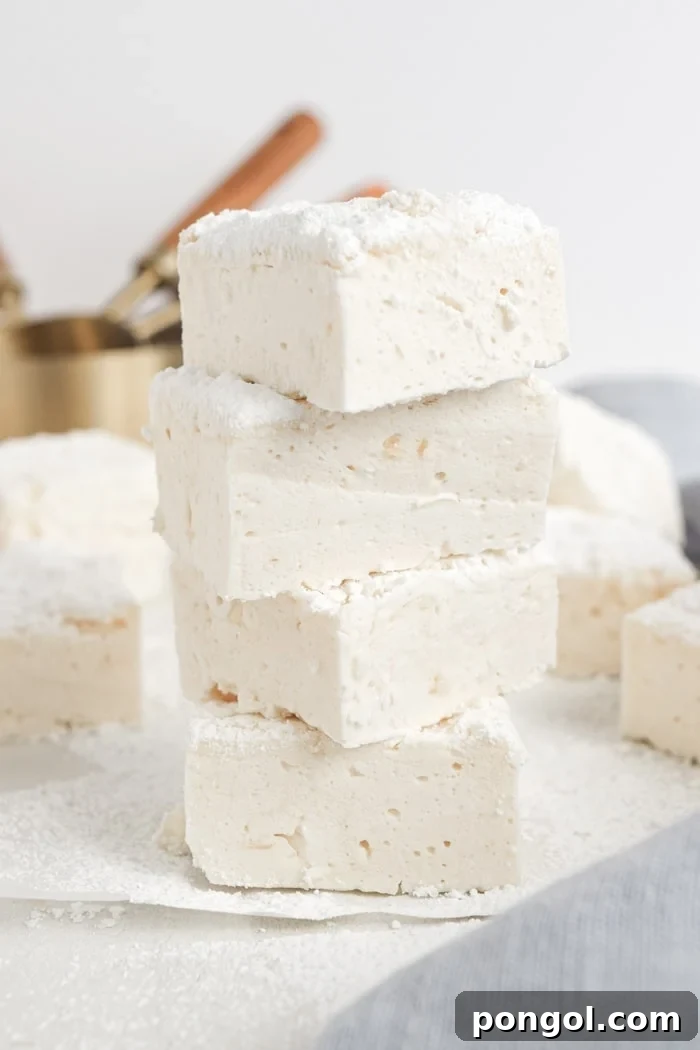
Why Choose Homemade Vegan Marshmallows?
Opting for homemade vegan marshmallows offers numerous advantages over store-bought versions. Firstly, you have complete control over the ingredients, ensuring they are free from artificial flavors, colors, and unwanted additives. More importantly, this recipe uses aquafaba, the humble liquid from a can of chickpeas, as its base, making it entirely gelatin-free. This is a game-changer for those following a vegan diet, or anyone looking for a more ethical and accessible alternative to traditional marshmallows.
Beyond the ethical considerations, the freshness and superior flavor of homemade marshmallows are unmatched. The delicate vanilla notes truly shine, creating a sophisticated sweetness that avoids the cloying sensation often found in commercial varieties. Plus, there’s an undeniable joy and sense of accomplishment that comes from creating something so delightful from scratch. It’s an activity that can be both meditative and incredibly rewarding, especially when you witness the transformation of simple ingredients into airy, sweet delights.
What Makes This Recipe So Good
- Unmatched Texture: Perfectly Light and Airy
The secret to the incredible texture of these vegan marshmallows lies in one remarkable ingredient: aquafaba. Whipped aquafaba, the viscous liquid derived from a can of chickpeas, is a miraculous egg substitute that creates the ideal structure for these gelatin-free treats. When properly whipped, it forms stiff peaks, trapping air and resulting in a marshmallow that is unbelievably light, wonderfully fluffy, and boasts that satisfying, slightly chewy bite synonymous with traditional marshmallows. You won’t believe it’s vegan! - Balanced Sweetness: A Delightful Vanilla Shine
Unlike many commercial marshmallows that can be overwhelmingly sweet and loaded with an excessive amount of sugar, this recipe strikes a perfect balance. We’ve carefully calibrated the sugar content to provide just the right amount of sweetness, allowing the delicate and aromatic vanilla flavor to truly shine through. Each bite offers a harmonious blend of sweetness and a hint of warmth from the vanilla, making these marshmallows incredibly enjoyable without being cloying. They are a sophisticated sweet treat that appeals to a wider range of palates. - A Fun and Rewarding Culinary Experience
Making these vegan marshmallows is an incredibly enjoyable process – it feels a bit like a fascinating science experiment unfolding right before your eyes! From watching the aquafaba transform into a voluminous, meringue-like cloud to observing the hot syrup mixture magically bind everything together, each step is captivating. Patience is key, especially during the final mixing phase, but rest assured, the impressive results are well worth the wait. This recipe promises not just a delicious outcome, but a memorable and fun culinary journey.
Key Ingredients Demystified
Understanding the role of each ingredient is crucial for mastering these incredible vegan marshmallows. Each component plays a vital part in achieving the perfect texture and flavor.
Aquafaba: The Vegan Marvel – Next time you open a can of chickpeas for hummus or a salad, resist the urge to discard the liquid. That precious, often-overlooked brine is known as aquafaba, and it’s the magical backbone of these vegan marshmallows. This inexpensive and readily available ingredient acts as an incredible egg white substitute in numerous vegan recipes, providing structure, emulsification, and aeration. Its protein and starch content allows it to mimic the properties of egg whites when whipped, creating a stable foam that is essential for the light and airy marshmallow texture. Ensure you use unsalted aquafaba for best results, and if you’re making chickpeas from scratch, simmer the liquid down slightly for a more concentrated aquafaba.
Cream of Tartar: Your Whipping Aid – While aquafaba can be whipped on its own, a small amount of cream of tartar significantly aids the process. This acidic salt acts as a stabilizer, helping the aquafaba achieve stiff peaks much faster and maintaining their structure longer. It effectively increases the volume and stability of the foam, preventing it from collapsing. Although you can certainly whip aquafaba without it, adding cream of tartar makes the entire process incredibly efficient and yields a more consistent, reliable result. It’s a worthy addition to your pantry if you plan on exploring more aquafaba-based recipes.
Agar Agar Powder: The Plant-Based Gelatin Powerhouse – This is arguably the most critical ingredient for setting your vegan marshmallows. Agar agar, derived from seaweed, is a potent plant-based gelatin substitute. It’s far stronger than animal-derived gelatin, and unlike gelatin, it sets at room temperature and is heat-stable. For this recipe, it’s vital to use agar agar powder, not flakes, as the powdered form has a much higher gelling power and consistency. Agar agar helps to both thicken the marshmallow mixture and set it into a stable, sliceable confection. When cooking, ensure it comes to a full boil and is whisked thoroughly to activate its gelling properties.
Granulated Sugar: More Than Just Sweetness – Beyond providing the primary sweetness, granulated sugar plays a crucial role in the structure and consistency of the marshmallows. When cooked with water, it forms a hot syrup that, when slowly incorporated into the whipped aquafaba, creates the stable, chewy matrix characteristic of marshmallows. It contributes to the overall body and preserves the airy texture.
Vanilla Extract: The Flavor Enhancer – A good quality vanilla extract is paramount to these marshmallows. It infuses them with a warm, comforting aroma and flavor that elevates the entire experience. Don’t skimp on the vanilla; its presence is key to the balanced and delightful taste profile.
Powdered Sugar & Cornstarch: The Non-Stick Duo – This simple mixture is your best friend for preventing stickiness. Powdered sugar and cornstarch combine to create a protective, non-stick coating that ensures your marshmallows release cleanly from the pan and can be easily handled and stored without fusing together. Their absorbent properties help manage any residual moisture, contributing to the final soft yet stable texture.
Expert Tips for Perfect Vegan Marshmallows
Achieving marshmallow perfection requires attention to a few key details. These chef’s tips will guide you to success and help you avoid common pitfalls.
- Liberally Dust Your Pan for Non-Stick Success
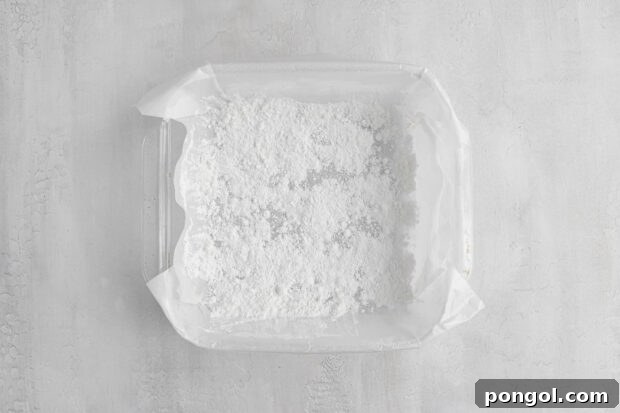
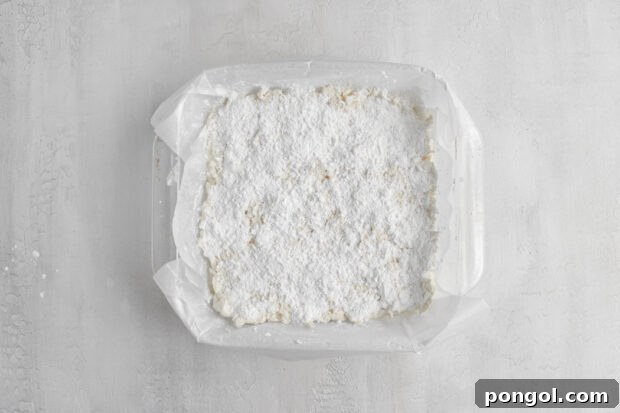
The vegan marshmallow mixture is inherently sticky, and proper preparation of your baking dish is paramount. You need to liberally, and we mean liberally, dust your marshmallow pan with a generous mixture of powdered sugar and cornstarch. Don’t be shy with this step! If you find yourself thinking you might be using too much powdered sugar and cornstarch, pause and rest assured – you’re likely using just the right amount, or could even add a little more. This thick, even coating is your primary defense against sticking and ensures your beautiful marshmallows release cleanly from the pan. Make sure every surface that will come into contact with the marshmallow mixture is thoroughly coated. - Mastering the Art of Stiff Peaks
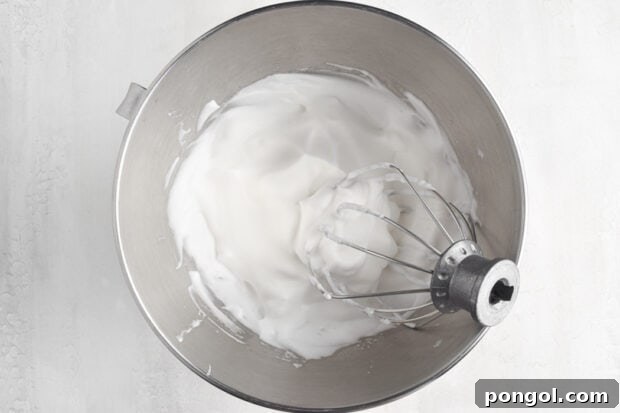
Whipping your aquafaba to stiff peaks before incorporating the hot sugar mixture is a non-negotiable step for fluffy marshmallows. This is where the magic of aeration happens. To test whether you’ve achieved the desired stiff peaks, simply remove the whisk attachment from your stand or hand mixer and turn it upright. If the aquafaba forms a peak that stands tall and doesn’t flop over or droop, you know you’ve successfully reached the stiff peak stage. If it’s still soft or collapsing, continue whipping until it holds its shape firmly. This robust foam is what gives your marshmallows their signature light and airy texture. - Speed is Key: Transferring the Marshmallow Mixture
As soon as you stop whisking the final marshmallow mixture, the agar agar will begin its setting process. This means you need to move quickly and efficiently when transferring the warm, fluffy mixture to your prepared baking dish. This rapid setting is a good sign – it indicates your recipe is working perfectly – but it also means you have a limited window to get the mixture into the dish and spread it evenly before it becomes too firm to work with. Have your dusted pan ready and waiting beside your mixer, and pour or scoop the mixture in swiftly. Smooth the top as quickly as possible, then dust with the remaining powdered sugar and cornstarch mixture to prevent sticking from above. - Achieving the Right Syrup Temperature
While the recipe doesn’t explicitly call for a candy thermometer, for best results, monitoring the sugar syrup temperature is highly recommended. The syrup needs to reach a specific temperature (usually around 240°F / 115°C for soft ball stage) to ensure it correctly sets the aquafaba. If the syrup isn’t hot enough, the marshmallows might not set properly; if it’s too hot, they could become too firm or brittle. A candy thermometer provides accuracy and takes the guesswork out of this crucial step. - Allow for Ample Setting Time
Patience is a virtue when it comes to setting vegan marshmallows. While they may feel somewhat firm after an hour or two, allowing them to sit at room temperature for at least 2-3 hours, or even overnight, will ensure they are fully set and have developed their ideal chewy texture. Rushing this step can result in marshmallows that are too soft or don’t hold their shape when cut. - Cutting Techniques for Clean Edges
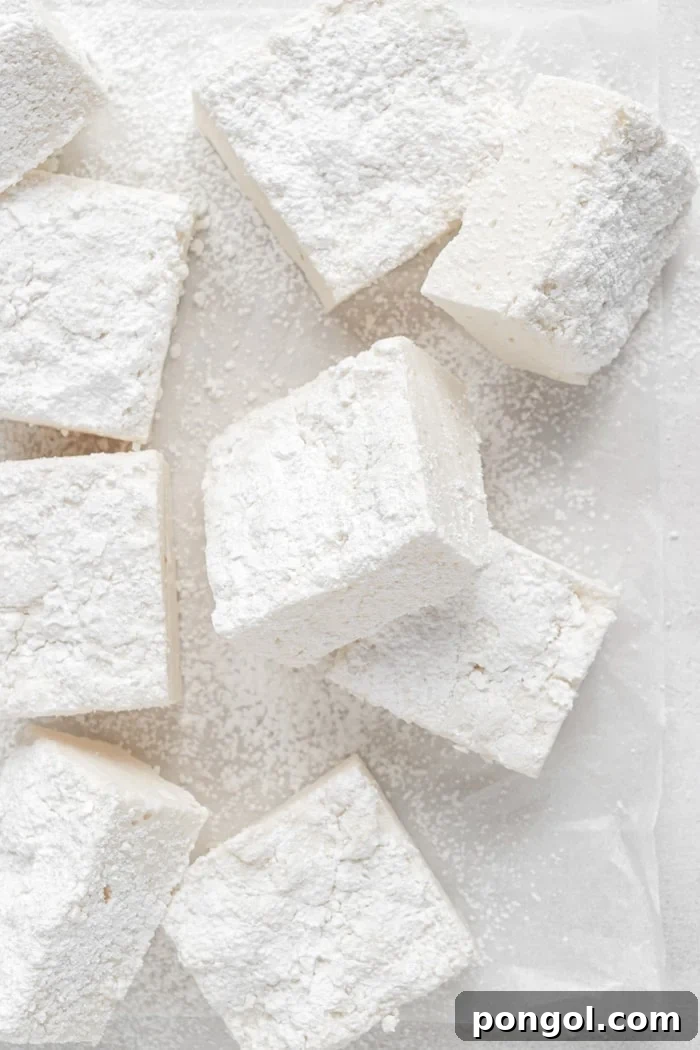
Once fully set, cutting the marshmallows cleanly is important. Lightly grease a sharp knife or a pizza cutter with a neutral oil (like grapeseed or avocado oil) to prevent sticking. You can also re-dust your knife with the powdered sugar/cornstarch mixture between cuts. This will help you achieve crisp, defined marshmallow squares.
Customizing Your Marshmallows: Flavor & Color Variations
Once you’ve mastered the basic vegan marshmallow recipe, the possibilities for customization are endless! Here are some ideas to spark your creativity:
- Flavor Extracts: Beyond vanilla, try peppermint extract for a festive twist, almond extract for a nutty depth, or orange blossom water for an exotic floral note. Add these in the final step with the vanilla.
- Citrus Zest: Finely grated lemon, lime, or orange zest can add a bright, fresh dimension to your marshmallows. Incorporate it when adding the vanilla extract.
- Cocoa Powder: For chocolate lovers, whisk in a few tablespoons of unsweetened cocoa powder along with the powdered sugar and cornstarch for dusting, and you can even fold a little into the mixture at the end of the beating cycle for a subtle chocolate marshmallow.
- Natural Food Colorings: A few drops of natural food coloring can transform your marshmallows into a vibrant, eye-catching treat, perfect for holidays or themed parties. Add the coloring during the final minutes of whipping.
- Spices: A pinch of cinnamon, nutmeg, or even a touch of pumpkin pie spice can create wonderfully warm and cozy flavors.
Storage and Shelf Life
Properly stored, your homemade vegan marshmallows can stay fresh and delicious for an extended period. Once cut, store them in an airtight container at room temperature. To prevent them from sticking together, you can lightly dust them again with a little powdered sugar and cornstarch mixture before layering them in the container. They will remain fresh for up to 1-2 weeks. For longer storage, you can freeze them for up to 2-3 months. Simply thaw them at room temperature before enjoying.
Creative Ways to Enjoy Vegan Marshmallows
These delightful vegan marshmallows are incredibly versatile and can be enjoyed in countless ways beyond the classic s’mores and hot chocolate:
- Hot Chocolate Topper: The absolute classic! Let them melt into a gooey cloud on top of your favorite vegan hot cocoa.
- S’mores (Vegan Style): Toast them over a campfire or under the broiler, then sandwich between graham crackers and vegan chocolate for the ultimate nostalgic treat.
- Fudge or Crispy Treats: Incorporate them into homemade vegan fudge recipes or use them as a binding agent for crispy rice treats.
- Dessert Topping: Chop them up and sprinkle over ice cream, puddings, or fruit salads for an added sweet and chewy texture.
- Baking Ingredient: Add them to cookies, brownies, or other baked goods for a delicious surprise.
- Straight Up Snack: Honestly, they are so good, you might find yourself just enjoying them plain as a sweet snack!
Troubleshooting Common Vegan Marshmallow Issues
Even with the best instructions, sometimes things don’t go exactly as planned. Here are some common issues and how to troubleshoot them:
- Marshmallows Not Setting Firmly: This is usually due to insufficient agar agar activation or improper syrup temperature. Ensure your agar agar powder boils vigorously for the full 3 minutes, and if possible, use a candy thermometer to verify your sugar syrup reaches the correct temperature (around 240°F / 115°C). Humidity can also affect setting, so ensure your kitchen isn’t overly damp.
- Marshmallows Too Sticky: The most common culprit here is insufficient dusting with powdered sugar and cornstarch. Don’t underestimate how much you need! Ensure the pan is heavily coated, and dust the top generously after pouring. You can also re-dust individual marshmallows if they become sticky during storage.
- Aquafaba Not Whipping to Stiff Peaks: Make sure your aquafaba is cold. Also, ensure your mixing bowl and whisk are completely clean and grease-free, as even a tiny speck of oil can prevent aquafaba from whipping properly. Cream of tartar is a huge helper here, so double-check you’ve added it.
- Mixture Seizing Up Too Quickly: This means your agar agar is setting very fast, which is a sign it’s working! Ensure you have your prepared pan ready right next to the mixer and work very quickly to transfer and spread the mixture immediately after beating.
Making vegan marshmallows is a rewarding experience that produces a truly delightful treat. With these tips and a little practice, you’ll be creating perfect, fluffy, plant-based marshmallows every time!
Other Vegan Recipes You’ll Love
- Vegan Red Velvet Cupcakes
- Vegan Pumpkin Pie
- The BEST Vegan Chocolate Chip Cookies
- Vegan Cream Cheese
- Vegan Crème Brûlée
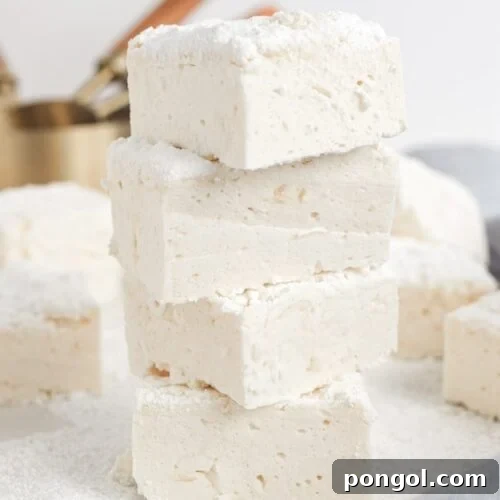
Vegan Marshmallows
 Sam Guarnieri
Equipment
-
Hand mixer or stand mixer
-
Small saucepan
-
8×8 baking dish
Ingredients
- ½ cup powdered sugar
- ½ cup corn starch
- ½ cup aquafaba see Notes
- ¼ teaspoon cream of tartar
- 1 tablespoon agar agar powder see Notes
- 1 cup water
- 1 ¼ cup sugar
- ¼ teaspoon salt
- 1 teaspoon vanilla extract
Instructions
-
Combine the powdered sugar and corn starch in a bowl. Line a 8×8 baking dish with parchment paper and dust the inside with half of the corn starch and powdered sugar mixture, set aside.

-
Using either a stand mixer or hand mixer, whip the aquafaba and cream of tartar for 3-5 minutes in a heat-proof bowl until it forms stiff peaks.
-
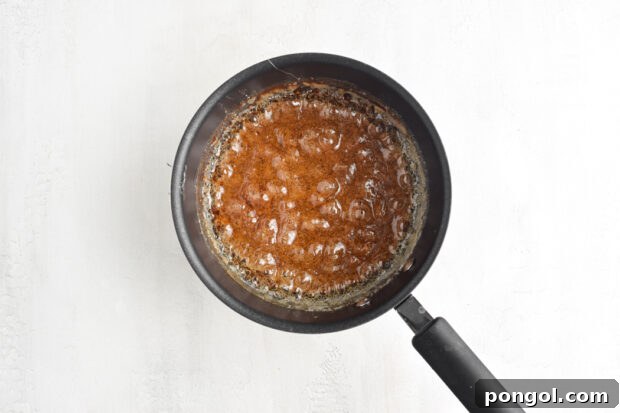
Add the agar agar powder and water to a sauce pan over high heat, bring it to a boil and whisk while it boils for 3 minutes.
-
Add in the sugar and whisk everything to combine, then leave to boil untouched for 7 minutes. Turn off heat and add in the vanilla extract and salt.
-
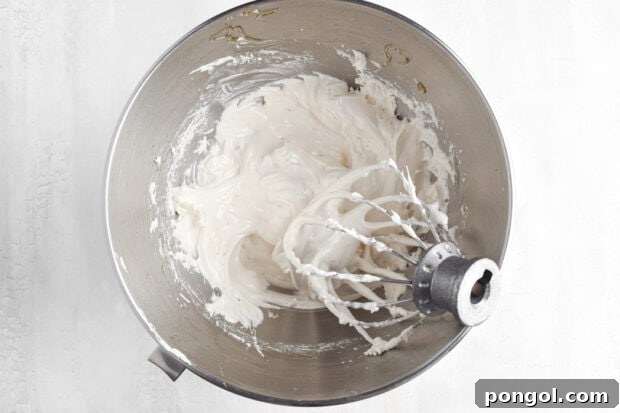
Turn your mixer on low and carefully add the hot syrup mixture into the aquafaba while whisking, then beat on high for 8 minutes.
-
Pour the marshmallow mixture into your prepared dish and dust with remaining half of the powdered sugar and corn starch mixture. Let it sit at room temperature for 2-3 hours or until set, remove from the dish and cut into 16 squares.
- Aquafaba: This is the liquid from a can of chickpeas, also known as chickpea brine.
- Agar Agar Powder: Be sure to use agar agar powder, and not agar agar flakes in this recipe.
Recipe yields approximately 16 marshmallows, measured at one square inch each. Nutritional values shown reflect information for 1 marshmallow. Macros may vary slightly depending on the specific brands of ingredients used.
Approximate Information for One Serving
Nutrition Disclaimers
Number of total servings shown is approximate. Actual number of servings will depend on your preferred portion sizes.
Nutritional values shown are general guidelines and reflect information for 1 serving using the ingredients listed, not including any optional ingredients. Actual macros may vary slightly depending on specific brands and types of ingredients used.
To determine the weight of one serving, prepare the recipe as instructed. Weigh the finished recipe, then divide the weight of the finished recipe (not including the weight of the container the food is in) by the desired number of servings. Result will be the weight of one serving.
Did You Make This Recipe?
Tag @40aprons on Instagram and be sure to leave a review on the blog post!
Tag @40Aprons on Instagram