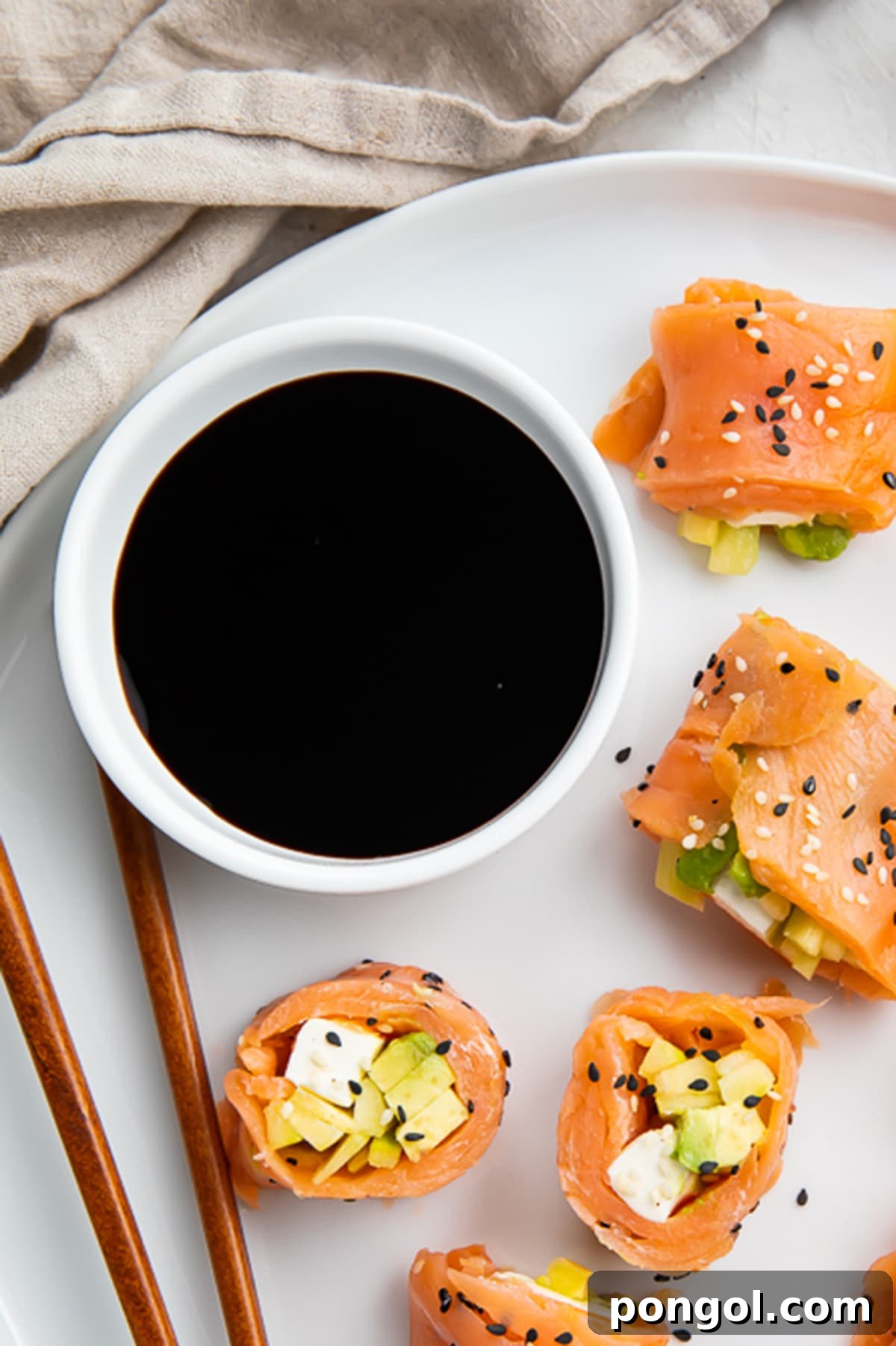
In the vibrant world of culinary condiments, few ingredients command as much respect and global recognition as soy sauce. Yet, a newer, intriguing contender has emerged, offering a unique twist on the classic savory staple: coconut aminos. Often found sharing shelf space and recipe mentions, these two dark, flavorful liquids raise a common question for home cooks and food enthusiasts alike: how similar are they, truly? Is one a direct replacement for the other, or do their subtle differences warrant distinct applications? This comprehensive guide aims to demystify coconut aminos and soy sauce, breaking down their origins, flavor profiles, nutritional aspects, and practical uses, helping you navigate your pantry with confidence.
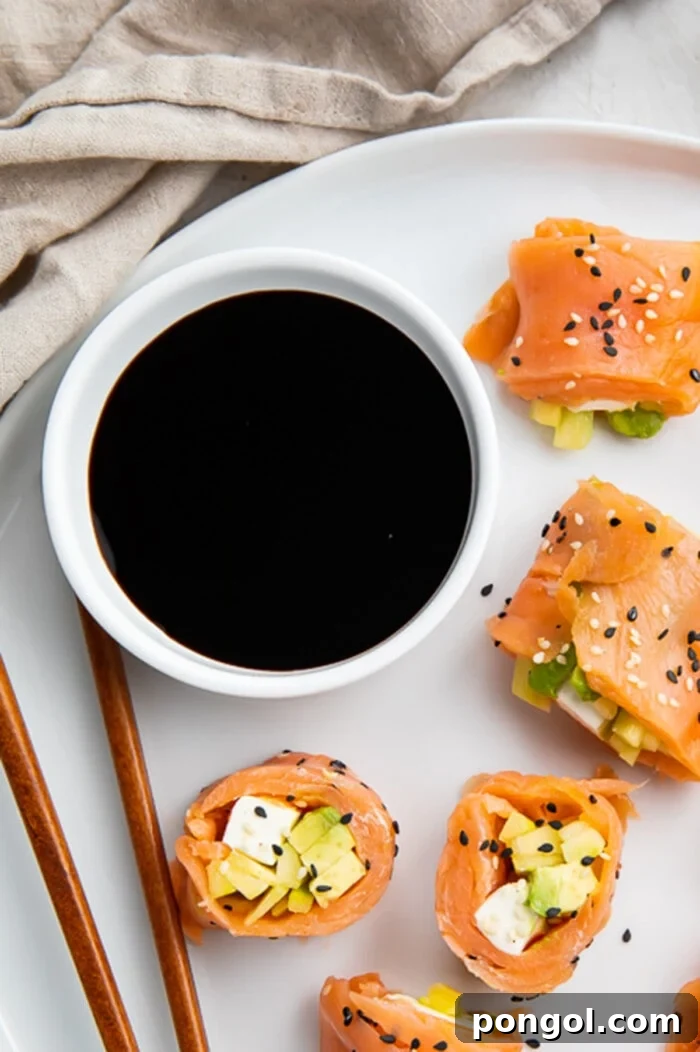
Both known for their ability to infuse dishes with an irresistible umami depth, soy sauce and coconut aminos are celebrated for their salty and savory contributions. From dipping sauces to complex marinades, their presence elevates countless meals. However, despite their superficial similarities, a deeper dive reveals distinct characteristics that can significantly influence the outcome of your cooking, especially when considering dietary needs and flavor nuances. Let’s explore the essential differences and similarities that define these popular condiments.
Decoding the Umami: Soy Sauce Unveiled
The Foundation of Asian Cuisine
Soy sauce is a cornerstone of Asian cooking, a fermented liquid condiment that boasts a rich history spanning over two millennia. Originating in China, its influence has spread across the globe, becoming an indispensable ingredient in kitchens far beyond Asia. Known for its distinct dark hue and thin consistency, its flavor is complex – intensely salty, deeply savory, with a nuanced umami character that can range from subtly sweet to boldly pungent, depending on its type and origin.
Traditionally, soy sauce is produced through the fermentation of soybeans, wheat, water, and salt. This intricate process, often involving specific molds (like Aspergillus oryzae) and yeasts, breaks down the proteins and starches, creating the characteristic flavor compounds. The presence of wheat is crucial for many traditional soy sauces, contributing to its aroma and balanced flavor profile. However, this also means that conventional soy sauce contains gluten, making it unsuitable for individuals with celiac disease or gluten sensitivity.
Varieties, Uses, and Dietary Considerations
The world of soy sauce is diverse. Japanese soy sauce (shoyu) typically uses equal parts wheat and soybeans, resulting in a lighter, more balanced flavor. Chinese soy sauces, on the other hand, can vary widely; light soy sauce is lighter in color and saltier, often used for seasoning, while dark soy sauce is thicker, darker, and slightly sweeter, frequently used for adding color and richness to dishes. Tamari, a Japanese variety, stands out as a popular gluten-free alternative, made with little to no wheat, offering a robust, slightly milder flavor than regular shoyu.
In the kitchen, soy sauce is incredibly versatile. It’s a staple in marinades for meats, poultry, and tofu, lending a savory depth and helping to tenderize. It forms the base of countless dipping sauces for dumplings, sushi, and spring rolls. It’s a key ingredient in stir-fries, dressings, glazes, and soups, providing a burst of umami that ties flavors together. Even in low-sodium versions, its primary characteristic remains its saltiness, a factor always to consider when seasoning your dishes.
For those following specific dietary regimens, traditional soy sauce presents a few hurdles. Its wheat content means it’s not suitable for gluten-free diets. Furthermore, as its name suggests, it is derived from soybeans, making it off-limits for individuals with soy allergies. While low-sodium options are widely available, the sodium content is still significantly higher than many other condiments, a point of concern for those managing blood pressure.
The Modern Alternative: Unpacking Coconut Aminos
A Health-Conscious Innovation
Coconut aminos have rapidly gained popularity as a natural, health-conscious alternative to traditional soy sauce. Born from the sap of the coconut palm tree, this liquid condiment provides a similar savory and umami profile but with a distinct twist. It appeals particularly to those seeking soy-free, gluten-free, and lower-sodium options, fitting seamlessly into various restrictive diets such as Paleo, Whole30, and Keto.
The production of coconut aminos is remarkably simple and natural. It begins with tapping the coconut palm tree to collect its nutrient-rich sap. This sap is then naturally fermented and blended with sea salt. Despite its origin, it’s crucial to note that coconut aminos do *not* taste like coconut. Instead, its flavor profile is often described as milder, less salty, and subtly sweeter than soy sauce, with a gentle umami finish. It offers a delicate balance that can enhance dishes without overpowering other ingredients.
Nutritional Benefits and Versatile Applications
One of the most compelling aspects of coconut aminos lies in its nutritional advantages. It typically contains significantly less sodium than regular soy sauce – often 60-70% less – making it a favorable choice for individuals monitoring their sodium intake. Furthermore, it naturally contains a wide array of amino acids, which are the building blocks of protein, along with various vitamins and minerals found in coconut sap, such as potassium, magnesium, and zinc, though in relatively small quantities.
For those navigating food allergies and sensitivities, coconut aminos are a godsend. Being completely soy-free and gluten-free, they eliminate two common allergens found in traditional soy sauce. This makes it an ideal substitute for people with soy allergies, celiac disease, or non-celiac gluten sensitivity who still crave that familiar savory depth in their cooking. Its compatibility with Paleo, Whole30, and ketogenic diets further solidifies its position as a go-to condiment for healthy lifestyles.
Culinary applications for coconut aminos mirror those of soy sauce. It can be used as a marinade for meats, vegetables, and seafood, adding a delicate sweetness and savory kick. It’s excellent in stir-fries, salad dressings, and dipping sauces. Its milder flavor means it’s less likely to dominate a dish, allowing other ingredients to shine. This makes it particularly suitable for recipes where a lighter touch of umami is desired, or when you want to build flavor layers without excessive saltiness.
Are They Truly Interchangeable? Navigating the Substitution
The burning question remains: can you freely swap coconut aminos for soy sauce, and vice versa? The short answer is yes, largely. Both condiments fulfill a similar role in recipes, providing a savory, umami foundation. However, successful substitution often requires a mindful approach to their distinct flavor profiles.
When substituting coconut aminos for soy sauce, remember the key differences: coconut aminos are less salty and slightly sweeter. To achieve a comparable flavor intensity, you might need to use a slightly larger quantity of coconut aminos than the recipe calls for soy sauce, and then taste and adjust by adding a pinch of sea salt as needed. The added sweetness of coconut aminos might also necessitate a minor reduction in other sweeteners in the recipe, or simply be embraced as a pleasant flavor note, particularly in Asian-inspired dishes that often balance sweet and savory elements.
Conversely, if you’re using soy sauce in a recipe that specifically calls for coconut aminos, caution is advised. Due to soy sauce’s significantly higher sodium content and lack of sweetness, you should typically use less soy sauce than the recipe indicates for coconut aminos. Start with about two-thirds of the amount and taste, adding more gradually. You might also want to introduce a touch of a natural sweetener like maple syrup, honey, or a pinch of coconut sugar to balance the saltiness and mimic the subtle sweetness characteristic of coconut aminos. Tamari, being a gluten-free soy sauce, can also be a good alternative if you need to avoid gluten but are okay with soy, offering a taste profile closer to traditional soy sauce than coconut aminos.
Choosing Your Culinary Companion: A Practical Guide
Deciding between coconut aminos and soy sauce ultimately comes down to a few key considerations: your dietary needs, your flavor preferences, and the specific dish you’re preparing.
- Dietary Restrictions: If you’re managing gluten sensitivity, celiac disease, or a soy allergy, coconut aminos are your clear winner. They are also compliant with Paleo, Whole30, and Keto diets, offering a broad spectrum of health-conscious compatibility. If you’re simply avoiding gluten but can consume soy, Tamari is an excellent choice.
- Sodium Intake: For those monitoring their sodium levels, coconut aminos offer a significant advantage with their much lower sodium content. Even low-sodium soy sauce options will typically contain more sodium than coconut aminos.
- Flavor Profile: If you desire a deeply savory, intensely salty, and complex umami flavor that can stand up to strong ingredients, traditional soy sauce or Tamari might be your preference. If you prefer a milder, slightly sweeter umami with less overt saltiness, coconut aminos are ideal. Their gentle sweetness can also be a delightful addition to certain marinades and dressings.
- Budget and Availability: Soy sauce is generally more affordable and widely available in most grocery stores. Coconut aminos, while increasingly common, can be pricier and may sometimes require a trip to a specialty health food store or online purchase.
- Culinary Application: For robust stir-fries, rich braises, or dishes where a potent umami punch is desired, traditional soy sauce excels. For lighter dressings, delicate marinades, or when building layers of flavor without overwhelming saltiness, coconut aminos shine. They can also be fantastic in dessert recipes that benefit from a touch of salty-sweet contrast.
Ultimately, both condiments bring unique qualities to the table. Soy sauce offers a time-honored, robust flavor that has defined cuisines for centuries. Coconut aminos provide a versatile, health-friendly alternative that empowers individuals with dietary restrictions to enjoy similar savory depths. There’s no single “better” option; the best choice is the one that aligns with your health goals and culinary vision.
Our Favorite Recipes Using Coconut Aminos or Soy Sauce
Whether you lean towards the classic savory notes of soy sauce or the milder, sweeter umami of coconut aminos, these versatile condiments are perfect for enhancing a wide array of dishes. Here are some of our top recipes where either ingredient shines, allowing you to experiment and discover your personal preference:
- Restaurant-Style Chicken Fried Rice
- Whole30 “Peanut” Chicken Bowls (Paleo)
- Ginger Salad Dressing
- Beef and Broccoli with Garlic Sauce
- Black Pepper Chicken
- Keto Teriyaki Sauce
- Udon Soup
- Seaweed Salad
- Whole30 Chicken Lo Mein
- Egg Roll in a Bowl Meal Prep (Whole30, Paleo, Keto)
- BBQ Jackfruit Bowls
- Eel Sauce
- Kung Pao Tofu with Stir-Fried Vegetables
- Beef with Oyster Sauce
- Bacon-Wrapped Pork Tenderloin
In conclusion, while coconut aminos and soy sauce share a common goal of imparting savory umami to dishes, they are far from identical. Soy sauce, with its rich history and bold flavor, remains a staple for many, especially in traditional Asian cooking. Coconut aminos, on the other hand, have carved out an essential niche for those seeking healthier, allergen-friendly alternatives without compromising on flavor. Understanding their individual characteristics empowers you to make informed choices, tailor recipes to your dietary needs, and explore new dimensions of taste in your culinary adventures. Don’t hesitate to experiment with both to discover which one best suits your palate and your plate!