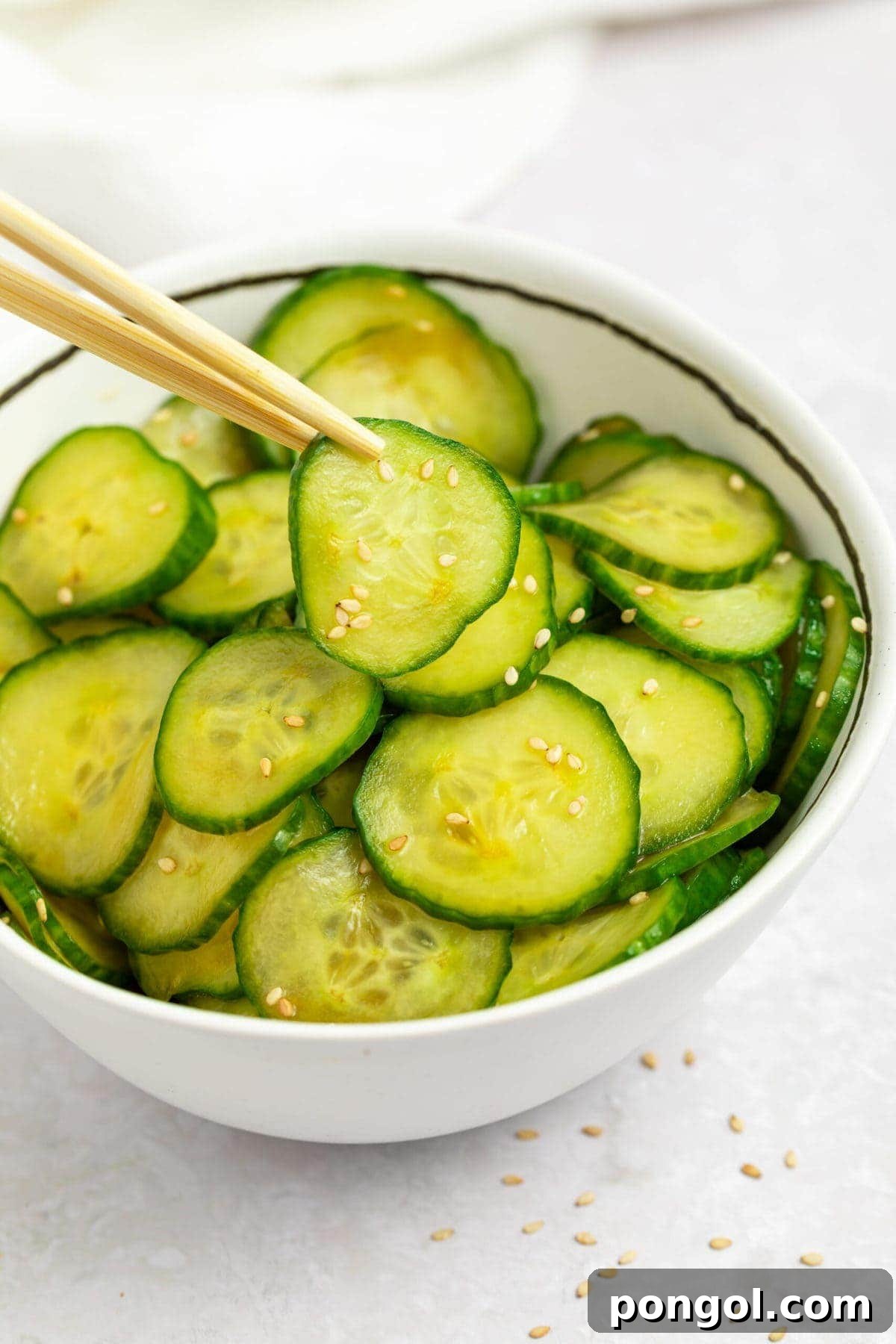
Welcome to the ultimate guide for crafting the most exquisite Japanese Cucumber Salad, famously known as Sunomono. This delightful dish offers a perfect harmony of tang and a hint of sweetness, delivering a light, crisp, and incredibly refreshing experience. Far from being just a simple side, this restaurant-quality salad can be prepared in just 15 minutes, making it an ideal choice for any meal, any day of the week.
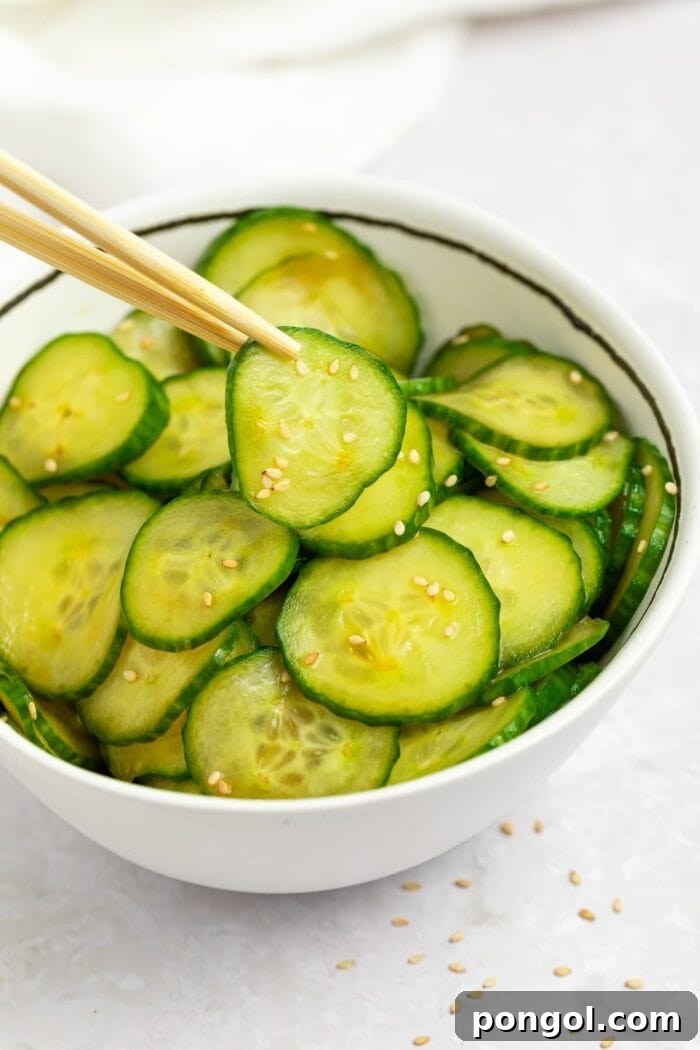
Why You’ll Adore This Japanese Cucumber Salad (Sunomono)
There are countless reasons why this Japanese Cucumber Salad will become a staple in your culinary repertoire. It’s not just a dish; it’s an experience in simplicity, health, and versatility.
- Effortless Preparation: Forget complicated recipes that demand hours in the kitchen. This salad requires only five core ingredients and comes together in a mere 15 minutes. The process is incredibly straightforward: a quick prep of the cucumbers, a simple dressing toss, and you’re ready to savor a refreshingly delicious side dish. Its minimal steps make it perfect for busy weeknights or when you need a quick, impressive addition to your meal.
- A Powerhouse of Health: At its heart, this salad celebrates the humble cucumber, a vegetable renowned for its impressive nutritional profile. Cucumbers are naturally high in essential vitamins and minerals, packed with antioxidants, and primarily composed of water, making them excellent for promoting hydration. When combined with the probiotic benefits of rice vinegar and the savory depth of soy sauce, this nutritious vegetable transforms into an incredibly enjoyable and healthful dish that supports overall well-being. It’s a guilt-free pleasure that complements any healthy eating plan.
- Unmatched Versatility: The beauty of this Japanese Cucumber Salad lies in its adaptability. Its crisp texture and balanced flavor profile make it the perfect accompaniment to virtually any main course. Imagine serving this vibrant salad alongside perfectly baked miso salmon, succulent grilled chicken, or even a hearty tofu and broccoli stir-fry for a truly complete and satisfying dinner. Beyond weeknight meals, this crowd-pleasing salad is an absolute hit at potlucks and gatherings. Its refreshing qualities and universal appeal ensure it disappears quickly, leaving everyone asking for the recipe.
What is Sunomono? A Glimpse into Japanese Cucumber Salad
Sunomono is a traditional Japanese side dish consisting of vegetables (often cucumbers) lightly pickled in a sweet and sour dressing. The name “Sunomono” literally translates to “vinegar thing,” highlighting vinegar as its primary flavor component. While various ingredients can be used, cucumber sunomono is perhaps the most popular and recognized version outside of Japan. It serves as a palate cleanser, a refreshing counterpoint to richer main dishes, and a staple in Japanese cuisine known for its elegant simplicity and crisp texture. Its balance of flavors is key, achieved through a careful blend of rice vinegar, soy sauce, and a touch of sugar.
Essential Ingredients for Authentic Japanese Cucumber Salad
Crafting the perfect Japanese Cucumber Salad hinges on selecting the right ingredients and understanding how each contributes to the overall flavor and texture of the dish. Here’s a detailed look at the key components:
- Japanese or Persian Cucumbers: For this salad, Japanese cucumbers are the ideal choice due to their thin skin, minimal seeds, and firm, crisp flesh. Persian or English cucumbers are excellent alternatives, sharing similar qualities that make them suitable for slicing thinly without becoming watery. It is crucial to steer clear of larger American slicing cucumbers, as their thicker skins and abundant, large seeds can detract from the delicate texture and flavor of the salad. The preparation begins with slicing these cucumbers as thinly as possible – aiming for a thickness of 1/4 to 1/8-inch. Precision here ensures a tender yet crunchy bite. After slicing, the cucumbers are sprinkled with a small amount of salt and allowed to sit. This crucial step draws out excess moisture, concentrating their flavor and maintaining their delightful crunch. Once salted and drained, they are perfectly prepped for your salad.
- Soy Sauce: The savory heart of the dressing comes from soy sauce. It provides a rich umami depth and a salty kick that beautifully balances the other flavors. While the recipe calls for a specific amount, feel free to adjust to your personal taste preferences, adding less if you prefer a milder flavor. For those following a gluten-free diet, tamari is an excellent substitute, offering a similar depth of flavor without the wheat content, ensuring everyone can enjoy this delicious salad.
- Rice Vinegar: Rice vinegar is fundamental to Sunomono, lending its characteristic mild acidity and subtle sweetness. Unlike stronger vinegars, rice vinegar offers a gentle tang that doesn’t overpower the delicate cucumber flavor. Its role is to provide the “suno” (vinegar) in Sunomono, creating that signature bright and refreshing taste that defines the dish.
- Sugar: Just one tablespoon of sugar is all it takes to perfectly balance the tangy notes from the rice vinegar and the savory intensity of the soy sauce. It introduces a crucial element of sweetness, creating a well-rounded and harmonious flavor profile that is both complex and approachable. If you prefer, you can substitute granulated sugar with honey for a different nuance of sweetness or use your favorite sugar-free alternative to cater to dietary needs, ensuring the essential sweet-tart dynamic remains.
- Toasted Sesame Oil (Optional): A teaspoon of toasted sesame oil, while optional, adds a wonderful nutty aroma and a layer of depth that elevates the salad. Its distinctive fragrance is a hallmark of many Asian dishes and provides an extra dimension of flavor that complements the crisp cucumbers and tangy dressing beautifully.
How to Make Japanese Cucumber Salad: A Step-by-Step Guide
Creating this refreshing Japanese Cucumber Salad is surprisingly simple. Follow these steps to achieve a perfectly crisp and flavorful Sunomono:
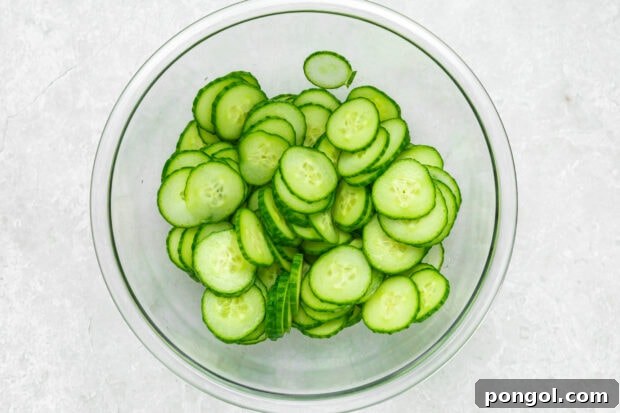
- Prepare the Cucumbers: Begin by washing your Japanese, Persian, or English cucumbers thoroughly. Using a sharp knife or a mandoline, slice the cucumbers as thinly as possible. Aim for uniform slices between 1/4 to 1/8-inch thick. The thinner the slices, the more surface area for the dressing to adhere to, and the more delicate the texture. Place the sliced cucumbers in a large bowl, sprinkle with 1/4 teaspoon of salt, and gently toss to coat. Let them sit for 10 minutes. This process, known as “sweating” the cucumbers, draws out excess water, which is vital for maintaining their crunch and preventing the salad from becoming watery.
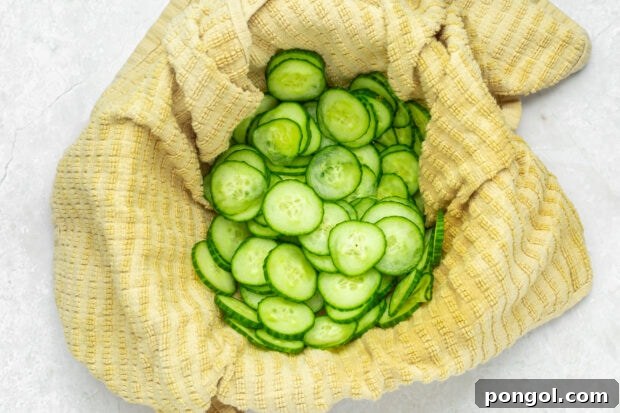
- Rinse and Dry: After 10 minutes, the cucumbers will have released a significant amount of liquid. Transfer them to a colander and rinse thoroughly with cold water. This step removes the excess salt and any bitterness. Drain the cucumbers well, then place them in the center of a clean kitchen towel or a few layers of paper towels. Gather the edges of the towel and twist firmly over a sink, squeezing out as much water as possible. This step is crucial for achieving that signature crisp texture. You’ll be surprised by how much liquid comes out!
- Whisk the Dressing: In a clean large bowl, combine the remaining 1/4 teaspoon of salt, 3 tablespoons of soy sauce (or tamari), 3 tablespoons of rice vinegar, and 1 tablespoon of sugar (or substitute). Whisk vigorously until the sugar is fully dissolved and the dressing is well combined. If using, stir in 1 teaspoon of toasted sesame oil for an added layer of nutty flavor.
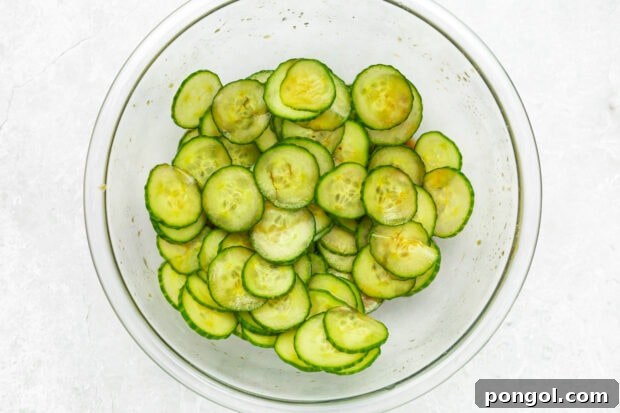
- Combine and Chill: Add the thoroughly squeezed and dried cucumber slices to the bowl with the dressing. Gently toss everything together, ensuring the cucumbers are evenly coated. For optimal flavor infusion, cover the bowl and refrigerate the salad for at least 15 minutes before serving. This chilling period allows the cucumbers to fully absorb the tangy-sweet dressing, deepening the flavors.
Chef’s Tips & Tricks for the Perfect Sunomono
Elevate your Japanese Cucumber Salad with these expert tips:
- Allow for Ample Chilling Time: While this salad is delicious immediately, allowing it to chill in the refrigerator for at least 15 to 30 minutes before serving is highly recommended. This crucial step gives the cucumber slices time to thoroughly soak up the vibrant flavors of the dressing, resulting in a more harmonious and deeply flavored dish. For an even more intense flavor, you can prep the salad ahead of time and let it chill overnight; the longer it sits, the more the flavors meld.
- Efficient Moisture Removal: The key to a crunchy cucumber salad is removing as much excess moisture as possible. When squeezing the water out of the salted cucumbers in a dish towel, stand over your kitchen sink. Cucumbers can release a surprising amount of water, and performing this step over the sink will minimize mess and make for a much easier cleanup, ensuring your countertops stay dry. Don’t be shy about squeezing firmly!
- Garnish for Extra Flair: While simple, a garnish can significantly enhance both the visual appeal and the flavor of your Sunomono. A sprinkle of toasted sesame seeds adds a lovely crunch and nutty aroma. For a touch of heat, a few thinly sliced red chilies or a pinch of red pepper flakes can be a delightful addition. Freshly chopped cilantro or thinly sliced scallions can also introduce a fresh, herbaceous note.
- Master the Thin Slice: The texture of your cucumber salad is paramount. Aim for paper-thin slices, ideally between 1/4 to 1/8-inch. A mandoline slicer is an invaluable tool for achieving uniform, thin slices quickly and effortlessly. If you don’t have a mandoline, a very sharp knife and a steady hand will also work, just take your time. Thin slices ensure every bite is delicate and perfectly saturated with the dressing.
- Taste and Adjust: Always taste your dressing before adding the cucumbers and again once the salad has chilled for a bit. The beauty of this recipe is its flexibility. If you prefer it sweeter, add a touch more sugar. If you like it tangier, a splash more rice vinegar will do the trick. More soy sauce can deepen the umami. Adjust to suit your palate perfectly.
- Storage and Flavor Evolution: Store any leftover Japanese cucumber salad in an airtight container in the refrigerator for up to 5 days. Over time, the cucumbers will naturally lose a bit of their initial crispness as they continue to absorb the dressing. However, this trade-off often results in an even deeper, more complex flavor profile. The salad remains absolutely delicious, simply with a slightly softer texture that some even prefer.
Serving Suggestions & Perfect Pairings
Japanese Cucumber Salad is a versatile side that complements a wide array of dishes. Here are some ideas to inspire your next meal:
- Classic Japanese Fare: Serve alongside sushi, sashimi, teriyaki chicken or salmon, tempura, or a bowl of ramen for an authentic Japanese dining experience.
- Grilled Meats and Seafood: Its refreshing crunch and tangy flavor cut through the richness of grilled steak, pork chops, or any grilled fish.
- Asian-Inspired Dinners: Pair with stir-fries, noodle dishes, or rice bowls to add a vibrant, zesty element.
- Light Lunches: Enjoy as a standalone light lunch, or alongside a simple grilled chicken breast or a hard-boiled egg.
- Potlucks and Picnics: It travels well and is a refreshing addition to any spread, offering a lighter option among heavier dishes.
Creative Variations to Try
While the classic Sunomono is perfect as is, feel free to experiment with these delicious variations:
- Wakame Sunomono: Rehydrate a small amount of dried wakame seaweed, squeeze out excess water, and add it to the salad for an authentic Japanese touch and added umami.
- Ebi Sunomono (Shrimp): For a more substantial salad, add cooked and chilled small shrimp.
- Ginger Infusion: Grate a small amount of fresh ginger into the dressing for a warm, spicy kick.
- Spicy Sunomono: Introduce a little heat with a pinch of red pepper flakes or a dash of sriracha in the dressing.
- Nutty Crunch: Aside from sesame seeds, try sprinkling crushed peanuts or cashews for an extra layer of texture and flavor.
- Make it Paleo: For a Paleo-friendly version, substitute soy sauce with coconut aminos. Coconut aminos have a natural sweetness, so you might find that no additional sugar is needed. Taste and adjust accordingly!
Frequently Asked Questions (FAQ)
Here are answers to some common questions about Japanese Cucumber Salad:
- Can I use regular American cucumbers? While possible, it’s not recommended. American cucumbers have thicker skins and larger, more numerous seeds, which can make the salad watery and less pleasant in texture. If you must use them, peel them and scoop out the seeds before slicing.
- Is this salad gluten-free? The base recipe is not inherently gluten-free due to soy sauce. However, you can easily make it gluten-free by using tamari in place of soy sauce. Always check the labels of all your ingredients to ensure they are certified gluten-free.
- Can I make this salad ahead of time? Absolutely! This salad actually benefits from sitting in the refrigerator for at least 15-30 minutes to allow the flavors to meld. You can prepare it several hours or even a day in advance. While the cucumbers might lose a bit of their initial crispness, they will absorb more of the dressing’s flavor, making it equally delicious.
- What kind of rice vinegar should I use? Use unseasoned rice vinegar. Seasoned rice vinegar often contains added sugar and salt, which can alter the balance of the dressing in this recipe.
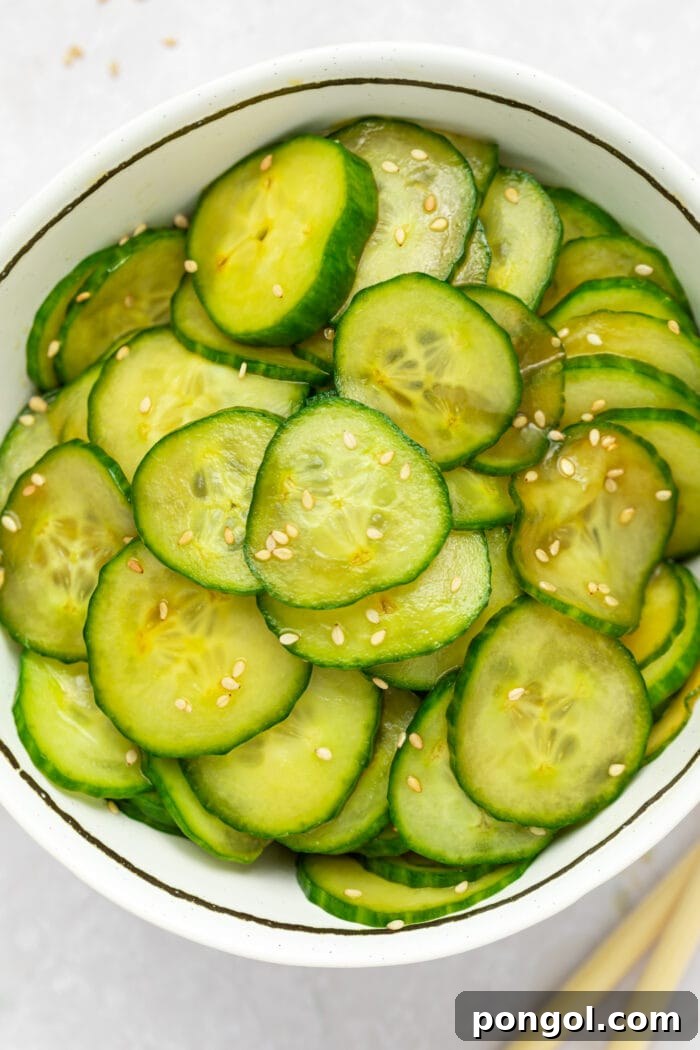
Other Healthy and Delicious Side Dish Recipes
- Green Beans with Bacon
- Air Fryer Asparagus
- Kani Salad
- Garlic Sautéed Spinach
- Keto Coleslaw
- Cherry Tomato Salad
- Yuca Fries
Japanese Cucumber Salad (Sunomono)
Prep Time: 15 minutes
Total Time: 15 minutes
This Japanese cucumber salad is delightfully tangy with a touch of sweetness! Light, crunchy, and refreshing – this restaurant-quality side dish comes together in just 15 minutes.

Recipe By: Sam Guarnieri
Yields: 4 servings
Equipment
- Large bowl
Ingredients
- 2-3 Japanese cucumbers (see Notes)
- ½ teaspoon salt, divided
- 3 tablespoons soy sauce (or tamari for gluten-free)
- 3 tablespoons rice vinegar (unseasoned)
- 1 tablespoon sugar (or honey/sugar-free substitute)
- 1 teaspoon toasted sesame oil (optional)
Instructions
- Slice cucumbers as thin as possible – between ¼ to an ⅛-inch thin, then sprinkle with ¼ teaspoon of salt and let sit for 10 minutes.

- Rinse cucumbers with cold water, drain, wrap in a clean towel, and squeeze out as much water as possible over the sink.
- Add the remaining ¼ teaspoon salt, soy sauce, rice vinegar, sugar, and toasted sesame oil (if using) to a bowl and whisk to combine. Then, toss in the prepared cucumbers to coat them evenly.
Notes
- Japanese Cucumbers: If Japanese cucumbers are unavailable, Persian or English cucumbers are suitable alternatives. Avoid standard American slicing cucumbers due to their thick skins and large seeds.
- Make it Paleo: Replace both soy sauce and sugar with coconut aminos. Coconut aminos offer a natural sweetness, often negating the need for additional sugar. Adjust to taste.
Recipe yields approximately 4 servings. Actual number of servings will depend on your preferred portion sizes.
Nutritional values shown are general guidelines and reflect information for 1 serving out of 4 using 3 Japanese cucumbers. Actual macros may vary slightly depending on specific brands and types of ingredients used.
To determine the weight of one serving, prepare the recipe as instructed. Weigh the finished recipe, then divide the weight of the finished recipe (not including the weight of the container the food is in) by 4. Result will be the weight of one serving.
Approximate Nutritional Information for One Serving
- Serving Size: 1 serving
- Calories: 37 cal
- Protein: 2 g
- Fat: 1 g
- Saturated Fat: 1 g
- Sodium: 1046 mg
- Potassium: 91 mg
- Total Carbs: 5 g
- Fiber: 1 g
- Sugar: 4 g
- Net Carbs: 4 g
- Vitamin A: 44 IU
- Vitamin C: 1 mg
- Calcium: 10 mg
- Iron: 1 mg
Nutrition Disclaimers:
Number of total servings shown is approximate. Actual number of servings will depend on your preferred portion sizes.
Nutritional values shown are general guidelines and reflect information for 1 serving using the ingredients listed, not including any optional ingredients. Actual macros may vary slightly depending on specific brands and types of ingredients used.
To determine the weight of one serving, prepare the recipe as instructed. Weigh the finished recipe, then divide the weight of the finished recipe (not including the weight of the container the food is in) by the desired number of servings. Result will be the weight of one serving.
Did You Make This Recipe?
We’d love to see your creation! Tag @40aprons on Instagram and share your feedback by leaving a review on this blog post.