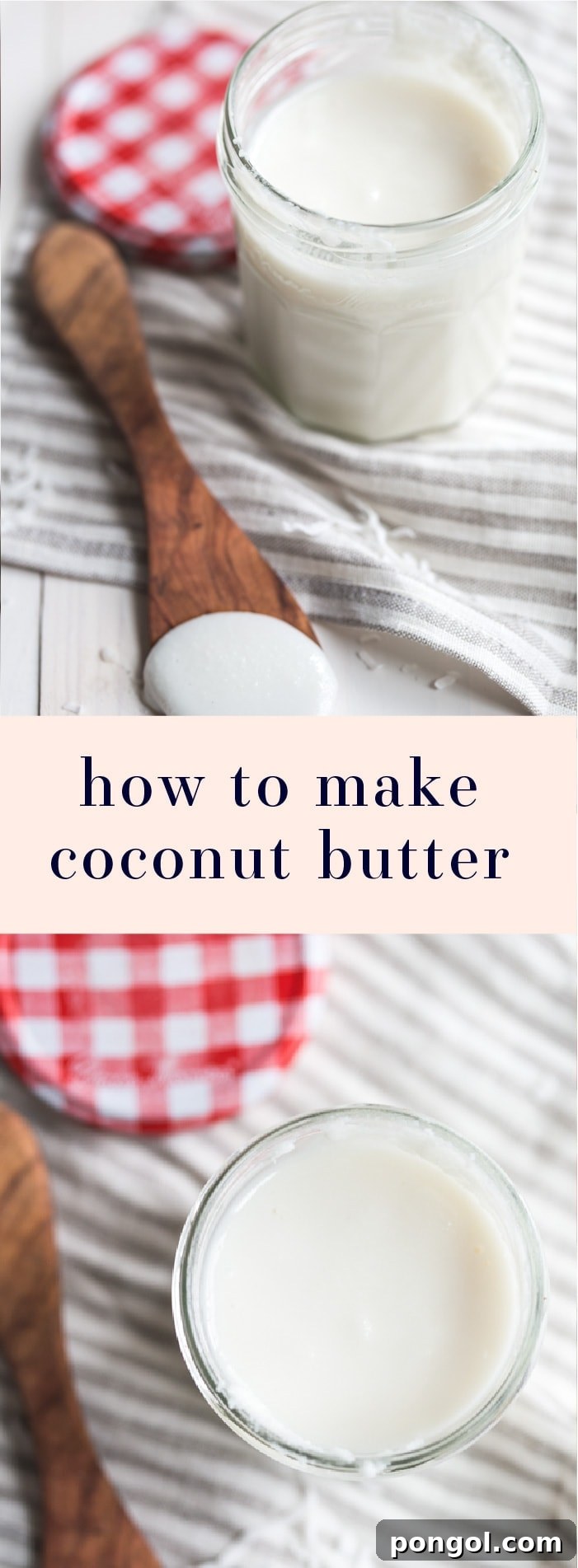
The Ultimate Guide to Making Homemade Coconut Butter (Paleo & Vegan Friendly)
Have you ever dreamed of creating your own rich, creamy coconut butter at home? It’s not only incredibly simple but also remarkably budget-friendly, especially when compared to the often overpriced store-bought varieties. Forget the fancy labels and hefty price tags; this guide will show you how to whip up a batch of delicious coconut butter with just one simple ingredient and a powerful blender, all in under three minutes! Perfect for enhancing recipes like my paleo coconut cream eggs, spreading on your favorite toast, or simply enjoying by the spoonful, homemade coconut butter is a game-changer. All you need is high-quality unsweetened coconut flakes and a robust blender, such as a Vitamix.
Demystifying Coconut Butter: The Affordable Alternative to “Coconut Manna”
For many years, the idea of making coconut butter seemed like a distant, perhaps even luxurious, endeavor. Before I perfected my paleo coconut cream eggs recipe, crafting this delightful spread from scratch was simply not on my radar. I had heard whispers of something called “coconut manna,” often seen at specialty health food stores with a price tag that felt utterly prohibitive—sometimes bordering on an astronomical amount per pound! Naturally, I mentally crossed it off my list, deeming it an indulgence far beyond my everyday budget. It sounded nice, a beautiful concept, but practically unattainable.
However, after a year or two of experimenting with countless homemade nut butters, a curious thought sparked: why not try making coconut butter? It couldn’t be that complicated, could it? And if it worked, it would be absolutely perfect for those vegan coconut cream eggs I was developing (and spoiler alert: “freaking perfect” turned out to be a massive understatement). What I discovered was a delightful revelation: the notion of “coconut manna” being an exclusive, high-cost item was nothing more than a big ruse! The secret was astonishingly simple: all you need is a generous amount of unsweetened coconut and a powerful blender.
Why Embark on Your Own Coconut Butter Journey?
Beyond the sheer satisfaction of creating something delicious from scratch, there are numerous compelling reasons to make your own coconut butter.
- Unbeatable Affordability: Store-bought coconut butter often comes with a significant markup. By purchasing unsweetened coconut flakes in bulk, you can produce several jars of homemade coconut butter for a fraction of the cost, making it an incredibly budget-friendly option for health-conscious eaters.
- Purity of Ingredients: When you make it yourself, you control exactly what goes in. No hidden sugars, unhealthy oils, preservatives, or artificial ingredients. It’s 100% pure coconut, ensuring you’re nourishing your body with only the best.
- Freshness You Can Taste: There’s an undeniable difference in flavor and aroma when you use freshly prepared ingredients. Homemade coconut butter boasts a vibrant, aromatic taste that truly stands out.
- Tailor to Your Preferences: While this recipe calls for just one ingredient, you have the option to lightly toast your coconut flakes beforehand for a deeper, nuttier flavor, or even add a pinch of sea salt for a balanced taste.
- Empowering Simplicity: The process itself is so straightforward and quick that it’s incredibly empowering. You’ll be amazed at how easily flakes transform into a luxurious spread, building confidence in your culinary skills.
The Essential Tool: A High-Speed Blender
The secret to transforming dry coconut flakes into silky-smooth butter lies in the power of your blender. While some food processors might eventually get the job done, a high-speed blender like a Vitamix or Blendtec is highly recommended for optimal results and efficiency. These blenders are designed with powerful motors that can continuously process ingredients at high speeds, generating the friction needed to break down the coconut fibers and release their natural oils.
A key accessory that often comes with high-speed blenders, particularly the Vitamix, is a tamper. This tool is indispensable for making nut or seed butters. The tamper allows you to push the coconut flakes down towards the blades without stopping the blender, ensuring continuous processing and preventing air pockets from forming around the blades. This constant engagement of the ingredients with the blades is what helps achieve that perfectly smooth, creamy consistency without overworking your machine.
Your Magic Ingredient: Unsweetened Coconut Flakes
The beauty of homemade coconut butter lies in its minimalism. You only need one star ingredient: unsweetened coconut flakes. It’s crucial to use unsweetened varieties to avoid an overly sweet product and to maintain control over the flavor profile. You can choose between shredded coconut, desiccated coconut, or even large flakes. The finer the shred, the quicker your butter will come together, but any unsweetened coconut will work marvelously in a high-speed blender. Opt for organic if possible for the purest taste and to avoid any unwanted additives.
Step-by-Step: How to Make Coconut Butter in Just 3 Minutes
With your trusty high-speed blender and a bag of unsweetened coconut flakes, you are just moments away from culinary bliss. Here’s a detailed breakdown of the ridiculously easy process:
- Measure and Load: Begin by pouring 4 cups of your chosen unsweetened coconut flakes into the container of your Vitamix or Blendtec blender. It might seem like a lot, but this volume is essential for the blades to properly catch and process the coconut.
- Initiate Blending: Secure the lid and start your blender on a low speed, gradually increasing it. The goal is to get the flakes moving and breaking down.
- Utilize the Tamper: This is where your tamper comes in handy. Continuously use the tamper to press the coconut flakes down towards the spinning blades. This ensures all the coconut is evenly processed and helps prevent the blades from spinning freely without engaging the ingredients.
- Increase Speed & Blend: Once the coconut begins to look like a fine powder and all the flakes are engaged, gradually work your blender up to high speed. Blend on high for a full 1 minute. During this time, the friction will start to release the natural oils, and you’ll notice the texture beginning to change.
- Brief Rest Period: After 1 minute on high speed, turn off your blender. Allow the motor to rest for 1 minute. This crucial pause prevents overheating and allows any built-up heat to dissipate, extending the life of your appliance.
- Final Blend to Creaminess: Turn the blender back on high speed and blend for 1 more minute. During this final minute, you’ll witness the magical transformation as the coconut powder liquefies into a smooth, pourable, and utterly luxurious butter.
- Enjoy (Immediately!): Turn off your blender and carefully scrape the warm, aromatic coconut butter out of the container. It’s ready to be savored!
Seriously, with a high-speed blender like a Vitamix and just four cups of unsweetened coconut flakes, this process is virtually foolproof. You’ve got this!
Tips for Perfect Homemade Coconut Butter
- Use a Good Blender: As mentioned, a high-speed blender is key. Anything less powerful will struggle to achieve the desired creamy texture and might overheat.
- Patience (Even in 3 Minutes): While the active blending time is short, pay attention to the stages. The coconut will go from flakes to coarse powder, then a finer powder, and finally a smooth butter. Don’t rush or stop too early.
- Scrape Down the Sides: If you don’t have a tamper, or even if you do, occasionally stopping the blender to scrape down the sides with a spatula can help ensure all the coconut is processed evenly. Just be sure to turn off the blender before doing so!
- Avoid Adding Liquid: Resist the urge to add water or any other liquid to help the process along. This will prevent the coconut from turning into butter and can ruin the batch.
- Mind the Temperature: The friction from blending will warm the coconut, which is necessary to release the oils. If your blender gets too hot, give it an extra minute or two to rest between blending cycles.
Troubleshooting Common Issues
- It’s not turning smooth: Ensure you’re using a high-speed blender and a sufficient quantity of coconut. If the amount is too small, the blades might not engage properly. Keep blending and using the tamper.
- Blender is overheating: Most blenders have thermal protection. If yours feels too hot, stop, let it cool for 10-15 minutes, then resume blending. The rest period in the recipe helps prevent this.
- Too thick or pasty: If it’s warm, it should be pourable. Once it cools, coconut butter naturally solidifies and becomes quite firm, especially in cooler temperatures. This is normal! Simply warm it gently (e.g., in a warm water bath) to soften it for spreading.
The Transformation: From Flakes to Creamy Gold
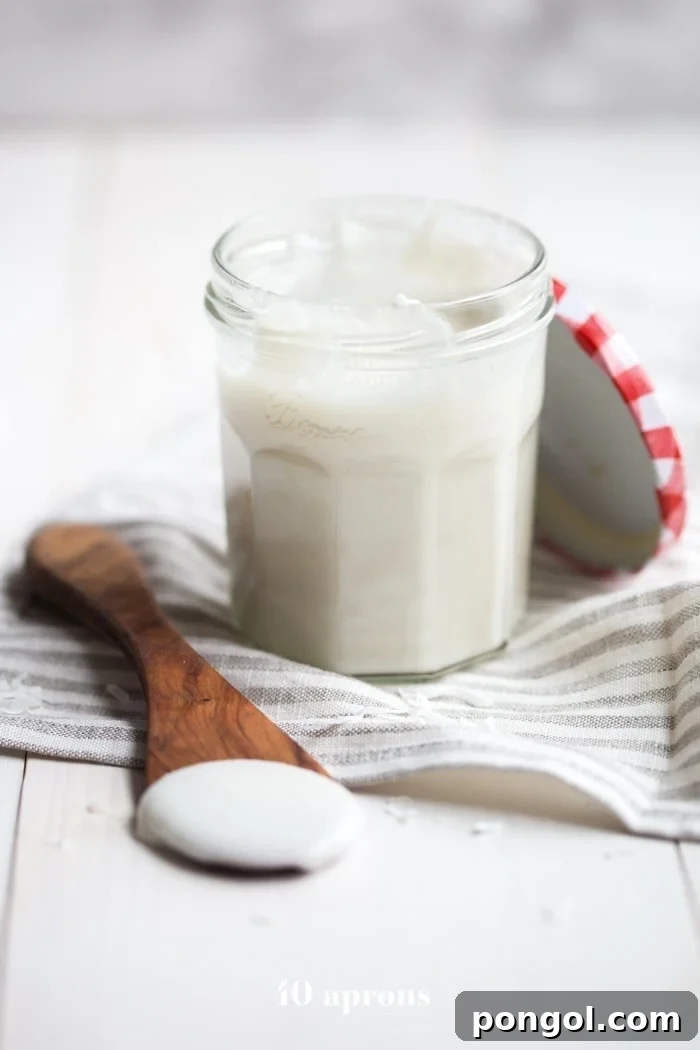
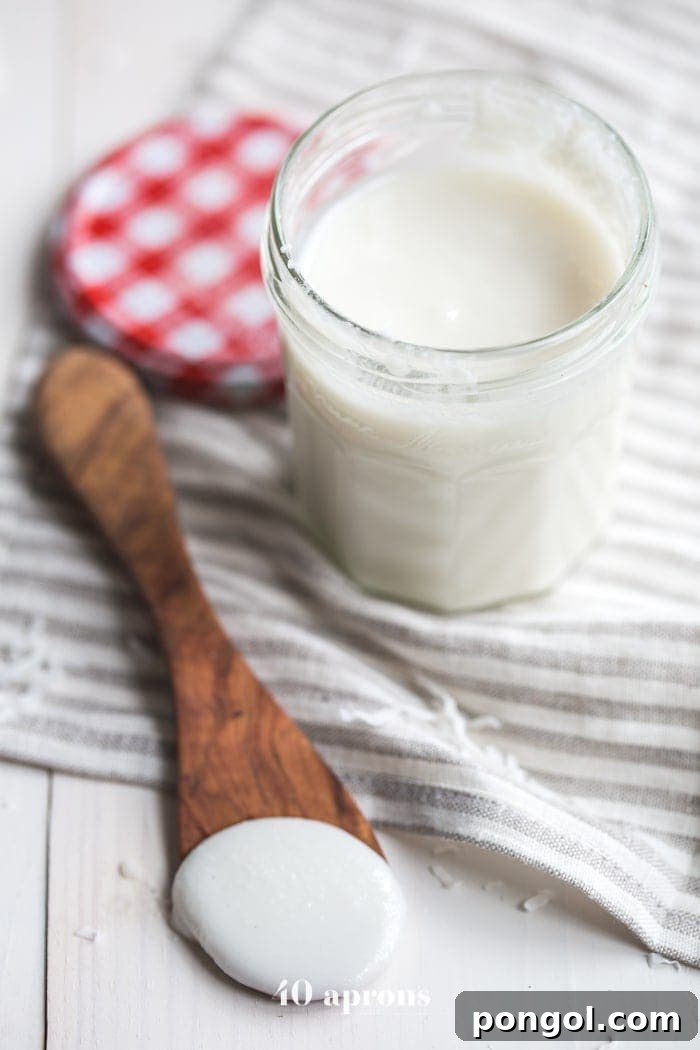
Witnessing the metamorphosis of dry, unassuming coconut flakes into a glorious, spreadable butter is truly fascinating. It’s easier than making most nut butters, and the result, oh, holy moly, it’s incredibly good. I’m actually quite impressed that I managed to photograph this recipe at all, considering how vulnerable the props were to my immediate consumption. I ate spoonful after spoonful in the name of “quality control,” hoping my teeth marks wouldn’t be visible in the final shots. Yeah, we’re not exactly delicate over here at the 40 Aprons headquarters. That’s perfectly fine; coconut butter tends to bring out the inner beast in all of us.
So, the real question shouldn’t be, “How to make coconut butter?” but rather, “How often can I make coconut butter?” And the answer? Oh, you know, daily is probably a perfectly acceptable frequency.
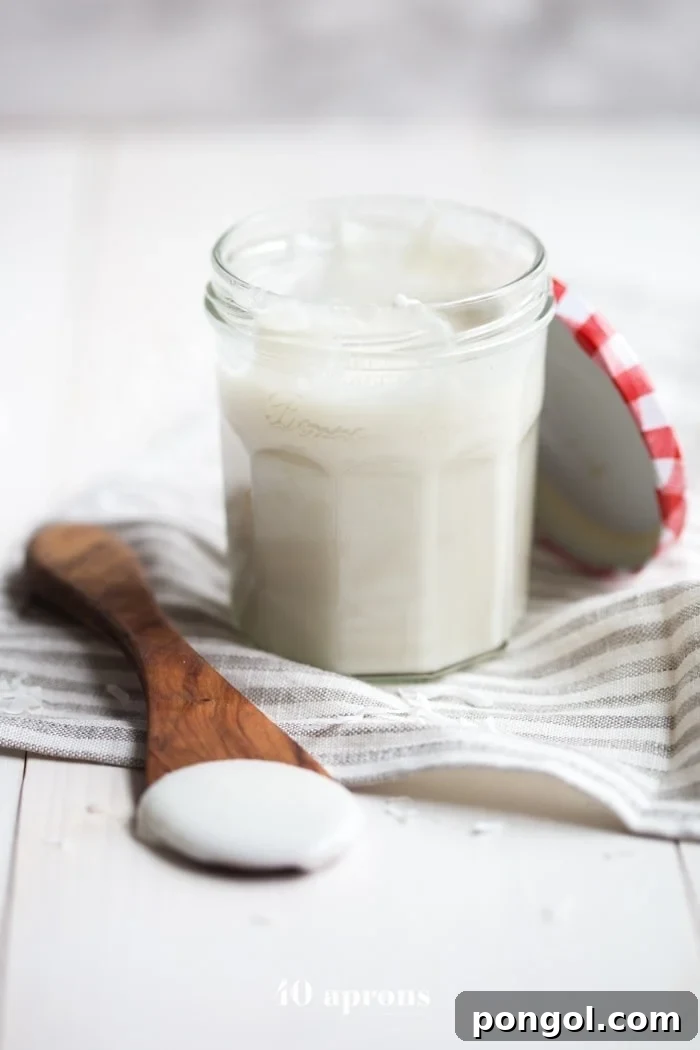
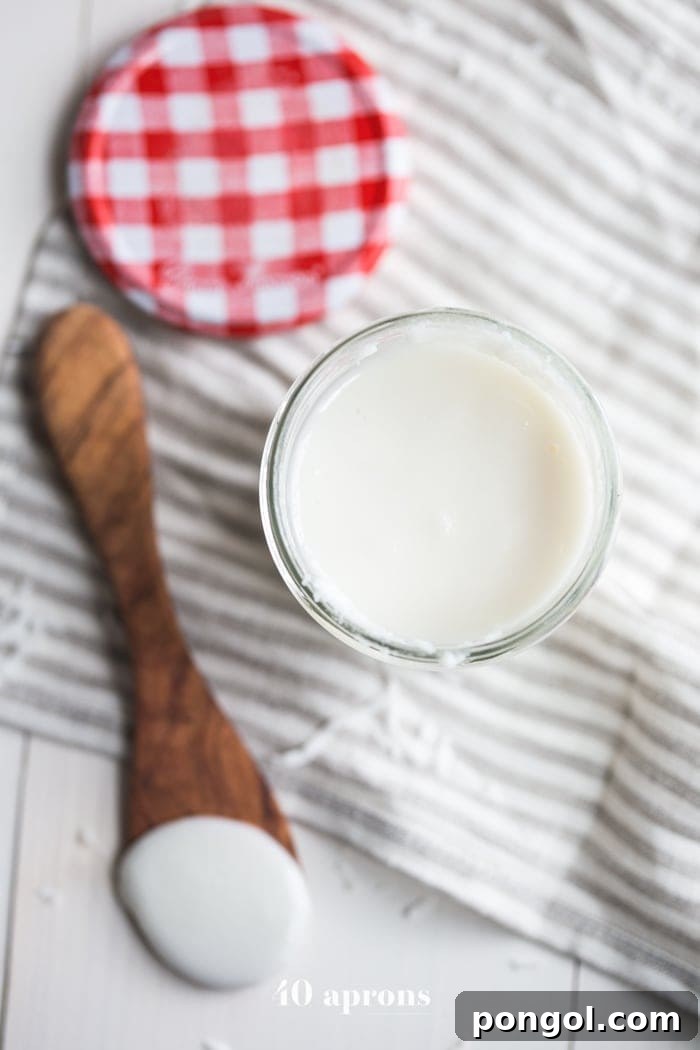
Four cups of coconut flakes will typically yield about 1 cup of finished coconut butter. The resulting “manna” is exceptionally rich, velvety creamy, and dense, yet somehow delicate on the palate. Its flavor isn’t overtly tropical; instead, it offers a subtle, sweet aroma of pure coconut. It’s absolutely fantastic on sweet potato toast or traditional gluten-containing toast, depending on your dietary preferences. And seriously, those paleo coconut cream eggs are 💯 x 💯! (That’s a lot of deliciousness.)
Unleash the Versatility: Delicious Ways to Enjoy Your Coconut Butter
Once you’ve made your own coconut butter, a world of culinary possibilities opens up. Its unique texture and flavor make it incredibly versatile:
- Spreads & Toppings: Beyond toast, try it on rice cakes, waffles, pancakes, or gluten-free bread. It melts beautifully, creating a warm, decadent layer.
- Smoothies & Shakes: Add a spoonful to your morning smoothie for a boost of healthy fats and a luscious, creamy texture.
- Baking & Desserts: Use it as a healthier fat alternative in cookies, brownies, energy balls, or raw dessert recipes. It also makes a fantastic frosting or glaze when slightly warmed.
- Oatmeal & Yogurt Bowls: Stir it into hot oatmeal or swirl it into a bowl of yogurt (dairy or non-dairy) for added richness and flavor.
- Savory Dishes: Don’t limit it to sweets! Coconut butter can add a depth of flavor to curries, sauces, or even a creamy base for salad dressings.
- Coffee & Hot Beverages: Blend a teaspoon into your coffee or tea for a “bulletproof” style drink that’s rich and energizing.
- Straight from the Spoon: Seriously, sometimes the best way to enjoy it is just a spoonful straight from the jar, especially when a craving hits!
- Homemade Chocolates: Mix melted coconut butter with cocoa powder and a sweetener for quick, homemade chocolate treats.
- Skin & Hair Care (External Use): While primarily a food, pure coconut butter can also be used externally as a natural moisturizer for dry skin or a conditioning hair mask.
Storage: Keeping Your Homemade Coconut Butter Fresh
Proper storage ensures your homemade coconut butter remains delicious and safe to eat. Store it in an airtight container at room temperature. Its natural oils act as a preservative, allowing it to last for at least a couple of weeks, if not longer. In warmer climates, it will remain soft and spreadable. In cooler environments, it will solidify and become quite firm, similar to coconut oil. If it hardens, simply place the jar in a bowl of warm water for a few minutes to soften it to a spreadable consistency. Avoid refrigerating it, as this will make it extremely hard and difficult to use without warming.
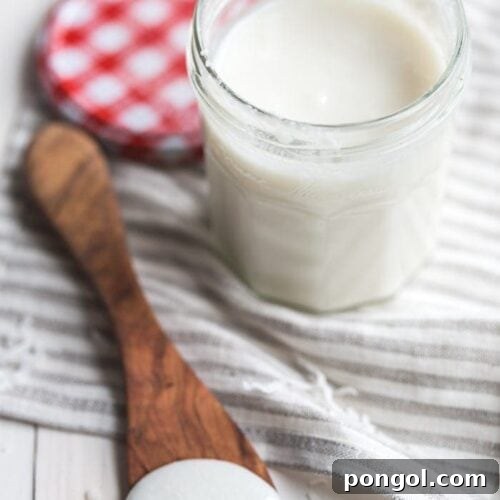
How to Make Coconut Butter at Home (Paleo, Vegan)
3
3
Cheryl Malik
Ingredients
- 4 cups unsweetened shredded coconut
Instructions
-
Place coconut in blender and start processing. Use damper to press coconut down so blender blitzes all shreds. Once all coconut is a consistent powder-like texture, work speed up to high. After 1 minute on high, turn off. Let rest 1 minute. Turn blender back on high and blend 1 more minute. Turn off and scrape coconut butter out of blender. Keep in an airtight container at room temperature. Lasts at least a couple weeks.
Approximate Information for One Serving
Calories: 2455cal
Protein: 26g
Fat: 240g
Saturated Fat: 213g
Sodium: 138mg
Potassium: 2020mg
Total Carbs: 88g
Fiber: 61g
Sugar: 27g
Net Carbs: 27g
Vitamin C: 6mg
Calcium: 97mg
Iron: 12mg
Nutrition Disclaimers
Number of total servings shown is approximate. Actual number of servings will depend on your preferred portion sizes.
Nutritional values shown are general guidelines and reflect information for 1 serving using the ingredients listed, not including any optional ingredients. Actual macros may vary slightly depending on specific brands and types of ingredients used.
To determine the weight of one serving, prepare the recipe as instructed. Weigh the finished recipe, then divide the weight of the finished recipe (not including the weight of the container the food is in) by the desired number of servings. Result will be the weight of one serving.
Did You Make This Recipe?
Tag @40aprons on Instagram and be sure to leave a review on the blog post!
Tag @40Aprons on Instagram