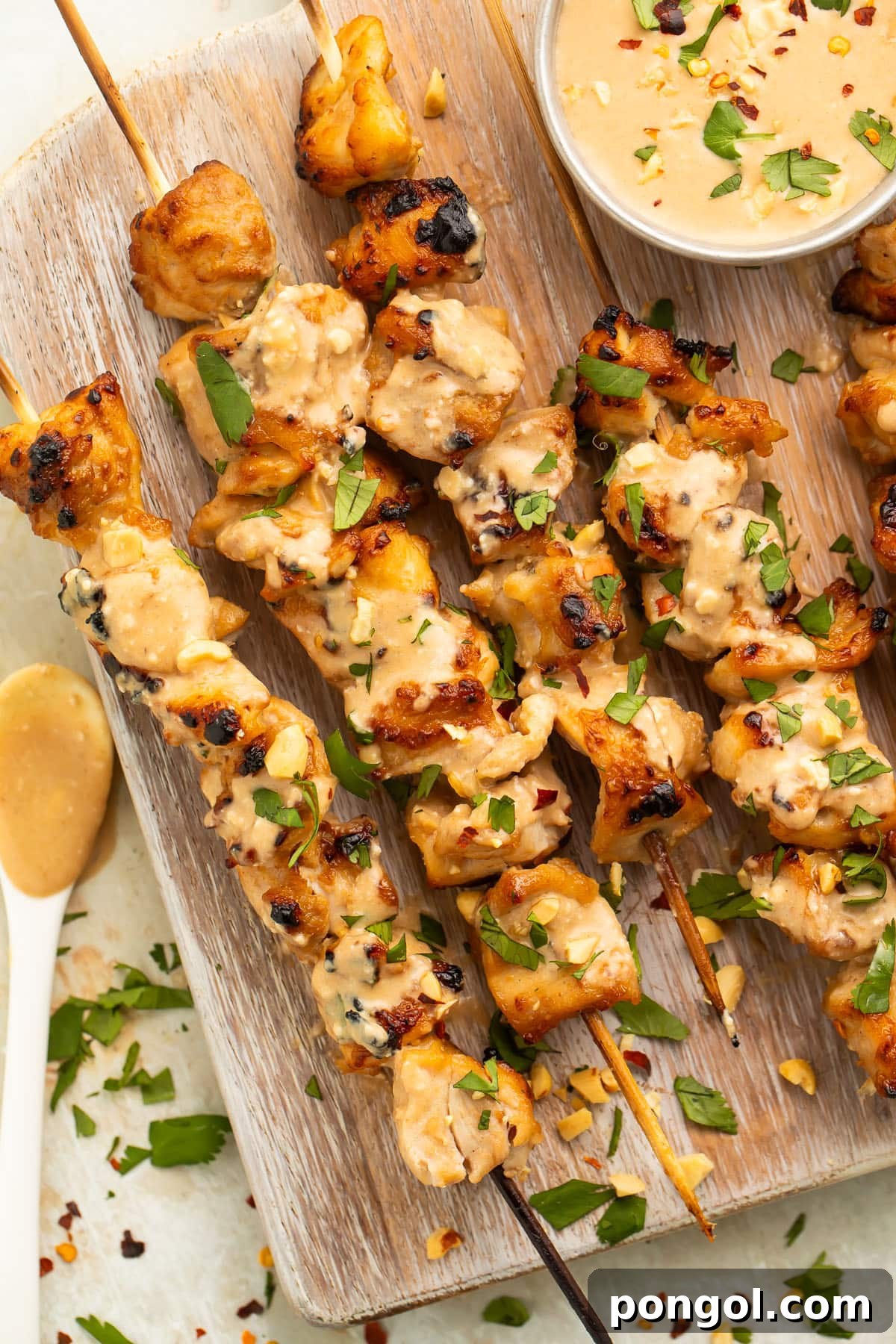
Embark on a culinary journey to Southeast Asia right from your kitchen with this incredible Chicken Satay recipe, featuring succulent, marinated chicken skewers paired with an utterly irresistible peanut sauce. This dish captures the vibrant, complex flavors of authentic satay, making it an ideal choice for an impressive appetizer or a satisfying main course. Forget bland takeout; our recipe delivers restaurant-quality taste with remarkable ease, balancing sweet, spicy, savory, and tangy notes that will tantalize your taste buds. The secret lies in a rich, creamy peanut sauce infused with the bright zest of lime, the warmth of brown sugar, and a subtle kick from red pepper flakes, all perfectly complementing the tender, juicy chicken.
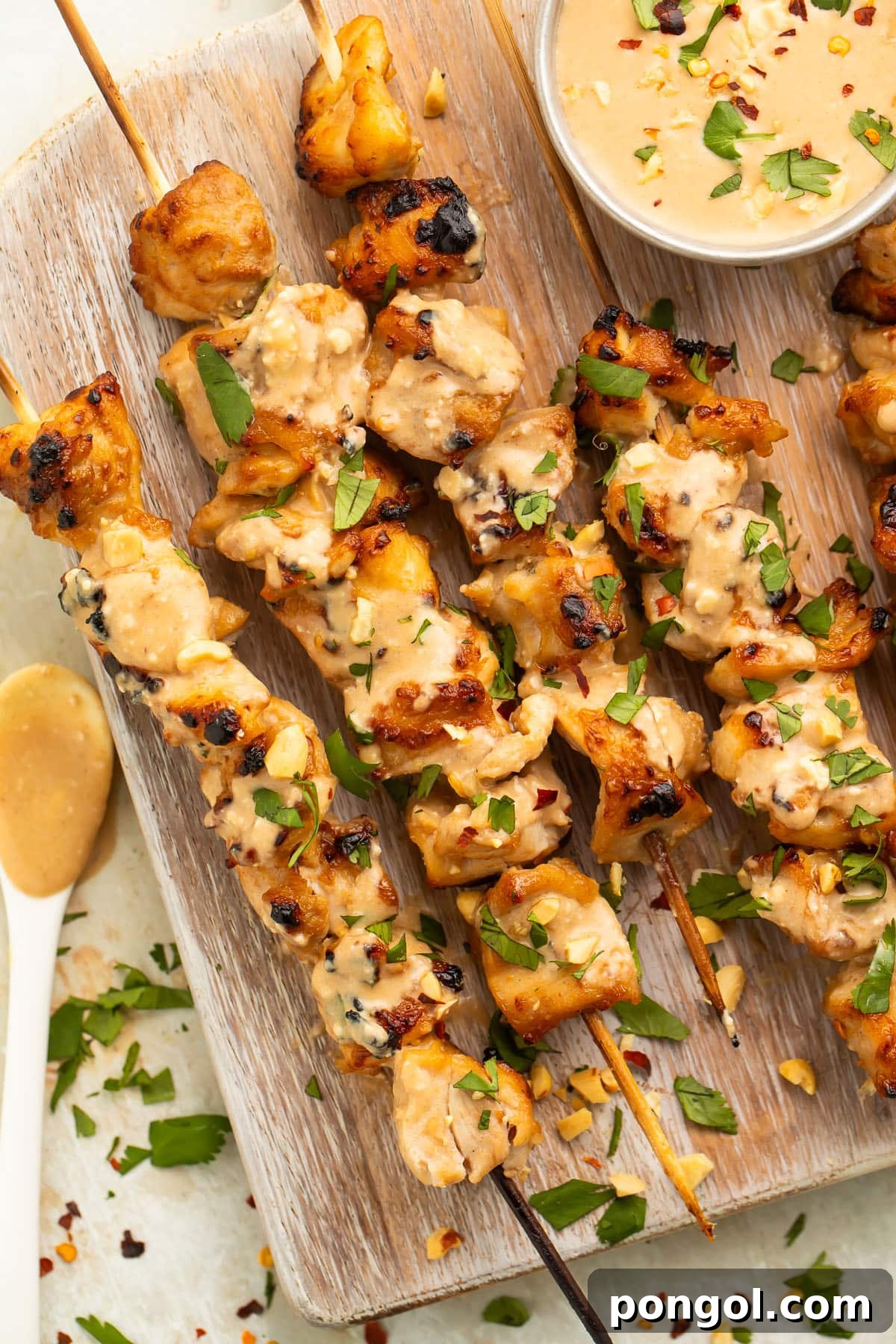
Why You’ll Love This Irresistible Chicken Satay Recipe
This chicken satay isn’t just a meal; it’s an experience. Its unique blend of flavors and textures, combined with its versatility, makes it a perennial favorite. Here’s why this recipe deserves a prime spot in your culinary repertoire:
- Versatile Dining Experience: Traditionally a beloved appetizer, these chicken satay skewers are so deeply flavorful and satisfying that they easily transition into a show-stopping main course. Imagine serving them at your next dinner party, or as a delightful weeknight dinner alongside steamed rice or a fresh cucumber salad. Any leftovers, though unlikely, are fantastic shredded into a vibrant salad or tucked into a wrap for a quick, delicious lunch.
- The Ultimate Peanut Sauce: The star of this dish is undoubtedly the peanut sauce. It’s not just any peanut sauce; it’s a meticulously crafted blend that achieves absolute perfection. Rich and creamy, bright with fresh lime, subtly sweet from dark brown sugar, and boasting just the right hint of spice from red pepper flakes and ginger, it’s a symphony of flavors. When this exquisite sauce coats tender chicken and gets a kiss of char from broiling or grilling, the result is nothing short of incredible. Even the most discerning eaters will find themselves reaching for more!
- Effortless Restaurant-Quality Meal: Achieving gourmet results at home doesn’t have to be complicated. This recipe simplifies the process without compromising on taste. With clear steps and readily available ingredients, you can recreate the magic of your favorite Thai or Indonesian restaurant in your own kitchen, impressing family and friends with minimal fuss.
- A Burst of Exotic Flavors: Every bite offers a complex profile, combining the nutty richness of peanut butter, the tangy freshness of lime, the umami depth of fish sauce, and the aromatic warmth of ginger and garlic. This harmonious blend transports your senses, offering a truly exotic and memorable dining experience.
Expert Chef’s Tips for Perfect Chicken Satay
Achieving perfectly tender, flavorful chicken satay is simple with a few insider tips. Whether you’re a seasoned chef or a beginner, these pointers will help you master this classic dish:
- Grill or Broil with Confidence: While broiling offers a quick and convenient way to cook the chicken and achieve a lovely char, feel free to use your grill if you’re already firing it up! Grilling imparts a beautiful smoky flavor and distinct grill marks. If grilling, aim for medium-high heat (around 375-400°F). Brush the grill grates lightly with oil to prevent sticking. Grill the skewers for 2-3 minutes per side, turning frequently, until the chicken is cooked through and beautifully browned, with an internal temperature of 165°F (74°C). Broiling usually takes about 2-4 minutes per side, depending on your broiler’s intensity.
- The Essential Skewer Soak: Never skip soaking your bamboo skewers! Dry bamboo skewers will inevitably burn, or even catch fire, under the high heat of a broiler or grill. Submerge them in warm water for at least 30 minutes before threading the chicken. Alternatively, metal skewers are a fantastic reusable option that don’t require soaking. If you find yourself without skewers, don’t worry! You can still enjoy this delicious chicken. Simply place the marinated chicken pieces on a wire baking rack set over a baking sheet, or cook them in a large, lightly oiled skillet over medium-high heat, turning occasionally until cooked through. This method creates delightful, bite-sized chicken pieces perfect for a rice bowl or salad.
- Consistent Chicken Cut for Even Cooking: For the best results, ensure your chicken pieces are cut into uniform, bite-sized cubes, roughly 1-inch in size. This consistency is crucial for even cooking, preventing some pieces from drying out while others are still undercooked. Boneless, skinless chicken thighs are recommended for their inherent tenderness and flavor, but chicken breast can also be used if cut into similar sized pieces (though it may cook faster and dry out more easily).
- Don’t Skimp on Marinating Time: The marinade is where the magic happens! Allowing the chicken to marinate for at least 1 hour, and up to 8 hours, deeply infuses it with the incredible flavors of the peanut sauce, resulting in unbelievably tender and succulent skewers. For longer marination, ensure you toss or stir the chicken in the marinade periodically to ensure every piece is thoroughly coated.
The Art of Marinating for Maximum Flavor
Marination is the secret weapon behind many intensely flavorful dishes, and chicken satay is no exception. It’s more than just coating the chicken; it’s a process that infuses every fiber with the aromatic spices and rich, creamy notes of our signature peanut sauce. Our marinade, a vibrant blend of peanut butter, coconut milk, lime, fish sauce, brown sugar, ginger, garlic, and red pepper flakes, works synergistically to both tenderize the chicken and impart an unparalleled depth of flavor.
The acidic components (like lime juice) in the marinade help to break down the tough protein fibers in the chicken, leading to a more tender final product. Meanwhile, the fats from the peanut butter and coconut milk carry the fat-soluble flavor compounds deep into the meat, ensuring that each bite is packed with taste. We recommend marinating for a minimum of one hour to allow these flavors to properly meld and penetrate the chicken. For an even more profound taste and melt-in-your-mouth texture, extend the marination up to 8 hours. Remember to toss the chicken occasionally during longer marination periods to ensure uniform coverage. Avoid marinating for longer than 8 hours, especially with acidic marinades, as the chicken can start to become mushy.
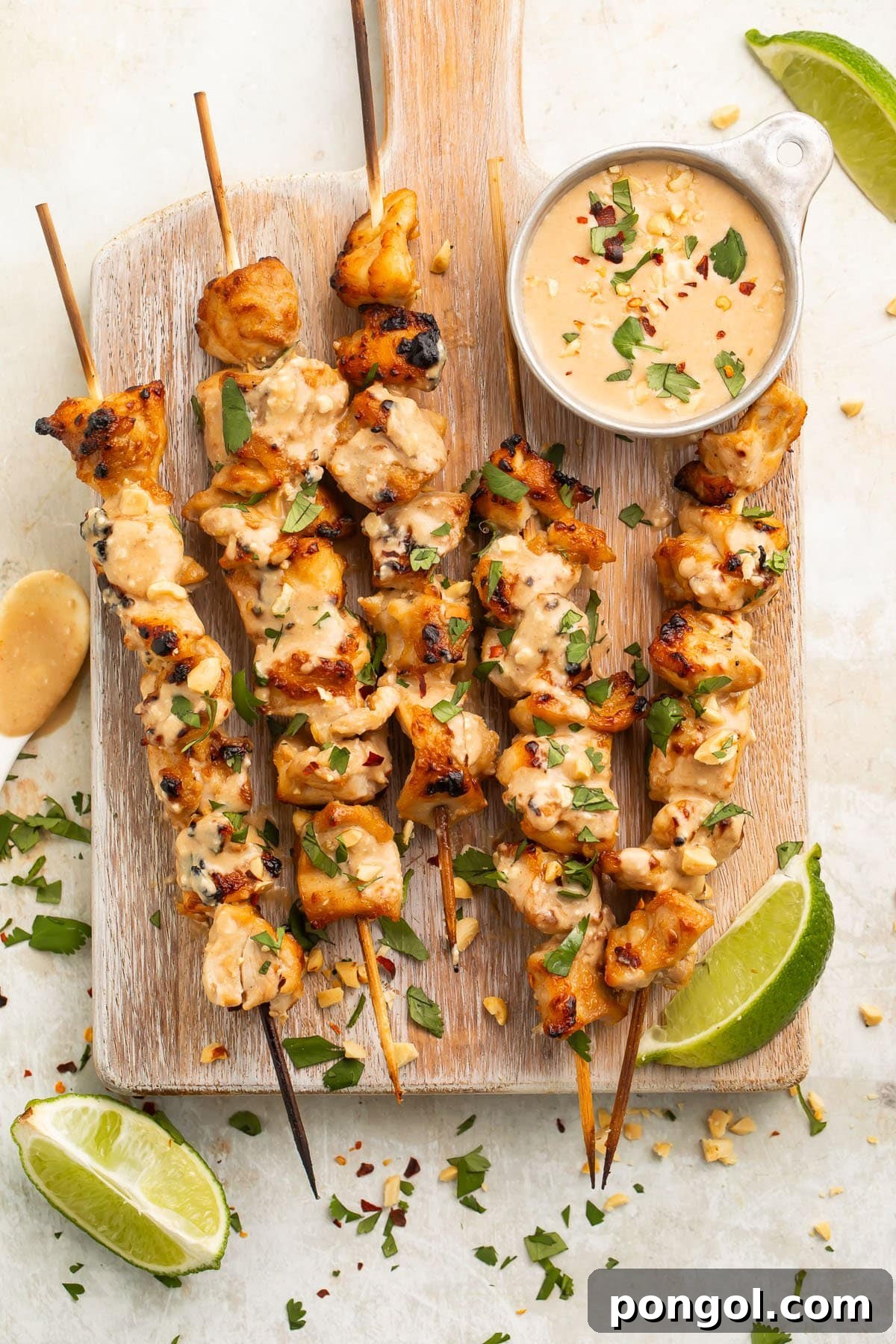
More Takeout-Inspired Dishes to Savor at Home
If you love the convenience and deliciousness of takeout but prefer the control and quality of home cooking, you’re in the right place! Here are some other fantastic takeout-inspired recipes that promise incredible flavor with minimal effort:
- Air Fryer Egg Rolls (Homemade or Frozen): Crispy, golden egg rolls made healthier in the air fryer, perfect as an appetizer or a light snack.
- Instant Pot Chicken Teriyaki: A quick and easy recipe for tender chicken in a sweet and savory teriyaki sauce, all made in your Instant Pot.
- Instant Pot Orange Chicken: Skip the deep-frying with this healthier, yet equally flavorful, orange chicken made effortlessly in the Instant Pot.
- Hibachi Steak with Fried Rice and Vegetables: Bring the hibachi experience home with perfectly cooked steak, flavorful fried rice, and crisp vegetables.
- Instant Pot Honey Garlic Chicken: Sweet and sticky honey garlic chicken that cooks in a flash, ideal for a quick family dinner.
- Paneer Tikka Masala: A rich and creamy Indian classic, featuring marinated paneer cheese in a spiced tomato sauce.
- Hibachi Chicken with Fried Rice and Vegetables: Another fantastic hibachi-style meal, focusing on tender chicken and perfectly seasoned fried rice.
- Duck Fried Rice: A gourmet take on classic fried rice, using rich and flavorful duck.
- Air Fryer Dumplings: Crispy on the outside, juicy on the inside, these air fryer dumplings are a healthier alternative to pan-fried versions.
Cheryl Malik
Chicken Satay with an Easy Peanut Sauce: Your Go-To Recipe
20
minutes
10
minutes
1
hour
1
hour
30
minutes

Cheryl Malik
Save
Saved!
6
servings
(toggle on to prevent screen dimming)
Equipment
-
medium mixing bowl
with lid or plastic wrap to cover -
whisk
-
Small bowl
with lid or plastic wrap to cover -
Cutting board
-
Sharp knife
-
Tongs
or large wooden spoon -
bamboo skewers
-
Shallow baking dish
or baking pan, just large enough to hold skewers -
neutral-flavored cooking spray
-
large baking sheet
Ingredients
For the Decadent Peanut Sauce
-
½
cup
creamy peanut butter -
1
cup
unsweetened, full-fat coconut milk
from a can, stirred well -
2
tablespoons
fresh lime juice -
2
tablespoons
fish sauce
or low-sodium soy sauce -
2
packed tablespoons
dark brown sugar -
2
teaspoons
grated fresh ginger
or 1 teaspoon ground ginger -
3
cloves
garlic
peeled, chopped -
½
teaspoon
red pepper flakes
more or less to taste
For the Tender Chicken
-
2
pounds
boneless, skinless chicken thighs
approximately 4 medium chicken thighs
Optional Serving Suggestions & Garnishes
-
crushed peanuts -
chopped fresh cilantro -
lime wedges for garnish and extra zest -
steamed jasmine rice or noodle salad as a side dish
Instructions
Crafting the Perfect Peanut Sauce
-
Combine ½ cup creamy peanut butter, 1 cup unsweetened, full-fat coconut milk, 2 tablespoons fresh lime juice, 2 tablespoons fish sauce, 2 packed tablespoons dark brown sugar, 2 teaspoons grated fresh ginger, 3 cloves garlic, and ½ teaspoon red pepper flakes into a medium mixing bowl. Whisk vigorously until all ingredients are thoroughly combined and the sauce is smooth and creamy.
-
Carefully transfer 1 cup of the freshly prepared peanut sauce to a small, separate bowl. Cover this portion with a lid or plastic wrap and refrigerate it. This chilled sauce will be served alongside your finished satay for dipping.
-
Set aside the medium mixing bowl containing the remaining peanut sauce. This will be used to marinate the chicken.
Preparing and Marinating the Chicken Thighs
-
Place 2 pounds boneless, skinless chicken thighs on a clean cutting board. Trim any excess fat or unwanted pieces. Then, slice the chicken thighs into uniform bite-size pieces, aiming for approximately 1-inch cubes to ensure even cooking.
-
Add the cubed chicken pieces to the medium mixing bowl containing the reserved peanut sauce (the larger portion). Toss or stir the chicken vigorously until every single piece is thoroughly coated in the luscious sauce.
-
Once the chicken is fully coated, cover the bowl tightly with a lid or plastic wrap, and transfer it to the refrigerator. Allow the chicken to marinate in the peanut sauce for a minimum of 1 hour, and ideally no more than 8 hours for optimal flavor and tenderness. Note: If marinating for longer than 1 hour, give the chicken a good toss or stir in the marinade at least once more to redistribute the flavors.
Assembling and Cooking the Chicken Satay
-
Approximately 30 minutes before you plan to remove the chicken from the refrigerator, prepare your bamboo skewers. Fill a shallow baking dish with warm water and immerse the bamboo skewers completely. If they float, place a smaller bowl or plate on top to keep them submerged. Let the skewers soak for the full 30 minutes to prevent burning during cooking.
-
Once the chicken has marinated for the desired length of time, lightly spray a large baking sheet with neutral cooking spray and set it aside. Retrieve the bowl of marinated chicken from the refrigerator and uncover it.
-
Carefully thread the marinated chicken pieces onto the soaked bamboo skewers. Aim for 5 to 7 pieces per skewer, depending on the size of your chicken cubes, ensuring they are evenly spaced. Place each filled skewer on the prepared baking sheet and continue until all chicken pieces have been skewered.
-
Before cooking, adjust your oven racks so that the baking sheet with the skewers will sit approximately 6 to 8 inches below the broiler heating element. Turn on your broiler and allow it to preheat for at least 5 minutes. Note: If your broiler offers multiple heat settings, select the HIGH temperature setting for optimal charring.
-
Once the broiler is thoroughly preheated, carefully place the baking sheet on the adjusted rack beneath the heating element. Broil the chicken for 2 to 3 minutes, closely monitoring to prevent burning. Then, using tongs, carefully remove the baking sheet and flip all the skewers over to expose the uncooked side.
-
Return the baking sheet to the oven and continue to broil the chicken for another 3 to 4 minutes, or until the chicken pieces are beautifully golden brown, slightly charred, and cooked completely through (internal temperature should reach 165°F / 74°C).
-
Once the chicken is thoroughly cooked, carefully remove the baking sheet from the oven. For an added layer of texture and authentic flavor, sprinkle crushed peanuts generously over the hot chicken. Set the baking sheet aside and allow the chicken to rest for 3 to 5 minutes. This resting period helps the juices redistribute, ensuring maximum tenderness.
-
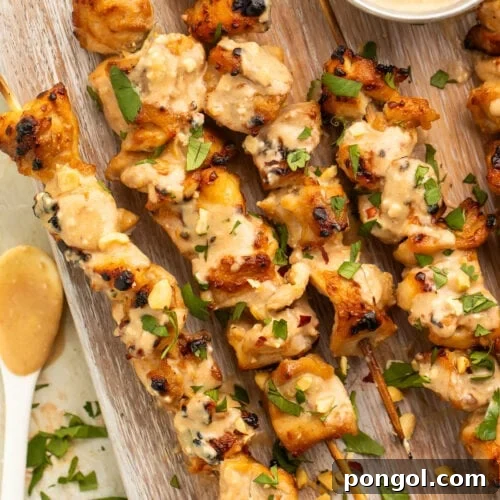
After resting, transfer the chicken skewers to a beautiful serving platter or individual plates. Garnish with a sprinkle of chopped fresh cilantro and serve immediately with the reserved chilled peanut sauce for dipping. Enjoy your homemade, restaurant-worthy chicken satay!
Important Recipe Notes & Substitutions
- Choosing Your Peanut Butter: For the best results in your peanut sauce, we highly recommend using a creamy peanut butter that contains only peanuts, or peanuts and a touch of salt. Peanut butters with added sugars, oils, or other ingredients can significantly alter the intended flavor profile and consistency of your satay sauce. Natural, unsweetened varieties are ideal.
- Coconut Milk Matters: It’s crucial to use unsweetened, full-fat coconut milk from a can for this recipe, not the carton varieties often found in the refrigerated section. Carton coconut milk is typically much thinner and contains more water, which will result in a runny and less flavorful sauce. Sweetened coconut milk, as the name suggests, will make your peanut sauce overly sweet and imbalance the savory and spicy notes.
- Storing Leftovers: Any leftover chicken satay should be transferred to an airtight container and refrigerated promptly. It will remain delicious for up to 3 days. Store any leftover peanut sauce in a separate airtight container in the refrigerator for up to 4 days. Always ensure proper food safety guidelines are followed.
- Reheating Instructions: To enjoy your leftover chicken satay, allow the skewers to come to room temperature for about 15-20 minutes. Then, preheat your oven to 350° Fahrenheit (175°C) and reheat the chicken until it is thoroughly warmed through, typically for 10-15 minutes, depending on the thickness of the chicken. Avoid microwaving if possible, as it can make the chicken tough.
- Spice Level Adjustment: The amount of red pepper flakes can be adjusted to your personal preference. For a milder satay, reduce the quantity or omit entirely. For those who love a fiery kick, feel free to increase it!
- Fish Sauce Alternative: If fish sauce is not available or you have dietary restrictions, low-sodium soy sauce can be used as a substitute to provide a similar umami depth, though the flavor profile will be slightly different.
Approximate Nutritional Information for One Serving
Serving Size:
1
serving with peanut sauce
Calories:
400
cal
Protein:
36
g
Fat:
26
g
Saturated Fat:
11
g
Trans Fat:
0.03
g
Cholesterol:
144
mg
Sodium:
652
mg
Potassium:
661
mg
Total Carbs:
7
g
Fiber:
3
g
Sugar:
3
g
Net Carbs:
4
g
Vitamin A:
89
IU
Vitamin C:
3
mg
Calcium:
46
mg
Iron:
3
mg
Nutrition Disclaimers
The number of total servings shown is an approximation. The actual number of servings may vary depending on your preferred portion sizes and how the chicken is cut.
Nutritional values provided are general guidelines only and reflect information for one serving using the specific ingredients listed, excluding any optional garnishes or side dishes. Actual macronutrient counts may fluctuate slightly based on the particular brands and types of ingredients you use.
To accurately determine the weight of one serving, prepare the recipe according to the instructions. Once finished, weigh the entire prepared dish (excluding the weight of its container) and divide this total weight by your desired number of servings. The result will be the precise weight of a single serving.
Did You Make This Delicious Recipe?
We’d love to see your culinary creations! Tag @40aprons on Instagram and be sure to leave a review right here on the blog post to share your experience with other home cooks!
Tag @40Aprons on Instagram