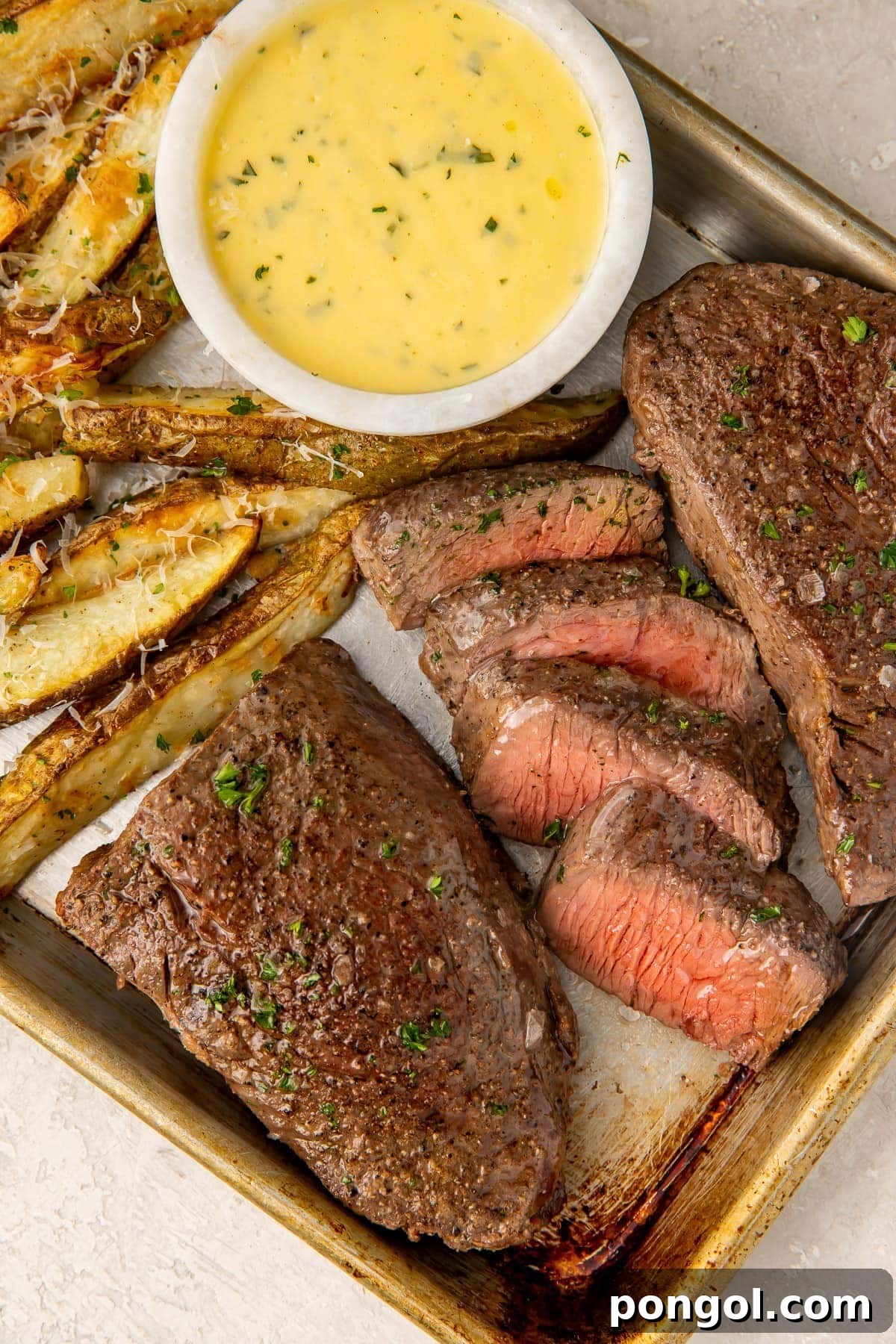
Effortless Elegance: Sheet Pan Steak and Fries with Luxurious Microwave Bearnaise Sauce
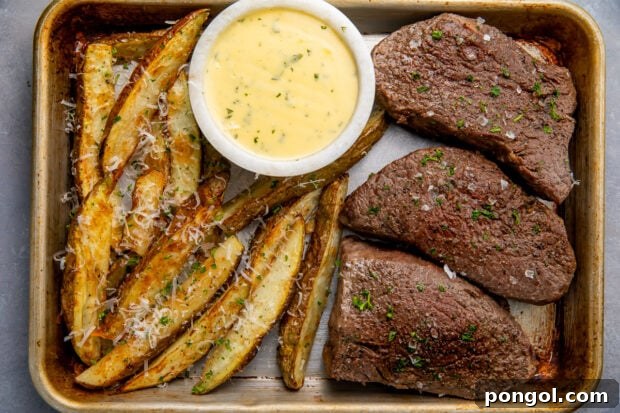
Imagine a perfectly cooked, tender medium-rare steak, accompanied by a generous portion of golden, crispy fries, all crowned with a rich, buttery, and incredibly lush bearnaise sauce. Now, picture achieving this bistro-worthy meal not through complex techniques or multiple pots and pans, but effortlessly on a single sheet pan! This is the magic of our sheet pan steak and fries recipe, an easy dinner solution that brings gourmet flavors to your table with minimal fuss. And yes, that exquisite bearnaise sauce? We’re making it easily in your microwave!
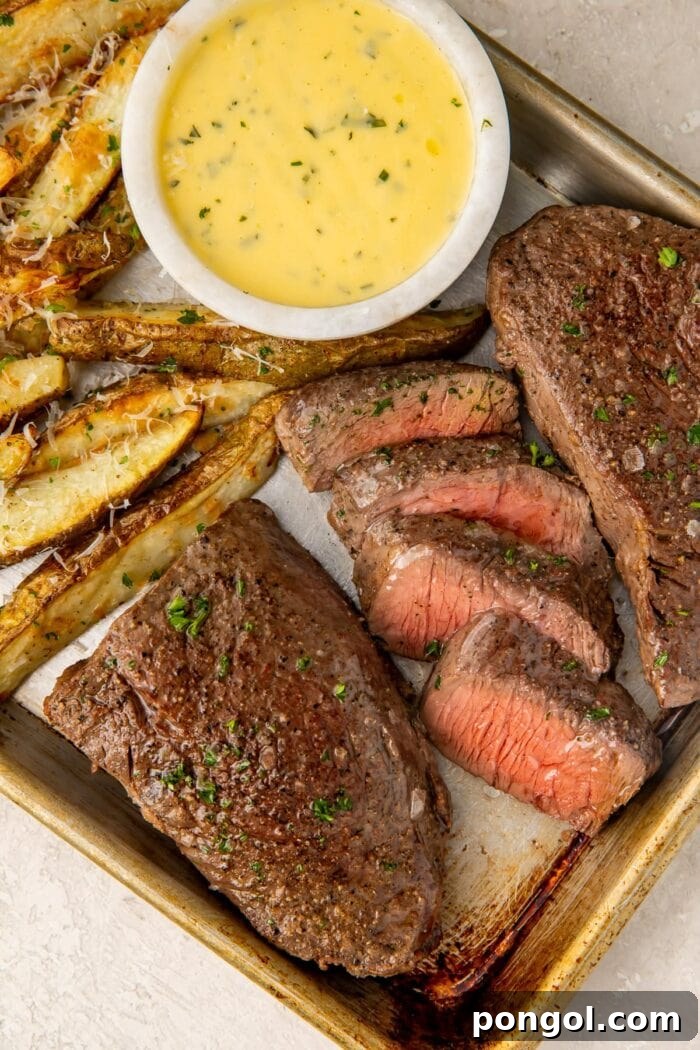
Why This Sheet Pan Steak & Fries Recipe is Your New Weeknight Hero
We all crave those indulgent, restaurant-quality meals, but often the thought of elaborate cooking and daunting cleanup holds us back. This recipe dismantles those barriers, offering a streamlined approach to a classic pairing. Here’s what makes this dish an absolute game-changer in your kitchen:
- Unbeatable Convenience: One Pan, Zero Fuss. The most compelling feature of this recipe is its ingenious use of a single sheet pan. Both your steak and fries cook simultaneously in the oven, meaning less time monitoring individual components and significantly less cleanup afterward. Say goodbye to stacks of dirty dishes and hello to more time enjoying your meal.
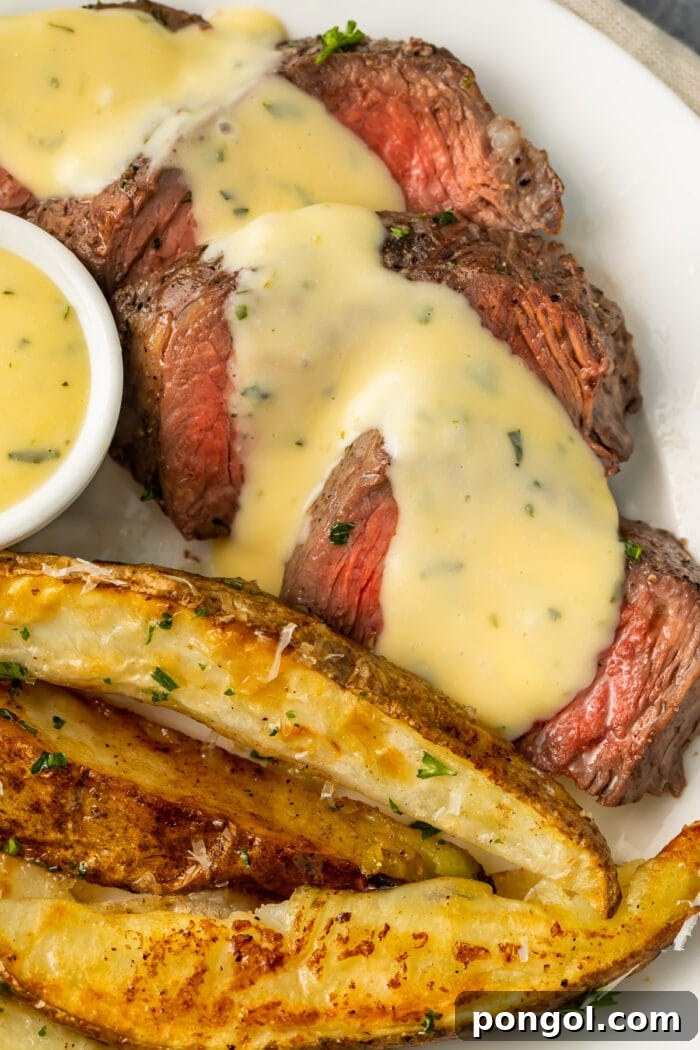
- Gourmet Sauce, Microwave Speed. Bearnaise sauce, often considered a culinary challenge, becomes incredibly accessible with our microwave method. This rich, creamy, and herbaceous emulsion traditionally demands meticulous whisking over a double boiler. Our adaptation achieves the same luxurious texture and profound flavor in mere minutes, simplifying what many perceive as the most intimidating part of the dish.
- Simple, Yet Stunning Steak. Forget complicated searing, sous vide baths, or reverse searing techniques. This recipe utilizes your broiler to achieve a beautifully seared exterior and a perfectly cooked interior. With just a few simple steps—seasoning and broiling—you’ll create a tender, juicy steak that rivals your favorite steakhouse. It’s proof that you don’t need fancy methods for fantastic results.
- Restaurant Quality at Home. Despite its simplicity, this sheet pan dinner delivers a truly elevated dining experience. The combination of perfectly cooked steak, golden-crisp fries, and a velvety bearnaise sauce creates a harmonious blend of textures and flavors that will impress even the most discerning palates. It’s the perfect way to treat yourself to a special meal any night of the week.
Essential Ingredients for Bistro Perfection
Crafting this delightful meal begins with selecting quality ingredients. While the cooking method is simple, the flavor truly shines when you start with the best components.
Choosing the Right Steak
The beauty of this recipe lies in its flexibility when it comes to steak cuts. While nearly any steak will work, I personally recommend using cuts like sirloin, New York strip, or rib eyes. These cuts offer a great balance of flavor, tenderness, and marbling, which contributes to a rich and juicy final product. Aim for steaks that are approximately 1 to 1.5 inches thick. This thickness allows for a good sear under the broiler while maintaining a tender, medium-rare interior. If your steaks are thinner or thicker, don’t worry—you can easily adjust the cooking times, as detailed in the recipe notes below, to achieve your desired doneness. Always ensure your steaks are at room temperature before cooking for the most even results.
Crafting Perfect Fries
For truly delicious, crispy fries, the choice of potato is paramount. Russet potatoes are my top recommendation. Their high starch content and low moisture make them ideal for achieving that coveted fluffy interior and irresistibly crispy exterior. Cut your russets into uniform wedges, ensuring even cooking. Before hitting the pan, a light coating of neutral oil and a good sprinkle of salt are all they need. For an extra touch of gourmet flavor, consider topping the hot potato wedges with a sprinkle of grated Parmesan cheese and fresh parsley immediately after they come out of the oven. The cheese will melt slightly, creating a savory coating that perfectly complements the salty, earthy potatoes and fragrant parsley. It’s a simple addition that elevates the entire dish.
The Magic of Microwave Bearnaise Sauce
Bearnaise sauce is a classic French emulsion, renowned for its rich, buttery, and tangy flavor profile, often enhanced by the distinct notes of tarragon. Our microwave version simplifies the process without compromising on taste or texture. You’ll need:
- Butter: The foundation of any great bearnaise, providing richness and body. Using quality unsalted butter allows you to control the seasoning.
- Egg Yolks: Essential for emulsification, creating that thick, creamy consistency. Fresh egg yolks are best, but carton egg yolks can also be used for convenience.
- Heavy Cream: Adds to the sauce’s luxurious mouthfeel and helps stabilize the emulsion.
- Red Wine Vinegar: Provides the characteristic tang and acidity that balances the richness of the butter and yolks.
- Fresh Tarragon: The star herb of bearnaise, delivering a unique anise-like flavor that is unmistakable. Fresh is always preferred, but dried can be used in a pinch.
- Salt: To enhance all the flavors and bring the sauce to life.
Understanding the role of each ingredient will help you appreciate how quickly and effectively these simple components transform into a sophisticated sauce right in your microwave.
Chef’s Pro Tips for Success
While this recipe is designed for simplicity, a few expert tips can elevate your sheet pan steak and fries from good to truly extraordinary. Pay attention to these details for a flawless meal every time.
Mastering Your Broiler
The broiler is your secret weapon for achieving a beautifully seared steak and crispy fries on a sheet pan. Unlike conventional oven baking, broiling uses intense, direct heat from above, mimicking a grill or a hot pan. Here’s how to use it effectively:
- Preheat Thoroughly: Always preheat your broiler to high for at least 10-15 minutes before cooking. This ensures the heating element is scorching hot, creating an immediate crust on your steak and fries.
- Optimal Rack Position: For best results, position your oven rack about 8-10 inches below the broiler element. This distance allows the heat to penetrate evenly without burning the exterior too quickly. Too close, and you risk charring; too far, and you won’t get that desired crispy finish.
- Monitor Closely: Broilers can be very powerful, and cooking times can vary significantly between ovens. Stay vigilant! Check your food frequently, especially during the last few minutes, to prevent overcooking or burning.
- Flip Midway: Flipping both the steak and fries midway through cooking is crucial. This ensures even cooking and browning on all sides, leading to a perfectly seared steak and uniformly crispy fries.
Achieving Perfect Microwave Bearnaise
Making bearnaise in the microwave is surprisingly simple, but a few pointers will guarantee a smooth, emulsified sauce rather than a broken one:
- Separate Eggs Carefully: Bearnaise typically uses only egg yolks. If separating them yourself, do so carefully to avoid any whites, which can affect the sauce’s texture. Alternatively, many stores offer pre-separated egg yolks in cartons for ultimate convenience. (Don’t waste those whites! They’re great for meringues or omelets. Find inspiration with 20 Egg White Recipes).
- Gradual Heating & Frequent Stirring: The key to microwave bearnaise is gentle, controlled heating with consistent stirring. Melt the butter first, then whisk in the egg yolks, cream, and tarragon. Microwave the mixture in short bursts (e.g., 20-second intervals), stirring vigorously after each interval. This gradual heating and constant agitation prevent the eggs from scrambling and help create a stable emulsion. Stop as soon as it slightly thickens – overcooking will cause it to break.
- Don’t Overcook: As soon as the sauce coats the back of a spoon, it’s done. If it looks like it’s starting to curdle or separate, you’ve gone too far. It should be thick and glossy, not lumpy.
- Stovetop Alternative: If you prefer a traditional method or don’t have a microwave, you can absolutely make bearnaise on the stovetop using a double boiler. Follow our classic bearnaise sauce recipe for detailed instructions.
- Keep it Warm: Bearnaise is best served warm. If you make it ahead of time, store it in an insulated container (like a thermal cup) to maintain its temperature without letting it cool and solidify.
Essential Steak Resting Techniques
Resting your steak is not an optional step; it’s critical for a juicy, tender result. When meat cooks, its muscle fibers contract, pushing the juices to the center. Cutting into it immediately causes those precious juices to spill out onto your cutting board, leaving you with dry meat. Resting allows the fibers to relax and redistribute the juices throughout the steak.
- Timing is Key: For a 1-1.5 inch thick steak, a 5-minute rest is usually sufficient.
- Monitor Internal Temperature: Remember that steak continues to cook even after it’s removed from the heat (this is called carryover cooking). Always take your steak out of the oven slightly before it reaches your desired final internal temperature. For example, if you’re aiming for medium (140°-145°F), remove it when it hits 130°F. It will rise to the perfect temperature while resting on the cutting board. Use a reliable meat thermometer for accuracy.
Recipe Variations & Serving Suggestions
While this recipe is fantastic as is, don’t hesitate to experiment and make it your own. Here are some ideas to inspire your culinary creativity:
Flavorful Steak Marinades & Rubs
Want to infuse even more flavor into your steak? Consider a quick marinade or a savory rub. For a marinade, combine olive oil, minced garlic, a splash of soy sauce or Worcestershire, fresh rosemary or thyme, and a touch of red wine vinegar. Marinate for at least 30 minutes, or up to a few hours. For a dry rub, mix smoked paprika, garlic powder, onion powder, a pinch of cayenne, and black pepper, then generously coat your steaks before broiling.
Creative Fry Alternatives
If you’re looking to mix things up or cater to different dietary preferences, consider these alternatives to classic russet fries:
- Sweet Potato Fries: For a touch of sweetness and vibrant color, sweet potato wedges work beautifully on a sheet pan. Adjust cooking times slightly as they tend to cook faster.
- Keto-Friendly Options: If you’re following a low-carb diet, swap the russets for rutabaga fries, zucchini fries, or even cauliflower tots. These alternatives pair wonderfully with the rich steak and bearnaise. (The steak and bearnaise sauce alone are roughly 2g total carbs, 1g net, and 48g fat per serving).
- Herbed Fries: Toss your potato wedges with fresh rosemary, thyme, or oregano along with the oil and salt for an aromatic twist.
Complementary Sides & Pairings
To round out your bistro-at-home experience, consider these simple additions:
- Green Salad: A simple mixed green salad with a light vinaigrette provides a refreshing counterpoint to the richness of the steak and sauce.
- Roasted Asparagus or Green Beans: These vegetables can often be roasted on a separate part of the sheet pan or in the oven during the steak’s resting period.
- Wine Pairing: A robust red wine like Cabernet Sauvignon, Merlot, or a Syrah would beautifully complement the steak. For the bearnaise, a crisp Sauvignon Blanc or a dry rosé could also be a delightful choice.
Frequently Asked Questions (FAQ)
- Can I prepare the bearnaise sauce ahead of time?
- Yes, you can make the bearnaise sauce in advance. Store it in an insulated container (like a Yeti cup) to keep it warm, or gently reheat it over a double boiler if it has cooled and thickened too much. Avoid reheating in the microwave once it’s completely cooled, as it may break the emulsion.
- What if my steak is thinner or thicker than 1-1.5 inches?
- The cooking times provided are for 1-1.5 inch thick steaks. If your steak is thinner, reduce the cooking time by 1-2 minutes per side. If it’s thicker, you might need an additional 1-2 minutes per side. Always rely on an internal meat thermometer to achieve your desired doneness.
- My bearnaise sauce broke. Can I fix it?
- If your bearnaise sauce breaks (separates), don’t despair! Whisk one fresh egg yolk in a clean bowl. Gradually add the broken sauce to the fresh egg yolk, whisking constantly, until the emulsion comes back together. This often helps to re-emulsify the sauce.
- Can I make this recipe for more or fewer servings?
- Absolutely! This recipe is easily scalable. For more servings, simply use additional sheet pans to avoid overcrowding, which can lead to steaming rather than searing and crisping. For fewer, adjust ingredient quantities accordingly.
Other Delicious & Easy Recipes You’ll Love
- Easy Sheet Pan Chicken Sausage
- Best Sheet Pan Fajitas with Steak (Low Carb, Whole30, Paleo)
- One-Pot Chicken Pesto Pasta
- The Best Instant Pot Chicken Tikka Masala
- Sausage in the Air Fryer
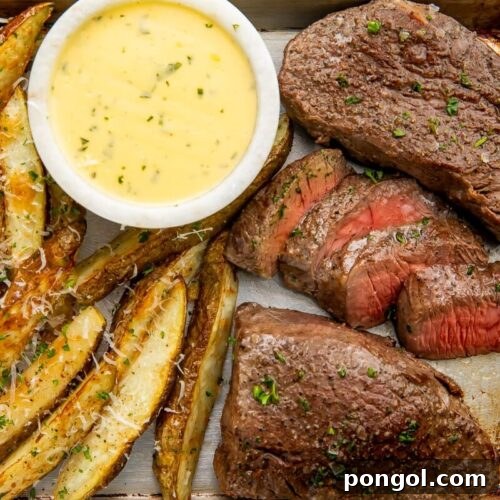
Sheet Pan Steak and Fries (with Microwave Bearnaise Sauce)
Recipe By: Cheryl Malik
Prep Time: 15 minutes
Cook Time: 30 minutes
Total Time: 45 minutes
Tender medium-rare steak, a side of crispy, salty fries, and plenty of lush bearnaise sauce to top it off… all made on a sheet pan! This easy sheet pan dinner recipe is magical, down to the gourmet bearnaise sauce made easily in the microwave (Yep!), and it’s such an easy way to have bistro-worthy steak and fries anytime you like.
Equipment
- Microwave-safe bowl
- Small bowl
- Whisk
- Oven with broiler
- Baking sheet
- Tongs
- Cutting board
Ingredients (Serves 4)
For the Bearnaise Sauce
- ½ cup butter (1 stick, cut into 4 pieces)
- 4 large egg yolks
- ¼ cup heavy cream or whipping cream
- 1 tablespoon red wine vinegar
- ½ tablespoon fresh tarragon (chopped, or ½ teaspoon dried)
- 1 pinch salt
For the Steaks
- 4 steaks (about 1-1 ½” thick, see Notes below for recommended cuts)
- 2 teaspoons salt (more or less to taste)
- 1 teaspoon black pepper (more or less to taste)
For the Fries
- 2 large russet potatoes (or 3 medium, cut into 8 wedges per potato)
- ½ teaspoon salt (more or less to taste)
- 1 tablespoon neutral oil
- ¼ cup grated Parmesan (optional but recommended)
- 1 tablespoon fresh parsley (chopped, optional, for garnish)
Instructions
- Remove steak from refrigerator. Ideally, let steak come to room temperature before starting.
For the Bearnaise Sauce
- Note: You can make the bearnaise sauce first and store it, covered, in an insulated cup (like a Yeti cup) to keep warm, or you can make it while the steaks are cooking.
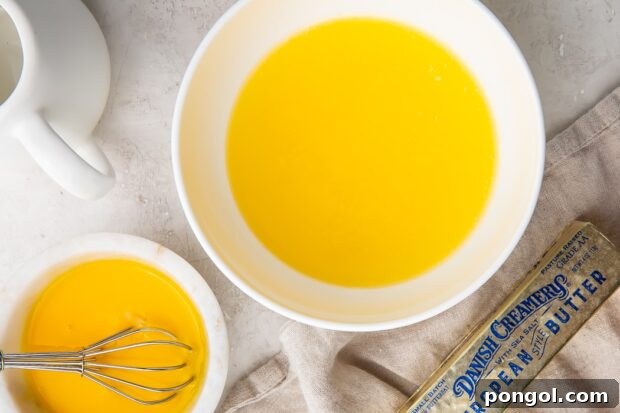
- Place butter in 1-quart glass measuring cup or microwave-safe bowl. Microwave, covered with a paper towel, on high until almost melted, approximately 45 seconds to 1 minute. Remove butter from microwave and stir until completely melted.

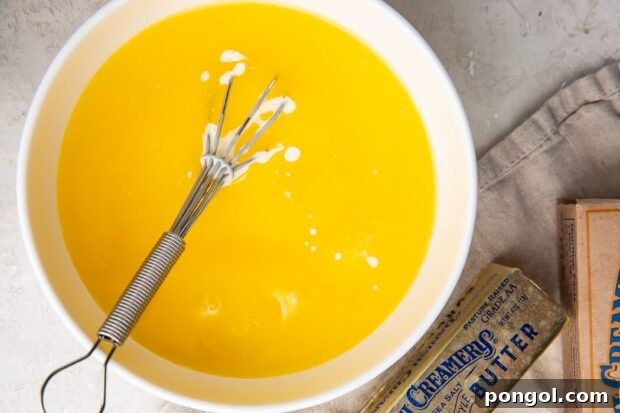
- If eggs are not already separated, separate them now. Place yolks in one small bowl and set aside egg whites for another purpose. Beat yolks well with whisk or fork, then add to butter and stir well.
- Add cream and tarragon to egg mixture. Stir well.
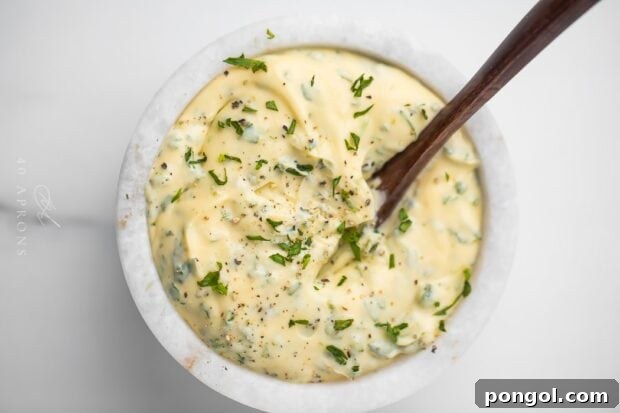
- Microwave mixture, uncovered, on high until just slightly thick, approximately 1 to 2 minutes. Stop every 20 seconds to stir mixture with fork. Do NOT continue microwaving after mixture has thickened – it will break.
- Remove sauce from microwave. Stir in vinegar and salt.
- Keep in insulated container until ready to serve.
For the Steak and Fries
- Preheat broiler to high.
- Liberally season steaks on all sides with salt and pepper.
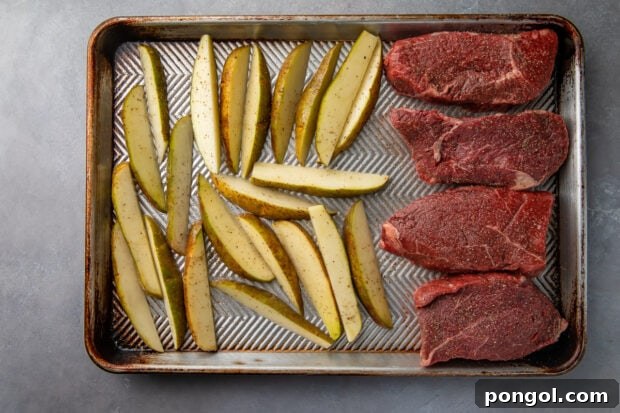
- Spread potato wedges on sheet pan. Cover with oil and salt, tossing to coat wedges completely.
- Move wedges to one end of pan, careful not to overlap. Place seasoned steaks on other half of pan.
- Place sheet pan under broiler, approximately 10″ beneath heating element.
- Cook until steak reaches desired temperature – see Notes below for recommended cook times. Midway through cook time, remove pan and flip steaks and potatoes. Return to broiler for remaining time.
- When desired steak temperature is reached, remove steaks from pan and place on cutting board. Let rest for 5 minutes.
- While steak rests, gently tilt pan and drain any excess liquid from steaks. Add a little oil back to the pan as needed. Spread fries out across pan and return to broiler.
- Keep an eye on fries, letting them cook until just browned on all sides, approximately 5 minutes. Remove from oven and immediately top with ¼ cup grated Parmesan and fresh parsley.
- Divide fries evenly onto 4 plates. Serve with 1 steak per person and bearnaise sauce on top of steak or on the side.
Notes
- Steak: Use whichever type of steak you prefer. I like to use sirloin, New York strip, or ribeye steaks.
- Make it Keto: All the carbs in this meal are in the fries. Instead of potato fries, serve your steak and bearnaise with rutabaga fries, zucchini fries, or cauliflower tots. Alternately, skip the side. The steak and bearnaise sauce without a side come out to roughly 2g carbs total (1g net) and 48g fat.
Cook Times
- For thick steaks, 1-inch or thicker:
- Medium Rare: 6 to 7 minutes per side (12 to 14 minutes total)
- Medium: 7 to 8 minutes per side (14 to 16 minutes total)
- For thinner steaks:
- Medium Rare: 5 to 6 minutes per side (10 to 12 minutes total)
- Medium: 6 to 7 minutes per side (12 to 14 minutes total)
Recipe yields 4 steak and fries meals, and approximately 6 servings of bearnaise sauce. Nutritional values shown reflect information for one meal. Macros may vary slightly based on specific brands or types of ingredients used.
To determine the size of one serving of bearnaise sauce, prepare the recipe as instructed, then weigh the sauce when finished. Divide the total weight (not including the weight of the container the food is in) by 6. Result will be the weight of one serving.
Approximate Information for One Serving
Serving Size: 1 serving
Calories: 855 cal
Protein: 54 g
Fat: 56 g
Saturated Fat: 26 g
Trans Fat: 1 g
Cholesterol: 325 mg
Sodium: 1798 mg
Potassium: 1448 mg
Total Carbs: 35 g
Fiber: 3 g
Sugar: 1 g
Net Carbs: 32 g
Vitamin A: 892 IU
Vitamin C: 12 mg
Calcium: 150 mg
Iron: 6 mg
Nutrition Disclaimers
Number of total servings shown is approximate. Actual number of servings will depend on your preferred portion sizes.
Nutritional values shown are general guidelines and reflect information for 1 serving using the ingredients listed, not including any optional ingredients. Actual macros may vary slightly depending on specific brands and types of ingredients used.
To determine the weight of one serving, prepare the recipe as instructed. Weigh the finished recipe, then divide the weight of the finished recipe (not including the weight of the container the food is in) by the desired number of servings. Result will be the weight of one serving.
Did You Make This Recipe?
Tag @40aprons on Instagram and be sure to leave a review on the blog post!
Tag @40Aprons on Instagram