In an increasingly complex world, maintaining a robust immune system has never been more critical. Our immune system acts as our body’s primary defense mechanism, a sophisticated network tirelessly working to protect us from pathogens, illnesses, and environmental stressors. Whether you’re aiming to fortify your defenses against common ailments or seeking to enhance overall wellness, understanding how to naturally support your immune health is an empowering step towards a healthier life. This comprehensive guide delves into eleven powerful herbs, supplements, and foods, each offering unique benefits to help optimize your body’s protective capabilities. From ancient adaptogens to everyday kitchen staples, we explore natural strategies to keep your immune system functioning at its peak, promoting vitality and resilience year-round.
1. Adaptogens: Stress Resilience for Immune Strength
Adaptogens are a unique class of natural substances, primarily herbs, that have been revered in traditional medicine for thousands of years for their remarkable ability to help the body “adapt” to various stressors—be they physical, chemical, or biological. Unlike conventional stimulants or relaxants, adaptogens work by normalizing physiological functions, bringing the body back into a state of balance, or homeostasis. This balancing act is crucial for immune health, as chronic stress is a well-known suppressor of the immune system.
Numerous scientific studies, such as those published in reputable journals, have demonstrated adaptogens’ significant role in supporting immunity. By mitigating the detrimental effects of stress, adaptogens indirectly bolster immune function, allowing the body’s defense mechanisms to operate more efficiently. Their benefits extend far beyond just immunity, encompassing improved stress response, enhanced sleep quality, increased energy levels, and overall cognitive and physical well-being. They help regulate hormones, support adrenal function, and enhance cellular resilience, creating a more harmonious internal environment.
Among the vast array of adaptogens, several stand out for their profound effects on both mind and body. Astragalus, for instance, is highly regarded for its immune-modulating properties and ability to protect against various infections. Ginseng, particularly Panax ginseng, is celebrated for its invigorating effects and its capacity to enhance physical stamina and resistance to disease. Cordyceps, a unique fungus, is known for boosting energy, improving respiratory health, and strengthening immune cells. Rhodiola Rosea is often used to combat fatigue, improve mental clarity, and enhance the body’s resilience to stress. Incorporating these powerful botanicals into your routine can provide a holistic approach to maintaining peak health and a resilient immune system.
2. AHCC: Mushroom Power for Advanced Immune Support
AHCC, or Active Hexose Correlated Compound, is a potent functional food derived from the mycelia (root structures) of specific basidiomycetes mushrooms, including the widely recognized shiitake mushroom. This proprietary extract is distinguished by its rich composition of alpha-glucans, unique polysaccharides that are believed to be key to its immune-enhancing capabilities. Unlike many other mushroom extracts, AHCC undergoes a specialized cultivation process, resulting in a low molecular weight compound that is thought to be more readily absorbed and utilized by the body.
The primary mechanism by which AHCC is believed to operate is through its capacity to modulate and optimize the immune system. It has been studied for its potential to boost the body’s defense against various pathogens, including viruses, and to support immune function, particularly in individuals facing compromised immunity. Remarkably, preliminary research also suggests AHCC may help alleviate some of the challenging side effects associated with conventional treatments like chemotherapy, improving the quality of life for patients undergoing such intensive therapies.
While the body of research on AHCC is continuously growing, existing studies offer promising insights. One notable study highlighted that individuals supplementing with AHCC exhibited a greater quantity and activity of dendritic cells. Dendritic cells are critical components of the innate immune system, acting as “messengers” that present antigens to T-cells, thereby initiating a specific and robust immune response. By enhancing the activity of these crucial immune cells, AHCC may empower the body to more effectively recognize and combat foreign invaders, making it a valuable addition to an immune-boosting regimen.
3. Apple Cider Vinegar: Gut Health and Beyond
Apple cider vinegar (ACV) has garnered significant attention in the wellness community, and for good reason. Beyond its culinary uses, this fermented apple product is a treasure trove of health benefits, particularly when it comes to supporting a healthy immune system. At its core, unpasteurized apple cider vinegar contains beneficial bacteria and yeast, which act as natural probiotics. Probiotics are live microorganisms that, when consumed in adequate amounts, confer a health benefit on the host, primarily by contributing to a balanced gut microbiome.
The link between gut health and immune function is profound and increasingly recognized. A significant portion of our immune system resides in the gut, making a healthy digestive tract paramount for robust immunity. Studies have consistently shown that maintaining a diverse and thriving gut microbiome through probiotics can significantly boost the immune system, enhancing its ability to ward off infections and reduce inflammatory responses.
Furthermore, ACV can be particularly helpful during periods of illness. Its acidic properties can assist in thinning mucus in the throat and nasal passages, potentially alleviating congestion and soothing sore throats often associated with the common cold. Some anecdotal evidence and traditional uses suggest it may even help shorten the duration of cold symptoms. Another vital benefit of apple cider vinegar lies in its ability to support healthy blood sugar levels. High blood sugar has been shown to impair the body’s ability to effectively fight off infection, making blood sugar regulation a crucial aspect of immune defense. By helping to stabilize glucose levels, ACV indirectly contributes to a more resilient immune response.
4. Andrographis: The “Indian Echinacea”
Andrographis paniculata, often referred to as “Indian Echinacea,” boasts a rich history of use in both Ayurvedic and Traditional Chinese Medicine, where it has been a staple for centuries in treating various ailments, particularly those affecting the respiratory system. This powerful herb is celebrated for its distinctive bitter taste, which is indicative of its potent medicinal properties.
Its comparison to Echinacea is well-founded, as both herbs are highly regarded for their immune-boosting capabilities. Andrographis has been shown in numerous studies to effectively alleviate symptoms of the common cold and flu. Some research even suggests that Andrographis may offer superior efficacy compared to Echinacea in certain aspects of cold and flu relief, making it a valuable alternative or complementary treatment.
The therapeutic power of Andrographis stems from its primary active compounds, known as andrographolides. These compounds are responsible for the herb’s significant anti-inflammatory and antimicrobial properties. Its anti-inflammatory action helps to reduce the swelling and irritation often associated with respiratory infections, providing symptom relief. The antimicrobial properties allow it to directly combat bacteria and viruses, thereby helping the body fight off invaders. What makes Andrographis particularly compelling is its potential to prevent illnesses before they fully manifest. By supporting the immune system and acting as a barrier against pathogens, it can help bolster the body’s defenses, potentially reducing the likelihood of developing full-blown infections. This preventative aspect, combined with its ability to aid recovery, makes Andrographis a powerful ally in maintaining immune resilience.
5. Echinacea: A Trusted Cold and Flu Fighter
Echinacea, a genus of flowering plants in the daisy family, has long been a cornerstone of herbal medicine, particularly in North America, where it was traditionally used by Native Americans for centuries. Today, it remains one of the most widely recognized and frequently used herbs for preventing and treating the common cold and flu, making it perhaps the most familiar name on our list for many individuals seeking natural immune support.
The remarkable immune-boosting properties of Echinacea are attributed to its complex composition of active compounds, including alkylamides, caffeic acid derivatives, and polysaccharides. These compounds work synergistically to provide both antimicrobial and antiviral effects, directly targeting the pathogens responsible for respiratory illnesses. Echinacea is believed to stimulate the activity of various immune cells, such as macrophages and natural killer cells, which are crucial for identifying and destroying invading viruses and bacteria.
Scientific investigations have consistently supported Echinacea’s role in immune health. For example, some comprehensive studies have demonstrated that taking Echinacea can significantly shorten the duration of the common cold, often by more than a full day, leading to quicker recovery and reduced severity of symptoms. Furthermore, other research indicates its potential to help prevent respiratory illnesses altogether, particularly during peak cold and flu seasons. By enhancing the body’s innate immune response, Echinacea acts as a proactive defense, helping to build resilience against common infections. Whether consumed as a tea, tincture, or supplement, Echinacea continues to be a trusted botanical for those looking to support their immune system naturally.
6. Elderberry: Nature’s Antiviral Powerhouse
Elderberry, derived from the dark purple berries of the Sambucus nigra tree, stands out as an exceptional herb revered for its powerful immune-boosting capabilities, especially potent during times when your immune system needs it most. This ancient remedy has been utilized for centuries in folk medicine across Europe, North Africa, and parts of Asia, primarily for its efficacy in combating colds, flu, and other respiratory ailments.
The incredible benefits of elderberry are largely attributed to its rich content of anthocyanins, flavonoids, and other polyphenols, which are powerful antioxidants. These compounds not only protect cells from damage caused by free radicals but also play a direct role in enhancing immune function. Elderberry is particularly noted for its significant antiviral effects, which are thought to stem from its ability to inhibit viruses from replicating and attaching to host cells.
The scientific community has increasingly recognized elderberry’s efficacy. A compelling study involving individuals with flu symptoms revealed that those who consumed elderberry extract experienced symptom relief a full four days earlier than participants who were given a placebo. This remarkable finding underscores elderberry’s potential to significantly shorten the duration and severity of influenza. Further research has corroborated these observations, suggesting that elderberry may directly possess potent antiviral effects, making it an invaluable natural intervention for seasonal illnesses. Incorporating elderberry, often found in syrup, gummy, or capsule form, can provide a delicious and effective way to fortify your immune system and accelerate recovery when you’re feeling under the weather.
7. Garlic: The Pungent Protector
Garlic, a culinary staple and ancient medicinal herb, is far more than just a flavor enhancer; it’s a potent ally for the immune system. For millennia, various cultures have prized garlic for its therapeutic properties, using it to ward off illnesses and promote general health. Its distinctive pungent aroma and powerful health benefits are primarily due to sulfur-containing compounds, most notably allicin, which is released when garlic is crushed, chopped, or chewed.
Allicin and other sulfur compounds in garlic have been shown to stimulate and enhance the activity of various white blood cells, such as macrophages, lymphocytes, and natural killer cells. These immune cells are the frontline defenders responsible for identifying and neutralizing viruses, bacteria, and other foreign invaders. By boosting their response, garlic helps the body mount a more effective defense against infections like the flu or common cold.
Clinical studies have provided compelling evidence of garlic’s efficacy. Research indicates that regular consumption of garlic can significantly reduce the severity of virus symptoms and shorten the duration of illness. Moreover, its prophylactic effects are equally impressive, with some studies suggesting that garlic can even help prevent you from getting sick in the first place, particularly during cold and flu season. Beyond its direct impact on immune cells, garlic also possesses broad-spectrum antimicrobial, antiviral, and antifungal properties, making it a versatile natural remedy. To maximize its immune-boosting potential, it’s often recommended to consume fresh, raw garlic, allowing allicin to form and exert its powerful effects before being cooked away. Whether incorporated into your daily meals or taken as a supplement, garlic offers a simple yet incredibly effective way to support a resilient immune system.
8. Ginger: The Warming Anti-Inflammatory
Ginger, with its distinctive spicy aroma and zesty flavor, is a globally celebrated spice and a powerhouse of medicinal properties. Esteemed in traditional medicine systems like Ayurveda and Traditional Chinese Medicine for thousands of years, ginger continues to be a go-to remedy for a myriad of health concerns, including its profound ability to bolster the immune system. Its active compounds, particularly gingerols, shogaols, and paradols, are responsible for its extensive therapeutic effects.
One of ginger’s most significant contributions to immune health stems from its potent antioxidant and anti-inflammatory properties. Chronic inflammation is a silent enemy of the immune system, constantly taxing its resources and making the body more vulnerable to infections. By actively reducing inflammation throughout the body, ginger helps to free up the immune system’s capacity, allowing it to focus on fighting off pathogens more effectively. Its antioxidant compounds also scavenge harmful free radicals, protecting cells from oxidative damage and supporting overall cellular health.
Beyond its anti-inflammatory and antioxidant roles, ginger is also widely recognized for its antiviral and antibacterial properties. These attributes make it an excellent natural defense against various types of infections, helping to inhibit the growth of harmful microorganisms. Furthermore, ginger is renowned for its ability to soothe an upset stomach and aid digestion, a crucial bonus for immune health, as a significant portion of our immune system resides in the gut. A healthy digestive system ensures optimal nutrient absorption, which is vital for maintaining robust immunity. Whether enjoyed as a warming tea, grated fresh into meals, or taken as a supplement, integrating ginger into your diet provides a delicious and multifaceted approach to enhancing immune function and overall well-being.
9. Honey: Sweetness with Serious Immune Benefits
Honey, nature’s golden elixir, is not just a delightful sweetener but a multifaceted natural remedy with an impressive array of health benefits that extend far beyond simply soothing a sore throat. Revered since ancient times across diverse cultures, honey offers a unique combination of compounds that actively contribute to immune system support and overall wellness.
One of honey’s most well-known applications is its efficacy in easing coughs and sore throats. Its thick, viscous consistency acts as a natural demulcent, coating the throat and providing immediate relief from irritation. Beyond this soothing effect, honey possesses natural antimicrobial properties, which can help combat the bacteria or viruses causing the infection. Research indicates that honey can be more effective than some over-the-counter cough suppressants for children, making it a popular natural alternative.
The immune-boosting power of honey also stems from its rich antioxidant content. These antioxidants work diligently to remove free radicals from the body, which are unstable molecules that can cause cellular damage and contribute to chronic diseases, thereby weakening the immune response. By neutralizing these free radicals, honey helps to protect immune cells and maintain their optimal function, leading to enhanced immunity. Furthermore, honey has been shown to activate an immune response to infection. It can stimulate the production of cytokines, which are signaling molecules that help regulate immunity and inflammation, essentially mobilizing the body’s defenses. Incorporating raw, unpasteurized honey into your diet can therefore be a simple yet effective way to not only enjoy its sweet taste but also harness its comprehensive health benefits for a more resilient immune system.
10. Turmeric: The Golden Anti-Inflammatory
Turmeric, often called “the golden spice,” has been a cornerstone of Ayurvedic and Traditional Chinese Medicine for thousands of years, cherished for its vibrant color and profound medicinal properties. While it’s a ubiquitous ingredient in curries and other culinary dishes, its role as a powerful immune system supporter, primarily through its anti-inflammatory effects, is what truly sets it apart.
The vast majority of turmeric’s therapeutic benefits are attributed to a group of active compounds called curcuminoids, with curcumin being the most prominent and extensively studied. Numerous studies have demonstrated that curcumin is a remarkably potent anti-inflammatory agent. Chronic inflammation, often unseen and unfelt, is a major contributor to a weakened immune system, as it places a constant burden on the body’s resources. By mitigating systemic inflammation, turmeric helps to alleviate this burden, allowing the immune system to allocate its full resources towards defending against pathogens.
Beyond its anti-inflammatory prowess, turmeric, through curcumin, also functions as a powerful antioxidant. Like honey, it can help boost immunity by actively destroying free radicals, thereby protecting immune cells from oxidative stress and maintaining their structural integrity and functional efficiency. Curcumin has also been shown to modulate the immune system by influencing various immune cells, including T cells, B cells, macrophages, and natural killer cells, enhancing their activity and responsiveness. To maximize the absorption of curcumin, which is naturally poorly absorbed, it’s often recommended to consume turmeric with black pepper (which contains piperine) and a source of healthy fats. Whether incorporated into your cooking, brewed as a tea, or taken as a high-quality supplement, turmeric offers a time-honored and scientifically supported pathway to enhanced immune health and overall vitality.
11. Vitamin C: The Essential Immune Nutrient
Vitamin C, also known as ascorbic acid, is arguably the most well-known and widely celebrated nutrient for immune system support. As an essential vitamin, it cannot be produced by the human body and must be obtained through diet or supplementation. Ensuring an adequate intake of Vitamin C is one of the simplest yet most effective strategies for maintaining a strong and responsive immune system, serving as a foundational pillar of immune health.
The crucial role of Vitamin C in immunity is multifaceted. It acts as a powerful antioxidant, protecting immune cells from damage caused by free radicals generated during the immune response. This protective action ensures that immune cells can function optimally without succumbing to oxidative stress. More directly, Vitamin C plays a vital role in producing and enhancing the function of a number of the body’s responses to illness. It is essential for the growth, development, and repair of all body tissues, including those involved in immune defense.
Specifically, Vitamin C is critical for stimulating the production and function of white blood cells, such as phagocytes and lymphocytes, which are integral for fighting off infections. Phagocytes engulf and digest pathogens, while lymphocytes orchestrate specific immune responses against viruses and bacteria. Vitamin C also helps to strengthen the skin barrier, the body’s first line of defense, and supports the integrity of mucous membranes in the respiratory and gastrointestinal tracts.
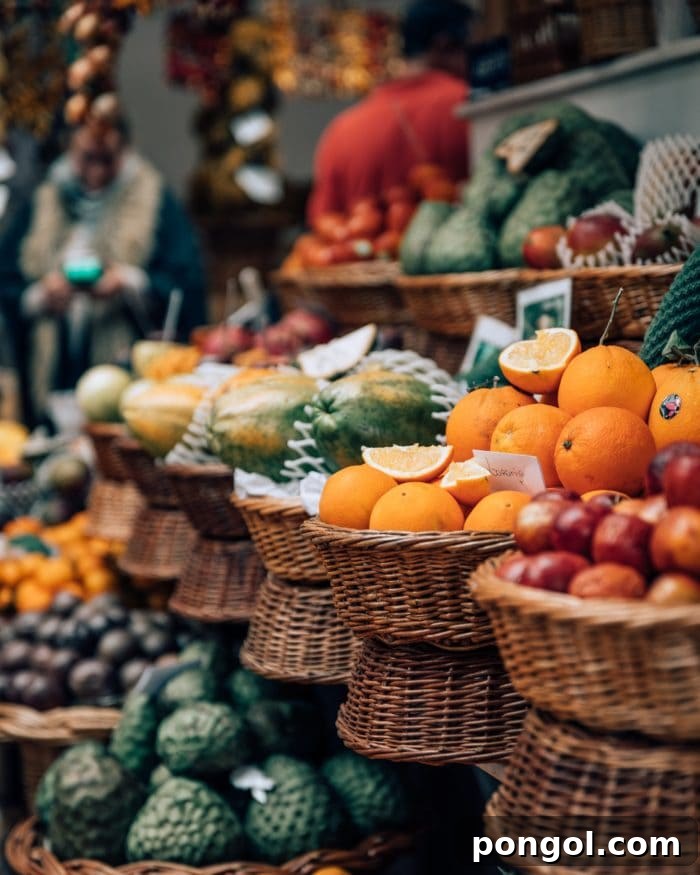
While supplements are a convenient option, Vitamin C is abundantly available in a wide array of easy-to-find and delicious foods. Excellent sources include citrus fruits (oranges, grapefruits, lemons), strawberries, kiwis, bell peppers (especially red and yellow), broccoli, papayas, Brussels sprouts, and many other vibrant fruits and vegetables. Incorporating a diverse range of these foods into your daily diet ensures a consistent and natural supply of this indispensable nutrient, paving the way for a resilient and healthy immune system.
Empowering your immune system is a journey, not a destination. By integrating these 11 potent herbs, supplements, and foods into your lifestyle, you are providing your body with the natural tools it needs to defend itself effectively. Remember, a holistic approach that includes a balanced diet, regular exercise, adequate sleep, and stress management will always form the strongest foundation for enduring health. Consult with a healthcare professional to determine the best approach for your individual needs and embark on your path to robust immunity and enhanced well-being.
Read More on Health & Wellness
- Self-Care When You’re Stuck Inside
- Immune System Booster Shot Recipe (Maximum Strength!)
- Dopamine Detox – What is It and How to Do It
- How I Beat Depression Naturally
- All About Turkey Tail & Its Benefits
- Best 5 Adaptogens For Anxiety Relief And Stress Reduction
- All About Ashwagandha
- Medicinal Mushrooms for Anxiety
- Seed Cycling Balls (Hormone Balancing Energy Bites)
- What Is Matcha and Why Is Everybody Obsessed with It?
- Moon Milk (3 Ways)
- 5 Minute Meditation for Holiday Stress
- All About Chlorella