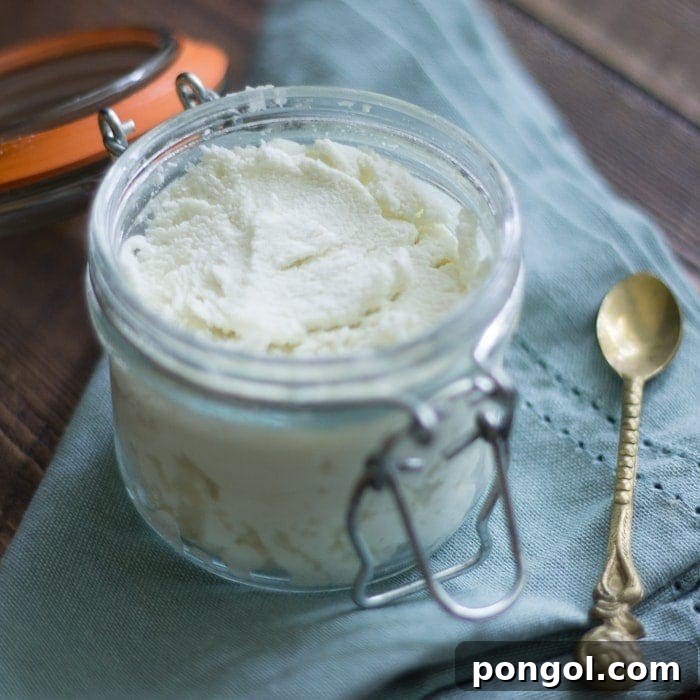
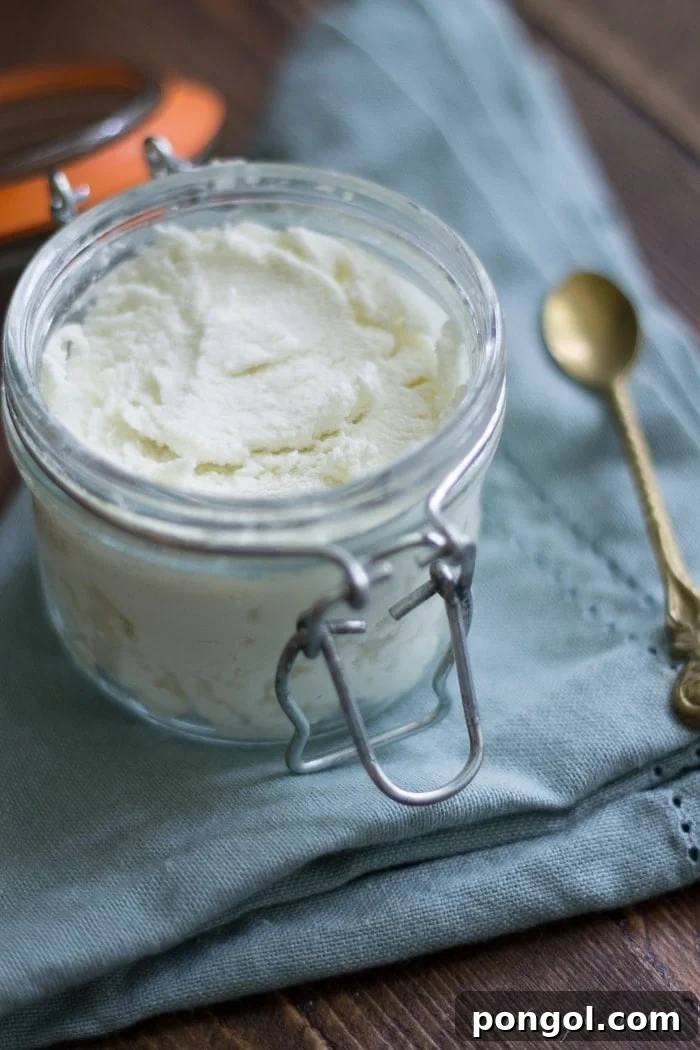
Effortless Homemade Goat Cheese: A 2-Ingredient, 2-Hour Vegetarian Delight
There’s something truly special about goat cheese, or chèvre. It’s the culinary equivalent of a timeless classic – elegant, versatile, and always a crowd-pleaser. With its distinct tangy flavor and creamy texture, chèvre elevates everything from a simple salad to gourmet appetizers. Whether it’s breaded and fried to a golden crisp, crumbled over spicy enchiladas, or lending a sophisticated note to a cheese board, its presence is always welcome.
For many, chèvre is a staple, beloved for its unique ability to bridge the gap between sweet and savory dishes. Unlike many other cheeses that are strictly confined to one culinary realm, goat cheese effortlessly transitions. Imagine it paired with fresh berries and honey for a delicate dessert, or blended with herbs and spices for a savory dip. This inherent versatility is precisely where goat cheese truly shines, making it an indispensable ingredient in any kitchen.
Why Homemade Chèvre is a Game-Changer
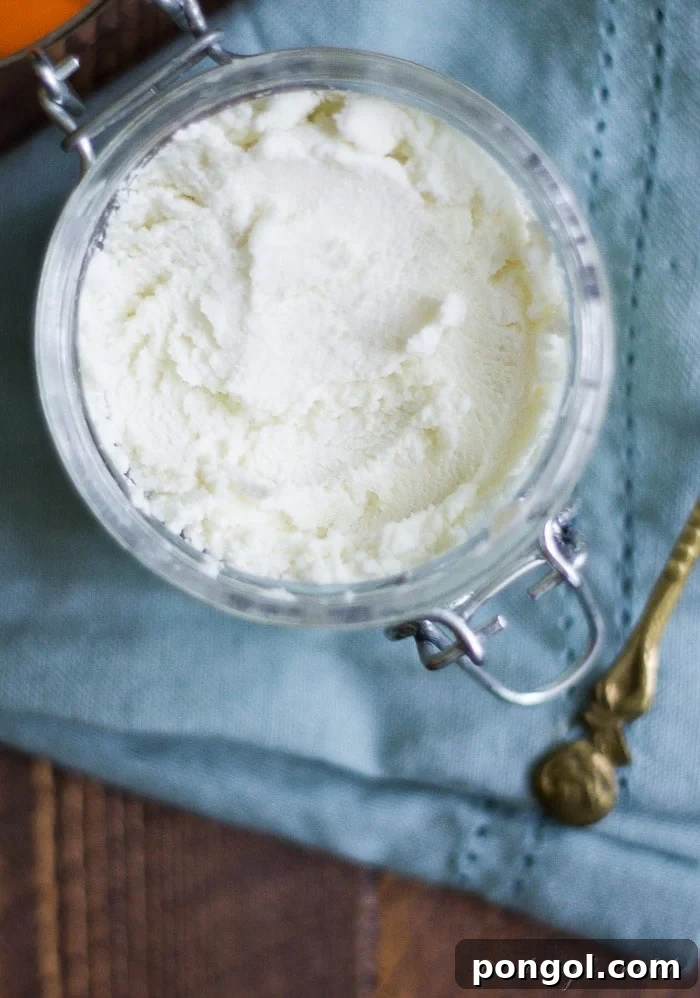
One of the most compelling reasons to make your own goat cheese is knowing exactly what goes into it. Did you know that a significant number of commercial goat cheeses are not vegetarian? Many rely on animal-derived rennet for coagulation. This homemade recipe, however, is proudly vegetarian, utilizing simple, natural ingredients you can easily pronounce and trust.
Beyond being vegetarian, crafting your own chèvre means saying goodbye to preservatives and artificial additives. You get the freshest possible product, free from any hidden ingredients, allowing the pure, clean taste of the goat milk and lemon to truly shine. This recipe simplifies cheesemaking down to its core, making it accessible even for beginners, and ensuring a wholesome, delicious result every time.
From Cheesemaking Fails to Fluffy Success: My Journey
My foray into serious cheesemaking wasn’t always a smooth one. I once attempted to make mozzarella from scratch – and I mean really from scratch. It wasn’t the quick, melt-and-stretch variety I’d dabbled with before, but a dedicated, hours-long endeavor aimed at achieving perfection. My kitchen transformed into a makeshift laboratory, with precise temperature monitoring, delicate curd handling, and constant vigilance.
Hours passed, filled with anxious glances at the thermometer and the painstaking process of stretching scorching hot curds – a task that left my fingertips feeling rather tender, to say the least. The moment of truth arrived around 9:15 PM when the recipe called for a pH test. I reached for my trusty pH-tester, vital for ensuring the mozzarella’s perfect elasticity and texture. And then… nothing. The device, perhaps sensing my desperation, chose that exact moment to give up the ghost. With hardware stores long closed, and my hopes dashed, I admitted defeat. The result was a strange, feta-like farmer’s cheese that became an unexpected, albeit edible, addition to our salads for weeks.
So, you can imagine my deep skepticism when I stumbled upon a goat cheese recipe that promised fresh, delicious chèvre in just two hours, using only two ingredients. My previous cheesemaking ordeal had left me wary. I approached the recipe with a critical eye, half-expecting another kitchen disaster – a messy sludge of curds, utterly useless. Yet, driven by a hopeful curiosity, I pushed forward, albeit with a healthy dose of doubt simmering in the back of my mind throughout the draining process.
The Simplicity Revolution: 2 Ingredients, 2 Hours, Perfect Chèvre
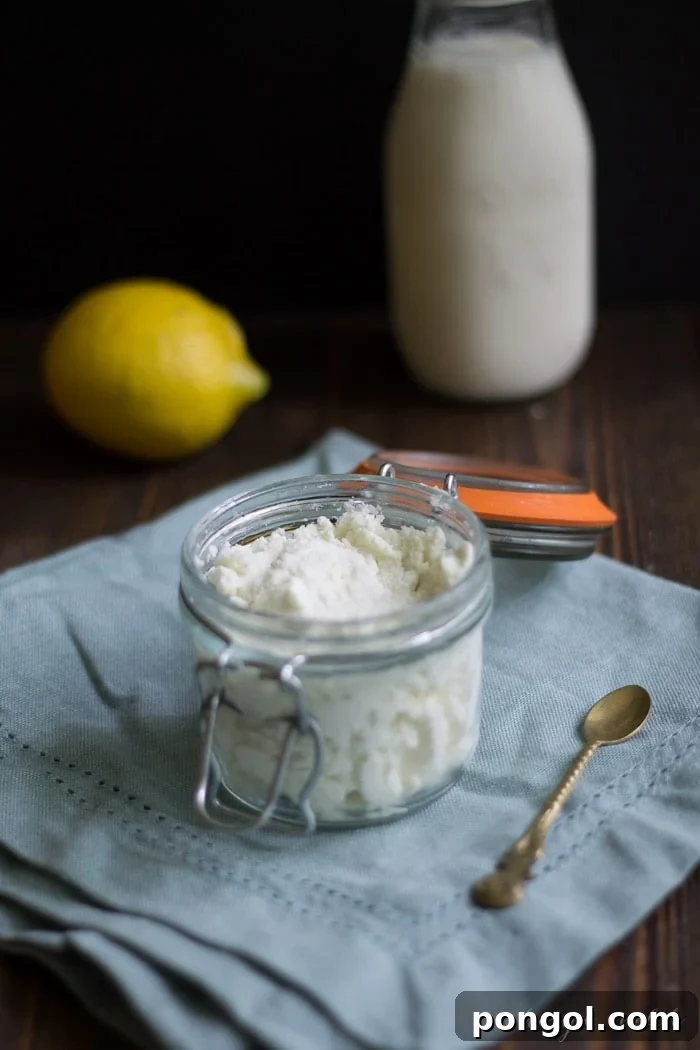
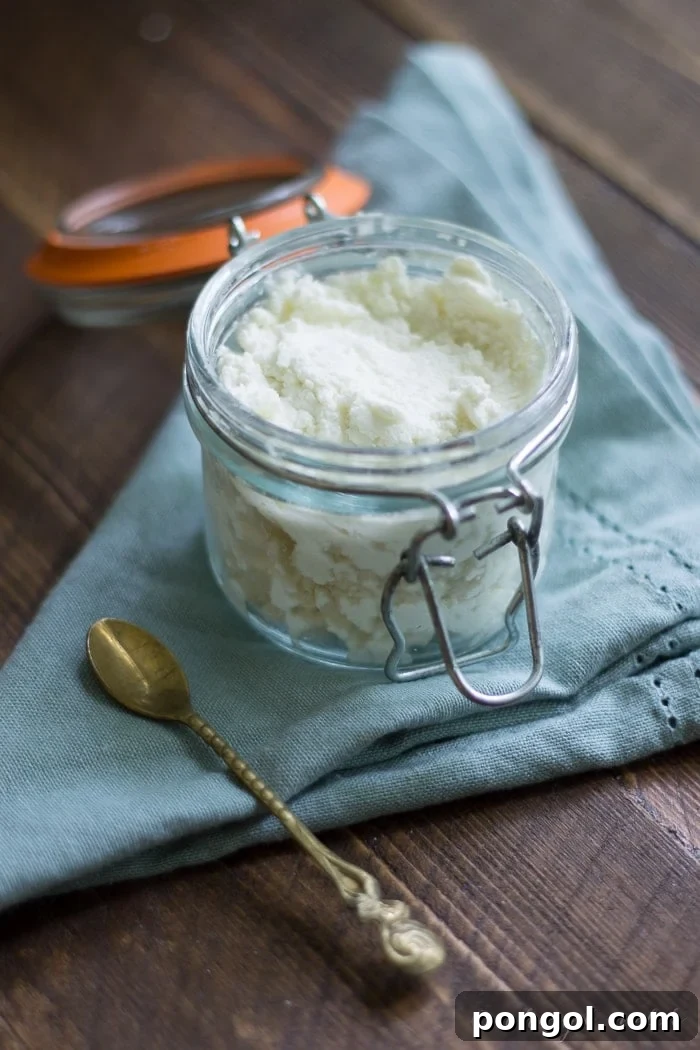
To my absolute delight, two hours and two simple ingredients later, I was met with a revelation: a beautiful, sweet mound of fresh chèvre. It was everything I had hoped for – fluffy, light, perfectly tangy, and incredibly creamy. My cheesemaking curse, it seemed, had finally been lifted! This experience taught me a valuable lesson: sometimes, the simplest methods yield the most extraordinary results. I’m certainly done with days-long, complicated cheesemaking ventures; this unbelievable chèvre method has won me over completely. Its ease and delicious outcome are truly unparalleled.
Essential Tips for Success
- Choose the Right Pot: Always use a non-reactive pot, such as stainless steel. Aluminum pots can leach undesirable metallic flavors into your milk, ruining the delicate taste of your cheese.
- Select Your Milk Wisely: Opt for high-quality goat milk that is NOT ultra-pasteurized (UHT). Ultra-pasteurization denatures the milk proteins, making it difficult for the milk to curdle properly and form cohesive curds. Look for fresh, pasteurized goat milk for the best results. The fat content can also influence the creaminess, so experiment with different local brands if possible.
- Fresh Lemon Juice is Key: While bottled lemon juice can work in a pinch, fresh-squeezed lemon juice provides the brightest, cleanest flavor, significantly enhancing the overall taste of your chèvre.
Unleash the Versatility: Creative Ways to Enjoy Your Fresh Goat Cheese
The beauty of fresh homemade goat cheese lies in its incredible adaptability. Here are some fantastic ways to incorporate your freshly made chèvre into your culinary creations:
- Sweet Delights:
- Biscuits with Goat Cheese and Blueberry Compote: A truly divine combination of warm, flaky biscuits, tangy goat cheese, and a sweet-tart blueberry compote. The recipe for these can be found here.
- Honey-Drizzled Toast: Spread thickly on toasted artisanal bread, drizzled with local honey, and a sprinkle of chopped pistachios or walnuts for a simple yet elegant breakfast or snack.
- Fruit Salad Enhancer: Crumble over a fresh fruit salad featuring strawberries, figs, or peaches for an unexpected pop of flavor and creamy texture.
- Sweet Tarts and Cheesecakes: Use as a base for mini fruit tarts or incorporate into a light, airy cheesecake for a tangy twist.
- Savory Sensations:
- Gourmet Salads: Crumble generously over a spinach salad with fresh strawberries, toasted pecans, and a vibrant balsamic vinaigrette. It also pairs wonderfully with arugula, beets, and candied walnuts.
- Elevated Enchiladas: Take your everyday enchiladas to the next level by crumbling goat cheese over them before or after baking. My own vegetarian recipe will be coming soon!
- Stuffed Chicken or Mushrooms: Mix with herbs like thyme and rosemary, then stuff into chicken breasts or large portobello mushrooms before baking.
- Pasta Perfection: Stir into warm pasta dishes with roasted vegetables, cherry tomatoes, and a hint of garlic for a creamy, flavorful sauce.
- Pizzas and Flatbreads: Use as a topping for homemade pizzas or flatbreads, especially delicious with caramelized onions, figs, or sun-dried tomatoes.
- Creamy Dips and Spreads: Blend with a touch of olive oil, garlic, and fresh herbs to create a sophisticated dip for crackers, pita bread, or vegetable sticks.
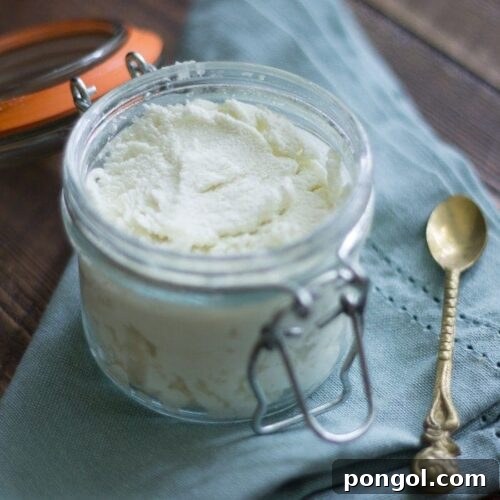
Homemade Goat Cheese {Vegetarian}
Cheryl Malik
Save Recipe
Saved!
Ingredients
- 1 quart goat milk , not ultra pasteurized
- ⅓ cup fresh lemon juice
Instructions
-
Prepare the Goat Cheese Base: In a non-reactive pot (preferably stainless steel), gently heat the goat milk over low heat. Continue heating slowly until the milk reaches a temperature of approximately 180 to 185ºF (82-85ºC). You’ll notice small, gentle bubbles forming around the edges and the surface starting to look slightly foamy. Once the desired temperature is reached, turn off the heat.
-
Curdle the Milk: Carefully stir in the fresh lemon juice. Once added, let the mixture sit undisturbed off the heat for about 10 minutes. During this time, the acidity from the lemon juice will cause the milk proteins to coagulate, and you should observe the milk curdling and starting to thicken on the surface.
-
Drain and Form the Chèvre: Line a colander with two layers of high-quality cheesecloth. Carefully and very gently pour the curdled milk and lemon mixture into the lined colander. Gather the edges of the cheesecloth around the curds and tie them securely into a bundle, using kitchen twine or a rubber band. Position the colander over a larger bowl, pot, or jar to allow the liquid (whey) to drip out. Let the cheese drain for at least 1 ½ hours or, for a firmer texture, leave it to drain overnight in the refrigerator. Once drained to your desired consistency, scrape the fresh goat cheese off the cheesecloth and transfer it to a small bowl or an airtight container if you’re not planning to use it immediately.
Approximate Information for One Serving
Calories: 168cal
Protein: 8g
Fat: 10g
Saturated Fat: 6g
Cholesterol: 26mg
Sodium: 118mg
Potassium: 504mg
Total Carbs: 12g
Sugar: 11g
Net Carbs: 12g
Vitamin A: 468IU
Vitamin C: 11mg
Calcium: 317mg
Iron: 1mg
Nutrition Disclaimers
Number of total servings shown is approximate. Actual number of servings will depend on your preferred portion sizes.
Nutritional values shown are general guidelines and reflect information for 1 serving using the ingredients listed, not including any optional ingredients. Actual macros may vary slightly depending on specific brands and types of ingredients used.
To determine the weight of one serving, prepare the recipe as instructed. Weigh the finished recipe, then divide the weight of the finished recipe (not including the weight of the container the food is in) by the desired number of servings. Result will be the weight of one serving.
Did You Make This Recipe?
We’d love to see your creations! Tag @40aprons on Instagram and be sure to leave a review on this blog post to share your experience with other readers.
Tag @40Aprons on Instagram