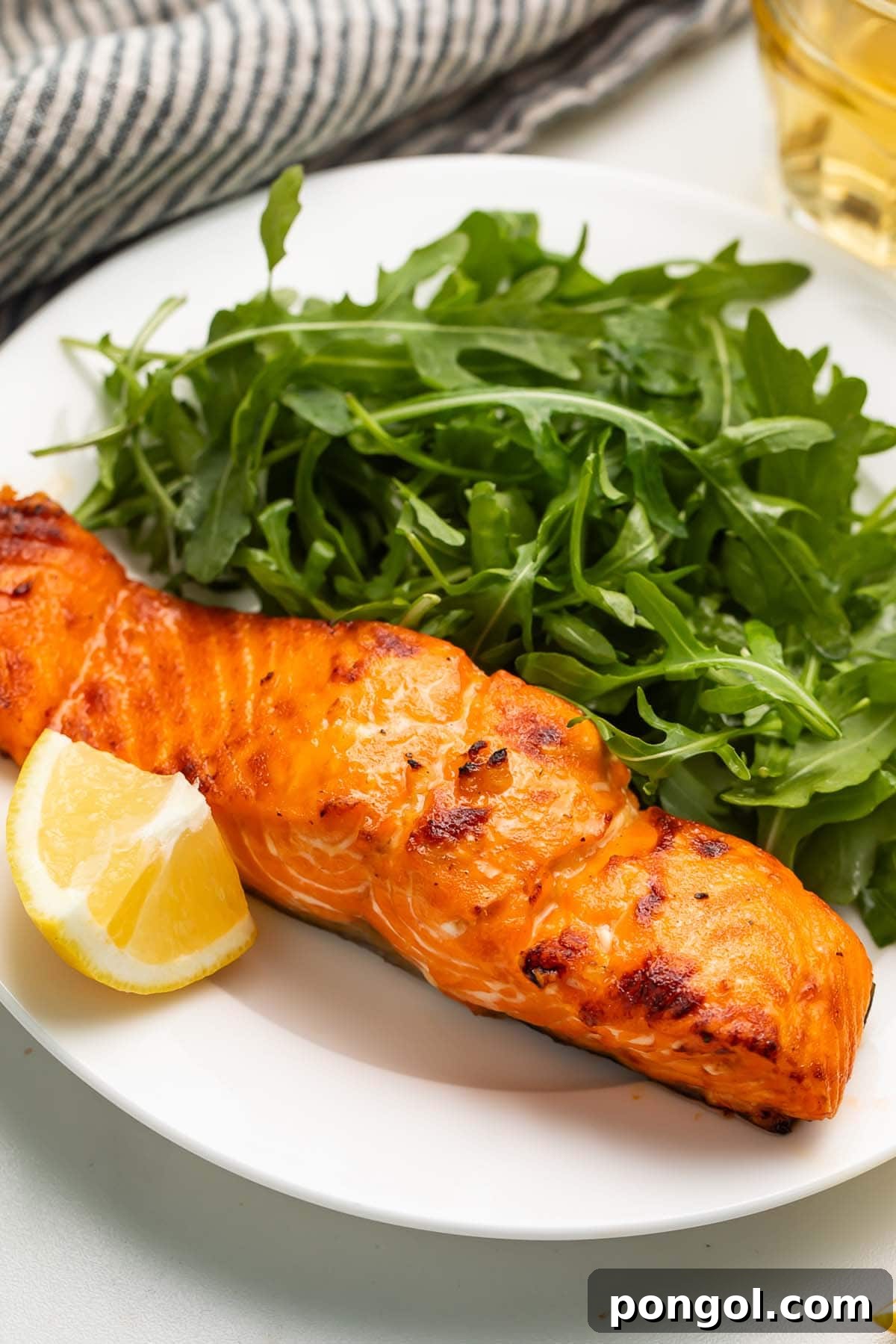
Transform your dinner routine with this incredibly simple yet utterly delicious method for cooking frozen salmon fillets in the air fryer. Forget about thawing; this recipe takes your salmon straight from the freezer to your plate, delivering perfectly tender, flaky fish with minimal effort and in under 30 minutes. Coated in a vibrant honey dijon mustard glaze, this low-carb, gluten-free, and keto-friendly entrée is not just easy to make, but also packed with flavor and nutrition, making it an ideal choice for busy weeknights or whenever you crave a quick, wholesome meal.
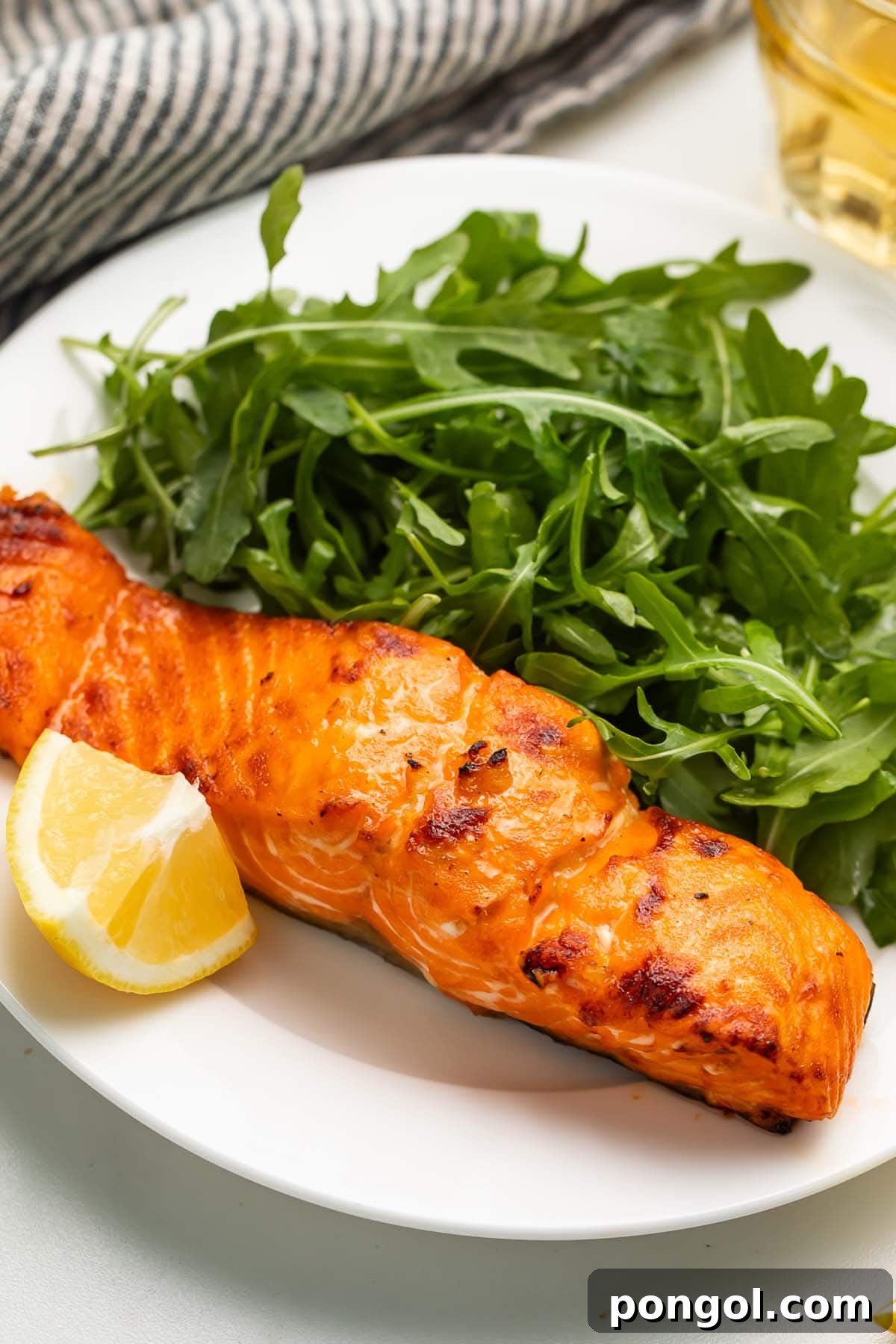
Air Fryer Frozen Salmon Fillets with Honey Dijon Glaze
Say goodbye to lengthy defrosting times and complicated cooking methods. Our comprehensive guide shows you exactly how to achieve restaurant-quality frozen salmon in your air fryer, complete with a delightful homemade glaze that will tantalize your taste buds. This is more than just a recipe; it’s a game-changer for anyone seeking healthy, convenient, and flavorful weeknight dinners.
🐟 Why This Air Fryer Frozen Salmon Recipe is a Must-Try
This method isn’t just about convenience; it’s about unlocking maximum flavor and perfect texture with minimal fuss. Here’s why this recipe stands out:
- Unbeatable Speed and Simplicity: The biggest advantage? No thawing required! Simply place your frozen salmon fillets directly into the air fryer. This revolutionary cooking method handles the defrosting and cooking simultaneously, slashing prep time and getting dinner on the table in under half an hour. It’s perfect for those evenings when time is short but you still want a nutritious home-cooked meal.
- Irresistible Flavor Profile: Our simple yet potent honey dijon glaze transforms ordinary salmon into an extraordinary culinary experience. The perfect balance of sweet from the honey, tangy from the Dijon mustard and lemon, and savory from garlic creates a bright, complex flavor that complements the richness of the salmon beautifully. Best of all, you likely already have these pantry staples on hand!
- Healthy and Versatile: Salmon is a powerhouse of nutrition, rich in omega-3 fatty acids, high-quality protein, and essential vitamins. This recipe is naturally low-carb, gluten-free, and keto-friendly, making it suitable for a variety of dietary needs. Its mild yet distinct flavor pairs exceptionally well with a wide range of side dishes, from fresh salads to roasted vegetables, giving you endless meal possibilities.
- Consistent, Flaky Results: The air fryer’s circulating hot air ensures that each frozen salmon fillet cooks evenly, resulting in a moist, tender interior and beautifully flaky texture every single time. No more dry or overcooked fish!
👩🏼🍳 Chef’s Tips for Air Frying Perfection
To ensure your air fryer frozen salmon turns out perfectly every time, keep these expert tips in mind:
- Embrace Your Meat Thermometer: Salmon cooks quickly, and overcooked salmon can be dry and unpleasant. Relying on visual cues alone can be tricky, especially when cooking from frozen. A reliable internal meat thermometer is your best friend here. For medium-rare fillets, aim to remove them when they reach an internal temperature of 125° Fahrenheit. For well-done fillets, the target is 145° Fahrenheit.
- Account for Carryover Cooking: Just like with other proteins, salmon will continue to cook slightly after it’s removed from the air fryer due to residual heat. This phenomenon, known as “carryover cooking,” can increase the internal temperature by another 5° Fahrenheit or so. Factor this into your temperature readings to avoid overcooking. For example, if you prefer medium-rare at 125°F, you might pull it out closer to 120°F.
- Adjust Cook Times for Fillet Size: Not all salmon fillets are created equal. If your fillets are smaller than the recommended 6 ounces or are particularly thin, they will cook faster. To prevent overcooking, start with a shorter defrosting time (around 5 minutes) followed by a shorter cooking time (another 5 minutes). You can always add more time in 1-2 minute increments until the desired internal temperature is reached.
- Don’t Overcrowd the Basket: For optimal air circulation and even cooking, ensure your salmon fillets are placed in a single layer in the air fryer basket without touching. If you’re cooking more than two fillets, work in batches.
- Pat Dry for Crispier Skin (Optional): If you prefer a slightly crispier skin, gently pat the salmon fillets dry with a paper towel after the initial defrosting stage, before applying the glaze. This step helps to remove excess surface moisture.
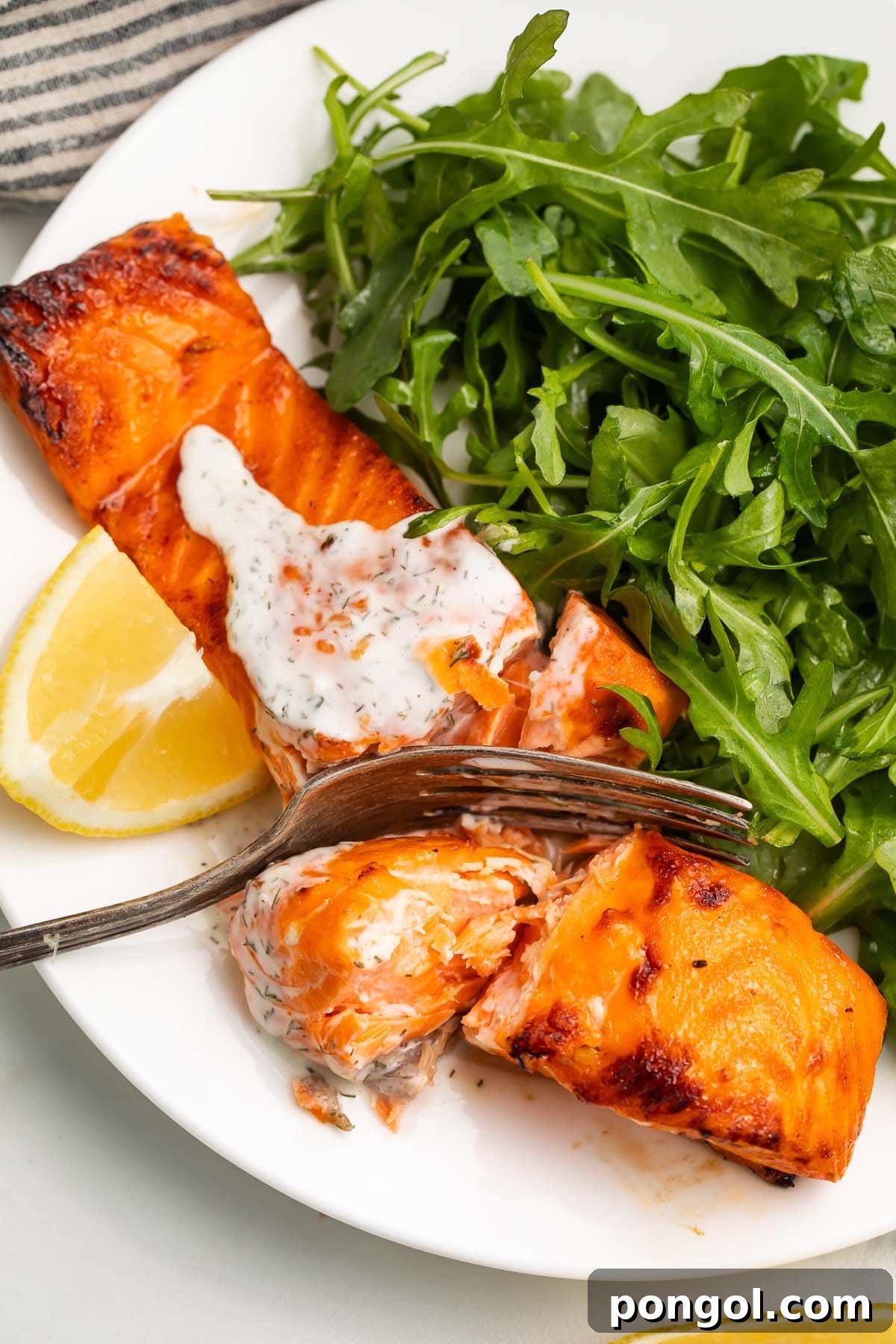
♨️ Ingredients for Your Quick and Tasty Air Fryer Salmon
This recipe calls for simple, fresh ingredients that come together to create a harmonious and flavorful meal. Here’s what you’ll need:
For the Salmon:
- 2 6-ounce frozen salmon fillets: Opt for high-quality, individually quick-frozen (IQF) salmon. Sockeye or Atlantic salmon are popular choices. Ensure they are boneless and skin-on (for flavor and easier handling) or skin-off, depending on your preference. Cooking from frozen is the key to this recipe’s convenience.
- Neutral-flavored spray oil: Essential for preventing sticking and ensuring a golden finish. Choose an air fryer-safe oil like avocado, grapeseed, or canola oil.
For the Honey-Dijon Glaze:
This simple yet impactful glaze is what elevates the salmon, providing a delightful balance of sweet, savory, and tangy notes.
- 1 tablespoon olive oil: Forms the base of the glaze, adding richness and helping the other ingredients emulsify.
- 1 teaspoon Dijon mustard: Provides a sharp, tangy, and slightly spicy kick that beautifully cuts through the richness of the salmon.
- 2 teaspoons honey: Adds natural sweetness and helps create a lovely caramelized crust on the salmon. Adjust to your sweetness preference.
- 1 tablespoon fresh lemon juice: A burst of citrus brightens the entire dish, enhancing the salmon’s natural flavor and balancing the richness of the glaze. Freshly squeezed is always best!
- 1 clove garlic, minced: Contributes a savory, aromatic depth to the glaze.
- ½ teaspoon salt: Essential for seasoning the salmon and bringing out all the flavors.
- ¼ teaspoon freshly cracked black pepper: Adds a subtle warmth and aroma. Adjust to taste.
Detailed Step-by-Step Instructions: Air Frying Frozen Salmon
Follow these easy steps to achieve perfect air fryer frozen salmon every time. This recipe is designed to be quick, simple, and foolproof.
- Preheat Your Air Fryer: Begin by setting your air fryer to 390°F (199°C). Allow it to preheat for 5 minutes. Proper preheating is crucial for even cooking and achieving that desirable crispy exterior. While it preheats, you can prepare your glaze.
- Prepare the Air Fryer Basket: Once preheated, carefully remove the basket from the air fryer. Lightly spray the basket with a neutral-flavored, air fryer-safe spray oil. This prevents the salmon from sticking and ensures easy removal.
- Initial Air Frying (Defrosting Stage): Place the two 6-ounce frozen salmon fillets, skin-side down (if applicable), directly into the prepared air fryer basket. Ensure they are in a single layer and not touching. Return the basket to the air fryer. Air fry for 6 minutes, or until the salmon is just defrosted and the exterior starts to look opaque.
- Prepare the Honey-Dijon Glaze: While the salmon is undergoing its initial cook, combine the glaze ingredients in a medium mixing bowl. Add 1 tablespoon olive oil, 1 teaspoon Dijon mustard, 2 teaspoons honey, 1 tablespoon fresh lemon juice, 1 minced garlic clove, ½ teaspoon salt, and ¼ teaspoon freshly cracked black pepper. Whisk these ingredients vigorously until they are thoroughly combined and smooth.
- Glaze the Salmon: After the initial 6 minutes of air frying, carefully remove the air fryer basket. Using a basting brush or pastry brush, generously apply the prepared honey-dijon glaze onto the tops of the partially defrosted salmon fillets. Be sure to coat them evenly for maximum flavor.
- Final Air Frying & Doneness Check: Return the glazed salmon back into the air fryer. Air fry for an additional 7 minutes. After this time, check the internal doneness of the salmon using an internal meat thermometer. Insert the thermometer into the thickest part of the fillet. If needed, continue air frying for 1 to 2 minutes more, checking frequently, until your desired internal temperature is achieved (refer to the “Salmon Doneness by Temperature” section below for guidance).
- Rest and Serve: Once the salmon fillets have reached your preferred doneness, carefully remove them from the air fryer basket and transfer them to individual serving plates. Allow the salmon to rest for 3 to 5 minutes. This resting period is important as it allows the juices to redistribute, resulting in a moister and more flavorful fish. Serve immediately with your favorite side dishes.
Recipe Notes and Variations
Here are some additional tips and ways to customize your air fryer frozen salmon:
- Cook Time Adjustments: Remember that air fryer models can vary. Always use a meat thermometer as your most accurate guide. If your salmon fillets are smaller or thinner than 6 ounces, reduce the cooking time to avoid overcooking. Start with a 5-minute defrost and a 5-minute cook, then add more time as needed.
- Making it Keto-Friendly: To adapt this recipe for a ketogenic diet, simply substitute the honey with your favorite keto-friendly liquid sweetener. Depending on the sweetener’s potency, you may need to use less than 2 teaspoons. Taste and adjust accordingly.
- Spicy Kick: For those who love a bit of heat, add a pinch of red pepper flakes to the honey-dijon glaze.
- Herbaceous Twist: Incorporate fresh chopped herbs like dill, parsley, or chives into the glaze for an extra layer of freshness and aroma.
- Garlic Butter Salmon: If honey dijon isn’t your preference, try a simple garlic butter sauce. Melt 2 tablespoons of butter with 2 minced garlic cloves, a squeeze of lemon juice, and salt and pepper. Brush over the salmon after the initial defrosting.
Salmon Doneness by Temperature
Using an internal meat thermometer ensures perfect results. Here’s a guide to desired doneness:
- Medium Rare: Mostly opaque, but still soft and moist with a slightly translucent center. Remove fillets from air fryer when internal temperature reaches 113°F (45°C).
- Medium: Opaque throughout, slightly firm, and lightly pink in the center. Remove fillets from air fryer when internal temperature reaches 118°F (48°C).
- Medium-Well: Opaque and more firm, with barely any pink remaining. Remove fillets from air fryer when internal temperature reaches 125°F (52°C).
- Well-Done: Opaque, very firm, and no pink whatsoever. Remove fillets from air fryer when internal temperature reaches 138°F (59°C).
Important Note: The USDA recommends cooking salmon to an internal temperature of 145°F (63°C) for maximum food safety. Adjust your cooking time based on your personal preference and safety guidelines.
Perfect Pairings for Your Air Fryer Salmon
One of the beauties of salmon is its incredible versatility. This honey dijon glazed air fryer salmon pairs beautifully with a multitude of side dishes, making it easy to create a balanced and satisfying meal:
- Fresh Green Salads: A simple mixed greens salad with a light vinaigrette provides a refreshing contrast.
- Roasted Vegetables: Roasted potatoes and carrots, asparagus, or broccoli make excellent companions, often able to cook alongside the salmon or be prepped quickly.
- Steamed or Sautéed Greens: Sautéed broccoli, spinach, or green beans with a touch of garlic are quick, healthy options.
- Grain Bowls: Serve over a bed of quinoa, brown rice, or couscous for a heartier meal.
- Cauliflower Rice: For a keto-friendly option, serve with seasoned cauliflower rice.
- Garlic Mashed Potatoes or Cauliflower Mash: A creamy side can provide a comforting balance to the tangy glaze.
Storage and Reheating Tips
Have leftovers? Here’s how to store and reheat your air fryer salmon to keep it delicious:
- Storage: Store any leftover cooked salmon in an airtight container in the refrigerator for up to 2-3 days.
- Reheating: To reheat, place the salmon in your air fryer at 300°F (150°C) for about 5-7 minutes, or until just warmed through. This method helps retain moisture and prevents it from drying out, which can happen in a microwave. Avoid overheating.
❓ Frequently Asked Questions (FAQs) About Air Frying Salmon
Can I use fresh salmon fillets instead of frozen?
Absolutely! This recipe works wonderfully with fresh salmon fillets. If using fresh, you can skip the initial 6-minute defrosting step. Simply apply the glaze and air fry for 7-10 minutes, or until it reaches your desired internal temperature. Cooking times may vary slightly, so always rely on your meat thermometer.
Do I need to spray the salmon with oil?
While the glaze contains olive oil, lightly spraying the air fryer basket is crucial to prevent the salmon from sticking. You can also lightly spray the salmon itself before adding the glaze if you want an extra crispy exterior, but it’s not strictly necessary with our glaze.
Can I cook salmon with the skin on or off?
This recipe works well for both skin-on and skin-off salmon fillets. If the skin is on, placing them skin-side down during the initial defrosting helps protect the flesh and allows the skin to crisp up nicely if desired. The skin can also make the fillets easier to handle and less likely to fall apart.
What kind of air fryer is best for cooking salmon?
Most air fryer models, whether basket-style or oven-style, will work effectively. The key is to ensure good air circulation around the fillets. If you have a smaller air fryer, you may need to cook in batches to avoid overcrowding.
How do I know if my salmon is cooked through?
The most accurate way is to use an internal meat thermometer. As mentioned in our chef’s tips, target temperatures range from 113°F (45°C) for medium-rare to 138°F (59°C) for well-done (or 145°F for USDA safety recommendation). Visually, cooked salmon will flake easily with a fork and be opaque throughout.
Can I prepare the glaze ahead of time?
Yes, you can prepare the honey dijon glaze up to 2-3 days in advance and store it in an airtight container in the refrigerator. Just give it a good whisk before brushing it onto the salmon.
Health Benefits of Salmon
Beyond its delicious taste and ease of preparation, salmon is a nutritional powerhouse. It’s renowned for being an excellent source of:
- Omega-3 Fatty Acids: Essential for heart health, brain function, and reducing inflammation.
- High-Quality Protein: Crucial for muscle repair, growth, and satiety.
- Vitamins and Minerals: Including Vitamin D, B vitamins (B12, B6, niacin), selenium, and potassium, all vital for overall health.
Incorporating salmon into your diet regularly can contribute to a healthier lifestyle, and this air fryer method makes it incredibly easy to do so.
♨️ More Air Fryer Recipes You Should Try
If you’re loving the convenience and results of your air fryer, here are more fantastic recipes to explore:
- Air Fryer Canned Cinnamon Rolls with Homemade Cream Cheese Frosting
- How To Reheat Fried Chicken In The Air Fryer
- Air Fryer Tuna Steak
- Trader Joe’s Orange Chicken in the Air Fryer
- Air Fryer Frozen Burgers
- Frozen French Fries in the Air Fryer
- Air Fryer Tilapia
- How To Reheat Fries In The Air Fryer
- Air Fryer Chicken Nuggets (Chick-Fil-A Style)
- Frozen Burrito in the Air Fryer
- Crispy Air Fryer Pecan-Crusted Chicken with Honey Mustard Sauce
- Air Fryer Frozen Green Beans
Frozen Salmon in the Air Fryer Recipe Card
Recipe By: Cheryl Malik
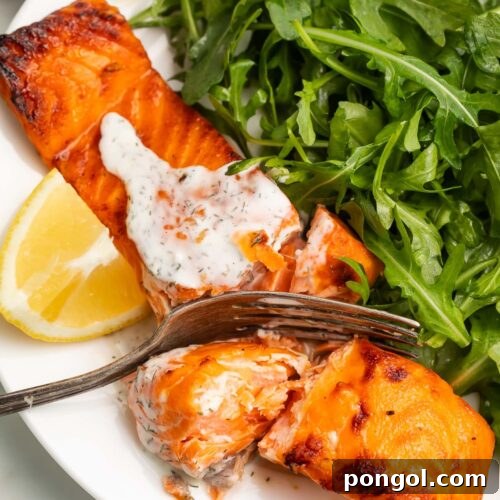
Cooking frozen salmon in an air fryer couldn’t be any easier or give more perfect results. Tender, flaky, and full of flavor, perfect for a quick meal with lots of nutrients.
 Cheryl Malik
Prep Time: 15 minutes
Cook Time: 15 minutes
Total Time: 30 minutes
Servings: 2
Equipment
- Air fryer
- Neutral-flavored spray oil (safe for air fryers)
- Medium mixing bowl
- Whisk
- Basting brush (or pastry brush)
- Internal meat thermometer
Ingredients
For the Salmon
- 2 6-ounce frozen salmon fillets
For the Honey-Dijon Glaze
- 1 tablespoon olive oil
- 1 teaspoon Dijon mustard
- 2 teaspoons honey
- 1 tablespoon fresh lemon juice (from approximately 1 small lemon)
- 1 clove garlic (minced, approximately ½ teaspoon)
- ½ teaspoon salt (more or less to taste)
- ¼ teaspoon freshly cracked black pepper (more or less to taste)
Instructions
- Set air fryer to 390°F (199°C) and allow it to preheat for 5 minutes. After 5 minutes, remove the basket and lightly spray it with spray oil.
- Place the 2 6-ounce frozen salmon fillets skin-side down in the air fryer basket, then return the basket to the air fryer. Air fry for 6 minutes or until just defrosted.
- While salmon cooks, add 1 tablespoon olive oil, 1 teaspoon Dijon mustard, 2 teaspoons honey, 1 tablespoon fresh lemon juice, 1 clove minced garlic, ½ teaspoon salt, and ¼ teaspoon freshly cracked black pepper to a medium mixing bowl. Whisk ingredients together vigorously until fully incorporated.
- Once salmon has defrosted, carefully remove the basket from the air fryer. Brush the honey-dijon glaze generously onto the tops of the salmon fillets.
- Return the basket to the air fryer. Air fry salmon for 7 minutes more, then check the doneness of the salmon fillet with an internal meat thermometer. If needed, air fry salmon for 1 to 2 minutes more or until the desired internal temperature is achieved.
- When satisfied with the temperature of the salmon fillets, remove salmon from the air fryer basket and place on serving plates. Let salmon rest for 3 to 5 minutes, then serve with desired sides.
Approximate Nutrition Information for One Serving
Serving Size: 1 salmon fillet with glaze
- Calories: 330 cal
- Protein: 34 g
- Fat: 18 g
- Saturated Fat: 3 g
- Cholesterol: 94 mg
- Sodium: 684 mg
- Potassium: 855 mg
- Total Carbs: 7 g
- Fiber: 0.2 g
- Sugar: 6 g
- Net Carbs: 7 g
- Vitamin A: 72 IU
- Vitamin C: 3 mg
- Calcium: 26 mg
- Iron: 2 mg
Nutrition Disclaimers
Number of total servings shown is approximate. Actual number of servings will depend on your preferred portion sizes.
Nutritional values shown are general guidelines and reflect information for 1 serving using the ingredients listed, not including any optional ingredients. Actual macros may vary slightly depending on specific brands and types of ingredients used.
To determine the weight of one serving, prepare the recipe as instructed. Weigh the finished recipe, then divide the weight of the finished recipe (not including the weight of the container the food is in) by the desired number of servings. The result will be the weight of one serving.
Did You Make This Recipe?
We’d love to see your creations! Tag @40aprons on Instagram and be sure to leave a review on this blog post. Your feedback helps us share more delicious recipes!
Tag @40Aprons on Instagram
Rate this Recipe