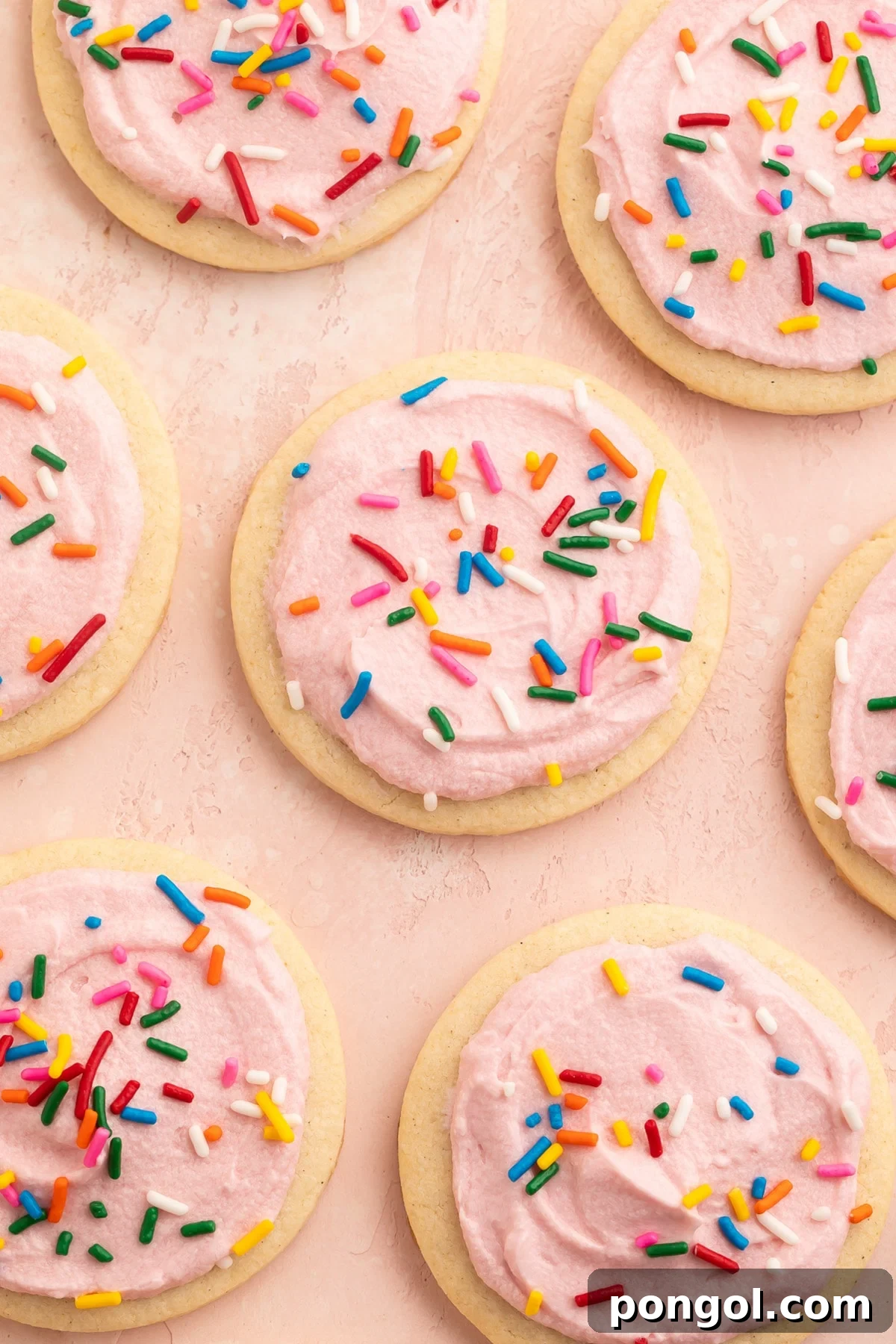
Prepare to be amazed! No one will ever guess these incredible sugar cookies are completely gluten-free. Boasting a wonderfully soft and buttery texture with a perfectly balanced sweetness, these cookies are a true delight. Whether you choose to cut them into festive shapes for holidays, elegant designs for special occasions, or simply stick to classic round cookies, they are guaranteed to be a hit. This comprehensive guide also includes our highly recommended, optional buttercream frosting recipe, ensuring a decadent finish to your baking masterpiece.
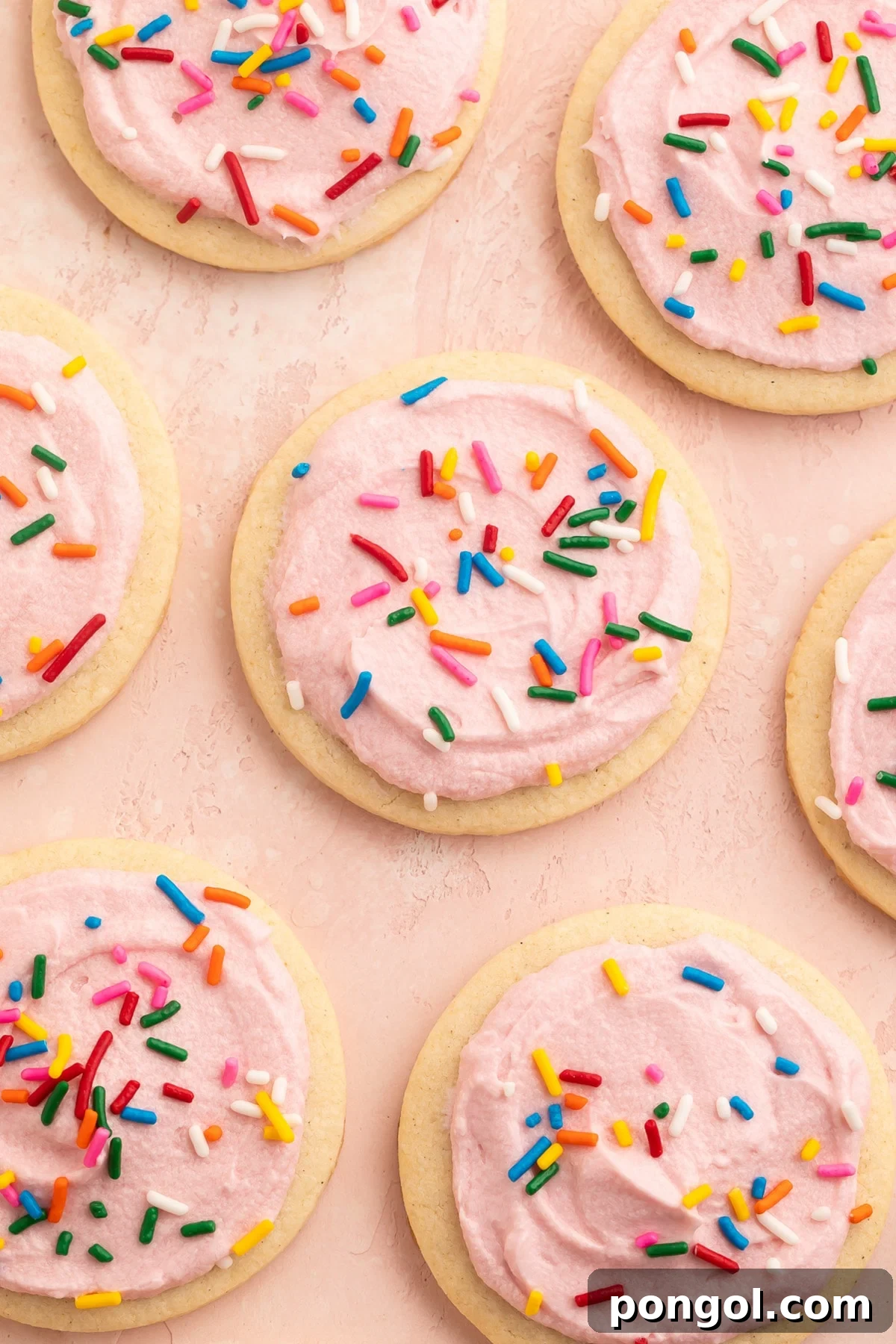
Why These Gluten-Free Sugar Cookies Are an Absolute Must-Try
Gluten-free baking often comes with its challenges, particularly when aiming for the delicate texture and rich flavor of traditional baked goods. However, this recipe breaks all barriers, delivering gluten-free sugar cookies that rival, and often surpass, their gluten-containing counterparts. Here’s what makes this recipe truly exceptional:
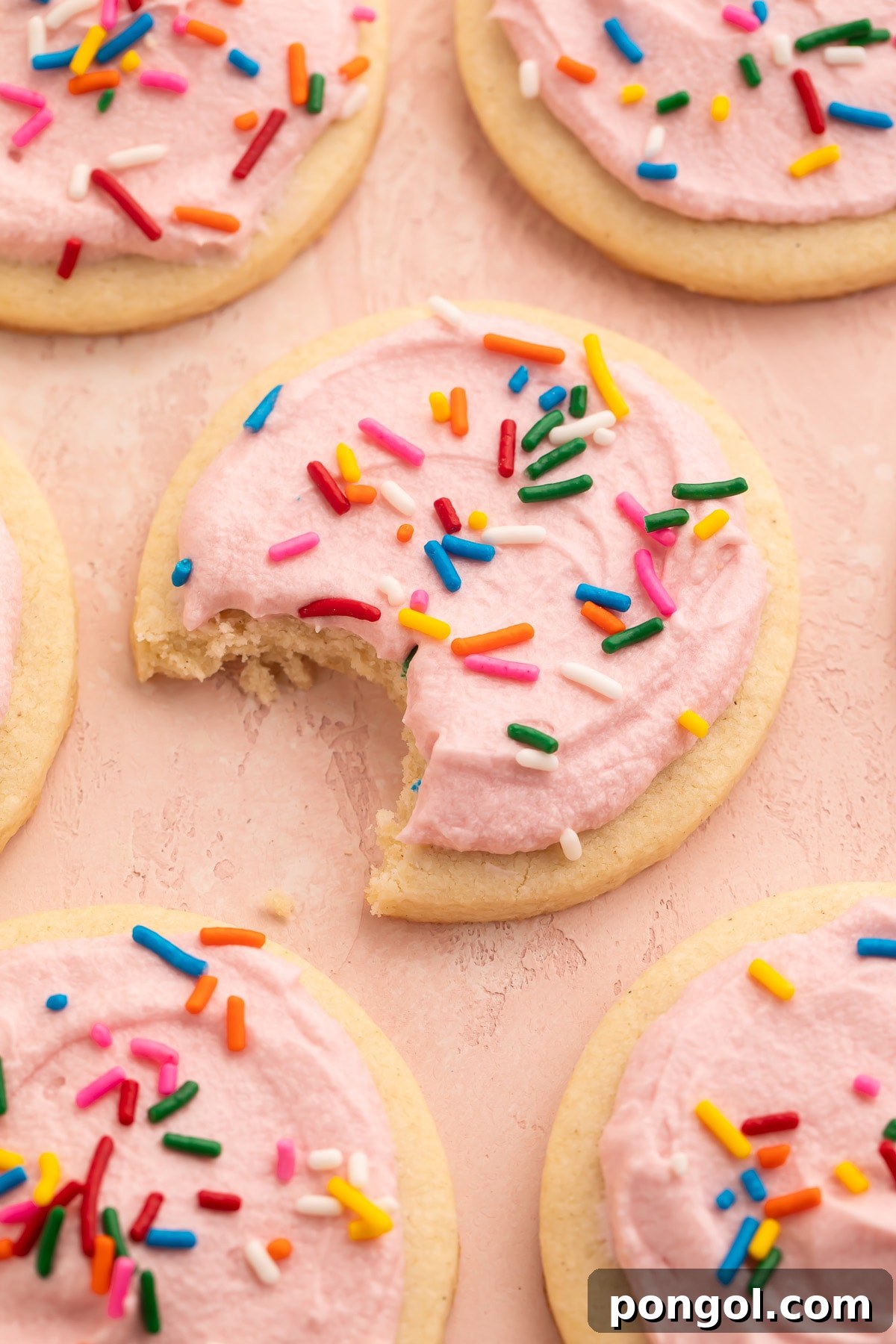
- Unrivaled Texture and Flavor: These aren’t just good for gluten-free; they’re simply fantastic cookies. Experience an absolute dreamiest texture – soft, tender, and melt-in-your-mouth perfection. Each bite is infused with rich buttery notes and a comforting vanilla essence, all balanced with just the right amount of sweetness. It’s a flavor profile so authentic and satisfying, even the most discerning palates won’t suspect they’re gluten-free. They consistently receive rave reviews at my home!
- Perfect for Cut-Out Creations: This recipe is specifically designed to work flawlessly for roll-out and cut-out sugar cookies. Go ahead and unleash your creativity with your favorite cookie cutters! From intricate holiday designs to simple geometric shapes, this dough handles it all beautifully. Even if you’re not in the mood for elaborate shapes, it’s equally wonderful for classic round cookies – just a slight adjustment in bake time is all you’ll need.
- Endless Customization Options: The beauty of sugar cookies lies in their adaptability, and this gluten-free version is no exception. Easily customize shapes, frosting colors, and decorations to perfectly match any holiday or special event. To truly elevate your cookies, experiment with different buttercream frosting flavors. Swapping vanilla extract for almond, peppermint, lemon, or orange extract can transform your cookies instantly. Imagine delightful almond-flavored cookies for Easter, zesty lemon for spring gatherings, or refreshing peppermint for Christmas – the possibilities are endless for baby showers, Mother’s Day, cookouts, and every celebration in between!
Unlocking Perfect Gluten-Free Baking: Essential Chef’s Tips
Achieving bakery-quality gluten-free sugar cookies requires attention to a few key details. These chef’s tips are designed to guide you through the process, ensuring your cookies turn out perfectly every time: light, airy, and full of flavor, without the common pitfalls of gluten-free baking.
- The Crucial Role of Xanthan Gum: When it comes to gluten-free baking, xanthan gum is your best friend. It acts as a binder, providing elasticity and structure that gluten typically offers, preventing your cookies from becoming crumbly or dry. It’s incredibly important to use a gluten-free flour blend that already includes xanthan gum. My personal go-to is King Arthur Measure-for-Measure, which consistently yields excellent results. If your chosen gluten-free flour blend does not list xanthan gum in its ingredients, simply add ¼ teaspoon for every 1 cup of flour used in the recipe. This small addition makes a huge difference in the final texture and stability of your cookies.
- Mastering Flour Measurement with the Spoon-and-Level Method: Accurate flour measurement is paramount, especially in gluten-free baking, where too much flour can lead to dense, dry cookies. The spoon-and-level method is the simplest and most effective way to ensure you use precisely the right amount without compacting it. Here’s how to do it: gently spoon flour into your measuring cup until it overflows. Then, use the back of a straight knife or a flat edge to level off the excess flour, sweeping it across the top of the cup. Resist the urge to pack the flour into the cup or to scoop directly from the bag with your measuring cup, as both methods can add a significant amount of extra flour, leading to an undesirably dry and stiff dough.
- Expert Tips for Rolling Gluten-Free Cookie Dough: Rolling cookie dough, particularly gluten-free varieties, can sometimes feel a bit finicky. Don’t get frustrated; these tips will help you achieve perfectly rolled dough for beautiful cut-out cookies:
- Prevent Sticking: Frequently check underneath your cookie dough as you roll to ensure it’s not adhering to your work surface. If you notice any sticking, dust the surface with a little more powdered sugar. This creates a barrier that keeps the dough manageable.
- Work with Chilled Dough: The temperature of your dough is critical. Always work with well-chilled dough. If at any point the dough becomes warm, sticky, or difficult to roll, promptly return it to the refrigerator for about 10 minutes to firm up. A clever alternative is to chill a cookie sheet and place it directly on top of the dough for a few minutes to quickly cool it down.
- Dust Your Rolling Pin: If the dough starts to stick to your rolling pin, lightly dust the pin with powdered sugar. Be mindful not to overdo it, as excessive powdered sugar can make your cookies too sweet or alter their texture.
- Mind Your Kitchen Temperature: The ambient temperature of your kitchen can significantly impact your dough. A warm kitchen, especially if you’re working near a preheated oven, can make the dough warm and sticky very quickly. If possible, consider turning up the air conditioning or working in a cooler spot in your home to keep the dough at an optimal temperature.
- Quality Ingredients Matter: While simple, the quality of your ingredients makes a noticeable difference. Use good quality butter and fresh eggs, and ensure they are at room temperature as specified in the recipe. This allows for proper emulsification and a smoother, more uniform dough.
More Delicious Gluten-Free Treats We Love
If you’re looking for more delightful gluten-free recipes to satisfy your sweet cravings, explore some of our other favorites:
- Cream Cheese Fruit Dip (No Marshmallow Fluff!)
- The Best EVER Gluten-Free Iced Lemon Cake
- Gluten-Free Gingerbread Cookies
- Paleo Lemon Bars
- Soft Keto Peanut Butter Cookies
- Gluten-Free Pecan Pie
- Chocolate Gluten-Free Mug Cake
- Almond Flour Banana Bread
- Gluten-Free Lemon Drizzle Cake
- Paleo Lime Bars (Gluten Free, Dairy Free)
- Oatmeal Cranberry Cookies
- 2-Ingredient Keto Magic Shell (Sugar-Free Chocolate Shell)
- Gluten-Free Christmas Cookies with Homemade Icing
Gluten-Free Sugar Cookies (Cut-Out or Drop Cookies)
So soft and ridiculously tender, these gluten-free sugar cookies with buttercream frosting are perfect for holidays or anytime!

Recipe By: Cheryl Malik
5 from 4 votes
30 minutes
10 minutes
2 hours
2 hours 40 minutes
Share this recipe:
Equipment
- Medium bowl
- Flour sifter
- Large mixing bowl (or stand mixer bowl)
- Hand mixer with beater attachments (or stand mixer with beater attachment)
- Silicone spatula
- Wax paper
- Oven
- 1-2 Cookie sheets
- Unsalted butter or neutral cooking spray (for greasing)
- Flat work surface
- Rolling pin
- Powdered sugar (to dust surface and rolling pin)
- Cookie cutters
- Spatula
- 2-3 wire cooling racks
- Medium mixing bowl (for frosting, or stand mixer bowl)
- Piping bag or offset spatula (for frosting)
Ingredients
For the Gluten-Free Sugar Cookie Dough
- 3 cups gluten-free all-purpose flour (with xanthan gum, see Notes)
- ¾ teaspoon fresh baking powder
- ¼ teaspoon salt
- 8 ounces unsalted butter, at room temperature
- 1 cup granulated sugar
- 1 large egg, at room temperature, lightly beaten
- 1 tablespoon whole milk
- 1 teaspoon pure vanilla extract
For the Buttercream Frosting (Optional)
- 8 ounces unsalted butter, at room temperature
- 2 teaspoons pure vanilla extract
- 16 ounces powdered sugar, plus more as desired
- ¼ teaspoon salt
- 4 tablespoons whole milk or heavy cream
- Food coloring (optional)
Decoration Suggestions (All Optional)
- Sanding sugar
- Shaped sprinkles
- Nonpareils
- Jimmies
- Edible glitter
Instructions
To Prepare the Gluten-Free Sugar Cookie Dough
- Add 3 cups gluten-free all-purpose flour, ¾ teaspoon fresh baking powder, and ¼ teaspoon salt to a sifter, then sift ingredients into a medium bowl. If needed, return ingredients to sifter and repeat to ensure all ingredients are finely combined and lump-free. Set the bowl aside.
- In a large mixing bowl, or the bowl of a stand mixer, add 8 ounces unsalted butter (at room temperature) and 1 cup granulated sugar. Using a hand mixer with beater attachments or a stand mixer fitted with a beater attachment, cream the butter and sugar together until fully combined, approximately 1 to 2 minutes. The mixture should appear pale in color and fluffy. Use a silicone spatula to scrape down the sides of the bowl as needed to ensure even mixing.
- Add 1 large egg (lightly beaten), 1 tablespoon whole milk, and 1 teaspoon pure vanilla extract to the bowl. Mix on low speed until all ingredients are just combined. Avoid overmixing at this stage.
- Reduce the mixer speed to low. Gradually add small amounts of the flour mixture to the butter mixture, ensuring the dry ingredients are completely incorporated before adding more. Once all the flour mixture has been added to the butter mixture, continue to mix until the dough pulls away cleanly from the sides of the bowl.
- Turn off the mixer and set the bowl aside. Lay two large sheets of wax paper on a clean, flat work surface. Divide the cookie dough into two equal halves and transfer one half onto each sheet of wax paper.
- Wrap each half of the dough completely in wax paper. This helps prevent drying and makes it easier to handle. Place the fully-wrapped dough halves in the refrigerator and chill for a minimum of 2 hours. Chilling is crucial for developing flavor and preventing the cookies from spreading excessively during baking.
To Bake the Gluten-Free Sugar Cookies
- Preheat your oven to 375° Fahrenheit (190°C) and position oven racks so that cookie sheet(s) can sit in the center of the oven for even baking. Lightly grease your cookie sheet(s) with unsalted butter or a neutral cooking spray, then set them aside. Lightly sprinkle powdered sugar over your flat work surface and rolling pin to prevent sticking.
- Remove one wrapped dough half from the refrigerator. Unwrap and discard the wax paper, then place the dough on the dusted work surface. Roll the cookie dough out until the entire sheet of dough is uniformly ¼-inch thick. Refer to the Chef’s Tips section above for more detailed rolling advice.
- Use your favorite cookie cutters to cut the dough into desired shapes. Carefully transfer the shaped dough to the prepared cookie sheet(s), leaving at least 1-inch minimum between dough shapes to allow for slight expansion. Gather any dough scraps and gently re-roll them flat when possible to form additional cookies, chilling briefly if the dough becomes too warm.
- When no additional cookies can be cut from the first half of the dough, place the cookie sheet(s) with shaped cookies in the refrigerator to chill while you repeat the process with the other half of the cookie dough. Incorporate any scraps from the first half into the second half of the dough before rolling.
- Once all dough has been cut into shaped cookies and arranged on cookie sheets, place the cookie sheet(s) in the preheated oven. Bake cookies for 5 minutes, then begin checking for doneness. Continue to check the cookies every 60 seconds and remove the cookie sheet(s) from the oven as soon as the bottom edges just begin to show a hint of browning. Exact bake times will vary depending on your oven and cookie thickness – it’s crucial not to over-bake these, as they can quickly become dry.
- Once the bottom edges of the cookies begin to brown, remove the cookie sheet(s) from the oven and set them aside. Allow the cookies to cool on the cookie sheet(s) for 2 minutes to set before moving. Then, use a spatula to carefully transfer the warm cookies to wire cooling racks. Let the cookies rest on the cooling racks until they are completely cooled to room temperature before decorating.
To Decorate & Serve the Gluten-Free Sugar Cookies
- To prepare the buttercream frosting, add 8 ounces unsalted butter (softened) and 2 teaspoons pure vanilla extract to a medium mixing bowl. Using a hand mixer with beater attachments or a stand mixer with a paddle attachment, beat the butter and vanilla extract together on medium-low speed until fully combined and creamy, approximately 1 to 2 minutes. Scrape down the sides of the bowl with a silicone spatula as needed.
- Sift 16 ounces powdered sugar into the bowl in increments, mixing on low speed after each addition until the sugar is fully incorporated into the butter. Once all the powdered sugar has been added, add ¼ teaspoon salt and mix until thoroughly incorporated.
- Scrape down the sides of the bowl with a silicone spatula as needed to ensure all ingredients are well combined. Increase the mixer to medium speed and gradually add 4 tablespoons whole milk or heavy cream in 1-tablespoon increments, fully incorporating each tablespoon before adding more, until your desired frosting consistency is achieved. If the frosting is too thin, mix in additional powdered sugar a tablespoon at a time to thicken it.
- Optional: If you wish to color your frosting, add the desired amount of food coloring to the bowl and mix until fully incorporated. Continue to add more coloring as needed to achieve your desired shade.
- Transfer the prepared frosting into a piping bag fitted with your preferred tip, then pipe artistic designs onto your completely cooled cookies. Alternatively, for a simpler approach, use an offset spatula to dollop small amounts of frosting onto each cookie and gently spread the frosting evenly to cover the surface.
- If desired, further enhance your frosted cookies with various decorations such as sanding sugar, shaped sprinkles, nonpareils, jimmies, edible glitter, or any other decorations of your choice. Allow the frosted cookies to stand for 3 to 5 minutes, or until the buttercream frosting is slightly set, before serving as desired.
Notes
- The exact number of cookies you yield will depend entirely on the size and shapes you choose to make from the dough.
- Xanthan Gum: As mentioned in the chef’s tips, xanthan gum is vital for gluten-free baking. Ensure your gluten-free flour blend contains it. If not, add ¼ teaspoon of xanthan gum for every 1 cup of flour specified in the recipe.
- Measuring Flour: Always use the spoon-and-level method to measure flour to prevent adding too much, which can result in dry, crumbly cookies. Gently spoon flour into your measuring cup until it overflows, then level off the top with the back of a knife. Do NOT pack the flour into the cup.
- Rolling Cookie Dough: To prevent sticking, check under the dough frequently and dust your work surface and rolling pin with powdered sugar as needed. Always work with chilled dough. If it becomes warm, sticky, or difficult to roll, return it to the refrigerator for 10 minutes. Alternatively, chilling a cookie sheet and placing it directly on top of the dough can quickly cool it down.
- Cutting Cookie Dough: If your cookie cutters start to stick to the dough, lightly grease them with butter or cooking spray, or lightly dust their edges with powdered sugar.
- Buttercream Flavors: Feel free to customize your frosting! Replace the vanilla extract with almond extract, peppermint extract, lemon extract, orange extract, or any other flavor you enjoy to create unique cookie variations.
- Decorations: Double-check that any sprinkles, jimmies, or other decorations you use are certified gluten-free, especially for those with severe sensitivities.
- Storage: Store frosted cookies in an airtight container at room temperature for up to 3 days. For extended freshness, frosted cookies can be refrigerated in an airtight container for up to 7 days. Unfrosted baked sugar cookies can be kept at room temperature in an airtight container for up to 7 days.
- Freezer Cookies: To freeze decorated cookies, arrange them in a single layer on a baking sheet, plate, or platter, ensuring they don’t overlap. Freeze for 1 hour until solid. Then, transfer them to an airtight container or a food-safe sealable freezer bag, using wax or parchment paper between each layer to prevent sticking. Cookies can be frozen for up to 3 months. Defrost the desired number of cookies at room temperature before consuming.
For Drop Cookies (Round Cookies Without Cookie Cutters)
- Follow the cookie dough recipe as written up to the chilling stage. Instead of dividing the dough and wrapping it in wax paper, simply cover the mixing bowl with plastic wrap and chill the dough directly in the mixing bowl for 2 hours.
- After 2 hours, remove the bowl from the fridge and discard the plastic wrap. Use a cookie scoop to portion out equal amounts of dough. Roll each scoop quickly between the palms of your hands to form a ball (work efficiently to prevent the dough from warming too much), then place each dough ball on the greased cookie sheet.
- Once all the dough has been rolled into balls, gently flatten each dough ball with your fingers or the bottom of a glass. Ensure each individual flattened dough ball has a uniform thickness across its surface, and that all your cookies are roughly the same size and thickness to promote even baking.
- Once all the dough balls have been flattened into uniform round cookies, bake them at 375° Fahrenheit (190°C) for 5 minutes. Begin checking their doneness at this point. Continue to check them every 60 seconds and remove them from the oven as soon as the bottom edges show the barest hint of browning.
- Allow the cookies to cool on the cookie sheets for 2 minutes before using a spatula to transfer them to wire cooling racks. Let them cool completely on the racks before decorating.
- Decorate as desired with the optional buttercream frosting and serve!
Approximate Nutrition Information for One Serving
Serving Size: 1 cookie without buttercream
Calories: 205 cal
Protein: 1 g
Fat: 11 g
Saturated Fat: 7 g
Trans Fat: 0.4 g
Cholesterol: 38 mg
Sodium: 66 mg
Potassium: 42 mg
Total Carbs: 27 g
Fiber: 1 g
Sugar: 11 g
Net Carbs: 26 g
Vitamin A: 331 IU
Calcium: 62 mg
Iron: 1 mg
Nutrition Disclaimers
Number of total servings shown is approximate. Actual number of servings will depend on your preferred portion sizes.
Nutritional values shown are general guidelines and reflect information for 1 serving using the ingredients listed, not including any optional ingredients. Actual macros may vary slightly depending on specific brands and types of ingredients used.
To determine the weight of one serving, prepare the recipe as instructed. Weigh the finished recipe, then divide the weight of the finished recipe (not including the weight of the container the food is in) by the desired number of servings. The result will be the weight of one serving.
Did You Make This Delicious Recipe?
We’d love to see your gluten-free sugar cookie creations! Tag @40aprons on Instagram and be sure to leave a review and rating on this blog post. Your feedback helps other bakers in our community!
Tag @40Aprons on Instagram