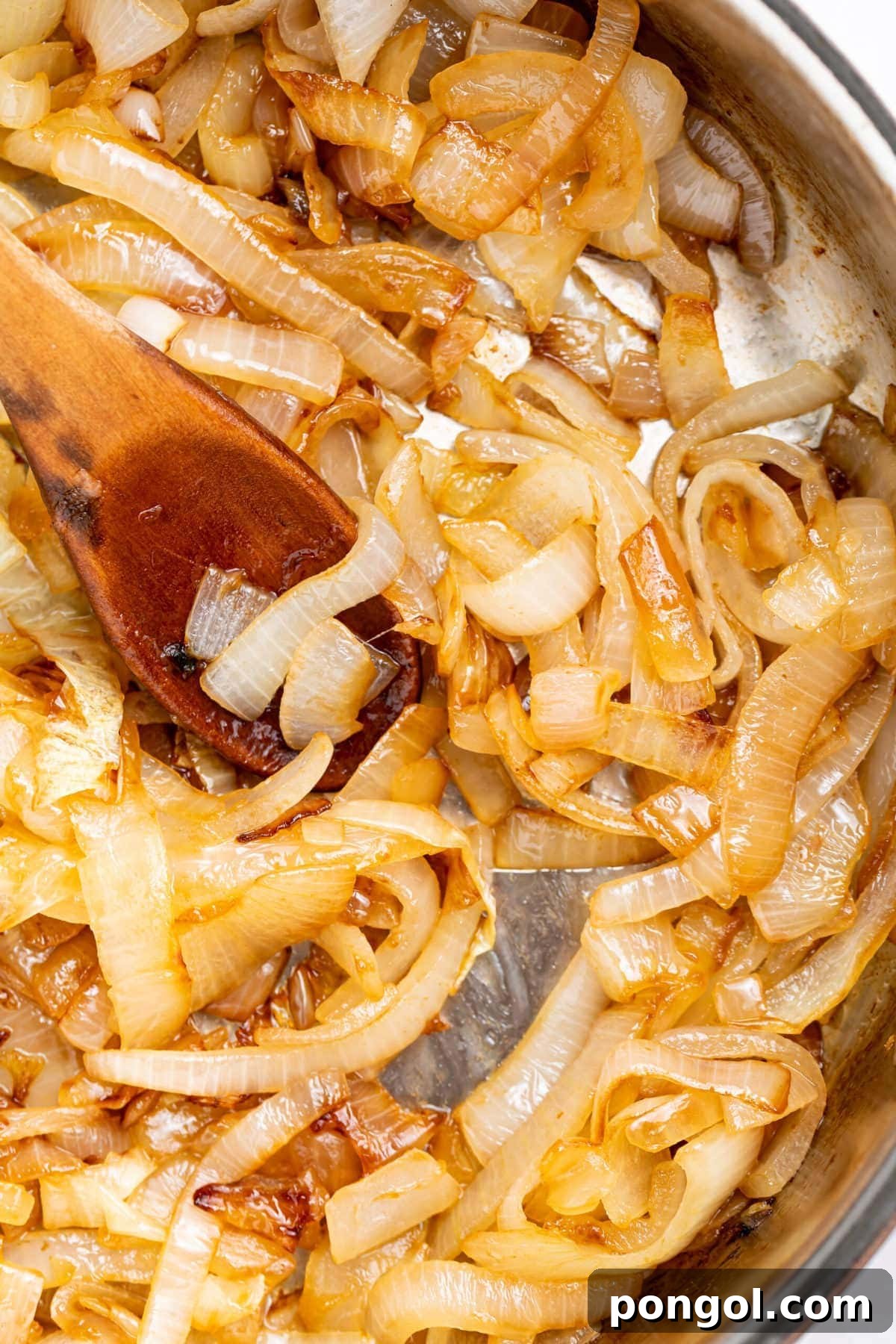
Perfectly Sautéed Onions: Your Guide to Flavorful Side Dishes and Toppings
Discover the simple secret to creating deeply flavorful, perfectly tender, and subtly sweet sautéed onions right in your own kitchen. This incredibly versatile ingredient is not just a side dish; it’s a culinary enhancement that can transform everyday meals into extraordinary dining experiences. Forget the lengthy process of caramelizing onions; our quick and easy sautéed onion recipe delivers impressive results in just 15 minutes, making it an essential skill for any home cook. Whether you’re topping a gourmet sandwich, tossing them into a fresh salad, or savoring them on their own, these onions are guaranteed to become a new favorite.
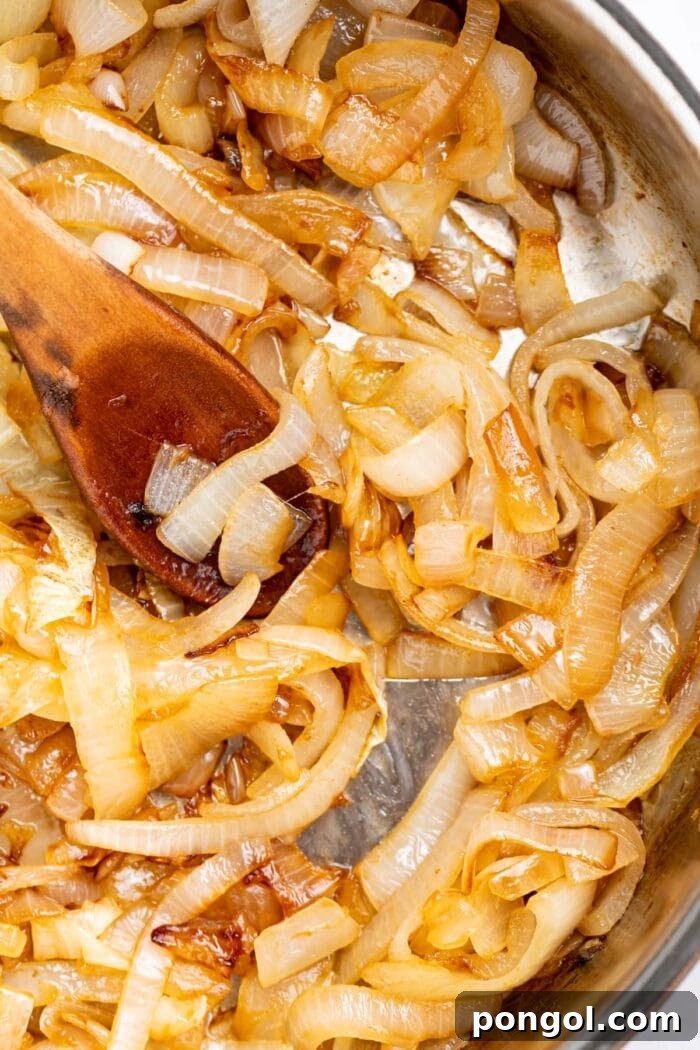
Why You’ll Love This Quick Sautéed Onion Recipe
This recipe for sautéed onions stands out for several compelling reasons, offering a perfect blend of convenience, versatility, and irresistible flavor. It’s the ideal solution for adding a gourmet touch to your meals without spending hours in the kitchen.
Unmatched Versatility for Any Meal
- A Culinary Chameleon: Sautéed onions are a true chameleon in the kitchen, effortlessly blending into almost any dish. Imagine them nestled in a warm sandwich, adding a savory-sweet kick to a crisp salad, or as an elegant accompaniment to your favorite steak or roasted chicken. They bring a depth of flavor that can elevate even the simplest ingredients.
- From Breakfast to Dinner: Start your day by folding them into scrambled eggs or an omelet, enriching a breakfast burrito, or topping a savory tart. For lunch, they’re fantastic on burgers, hot dogs, or as a flavorful base for a grain bowl. By dinner, they can shine in pasta dishes, quiches, pizzas, or as a succulent side to grilled meats and vegetables. My absolute favorite way to enjoy them? Stuffed generously into a gooey grilled cheese sandwich – an instant classic that’s truly irresistible!
- Flavor Enhancer: They provide a beautiful umami foundation, a hint of sweetness, and a subtle texture contrast that makes every bite more interesting.
Speedy Preparation: Sautéing vs. Caramelizing
- Ready in Minutes: Unlike their caramelized counterparts, which require a patient, slow cooking process of 45 minutes or more to achieve that deep, jammy sweetness, these sautéed onions are ready in a mere 15 minutes. This makes them a perfect last-minute addition to weeknight dinners or when you need a quick flavor boost.
- Efficient Cooking Method: The secret lies in a slightly higher heat and consistent stirring, allowing the onions to soften and brown beautifully without the extensive breakdown of sugars that defines caramelization. You’ll simply sauté them in a harmonious blend of butter and oil for about 10 minutes, then add a sprinkle of salt and continue cooking for another 5 minutes until they reach your desired tenderness and golden hue.
The Perfect Balance: Tender Yet Slightly Crisp
- A Delightful Texture: Thanks to the sautéing process, these onions achieve an ideal texture that’s neither overly mushy nor raw. They strike a wonderful balance, becoming tender and yielding while still retaining a slight bite and delightful crunch. This makes them significantly different from fully caramelized onions, which are much softer and sweeter.
- Enhanced Natural Sweetness: Sautéing brings out the natural sugars within the onions, creating a sweet and savory flavor profile that is truly addictive. The gentle browning enhances their inherent qualities, making them a delicious standalone side or an integral part of a larger dish.
Essential Ingredients for Perfect Sautéed Onions
Creating delicious sautéed onions requires just a few basic ingredients, but understanding each one’s role can make all the difference in achieving outstanding flavor and texture.
Choosing the Right Onion for Sautéing
The star of the show, onions, are incredibly versatile. While this recipe works with virtually any type, your choice will influence the final flavor profile.
- Yellow Onions: These are my top recommendation for their balanced flavor. Yellow onions possess a natural sweetness that intensifies beautifully when sautéed, transforming into a rich, mellow taste. They also hold up well to cooking, developing a lovely golden-brown color.
- White Onions: Offering a sharper, more pungent flavor when raw, white onions mellow out considerably when cooked. They tend to be less sweet than yellow onions but can still create a delicious sautéed product, especially if you prefer a less sweet profile.
- Red Onions: Known for their vibrant color and slightly peppery taste, red onions become remarkably sweet and tender when sautéed. Their beautiful purplish hue adds visual appeal to any dish. They’re excellent for dishes where you want a hint of color and a distinct, sweet flavor.
- Sweet Onions (Vidalia, Walla Walla, Maui): If you want to lean into the sweetness even more, sweet onion varieties are an excellent choice. They contain higher sugar levels naturally, resulting in an even sweeter, milder sautéed onion.
- Shallots: For a more delicate, nuanced onion flavor, shallots are a fantastic option. They are smaller, sweeter, and less pungent than regular onions, perfect for fine dining applications or when you want a subtle onion presence.
Preparing Your Onions: Regardless of your chosen type, proper slicing is crucial for even cooking. Begin by carefully slicing off both ends of the onion. Then, remove the papery outer skin. Slice the onion down the center from root to tip. Lay each half cut-side down on your cutting board. Using a sharp knife, carefully slice each onion half into uniform 1/4-inch half-moon slices. Consistency in thickness ensures all your onions cook at the same rate, preventing some from burning while others remain undercooked.
The Role of Fats: Butter and Olive Oil
The combination of butter and olive oil is key to achieving a rich flavor and perfect texture, preventing burning, and promoting even browning.
- Butter: Just a single tablespoon of butter contributes immensely to the flavor and richness of this simple dish. It lends a creamy, slightly nutty note and helps create that coveted golden-brown exterior. While you technically could omit it, I highly recommend against it for the best taste.
- Olive Oil: Olive oil offers a higher smoke point than butter, making it ideal for sautéing. It helps prevent the butter from burning too quickly and adds its own fruity, robust flavor. The combination ensures a luxurious mouthfeel and vibrant taste.
- Vegan/Dairy-Free Alternative: If you’re looking to make this recipe vegan or dairy-free, simply substitute the regular butter with a tablespoon of high-quality vegan butter. Choose a brand that melts and browns well for optimal results. Other neutral oils like grapeseed or avocado oil can also be used, though they won’t provide the same richness as butter.
Mastering the Sautéing Technique for Perfect Results
Achieving perfectly sautéed onions is an art that combines precise preparation with careful cooking techniques. Follow these steps to ensure your onions are always golden, tender, and full of flavor.
Precision Slicing: Uniformity for Perfect Results
Before you even turn on the stove, proper slicing is paramount. The goal is to create uniformly sized slices, ideally about 1/4-inch thick. Why is this so important? Inconsistent slices will cook unevenly: thin pieces will burn while thick pieces remain raw and crunchy. To achieve this, after peeling and halving your onions, lay the flat side down on a cutting board. Make firm, steady cuts with a sharp knife. For safety, keep your fingertips curled inward, away from the blade.
Optimal Heat Management for Flavor
The right heat level is critical. Start by heating your olive oil and butter in a large, heavy-bottomed skillet over medium heat. A heavy-bottomed skillet (cast iron or stainless steel are excellent choices) distributes heat more evenly, preventing hot spots that can scorch your onions. Medium heat allows the onions to soften gradually and develop flavor without burning too quickly. If the heat is too high, the onions will brown on the outside but remain raw on the inside, and their natural sugars will burn, leading to a bitter taste. If the heat is too low, the onions will steam rather than sauté, becoming soft and watery without achieving that desired golden hue and rich flavor.
Visual Cues: Look for the butter to melt and the oil to shimmer, indicating the pan is ready. Once the onions are added, you should hear a gentle sizzle, not a frantic crackle. If they start browning too fast, don’t hesitate to reduce the heat slightly. Patience is a virtue here.
The Art of Stirring: Preventing Burns and Ensuring Evenness
Constant vigilance and proper stirring are crucial. Once the onions are in the pan, toss them well to ensure every slice is coated in the butter and oil. For the first 10 minutes, stir them every minute or two. This initial frequent stirring helps distribute the heat, prevents sticking to the pan, and ensures all sides of the onion slices get a chance to brown. As they begin to soften and release moisture, you can stir slightly less often, perhaps every 2-3 minutes, but always keep an eye on them. If you notice any pieces browning too quickly, move them around the pan or reduce the heat slightly. The goal is a uniform golden-brown color and tender texture across all the onions.
When and How to Season Your Onions
Timing your seasoning can impact the final texture. For sautéed onions, it’s generally best to add salt towards the end of the cooking process. Adding salt too early can draw out moisture from the onions prematurely, causing them to steam and become mushy rather than sautéing and browning. After about 10 minutes of cooking, once the onions have softened and started to turn translucent, sprinkle in the salt. Continue cooking for the remaining 5 minutes or until they reach your desired doneness. The salt will enhance their natural sweetness and savory notes.
Chef’s Tip for Sweeter Onions: If you desire an even sweeter result, closer to caramelized onions but in less time, you can sprinkle in a tablespoon of sugar along with the salt in the last step. The sugar will quickly caramelize and add an extra layer of sweetness and depth. However, I often find that the natural sugars released by the onions during sautéing are perfectly sweet enough for my taste.
Elevate Your Sautéed Onions: Flavor Enhancements
While delicious on their own, sautéed onions can be easily enhanced with additional ingredients to complement various dishes. Experiment with these simple additions to customize your onions.
Herbaceous Touches
Fresh herbs can add a wonderful aromatic dimension. Stir in a tablespoon of finely chopped fresh thyme, rosemary, or parsley during the last minute or two of cooking. These herbs release their oils when heated, infusing the onions with their distinctive flavors. For a more subtle note, a pinch of dried herbs can also be used earlier in the cooking process.
Aromatic Spices
Depending on your intended dish, a dash of ground spices can transform your sautéed onions. Consider a pinch of smoked paprika for a smoky depth, a touch of cumin for an earthy warmth, or a tiny bit of chili flakes for a gentle heat. Add these spices during the last 2-3 minutes of cooking, allowing them to bloom in the hot oil without burning.
A Hint of Acidity
A splash of acid can brighten and balance the richness of sautéed onions. Just before removing them from the heat, stir in a teaspoon of balsamic vinegar, red wine vinegar, or even a squeeze of fresh lemon juice. This touch of acidity will cut through the sweetness and fat, adding a vibrant finish.
Sweet Notes (if desired)
As mentioned in our chef’s tips, if you prefer your sautéed onions to have an even more pronounced sweetness, a teaspoon of brown sugar, honey, or maple syrup can be added along with the salt in the final cooking stage. This accelerates the caramelization of the sugars, creating a richer, sweeter result.
Creative Ways to Enjoy Your Sautéed Onions
The beauty of sautéed onions lies in their ability to enhance a vast array of dishes. Here are some inspiring ideas to incorporate them into your meals, from breakfast to dinner and beyond.
Breakfast & Brunch Boosters
- Omelets and Scrambles: Fold them into your morning eggs for an instant flavor upgrade.
- Breakfast Burritos: Add a savory layer to your breakfast wraps alongside eggs, cheese, and beans.
- Savory Pancakes or Waffles: Top with sautéed onions, perhaps some smoked salmon or a fried egg.
- Breakfast Pizza: Use as a topping with bacon, sausage, and cheese.
Lunchtime Delights
- Gourmet Sandwiches & Wraps: Elevate a simple turkey or ham sandwich, or add them to a veggie wrap for extra depth.
- Burgers & Hot Dogs: A classic pairing that adds sweetness and complexity.
- Salads & Grain Bowls: Toss them warm into a green salad, pasta salad, or grain bowl for a burst of flavor and texture.
- Quesadillas & Tacos: A delicious filling or topping to any Mexican-inspired dish.
Dinner Dish Transformers
- Steak, Chicken, or Pork Topping: A spoonful of sautéed onions makes any grilled or roasted meat feel more sophisticated.
- Pasta Dishes: Stir them into a simple aglio e olio, a creamy sauce, or use as a base for bolognese.
- Pizzas & Flatbreads: A fantastic topping alongside goat cheese, mushrooms, or pepperoni.
- Quiches & Tarts: Integrate them into the filling for a savory, rich flavor.
- Stir-Fries: Add them to your favorite stir-fry for an extra layer of sweetness and crunch.
- Shepherd’s Pie or Pot Pies: Mix into the filling for a deeper, more satisfying taste.
Appetizer Stars
- Crostini or Bruschetta: Top toasted bread with sautéed onions, goat cheese, and a drizzle of balsamic glaze.
- Stuffed Mushrooms: A delicious addition to savory mushroom fillings.
Storage and Reheating Tips for Convenience
Preparing a larger batch of sautéed onions means you can enjoy them throughout the week. Proper storage and reheating will ensure they maintain their delicious flavor and texture.
Proper Storage for Freshness
- Refrigerator: Once cooled completely, transfer your sautéed onions to an airtight container. They will keep beautifully in the refrigerator for up to 5 days. This makes them perfect for meal prepping.
- Freezer: For longer storage, sautéed onions freeze exceptionally well. Spread the cooled onions in a single layer on a parchment-lined baking sheet and freeze until solid. Then, transfer the frozen onions to a freezer-safe bag or airtight container. They can be stored in the freezer for up to 3 months. Freezing them individually first prevents them from clumping together, allowing you to easily take out only what you need.
Reheating for Optimal Taste and Texture
- Microwave: For a quick reheat, place the desired amount of sautéed onions in a microwave-safe dish. Heat in 30-second intervals, stirring in between, until warmed through. This method is best for speed, though the texture might be slightly softer.
- Stovetop: To best restore their texture, reheat sautéed onions in a non-stick skillet over medium-low heat. Add a tiny splash of oil or butter if needed. Stir occasionally until they are heated through and regain a slight crispness. This method is especially good for frozen onions; you can often reheat them directly from frozen on the stovetop, though it may take a few extra minutes.
- Oven: If you’re reheating a larger batch or want a slightly crispier result, spread the onions on a baking sheet and warm them in a preheated oven at 300°F (150°C) for 5-10 minutes, or until hot.
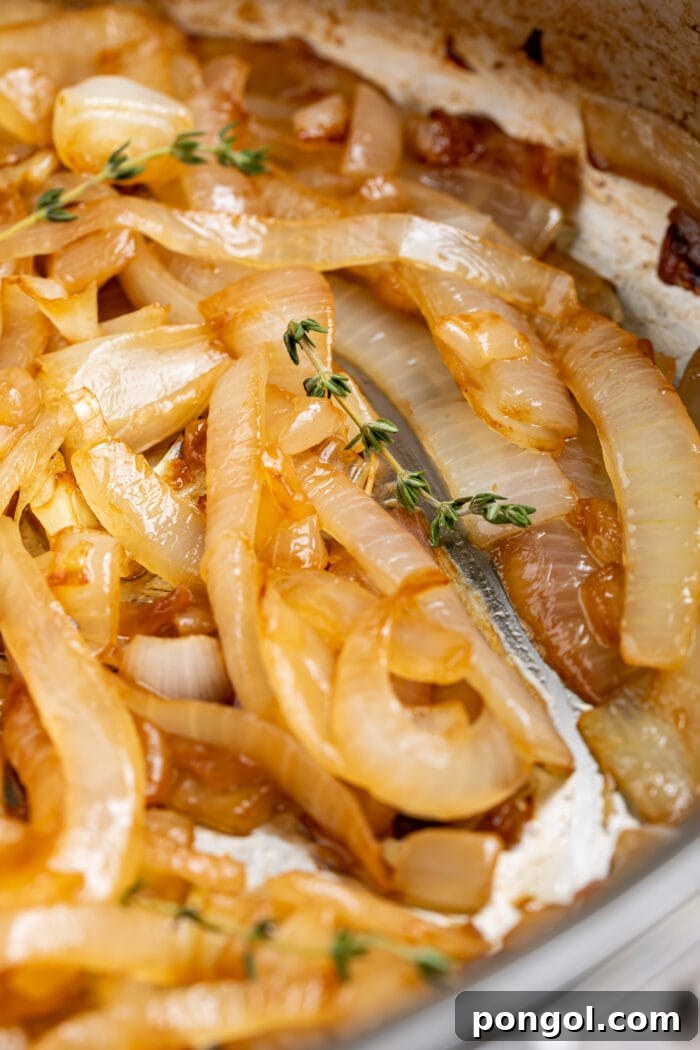
More Delicious Simple Side Dish Recipes
- Cheese Grits
- Whole30 Bacon Garlic Green Beans
- Grilled Eggplant Recipe
- Cheesy Fiesta Potatoes
- 20 Gluten Free Side Dishes
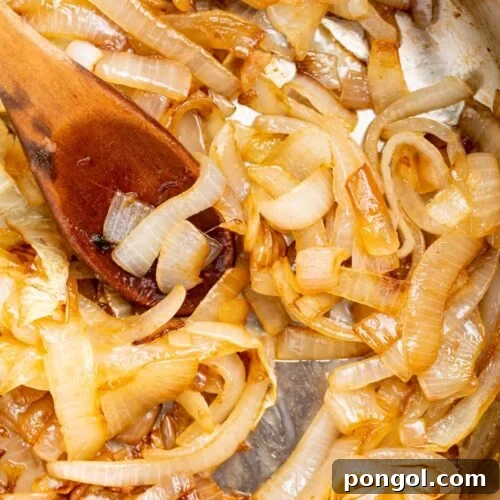
Sam Guarnieri
Sautéed Onions
0
15
15

Sam Guarnieri
Equipment
- Large skillet
Ingredients
- 1 tablespoon olive oil
- 1 tablespoon butter
- 3 onions sliced, see Notes
- ½ teaspoon salt
Instructions
-
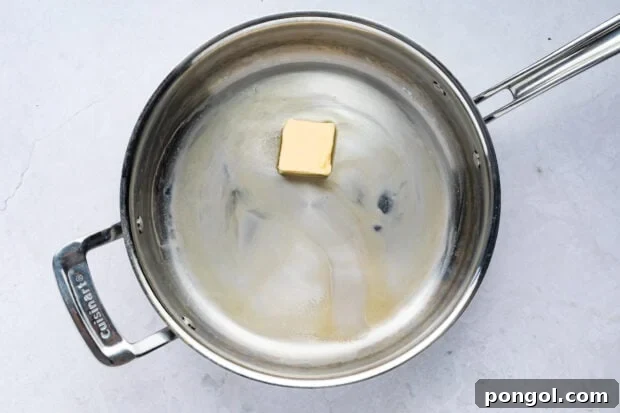
Heat olive oil and butter in a large heavy-bottomed skillet over medium heat.

-
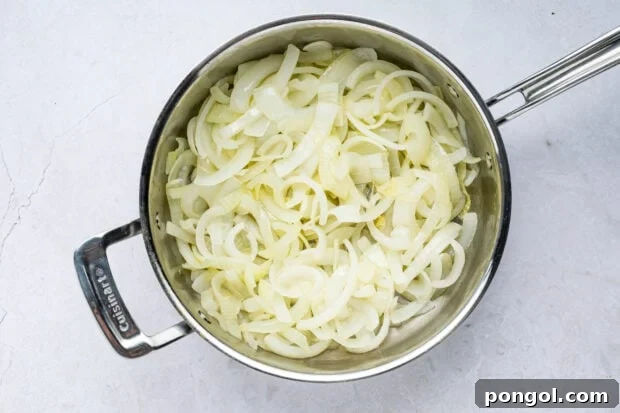
Add in the onions, toss to coat in the butter and oil then leave to cook for 10 minutes, stirring every minute or two.
-
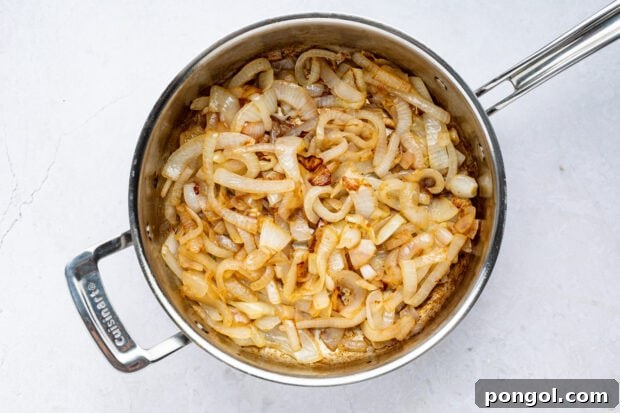
Sprinkle in the salt and cook for another 5 minutes or until desired doneness.
- Make it Vegan: Use one tablespoon of vegan butter instead of regular butter to make these sautéed onions vegan-friendly!
- Onions: I prefer yellow onions for this recipe, though you can use any type of onion you’d like.
Recipe yields approximately 6 servings. Actual number of servings will depend on your preferred portion sizes. Nutritional values shown are general guidelines and reflect information for 1 serving out of 6. Actual macros may vary slightly depending on specific brands and types of ingredients used.
To determine the weight of one serving, prepare the recipe as instructed. Weigh the finished recipe, then divide the weight of the finished recipe (not including the weight of the container the food is in) by 6. Result will be the weight of one serving.
Approximate Information for One Serving
Calories: 59cal
Protein: 1g
Fat: 4g
Saturated Fat: 2g
Trans Fat: 1g
Cholesterol: 5mg
Sodium: 213mg
Potassium: 81mg
Total Carbs: 5g
Fiber: 1g
Sugar: 2g
Net Carbs: 4g
Vitamin A: 59IU
Vitamin C: 4mg
Calcium: 13mg
Iron: 1mg
Nutrition Disclaimers
Number of total servings shown is approximate. Actual number of servings will depend on your preferred portion sizes.
Nutritional values shown are general guidelines and reflect information for 1 serving using the ingredients listed, not including any optional ingredients. Actual macros may vary slightly depending on specific brands and types of ingredients used.
To determine the weight of one serving, prepare the recipe as instructed. Weigh the finished recipe, then divide the weight of the finished recipe (not including the weight of the container the food is in) by the desired number of servings. Result will be the weight of one serving.
Did You Make This Recipe?
Tag @40aprons on Instagram and be sure to leave a review on the blog post!
Tag @40Aprons on Instagram