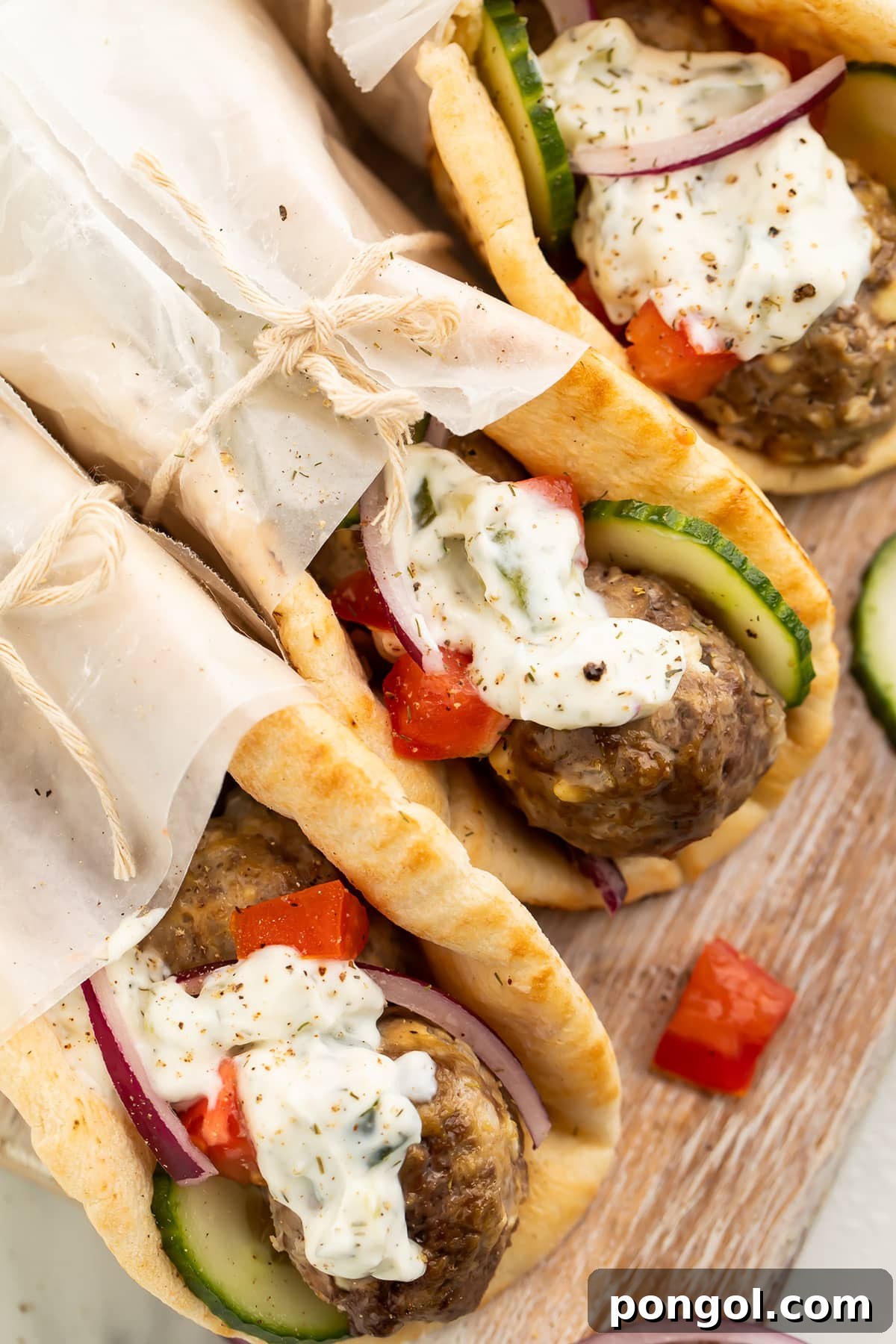
Authentic Greek Gyro Meatballs: Flavor-Packed & Versatile for Any Meal
Experience the quintessential flavors of a classic Greek gyro transformed into tender, juicy, and incredibly versatile meatballs! These homemade gyro meatballs are a culinary delight, bursting with savory lamb (or beef/pork), aromatic garlic, creamy feta, and authentic Greek seasoning. Whether nestled in warm pita bread with a refreshing tzatziki sauce, served atop a bed of fluffy rice, or enjoyed as a delectable appetizer, this recipe promises an easy-to-make, satisfying, and utterly delicious Mediterranean experience. Perfect for family dinners, meal prep, or entertaining, these gyro meatballs bring the vibrant taste of Greece right to your table, offering a healthier twist on a beloved street food classic.
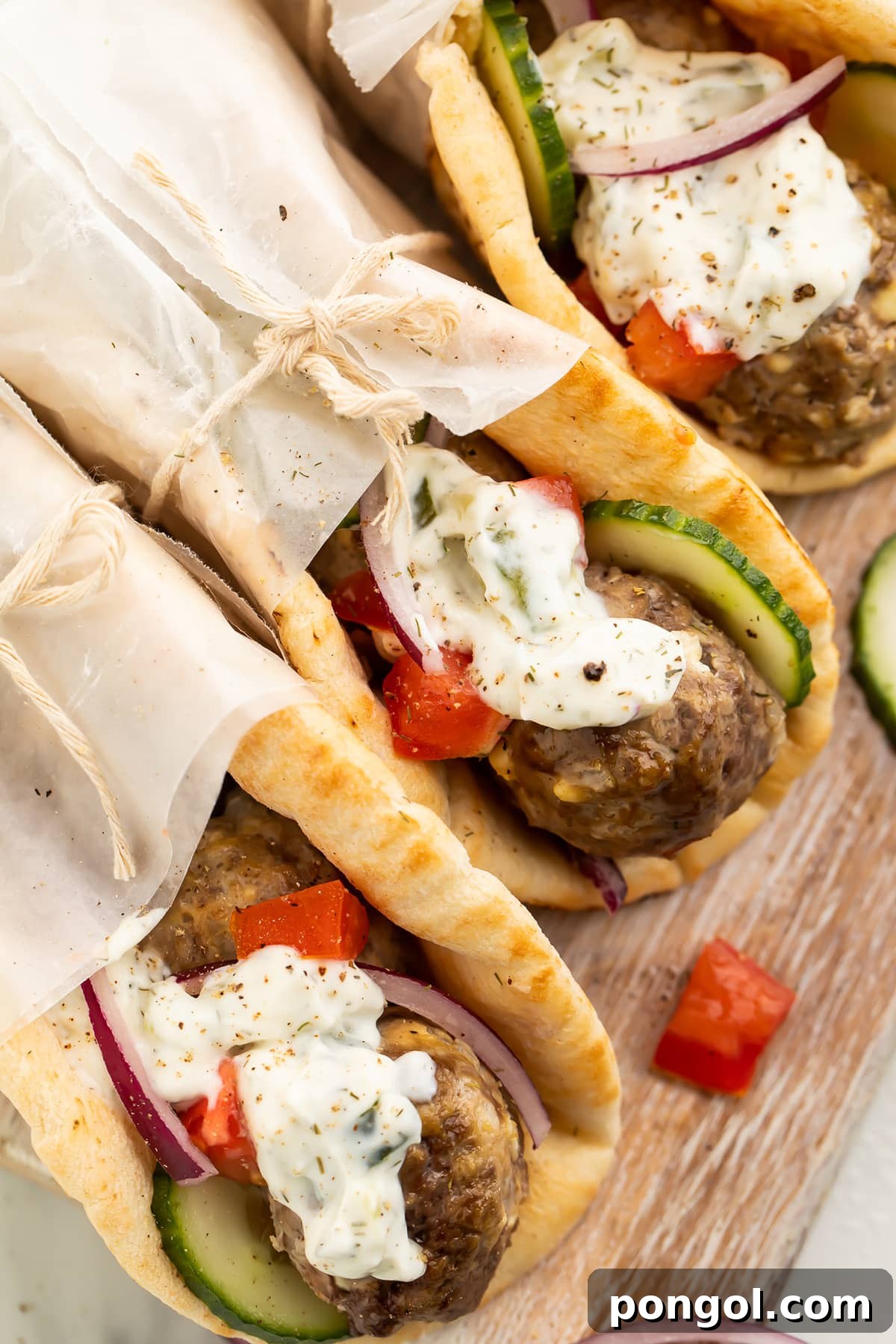
Why You’ll Love These Greek Gyro Meatballs
These Greek-inspired meatballs are more than just a delicious dish; they’re a celebration of Mediterranean flavors and an incredibly adaptable addition to your weekly menu. Here’s why this recipe stands out:
- Unbeatable Authentic Flavor: As a huge fan of traditional gyros, I crafted these meatballs to capture that unmistakable savory profile. They are incredibly simple to prepare yet explode with a rich depth of flavor from the carefully selected ingredients: succulent ground lamb (or a leaner alternative like beef or pork), finely minced garlic, tangy feta cheese, and a blend of classic Greek seasonings. Every bite delivers a taste of the Aegean, making them an instant favorite.
- A Meal Prep Dream: Meatballs are a fantastic option for meal prepping, and these gyro meatballs are no exception. They’re exceptionally easy to make in a large batch, holding their flavor and texture beautifully when stored and reheated. This means you can prepare them once and enjoy them in various creative ways throughout the week, avoiding the monotony of eating the same lunch every day. Spend less time cooking and more time savoring wholesome, delicious meals.
- Incredibly Versatile Serving Options: The beauty of these meatballs lies in their adaptability. You can easily transform them into classic Greek meatball gyros by simply warming pita bread, adding 3-4 meatballs, then topping with thinly sliced red onion, a fresh tomato-cucumber salad, and a generous drizzle of homemade tzatziki. Finish with a sprinkle of feta crumbles and wrap in parchment paper for an authentic experience. Beyond gyros, they shine over fluffy rice, quinoa, or fresh salads, making them suitable for any meal occasion.
Expert Tips for Perfect Gyro Meatballs Every Time
Achieving the perfect texture and flavor for your gyro meatballs is simple with these expert tips:
- Avoid Overworking the Meat Mixture: This is a crucial step for tender meatballs. When combining the ground meat, minced onion, garlic, egg, feta, and seasonings, mix gently with your hands until just combined. Over-mixing can compress the meat proteins, resulting in tough, dense meatballs. The goal is to distribute the ingredients evenly without making the mixture too compact.
- Ensure Uniform Meatball Size: The number of meatballs you get will depend on how large you make them, but consistency is key for even cooking. For this recipe, you should aim for approximately 14 to 20 meatballs per batch. A small cookie scoop with a release handle is ideal for portioning, ensuring each meatball is roughly the same size. If you don’t have a scoop, you can press the entire mixture evenly into your mixing bowl, divide it into four equal sections with a wooden spoon, and then further divide each section into 3-5 smaller, equal meatballs. Quickly roll each portion between your palms to shape them into smooth, compact balls before placing them on the baking sheet.
- Master Internal Temperature for Juicy Results: While a beautifully browned exterior is appealing, always use an internal meat thermometer to ensure your meatballs are perfectly cooked—not overcooked and dry, nor undercooked. For ground lamb, lean ground beef, or ground pork, the USDA recommends a food-safe internal temperature of 160°F (71°C). However, to prevent overcooking due to residual heat, I recommend removing the meatballs from the oven once they reach 155°F (68°C). The meatballs will continue to cook as they rest on the hot baking sheet, reaching the ideal temperature while retaining their moisture and juiciness. Resting also allows the juices to redistribute, leading to a more flavorful and tender meatball.
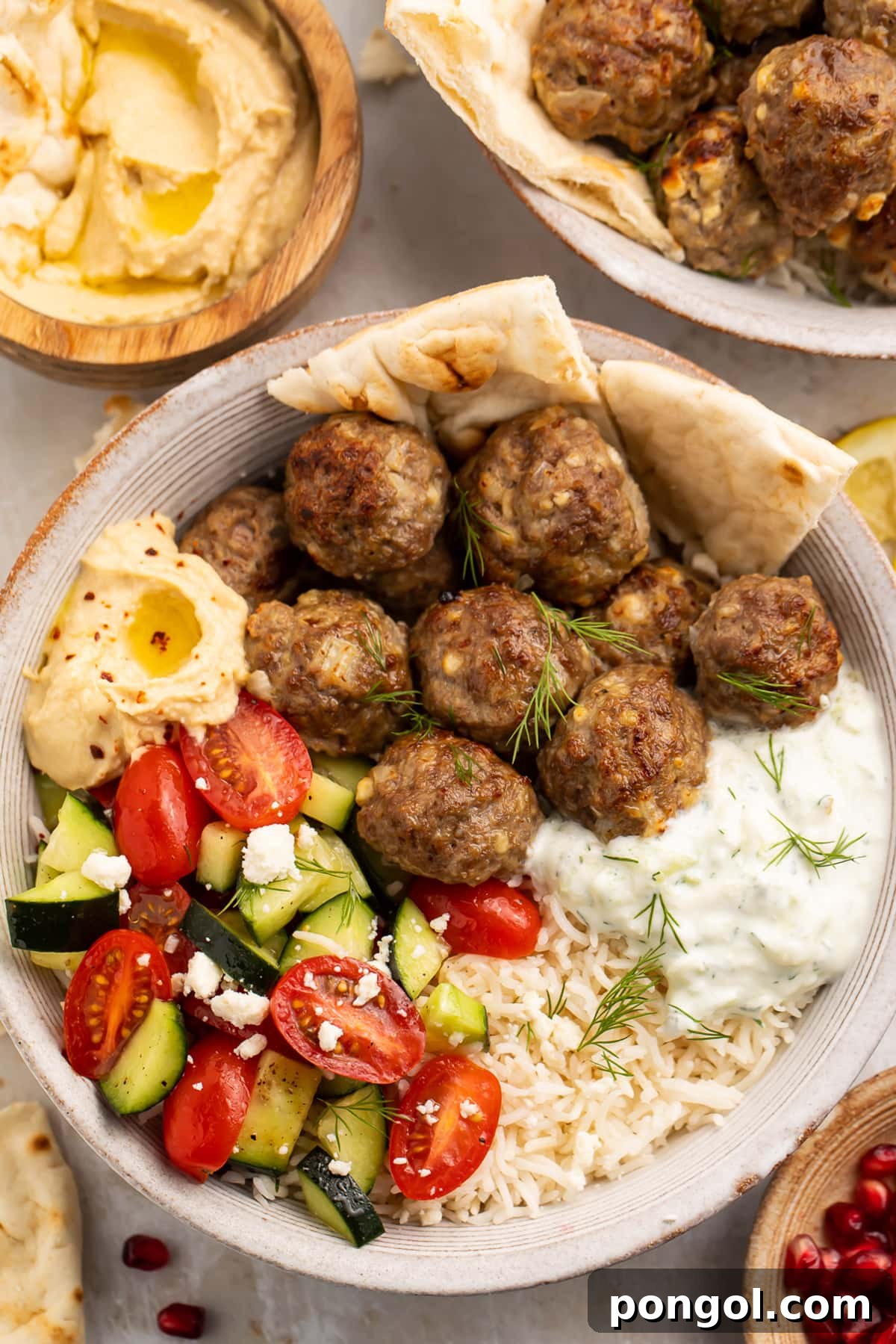
Serving Suggestions for Your Gyro Meatballs
These versatile gyro meatballs can be the star of many different meals. Here are some delicious ways to serve them:
- Classic Gyro Wraps: The most traditional and satisfying way! Warm some pita bread, spread a generous layer of homemade tzatziki, add 3-4 warm gyro meatballs, then top with fresh, thinly sliced red onion, crisp cucumber, ripe tomatoes, and a sprinkle of fresh parsley or dill. For an authentic touch, wrap it in parchment paper.
- Hearty Gyro Bowls: Create a wholesome bowl by serving the meatballs over a bed of fluffy basmati rice, quinoa, or a fresh mixed green salad. Add your favorite Mediterranean toppings like Kalamata olives, chopped bell peppers, a drizzle of olive oil, and plenty of tzatziki.
- Appetizer Platter: Serve the meatballs warm with toothpicks as a delightful appetizer for gatherings. Offer a side of tzatziki, hummus, or a spicy red pepper dip for dipping, alongside pita wedges and fresh vegetable sticks.
- Salad Topping: Slice the meatballs and use them as a protein-packed topping for a vibrant Greek salad with lettuce, cucumbers, tomatoes, red onions, olives, and feta cheese, dressed with a lemon-herb vinaigrette.
- Pasta Perfection: For a creative twist, toss these meatballs with your favorite pasta and a light lemon-garlic sauce, or even a simple marinara, for a Mediterranean-inspired pasta dish.
Ingredient Insights & Substitutions
Understanding the role of each ingredient can help you customize this recipe to your liking:
- Ground Meat: While ground lamb is traditional for gyros and offers the richest, most authentic flavor, you can easily substitute it with lean ground beef or ground pork. For a balance of flavor and cost, consider combining ½ pound ground lamb with ½ pound ground beef. Ensure your chosen meat is fresh and of good quality.
- Onion and Garlic: These aromatic staples are essential for building the foundational savory flavor. Minced white onion provides a pungent sweetness, while fresh minced garlic adds a distinctive depth. Do not substitute with garlic or onion powder if you can help it, as fresh ingredients provide superior flavor and moisture.
- Egg: The egg acts as a binder, helping the meatballs hold their shape and preventing them from falling apart during cooking. It also contributes to the tender texture.
- Feta Cheese: Finely crumbled feta cheese is a hallmark of Greek cuisine, adding a salty, tangy creaminess that infuses throughout the meatballs. Choose a good quality feta, preferably from sheep or goat’s milk, for the best flavor. If fresh feta isn’t available, a good quality pre-crumbled option will work.
- Greek Seasoning: This blend typically includes herbs like oregano, thyme, and marjoram, along with spices like garlic powder, onion powder, and sometimes a hint of cinnamon or nutmeg. A good Greek seasoning mix is key to achieving that characteristic gyro taste. If you don’t have a pre-made mix, you can create your own with dried oregano, thyme, a pinch of garlic powder, and a dash of black pepper.
- Salt: Essential for enhancing all the flavors. Always taste a small, cooked portion of the mixture before forming all the meatballs to adjust the salt to your preference.
Make Ahead & Storage Tips
These gyro meatballs are excellent for meal prep and storing for later:
- Refrigeration: Cooked gyro meatballs can be stored in an airtight container in the refrigerator for up to 3-4 days. Uncooked meatball mixture can be stored in an airtight container in the fridge for up to 2 days before shaping and cooking.
- Freezing Cooked Meatballs: To freeze cooked meatballs, allow them to cool completely. Arrange them in a single layer on a baking sheet and freeze until solid. Once frozen, transfer them to a freezer-safe bag or container, removing as much air as possible to prevent freezer burn. They can be stored for up to 3 months.
- Freezing Uncooked Meatballs: You can also freeze uncooked meatballs. Follow the same flash-freezing method, then store them in a freezer-safe bag. When ready to cook, bake from frozen, adding an extra 5-10 minutes to the baking time, ensuring they reach the safe internal temperature.
- Reheating: Reheat frozen meatballs in the oven at 350°F (175°C) for 15-20 minutes, or until heated through. Thawed meatballs can be reheated in the oven for 10-15 minutes, or gently warmed in a skillet on the stovetop.
Frequently Asked Questions (FAQ)
Here are answers to some common questions about making gyro meatballs:
- Can I make these gyro meatballs gluten-free? Yes, this recipe is naturally gluten-free! All the ingredients listed are typically gluten-free, making it a safe and delicious option for those avoiding gluten.
- Can I pan-fry these meatballs instead of baking them? Absolutely! While baking is convenient for large batches, you can pan-fry them for a crispier exterior. Heat a tablespoon of olive oil in a large skillet over medium heat. Cook the meatballs in batches, turning occasionally, until browned on all sides and cooked through (reaching 155°F internally before resting).
- What can I substitute for feta cheese? If you’re not a fan of feta or don’t have it on hand, you can try other crumbly, salty cheeses like goat cheese or cotija. However, for the most authentic “gyro” flavor, feta is highly recommended.
- How long do these gyro meatballs last? When properly stored in an airtight container in the refrigerator, cooked gyro meatballs will last for 3-4 days. If frozen, they can last up to 3 months.
- Can I use ground turkey or chicken? While the flavor profile will differ slightly from traditional gyro, you can certainly substitute ground turkey or chicken for a lighter option. Just be mindful that poultry is leaner, so adjust cooking times and ensure proper internal temperature (165°F for poultry).
Recipe: Delicious Greek Gyro Meatballs
Recipe By: Cheryl Malik
Gyro Meatballs
Prep Time: 20 minutes
Cook Time: 15 minutes
Total Time: 35 minutes
Savory, juicy, and utterly delicious, these gyro meatballs are perfect in pitas or over rice with tzatziki.

Cheryl Malik
Servings: 20 meatballs
Equipment
- large baking sheet
- Aluminum Foil or parchment paper
- neutral-flavored cooking spray
- large mixing bowl
- small cookie scoop with release handle optional, see Notes for alternative
- internal meat thermometer
Ingredients
For the Gyro Meatballs
- 1 pound ground lamb or lean ground beef, or ground pork
- ¼ cup minced white onion
- 3 cloves garlic minced
- 1 large egg
- ½ cup finely crumbled feta cheese
- 1 teaspoon Greek seasoning
- ½ teaspoon salt more or less to taste
Instructions
-
Preheat oven to 425° Fahrenheit. Line large baking sheet with aluminum foil (or parchment paper) and spray foil (or paper) lightly with cooking spray. Set baking sheet aside.
-
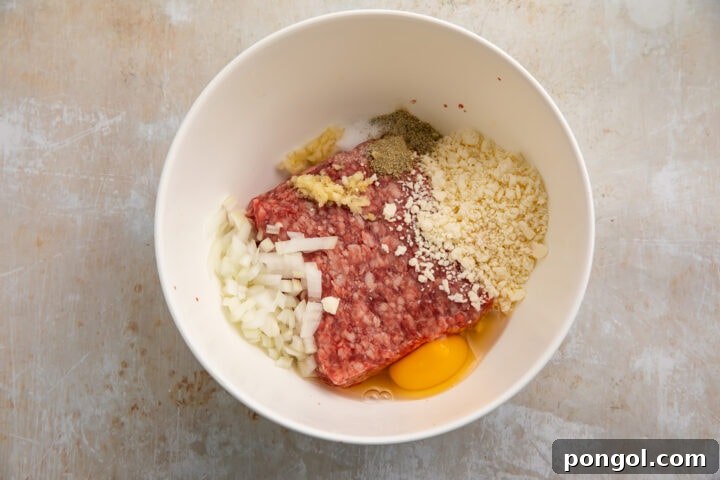
Add 1 pound ground lamb, ¼ cup minced white onion, 3 cloves garlic, 1 large egg, ½ cup finely crumbled feta cheese, 1 teaspoon Greek seasoning, and ½ teaspoon salt to large mixing bowl. Mix ingredients together with hands until ingredients are fully incorporated and mixture is uniformly blended.

-
Use small cookie scoop to portion mixture into meatballs. Quickly roll each scoop between palms of hands to shape into smooth balls, then place meatball on prepared baking sheet. Repeat until entire mixture has been formed into approximately 14 to 20 meatballs.
-
Place filled baking sheet in preheated oven. Bake meatballs 8 minutes, then check doneness with internal meat thermometer. Continue baking meatballs, checking doneness every 2 minutes, until meatballs reach 155° Fahrenheit internally.
-
Carefully remove baking sheet from oven and set aside. Let meatballs rest on baking sheet 5 minutes, then serve with desired sides.
- Number of Meatballs: The number of meatballs this recipe yields will depend on the size of the cookie scoop you use and how large the meatballs you form are. You should get 14-20 meatballs out of this recipe as-written.
- Cookie Scoop: If you don’t have a cookie scoop or anything with a release handle, that’s totally fine. To keep your meatballs uniform and equally sized, press the entire mixture evenly into the mixing bowl, then use a wooden spoon to divide it into 4 equal sections. From there, remove each section from the bowl and divide each section into 5 equal meatballs.
- Ground Meat: You can combine ½ pound ground lamb with ½ pound ground beef to add a little more flavor or cut costs.
- Meat Temperatures: The meatballs will keep cooking a little as they rest on the sheet pan, so we recommend you take them out of the oven just before they hit their target temperature. For ground lamb, ground beef, and ground pork, the recommended food-safe temperature is 160°F. Take the meatballs out of the oven when they reach 155°F.
Approximate Information for One Serving
Calories: 79cal
Protein: 5g
Fat: 6g
Saturated Fat: 3g
Trans Fat: 0.001g
Cholesterol: 29mg
Sodium: 118mg
Potassium: 62mg
Total Carbs: 1g
Fiber: 0.1g
Sugar: 0.1g
Net Carbs: 1g
Vitamin A: 31IU
Vitamin C: 0.3mg
Calcium: 26mg
Iron: 0.5mg
Nutrition Disclaimers
Number of total servings shown is approximate. Actual number of servings will depend on your preferred portion sizes.
Nutritional values shown are general guidelines and reflect information for 1 serving using the ingredients listed, not including any optional ingredients. Actual macros may vary slightly depending on specific brands and types of ingredients used.
To determine the weight of one serving, prepare the recipe as instructed. Weigh the finished recipe, then divide the weight of the finished recipe (not including the weight of the container the food is in) by the desired number of servings. Result will be the weight of one serving.
More Recipes for Ground Beef, Pork, or Lamb
- Whole30 Gyro Meatballs
- Low Carb Chili
- Garlic Bread Casserole
- Wonton Egg Drop Soup
- Easy Taco Pie Recipe
- Keto Meatballs and Tomato Sauce
- Indian Meatballs Recipe with Creamy Sauce (Whole30, Paleo)
- Philly Cheesesteak Casserole
- Gluten Free Meatloaf
Did You Make This Recipe?
Tag @40aprons on Instagram and be sure to leave a review on the blog post!
Tag @40Aprons on Instagram