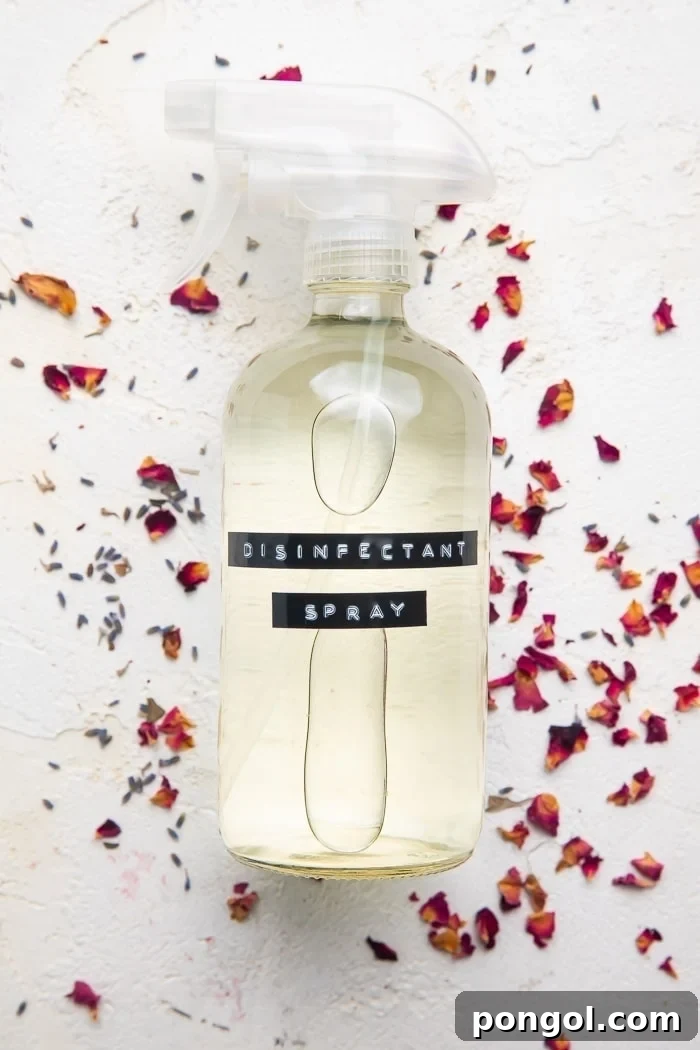
In a world where cleanliness is paramount, having an effective, affordable, and easy-to-make disinfectant on hand is invaluable. Forget expensive store-bought options filled with harsh chemicals you can barely pronounce. This ultimate guide unveils the secret to crafting your very own DIY disinfectant spray, a potent, alcohol-based germ killer that rivals commercial products like Lysol but is significantly cheaper and powered by simple, yet incredibly effective, antiviral ingredients. Don’t let its humble origins or customizable, pleasant scent fool you – this homemade solution is a formidable foe against unwanted pathogens on various surfaces.
Disclaimer: The information provided in this article is for educational and informational purposes only. We are not medical professionals, chemists, or pharmacists. We are enthusiasts who enjoy creating effective household products. This content is not intended to be medical advice, nor does it substitute professional medical guidance. Always exercise caution and consult with experts for specific health or chemical-related concerns. Use this DIY disinfectant spray recipe at your own risk.
The efficacy of any disinfectant hinges on its active ingredients. For an alcohol-based disinfectant, the alcohol concentration is critical. To ensure your homemade disinfectant spray is truly effective at eliminating germs, you must use a solution containing at least 60% alcohol. Research, including studies by reputable journals, indicates that a minimum of 62% alcohol is required for optimal germ-killing capabilities. Anything less may not provide sufficient disinfection, leaving your surfaces vulnerable.
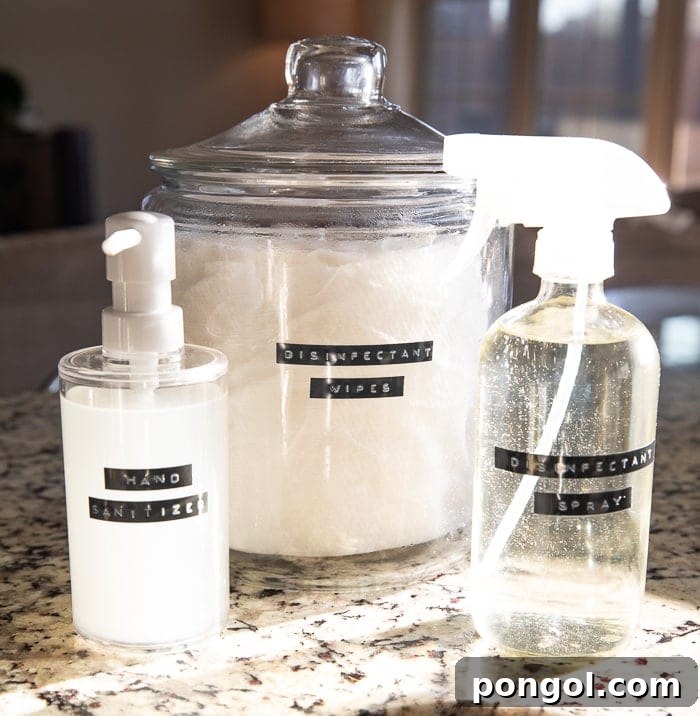
Beyond surface disinfectants, explore other homemade germ-fighting essentials! Don’t forget to check out our guides for crafting your own DIY hand sanitizer for on-the-go protection and DIY Lysol or Clorox wipes for convenient cleaning tasks. Building a comprehensive arsenal of homemade cleaning products can save you money and give you peace of mind.
Do you remember Everclear from your college days? If only we had known its incredible germ-fighting prowess then, perhaps our “hunch punch” would have served a dual purpose! While those days of innocent (or not-so-innocent) indulgence are behind us, the power of high-proof alcohol has found a new, more responsible application in our homes. For years, I’ve been refining this remarkably simple and budget-friendly homemade disinfectant spray, creating my version of an effective DIY Lysol spray. Now, I’m thrilled to share this recipe with you, empowering you to effectively combat germs and maintain a pristine living environment.
Why Choose This Homemade Disinfectant Spray?
Making your own cleaning products offers numerous advantages, from cost savings to ingredient control. This particular DIY disinfectant spray stands out for several compelling reasons:
- Unquestionable Effectiveness: When formulated correctly with 60% or higher alcohol content (and we often aim for significantly more), this spray is incredibly effective against a wide spectrum of bacteria and viruses. The science backs it up, making it a reliable choice for household disinfection.
- Remarkable Affordability: Commercial disinfectants can quickly drain your wallet, especially with frequent use. This DIY alternative is exceptionally cheap to produce. A 16 oz bottle of 91% isopropyl alcohol, the primary ingredient, can often be found for under a dollar. This makes the entire bottle of homemade spray cost a mere fraction of store-bought equivalents, offering significant long-term savings.
- Customizable with Essential Oils: Unlike many bland or chemically scented commercial sprays, our DIY version allows for complete customization. You can infuse it with your favorite essential oils, not just for a pleasant aroma, but also to harness their inherent disinfectant and antiviral properties, adding another layer of germ-fighting power.
- Enhanced Germ-Fighting with Hydrogen Peroxide: A small but mighty addition, hydrogen peroxide acts as a powerful enhancer in this germ-fighting spray. It contributes to the broad-spectrum efficacy, ensuring a thorough attack on microbes.
- Transparency and Control: You know exactly what goes into your cleaner. No hidden chemicals, no mysterious “fragrances.” This transparency is a huge benefit for families, especially those with sensitivities or a desire for a more natural approach to cleaning.
Optimal Uses for Your DIY Disinfectant Spray
While this spray is a powerful ally against germs, it’s crucial to understand its appropriate applications. Please, under no circumstances should you spray this solution directly onto people, pets, or food! This is a surface disinfectant designed for inanimate objects.
You can confidently use this homemade disinfectant on most non-porous surfaces throughout your home and workplace. We particularly recommend it for high-touch areas – those spots that frequently come into contact with hands and, therefore, germs. Consider these common culprits:
- Kitchen Surfaces: Sink handles, refrigerator handles, countertops, microwave buttons, stovetop knobs, cutting boards (non-porous).
- Bathroom Fixtures: Toilet handles, faucet handles, light switches, shower knobs, vanity surfaces.
- Common Household Items: Doorknobs, light switches, remote controls (spray onto a paper towel first, then wipe), computer keyboards and mice, cell phones (again, spray lightly onto a cloth, then wipe), toys (non-porous), garbage can lids.
- Other Areas: Steering wheels, car door handles, gym equipment, desks, and any other surface that sees frequent contact.
When disinfecting electronics like phones or remotes, always spray the solution onto a clean cloth first, then wipe the surface to avoid moisture damage. For best results, allow the spray to sit on the surface for at least 10 minutes before wiping clean. This contact time is essential for the active ingredients to effectively neutralize germs.
Essential Ingredients for Your Homemade Disinfectant
The beauty of this DIY disinfectant spray lies in its simplicity. You’ll only need four core ingredients, each playing a vital role in creating a powerful germ-killing solution:
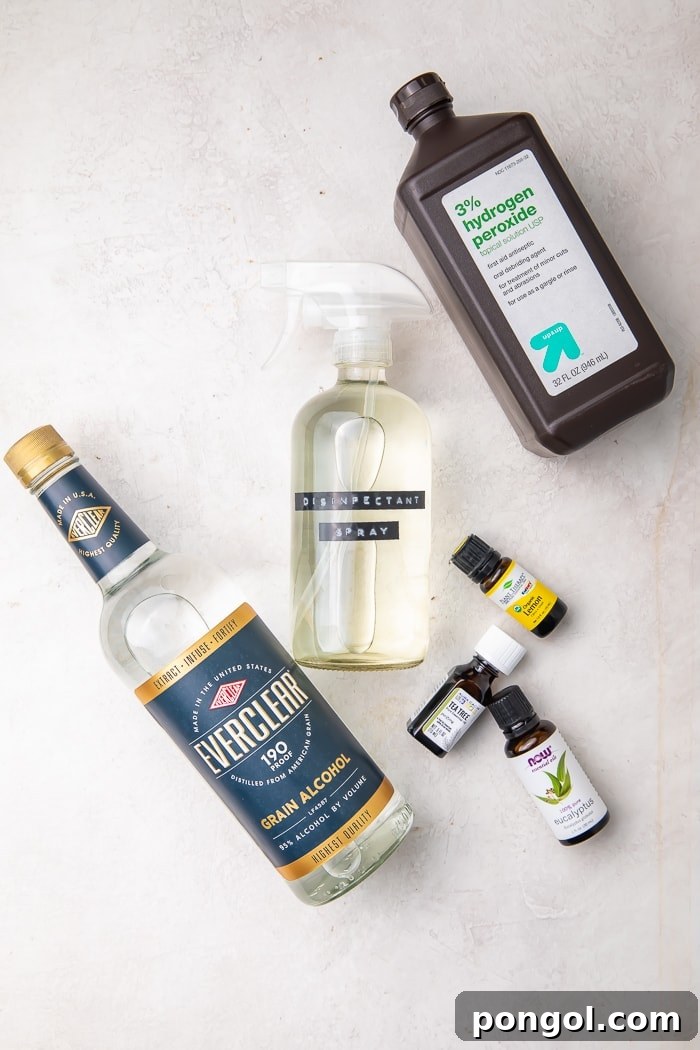
- High-Proof Alcohol: Preferably ethanol (ethyl alcohol, often found as grain alcohol like Everclear) or isopropyl alcohol (rubbing alcohol). This is the primary germicidal agent.
- Distilled Water: Essential for proper dilution and enhancing the alcohol’s efficacy. Using distilled water prevents mineral buildup and ensures purity.
- Hydrogen Peroxide: A potent antiseptic that boosts the disinfectant properties of the spray and helps kill a broader range of pathogens.
- Essential Oils (Optional): For pleasant scent and added antimicrobial benefits.
Isopropyl Alcohol vs. Ethanol: Which to Choose?
When it comes to selecting the alcohol for your DIY disinfectant spray, you have two primary options: isopropyl alcohol or ethanol. Both are effective germicides, but understanding their differences can help you make an informed choice based on your specific needs and availability.
Fundamentally, both are alcohols, but their chemical structures and common uses differ. Isopropyl alcohol, commonly known as rubbing alcohol, is typically used for topical applications, such as sterilizing skin before injections or cleaning minor cuts. It’s widely available and inexpensive at pharmacies and grocery stores, usually in concentrations of 70% or 91%.
Ethanol, or ethyl alcohol, is the type of alcohol found in alcoholic beverages (like Everclear, vodka, etc.). It’s also used in many commercial sanitizers and disinfectants. Due to its ingestible nature (when properly diluted and handled), it can sometimes be perceived as a “safer” option for household use, although it’s crucial to remember that this spray is *not* for consumption.
Both types of alcohol effectively kill germs by denaturing proteins and dissolving lipids, thereby destroying cell membranes. However, some research suggests that isopropyl alcohol might be particularly effective against bacteria, while ethanol (ethyl alcohol) shows superior efficacy against a broader range of viruses. If your primary concern is targeting viruses, especially during flu season or outbreaks, opting for ethanol (such as high-proof grain alcohol) might be slightly advantageous. For general disinfection, either type, provided it’s at the correct concentration, will be highly effective.
We personally tend to favor ethyl alcohol (Everclear or similar high-proof grain alcohol) during colder months when viral infections are more prevalent, leaning into its noted antiviral strengths. However, 91% isopropyl alcohol is a perfectly viable and economical alternative for everyday disinfecting needs.
The Crucial Role of Water in Disinfection
It might seem counterintuitive, but using pure, undiluted alcohol for your DIY disinfectant is actually less effective than a mixture containing a small amount of water. While logic might suggest that 100% alcohol would be the most potent germ killer, scientific research tells a different story.
The CDC’s guidelines on disinfection explain that “absolute ethyl alcohol, a dehydrating agent, is less bactericidal than mixtures of alcohol and water because proteins are denatured more quickly in the presence of water.” This means that water acts as a catalyst, helping the alcohol to penetrate the cell walls of bacteria and viruses more effectively. Without water, the alcohol can merely coagulate the proteins on the outside of the microbial cell, forming a protective layer that prevents further penetration, leaving the inner parts of the germ alive and viable.
Therefore, a small amount of distilled water is a critical component in our DIY disinfectant spray. It optimizes the alcohol’s ability to denature proteins and effectively destroy pathogens, creating a more robust and efficient germ-killing solution. Our recipe carefully balances mainly alcohol with a touch of water, a bit of hydrogen peroxide, and essential oils to achieve maximum efficacy.
Incorporating Essential Oils for Enhanced Disinfection and Scent
While optional, adding essential oils to your DIY Lysol spray offers a fantastic way to enhance its properties. I personally love using them for two main reasons:
- Pleasant, Natural Scent: Essential oils provide a natural, refreshing aroma that can transform your cleaning experience, making it much more enjoyable than the often harsh smells of chemical cleaners.
- Antiviral and Cleaning Properties: Many essential oils possess inherent antimicrobial, antiviral, and antifungal properties, adding an extra layer of germ-fighting power to your spray.
You don’t need to be an essential oil expert to incorporate them into your cleaning routine. While I have a diverse collection, I don’t engage in essential oil sales groups. You can easily find high-quality organic, pure essential oils from various reputable sources, including online retailers. Always ensure you purchase from a trusted brand to guarantee purity and effectiveness.
Here’s a list of essential oils we frequently use in our antiviral and cleaning recipes. Those marked in bold have been specifically studied for their antiviral properties:
- Tea Tree Oil: Widely recognized for its powerful antiseptic and antiviral capabilities.
- Eucalyptus Oil: Known for its strong decongestant and antimicrobial properties, often used in respiratory blends.
- Thyme Oil: A potent antimicrobial oil, excellent for deep cleaning.
- Rosemary Oil: Offers stimulating and purifying properties, great for a fresh scent.
- Cinnamon Bark Oil: A very strong antiviral and antibacterial oil, use sparingly.
- Clove Bud Oil: Another powerful antimicrobial, known for its warm, spicy aroma.
- Orange Oil (Sweet Orange): Uplifting and degreasing, with noted antiviral activity.
- Chamomile Oil: Known for its calming properties, it can also offer mild antimicrobial benefits.
- Lemon Oil: A fantastic natural degreaser and purifier, providing a crisp, clean scent.
- Peppermint Oil: Invigorating and naturally antimicrobial.
- Lavender Oil: A versatile oil, known for its calming aroma and mild antiseptic qualities.
Indeed, specific studies have highlighted the antiviral efficacy of certain essential oils. Tea tree, eucalyptus, and thyme have been subjects of research demonstrating their antiviral properties, making them excellent choices for any disinfectant blend. Similarly, clove, orange, and rosemary, along with cinnamon, are all recognized for their significant antiviral activity. Combining a few of these powerful oils can create a highly effective and aromatically pleasing disinfectant blend.
I also frequently include lemon essential oil. Beyond its undeniably clean and refreshing aroma, a study even showed it to be more effective at reducing stress than lavender. So, not only does it clean, but it can also uplift your mood!
The Power of Hydrogen Peroxide in Disinfection
Adding a small amount of hydrogen peroxide to your alcohol-based disinfectant significantly enhances its germ-killing capabilities, particularly against stubborn viruses. Its oxidizing properties work to destroy the outer shell of pathogens, making them inactive.
Research has shown that certain viruses “can be efficiently inactivated by surface disinfection procedures with 62–71% ethanol, 0.5% hydrogen peroxide or 0.1% sodium hypochlorite within 1 minute.” This is a significant finding! Consider that many commercial disinfectant sprays, like Lysol, often recommend a contact time of ten minutes for effective disinfection. Our DIY solution, combining high-concentration ethanol with a touch of hydrogen peroxide, can achieve efficient inactivation in a mere minute. This speed and effectiveness are precisely what we’re aiming for!
It’s worth noting that the research specifically references ethanol in combination with hydrogen peroxide, rather than isopropyl alcohol, for this rapid inactivation. This is a key reason why we personally opt for ethanol alcohol (such as Everclear) in our homemade spray, prioritizing its broad-spectrum antiviral efficacy.
For a 16-ounce batch of spray, less than half a teaspoon of hydrogen peroxide is all that’s needed. A little goes a long way in boosting the formula’s power. Remember, the critical factor is to ensure your final solution maintains an ethanol concentration between 62-71% for optimal effectiveness. Combining this with hydrogen peroxide creates a dynamic duo against germs.
Ensuring Correct Alcohol Concentration: How to Calculate for Effectiveness
Achieving the precise alcohol concentration in your DIY disinfectant spray is paramount for its effectiveness. It’s more intricate than simply mixing ingredients; accurate calculations are essential to ensure your solution meets the minimum 60% (preferably 62% or higher) alcohol content needed to kill germs. Don’t worry, you don’t need a chemistry degree to get it right!
To help simplify this process, I consulted with a mathematician friend who developed a clear, step-by-step explanation for calculating desired final alcohol percentages in mixtures. His resource is invaluable for understanding the ratios and achieving the correct concentration for your spray. You can find his detailed calculation and guidance here: Mixing Alcohol Calculator. We often aim for a final alcohol percentage of around 75% in our mixtures, offering a comfortable margin above the recommended minimum.
Additionally, there are user-friendly online tools designed to assist with these calculations. One excellent resource is the DIY Hand Sanitizer / Disinfectant Recipes Calculator. This calculator allows you to input your desired total volume (e.g., 16 ounces, which is approximately 473 milliliters) and the alcohol percentage of your base ingredient, then it guides you on how much water to add. While this calculator typically produces a 75% alcohol solution and might suggest a bit more hydrogen peroxide than we use in our specific recipe, it’s an incredibly helpful starting point to ensure you’re on the right track for alcohol dilution.
When using these tools, remember to adjust quantities to ensure you end up with at least 60% alcohol content. It cannot be overstated: if your solution falls below 60% alcohol, it will not be effective as a disinfectant. Always prioritize achieving this minimum concentration.
As I’ve emphasized, I am not a chemist, and precision is key in creating an effective disinfectant. When in doubt, always err on the side of strength to ensure germicidal efficacy. For serious DIY enthusiasts, I highly recommend investing in a 0-200 proof alcohol hydrometer. This simple tool allows you to accurately test the alcohol content of your homemade mixtures, whether it’s hand sanitizer, disinfectant spray, or disinfectant wipes, providing an extra layer of confidence in your homemade solutions.
To reiterate these vital safety and efficacy points: We are not medical professionals or doctors. The information shared is based on personal experience and widely available research. It is crucial to ensure your disinfectant spray contains a minimum of 60% alcohol, with 62% or more being optimal, otherwise, it will not be effective at killing germs.
Utilize the provided online calculator and consider the mathematical guide to accurately determine the alcohol percentage of your final mixture. Always be aware of the initial alcohol percentage and type (isopropyl alcohol, also known as rubbing alcohol; or ethyl alcohol, like Everclear or high-proof vodka) of your primary ingredient before mixing.
Frequently Asked Questions About DIY Disinfectant Spray
Can I use vodka in my DIY disinfectant spray?
Yes, you can use vodka, but there’s a critical caveat: it must be high-proof vodka. Look for vodkas that are at least 130 proof (65% alcohol by volume) or higher. For optimal germ-killing effectiveness, ideally, you would use 140 proof (70% ABV) or 190 proof (95% ABV) grain alcohol like Everclear. If using a high-proof vodka, ensure you do not add any additional water to the mixture, as this will dilute the alcohol below the effective threshold. The higher the proof, the more effective your spray will be.
How should I use my homemade disinfectant spray?
This spray is designed for surface disinfection. We highly recommend using it on non-porous surfaces in high-traffic and high-touch areas throughout your home or office. This includes kitchen counters, stove knobs, refrigerator handles, sinks, toilet seats, bathroom faucets, doorknobs, light switches, and electronic devices (by spraying onto a cloth first). For best results, spray the surface thoroughly, ensuring it remains wet for at least 10 minutes, then wipe clean with a cloth or paper towel.
Can I use this recipe as a hand sanitizer?
While the core ingredients (alcohol) are similar to hand sanitizer, this formulation is optimized for surfaces. The alcohol concentration, combined with hydrogen peroxide, can be quite harsh and drying on your skin with regular use. For effective and skin-friendly hand sanitization, we strongly recommend using a dedicated hand sanitizer recipe that includes moisturizing agents like aloe vera. You can find our DIY hand sanitizer recipe here!
How long do germs typically last on surfaces?
The lifespan of germs on surfaces varies widely depending on the type of microorganism and the environmental conditions. Some common cold and flu viruses can survive on surfaces for several hours, while more resilient viruses may persist for up to 7 days. Bacteria generally have a shorter survival time, ranging from a few hours to several days. Regular disinfection of high-touch surfaces is key to breaking the chain of transmission and minimizing germ spread.
What are considered the most germ-laden surfaces in a home or office?
Germs tend to congregate in areas that are frequently touched or exposed to moisture and organic matter. In homes, kitchens (sponges, cutting boards, sinks, refrigerator handles) and bathrooms (toilet handles, faucets, shower curtains) are common hotspots. Beyond these, everyday items like cell phones, computer keyboards, remote controls, money, and shared workspaces are often teeming with microorganisms. Focusing your disinfection efforts on these areas can significantly reduce your exposure to germs.
DIY Disinfectant Spray (Homemade Lysol Spray)
10 minutes
0 minutes
10 minutes
This super easy and budget-friendly DIY disinfectant spray is your ultimate weapon against germs, offering powerful cleaning capabilities just like Lysol, but with simpler, more transparent ingredients. It’s a fantastic solution for keeping your home clean and healthy without breaking the bank.
Recipe By: Cheryl Malik
Average Rating: 4.94 from 46 votes
Equipment
- funnel
- 16-ounce spray bottle
Ingredients (Yields approximately 16 ounces)
- 3 ½ ounces distilled water
- ½ teaspoon hydrogen peroxide
- 30-45 drops preferred essential oil blend (optional, see Notes for recommendations)
- 12 ounces 95% ethanol (ethyl alcohol), or more/less as needed to fill bottle (see Notes for alcohol percentage calculations)
Instructions
-
Fit your 16-ounce spray bottle with a funnel. Carefully pour 3 ½ ounces of distilled water and ½ teaspoon of hydrogen peroxide into the bottle. If you choose to use essential oils, add 30-45 drops of your preferred blend at this stage.
-
Fill the remainder of the bottle with approximately 12 ounces of 95% ethanol (ethyl alcohol). The exact amount may vary slightly depending on the size of your spray bottle and the desired final alcohol concentration. Refer to the Notes section for guidance on calculating alcohol content.
-
Secure the nozzle tightly on your spray bottle and shake the bottle vigorously for at least 30 seconds to thoroughly combine all ingredients.
-
Your homemade disinfectant spray is now ready to use! Apply generously to desired surfaces. For optimal germ killing, allow the spray to sit on the surface for a minimum of 10 minutes before wiping clean with a cloth or paper towel.
Notes
- 95% Ethyl Alcohol: For best results, use a high-proof grain alcohol such as 190-proof Everclear, 190-proof Golden Grain, or a vodka that is at least 140 proof (70% ABV). Lower proof alcohols will reduce the final concentration and efficacy.
- Germ-Fighting Best Practices: This spray is a great tool, but it’s part of a larger strategy. Continue to follow germ-fighting best practices as recommended by health organizations like the CDC, including regular and proper hand-washing, coughing or sneezing into your elbow, and avoiding touching your face. Visit their site for comprehensive information on preventing germ spread.
- Critical Alcohol Content: You must absolutely ensure your final mixture contains a minimum of 60% alcohol, or it will not be effective as a disinfectant. Preferably, aim for 62% or higher.
To Calculate Percentage of Alcohol Content:
- Mathematician’s Equation: For a clear, in-depth guide to calculating the desired final alcohol percentage in your mixtures, check out my mathematician friend’s helpful walk-through.
- Online Calculator: For a quick and easy tool, use this online calculator. It’s designed for hand sanitizers but is highly effective for disinfectant spray calculations too. It typically aims for a 75% alcohol solution. Adjust the water content as needed to reach your desired alcohol percentage while ensuring you meet the minimum 60% requirement.
Recommended Essential Oils for Disinfection:
Note: You can use just one oil or a combination of a few. We do not recommend using all of these in a single batch of spray; choose 2-3 oils for a balanced blend.
- Tea Tree
- Eucalyptus
- Thyme
- Rosemary
- Cinnamon
- Clove
- Orange (Sweet Orange)
- Chamomile
- Peppermint
- Lavender
Tea tree, eucalyptus, and thyme have been scientifically studied for their potent antiviral properties, making them excellent foundational choices for disinfectant blends.
Disclaimer: We are NOT chemists, medical professionals, or doctors. We do not provide medical advice. We are simply sharing a tried-and-true recipe for an alcohol-based cleaning spray that we have used effectively for years. We hope others will benefit from this homemade solution, but please use it responsibly and at your own discretion.
Approximate Nutritional Information for One Serving (1 Ounce)
Given that this is a cleaning spray and not intended for consumption, detailed nutritional values are not applicable. However, for those curious about any potential trace elements, approximate information per serving (1 ounce of spray) is provided below:
Net Carbs: 0g