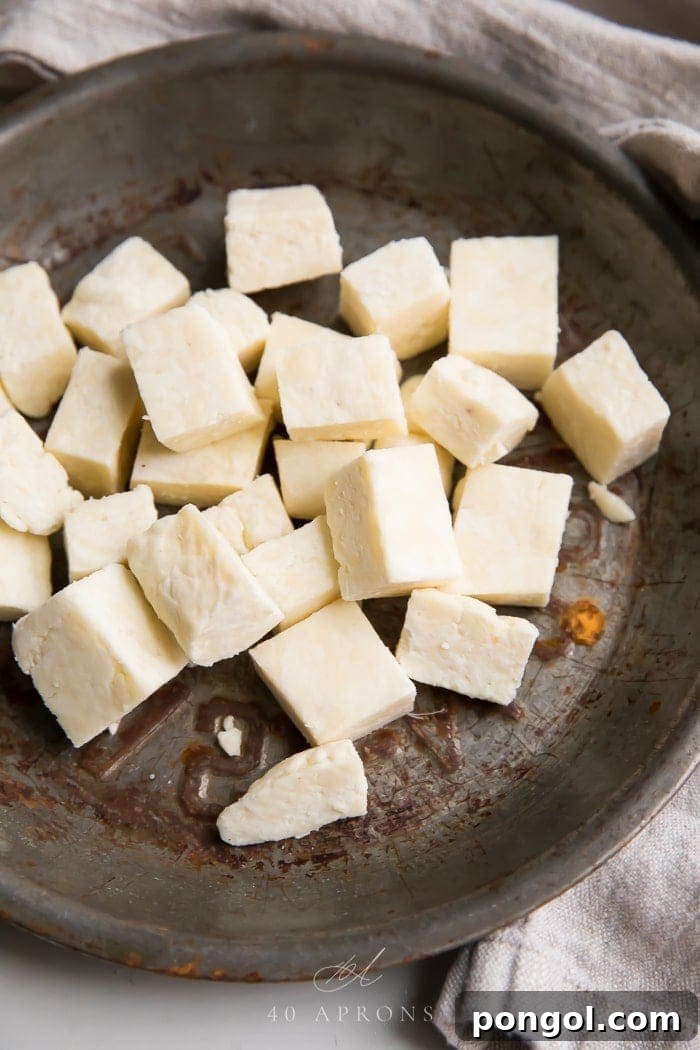
Imagine a culinary world where you can craft your own creamy, delectable Indian cheese right in your kitchen. No more settling for store-bought, dry, or rubbery paneer. With this comprehensive guide, mastering homemade paneer is not just possible, but incredibly simple and rewarding! Prepare to elevate your favorite vegetarian Indian dishes to an unparalleled level of richness and flavor. This step-by-step tutorial demystifies the process, turning what seems like a complex task into an enjoyable hour or two of active and inactive time, promising a result far superior to anything you’ve tasted before.
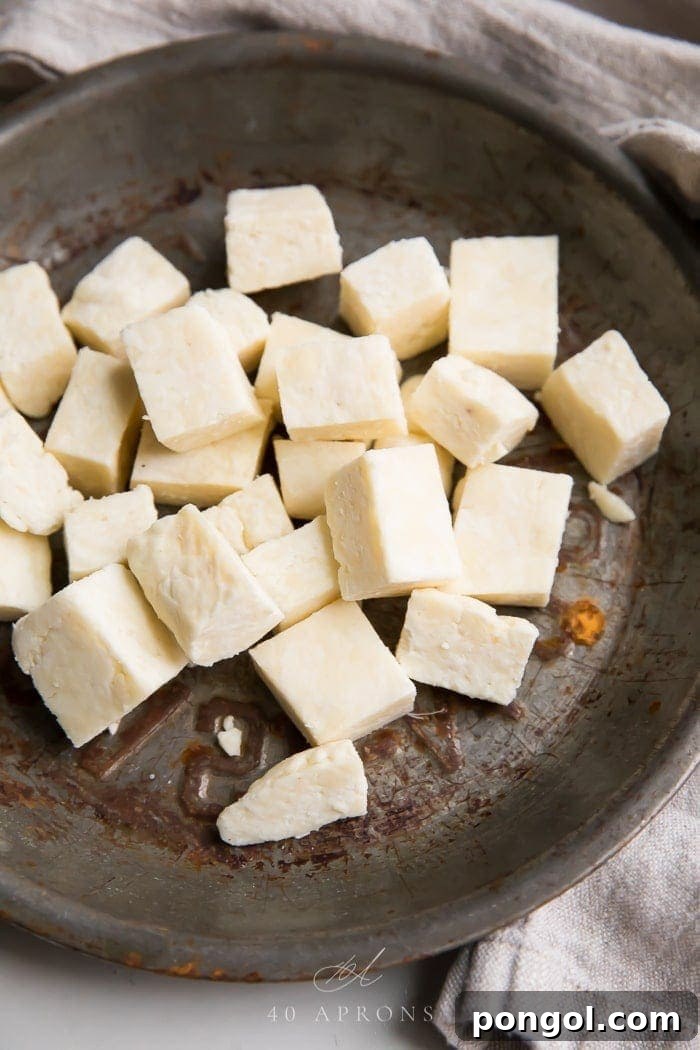
For many, paneer isn’t just an ingredient; it’s the heart and soul of Indian vegetarian cuisine. As someone deeply passionate about Indian food, I find myself making this extreme, yet entirely justified, statement: paneer is often the most delightful component of an Indian meal. Its versatility and unique texture make it an indispensable element in a vast array of dishes.
My kitchen frequently buzzes with the aromatic spices of Indian cooking. From the hearty Easy Chana Masala to the luxurious Vegetable Korma, and even rich meat dishes like my Restaurant Style Chicken Tikka Masala, served with my famously soft Perfect Naan—I am a devoted enthusiast and frequent chef of Indian delicacies.
Being married to a Pakistani man, I cherish every compliment on my Indian recipes. It’s a truly significant achievement when he declares my home-cooked versions superior to those from local curry houses, or—and don’t tell his family—even better than an auntie’s traditional fare! But when it comes to my homemade paneer, his reaction was unforgettable. He proclaimed it the best he had ever tasted in his life. In fact, he was genuinely upset when there was none left after his second helping of saag paneer. If that doesn’t speak volumes about its quality, I don’t know what does.
Why Homemade Paneer Reigns Supreme: Unlocking Creaminess and Flavor
You might be wondering why you should invest time in learning how to make paneer from scratch when you can simply purchase it from a store. The answer lies in a transformative culinary experience that ready-made paneer simply cannot deliver. Here’s why homemade paneer is an absolute game-changer:
- Unmatched Creaminess: This homemade paneer is, without exaggeration, the creamiest you will ever encounter. It’s incredibly tender and moist, far surpassing the often rubbery or dry texture of commercial varieties. There’s no contest once you try it.
- Surprisingly Easy & Time-Efficient: Learning how to make paneer is far simpler than you might imagine. The entire process, from start to finish, takes approximately 40 minutes to 2 hours. Crucially, only about 15 minutes of this is active preparation time; the majority is passive pressing, allowing you to attend to other tasks.
- Superior Texture: The texture achieved with homemade paneer is consistently better than what you’ll typically find at an Indian restaurant or even a specialized Indian grocery store. It holds its shape beautifully while retaining a delightful softness.
- Richer Flavor Profile: Unlike the often bland or hard cubes, freshly made paneer boasts a rich, milky flavor reminiscent of luscious, melty cheese curds. It truly tastes like a fresh dairy product, enhancing every dish it graces.
- Elevates Vegetarian Indian Cuisine: This homemade paneer is absolutely essential for vegetarian Indian dishes, transforming classics like saag paneer, mattar paneer, or paneer tikka masala into extraordinary culinary delights. Its quality genuinely makes a difference in the overall flavor and mouthfeel of your meals.
Crafting Your Own Paneer: A Step-by-Step Guide
Embarking on the journey of making your own paneer is a rewarding experience. Follow these detailed steps to achieve perfect, creamy Indian cheese every time.
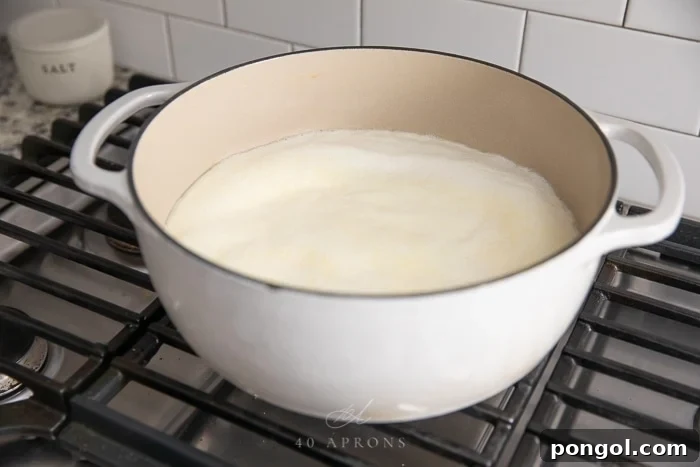
- Heat the Milk to Perfection: Begin by pouring your chosen milk into a large, heavy-bottomed pot. A heavy bottom is crucial here, as it distributes heat more evenly and prevents the milk from scorching. Place the pot over medium heat. Your goal is to bring the milk to just below a full rolling boil. Watch for a distinct layer of bubbly foam to form on the surface, accompanied by a rich, fragrant aroma. Stir occasionally, gently scraping the bottom of the pot to prevent any milk solids from sticking and burning, which can impart an undesirable flavor.
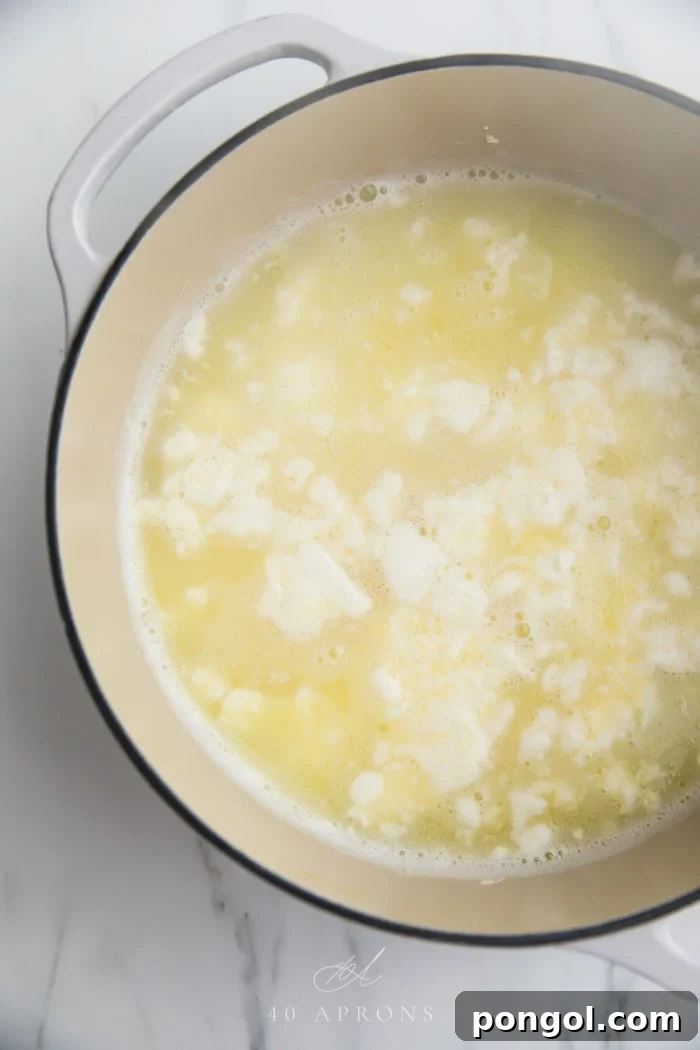
- Initiate Curdling with Lemon Juice: The moment the milk reaches this foamy, aromatic state, promptly remove the pan from the heat. Immediately stir in the fresh lemon juice. As you stir, you should observe the magic happening: the milk will rapidly separate into distinct solid white curds and a translucent, yellowish liquid known as whey. This is the natural process of milk proteins coagulating.
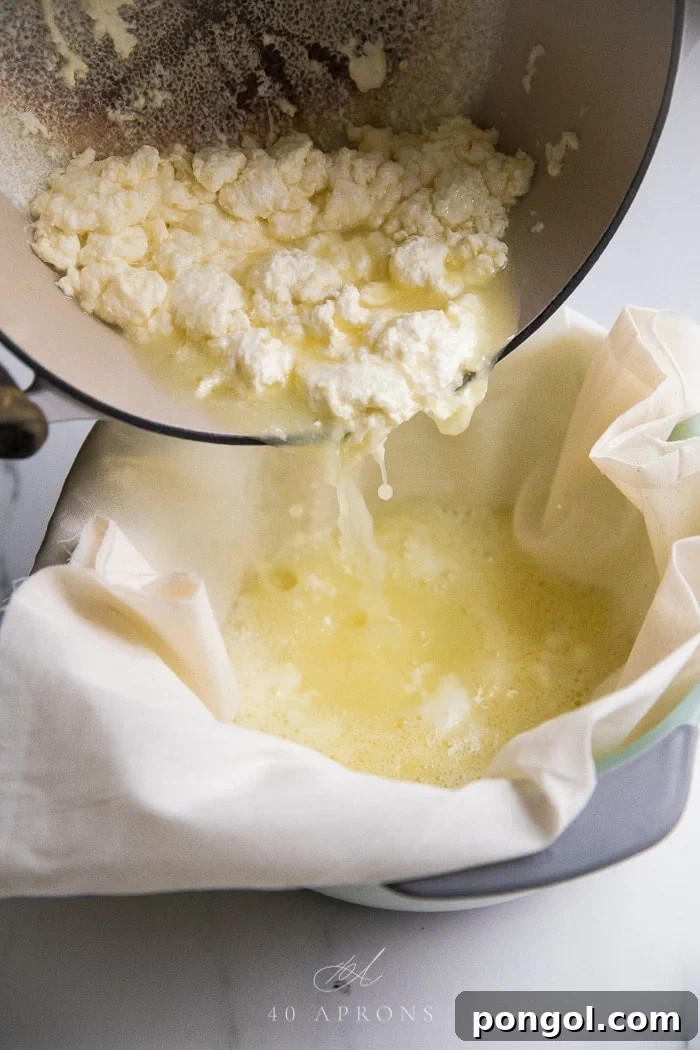
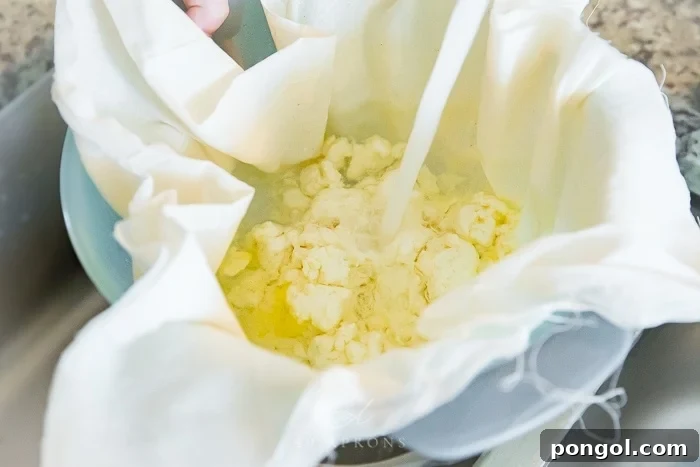
- Strain the Curds from the Whey: Prepare your straining setup. Line a large strainer or colander with two layers of clean cheesecloth. Place this lined strainer over a deep bowl to collect the liquid whey. Carefully pour the separated curds and whey through the cheesecloth. The solid white curds will remain in the cheesecloth, while the yellow liquid whey drains into the bowl below. You can either discard the whey or save it for other culinary uses, such as lactofermentation, adding it to bread dough, or creating nutritious whey beverages.
- Rinse the Curds Thoroughly: Once the initial whey has drained, gently rinse the curds under cool, running water. This step is essential to wash away any residual lemon flavor that might linger, ensuring your paneer has a pure, milky taste.
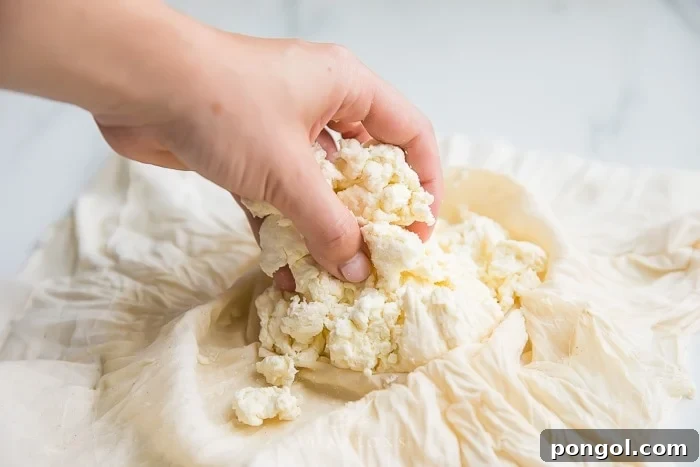
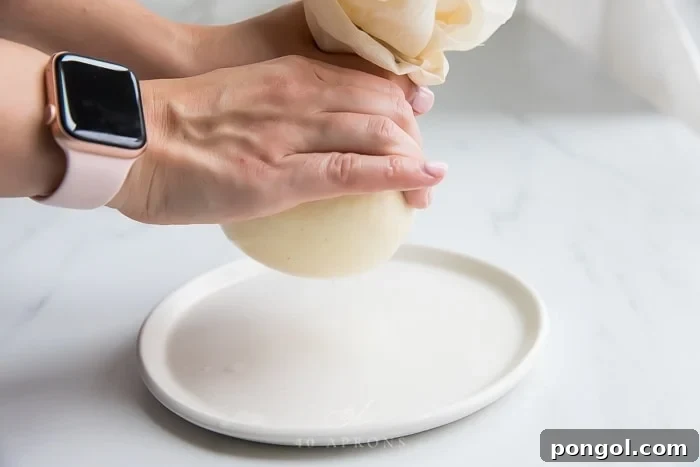
- Season and Squeeze for Creaminess: After rinsing, transfer the curds into a clean bowl or directly back into the cheesecloth. Sprinkle them with a bit of salt. Gently toss or knead the curds within the cheesecloth to evenly incorporate the salt. Then, gather the cheesecloth into a tight ball around the curds and squeeze with considerable force to expel as much remaining water as possible.
- Press the Paneer for Firmness: Once you’ve squeezed out as much water as possible, flatten the ball of curds, still encased in the cheesecloth, into a uniform disc shape. Lay the remaining cheesecloth neatly over the disc, making it as smooth as you can to ensure an even surface on your paneer. Place a flat plate on top of the cheesecloth-wrapped disc, and then weigh this plate down with heavy objects. Cans of food, a cast-iron pan, or even a heavy book work perfectly. Transfer this setup to the refrigerator and allow it to press for a minimum of 20 minutes, or up to 2 hours.
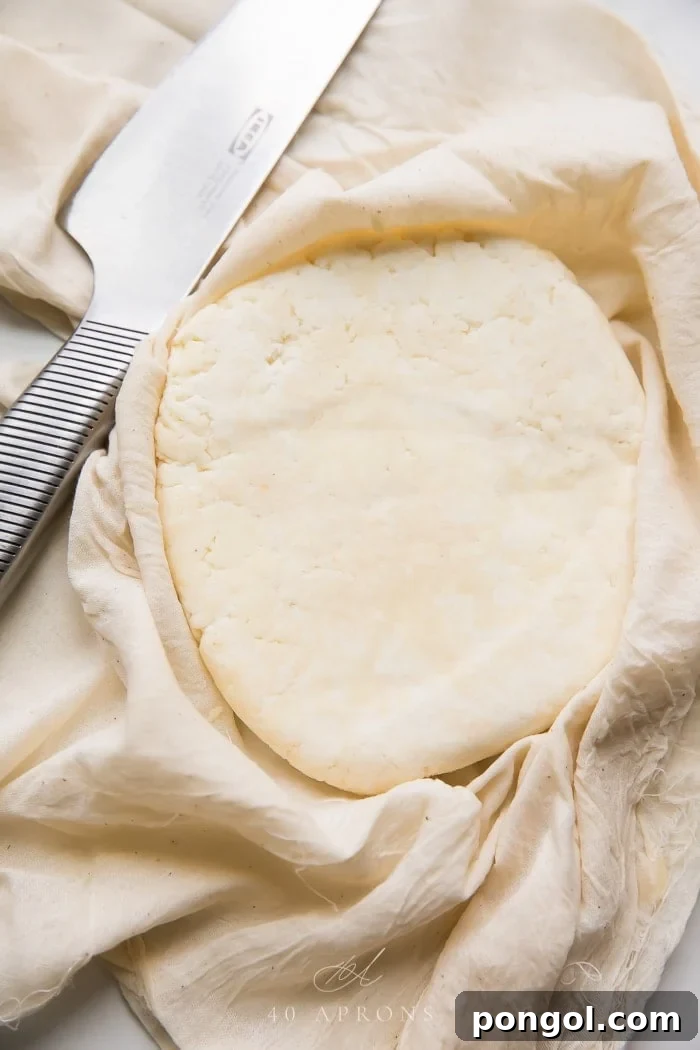
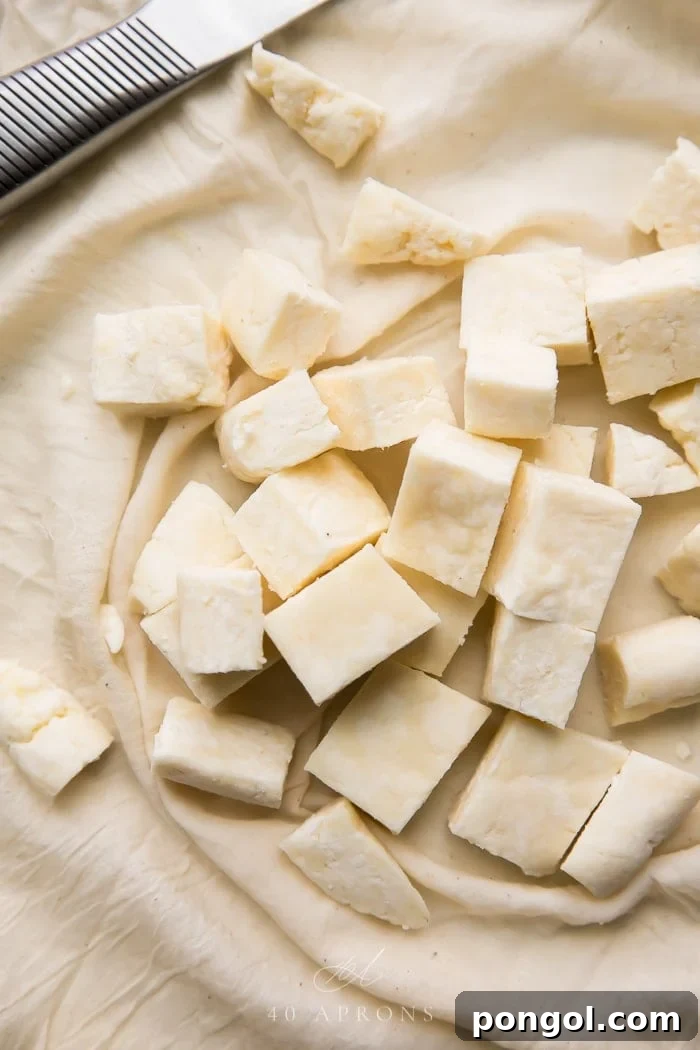
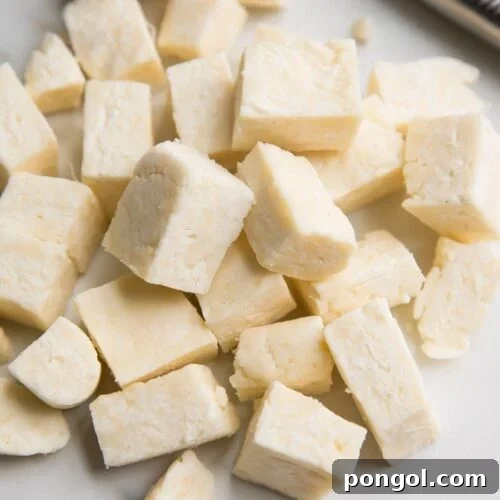
- Unwrap, Cut, and Enjoy! Once the pressing time is complete, carefully unwrap your beautiful disc of paneer from the cheesecloth. Admire your handiwork! Now, simply cut it into your desired cubes or shapes, and your fresh, homemade paneer is ready to be used in any of your favorite Indian recipes.
Remember this golden rule: the less water remaining in your curds, the creamier and richer your final paneer will be. This step directly impacts the texture.
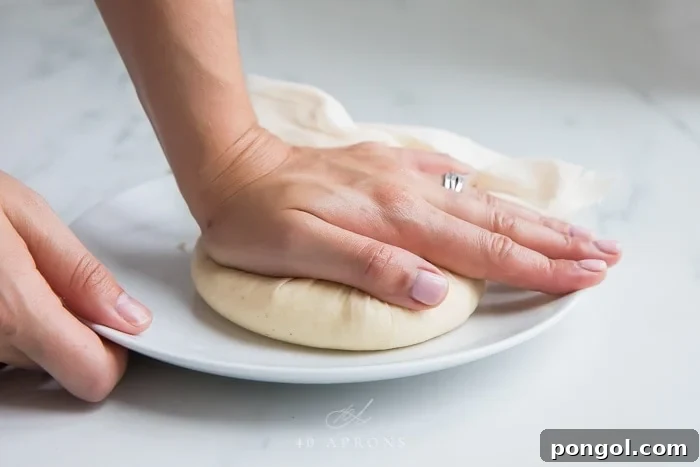
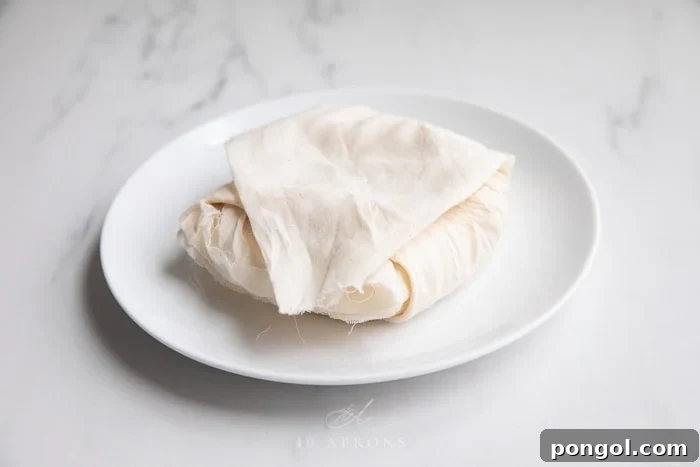
The duration of pressing directly affects the final firmness of your paneer. While it will always retain its rich and creamy essence, a longer press yields a firmer cheese that holds its shape better in dishes, especially when frying or sautéing. Pressing for only 20-30 minutes will result in a softer, meltier paneer. For optimal results, particularly if you plan to fry or sauté your paneer, I highly recommend pressing it for 90 minutes to 2 hours. This ensures a cheese that is firm enough to handle heat without disintegrating, while still being wonderfully tender inside.
Frequently Asked Questions About Homemade Paneer
Can I use organic milk for making paneer?
You certainly can use organic milk, but there’s a crucial caveat: it must not be ultra-high temperature pasteurized (UHT). UHT pasteurization is a common process for many organic milks, designed to extend shelf life. However, this intense heat treatment alters certain protein structures in the milk that are essential for the proper formation of curds and the binding needed to produce homemade cheese like paneer. Always check your milk labels; look for milk that is specifically labeled “non-UHT” or simply does not mention UHT processing. For the absolute creamiest and richest paneer, I personally opt for local, high-butterfat milk that undergoes low-temperature pasteurization. If you can find organic milk that has not been UHT processed, you should achieve excellent results.
How long do I need to press the paneer?
The pressing time for your paneer is a matter of preference and depends on how you intend to use it. You can absolutely press paneer for a shorter duration, say 20-30 minutes, and still enjoy a fresh product. However, this will result in a softer, meltier cheese, which might not hold its shape as well, especially if you plan to pan-fry it. If you’re aiming for the firm, robust cubes you typically find in Indian restaurants—perfect for frying or sautéing before adding to a curry—I recommend pressing your homemade paneer for a longer period, generally 1 to 2 hours. This extended pressing allows the curds to fully consolidate and release more whey, firming up the cheese without compromising its inherent richness or creamy texture. The result is a paneer that stands up beautifully to cooking processes while retaining its exquisite flavor.
Other Irresistible Indian Food Recipes You’ll Love
Once you’ve mastered homemade paneer, you’ll be eager to incorporate it into a variety of dishes. Here are some of my other favorite Indian recipes that will delight your palate:
- Paneer Tikka Masala
- Palak Paneer (Restaurant Style)
- Iced Golden Milk Latte
- Indian Butter Chicken
- Saag Chicken
- Best Instant Pot Chicken Tikka Masala
- Whole30 Chicken Curry
- Whole30 Butter Chicken
- Indian Meatballs with Creamy Sauce
Hey – if you’ve made it this far, consider us kitchen confidantes! If you try this incredible homemade paneer recipe, I’d be thrilled if you shared your experience by giving it a star rating ★ below. Don’t forget to connect with me and share your culinary creations onInstagram,Pinterest, andFacebook! Happy cooking!
Recipe By: Cheryl Malik
Rating: 5 out of 5 stars (from 5 votes)
How to Make Paneer (Indian Cheese)
Prep Time: 10 minutes
Cook Time: 10 minutes
Pressing Time: 1 hour (recommended minimum 90 minutes)
Total Time: 1 hour 20 minutes
How to make homemade paneer easily and pretty quickly. This Indian cheese is crazy rich and creamy, unlike anything you’ve ever tasted. Worth every minute!
Yields approximately 12 ounces of paneer.
Print Recipe | Pin Recipe
Ingredients
- ½ gallon whole milk (not UHT pasteurized; see note below)
- 6 tablespoons fresh lemon juice
- 1 teaspoon salt
Equipment Needed
- cheesecloth
- large strainer or colander
- Large heavy-bottomed pot
- Large bowl (to collect whey)
- Plate and heavy objects for pressing
Instructions
- In a large heavy saucepan, heat the milk over medium heat. Bring the milk to JUST under a boil, where it produces a steamy, foamy layer on top and smells rich and fragrant. Stir occasionally to prevent burning.
- Remove the pot from the heat and stir in the lemon juice. The mixture should immediately curdle into solid white curds and yellow liquid whey. If it doesn’t, see the note below for troubleshooting.
- Line a medium colander with two layers of cheesecloth and set it over a large bowl. Scoop the white solid curds into the colander, allowing the liquid whey to drain into the bowl beneath. Discard the yellow whey or save it for other uses like lactofermentation.
- Sprinkle the curds with 1 teaspoon of salt. Toss the curds gently with your hands to incorporate the salt evenly.
- Gather the curds in the cheesecloth and squeeze very tightly to remove as much excess whey as possible. While still in the cheesecloth, flatten the curds into a disc and arrange the edges of the cheesecloth over the top as smoothly as possible. Place a dinner plate on top and weigh it down with 1-2 cans or another heavy item.
- Place the weighted paneer in the refrigerator and let it press for at least 20 minutes, preferably 90 minutes to 2 hours. The longer the press, the firmer the cheese will be without losing its richness. After pressing, unwrap the paneer, cut it into cubes, and use it immediately or store it chilled in an airtight container for up to 3-4 days.
Important Note on Milk: Most organic milk is ultra-high temperature pasteurized (UHT), which can destroy the milk’s protein structure, preventing proper curd formation and binding necessary for paneer. Always check labels and opt for non-UHT milk. If a label doesn’t say “UHT,” it’s likely safe. For best results, use local, low-temperature pasteurized, high-butterfat milk.
Troubleshooting: Milk Not Curdling Immediately: If your milk doesn’t curdle right after adding lemon juice, cover the pot and let it stand for 10 minutes. By then, the mixture should have separated into distinct curds and whey. If not, add another tablespoon of lemon juice or white vinegar and stir again.
Approximate Nutrition Information for One Serving
- Calories: 81 cal
- Protein: 3 g
- Fat: 7 g
- Saturated Fat: 4 g
- Cholesterol: 18 mg
- Sodium: 7 mg
- Total Carbs: 0 g
- Sugar: 0 g
- Net Carbs: 0 g
- Calcium: 136 mg
Nutrition Disclaimers
Number of total servings shown is approximate. Actual number of servings will depend on your preferred portion sizes.
Nutritional values shown are general guidelines and reflect information for 1 serving using the ingredients listed, not including any optional ingredients. Actual macros may vary slightly depending on specific brands and types of ingredients used.
To determine the weight of one serving, prepare the recipe as instructed. Weigh the finished recipe, then divide the weight of the finished recipe (not including the weight of the container the food is in) by the desired number of servings. Result will be the weight of one serving.
Did You Make This Recipe?
Tag @40aprons on Instagram and be sure to leave a review on the blog post!
Tag @40Aprons on Instagram