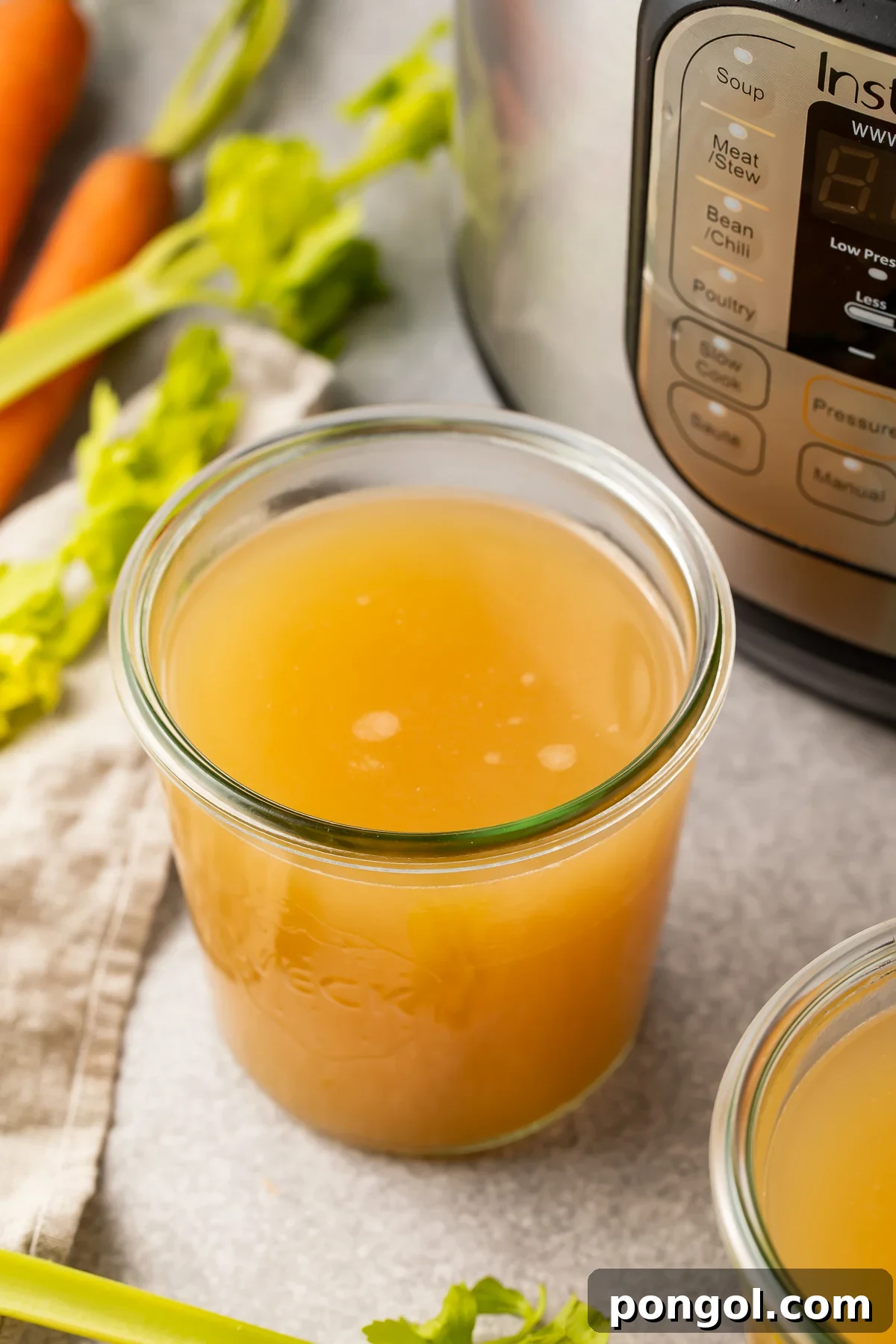
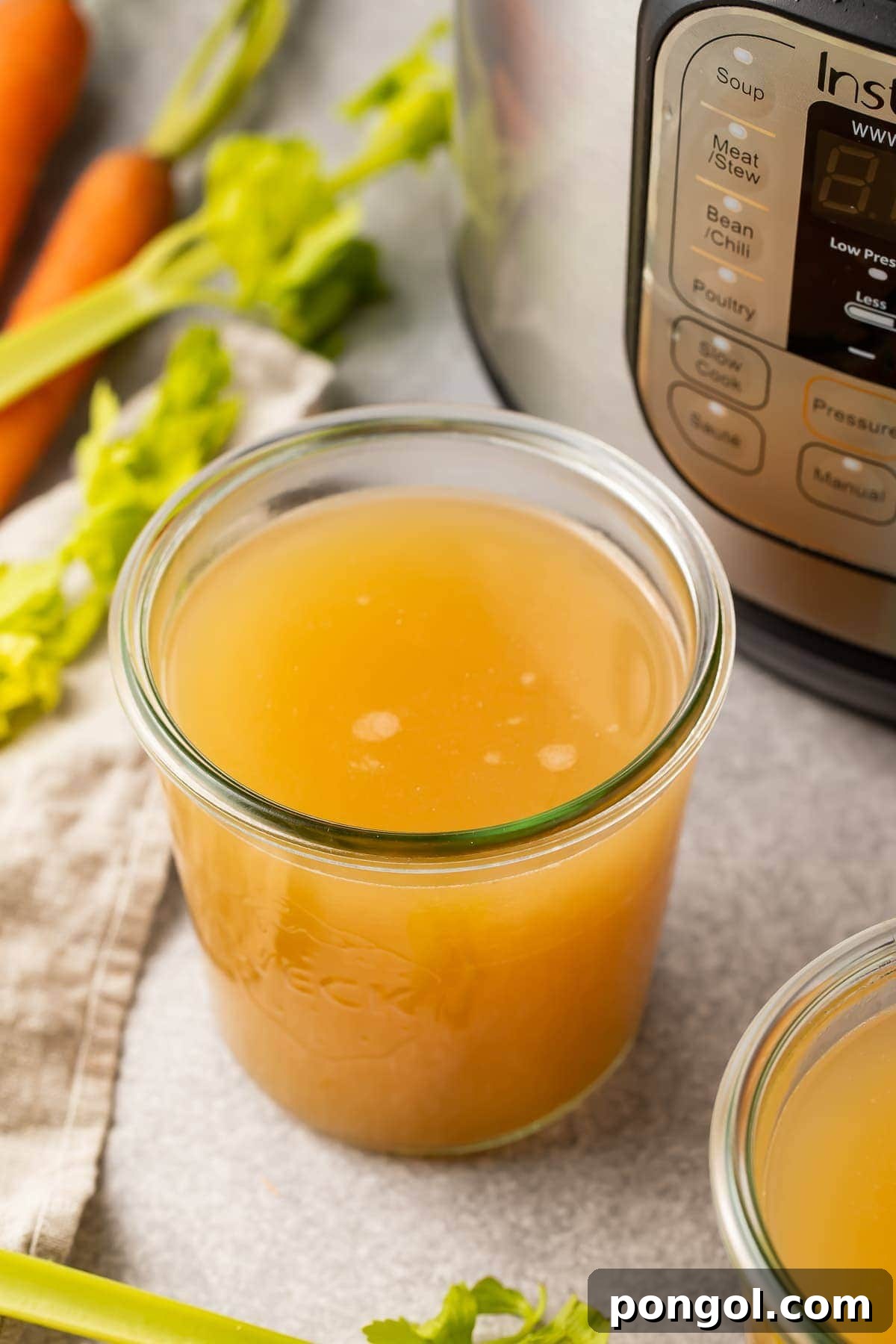
Unlock a world of rich flavor and incredible health benefits with homemade Instant Pot bone broth. This golden elixir, packed with essential nutrients, proteins, and collagen, is remarkably easy to prepare right in your pressure cooker. Not only does it elevate the taste of countless recipes, but a warm mug of savory bone broth can also be a comforting ritual, much like sipping coffee or tea. Once you discover the simplicity and rewards of crafting your own bone broth at home, you’ll wonder how you ever managed without this versatile kitchen staple.
Why Homemade Instant Pot Bone Broth is a Game-Changer for Health and Home
Making your own bone broth is more than just a culinary task; it’s an investment in your well-being and a testament to sustainable living. The Instant Pot transforms a traditionally long and slow process into a quick, efficient, and incredibly rewarding experience. Here’s why this recipe deserves a permanent spot in your kitchen repertoire:
-
Sustainable & Economical: Maximize Your Ingredients
Ever found yourself with a leftover turkey carcass from Thanksgiving, or chicken bones from last week’s dinner, and wondered what to do with them? Instant Pot bone broth provides a brilliant solution, turning what might be considered waste into a valuable, nutrient-dense ingredient. This approach is fantastic for your budget, as it extracts maximum value from every protein you purchase, and it’s even better for the planet by significantly reducing food waste. You’re not just cooking; you’re embracing a more resourceful and eco-conscious lifestyle.
-
A Hug in a Mug: The Comforting & Calming Ritual
Warm, soothing, and deeply satisfying, a mug of gelatinous bone broth is the epitome of self-care. Many find it a calming replacement for evening beverages, helping to unwind before bed and contributing to a feeling of vitality and lightness the next morning. Its natural warmth and savory notes provide a unique sense of comfort, making it a perfect ritual on chilly days or whenever you need a moment of tranquility.
-
Packed with Potent Nutrients: Fuel Your Body from Within
Beyond its soul-soothing qualities, bone broth offers remarkable physical benefits. Drinking it regularly can significantly contribute to healing and maintaining a healthy gut lining, a cornerstone of overall health. It’s also an excellent way to infuse your body with easily absorbable nutrients, amino acids, and minerals, making it particularly beneficial if you’re following a specific diet, focusing on nutrient density, or simply aiming to increase your intake of wholesome foods throughout the day.
-
Unleash Culinary Creativity: A Versatile Kitchen Staple
While delicious on its own, bone broth truly shines as a versatile ingredient in countless recipes. You can seamlessly substitute it for chicken, beef, or vegetable broth in almost any dish, adding an unparalleled depth of flavor. Use it to boil pasta or cook grains like rice and quinoa, enhancing their taste. It’s the secret to making rich, homemade soups, stews, sauces, and gravies that will impress everyone at your table. Its adaptability makes it an invaluable asset for any home cook.
-
Effortless Meal Prep: Stock Your Fridge & Freezer
Bone broth is an ideal make-ahead recipe, perfect for meal prepping and stocking your freezer. Prepare a large batch and store a week’s worth in airtight glass jars in the refrigerator for immediate use. Freeze the remaining broth in sealed, food-safe plastic bags, laid flat to save space, or in ice cube trays for smaller portions. Properly stored, Instant Pot bone broth can be frozen for up to one year, ensuring you always have this nutrient-rich base on hand whenever inspiration strikes or a quick meal is needed.
Essential Ingredients for Your Golden Broth
Crafting a flavorful and nutrient-dense bone broth requires just a few key components. The beauty lies in the simplicity of high-quality ingredients working together under pressure to release their potent goodness.
- Quality Bones: The Foundation of Flavor and Goodness
The type of bones you choose significantly impacts the flavor and gelatin content of your broth. For optimal results, a combination of marrow bones (often labeled simply “beef bones” at the butcher) and gelatinous bones like beef feet, beef necks, chicken feet, or chicken necks is highly recommended. Marrow bones contribute a rich, deep flavor, while gelatinous bones are crucial for that coveted wobbly, collagen-rich texture that signifies a truly potent broth. While chicken carcasses work, prioritize these specific bone types for superior gelatin and collagen extraction.
- Aromatics: The Flavor Enhancers
While the bones provide the core flavor, aromatics add complexity and balance to your broth. A large carrot, roughly sliced, adds a touch of sweetness. A stalk of celery, also roughly sliced, contributes a subtle savory note. Smashed garlic cloves (2-4, depending on preference) provide a pungent warmth, while 5-10 whole black peppercorns introduce a gentle spiciness. These simple additions transform plain bone essence into a full-bodied broth.
- Apple Cider Vinegar: The Nutrient Extractor (Optional)
Adding 1-2 tablespoons of apple cider vinegar to your bones before cooking is a popular technique. The acidity of the vinegar helps to draw out vital minerals and nutrients, including calcium, magnesium, and potassium, from the bones into the broth. It also aids in maximizing the gelatin extraction, which is key for a thick, jiggly broth. While beneficial, some prefer the pure taste of broth without the slight tang of ACV. It’s an optional step, allowing you to tailor the broth to your taste.
- Mineral-Rich Sea Salt & Peppercorns: Seasoning with Purpose
Seasoning is essential for a delicious broth. Himalayan pink salt or Celtic sea salt are excellent choices because they contain a spectrum of trace minerals that our bodies need, naturally complementing the nutritional profile of the broth. Start with about one tablespoon and adjust to taste, remembering that you can always add more salt later in recipes. Whole black peppercorns provide a subtle, earthy heat.
- Fresh Herbs: Aromatic Depth
Fresh herbs, such as 4-5 sprigs of rosemary and/or thyme, infuse the broth with fragrant, herbaceous notes. These woody herbs withstand long cooking times beautifully, adding layers of sophisticated flavor without becoming overpowering. They transform a simple broth into a culinary masterpiece, inviting warmth and complexity.
- Filtered Water: The Pure Base
As water constitutes the majority of your bone broth, using filtered water is recommended. This ensures that your broth is free from any impurities or off-flavors that might be present in tap water, allowing the natural flavors of the bones and aromatics to shine through, resulting in a cleaner, purer-tasting broth.
The Magic of Gelatin and Collagen in Bone Broth
One of the most celebrated components of Instant Pot bone broth is its abundance of gelatin, which is essentially cooked collagen. This “gelling” quality is not just a sign of a well-made broth; it’s an indicator of incredible health benefits that extend throughout your body.
-
Gut Health Hero
Gelatin is incredibly beneficial for gut health. It contains amino acids like glutamine, which helps to maintain the integrity of the intestinal wall. This can be particularly helpful for conditions like “leaky gut syndrome,” as it supports the healing and sealing of the gut lining. A healthy gut is crucial for nutrient absorption, immune function, and overall well-being, making bone broth a powerful digestive aid.
-
Joint Support & Pain Relief
The collagen in bone broth is a major component of cartilage, the rubbery tissue that protects your joints. Consuming collagen-rich broth can help replenish and repair cartilage, potentially reducing joint pain and improving flexibility. It’s like giving your joints the building blocks they need to stay strong and healthy, which is vital for active individuals and those experiencing age-related joint discomfort.
-
Radiant Skin & Healthy Hair
Collagen is renowned for its role in skin elasticity and hydration. By regularly consuming bone broth, you’re supplying your body with the raw materials needed to produce more collagen, which can lead to smoother, firmer skin and stronger, shinier hair. It can also support nail strength, offering a natural beauty boost from the inside out.
-
Improved Sleep & Mood
Bone broth is rich in glycine, an amino acid that functions as a neurotransmitter in the brain. Glycine has been shown to improve sleep quality, reduce daytime sleepiness, and enhance cognitive performance. By promoting better rest and supporting neurological function, bone broth can naturally contribute to a more balanced mood and greater mental clarity.
-
Stronger Bones & Nails
While gelatin is a form of cooked collagen, bone broth also contains minerals like calcium, magnesium, and phosphorus, which are vital for bone density and strength. These nutrients work synergistically with collagen to support a robust skeletal system and contribute to the health of your nails, making them less prone to breakage.
-
Enhanced Satiety & Weight Management
The protein and gelatin in bone broth can help you feel fuller for longer, which can be beneficial for weight management. Including it as a snack or appetizer can reduce overall calorie intake and curb cravings, supporting healthy eating habits without feeling deprived. It’s a low-calorie, nutrient-dense way to satisfy hunger.
Expert Tips for Crafting the Perfect Instant Pot Bone Broth
Achieving a consistently excellent bone broth in your Instant Pot is straightforward, but a few expert tips can elevate your results from good to truly exceptional. Pay attention to these details for a deeply flavored, nutrient-rich broth every time:
-
Avoid Overcooking for Optimal Flavor: While long cooking times are traditional for broth, it is absolutely possible to overcook Instant Pot bone broth. Overcooked broth can develop a bitter, unpleasant taste due to the breakdown of proteins and minerals. The recommended cooking times are carefully balanced to extract maximum nutrients and flavor without crossing into bitterness. Keep an eye on your cook time and ensure you follow the natural pressure release instructions accurately to prevent this common pitfall.
-
The Chicken Feet Pre-Boil Secret: If you’re incorporating chicken feet into your broth for their incredible gelatin content, a quick pre-boil is a smart move. Boiling them for about 5 minutes before adding them to the Instant Pot helps remove any surface impurities, such as excess skin or grime. This ensures your final broth is cleaner and has a purer flavor without prematurely cooking the feet or extracting their precious nutrients.
-
Fresh Bones for Maximum Benefit: Technically, you can reuse bones for a second, or even third, batch of bone broth. However, it’s important to understand that the nutritional content and flavor strength will diminish significantly with each subsequent use. For the most potent, nutrient-dense broth, it is truly best to use fresh bones every time. This is why making a large batch and freezing portions is such an effective strategy; you ensure consistent quality and value.
-
The Healthy Fat Layer Explained: After your bone broth cools, you’ll often notice a thick layer of fat resting on top. This fat layer is completely safe and healthy to consume, offering beneficial fats and adding to the richness of the broth. However, if you prefer a leaner broth or are using it in a recipe where excess fat isn’t desired, you are welcome to scoop it off and discard it. Use a spoon or ladle to gently remove only the solidified top layer, leaving the clear, gelatinous broth underneath.
-
Roasting Bones for Deeper Flavor (A Must-Do Step): While the recipe instructs you to roast the marrow bones, it’s worth emphasizing the importance of this step. Roasting the bones prior to pressure cooking caramelizes them, creating a richer, more complex, and deeply savory flavor profile that unroasted bones simply cannot achieve. This initial roasting step is key to developing the profound taste that sets homemade broth apart.
-
Deglazing Your Pan: Don’t Miss a Drop of Flavor: After roasting the marrow bones, don’t discard the sheet pan without deglazing it! Those browned bits stuck to the bottom of the pan are concentrated flavor powerhouses. Adding a small amount of water to the pan and scraping up these “fond” bits with a whisk or spatula before adding them to the Instant Pot ensures that every ounce of developed flavor makes it into your broth, maximizing its richness.
-
Pressure Settings: Low vs. High: The recipe specifies Manual Low Pressure for 180 minutes. While High Pressure (for 120 minutes) can also yield excellent results, cooking at a slightly lower pressure for a longer duration is sometimes preferred for extracting maximum minerals and creating a richer, more nuanced flavor. Experiment with both settings to find your ideal balance, but adhere to the specified times for each.
-
The Importance of Natural Pressure Release: After the cooking cycle, always allow for a natural pressure release. This gradual release of pressure helps prevent a foamy, cloudy broth and ensures that all the beneficial compounds are properly integrated into the liquid. Rushing the process with a quick release can sometimes result in a less flavorful and less gelatinous broth.
Instant Pot Bone Broth Recipe (Beef and/or Chicken)
Instant Pot Bone Broth (Beef and/or Chicken)
Recipe By: Cheryl Malik
Rating: 5 out of 5 stars from 49 votes
Prep Time: 15 minutes
Cook Time: 3 hours 20 minutes
Total Time: 3 hours 35 minutes
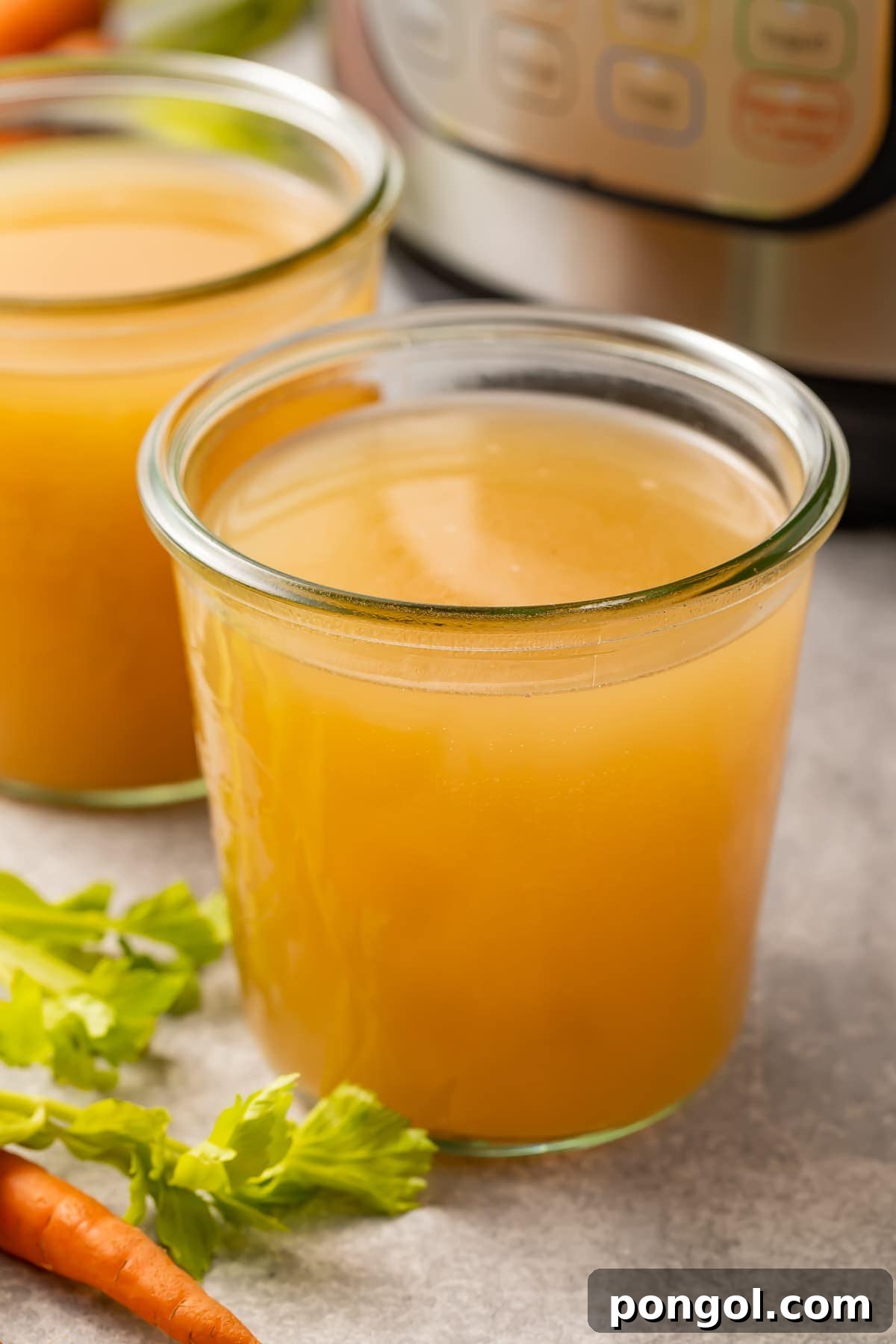
These step-by-step instructions give you perfect homemade bone broth right in your Instant Pot. Enjoy a mug of warm broth on a chilly day, or use it in your favorite soups, to cook pasta or rice, or to add a little flavor to boiled chicken breasts.
Equipment
- Large sheet pan
- Tongs
- Instant Pot (6-quart recommended)
- Water enough to deglaze sheet pan
- Whisk or spatula, to scrape up browned bits
- Mesh strainer
- Large bowl
- Large airtight, freezer-safe glass jars or large food-safe, sealable freezer bags
- Funnel optional, to help fill jars
Ingredients (Yields 24 8-ounce servings)
- 2 ½ pounds beef marrow bones (usually “beef bones” at the store)
- 2 ½ pounds beef feet and/or beef necks (and/or use chicken feet and/or chicken necks)
- 1-2 tablespoons apple cider vinegar (optional, see Notes)
- 1 large carrot (roughly sliced)
- 1 stalk celery (roughly sliced)
- 2-4 cloves garlic (smashed)
- 5-10 whole black peppercorns (to taste)
- 1 tablespoon Himalayan pink sea salt (recommended but any sea salt is fine; use more to taste)
- 4-5 sprigs fresh rosemary (and/or fresh thyme)
- Filtered water (enough to almost fill Instant Pot)
Instructions
To Prepare the Marrow Bones
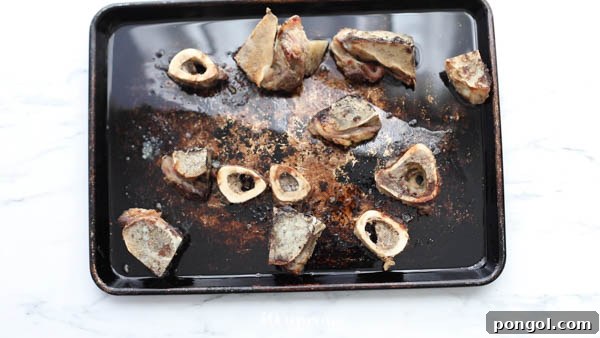
- Preheat oven to 350° Fahrenheit. Spread marrow bones out across a large sheet pan in a single even layer, ensuring bones do not touch or overlap for optimal roasting.
- Once the oven is preheated, place the sheet pan with marrow bones into the oven and roast for 20 minutes. After 20 minutes, carefully remove the sheet pan from the oven. Use tongs to carefully flip the marrow bones over.
- Return the sheet pan to the oven and continue baking for 15 minutes more. After this time, remove the sheet pan from the oven and set it aside to allow the marrow bones to cool slightly.

For the Instant Pot Bone Broth
- Once the marrow bones have cooled slightly and are safe to handle, carefully transfer them from the sheet pan into the Instant Pot insert.
- Pour a small amount of water onto the now-empty sheet pan, just enough to cover the bottom. Using a whisk or spatula, carefully scrape up all the browned bits (fond) stuck to the pan; these bits are packed with flavor. Transfer the contents of the sheet pan (water, any rendered fat, and browned bits) into the Instant Pot insert with the marrow bones.
- Add the beef feet, beef necks, chicken feet, or chicken necks (depending on your choice) to the Instant Pot.
If Using Apple Cider Vinegar
- Pour the apple cider vinegar over all the bones in the Instant Pot. Allow the bones to soak in the vinegar for 30 minutes. This step helps to extract more minerals and collagen. After 30 minutes, proceed with the remaining steps below.
If Not Using Apple Cider Vinegar (or After 30 Minutes of Soaking)
- Add the roughly sliced carrot, roughly sliced celery, smashed garlic cloves, whole black peppercorns, fresh sprigs of rosemary and/or thyme, and the recommended amount of sea salt to the Instant Pot.
- Pour in enough filtered water to fill the pot to about ⅔ of its capacity. Do not overfill beyond the maximum fill line. Secure the lid on the Instant Pot, ensuring the valve is in the sealing position.
- Set the Instant Pot to cook on Manual Low Pressure for 180 minutes (3 hours). The Instant Pot will first build pressure, and then the cooking countdown will begin.
- Once the cook time is complete, allow the Instant Pot to perform a Natural Release. This process will take approximately 20 to 30 minutes as the pressure gradually dissipates. Once the Instant Pot is cool enough to touch and the float valve has dropped, carefully remove the lid and set it aside.
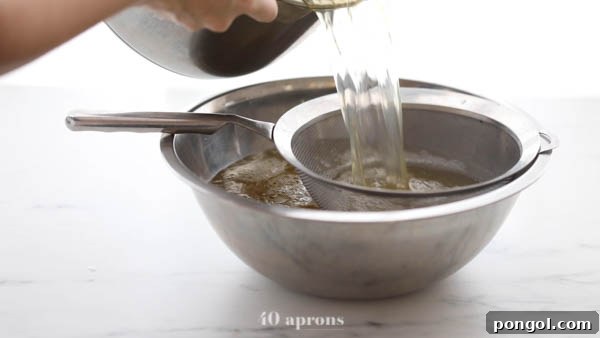
- Place a fine-mesh strainer over a large, heat-proof bowl. Carefully pour the contents of the Instant Pot insert (bones, vegetables, and liquid) through the strainer into the bowl. Discard the spent bones and vegetables.
- If desired, strain the broth again through a finer mesh or cheesecloth to remove any remaining small debris or aromatics, ensuring a perfectly clear broth. If the broth is still warm, place the bowl in the refrigerator until the broth has completely cooled.
- Once cooled, prepare your storage containers. Fit a glass jar with a funnel if desired, or open a freezer-safe bag. Slowly pour the strained broth into the jar or freezer bag. Repeat this process with additional jars or bags as needed until all the bone broth has been transferred to storage containers.
- Secure lids tightly on jars, or remove as much air as possible from freezer bags and seal them completely shut. Place the broth in the refrigerator or freezer as needed (refer to Notes below for storage durations) or serve immediately for a comforting, warm mug.
Recipe Notes
- Instant Pot Model: This recipe was developed and perfected using a 6-quart Instant Pot. If you are using a smaller pressure cooker, it is advisable to make two separate batches or halve the recipe ingredients accordingly to avoid overfilling.
- Chicken Feet Preparation: To ensure the cleanest broth, always boil chicken feet for at least 5 minutes before incorporating them into the Instant Pot. This helps to remove any surface impurities that might otherwise affect the broth’s clarity and flavor.
- Apple Cider Vinegar (ACV) Usage: Soaking the bones in apple cider vinegar is highly recommended as it facilitates the extraction of essential minerals and enhances the gelling properties of the broth. However, if you find that the slight tang of ACV is not to your liking, you can certainly omit this step without significantly compromising the broth’s quality, though it might be slightly less mineral-rich.
- Instant Pot Pressure Settings: While this recipe calls for Manual Low Pressure for 180 minutes, you can also achieve excellent results by cooking on Manual High Pressure for 120 minutes (2 hours). Both methods yield a nutritious and flavorful broth; choose the setting that best fits your schedule and preference.
- Refrigeration: Store your homemade Instant Pot bone broth in airtight containers or tightly sealed plastic bags in the refrigerator for up to one week. Ensure it is completely cooled before refrigerating to maintain freshness.
- Freezing: For longer storage, freeze bone broth in airtight containers or sealed plastic freezer bags. Lay bags flat in the freezer to optimize space. When frozen properly, the broth can maintain its quality for up to one year, providing a convenient ready-to-use ingredient.
- Reheating Instructions: To reheat refrigerated bone broth, simply scoop out the desired amount (which may be gelled) into a saucepan and gently warm it on the stovetop over low to medium heat until it liquefies and reaches your desired temperature.
Approximate Nutrition Information for One Serving
- Serving Size: 8 ounces
- Calories: 171 cal
- Protein: 10 g
- Fat: 14 g
- Saturated Fat: 2 g
- Cholesterol: 40 mg
- Sodium: 326 mg
- Potassium: 31 mg
- Total Carbs: 1 g
- Fiber: 0.1 g
- Sugar: 0.2 g
- Net Carbs: 1 g
- Vitamin A: 577 IU
- Vitamin C: 0.3 mg
- Calcium: 44 mg
- Iron: 1 mg
Nutrition Disclaimers
The number of total servings shown is an approximation. The actual number of servings you get will depend on your preferred portion sizes and how much liquid is absorbed during cooking.
Nutritional values provided are general guidelines and are based on information for one serving using the listed ingredients, excluding any optional components. Actual macronutrient counts may vary slightly depending on the specific brands, types of ingredients, and fat removal practices you employ.
To accurately determine the weight of one serving, prepare the recipe as instructed. Once finished, weigh the entire batch of cooked broth (without including the container’s weight), then divide this total weight by your desired number of servings. The resulting figure will be the precise weight of one individual serving.
Storage, Reheating, and Creative Culinary Uses for Your Broth
Once you’ve made a beautiful batch of Instant Pot bone broth, knowing how to store it and integrate it into your cooking is key to enjoying its benefits to the fullest. Here’s how to make the most of your homemade liquid gold:
Optimal Storage Solutions:
- Refrigerator Life: Freshly made bone broth, when cooled completely and stored in airtight containers, will last in the refrigerator for up to 7 days. Always ensure it’s fully chilled before sealing to prevent condensation and bacterial growth.
- Freezer Power: For longer preservation, freezing is your best friend. Divide your cooled broth into freezer-safe containers, leaving an inch of headspace for expansion. Silicone ice cube trays are excellent for individual portions, which can then be transferred to freezer bags. Laying freezer bags flat is a great space-saving hack. Properly frozen, bone broth maintains its quality for up to 12 months.
Reheating Your Broth:
- From Fridge: If refrigerated and gelled, simply scoop out the desired amount into a saucepan and gently warm over low to medium heat until it returns to a liquid state and reaches your preferred temperature.
- From Freezer: For frozen broth, transfer a portion to the refrigerator overnight to thaw. Alternatively, you can gently melt frozen broth in a saucepan over low heat, stirring occasionally. Avoid microwaving if possible, as stovetop reheating maintains more of its integrity and flavor.
Creative Culinary Uses: Beyond the Mug:
- Soups & Stews: This is its most obvious use. Replace any stock or water in your favorite soup or stew recipe with bone broth for a richer, more nourishing base.
- Cooking Grains: Use bone broth instead of water when cooking rice, quinoa, couscous, or pasta. It infuses grains with savory flavor and boosts their nutritional value.
- Sauces & Gravies: A splash of bone broth adds body and umami to pan sauces, gravies, and reductions. It’s an excellent deglazing liquid for roasted meats.
- Braises & Roasts: Use it as a liquid for braising meats or vegetables. It tenderizes and imparts deep flavor during slow cooking.
- Smoothies: For an undetectable nutrient boost, a small amount of cooled, unseasoned bone broth can be added to savory smoothies.
- Sautéing Vegetables: A little bone broth can be used to deglaze a pan after sautéing vegetables, adding flavor and preventing sticking without extra oil.
Frequently Asked Questions (FAQ) About Bone Broth
As you embark on your bone broth journey, you might have some common questions. Here are answers to help you navigate the process and understand this incredible elixir better:
- What makes bone broth gel?
The “gelling” of bone broth is due to the high concentration of gelatin, which is derived from collagen found in the bones, connective tissues, and cartilage. When these tissues are cooked under pressure and then cooled, the collagen breaks down into gelatin, which gives the broth a jelly-like consistency. A well-gelled broth is a sign of high collagen content and indicates a rich, nutrient-dense batch.
- Can I use any type of bones for bone broth?
While you can make broth from almost any animal bones, for a truly gelatinous and nutrient-rich bone broth, it’s best to use bones that are rich in collagen and marrow. This includes beef marrow bones, beef knuckles, beef feet, oxtail, chicken feet, chicken necks, and backs. A mix of different bone types often yields the best flavor and nutritional profile.
- What if my bone broth doesn’t gel? Is it still good?
If your bone broth doesn’t gel, it doesn’t mean it’s bad or unusable! It simply means that less collagen was extracted from the bones. This can happen if you used bones with less connective tissue, didn’t cook it long enough, or had too much water relative to the amount of bones. It’s still a flavorful and nutritious liquid, just with fewer gelatin benefits. You can still enjoy it and use it in all your recipes.
- Can I add vegetable scraps to my broth?
Absolutely! Adding vegetable scraps like onion peels, carrot tops, celery ends, and mushroom stems is an excellent way to further reduce food waste and add more flavor and minerals to your broth. Just be mindful of strong-tasting vegetables like cabbage or broccoli, which can sometimes overpower the delicate bone flavor. Always clean your scraps thoroughly before adding them.
- Is bone broth safe for pets?
Yes, plain, unsalted bone broth can be very beneficial for pets, particularly dogs and cats. It can support their joint health, digestion, and provide a hydrating, palatable supplement. However, it’s crucial to make sure the broth is free of onions, garlic, excessive salt, or any other ingredients that are toxic to animals. Always consult with your veterinarian before introducing new foods to your pet’s diet.
More Wholesome & Nourishing Recipes You’ll Love
- Moon Milk (3 Ways)
- Immunity Boosters
- Apple Cider Vinegar and Honey Shot
- Easy Golden Milk
- How to Make Cucumber Water
- Chlorophyll Water
Did You Make This Recipe?
We’d love to see your creations! Tag @40aprons on Instagram and be sure to leave a review on the blog post to share your experience with other home cooks.