
Hygge – the Danish Secret to a Happy Life! Here’s everything you need to know about the Danish lifestyle trend.
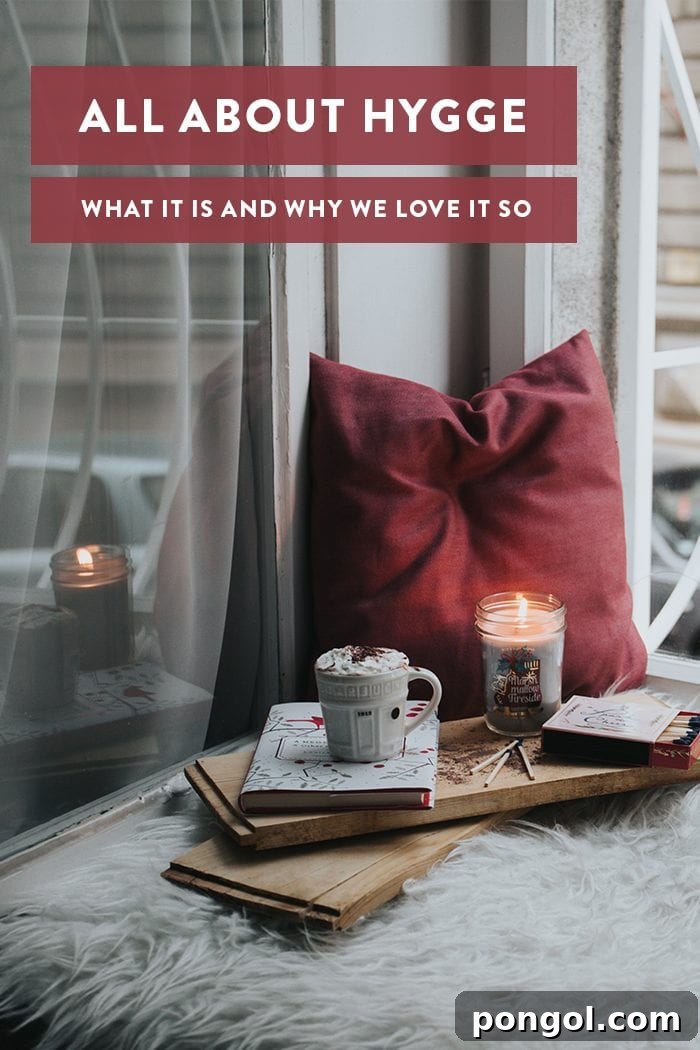
The Danes are consistently ranked among the happiest people in the world, a remarkable feat given their geographical location and often long, dark winters. While they certainly excel in areas like innovative design, delectable pastries (hello, “Danish”!), and a strong sense of social welfare, many believe their secret ingredient for a flourishing life isn’t found in their national products or policies alone. It lies in a profound cultural concept, a lifestyle philosophy that has captivated hearts globally: Hygge.
Year after year, Denmark frequently appears at the very top of the World Happiness Report, a testament to their exceptional quality of life and collective contentment. This consistent ranking begs the crucial question: What exactly are the Danes doing differently? The answer, time and again, points to Hygge – pronounced ‘hoo-ga’ or ‘hue-gah’ – a concept that transcends a simple word to embody a holistic approach to well-being.
Forget fleeting trends and complex self-help manuals. Hygge offers a refreshingly accessible pathway to cultivating joy and serenity in the everyday. It’s not just about creating a visually appealing space, though cozy aesthetics are certainly a part of it. At its core, Hygge is about fostering an atmosphere of warmth, connection, and comfort, transforming ordinary moments into extraordinary experiences of contentment. It’s a philosophy deeply ingrained in the Danish psyche, proving that true happiness often stems from appreciating the small, simple pleasures in life rather than grand gestures or material possessions.
What is Hygge? The Untranslatable Essence of Danish Well-being

To truly grasp Hygge, one must understand that it’s far more than a word; it’s a profound feeling, an intentional state of mind, and a way of living. This is precisely why a direct, single-word translation into English proves elusive. While many attempt to capture its essence with terms like “coziness” or “comfort,” these only scratch the surface of its rich, multifaceted meaning.
Meik Wiking, CEO of the Happiness Research Institute in Copenhagen and celebrated author of The Little Book of Hygge: Danish Secrets To Happy Living, offers several poetic interpretations. He describes Hygge as “the art of creating intimacy,” “coziness of the soul,” and even “cocoa by candlelight.” These phrases begin to paint a picture of the multifaceted nature of Hygge, emphasizing its focus on atmosphere, genuine human connection, and sensory pleasure.
Imagine a chilly autumn evening: you’re nestled under a soft, chunky blanket, a warm mug of your favorite beverage steaming in your hands, the inviting scent of cinnamon lingering in the air. Outside, golden leaves dance in a gentle breeze, or perhaps snowflakes softly descend. You’re sharing a heartfelt conversation with loved ones, or perhaps lost in the pages of a captivating book, the soft, flickering glow of a candle illuminating the scene. This isn’t merely comfort; it’s a moment of complete contentment, a profound sense of belonging and peace – this is Hygge.
It’s about recognizing and savoring those simple, often overlooked moments that bring genuine joy. While “coziness” is an important component, Hygge extends beyond physical comfort to encompass a mental and emotional state of well-being. It’s about being fully present, appreciative, and surrounded by warmth, both literally and figuratively. The key message isn’t just to “know it when you feel it,” but to actively cultivate environments and experiences that evoke this feeling. The fundamental ingredients often include:
- Togetherness: Sharing meaningful moments with cherished friends, family, or even pets.
- Relaxation: A deep sense of ease, letting go of worries and stresses.
- Indulgence: Allowing yourself simple pleasures, whether it’s a delicious treat, a long bath, or a cozy movie night.
- Presence: Being fully immersed in the moment, free from distractions and future anxieties.
- Comfort: Creating a warm, inviting, and physically soothing environment.
- Atmosphere: Using thoughtful lighting, textures, and sounds to foster a serene and pleasant mood.
Ultimately, Hygge champions the pursuit of everyday happiness, encouraging us to find profound joy and deep comfort in the simplest aspects of life, proving that genuine contentment doesn’t require grand gestures or extravagant spending. It’s a reminder that true well-being stems from appreciating what we have and cultivating meaningful connections.
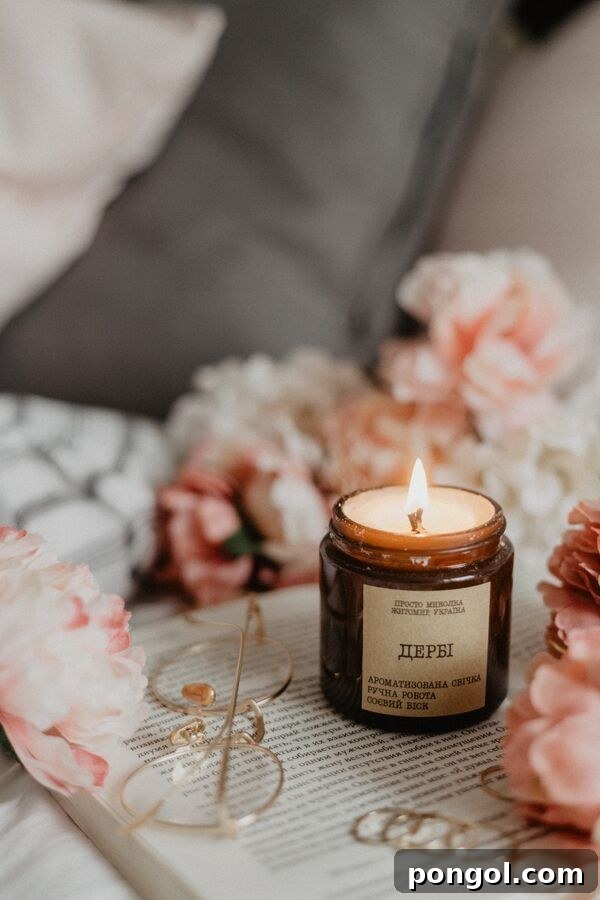
The Roots of Hygge: A Journey from Norwegian Well-being to Danish Culture
While inextricably linked with Danish culture today, the word Hygge actually boasts Norwegian origins. In Old Norwegian, the term roughly translated to “well-being,” giving us a clear indication of its intrinsic connection to a state of contentment and good health. It first made its appearance in Danish written language around the end of the 18th century. From that point onward, the clever Danes progressively adopted, cultivated, and deeply integrated this concept into their national identity, transforming it into the cornerstone of their celebrated lifestyle.
The ubiquity of Hygge in Denmark is further underscored by its versatility in the Danish language. Pronounced ‘hoo-ga’ or ‘hue-gah’ (the specific pronunciation can vary slightly by region), it’s a linguistic all-rounder that effortlessly transitions between being an adjective (hyggelig – cozy, pleasant), a noun (Hygge – the feeling or state of coziness), and even a verb (at hygge sig – to make things cozy, to enjoy oneself in a hygge way). You can “hygge” up a room, have a “hyggelig” time, or simply “hygge” with friends. This linguistic adaptability reflects how deeply ingrained and central the concept is to the daily lives and cultural fabric of Denmark.
Its evolution from a simple word for well-being to a comprehensive philosophy speaks volumes about the Danish approach to life. It suggests a deliberate effort to create, cherish, and prioritize moments of genuine comfort and connection, fostering a culture where personal contentment and shared warmth are not just desired, but actively pursued and celebrated as essential components of a fulfilling existence.
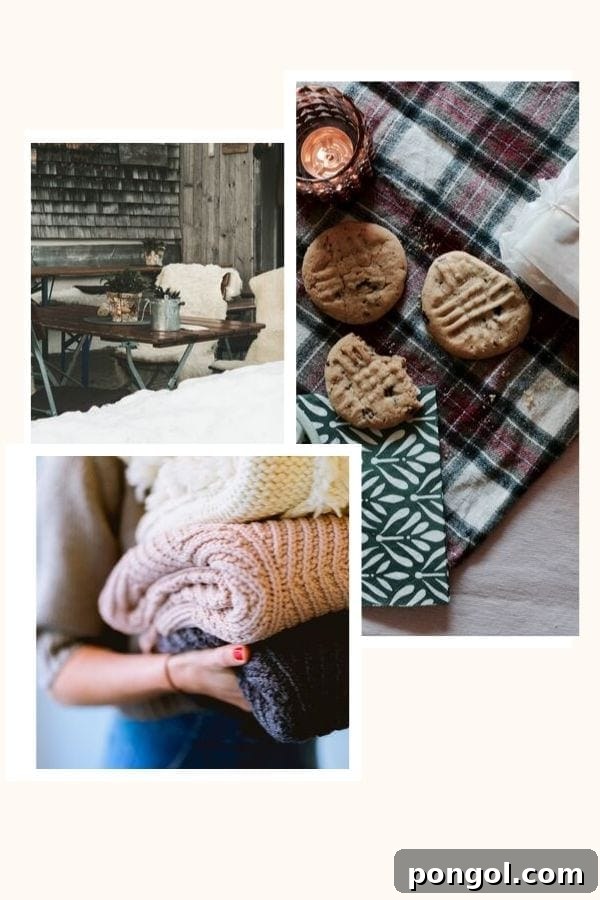
Why the World is Obsessed with Hygge: A Global Quest for Contentment
In an increasingly fast-paced, digitally-driven, and often stressful world, the Danish concept of Hygge has emerged as a compelling antidote, spreading its message of coziness and contentment faster than ever before. Over the past few years, it has transformed from an obscure Scandinavian term into a full-blown social and cultural phenomenon, inspiring countless books, articles, and lifestyle blogs across the globe.
This global embrace of Hygge is particularly pronounced in countries like the United States, which, despite its economic prosperity, often ranks significantly lower on global happiness indexes (e.g., around Nr 18 on recent World Happiness Reports). This disparity prompts a crucial question: Why are Americans, and indeed many others across the Atlantic, looking to a small Nordic nation for prescriptions for happiness? The answer lies in a widespread recognition that increased wealth and material accumulation haven’t necessarily translated into greater well-being. Many are seeking new models of happiness, ones that prioritize inner peace and connection over external achievements.
The lesson for us is profound: Hygge offers a powerful framework for decoupling wealth from well-being. It gently reminds us that true happiness isn’t bought, but cultivated through intentional living. In a society that often glorifies constant productivity and external validation, Hygge invites us to slow down, find joy in stillness, and appreciate the present moment. It’s a philosophy that champions simplicity, gratitude, and authentic human connection as the true pillars of a fulfilling life.
This pursuit of everyday contentment means shifting our focus from grand, infrequent luxuries to the small, consistent joys that accumulate into a generally happier life. These “small things” are not insignificant; they are the bedrock of well-being. They include dedicating more quality time to friends and family, savoring a home-cooked meal, enjoying a quiet evening with a book, or simply appreciating the warmth of a candle flame. Hygge teaches us that genuine relaxation doesn’t have to be limited to an expensive spa day; it can be woven into the fabric of our daily lives, making profound well-being accessible to everyone.

Fall & Winter: The Peak Season for Embracing Hygge
While the principles of Hygge are universally applicable and can be embraced in any season or setting, the concept truly resonates and flourishes during the colder, darker months. This is particularly true in Scandinavian countries, where long, often harsh winters demand a proactive approach to maintaining warmth, cheer, and well-being. The Danes have mastered the art of counteracting the bleakness of winter by intentionally creating pockets of warmth, light, and connection.
Fall and winter are, without a doubt, the high seasons of ‘hygge-ling‘. As the days shorten, temperatures drop, and the world outside turns increasingly grey, the desire for inner warmth and comfort intensifies. This natural inclination to retreat indoors provides the perfect canvas for practicing Hygge. The anticipation of holidays like Halloween, Thanksgiving, and especially Christmas, kicks the Hygge factor into overdrive. Festive decorations, seasonal scents, cozy gatherings, and the communal joy of celebration become inherent expressions of this cherished lifestyle, transforming the cold season into a magical time of year.
During these months, Hygge isn’t just a choice; it often feels like a necessity. It’s about making peace with the weather, embracing the indoor life, and finding beauty and comfort within your immediate surroundings. It’s a collective effort to create sanctuaries of warmth, both physically and emotionally, demonstrating resilience and a profound appreciation for life’s simple comforts in the face of challenging external conditions. This period becomes a powerful reminder to slow down, connect deeply, and find solace in the simple rhythms of home and hearth.
How to Hygge: Practical Steps to Cultivate Coziness and Contentment
Embracing Hygge is less about following a strict set of rules and more about cultivating a mindset and creating an atmosphere that promotes well-being, comfort, and connection. There are countless ways to infuse your life with Hygge, and the best part is that many of them require little to no expense. Here’s a comprehensive guide to help you start your Hygge journey, transforming ordinary moments into extraordinary experiences of contentment:
Create a Hyggelig Atmosphere
- Embrace Soft Lighting: Dim the harsh overhead lights and instead opt for candles, fairy lights, or lamps with warm-toned bulbs. Candles are perhaps the most iconic symbol of Hygge, creating a gentle, inviting glow that instantly shifts the mood and encourages relaxation.
- Add Cozy Textures: Surround yourself with soft blankets (wool, cashmere, faux fur are excellent choices), plush cushions, and rugs. These tactile elements invite relaxation and provide physical comfort, making your space feel more inviting and a sanctuary from the outside world.
- Engage Your Senses: Introduce comforting scents like baking bread, cinnamon, vanilla, or essential oils (lavender, cedarwood, orange). Play soft, calming music or enjoy the meditative crackling sound of a fireplace (real or virtual).
- Declutter and Simplify: A cluttered space can lead to a cluttered mind. Tidy up your surroundings to create a sense of calm and order, allowing you to fully relax and be present in your serene environment.
Savor Warmth and Nourishment
- Indulge in Warm Beverages: There’s nothing quite like a steaming mug to warm you from the inside out and provide a moment of peaceful pause. Think rich hot chocolate (perhaps even spiked hot chocolate for adults!), aromatic herbal teas, freshly brewed coffee, or spiced cider.
- Enjoy Comfort Food: Prepare and share simple, hearty meals. Soups, stews, homemade bread, and baked goods evoke a sense of nostalgia and provide deep satisfaction. The act of cooking and baking itself can be incredibly hyggelig, turning a mundane task into a mindful pleasure.
- Dress for Comfort: Slip into your favorite fuzzy socks, oversized sweaters, soft loungewear, or anything that makes you feel utterly at ease. Physical comfort is paramount to feeling truly relaxed and at peace with your surroundings.
Foster Connection and Presence
- Gather with Loved Ones: Schedule small, intimate gatherings with cherished friends and family. This isn’t about grand parties but rather focused quality time – sharing a simple meal, playing board games, or simply engaging in heartfelt conversation without the constant distraction of phones.
- Be Present: Practice mindfulness in all your activities. Put away your devices, turn off notifications, and fully immerse yourself in the moment. Whether you’re reading, talking, or simply watching the snow fall, give it your undivided attention and savor the experience.
- Embrace Quiet Reflection: Sometimes Hygge is best enjoyed alone. Curl up with a good book, journal your thoughts, meditate, or simply sit by a window and watch the world go by. This quiet time allows for self-care, introspection, and mental rejuvenation.
Hygge Beyond Your Home
While often associated with cozy interiors, the concept of Hygge is not limited to your own four walls. You can find and create Hygge in various settings, extending its warm embrace to the wider world:
- Café Hygge: Visit a local coffee shop, find a comfortable corner, and enjoy a warm drink and a book. The ambient buzz, inviting aroma of coffee, and sense of quiet community can be wonderfully hyggelig.
- Outdoor Hygge: Even in colder weather, a brisk walk in nature followed by a warm drink back home, or gathering around an outdoor fire pit with blankets and hot cider, can be deeply hyggelig. Embrace the elements, then seek warmth.
- Community Hygge: Attend local craft fairs, seasonal markets, or small community events that foster a sense of togetherness, shared simple pleasure, and connection with your neighbors.
Hygge Doesn’t Require Spending
It’s crucial to understand that genuine Hygge is not a commodity to be bought. Sadly, it has become a marketing buzzword used to sell countless “Scandi-cool” items, from expensive blankets to designer candles. However, you don’t have to spend a single cent to dial up the Hygge factor in your life. Many of the most profound Hygge experiences come from intentional actions, simple pleasures, and meaningful, authentic connections.
We believe authentic Hygge is accessible to everyone. In an upcoming blog post, “15 Hygge Ideas: Mostly Free Ways to Cultivate Danish Happiness,” we’ll delve even deeper into practical, budget-friendly ways to embrace this lifestyle without breaking the bank. Until then, if you cannot wait to get your Hygge on, explore the millions of posts on Instagram tagged #hygge. Scrolling through the feed offers endless inspiration and visual ideas on how to make your life just a little bit more snug, comfortable, and truly happy.
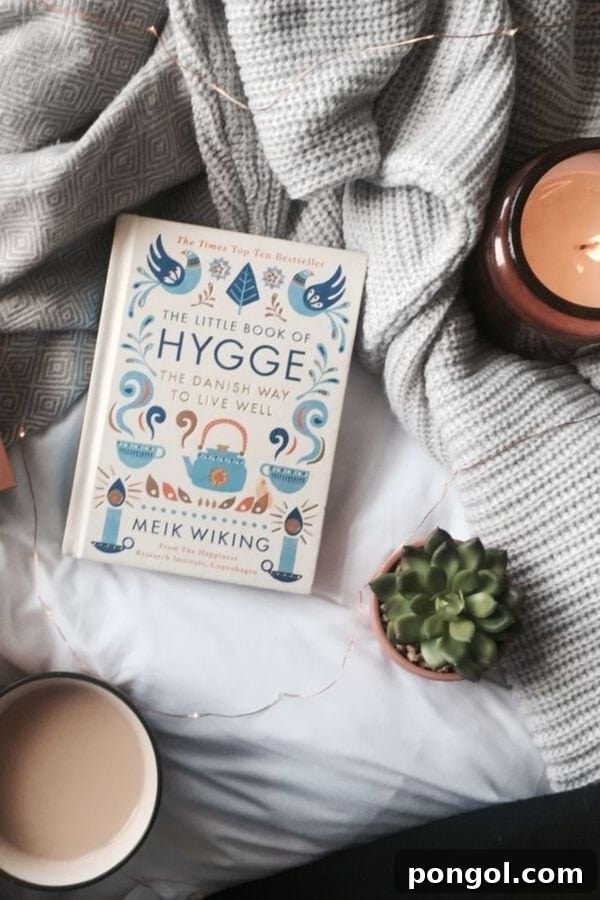
A Cozy Reading List to Deepen Your Hygge Journey
For those eager to delve deeper into the philosophy and practice of Hygge, there’s no better way than to curl up with a good book. As you sip on your warm beverage, perhaps a delicious paleo peppermint hot chocolate, immerse yourself in the wisdom of Danish living. These inspiring titles offer profound insights into cultivating contentment, embracing simplicity, and finding joy in the everyday. Consider picking one for yourself or gifting a copy to a loved one to spread the wonderful word of Hygge. Happy hyggelig reading!
The Little Book of Hygge: Danish Secrets to Happy Living
Meik Wiking
How to Hygge: The Secrets of Nordic Living
Signe Johansen
The Book of Hygge: The Danish Art of Contentment, Comfort and Connection
Louisa Thomsen Brits
Hygge: The Danish Art of Happiness
Marie Tourell Soderberg
The Art of Hygge: How to Bring Danish Coziness into Your Life
Jonny Jackson & Elias Larsen
The Cozy Life: Rediscover the Joy of Simple Things
Pia Edberg
ScandiKitchen: Fika and Hygge: Comforting Cakes and Bakes from Scandinavia with Love
Bronte Aurell