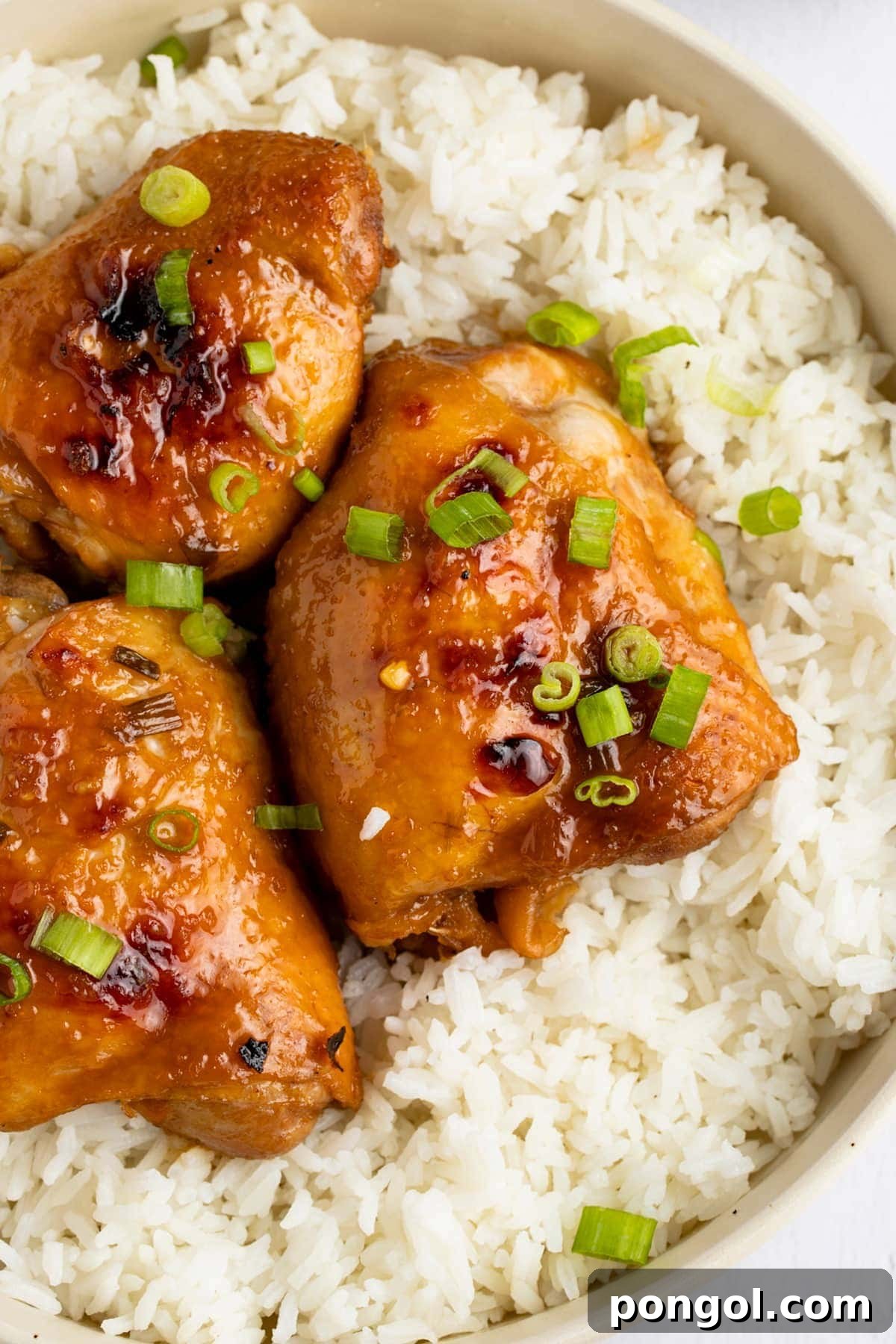
Embark on a culinary journey to the vibrant islands of Hawaii with this irresistible Shoyu Chicken recipe. Renowned for its incredible flavor and straightforward preparation, Shoyu Chicken is more than just a meal; it’s a staple of Hawaiian comfort food that promises to delight your taste buds and become a cherished favorite in your family’s meal rotation. Imagine succulent chicken thighs, slow-braised to perfection in a rich, glossy sauce where the umami depth of shoyu (Japanese soy sauce) harmonizes beautifully with the caramel sweetness of brown sugar, the zesty warmth of fresh ginger, and the aromatic punch of garlic. The result is a dish that’s both tangy and savory, with a hint of sweetness, creating an unforgettable taste experience that’s deceptively simple to achieve.
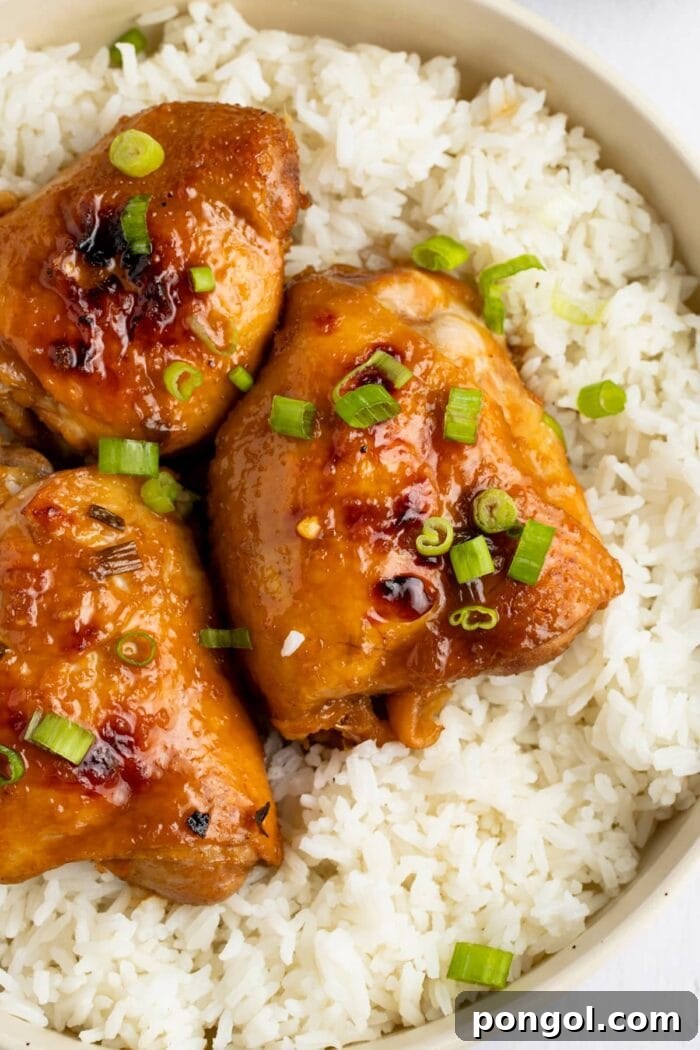
Why Shoyu Chicken is an Absolute Must-Try
Shoyu Chicken stands out for several compelling reasons, making it a perfect choice for both seasoned cooks and culinary novices alike:
- Uncomplicated Yet Unforgettable Flavors: This Hawaiian Shoyu Chicken recipe masterfully blends simplicity with profound, layered flavors. Chicken thighs, inherently rich and juicy, transform into a melt-in-your-mouth delicacy when simmered in a robust sauce of shoyu, ginger, garlic, and brown sugar. The braising technique ensures the chicken absorbs every drop of the aromatic liquid, resulting in a dish that is deeply satisfying and bursting with a sweet and savory profile. It’s comfort food at its finest, requiring minimal effort for maximum flavor payoff.
- Effortless Cooking Experience: Forget about complicated steps and endless hovering over the stove. This easy chicken recipe is designed for convenience. The process involves a quick sauce mix, a brief sauté of aromatics, and then everything comes together in a Dutch oven to simmer. It’s largely a “set it and forget it” affair, allowing you to focus on other tasks while your kitchen fills with an enticing aroma. For those who adore a perfectly crispy skin, an optional broiling step adds a delightful texture without adding significant time or complexity. You can easily skip this step if you prefer a softer texture or are short on time.
- Remarkably Adaptable for Diverse Dietary Needs: One of the greatest advantages of Shoyu Chicken is its versatility. It’s incredibly easy to customize to fit various dietary requirements.
- Lower Sodium: Opt for a low-sodium shoyu (soy sauce) to significantly reduce the salt content without compromising on the authentic taste.
- Reduced Sugar/Low Carb: Replace brown sugar with a sugar substitute like Brown Swerve for a lower sugar version. For a truly low-carb meal, serve your Shoyu Chicken with cauliflower rice or a medley of steamed non-starchy vegetables instead of traditional white rice.
- Gluten-Free: Ensure your shoyu is gluten-free (often labeled as tamari) to make this dish suitable for those avoiding gluten.
This adaptability makes it a fantastic choice for families with different dietary preferences or restrictions, ensuring everyone can enjoy a delicious and wholesome meal.
Decoding the Key Ingredients for Authentic Shoyu Chicken
While the ingredient list for Shoyu Chicken is wonderfully concise, understanding the role of each component is crucial for achieving that authentic Hawaiian flavor.
Shoyu: The Soul of the Sauce
At the heart of this dish is “shoyu,” a term specifically referring to Japanese-style soy sauces. It’s important to differentiate shoyu from other types of soy sauce, particularly Chinese varieties. Japanese shoyu is typically crafted from an equal blend of soybeans and wheat, which contributes to its slightly sweeter, more nuanced, and less aggressively salty flavor profile. This balance is key to the distinctive taste of Hawaiian Shoyu Chicken. Chinese soy sauces, often made from 100% soy, tend to be darker, thicker, and saltier, and may not yield the same delicate balance of flavors in this recipe. Using a good quality shoyu, even a low-sodium one, is paramount for an authentic result.
Chicken Thighs: The Unsung Hero of Juiciness
When it comes to braised chicken dishes, chicken thighs are the undisputed champion. Their higher fat content ensures they remain incredibly flavorful, tender, and juicy throughout the slow cooking process, preventing the dryness often associated with chicken breasts. Using bone-in, skin-on chicken thighs is highly recommended as the bone imparts additional flavor and moisture, while the skin can crisp up beautifully under the broiler, adding a delightful textural contrast. While you can substitute chicken breasts, be aware that the dish will not have the same depth of flavor or succulence. If you opt for breasts, you’ll need to monitor the cooking time carefully to prevent overcooking, as they cook faster and dry out more easily. For a different twist, you could also adapt this recipe for chicken wings or chicken legs, adjusting cooking times accordingly.
Brown Sugar: The Sweet Counterpoint
Brown sugar brings a wonderful depth of sweetness and a hint of molasses that complements the savory shoyu perfectly. It helps create the signature glossy, slightly sticky glaze that coats the chicken. You can adjust the amount to suit your preference for sweetness or tang. Dark brown sugar will lend a richer, more profound caramel note than light brown sugar.
Ginger & Garlic: The Aromatic Foundation
Fresh ginger and garlic are indispensable aromatics that provide a vibrant, pungent base for the sauce. They infuse the chicken and sauce with their distinctive, warm, and spicy notes, balancing the sweetness and adding complexity. Always opt for fresh ginger and garlic over powdered versions for the best flavor.
Mastering Shoyu Chicken: Essential Chef’s Tips
- Elevate Your Meal with Hawaiian-Inspired Sides: To fully embrace the flavors of Hawaii, consider serving your Shoyu Chicken with our delightful coconut rice, which adds a creamy, fragrant dimension. Warm chunks of fresh pineapple offer a tropical sweetness and acidity that beautifully cuts through the richness of the chicken. A classic side that no Hawaiian plate lunch is complete without is a generous scoop of cold macaroni salad – its creamy texture and tangy notes provide a wonderful contrast. Steamed green beans or blanched broccoli are also excellent lighter options.
- Tailor the Sauce to Your Palate: The beauty of Shoyu Chicken lies in its adaptability.
- For More Heat: If you enjoy a spicier kick, feel free to increase the amount of fresh ginger. You can also add a pinch of red pepper flakes during the sautéing process.
- Adjusting Sweetness and Tang: Play with the brown sugar quantity to achieve your desired balance. For a richer, deeper caramel flavor, use dark brown sugar. For a brighter, tangier sauce, a splash of rice vinegar can be added towards the end of cooking.
- Adding Umami Boost: A dash of sesame oil added at the very end of cooking can impart a lovely nutty aroma, but use sparingly as it can be potent.
Remember not to overpower the core shoyu flavor; subtle adjustments are often best.
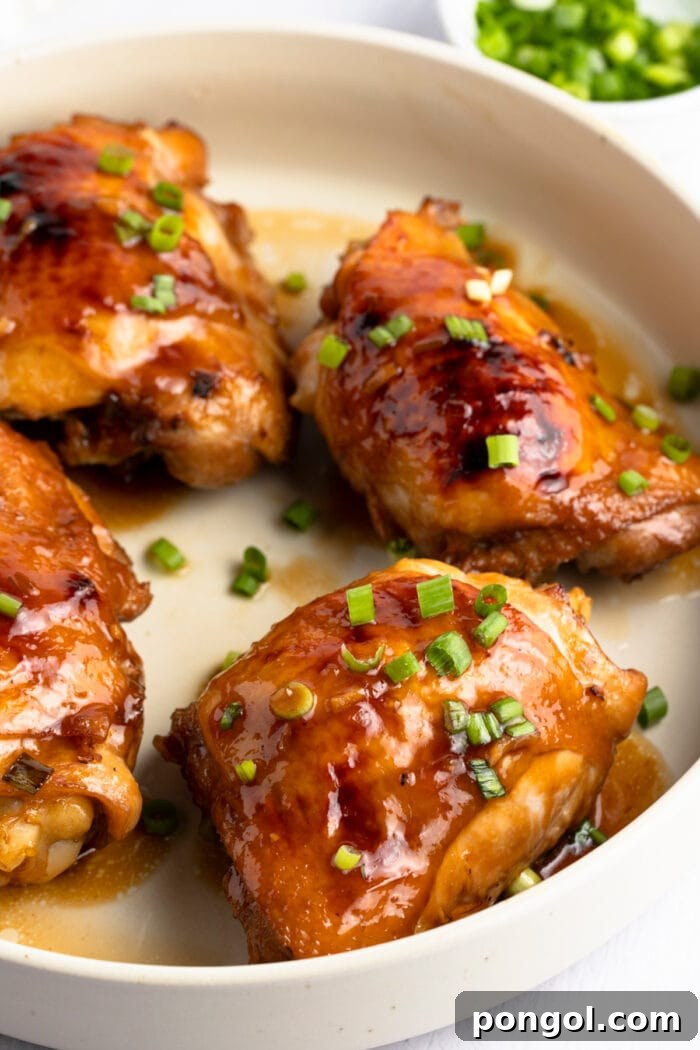
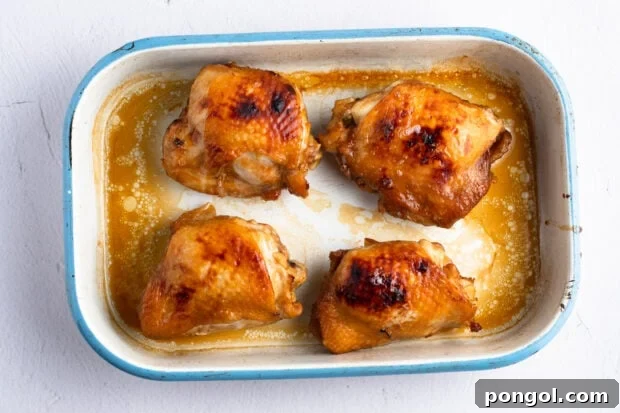
- Broiling for Crispy Perfection: A Watchful Eye is Key: If you choose the optional step of broiling your braised Shoyu Chicken thighs for crispy skin, extreme vigilance is required. The broiler works incredibly fast, and the high sugar content in the sauce can lead to burning in a matter of seconds. Keep a close eye on the chicken; you’ll typically only need 2 to 3 minutes, maximum, to achieve that coveted golden-brown, crispy skin. This step also helps to caramelize the sauce on the skin, enhancing both flavor and texture.
- Pre-Marinate for Deeper Flavor: If you have the luxury of time, using the sauce as a marinade is an excellent way to infuse the chicken with even more flavor. Simply mix all the sauce ingredients as instructed, then pour it over the raw chicken thighs. Refrigerate the chicken in an airtight container for at least 4 hours, or preferably overnight, up to 2 days. The extended marination allows the shoyu, ginger, garlic, and brown sugar to penetrate deep into the chicken, resulting in an incredibly tender and flavorful final dish. After marinating, proceed with the cooking instructions as usual.
- Thickening the Sauce: The cornstarch slurry is optional but highly recommended if you prefer a thicker, more clinging sauce. It transforms the braising liquid into a luxurious glaze that coats the chicken beautifully and is perfect for spooning over rice.
Other Delicious Chicken Recipes You’ll Love
If you enjoyed the succulent flavors of this Shoyu Chicken, you might also like to explore these other fantastic chicken recipes from our collection:
- Beer-Battered Coconut Chicken with Orange-Horseradish Sauce
- How to Truss a Chicken
- Chicken Saag
- Healthy Creamy Buffalo Chicken Stuffed Sweet Potatoes with Ranch (Whole30, Paleo)
- Everything Bagel Chicken with Scallion Cream Cheese Sauce (Keto)
- Lemon Pepper Chicken
- Buffalo Chicken Mac & Cheese
- Creamy Coconut Chicken with Lime
Recipe By: Jasmine Comer
Shoyu Chicken
Full of flavor and easy to make, shoyu chicken is sure to become a fixture in your meal rotation. This iconic Hawaiian recipe is so simple – juicy chicken thighs braised in a tangy sauce of shoyu, brown sugar, ginger, and garlic – but the results are incredible.

Jasmine Comer
Pin Recipe
Save Recipe
Equipment
- Medium bowl
- Dutch oven or heavy-bottomed pot with lid
- Baking dish (optional, for broiling)
Ingredients
- ⅔ cup shoyu soy sauce
- ½ cup brown sugar
- 1 cup water
- 4 green onions, sliced (white and green parts divided)
- 1 tablespoon neutral cooking oil
- 1 (2-inch long) piece fresh ginger, peeled and sliced
- 3 cloves garlic, chopped
- 4 bone-in chicken thighs (approximately 1 ½ pounds)
- 1-2 tablespoons cornstarch (optional, for thickening sauce)
Instructions
-
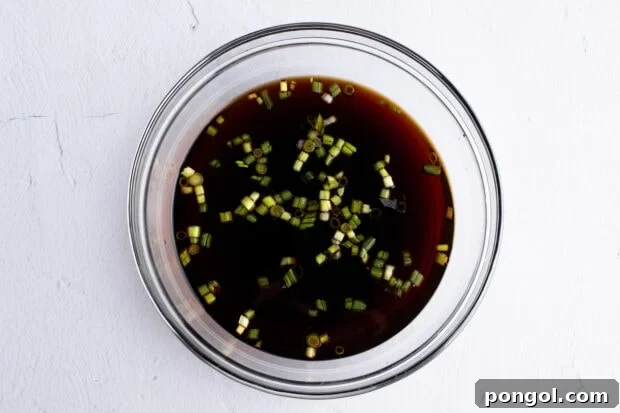
In a medium bowl, combine the shoyu soy sauce, brown sugar, water, and the white parts of the sliced green onions. Stir until the brown sugar is fully dissolved. Set this sauce mixture aside.

-
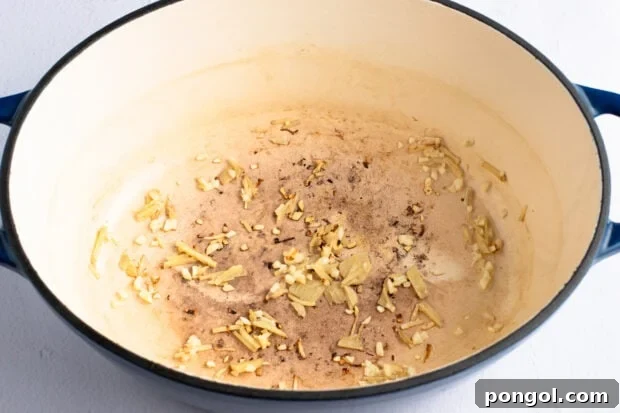
Heat the neutral cooking oil in a Dutch oven or a large, heavy-bottomed pot over medium heat. Add the sliced ginger and chopped garlic. Sauté for 1 to 2 minutes, stirring occasionally, until they become fragrant and lightly golden. Be careful not to burn the garlic.
-
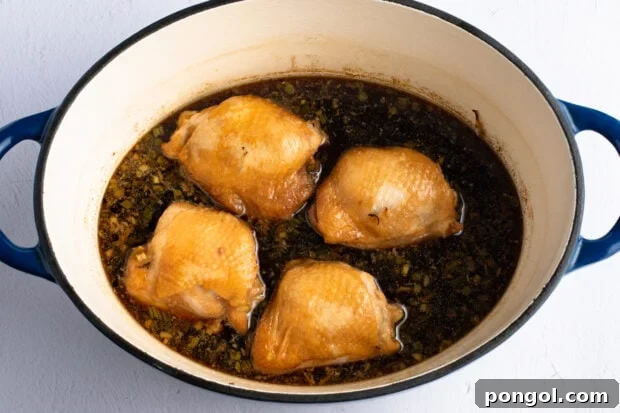
Carefully pour the prepared shoyu sauce into the pot with the aromatics. Gently place the chicken thighs into the sauce, ensuring they are skin-side up. Bring the liquid to a gentle boil, then reduce the heat to low, cover the pot with a lid, and let it simmer. Cook for 30 minutes, flipping the chicken thighs once after 15 minutes to ensure even cooking and flavor distribution.
-
Optional Finishing Steps for Crispy Skin and Thicker Sauce: Once the chicken is cooked through (internal temperature reaches 165°F), carefully remove the chicken thighs from the pot and transfer them to a baking dish. If desired, broil the chicken thighs under a preheated broiler for 2 to 3 minutes, or until the skin is beautifully crisp and golden. Watch closely to prevent burning.
While the chicken is broiling, you can thicken the sauce. In a small bowl, whisk together 1 to 2 tablespoons of cornstarch with an equal amount of cold water to create a slurry. Stir this slurry into the remaining sauce in the pot, whisking continuously until combined. Bring the sauce to a low simmer over medium-low heat and cook until it thickens to your desired consistency. Spoon the thickened sauce over the broiled chicken thighs. Garnish generously with the green parts of the sliced green onions and serve immediately with white rice or cauliflower rice.
Notes:
- Chicken Thighs: For food safety, always ensure your chicken is cooked to an internal temperature of 165° Fahrenheit (74°C) as measured with a meat thermometer.
- Make it Reduced Sugar/Low Carb: Substitute brown sugar with a suitable sugar alternative like Brown Swerve. Please note that some shoyu soy sauces may contain a small amount of sugar, so the recipe may not be entirely sugar-free.
- Make it Gluten-Free: To ensure this recipe is gluten-free, use a gluten-free shoyu or tamari instead of regular soy sauce.
Recipe yields approximately 4 servings. Actual number of servings will depend on your preferred portion sizes.
Nutritional values shown are general guidelines and reflect information for 1 serving using the ingredients listed, including optional cornstarch and using Aloha Shoyu Low Salt Soy Sauce. Actual macros may vary slightly depending on specific brands and types of ingredients used.
To determine the exact weight of one serving, prepare the recipe as instructed. Weigh the entire finished recipe (excluding the weight of the container) and then divide this total weight by 4 to get the weight of a single serving.
Approximate Nutrition Information for One Serving
Calories: 470 cal
Protein: 24 g
Fat: 28 g
Saturated Fat: 7 g
Trans Fat: 1 g
Cholesterol: 142 mg
Sodium: 1830 mg
Potassium: 390 mg
Total Carbs: 34 g
Fiber: 1 g
Sugar: 30 g
Net Carbs: 33 g
Vitamin A: 233 IU
Vitamin C: 3 mg
Calcium: 49 mg
Iron: 1 mg
Nutrition Disclaimers
Number of total servings shown is approximate. Actual number of servings will depend on your preferred portion sizes.
Nutritional values shown are general guidelines and reflect information for 1 serving using the ingredients listed, not including any optional ingredients. Actual macros may vary slightly depending on specific brands and types of ingredients used.
To determine the weight of one serving, prepare the recipe as instructed. Weigh the finished recipe, then divide the weight of the finished recipe (not including the weight of the container the food is in) by the desired number of servings. Result will be the weight of one serving.
Did You Make This Recipe?
We’d love to see your culinary creations! Tag @40aprons on Instagram and be sure to leave a review on the blog post to share your experience!
Tag @40Aprons on Instagram