Embrace the Abundance: How to Freeze Zucchini for Year-Round Enjoyment
Zucchini, a vibrant green vegetable, is an undeniable star of the summer garden and a versatile ingredient in countless culinary creations. From savory stir-fries to sweet breads, its mild flavor and adaptable texture make it a kitchen staple. However, with its prolific growth during peak season, many home cooks often find themselves with an excess of zucchini. The good news? Freezing zucchini is an incredibly effective and simple way to preserve its goodness, allowing you to enjoy this nutritious vegetable long after the summer sun fades. This comprehensive guide will walk you through the best methods to freeze zucchini, ensuring its flavor, color, and texture remain intact for delicious meals any time of year.
Why Freezing Zucchini is a Culinary Game-Changer
Freezing zucchini isn’t just about preventing food waste; it’s about extending culinary possibilities and making healthy eating more convenient. Here’s why this method is so beneficial:
- Preserves Peak Freshness and Nutrients: When zucchini is frozen properly, its vibrant color, delicate flavor, and essential nutrients are locked in at their prime. This means you can enjoy the quality of fresh, summer-grown zucchini even in the depths of winter, ensuring your meals are always packed with wholesome goodness. The blanching step, which we’ll detail shortly, is crucial for preserving these qualities by deactivating enzymes that would otherwise cause deterioration over time in the freezer.
- Manages Seasonal Overload: If you’re a gardener or simply someone who loves to buy in bulk during the harvest season, you know how quickly zucchini can accumulate. Freezing provides a practical solution to handle this abundance. Instead of rushing to use every last squash before it spoils, you can easily prepare and freeze it, turning a potential waste into a valuable pantry asset.
- Unmatched Versatility for Future Meals: We offer not one, but three distinct methods for freezing zucchini, each tailored to different culinary applications. Whether you envision a low-carb pasta dish with delicate zucchini noodles, hearty casseroles featuring perfectly sliced rounds, or moist zucchini bread and muffins made with shredded squash, there’s a freezing method for you. This foresight in preparation ensures that your frozen zucchini is ready to be incorporated into your favorite recipes with minimal fuss.
- Boosts Meal Prep Efficiency: Having pre-prepped zucchini in your freezer can significantly cut down on cooking time during busy weeknights. Imagine simply grabbing a bag of zucchini noodles for a quick stir-fry or some shredded zucchini for an impromptu batch of muffins. It’s a true time-saver that encourages healthier, home-cooked meals.
Preparing Zucchini for Freezing: Three Essential Shapes
Before freezing, zucchini needs to be prepared according to how you plan to use it. Clean zucchini thoroughly under cold running water and pat dry. Then, choose your preferred cut:
Zucchini Noodles (Zoodles)
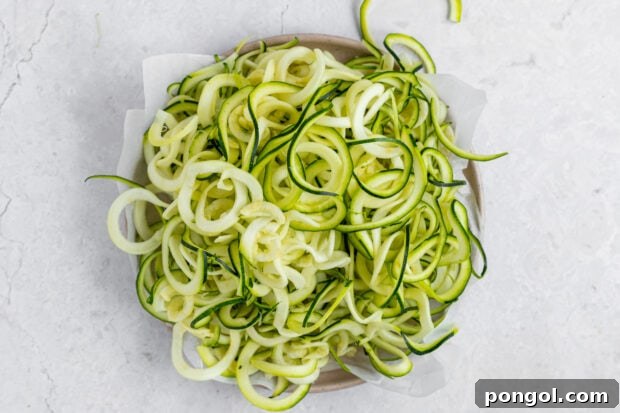
For those who love a healthy, low-carb alternative to traditional pasta, zucchini noodles are a fantastic choice. To create them:
- Trim both ends of the zucchini.
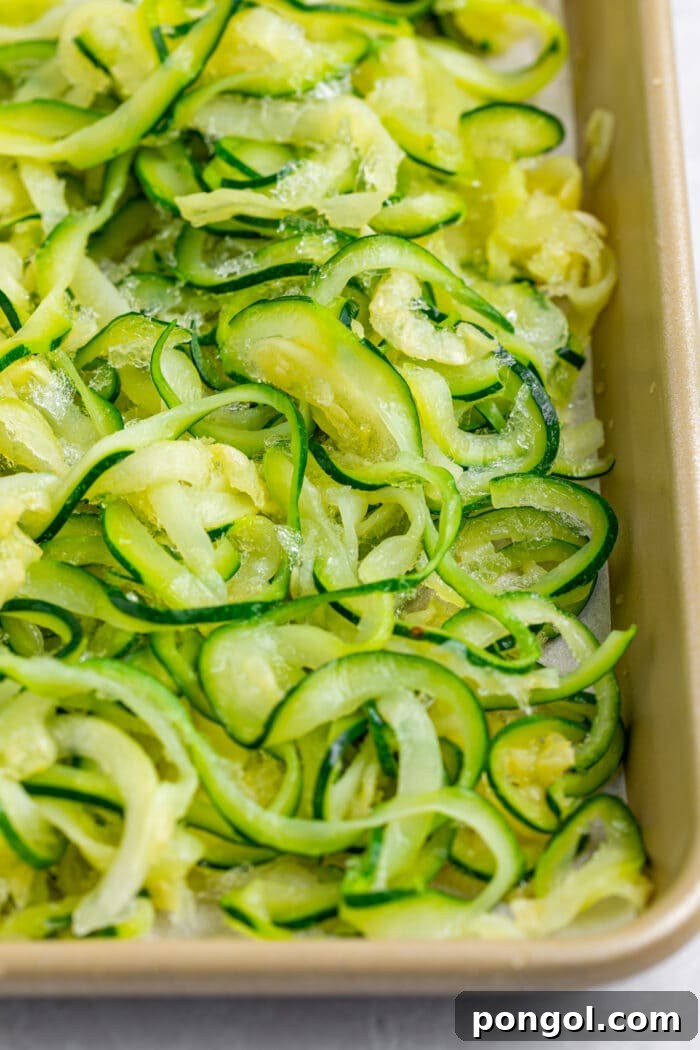
- Using a vegetable spiralizer (either a handheld or countertop model), feed the zucchini through to create long, elegant noodles. Handheld spiralizers are often praised for their ease of use and efficiency for single zucchini, while countertop models can handle larger quantities with less effort.
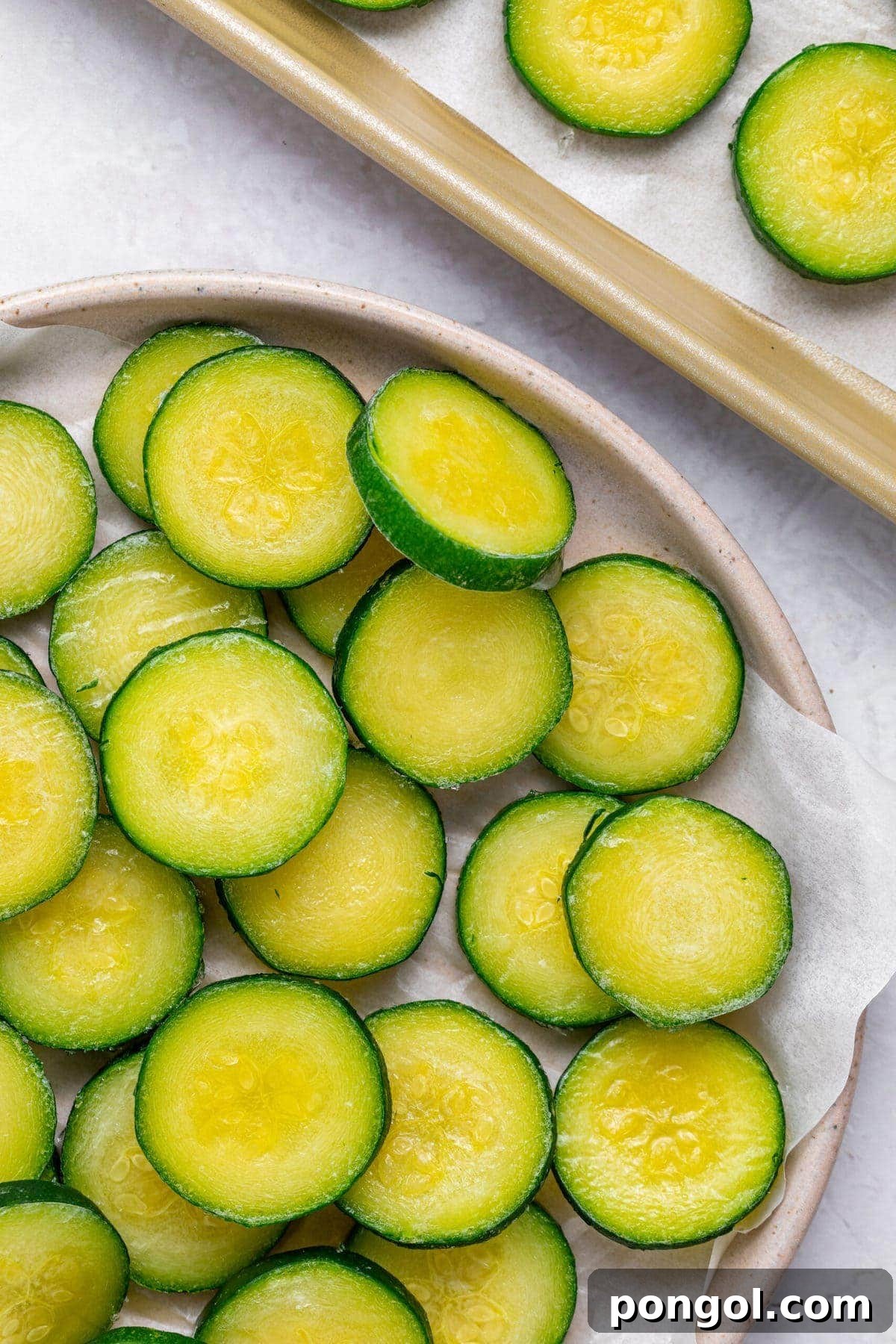
Sliced Zucchini
Sliced zucchini is ideal for stir-fries, gratins, roasted vegetable medleys, and casseroles. This classic cut offers versatility in many dishes:
- Remove both ends from the zucchini.
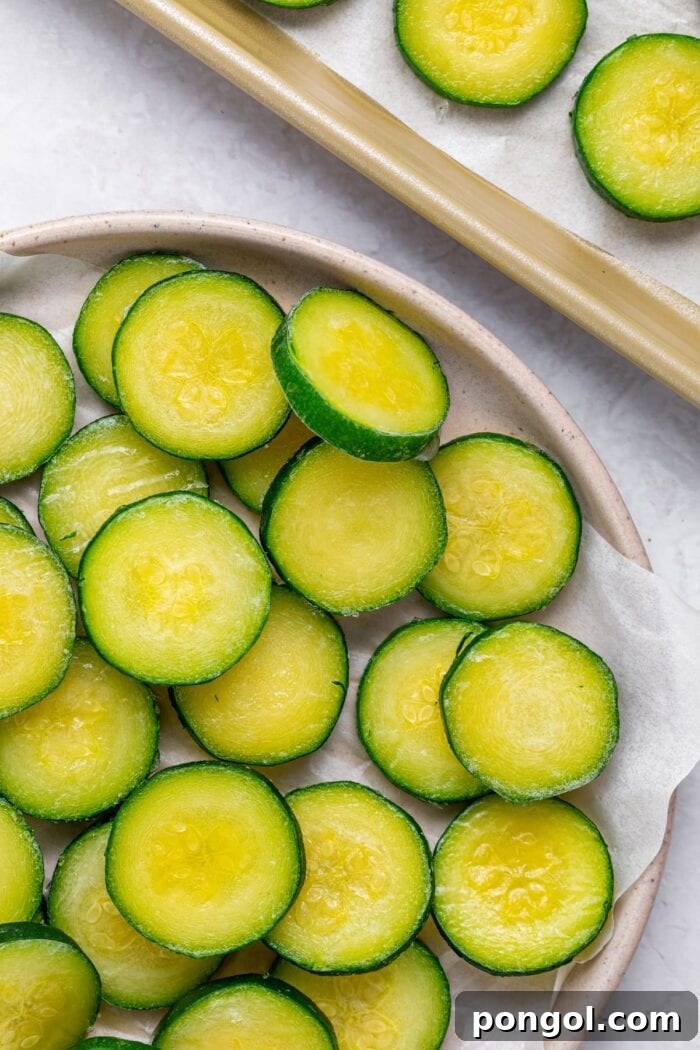
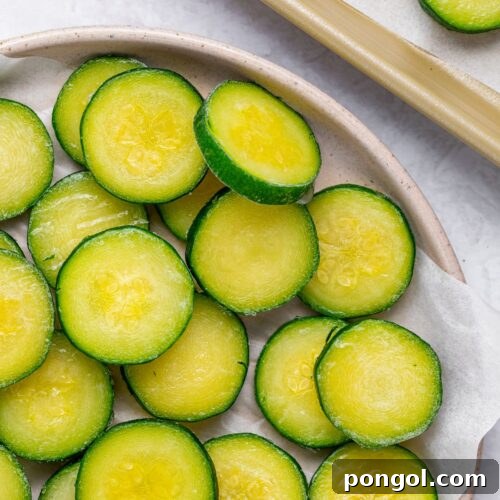
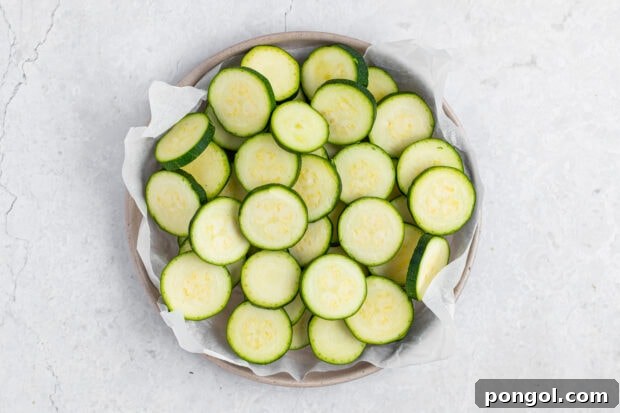
- Slice the zucchini into uniform 1/4-inch thick rounds. Consistency in thickness is key for even blanching and freezing.
- For smaller pieces suitable for dicing into stews or soups, you can halve or quarter these rounds after slicing.
Shredded Zucchini
Shredded zucchini is a baker’s best friend, perfect for adding moisture and nutrients to breads, muffins, fritters, and even hidden vegetable sauces. This method requires an extra step to remove excess moisture:
- Trim off one end of the zucchini.
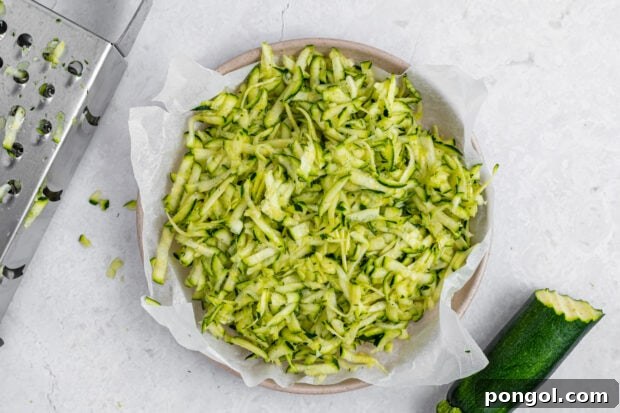
- Using a medium grater (the side with medium-sized holes), shred the zucchini.
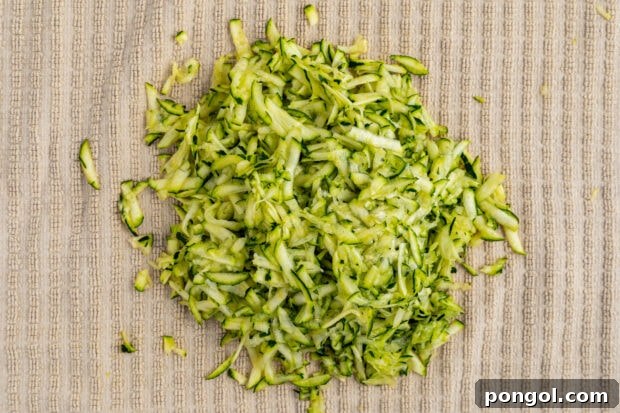
- Once shredded, transfer the zucchini to the center of a clean kitchen towel or cheesecloth. Gather the edges of the towel and squeeze out as much moisture as possible. This step is critical, as excess water can lead to soggy baked goods or icy freezer burn. Continue squeezing until no more liquid drips out.
The Crucial Step: How to Blanch Zucchini Effectively
Blanching is a quick cooking process followed by rapid cooling that is essential for most vegetables before freezing. For zucchini, it helps preserve its vibrant color, firm texture, and fresh flavor by deactivating enzymes that cause spoilage, even at freezing temperatures. Do not skip this simple yet significant step for optimal results.
- Prepare Boiling Water: Fill a large pot with unsalted water and bring it to a rapid, rolling boil. Ensure there’s enough water to completely submerge the zucchini without significantly dropping the water temperature.
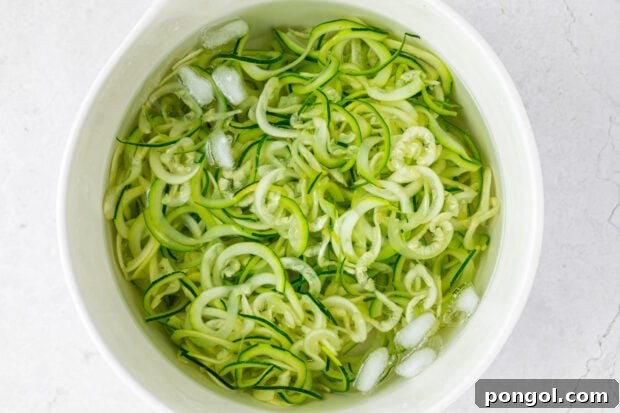
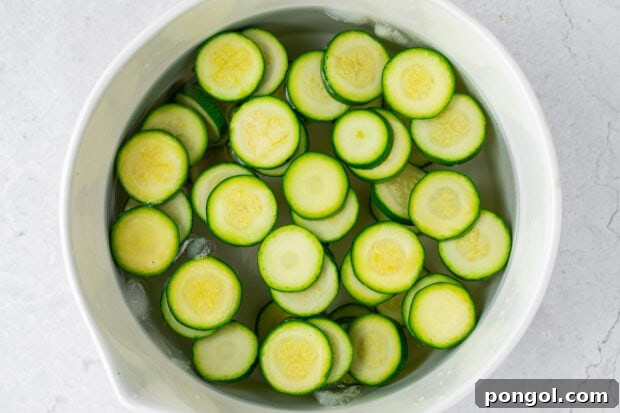
- Prepare an Ice Bath: While the water boils, prepare a large bowl filled with ice water. This will be used to immediately stop the cooking process after blanching.
- Blanch the Zucchini: Carefully add your prepared zucchini (noodles, slices, or shreds – though shredded zucchini is often frozen raw after squeezing out moisture, blanching can still be beneficial for some recipes) to the boiling water. Leave the pot uncovered to allow gases to escape, which helps maintain the zucchini’s green color. Cook for precisely one minute. Avoid overcooking, as this will result in mushy zucchini.
- Shock in Ice Water: Using a slotted spoon or spider, quickly remove the zucchini from the boiling water and plunge it immediately into the ice bath. This rapid cooling stops the cooking process and helps retain the zucchini’s crispness and color. Let it cool for at least one minute, or until completely chilled.
- Drain Thoroughly: Once chilled, remove the zucchini from the ice bath and drain it thoroughly. For shredded zucchini, an extra squeeze in a fresh towel might be beneficial after blanching and cooling to remove any additional water absorbed during the process. Proper drainage prevents ice crystals from forming excessively, which can degrade texture.
Storing Your Frozen Zucchini: Best Practices for Longevity
Proper storage is key to preventing freezer burn and maintaining the quality of your frozen zucchini for up to 3-4 months (and often longer). The secret lies in a crucial initial freezing step:
The Golden Rule: Single-Layer Freezing
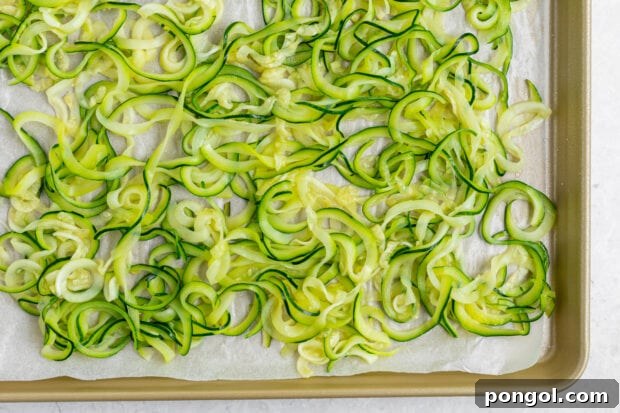
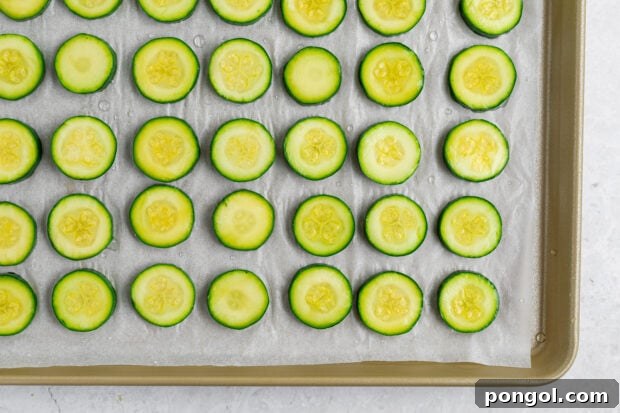
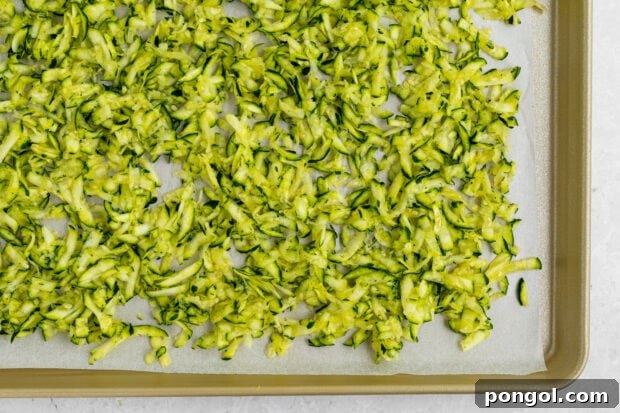
Before transferring your blanched and drained zucchini to long-term storage, always freeze it in a single layer on a baking sheet. This step prevents the zucchini pieces from clumping together into a solid block, which would make it difficult to portion out later. It also helps the zucchini freeze faster and more evenly, resulting in better texture upon defrosting.
- Lay a piece of parchment paper or a silicone baking mat on a baking sheet.
- Spread the blanched and drained zucchini (noodles, slices, or shreds) in a single layer on the prepared baking sheet. Ensure the pieces are not touching.
- Place the baking sheet in the freezer for 1-2 hours, or until the zucchini pieces are completely solid.
Choosing the Right Storage Container
Once individually frozen, transfer the solid zucchini pieces to your chosen storage container:
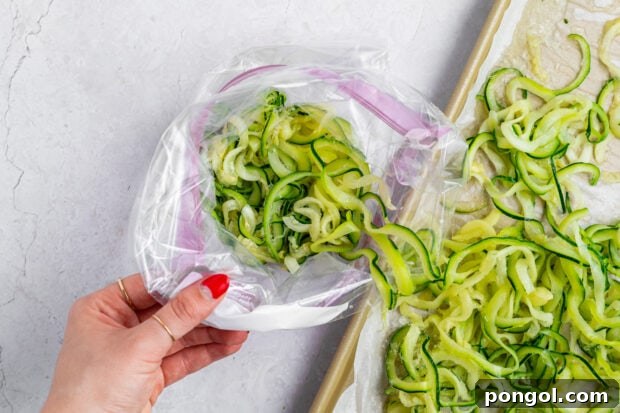
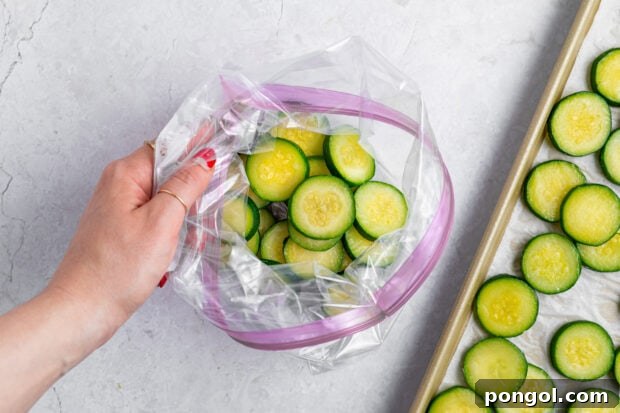
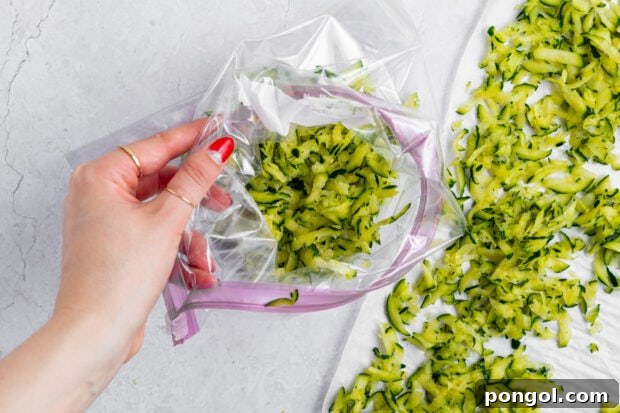
- Resealable Freezer Bags: These are a go-to for many due to their accessibility and space-saving qualities. Add the individually frozen zucchini to the bag, press out as much air as possible before sealing (to prevent freezer burn), and then lay flat or stack in the freezer. Don’t forget to label each bag with the date and contents!
- Glass Food Storage Containers: Glass containers are excellent for long-term storage as they are non-reactive and eco-friendly. However, a word of caution: always ensure your zucchini is completely frozen in a single layer before placing it into glass containers. Transferring freshly blanched (and still warm or room temperature) zucchini directly into a cold glass container and then immediately into the freezer can cause a sudden temperature change that may lead to the glass shattering. Using the single-layer freezing step mitigates this risk.
- Plastic Food Storage Containers: A reliable and convenient option, plastic containers are durable and generally not subject to temperature shock issues like glass. They are great for stacking and organizing your freezer space. Again, ensure the zucchini is individually frozen first before packing into these containers to avoid a solid block.
Regardless of the container type, always remember to label it clearly with the date you froze the zucchini and its contents (e.g., “Zucchini Noodles – 10/26”). This practice helps you keep track of freshness and ensures you use older stock first.
Chef’s Savvy Tips for Using Frozen Zucchini
Once you’ve mastered the art of freezing zucchini, knowing how to incorporate it into your cooking is the next step to enjoying its full potential:
- No Thawing Required (Mostly): One of the greatest benefits of freezing zucchini is that, for many recipes, you don’t need to defrost it before use! This is especially true when adding it to hot dishes where it will cook down and integrate seamlessly. I love adding frozen sliced zucchini directly to stir-fries, soups, stews, and casseroles. Zucchini noodles can go straight into simmering pasta sauces, where they’ll cook quickly and absorb flavors. For shredded zucchini destined for baked goods like bread or muffins, it’s best to let it thaw slightly in a colander to drain any accumulated liquid before mixing it into your batter to prevent a soggy outcome.
- The Ultimate Smoothie Boost: Thanks to its incredibly mild flavor, frozen zucchini is a secret weapon for adding a nutritional punch to your smoothies without altering the taste. Simply toss in a handful of frozen zucchini pieces (sliced or shredded work best) along with your favorite fruits, protein powder, and liquid. It blends beautifully, adds creaminess, and is a brilliant way to sneak extra vegetables into anyone’s diet, especially picky eaters!
- Creative Culinary Applications: Don’t limit yourself to obvious uses. Think outside the box!
- For Sliced Zucchini: Add to frittatas, omelets, roasted vegetable medleys, or even a quick sauté with garlic and herbs.
- For Zucchini Noodles: Beyond pasta, use them in Asian-inspired noodle bowls, cold salads with a vibrant dressing, or as a base for hearty protein dishes.
- For Shredded Zucchini: Incorporate into savory pancakes, fritters, meatballs, meatloaf, or even homemade pasta sauce to thicken and add nutrients.
Delicious Zucchini Recipes You’ll Love
Ready to put your frozen zucchini to good use? Here are some fantastic recipes that celebrate this versatile vegetable:
- Keto Zucchini Bread
- Sautéed Zucchini
- Air Fried Zucchini
- Whole30 Spaghetti and Meatballs
- Air Fryer Zucchini Chips
How to Freeze Zucchini
Frozen zucchini is incredibly versatile and nutritious! This green vegetable flourishes during the summer months, and can be enjoyed countless ways. The next time you’re looking for a way to use up any leftover zucchini, quickly and easily freeze it using one of these methods!
Recipe By: Sam Guarnieri
Prep Time: 5 minutes
Cook Time: 1 minute
Freezing Time: 1 hour
Total Time: 1 hour 6 minutes

Pin Recipe
Equipment
- Large pot
- Ice bath
- Baking sheet
- Resealable plastic bag or food storage container
Ingredients
- 2 zucchini
Instructions
For Zucchini Noodles
-
Cut off one end of zucchini and spiralize.

-
Place zucchini noodles into rapidly boiling water for 1 minute, then remove and transfer to an ice bath.
-
Spread zucchini noodles into a single layer on a baking sheet and freeze for 1-2 hours or until completely solid.
-
Transfer zucchini noodles to a sealed bag or airtight container and freeze until ready to use.
For Sliced Zucchini
-
Slice zucchini into even ¼-inch rounds.
-
Place sliced zucchini into rapidly boiling water for 1 minute, then remove and transfer to an ice bath.
-
Spread sliced zucchini into a single layer on a baking sheet and freeze for 1-2 hours or until completely solid.
-
Transfer sliced zucchini to a sealed bag or airtight container and freeze until ready to use.
For Shredded Zucchini
-
Shred zucchini along a medium grater.
-
Place shredded zucchini into the center of a dish towel, wrap, then squeeze out as much liquid as possible.
-
Spread shredded zucchini into a single layer on a baking sheet and freeze for 1-2 hours or until completely solid.
-
Transfer shredded zucchini to a sealed bag or airtight container and freeze until ready to use.
Approximate Nutrition Information for One Serving
Serving Size: 1 serving
Calories: 17 cal
Protein: 1 g
Fat: 1 g
Saturated Fat: 1 g
Sodium: 8 mg
Potassium: 256 mg
Total Carbs: 3 g
Fiber: 1 g
Sugar: 2 g
Net Carbs: 2 g
Vitamin A: 196 IU
Vitamin C: 18 mg
Calcium: 16 mg
Iron: 1 mg
Nutrition Disclaimers
Number of total servings shown is approximate. Actual number of servings will depend on your preferred portion sizes.
Nutritional values shown are general guidelines and reflect information for 1 serving using the ingredients listed, not including any optional ingredients. Actual macros may vary slightly depending on specific brands and types of ingredients used.
To determine the weight of one serving, prepare the recipe as instructed. Weigh the finished recipe, then divide the weight of the finished recipe (not including the weight of the container the food is in) by the desired number of servings. Result will be the weight of one serving.
Did You Make This Recipe?
Tag @40aprons on Instagram and be sure to leave a review on the blog post!
Tag @40Aprons on Instagram