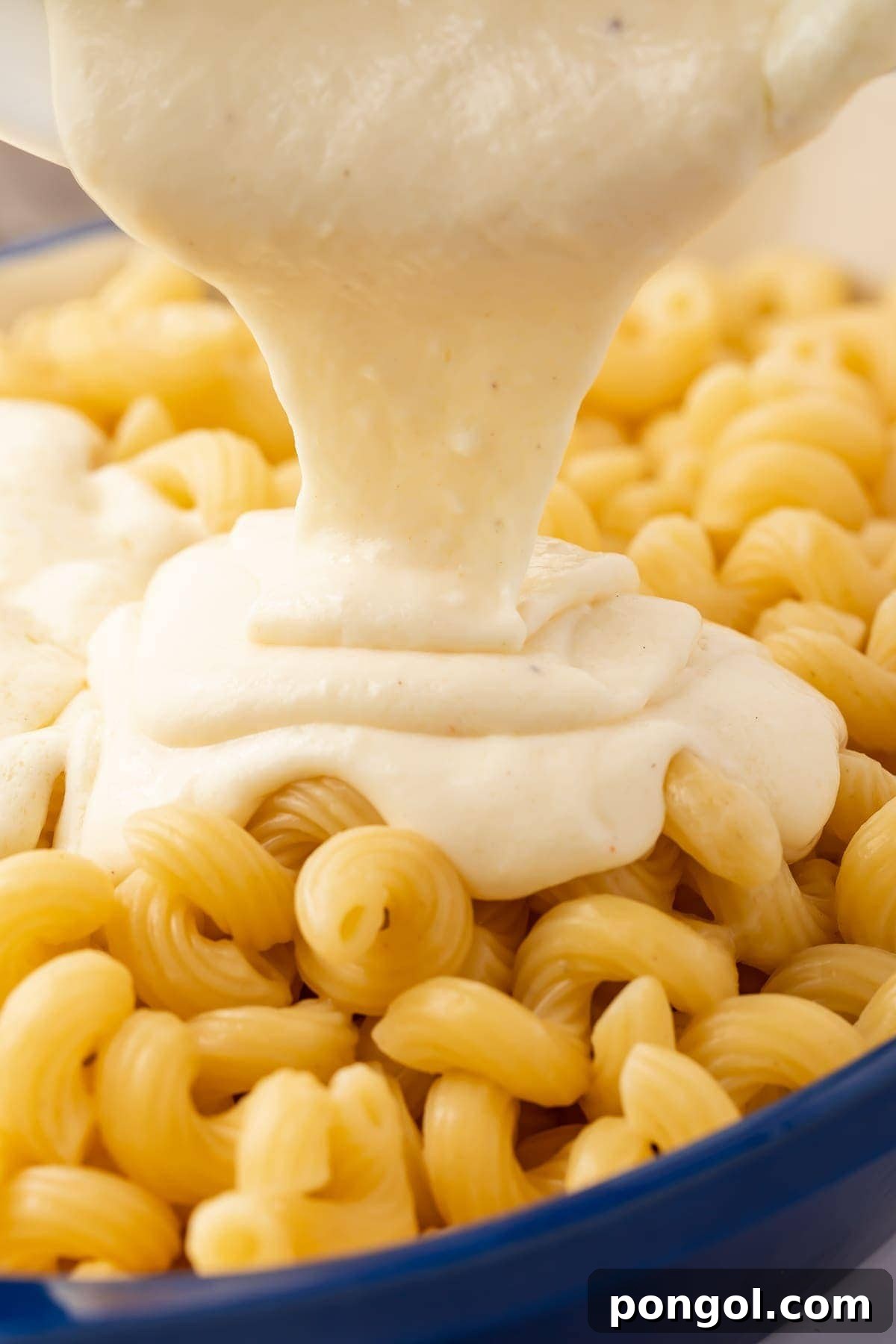
Welcome to the world of classic French cuisine, made accessible and utterly delicious! Today, we’re diving into the creation of Mornay sauce, a luxurious and creamy cheese sauce that promises to elevate your cooking from everyday meals to gourmet experiences. Imagine a rich, velvety base infused with the irresistible tang and depth of your favorite cheeses – that’s the magic of Mornay. Whether you’re aiming to craft the ultimate potatoes au gratin, an exceptionally creamy macaroni and cheese, or simply want to transform everyday vegetables into a culinary delight, having this fundamental sauce in your repertoire is a game-changer. It’s a beautiful variation of Béchamel, one of the revered mother sauces of French cooking, and surprisingly, it’s incredibly straightforward to make. Prepare to impress your taste buds and guests with this profoundly rich and flavorful addition to your culinary arsenal.
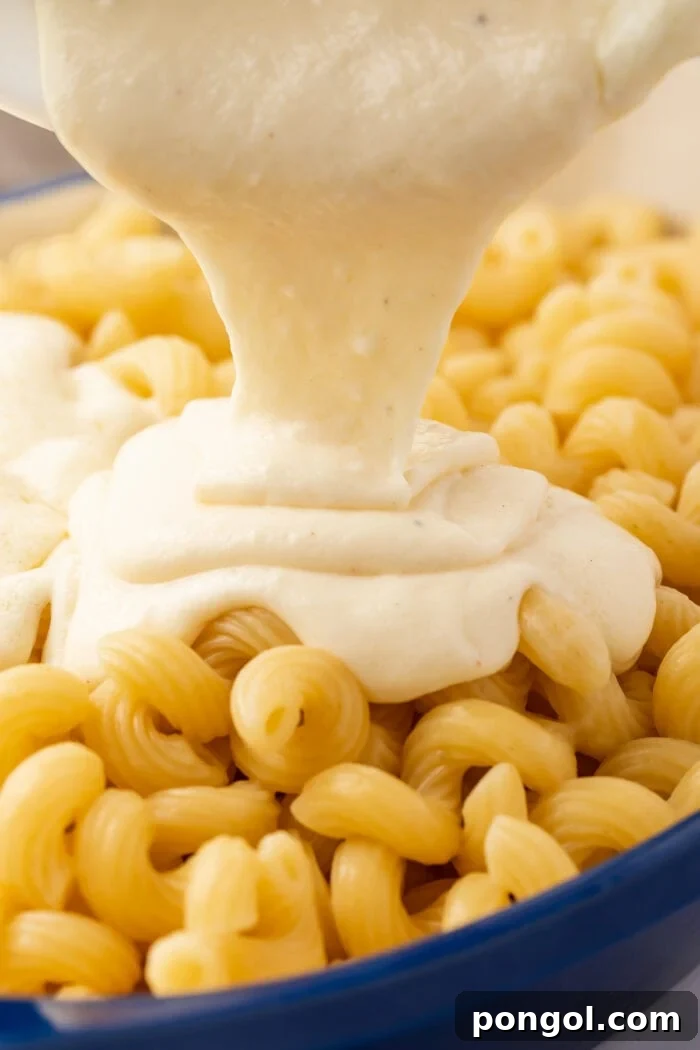
What is Mornay Sauce? A Culinary Foundation
At its heart, Mornay sauce is an exquisite evolution of one of the foundational French “mother sauces,” Béchamel. Essentially, it’s a Béchamel sauce enriched with cheese. But to truly appreciate Mornay, it’s worth understanding its illustrious parent, Béchamel. Béchamel sauce is a simple yet elegant white sauce made from a roux (a mixture of butter and flour) cooked with milk and seasoned lightly. It’s renowned for its smooth texture and ability to bind ingredients, serving as a versatile base for countless dishes across various cuisines, not just French. Think of Béchamel as the pristine canvas upon which Mornay paints its flavorful masterpiece.
The transformation into Mornay involves the careful incorporation of cheese into a finished Béchamel sauce. This addition elevates the sauce’s flavor profile dramatically, introducing savory, tangy, and sometimes nutty notes depending on the cheeses chosen. The result is a richer, more complex, and deeply satisfying sauce that maintains the creamy integrity of Béchamel while gaining a distinct, luxurious character. It’s this cheesy enhancement that makes Mornay sauce so universally appealing and incredibly versatile in the kitchen. Learning to master Mornay is not just about making a single sauce; it’s about gaining a deeper understanding of fundamental French culinary techniques that will empower you to create a wide array of sophisticated dishes with confidence.
Why This Mornay Sauce Recipe Stands Out
- Effortlessly Simple, Gorgeously Gourmet: Don’t let the “French mother sauce” title intimidate you. While the process of making Mornay sauce is more hands-on than some quick recipes, requiring continuous whisking, the steps are incredibly straightforward and move quickly. The reward? A genuinely gourmet sauce that tastes far more complicated than it is to prepare. This recipe demystifies classic French cooking, proving that luxurious flavors are within every home cook’s reach.
- Unrivaled Versatility in the Kitchen: The true beauty of Mornay sauce lies in its adaptability. It’s not just for mac and cheese or potatoes au gratin. Consider using it to:
- Drench steamed or roasted vegetables like broccoli, asparagus, cauliflower, or green beans for an instant upgrade.
- Create the ultimate Croque Monsieur or Croque Madame sandwich, turning a simple grilled cheese into a sophisticated meal.
- Fill savory crepes for a delightful brunch or light dinner.
- Pour over poached or scrambled eggs for an elegant breakfast.
- Layer into lasagna or other pasta bakes for extra creaminess and flavor.
- Serve alongside pan-seared chicken, fish, or pork for a rich accompaniment.
- Utilize as a binding agent in quiches or savory tarts.
With Mornay, your culinary possibilities are truly endless.
- Leftovers Are a Delight: One of the often-overlooked advantages of this Mornay sauce is how beautifully it keeps. Store any leftover sauce in an airtight container in the refrigerator for up to 5 days, and it will remain just as rich and delicious as when it was freshly made. Reheating is a breeze: gently warm it on the stovetop over low heat, whisking frequently, or in the microwave in short bursts, stirring between each. If the sauce has thickened too much in the fridge, simply whisk in a splash of warm whole milk until it returns to your desired consistency. This makes Mornay an excellent option for meal prepping or enjoying throughout the week.
Essential Ingredients for the Perfect Mornay
Crafting a truly exceptional Mornay sauce begins with a careful selection of quality ingredients. Each component plays a vital role in achieving that signature creamy texture and rich flavor.
- Whole Milk: The foundation of our Béchamel base, whole milk is non-negotiable for traditional Mornay sauce. Its higher fat content contributes significantly to the sauce’s luscious creaminess and rich mouthfeel. While we haven’t extensively tested this recipe with lighter milk (like 2% or skim) or non-dairy alternatives, using them may result in a thinner, less decadent sauce. If you do experiment, please share your results in the comments! For the best, silkiest Mornay, stick with whole milk.
- Roux (Butter & Flour): The unsung hero of many classic sauces, the roux is a simple yet powerful mixture of melted fat (in this case, butter) and flour. When cooked together, it forms a paste that acts as the primary thickening agent for our Béchamel, and subsequently, our Mornay. For Mornay, we aim for a “white roux,” meaning the butter and flour are cooked just enough to eliminate the raw flour taste without allowing the flour to brown. This ensures the sauce remains a beautiful, pale color. Do not skip this critical step, as it’s what gives Mornay its perfect, velvety consistency.
- Cheese: This is where Mornay truly shines! The choice of cheese is paramount, as it dictates much of the sauce’s final flavor. Classic choices often include Gruyere, Swiss, or Parmesan, or a harmonious blend of these. Gruyere offers a nutty and earthy flavor, Swiss provides mild, creamy notes, and Parmesan adds a sharp, salty depth.
**Chef’s Tip for Cheese:** We strongly advocate for purchasing a block or wedge of fresh cheese and grating it yourself. Pre-packaged, pre-grated cheeses often contain anti-caking agents like cellulose or potato starch. While these prevent clumping in the bag, they can interfere with the cheese’s ability to melt smoothly into the sauce, potentially leading to a grainy texture. Freshly grated cheese melts beautifully, integrating seamlessly for that perfectly smooth, silky Mornay. Also, ensure your grated cheese is at room temperature before adding it to the sauce; this further aids in smooth melting. - Seasonings (Salt, Pepper, Nutmeg): Beyond the foundational butter, flour, milk, and cheese, a few simple seasonings bring the Mornay to life. Salt and freshly ground pepper are essential for balancing the flavors. A pinch of freshly grated nutmeg is a traditional addition to Béchamel and Mornay sauces, offering a subtle warmth and aromatic complexity that complements the dairy and cheese beautifully without overpowering them. For an optional, gentle kick, a tiny pinch of cayenne pepper can also be a wonderful addition, enhancing the savory notes without making the sauce spicy.
Expert Tips for Mornay Sauce Mastery
Achieving a perfectly smooth, lump-free, and incredibly flavorful Mornay sauce is simpler than you might think, especially with these expert tips:
- Temperature is Key for a Smooth Blend: The secret to preventing lumps lies in temperature control. Both your prepared roux and your heated milk should be hot when you combine them. If one is significantly cooler than the other, it can cause the flour in the roux to seize and create a lumpy sauce. Heat your milk just to the point of simmering or boiling, and have your roux ready, then combine them quickly and whisk vigorously to ensure thorough incorporation.
- Slow and Steady for Cheese Perfection: This is perhaps the most critical tip for a silky Mornay. Always remove the saucepan from the heat before adding your shredded cheese. If the sauce is too hot when the cheese is introduced, the fat in the cheese can separate, causing it to clump or seize into an oily, stringy mess rather than melting smoothly. Add the room-temperature cheese gradually, in small increments, whisking continuously until each addition is fully melted and blended before adding more. This controlled melting process ensures a beautifully smooth and emulsified sauce.
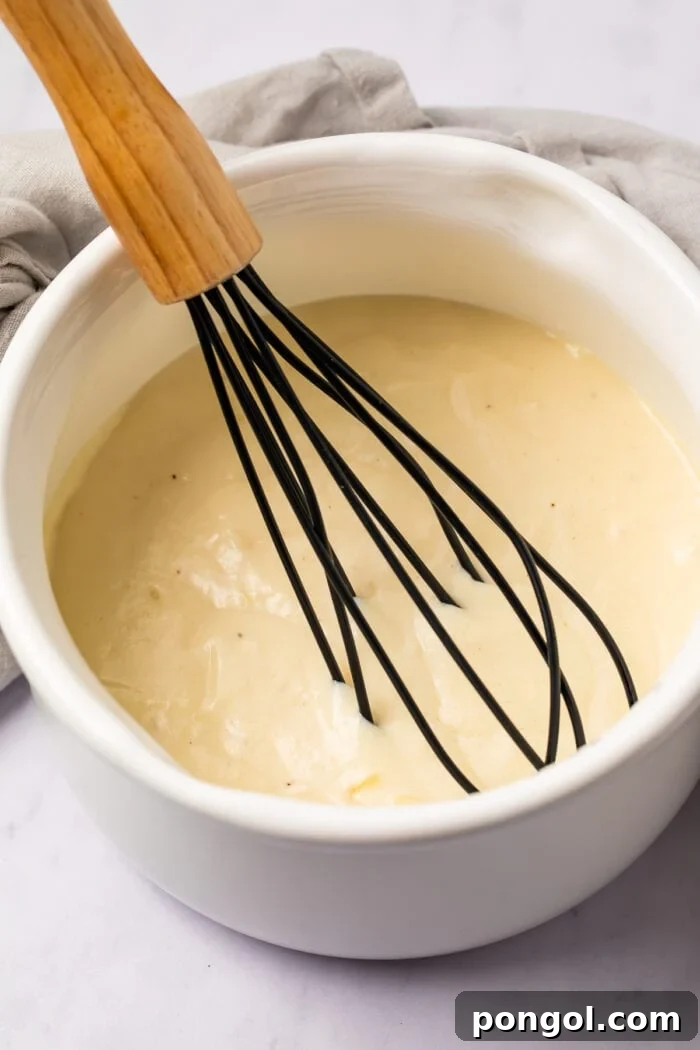
- Adjusting Consistency Like a Pro: Mornay sauce should be thick enough to coat the back of a spoon, yet still pourable.
- If it’s too thick: Easily thin it out by gradually whisking in small amounts of warm whole milk until you reach your desired consistency.
- If it’s too thin: You have a couple of options. You can gently cook it a bit longer over low heat, whisking constantly, to allow some moisture to evaporate and the sauce to thicken naturally. Alternatively, for a quicker fix, you can create a very small, separate roux in another saucepan (e.g., ½ tablespoon butter, ½ tablespoon flour), cook it briefly, then gradually whisk this new roux into your existing sauce. Another effective method is to simply whisk in a bit more grated cheese; as it melts, it will contribute to the sauce’s body and richness.
- A Touch of Spice for an Extra Kick: For those who appreciate a subtle warmth and a gentle boost to savory flavors, consider adding a pinch of cayenne pepper along with the traditional nutmeg. This enhances the depth of the cheese without making the sauce overtly spicy. White pepper can also be used instead of black pepper for a cleaner, paler sauce, maintaining its classic appearance.
- Constant Whisking Prevents Sticking: From making the roux to whisking in the milk and melting the cheese, continuous whisking is your best friend. This not only prevents lumps but also ensures even cooking and prevents the sauce from sticking to the bottom of the pan and scorching. A sturdy balloon whisk is an indispensable tool for Mornay mastery.
Serving Suggestions & Culinary Inspiration
Mornay sauce’s incredible versatility means it can transform a wide range of dishes, adding a touch of elegance and irresistible creaminess. Here are just a few ideas to get your culinary creativity flowing:
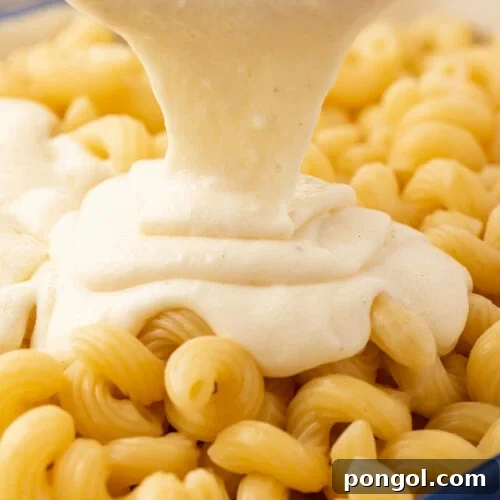
- The Ultimate Macaroni and Cheese: Forget bland boxed versions. Mornay sauce forms the perfect, rich, and flavorful base for homemade mac and cheese, especially when a blend of sharp cheddar and Gruyere is used.
- Potatoes Au Gratin (Gratin Dauphinois): Layers of thinly sliced potatoes baked in a bubbling Mornay sauce, topped with more cheese, create a classic and comforting side dish or main.
- Vegetable Enhancement: Drizzle warm Mornay over steamed or roasted broccoli, asparagus, green beans, cauliflower, or Brussels sprouts. It’s a fantastic way to make vegetables more appealing, even to the pickiest eaters.
- Croque Monsieur/Madame: This iconic French sandwich, featuring ham and cheese grilled between slices of bread, becomes truly extraordinary when smothered in Mornay sauce and baked until golden and bubbly. Add a fried egg on top for a Croque Madame.
- Savory Crepes: Fill delicate crepes with cooked ham, mushrooms, or spinach, then cover with Mornay sauce and bake briefly for an elegant brunch or light dinner.
- Egg Dishes: Elevate simple scrambled or poached eggs by spooning warm Mornay over them. It can also be a delightful alternative to Hollandaise for a unique Eggs Benedict.
- Baked Pasta Dishes: Use Mornay as a creamy layer in lasagna, baked ziti, or other pasta casseroles. It adds a sophisticated cheesy depth.
- Poultry and Fish: Serve Mornay sauce alongside pan-seared chicken breasts, grilled salmon, or baked white fish for a rich and flavorful accompaniment.
- On Toasts or Canapés: A thicker Mornay can be spread on toasted baguette slices or crackers, perhaps topped with a sprinkle of herbs, for a delicious appetizer.
Experiment with different cheeses and seasonings to tailor your Mornay sauce to your specific dish. Its comforting richness makes it a beloved addition to countless meals.
Other Sauces You Have to Try
- Classic Pomodoro Sauce
- Au Jus Recipe
- Microwave Hollandaise Sauce
- Béarnaise Sauce Recipe
- Honey Mustard Yogurt Sauce
Classic Mornay Sauce
 Cheryl Malik
Equipment
-
Small saucepan
-
Whisk
-
Heavy-bottomed saucepan
Ingredients
- 2 cups whole milk
- ¼ teaspoon salt plus more to taste
- 2 tablespoons butter
- 3 tablespoons flour use gluten-free if needed
- pepper to taste
- ½ cup grated cheese Gruyere, Swiss, Parmesan, or a combination of the 3; at room temperature; see Notes
- 1 pinch nutmeg optional but recommended
- 2 tablespoons butter cut into 4-8 pieces
Instructions
-
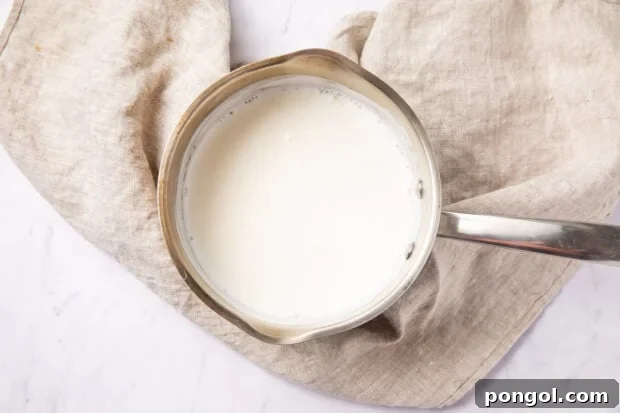
In a small saucepan, combine 2 cups of whole milk and ¼ teaspoon salt. Whisk these ingredients together and heat the mixture until it just begins to boil, stirring constantly. Once boiling, remove the saucepan from the heat and set it aside to keep warm.

-
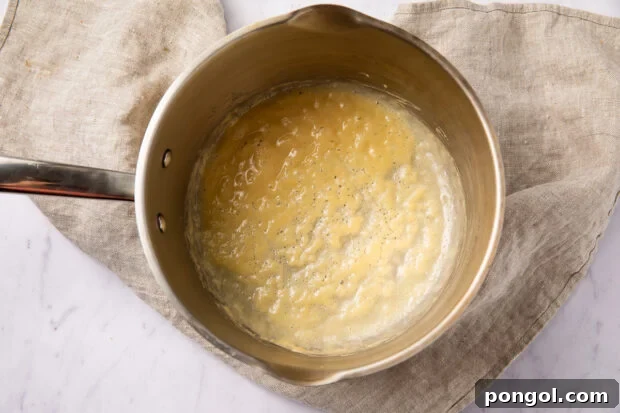
In a separate, heavy-bottomed saucepan, melt 2 tablespoons of butter over low heat. Once the butter is completely melted, blend in the 3 tablespoons of flour. Cook this mixture slowly over low heat, stirring continuously, until it forms a smooth, pale white roux. Ensure that the flour does not brown, which would alter the sauce’s color and flavor.
-
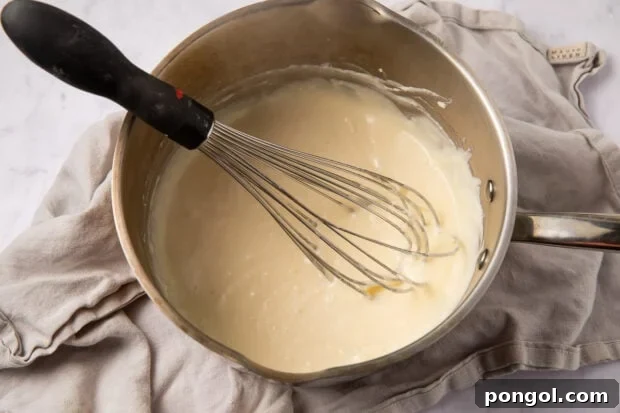
Remove the saucepan containing the roux from the heat. As soon as the roux stops bubbling, carefully pour in all of the hot milk from the small saucepan. Immediately begin whisking the roux and milk vigorously. Be sure to scrape and incorporate any roux that may be clinging to the sides, bottom, and edges of the saucepan to prevent lumps.
-
Once the roux and milk are thoroughly combined and smooth, return the saucepan to the heat and raise the heat to medium. Continue to stir constantly until the sauce begins to boil. Boil the mixture, still stirring, for 1 minute to ensure the flour is fully cooked and the sauce thickens appropriately.
-
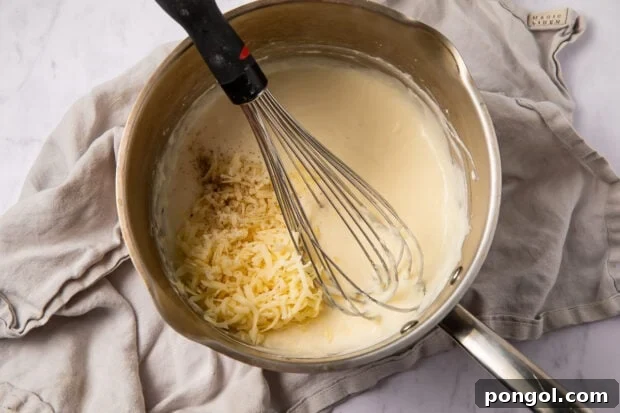
Remove the saucepan from the heat. Add additional salt and pepper to taste. Gradually whisk in the ½ cup of grated cheese until all the cheeses are completely melted and smoothly blended into the sauce. Ensure the sauce is not too hot when adding the cheese to prevent clumping.
-
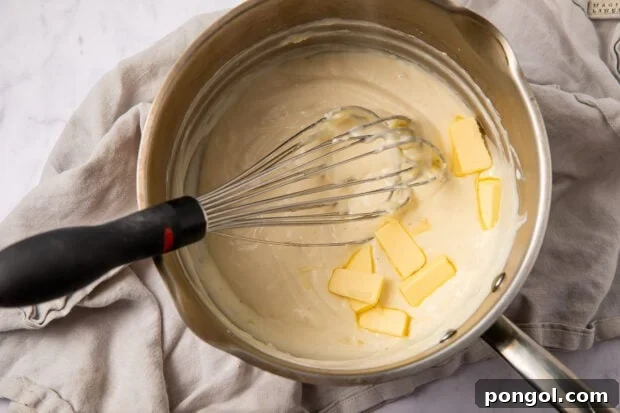
Season the finished sauce with a pinch of nutmeg and adjust with additional salt and pepper, if needed, to achieve your perfect flavor balance. Finally, stir in the remaining 2 tablespoons of butter (cut into pieces) until the butter is completely melted and the sauce is well-blended and glossy. Serve the Mornay sauce warm immediately.
- Cheese: For the smoothest, richest Mornay sauce, always choose a block or wedge of fresh cheese (such as Gruyere, Swiss, or Parmesan) and grate it yourself. Pre-packaged shredded cheeses often contain anti-caking agents that can hinder smooth melting and lead to a grainy texture in your sauce.
- To ensure a truly smooth Mornay sauce, it’s crucial to remove the saucepan from the heat before incorporating the cheese. Gradually whisk in the room-temperature cheese in small increments, allowing each portion to fully melt and blend before adding more. This gentle process prevents the cheese from clumping or seizing.
- Temperature Harmony: Both the roux and the milk should be hot when you combine them. If one is too cool, they may not incorporate effectively, potentially leading to a lumpy sauce. Work efficiently when preparing your roux to ensure the heated milk doesn’t cool down too much.
- Make it Gluten-Free: To adapt this recipe for a gluten-free diet, simply substitute the regular all-purpose flour with a high-quality gluten-free all-purpose flour blend when making the roux.
Approximate Information for One Serving
Calories: 265cal
Protein: 10g
Fat: 21g
Saturated Fat: 13g
Trans Fat: 1g
Cholesterol: 60mg
Sodium: 353mg
Potassium: 188mg
Total Carbs: 11g
Fiber: 1g
Sugar: 6g
Net Carbs: 10g
Vitamin A: 706IU
Vitamin C: 1mg
Calcium: 311mg
Iron: 1mg
Nutrition Disclaimers
Number of total servings shown is approximate. Actual number of servings will depend on your preferred portion sizes.
Nutritional values shown are general guidelines and reflect information for 1 serving using the ingredients listed, not including any optional ingredients. Actual macros may vary slightly depending on specific brands and types of ingredients used.
To determine the weight of one serving, prepare the recipe as instructed. Weigh the finished recipe, then divide the weight of the finished recipe (not including the weight of the container the food is in) by the desired number of servings. Result will be the weight of one serving.
Did You Make This Recipe?
Tag @40aprons on Instagram and be sure to leave a review on the blog post!
Tag @40Aprons on Instagram