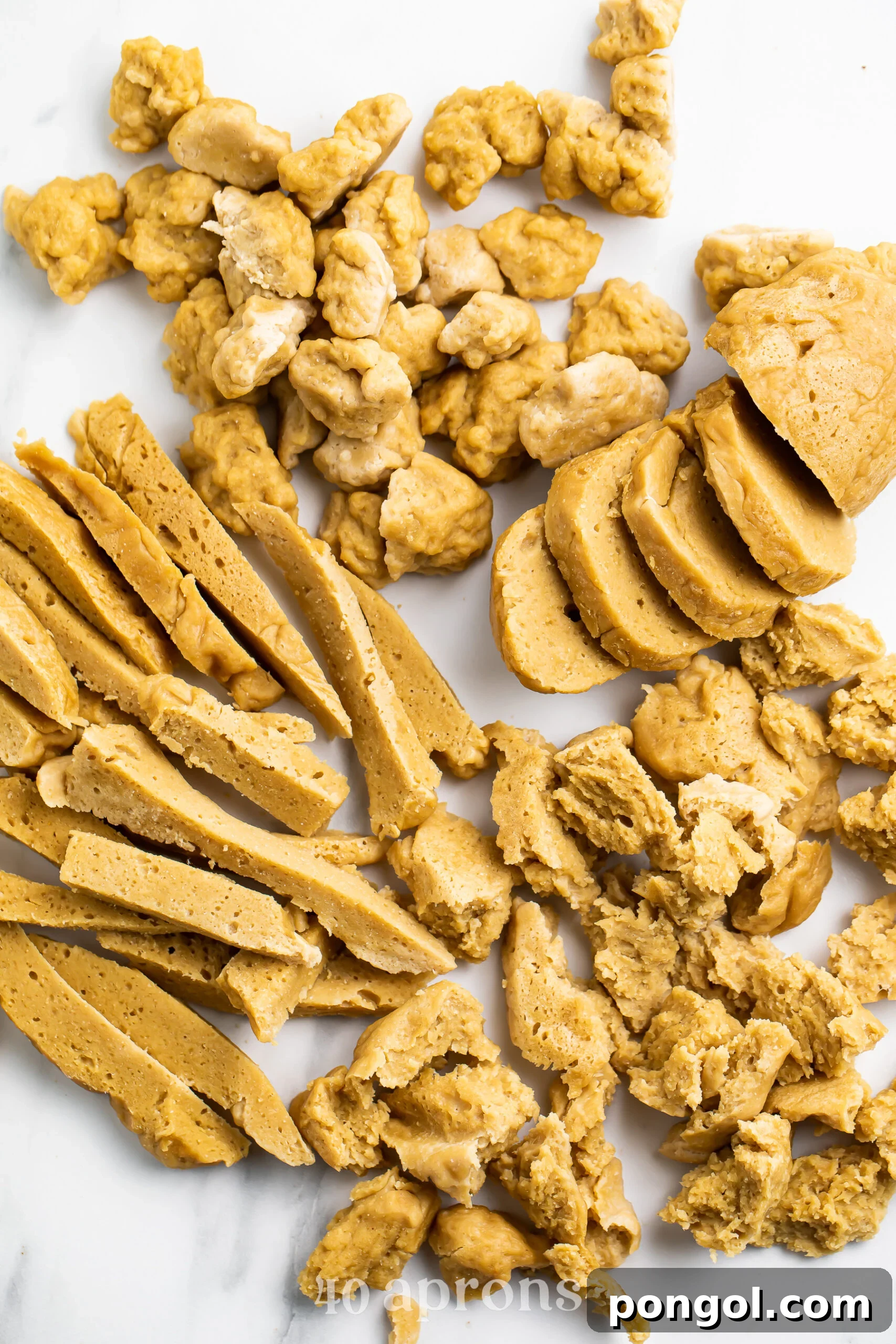
Welcome to the ultimate guide for crafting your very own homemade seitan! If you’ve been searching for a versatile, delicious, and budget-friendly plant-based protein, look no further. This comprehensive recipe transforms simple ingredients into an incredibly satisfying meat substitute, often referred to as “faux chicken,” that will become a staple in your kitchen. Whether you’re a seasoned vegan, a vegetarian exploring new options, or simply someone looking to incorporate more meatless meals into your diet, this recipe is designed to impress with its ease, flavor, and incredible adaptability. Forget about expensive store-bought versions; making seitan at home is not only significantly cheaper but also allows you to control the ingredients and customize the texture to perfection. This base recipe is incredibly flexible, enabling you to create succulent shredded seitan, hearty loaves, convenient strips, or delightful nuggets and bites, all from the same foundational dough. Get ready to revolutionize your plant-based cooking!
Why This Homemade Seitan Recipe Is a Game-Changer
There are countless reasons why this homemade seitan recipe will quickly become a favorite in your culinary repertoire. It’s a testament to how simple ingredients can yield extraordinary results, offering a delicious and healthy alternative for any meal.
Unbeatable Ease and Affordability
One of the primary advantages of this recipe is its surprising simplicity. Many people assume making seitan from scratch is complicated, but it’s far easier than you might imagine. With fewer than ten common ingredients, you can whip up a batch that rivals, if not surpasses, any store-bought option. Beyond its ease, the cost-effectiveness is a huge bonus. Pre-packaged seitan can be quite expensive, but making it at home drastically cuts down on costs, making healthy plant-based eating more accessible for everyone. You’ll be amazed at the quality you can achieve for a fraction of the price.
Incredible Versatility for Any Dish
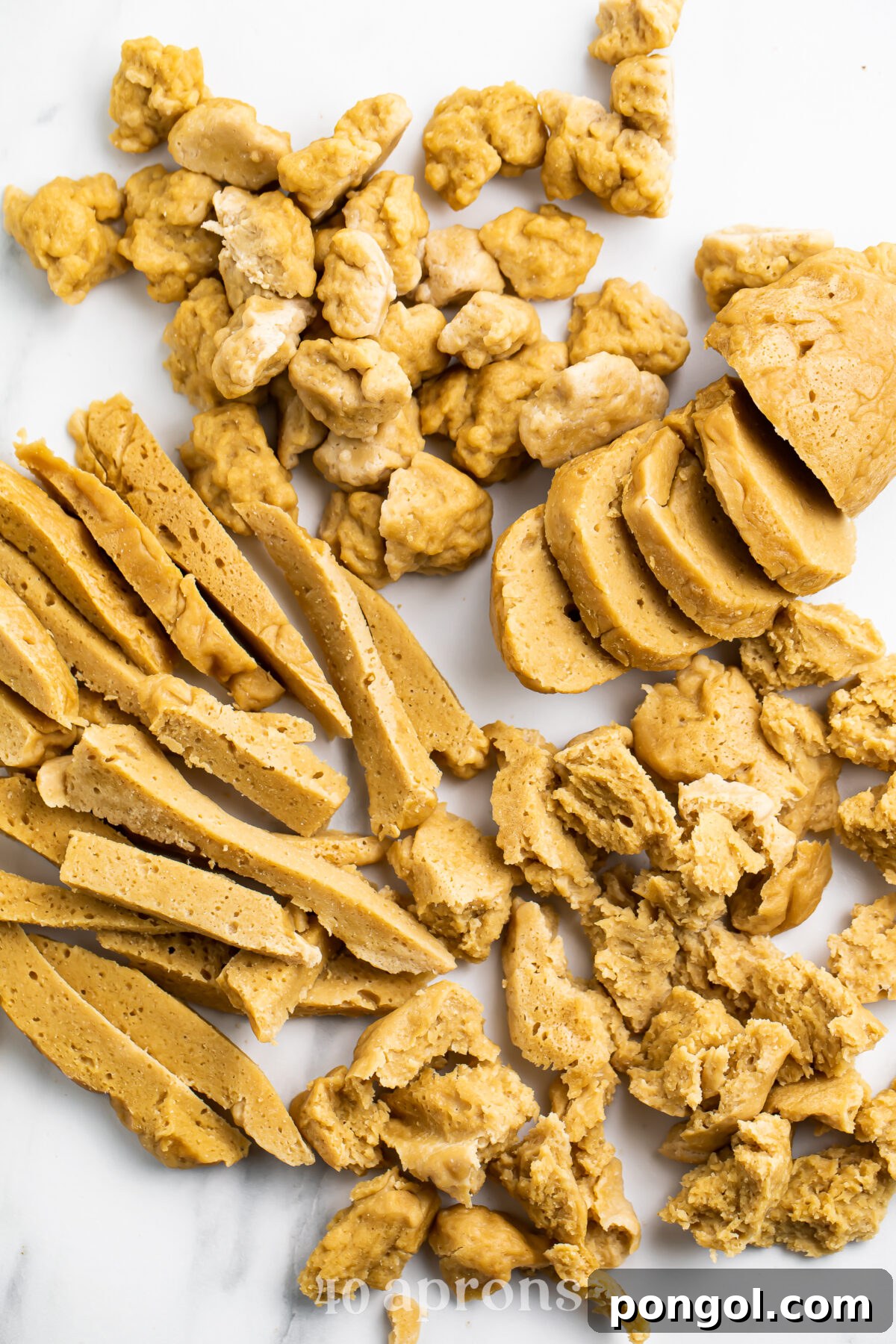
This seitan recipe truly shines in its versatility. Once prepared, it can be transformed into almost any shape or texture to suit your culinary needs. From shreddable “chicken” for tacos and sandwiches to hearty strips for stir-fries, tender nuggets for snacks, or a robust loaf for a centerpiece meal, the possibilities are endless. It serves as an excellent, high-protein base that readily absorbs flavors, making it ideal for a wide array of vegetarian and vegan dishes. Imagine it grilled and slathered in BBQ sauce, pan-fried for a crispy texture, or even incorporated into rich stews and chilies. The firm, chewy texture provides a satisfying bite that meat-eaters and plant-based eaters alike will appreciate. We love using it in vegan chili, for seitan fried “chicken”, or as grilled seitan with BBQ sauce. It can even be a fantastic substitute for traditional meat in recipes like vegan “corned beef” or fried rice.
Perfect for Meal Prepping
For those with busy schedules, this homemade seitan is an absolute lifesaver for meal prep. Preparing a larger batch on the weekend means you’ll have a ready-to-use protein source for quick and healthy meals throughout the week. It stores beautifully in the refrigerator for up to two weeks in an airtight container, maintaining its texture and flavor. This makes assembling lunches and dinners a breeze, saving you precious time and effort during hectic weekdays. No more last-minute scrambling for protein!
Essential Chef’s Tips for Perfect Seitan
Achieving the best possible seitan requires attention to a couple of key steps. These tips will ensure your homemade seitan is tender, flavorful, and has that satisfying, meaty texture.
The Critical Step: Steaming for Tender Texture
Steaming is not just a cooking method; it’s a fundamental technique for perfecting your seitan’s texture. Before you plan to shred, grill, pan-fry, or incorporate your seitan into any other dish, it absolutely must be steamed and then properly cooled. This process allows the vital wheat gluten to fully hydrate and develop its characteristic tender, chewy consistency. Skipping this step or attempting to cook it directly will often result in a dense, rubbery, or unpleasant texture. Steaming ensures the seitan becomes firm yet pliable, making it truly enjoyable to eat. Once steamed, allow it to cool completely before handling and further preparation.
Dough Preparation: Food Processor vs. Hand Kneading
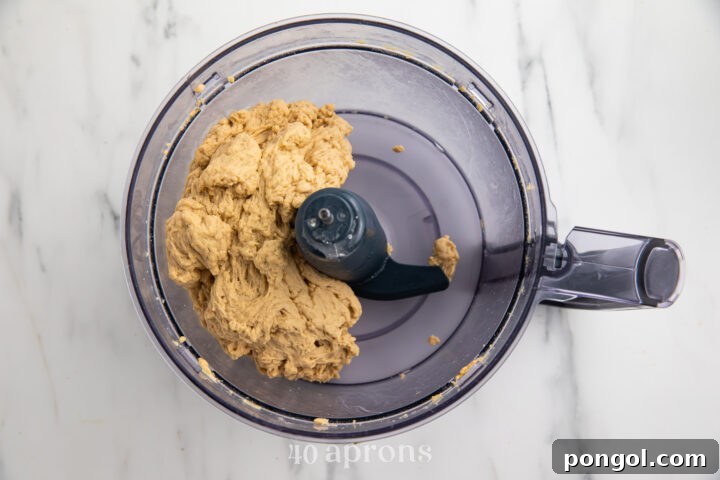
The seitan dough is primarily composed of vital wheat gluten, which will create a sticky, elastic mixture with distinct stringy strands—much like a well-developed bread dough. The method you choose for mixing can impact the process slightly:
- Using a Food Processor: If you have a food processor equipped with a dough attachment, this is the easiest and most hands-off method. The machine does all the work, eliminating the need for manual kneading. Simply add all your ingredients and let the processor do its magic until the dough comes together with a noticeable stringy, elastic texture. This usually takes just about a minute after initial combining.
- Hand Kneading: If a food processor isn’t available, don’t worry! You can absolutely mix the seitan dough by hand. Combine all the ingredients thoroughly in a large bowl until a shaggy dough forms. Then, transfer the dough to a clean work surface lightly dusted with vital wheat gluten (to prevent sticking). Knead the dough gently, much like you would a bread or pie crust dough, for only 1 to 2 minutes. The key here is *not* to over-knead. Excessive kneading can develop the gluten too much, leading to a tough and rubbery seitan. Aim for a cohesive, slightly elastic dough rather than an overly firm one.
Dive Deeper: Culinary Skills and More
Expand your kitchen expertise with these helpful guides that complement your seitan-making journey or simply broaden your cooking knowledge. Mastering basic techniques can elevate all your home-cooked meals.
- How to Boil Cabbage
- 4 Ways to Cook Beets
- How to Dice an Onion… the Easy Way!
- Learn how To Roast Garlic
- How To Boil Sweet Potatoes
Cheryl Malik
How To Make Seitan (Shredded, Strips, Nuggets, or Loaf!)
10
30
20
1 10

Cheryl Malik
6
servings
Equipment
-
Food processor with dough attachment (optional, hand kneading works too)
-
Spatula
-
Foil
-
Pot with steamer basket and lid
Ingredients
- 1 ½ cups vegetable broth
- 2 tablespoons olive oil or avocado oil
- 1 ½ cups vital wheat gluten
- 1 ½ cups chickpea flour
- ¼ cup nutritional yeast
- ½ teaspoon garlic powder
- 1 teaspoon onion powder
- 1 teaspoon salt more or less to taste
Instructions
-
Set up your food processor with the dough attachment. Add all liquid and dry ingredients to the food processor and blitz for approximately 10 seconds to initially combine. Use a spatula to scrape down the sides of the bowl, then blitz again for about 1 minute until a sticky, elastic mixture forms with long, stringy strands—resembling a well-developed bread dough. (See notes for hand-kneading alternative).

-
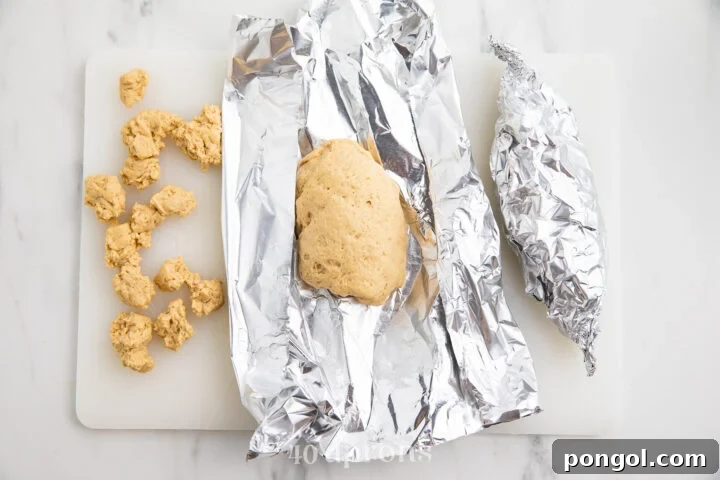
Allow the seitan dough to rest for 10 minutes. This resting period helps the gluten relax. After resting, blitz the dough again for only about 15 seconds. Transfer the dough to a clean work surface lightly dusted with vital wheat gluten, then divide the dough into 4 equal pieces.
For Loaf
-
Shape one piece of dough into a loaf and place it in the center of a 4×12-inch piece of aluminum foil. Fold the short sides of the foil securely over the loaf, ensuring the folds are loose enough to allow the dough to expand during steaming.
-
Place the foil-wrapped loaf into a steamer basket set within a pot. Cover the pot with a lid and steam for 30 minutes. Once cooked, carefully remove the loaf from the steamer. Allow the dough to cool to the touch before transferring it to the fridge to chill completely.
For Strips
-
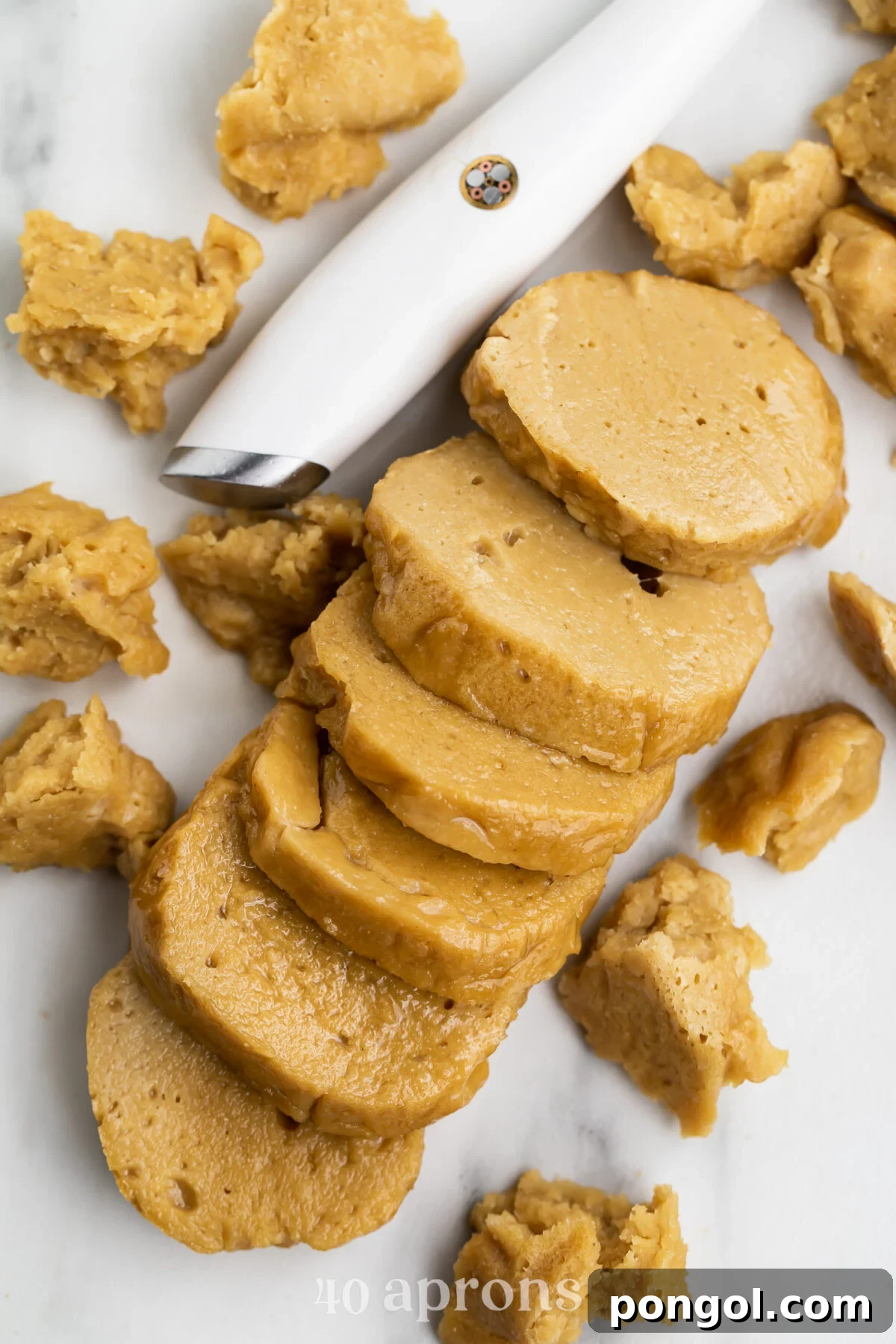
Follow the instructions for preparing a seitan loaf. Once the loaf has cooled completely, slice it into strips of your preferred size and thickness.
For Shredded Seitan
-
Prepare the seitan as a loaf following the instructions above. Once the loaf is fully cooled, use your hands to pull it apart into shreds of your desired size. The stringy texture of seitan makes this process very easy.
For Bites/Nuggets
-
Tear off bite-sized pieces of the seitan dough. Arrange them in a single layer in your steamer basket. Cover the pot and steam for 10 minutes. As soon as the steaming time is complete, immediately remove the steamer basket from the pot. Allow the seitan bites to cool slightly for a couple of minutes, then gently separate any pieces that may have expanded and stuck together during steaming. They will expand but should be easy to pull apart once cooled.
-
Store your prepared seitan (loaf, strips, shreds, or bites) in an airtight container or sealed plastic bag in the refrigerator for up to 2 weeks. For longer storage, seitan can also be frozen. Place it in a freezer-safe container, removing as much air as possible, and it will keep for several months.
Notes:
- The distinct stringy texture you observe in the dough is the developed gluten, which is what gives seitan its characteristic meat-like chewiness. Continue processing (or kneading) until this texture is clearly visible. If kneading by hand, transfer the dough to a flat work surface dusted with vital wheat gluten and gently knead back and forth for 1 to 2 minutes. Avoid over-kneading to prevent a tough texture.
Approximate Nutrition Information for One Serving
Serving Size: 1serving
Calories: 280cal
Protein: 30g
Fat: 7g
Saturated Fat: 1g
Sodium: 651mg
Potassium: 327mg
Total Carbs: 23g
Fiber: 4g
Sugar: 4g
Net Carbs: 19g
Vitamin A: 137IU
Vitamin C: 0.1mg
Calcium: 58mg
Iron: 3mg
Nutrition Disclaimers
Number of total servings shown is approximate. Actual number of servings will depend on your preferred portion sizes.
Nutritional values shown are general guidelines and reflect information for 1 serving using the ingredients listed, not including any optional ingredients. Actual macros may vary slightly depending on specific brands and types of ingredients used.
To determine the weight of one serving, prepare the recipe as instructed. Weigh the finished recipe, then divide the weight of the finished recipe (not including the weight of the container the food is in) by the desired number of servings. Result will be the weight of one serving.
Did You Make This Recipe?
We’d love to see your creations! Tag @40aprons on Instagram and be sure to leave a review on the blog post!
Tag @40Aprons on Instagram
Making your own seitan at home is a rewarding experience that opens up a world of culinary possibilities for plant-based eating. This recipe provides a solid foundation for creating delicious, versatile, and economical meat alternatives that can be enjoyed in countless ways. From its ease of preparation to its adaptability in various dishes, homemade seitan is truly a kitchen hero. We hope you enjoy mastering this staple and incorporating it into your favorite meals!