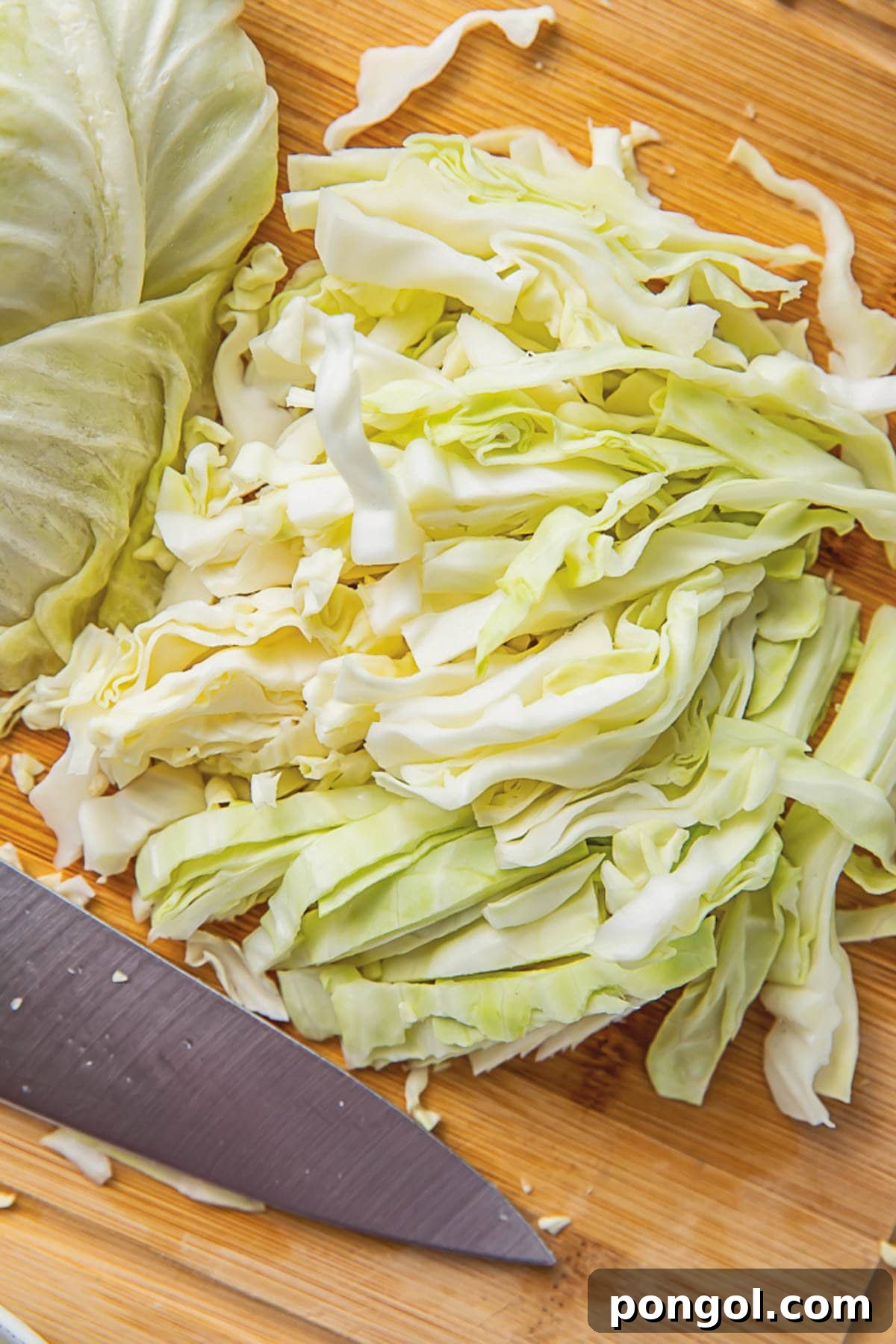
Unlock the secret to perfectly shredded cabbage at home with these comprehensive, step-by-step instructions. Whether you’re aiming for a vibrant coleslaw, a hearty soup, or a crisp salad, mastering the art of shredding cabbage is simpler than you think. Forget about expensive, pre-packaged options that often lack freshness and texture. With our guide, you’ll learn to prepare and shred green or red cabbage like a seasoned chef, using three distinct methods that cater to various needs and skill levels.
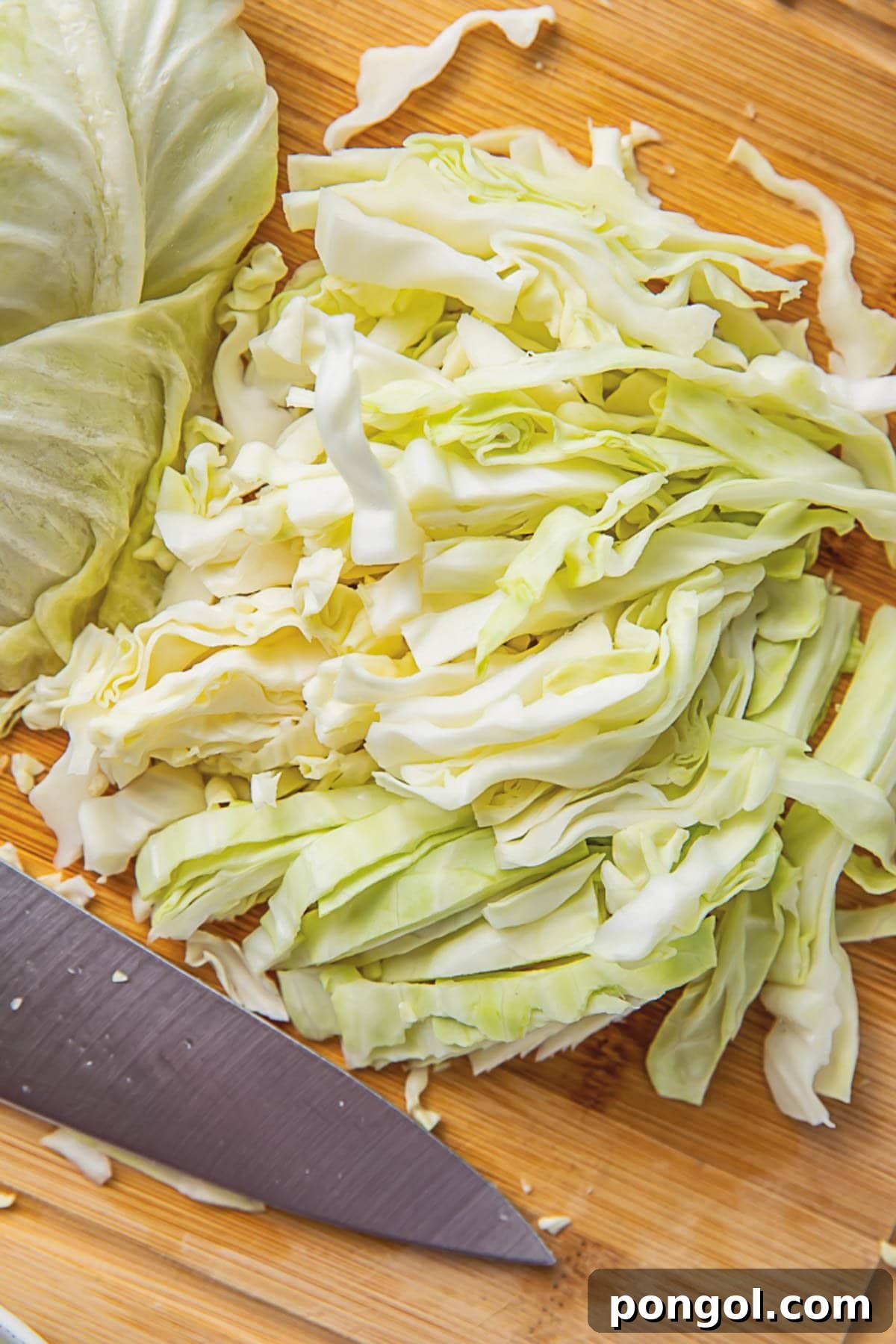
Why Shred Your Own Cabbage? The Benefits Are Clear
There’s a significant difference between pre-shredded cabbage from the grocery store and cabbage you shred yourself. Opting for fresh, whole cabbage offers a multitude of advantages that elevate your cooking and overall health:
- Unmatched Freshness and Flavor: Store-bought shredded cabbage often has a duller taste and can be dry or soggy. Freshly shredded cabbage, on the other hand, bursts with vibrant flavor and retains its crisp, satisfying crunch. This makes a world of difference in dishes where cabbage is a star, such as coleslaw or fresh salads.
- Cost-Effectiveness: Whole heads of cabbage are almost always more economical than their pre-shredded counterparts. You get more for your money, making it a budget-friendly choice for families and frequent cooks.
- Control Over Texture: When you shred your own cabbage, you dictate the thickness and length of the shreds. Whether you prefer delicate, thin ribbons for a gourmet salad or thicker, more robust pieces for a hearty stir-fry, you have complete control to achieve the perfect texture for your recipe.
- Reduced Waste: Buying whole cabbage allows you to use exactly what you need. Any unused portion of a whole head can be stored much longer than an open bag of pre-shredded cabbage, minimizing food waste.
- No Unwanted Additives: Pre-packaged vegetables can sometimes contain preservatives or rinsing agents. Shredding your own ensures you know exactly what’s going into your food – just pure, natural cabbage.
- Enhanced Nutritional Value: Cabbage is a nutritional powerhouse, packed with vitamins C and K, fiber, and antioxidants. Shredding it fresh means you’re maximizing its nutrient content, as produce starts to lose nutrients once it’s cut and exposed to air.
Choosing the Perfect Cabbage Head
The foundation of great shredded cabbage starts with selecting the right head. Here’s what to look for:
- Types of Cabbage:
- Green Cabbage: The most common variety, firm, with a slightly peppery flavor. Ideal for coleslaw, soups, and stir-fries.
- Red Cabbage: Similar in texture to green cabbage but with a beautiful purple hue. It can bleed color into other ingredients, so keep that in mind. Great for pickling, salads, and vibrant slaws.
- Napa Cabbage: Also known as Chinese cabbage, it has elongated heads and crinkly, softer leaves. Excellent for Asian stir-fries, kimchi, and delicate salads.
- Savoy Cabbage: Features deeply crinkled, tender leaves. It has a milder flavor and cooks down beautifully. Perfect for wraps or gentle sautés.
- Selection Criteria:
- Firmness: Choose a head that feels dense and heavy for its size. Avoid those that feel light or have soft spots.
- Vibrant Leaves: The outer leaves should be crisp, firm, and brightly colored (green or red, depending on the variety). Steer clear of heads with yellowing, wilted, or overly bruised outer leaves.
- Tightness: A good head of cabbage will have tightly packed leaves, indicating freshness.
- No Blemishes: Inspect for any significant cuts, holes, or discoloration that could indicate spoilage.
- Storing Whole Cabbage: A whole, unwashed head of cabbage can be stored in the crisper drawer of your refrigerator for up to several weeks. Wrap it loosely in plastic or a damp paper towel to maintain moisture.
Essential Tools for Effortless Cabbage Shredding
Before you begin, gather the right tools. Having them ready will make the process smooth, efficient, and safe:
- Sharp Chef’s Knife: This is arguably the most versatile tool for shredding. A truly sharp knife is safer and more effective than a dull one, as it requires less force to cut, reducing the risk of slipping.
- Sturdy Cutting Board: A large, stable cutting board is essential to provide ample space and prevent the cabbage from sliding around.
- Mandoline Slicer: For those seeking speed and absolute uniformity, a mandoline is indispensable. Always use with a hand guard and consider cut-resistant gloves for safety.
- Vegetable Peeler: An everyday tool that can produce surprisingly delicate, thin ribbons of cabbage, especially useful for smaller quantities or garnishes.
- Large Bowl: Have a large bowl ready to collect your shredded cabbage. This helps keep your workspace tidy and makes mixing easy.
Preparing the Cabbage: A Clean Start
Refer to the recipe card below for a full list of measurements, ingredients, and detailed instructions.
Prepare the Cabbage.
The initial preparation steps are crucial regardless of which shredding method you choose. Proper cleaning and cutting ensure a safe and efficient shredding experience.
Rinse the cabbage thoroughly under cold running water. Gently separate any outer leaves to ensure all dirt and debris are removed. Once rinsed, pat the entire cabbage head dry with clean paper towels. This prevents excess moisture from making your cutting board slippery and helps prevent rusting if using metal tools.
Next, pull off and discard any wilted, damaged, or discolored outer leaves. These leaves can harbor bacteria or simply detract from the final dish’s quality.
Place the cabbage on your cutting board with the core end firmly against the board. Using your sharp chef’s knife, carefully cut the cabbage in half vertically, slicing straight through the core. Then, cut each half vertically again through the core, creating four distinct wedges.
Cheryl’s Tip: A sharp knife isn’t just for efficiency; it’s a critical safety tool. You are far less likely to cut yourself with a sharp knife because it glides through the cabbage with minimal effort, rather than requiring excessive force that can lead to slips. Invest in a good knife and keep it sharp!
Position one cabbage wedge with one of its flat, cut sides facing down onto the cutting board for stability. With your knife, make two angled cuts around the tough, white core at the bottom of the wedge. The goal is to isolate and remove the core, which is too tough to eat. Discard the core. Repeat this process with the remaining three wedges.
Three Methods to Perfectly Shred Cabbage
Now that your cabbage is prepped, it’s time to choose your shredding adventure! Each method offers unique advantages, allowing you to select the best fit for your needs.
Shred it with a Knife: The Classic Approach
Using a chef’s knife is the most fundamental way to shred cabbage, offering excellent control over the size and consistency of your shreds. It requires a bit of practice but yields beautiful results.
Take one of your cored cabbage wedges and place it flat-side down on your cutting board. For stability, you might want to trim a very thin slice off one rounded side to create a flat surface if needed. With your non-dominant hand, form a “claw” shape, tucking your fingertips under and using your knuckles as a guide against the blade. This protects your fingers.
Begin slicing from one end of the cabbage wedge, working your way towards the other. You can slice along the vertical edge of the wedge to create longer, elegant shreds, perfect for stir-fries or a more rustic coleslaw. Alternatively, slicing along the horizontal (shorter) edge of the wedge will yield shorter, finer pieces, ideal for tacos or a very finely textured coleslaw. Aim for consistent, thin slices. The thinner you slice, the more delicate and flexible the cabbage will be. Always cut away from your body and maintain a steady, controlled motion. Practice will make your slices more uniform and your technique faster.
Shred it with a Mandoline Slicer: For Precision and Speed
A mandoline slicer is a fantastic tool for achieving ultra-thin, perfectly uniform cabbage shreds with remarkable speed. However, safety is paramount when using a mandoline due to its extremely sharp blade.
First, set your mandoline to your desired thickness. For most applications like coleslaw or salads, a very thin setting (1-2mm) works best. Ensure your mandoline is stable on a flat surface.
Crucial Safety Tip: Always use the hand guard that comes with your mandoline. If you don’t have one or feel uncomfortable, invest in cut-resistant gloves. Your fingers are more important than perfectly shredded cabbage.
Carefully place a cored cabbage wedge onto the mandoline’s track, with a cut edge facing down. Hold the cabbage firmly with the hand guard. With smooth, even pressure, glide the cabbage wedge down the blade. The mandoline will effortlessly produce consistent, wafer-thin slices. Continue until you’ve shredded as much as possible, stopping well before your fingers get close to the blade.
(I personally recommend this mandoline that includes cut-resistant gloves for an added layer of protection.)
Shred It with a Vegetable Peeler: The Quick & Easy Hack
While not ideal for large batches, a standard vegetable peeler can be surprisingly effective for shredding small amounts of cabbage or creating delicate ribbons for garnish. It’s an excellent method if you don’t have a sharp knife or a mandoline handy.
Take a cored cabbage wedge and hold it firmly in one hand. Use your vegetable peeler to “peel” thin layers off the inside, coreless cut edge of the cabbage. Work downwards, creating long, thin ribbons. You can rotate the wedge as you go to get as much usable cabbage as possible. This method is perfect for a quick individual serving of coleslaw or to add a light crunch to a sandwich or wrap.
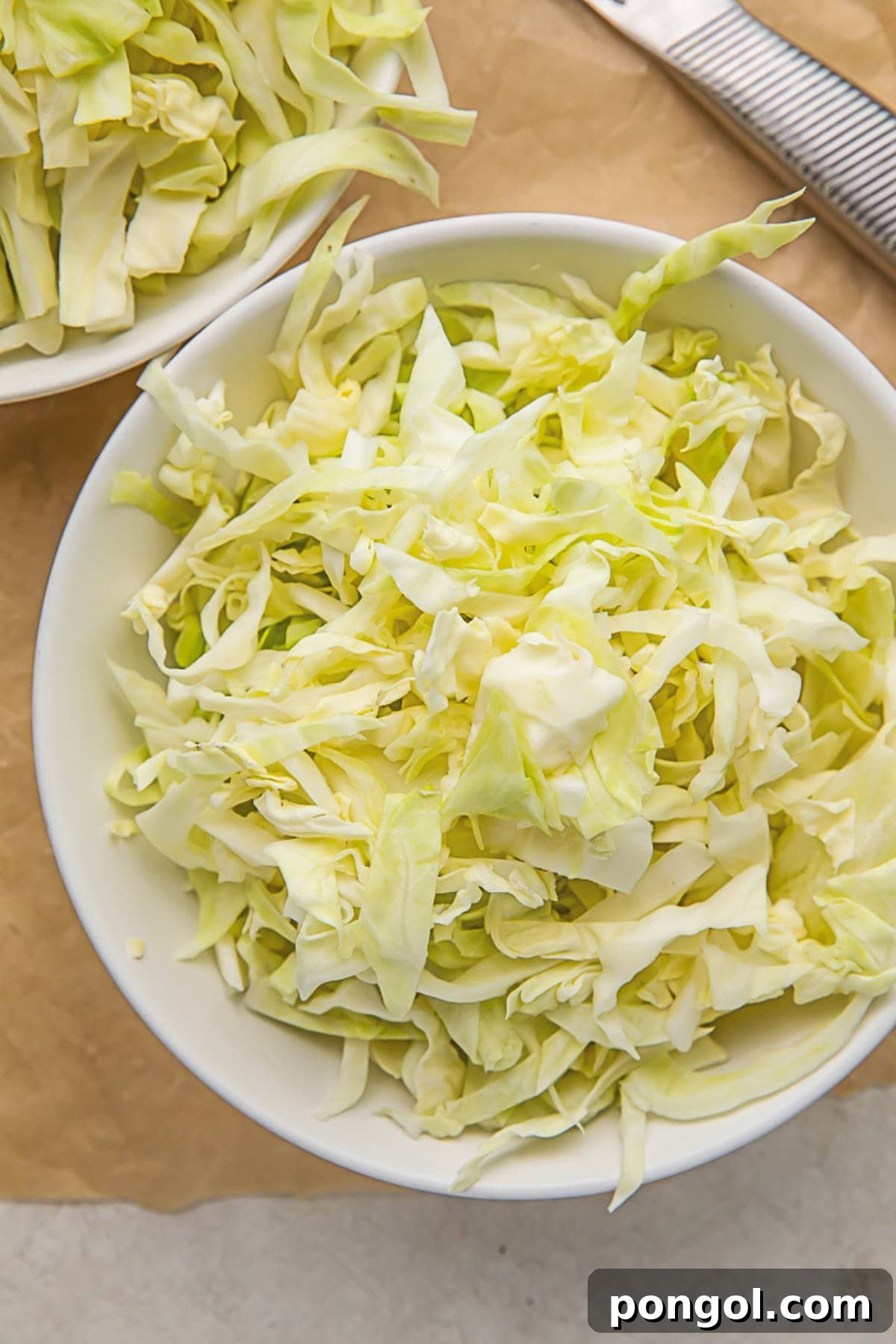
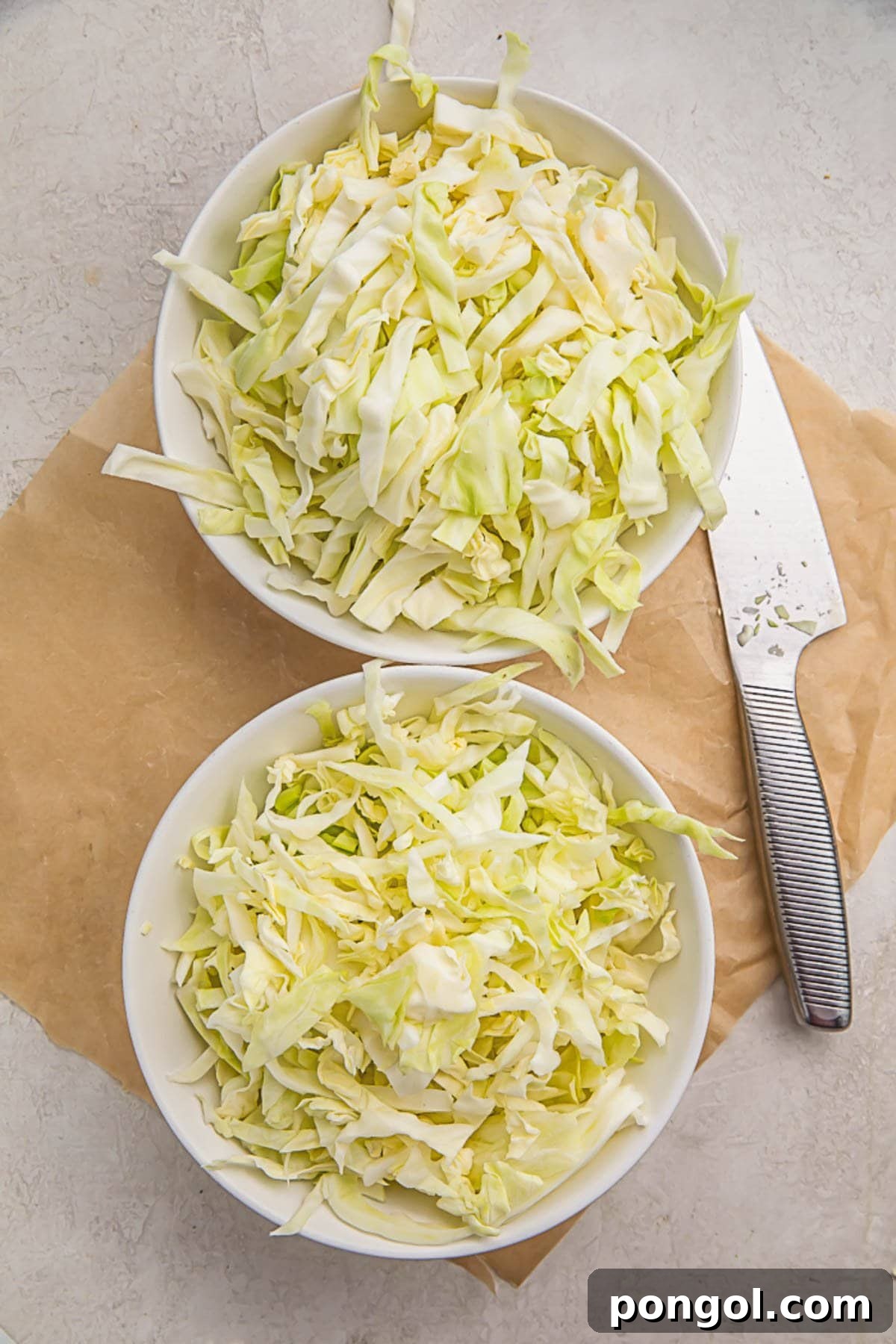
Storing Your Freshly Shredded Cabbage
Once you’ve taken the time to shred your cabbage, you’ll want to store it properly to maintain its crispness and extend its shelf life. Here are some tips:
- Airtight Container: The best way to store shredded cabbage is in an airtight container in the refrigerator. This minimizes air exposure, which can cause wilting and nutrient loss.
- Add Paper Towels: Line the bottom of your airtight container with a paper towel before adding the shredded cabbage. Place another paper towel on top. The paper towels will absorb excess moisture, helping to keep the cabbage crisp. Replace the paper towels if they become saturated.
- Refrigerate Immediately: Once shredded, transfer the cabbage to its storage container and refrigerate as soon as possible.
- Shelf Life: Properly stored shredded cabbage can last anywhere from 3 to 7 days in the refrigerator. The fresher the cabbage was initially, the longer it will last.
Beyond Coleslaw: Creative Uses for Shredded Cabbage
Shredded cabbage is incredibly versatile and can elevate a wide range of dishes beyond just the classic coleslaw. Here are some ideas to inspire your culinary adventures:
- Vibrant Salads: Add shredded cabbage to any mixed green salad for an extra layer of crunch and a boost of nutrients. It pairs wonderfully with citrus vinaigrettes or creamy dressings.
- Hearty Soups and Stews: Cabbage holds up well to cooking and adds a fantastic texture and subtle sweetness to soups and stews. Think classic cabbage soup, minestrone, or even a hearty beef stew. Add it towards the end of cooking for a slight crunch, or simmer longer for a softer texture.
- Quick Stir-Fries: Cabbage is a staple in many Asian stir-fries. Its firm texture stands up to high heat, absorbing flavors beautifully. Combine with your favorite proteins, vegetables, and a savory sauce for a quick and healthy meal.
- Tacos, Wraps, and Sandwiches: Use raw shredded cabbage as a crisp topping for tacos, burritos, pulled pork sandwiches, or even hot dogs. It provides a refreshing counterpoint to rich or spicy fillings.
- Braised or Sautéed Side Dish: Simply sauté shredded cabbage with a bit of butter or olive oil, garlic, and season with salt and pepper for a simple yet delicious side dish. Braise it with apples and onions for a traditional German accompaniment.
- Fermented Delights: Shredded cabbage is the star ingredient in homemade sauerkraut and kimchi. These fermented foods are not only delicious but also packed with probiotics beneficial for gut health.
- Egg Rolls or Spring Rolls: Use finely shredded cabbage as a filling for homemade egg rolls or fresh spring rolls.
Frequently Asked Questions About Shredding Cabbage
Here are answers to some common questions about shredding cabbage to help you confidently tackle this kitchen task.
- Can I use a food processor to shred cabbage?
While a food processor can technically “shred” cabbage, it often yields inconsistent results. The cabbage tends to be more chopped or minced rather than neatly shredded, and it can become watery. For fine, uniform shreds, a knife or mandoline is usually preferred. If you need very coarse chopped cabbage for a soup, a food processor with a slicing disc can work, but for delicate shreds, avoid it.
- How much shredded cabbage does one head yield?
A medium-sized head of cabbage (approximately 2-3 pounds) will typically yield about 8 cups of shredded cabbage. This can vary slightly based on the size of the head and how finely you shred it.
- How do I make my shredded cabbage less tough for coleslaw?
If you find your cabbage too tough for coleslaw, especially when eaten raw, you can lightly “massage” it. After shredding, place the cabbage in a bowl and sprinkle with a pinch of salt. Using clean hands, gently massage the cabbage for a few minutes. This helps break down the cell walls, making it more tender and releasing some moisture. Rinse lightly if desired to remove excess salt, then pat dry before adding dressing.
- Can I shred cabbage ahead of time?
Absolutely! Shredding cabbage ahead of time is a great meal prep strategy. Follow the storage tips above (airtight container with paper towels) and it will stay crisp for several days, making weeknight meals much quicker to prepare.
Bonus Recipe: Quick Coleslaw with Shredded Cabbage
This simple and delicious coleslaw recipe is incredibly versatile and highlights the freshness of your homemade shredded cabbage. It’s adapted from my hugely popular Egg Roll in a Bowl recipe, proving how well cabbage shines in quick preparations.
A typical coleslaw mix often features a blend of red and green cabbage, sometimes with added shredded carrots or chopped broccoli. Feel free to customize this recipe with your favorite crisp vegetables!
Ingredients:
- ¾ to 1 cup shredded green cabbage
- ¾ to 1 cup shredded red cabbage
- 3 tablespoons coconut aminos (or soy sauce/tamari for non-Whole30)
- 1 tablespoon rice wine vinegar
- ¼ teaspoon white or black pepper (adjust to taste)
- Salt to taste
Instructions:
- In a medium-sized bowl, combine the shredded green cabbage and shredded red cabbage.
- Add the coconut aminos, rice wine vinegar, and pepper to the bowl.
- Stir all the ingredients together thoroughly until the cabbage is well coated with the dressing. Taste and adjust salt and pepper as needed.
- You can serve this quick coleslaw immediately as a fresh, crisp side dish, or you can take it a step further.
- For a softer, slightly cooked coleslaw, transfer the mixture to a hot skillet. Sauté for about 5 minutes over medium heat, or until the cabbage is tender-crisp. This warm version is fantastic alongside roasted meats or as a base for a grain bowl.
Please note that making significant changes to any recipe can impact the final outcome. While the substitutions and variations mentioned are typically reliable, results are not guaranteed with extensive modifications. Always test and adjust to your preference.
How To Shred Cabbage (3 Ways)
Shredding cabbage has never been easier, so ditch the prepackaged stuff and grab your favorite kitchen tool. Enjoy fresh, crisp cabbage for all your culinary adventures!
Recipe By: Cheryl Malik
Prep Time: 10 minutes
Total Time: 10 minutes
Servings: 6 servings
Equipment
- Sharp chef’s knife
- Tool of choice (sharp chef’s knife, mandoline slicer, or vegetable peeler)
- Running water
- Cutting board
Ingredients
- 1 head cabbage (any size, any color)
Instructions
To Prepare the Cabbage
- Rinse 1 head cabbage under cold running water, removing dirt from surface and between leaves. Once cabbage is rinsed, pat cabbage dry with paper towels.
- Pull off and discard any wilted or damaged outer leaves.
- Place cabbage on cutting board, placing core end of cabbage against board. Using chef’s knife, cut head of cabbage in half vertically, cutting through core. Cut each half vertically again through the core to create 4 wedges.
- Stand one half of cabbage up on cutting board, placing core of cabbage head against board. Slice cabbage half in half vertically, cutting through core, creating 2 wedges. Repeat with other half of cabbage head, creating 4 wedges total.
- Place one cabbage wedge cut-side down on cutting board. Make two angled cuts into core-end of cabbage, then remove core and discard. Repeat with remaining 3 cabbage wedges.
To Shred Cabbage with a Knife
- Slice each of the cabbage wedges into shreds. Slicing along the vertical edge will make longer shreds; slicing along the horizontal yields shorter lengths.
To Shred Cabbage with a Mandoline Slicer
- Use the blade of your desired thickness and carefully run the wedge of cabbage along the mandoline with the cut edge down.
To Shred Cabbage with a Vegetable Peeler
- Use a vegetable peeler and “peel” the inside and coreless cut edge of the cabbage.
Notes
- Knife Safety: Always ensure your knife is sharp! A sharp knife requires less pressure, which significantly reduces the risk of slipping and accidental cuts. Remember to also cut away from your body, not towards it.
- Yield: One medium head of cabbage typically yields about 8 cups of shredded cabbage.
- Storing Shredded Cabbage: To keep shredded cabbage fresh, wrap individual wedges tightly in plastic wrap or place shredded cabbage in an airtight container. Store in the crisper drawer of your refrigerator for 2 days up to 1 week.
Approximate Nutrition Information for One Serving
Serving Size: 1 serving
Calories: 38cal
Protein: 2g
Fat: 1g
Saturated Fat: 1g
Sodium: 27mg
Potassium: 257mg
Total Carbs: 9g
Fiber: 4g
Sugar: 5g
Net Carbs: 5g
Vitamin A: 148IU
Vitamin C: 55mg
Calcium: 61mg
Iron: 1mg
Nutrition Disclaimers
Number of total servings shown is approximate. Actual number of servings will depend on your preferred portion sizes.
Nutritional values shown are general guidelines and reflect information for 1 serving using the ingredients listed, not including any optional ingredients. Actual macros may vary slightly depending on specific brands and types of ingredients used.
To determine the weight of one serving, prepare the recipe as instructed. Weigh the finished recipe, then divide the weight of the finished recipe (not including the weight of the container the food is in) by the desired number of servings. The result will be the weight of one serving.
Did You Make This Recipe?
Tag @40aprons on Instagram and be sure to leave a review on the blog post!
Other Must-Know Kitchen Tips & Tricks
- How To Cut a Pineapple Easily
- Learn How To Boil Potatoes (7 Different Types!)
- How To Boil Corn
- How To Cut Watermelon
- All About Lemon Zest + 4 Ways to Zest a Lemon
- How to Cook Nopales (Cactus Paddles)
- How Much Juice is in One Lime?