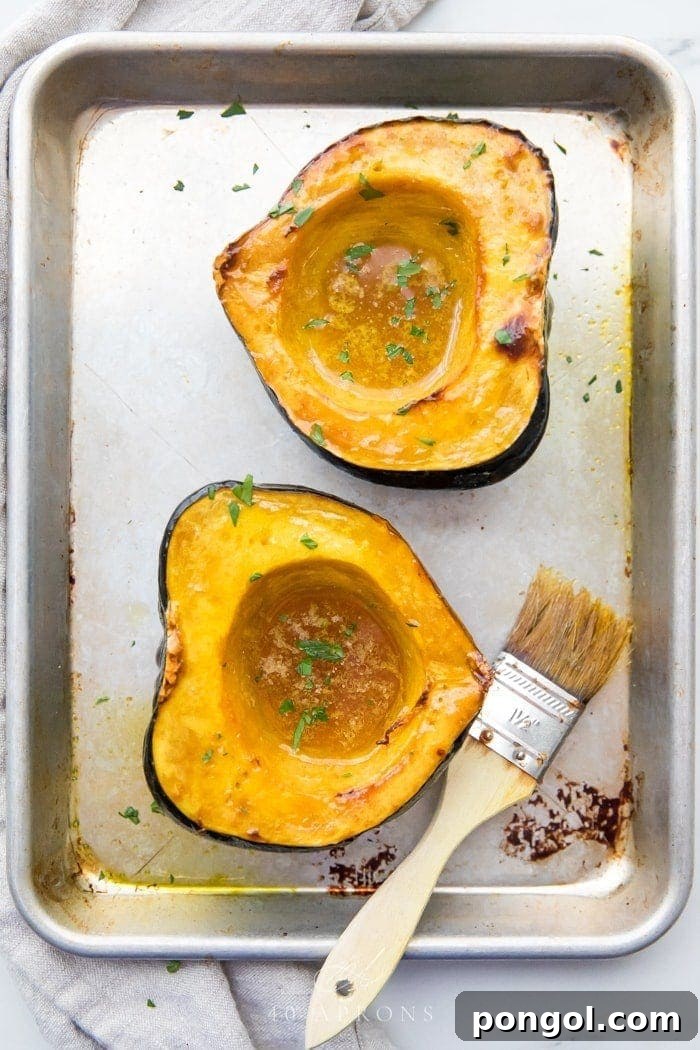
Discover the Ultimate Guide to Cooking Perfect Acorn Squash
Embark on a culinary journey to master the art of cooking acorn squash, transforming this humble winter vegetable into the most deliciously tender and flavorful side dish your table has ever seen. Whether you prefer the rich, caramelized notes of oven-roasted squash or the swift convenience of a microwave preparation, this comprehensive guide offers simple, foolproof methods for a filling, healthy, and utterly satisfying meal component. Say goodbye to bland, watery squash and hello to a vibrant, nutritious dish that will impress and nourish.
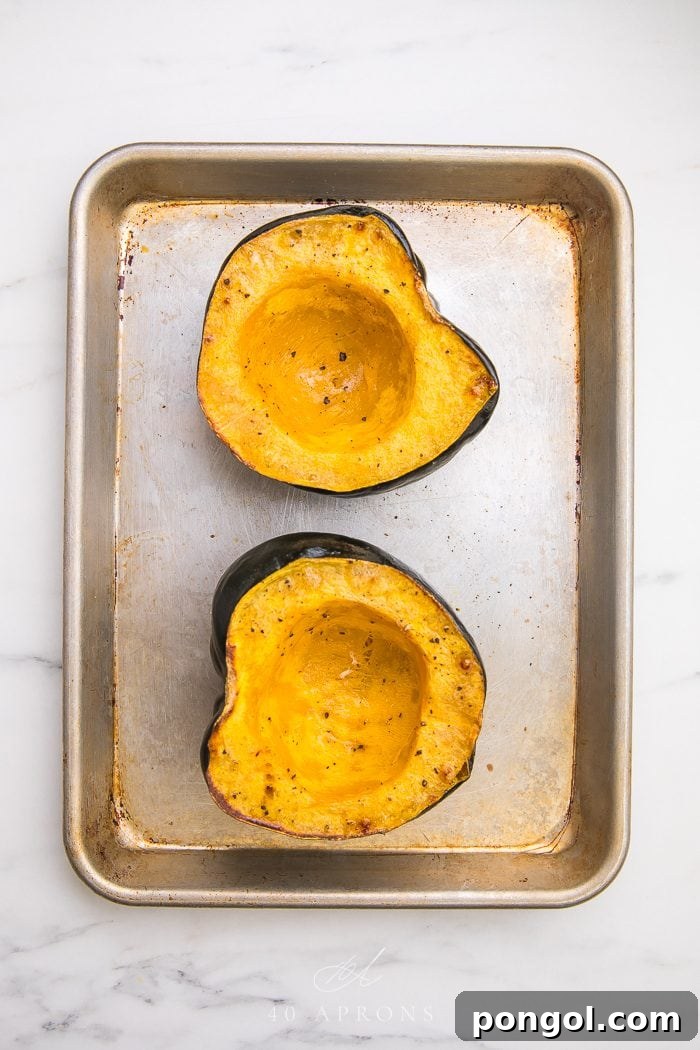
Why Acorn Squash Deserves a Spot on Your Plate
Acorn squash isn’t just a beautiful addition to autumn decor; it’s a culinary gem offering immense versatility and a wealth of health benefits. This recipe elevates it to a star side dish, and here’s why it should become a staple in your kitchen:
- Minimal Prep Time: You’ll be amazed at how little effort is required to get this squash ready for cooking. With just about 5 minutes of hands-on preparation, it’s ideal for busy weeknights when you crave a homemade, healthy meal without the fuss.
- Effortless Cooking Methods: We provide two straightforward ways to cook acorn squash – in the oven for a classic, deeply flavored result, or in the microwave for when time is of the essence. Both methods yield perfectly tender squash with minimal supervision.
- Incredibly Delicious Flavor Profile: While delicious on its own, acorn squash truly shines when enhanced with simple additions. A touch of maple syrup and butter transforms it into an extraordinarily tasty side dish, highlighting its natural sweetness with a hint of richness.
- Highly Customizable for Any Diet: This recipe is a fantastic starting point for diverse dietary needs. Easily adapt it to fit vegan, paleo, gluten-free, or whole30 considerations by swapping butter for a plant-based alternative and ensuring your maple syrup is pure.
- A Powerhouse of Nutrition: Acorn squash is not only delicious but also incredibly healthy. It’s packed with essential vitamins, minerals, and fiber, making it a nutritious choice that contributes positively to your overall well-being.
Mastering Acorn Squash: Step-by-Step Cooking Methods
Whether you’re aiming for the deep, caramelized flavors of roasting or the quick convenience of microwave cooking, these methods ensure tender, flavorful acorn squash every time. Follow these detailed steps to achieve perfect results.
Oven Roasting for Rich Flavor
Roasting acorn squash in the oven is the preferred method for achieving a beautifully tender texture and a rich, slightly caramelized flavor that truly enhances its natural sweetness. This method is surprisingly simple and delivers an unforgettable taste experience.
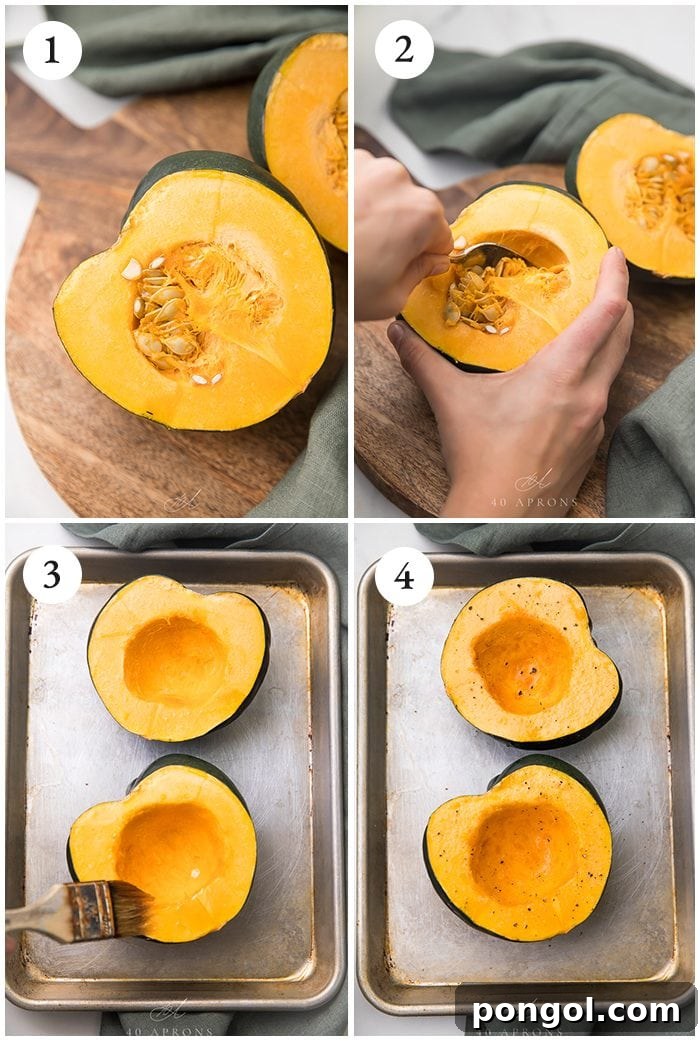
- Prepare the Squash: Begin by carefully slicing the acorn squash in half lengthwise using a sharp, sturdy knife. Acorn squash can be tough, so exercise caution. If the halves remain slightly attached at the stem, gently pull them apart. Use a spoon to thoroughly scoop out all the seeds and fibrous strands from the center cavity. You can discard these, or for a delightful snack, reserve the seeds to roast separately later.
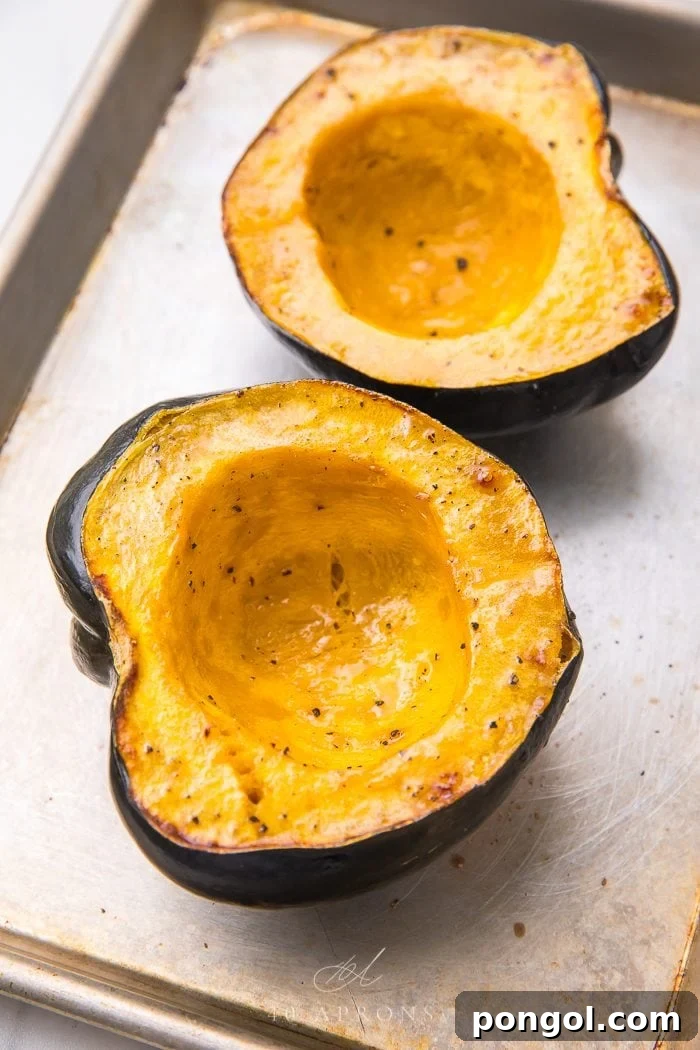
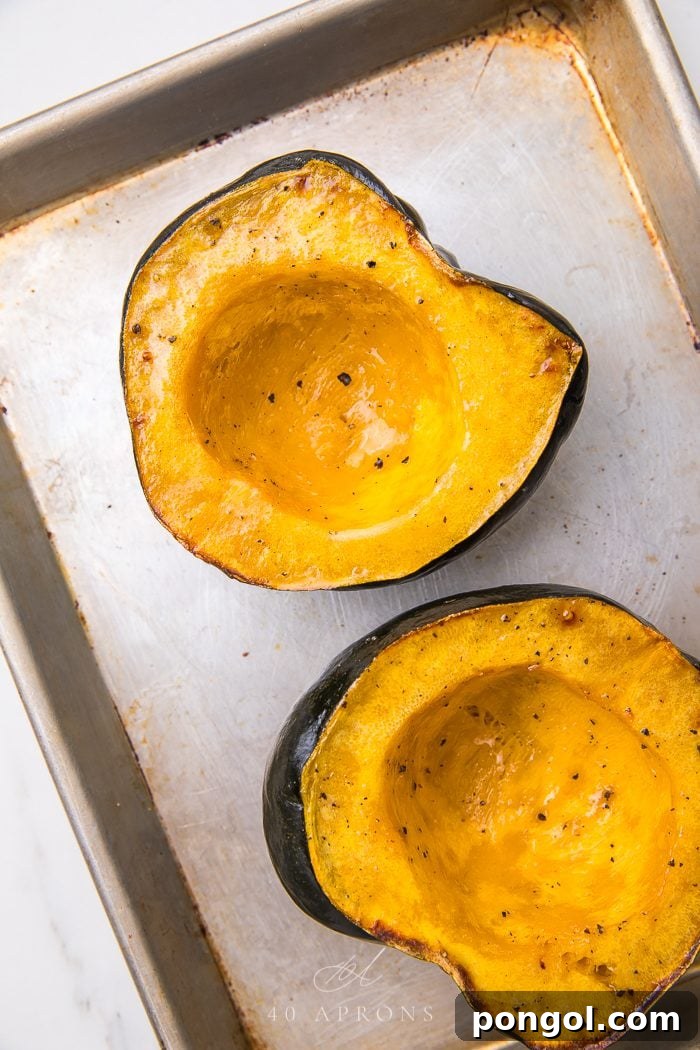
- Stabilize and Season: To ensure the squash halves sit steadily on your baking sheet, trim a very small sliver from the rounded bottom of each half. This creates a flat base, preventing them from wobbling during baking. Brush the cut sides of the squash generously with a little olive oil or avocado oil. This helps with browning and prevents sticking. Season simply with a sprinkle of salt and freshly ground black pepper to taste. Place the prepared squash halves, cut side up, on a baking sheet.
- First Roast and Flavor Infusion: Preheat your oven to 400º F (200º C). Bake the squash for approximately 40-50 minutes. The exact time will vary depending on the size of your squash. At about the halfway mark (after 20-25 minutes), if you desire a sweeter, richer profile, carefully remove the baking sheet from the oven. Place 1 tablespoon of butter and 1 tablespoon of maple syrup into the cavity of each squash half. Return to the oven.
- Basting and Finishing Touches: After about another 10-15 minutes, the butter and maple syrup will have melted and begun to bubble. Carefully baste the dry surface of the squash flesh with this flavorful melted mixture. This step infuses the squash with incredible sweetness and moisture. Return the squash to the oven to complete its roasting.
- Check for Doneness: The acorn squash is perfectly cooked when its flesh is incredibly tender. You should be able to easily pierce it with a fork with little to no resistance. If it feels firm, continue roasting in 5-10 minute increments until it reaches the desired tenderness.
Quick and Easy Microwave Method
For those times when you need a speedy side dish without sacrificing nutrition, the microwave method is a fantastic alternative. It’s incredibly fast and gets the squash tender in minutes, perfect for busy schedules.
- Prepare and Season: Begin by preparing the acorn squash as described for oven roasting (cut in half, scoop out seeds). However, for microwave cooking, do not brush with oil at this stage. Instead, simply sprinkle the cut sides with salt and pepper to your preference. Place the squash halves, cut sides down, on a microwave-safe plate.
- Microwave to Tender: Microwave the squash on full power for an initial 8 minutes. This will significantly soften the flesh.
- Test for Doneness and Adjust: After 8 minutes, carefully remove the plate (it will be hot!). Test the squash for doneness by gently piercing the flesh with a fork. If the fork glides in easily, your squash is ready. If you encounter any resistance, return the squash to the microwave for an additional 2 minutes on full power. Repeat this step as needed until the squash is perfectly tender.
- Optional Golden Finish: While perfectly edible at this point, you can enhance the microwave-cooked squash with a lovely golden-brown exterior. Carefully (and we mean carefully, as the squash will be extremely hot!) turn the squash halves over and place them on a baking sheet. Lightly brush the cut sides with a little olive oil or avocado oil. Broil for approximately 3-5 minutes, positioning the squash about 6 inches from the heating element. It’s crucial to monitor it very closely during this step, as broilers can brown quickly. Remove once golden-brown spots appear, signaling a beautiful finish.
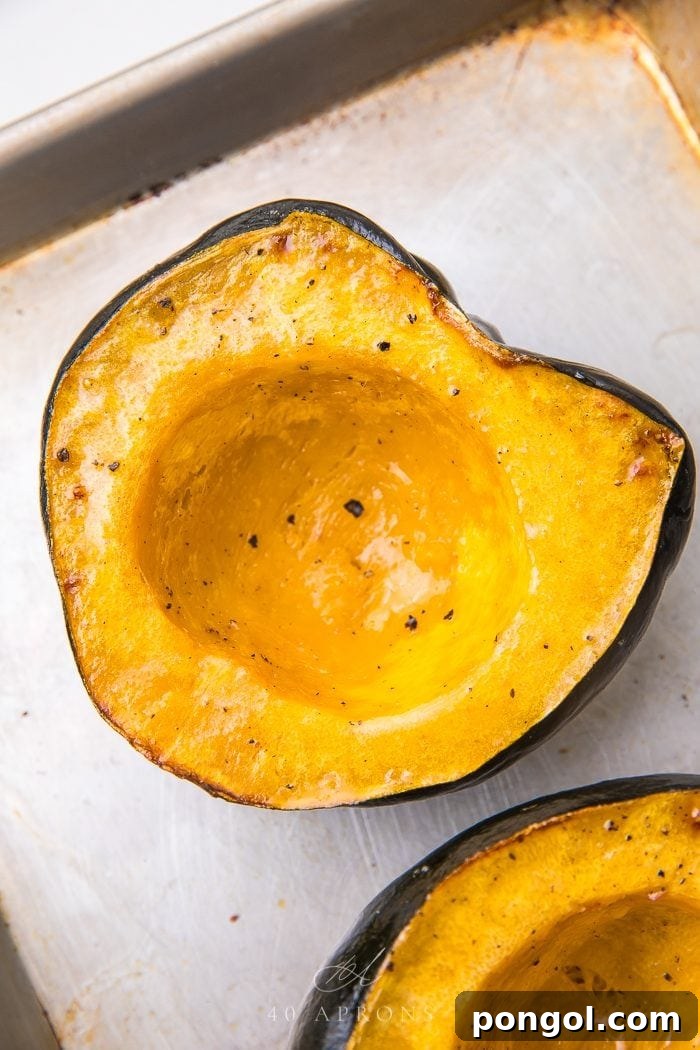
Roasted vs. Microwaved: What’s the Best Way to Cook Acorn Squash?
While both methods yield tender acorn squash, they offer distinct advantages. For an unparalleled depth of flavor and texture, I personally believe you simply can’t beat oven roasting. The dry heat of the oven allows the squash’s natural sugars to caramelize, creating a beautiful golden-brown exterior and a richer, more complex taste. Especially when roasted with maple syrup and butter, it transforms into a truly decadent treat, where the maple accentuates its inherent sweetness and the butter adds a luxurious creaminess. This slow process develops an incredible aroma and a slightly crispy edge that the microwave simply can’t replicate.
However, the microwave method is a fantastic option for speed and convenience. It’s perfect for busy weeknights or when you need a quick healthy component to your meal. While it won’t give you the same caramelized notes, it still delivers a wonderfully soft and palatable squash. If you desire some browning after microwaving, a quick trip under the broiler (as outlined above) can add a lovely finish. Ultimately, the “best” way depends on your time constraints and desired flavor profile.
Can You Eat the Skin of Acorn Squash?
Absolutely! The skin of roasted acorn squash is not only edible but also incredibly tender and flavorful. Many people are surprised to learn this, but once roasted, the skin softens beautifully, becoming a delicious part of the dish. Beyond its taste and texture, the skin is packed with a wealth of healthy vitamins, dietary fiber, and powerful antioxidants. Incorporating the skin means you’re getting the full nutritional benefits of the squash, making it an even healthier choice. There’s no need to peel it, saving you time and reducing food waste while boosting your nutrient intake.
Is Acorn Squash a Healthy Choice?
Acorn squash is truly a nutritional powerhouse, making it an excellent addition to any healthy diet. It’s renowned for being particularly rich in vital nutrients, including significant amounts of Vitamin A, Vitamin C, and various B vitamins. Furthermore, it’s an excellent source of essential minerals such as potassium, iron, and magnesium, all crucial for maintaining optimal body functions.
When prepared simply, half a roasted acorn squash with a little oil contains around 100 calories, making it a low-calorie option that’s naturally low in fat. Its high fiber content aids digestion and promotes a feeling of fullness, which can be beneficial for weight management. The antioxidants present in acorn squash help combat oxidative stress, supporting overall cellular health. Whether you’re aiming for a balanced diet, looking to increase your vegetable intake, or seeking nutrient-dense foods, acorn squash stands out as a wonderfully healthy and delicious choice.
Delightful Serving Suggestions for Acorn Squash
Acorn squash, with its sweet and savory versatility, is a perfect complement to a wide array of meals. As it’s in peak season during the fall, it naturally makes a fantastic and festive side dish for your Thanksgiving dinner spread. However, its simple preparation also means it’s ideal for elevating everyday weeknight meals. Its earthy sweetness pairs beautifully with both robust and delicate flavors. Consider serving your perfectly cooked acorn squash with:
- Lemon Garlic Salmon: The bright flavors of salmon provide a refreshing contrast to the squash’s sweetness.
- Turkey Breast with Gravy: A classic combination, especially fitting for holiday feasts or comforting Sunday dinners.
- Steak with Béarnaise Sauce: The richness of steak and Béarnaise is beautifully balanced by the squash’s subtle sweetness.
- Bacon Wrapped Chicken: The smoky, savory notes of bacon-wrapped chicken create a delightful harmony with the sweet squash.
- Roast Pork Loin: A hearty and flavorful pairing, ideal for a satisfying family meal.
- Vegetarian Lentil Loaf: For plant-based eaters, the squash offers a delightful texture and sweetness to complement a savory loaf.
- Spiced Chickpea and Spinach Curry: The mild sweetness of the squash can temper and enhance the aromatic spices of a curry.
Expert Tips for Perfectly Cooked Acorn Squash Every Time
Achieving perfectly tender and flavorful acorn squash is easy with these insider tips and tricks:
- Choose the Right Squash: Look for acorn squash that is firm, heavy for its size, and has a deep, dark green color. Avoid squash with soft spots or significant blemishes. A small amount of orange on the skin is normal, indicating ripeness.
- Stabilize for Safety: When prepping your squash, always slice a very small sliver off the rounded bottom of each half. This creates a stable, flat surface, preventing the squash from rolling on your cutting board (a safety concern!) and on your baking tray, ensuring even cooking.
- The Fork Test is Key: The most reliable way to determine if your squash is done is the fork test. Gently pierce the flesh with a fork; it should slide in very easily with no resistance. If it feels firm, continue cooking for a few more minutes and re-test.
- Embrace Maple and Butter: While delicious plain, a generous spoonful of butter and a drizzle of pure maple syrup in the squash cavity during roasting will elevate your side dish to gourmet status. The combination creates a rich, sweet glaze that caramelizes beautifully and penetrates the squash flesh, making it irresistibly flavorful. For a vegan option, use plant-based butter and pure maple syrup.
- Don’t Waste the Seeds: Just like pumpkin seeds, acorn squash seeds are highly edible and make a crunchy, nutritious snack. Simply clean them, toss with a little oil and salt, and roast at 300°F (150°C) until golden and crispy.
- Experiment with Seasonings: Don’t limit yourself to salt, pepper, maple, and butter. Try adding a pinch of cinnamon, nutmeg, a dash of cayenne pepper for a little kick, or fresh herbs like rosemary or thyme for an aromatic twist.
Explore More Delicious Side Dishes
If you loved this simple and delicious acorn squash recipe, be sure to explore these other fantastic side dish ideas to complement your meals:
- Crockpot Vegan Mashed Potatoes
- Whole30 Sweet Potato Casserole
- Whole30 Green Beans
- Balsamic Brussels Sprouts
We hope you enjoy preparing and savoring this incredible acorn squash! We’d love to hear how it turns out. Make sure you follow us on Instagram, Pinterest, and Facebook for more delicious recipes and cooking inspiration!
How To Cook Acorn Squash
Learn how to cook acorn squash for the most deliciously tender and easy winter side dish! With microwave instructions for when you’re pressed on time but still want a filling, healthy side.
Recipe By: Cheryl Malik
Prep Time: 5 minutes
Cook Time: 40 minutes
Total Time: 45 minutes
Servings: 2
Ingredients
- 1 medium acorn squash
- Olive oil or avocado oil, for brushing
- Salt and pepper, to taste
- 2 tablespoons butter, if desired
- 2 tablespoons maple syrup, if desired
Instructions
In the oven:
- Use a sharp knife to cut the squash in half. If it stays attached at the stem, use your hands to separate it into two pieces. Use a spoon to scoop out the seeds; discard or reserve to roast later.
- Cut off a very small sliver on the round bottom of each half to help them sit cut side up. Brush the cut sides with a little olive or avocado oil, then sprinkle with salt and pepper, as desired. Place on a baking sheet, cut side up, and bake at 400º F (200º C) for 40-50 minutes, depending on size.
- If using maple syrup and butter, place 1 tablespoon of each in the squash cavity after about half of roasting time. About 10 minutes later, baste the dry squash surface with melted butter and maple syrup, then return to the oven to finish roasting. For more information, check out my Roasted Acorn Squash with Maple Butter recipe.
- A fork should very easily pierce the flesh when the squash is done.
To microwave:
- Prepare acorn squash as directed but do not brush with oil. Sprinkle the cut sides with salt and pepper and place, cut sides down, on a microwave-safe plate. Microwave for 8 minutes on full power.
- Test for doneness by piercing with a fork. If the fork pierces easily, the squash is done. If there is resistance, return to the microwave for 2 more minutes on full power.
- The squash can be eaten at this point, or you can carefully (squash will be very hot!) turn the squash over and place it on a baking sheet. Brush with a little olive or avocado oil and broil for about 6 inches from the heating element, monitoring closely, for about 3-5 minutes or until golden brown in spots.
Note: Nutritional values are calculated without maple syrup or butter.
Approximate Nutrition Information for One Serving
The following information provides general guidelines. Actual nutritional values may vary based on specific brands and types of ingredients used.
- Calories: 106 cal
- Protein: 2 g
- Fat: 2 g
- Saturated Fat: 1 g
- Sodium: 21 mg
- Potassium: 748 mg
- Total Carbs: 22 g
- Fiber: 3 g
- Net Carbs: 19 g
- Vitamin A: 791 IU
- Vitamin C: 24 mg
- Calcium: 71 mg
- Iron: 2 mg
Nutrition Disclaimers
Number of total servings shown is approximate. Actual number of servings will depend on your preferred portion sizes.
Nutritional values shown are general guidelines and reflect information for 1 serving using the ingredients listed, not including any optional ingredients. Actual macros may vary slightly depending on specific brands and types of ingredients used.
To determine the weight of one serving, prepare the recipe as instructed. Weigh the finished recipe, then divide the weight of the finished recipe (not including the weight of the container the food is in) by the desired number of servings. The result will be the weight of one serving.
Did You Make This Recipe?
We’d love to see your creations! Tag @40aprons on Instagram and be sure to leave a review and comments on the blog post to share your experience!
Tag @40Aprons on Instagram