Welcome to the definitive guide for anyone embracing a plant-based lifestyle and seeking abundant, delicious protein sources. If you’ve ever heard the tired question, “But where do you get your protein?”, this article is for you. We’re here to shatter the myth that vegan diets are inherently low in protein. In fact, with a bit of knowledge and creativity, plant-based eating offers a rich tapestry of protein-packed foods that are not only nutritious but also incredibly versatile and flavorful.
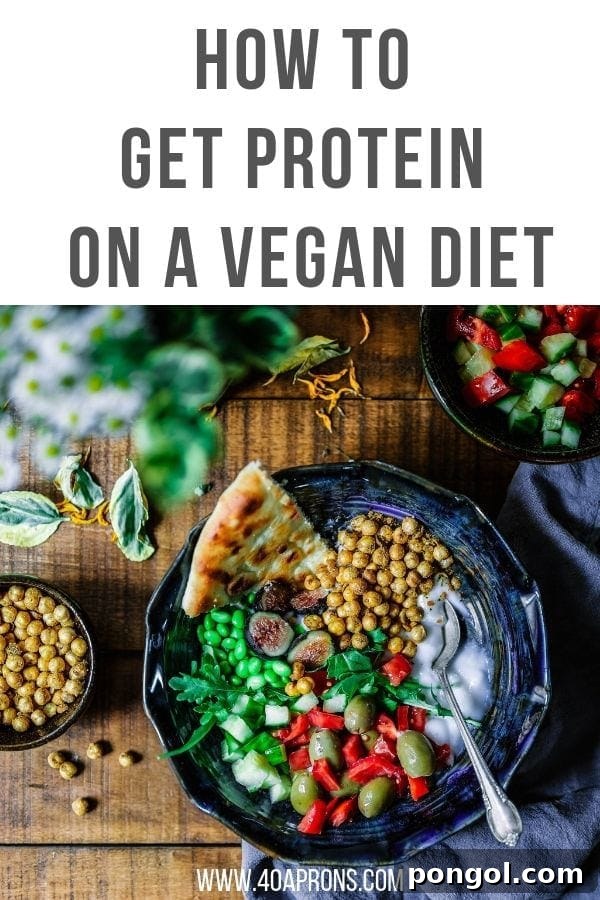
Transitioning to a vegan diet is an exciting journey for many, driven by ethical, environmental, or health motivations. However, one of the most persistent misconceptions—and often a source of concern for newcomers and their loved ones—revolves around protein intake. The truth is, a well-planned vegan diet can easily meet and exceed daily protein requirements, often with added benefits like increased fiber, essential vitamins, and beneficial phytochemicals.
Understanding Your Protein Needs on a Plant-Based Diet
Before we dive into the incredible world of plant-based protein, let’s briefly address how much protein we actually need. While individual requirements can vary based on age, activity level, and overall health goals, general guidelines suggest that adults aim for about 10% to 35% of their daily calories from protein. For women, this typically translates to around 46 grams per day, and for men, about 56 grams per day. Many athletes or those aiming to build muscle may opt for higher amounts, but these can still be easily achieved on a vegan diet.
The beauty of plant-based protein sources is that they often come packaged with an array of other vital nutrients, without the saturated fat and cholesterol found in animal products. This means you’re not just getting protein; you’re also fueling your body with fiber, antioxidants, and complex carbohydrates, contributing to overall health and well-being. Getting enough protein on a vegan diet isn’t just doable—it’s surprisingly simple and incredibly rewarding. Let’s explore 15 of the best vegan protein sources that will empower you to nourish your body and silence any protein skeptics.
15 Best Vegan Protein Sources for Optimal Health
1. Green Vegetables: Unsung Heroes of Protein
While often overlooked for their protein content, green vegetables are nutritional powerhouses that contribute significantly to your daily intake. They offer a favorable protein-to-calorie ratio, meaning you get a good protein boost without excessive calories. For instance, a single cup of cooked spinach provides approximately 7 grams of protein, alongside a wealth of vitamins like K and A, and important minerals. French beans offer around 13 grams per cup, making them a surprisingly robust source. Kale, a superstar in its own right, delivers about 5 grams per two cups cooked, while one cup of boiled peas packs an impressive 9 grams. Incorporate these vibrant veggies into your salads, stir-fries, smoothies, and main dishes to effortlessly increase your protein and micronutrient intake.
2. Hemp Hearts (Hemp Seeds): Tiny Seeds, Big Protein
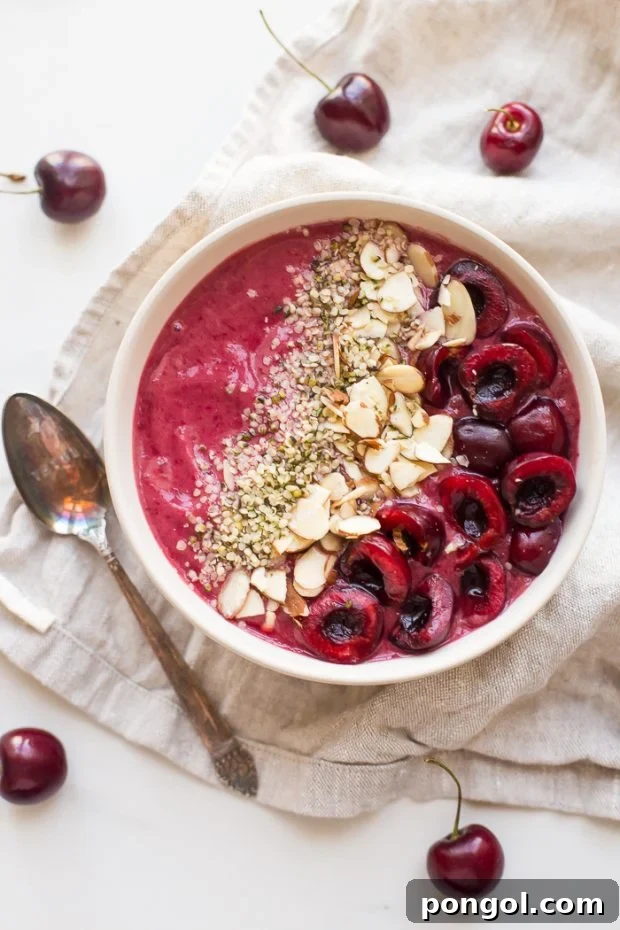
Hemp hearts, or shelled hemp seeds, are a fantastic addition to any plant-based diet. With a delicate, nutty flavor reminiscent of pine nuts, they blend seamlessly into a variety of meals. Just 3 tablespoons (around 30 grams) of hemp hearts can provide approximately 10-11 grams of complete protein, meaning they contain all nine essential amino acids your body needs. Beyond protein, they are an excellent source of omega-3 and omega-6 fatty acids, beneficial for heart and brain health, as well as magnesium and zinc. Sprinkle them generously over smoothie bowls, oatmeal, salads, soups, or blend them into dressings for an easy and delicious protein boost.
3. High-Protein Nut and Plant Milks
While many plant-based milks like almond or oat milk are naturally lower in protein, fortified versions and certain types like soy milk can be excellent sources. For example, a single cup of fortified soy milk typically contains 7-9 grams of protein, comparable to dairy milk. Other brands are now offering almond or oat milks that are specifically formulated with added protein, often from peas, boosting their protein content significantly. These milks are perfect for your morning cereal, oatmeal, smoothies, or even for baking and cooking. Pairing a high-protein plant milk with homemade vegan granola makes for a satisfying and protein-rich breakfast.
4. Nuts and Nut Butters: Healthy Fats and Protein
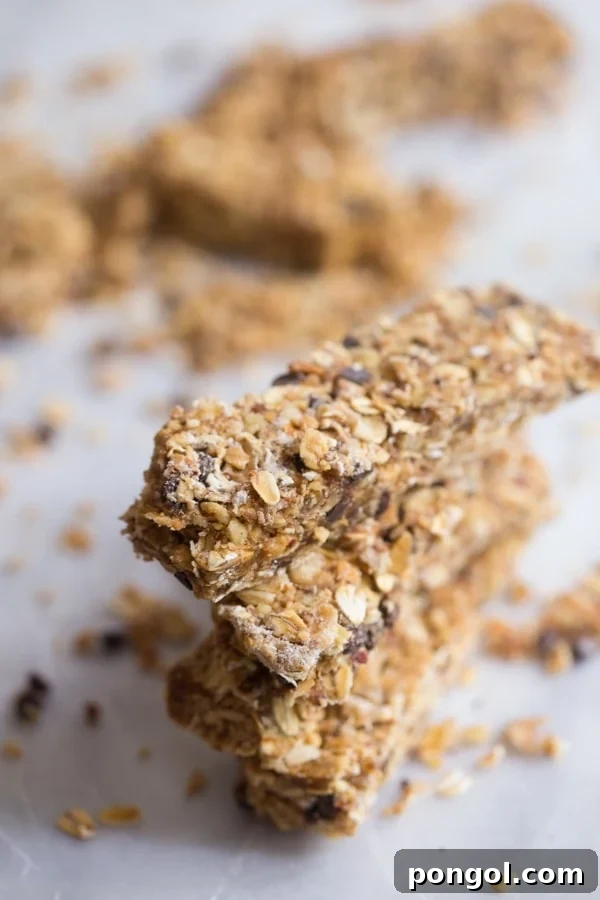
Nuts are not just a convenient snack; they are concentrated sources of protein, healthy fats, and fiber. Peanuts and almonds are particularly notable for their protein content. A mere two tablespoons of peanut butter, almond butter, or cashew butter can provide around 7-8 grams of protein. These versatile spreads are fantastic in smoothies, on toast, mixed into oatmeal, or used as a base for sauces and dressings. If you’re looking for a delightful treat, consider making your own peanut butter granola bars, which offer a perfect blend of sweetness, crunch, and protein. Don’t forget whole nuts as well; a handful of almonds or walnuts makes for a quick and nutritious snack.
5. Quinoa: The Complete Protein Grain
Quinoa truly lives up to its superfood reputation. This ancient grain (technically a seed) is celebrated for its exceptional nutritional profile, most notably its high protein content. A single cooked cup delivers approximately 8-9 grams of protein. What sets quinoa apart is its status as a complete protein, meaning it contains all nine essential amino acids that our bodies cannot produce on their own. Beyond protein, quinoa is an excellent source of fiber, iron, magnesium, and B vitamins. Its fluffy texture and mild flavor make it incredibly versatile, perfect as a base for grain bowls, a hearty addition to salads, a substitute for rice, or even cooked as a breakfast porridge.
6. Tofu: The Versatile Soy Staple
Tofu has long been a cornerstone of vegan diets, and for good reason. Derived from soybeans, it is a highly adaptable and protein-rich food. Four ounces of firm tofu typically provides about 9 grams of protein. Its neutral flavor readily absorbs marinades and seasonings, making it suitable for a wide range of cuisines. From crispy baked tofu in stir-fries and scrambled tofu for breakfast to creamy blended silken tofu in soups, smoothies, and desserts, the possibilities are endless. Don’t be intimidated by tofu; pressing it before use enhances its texture and ability to soak up flavor, transforming it into a delicious main ingredient in countless dishes.
7. Lentils: Affordable Protein Powerhouses
Lentils are a staple in many cultures for their nutrition and versatility, and they should be a staple in your vegan pantry too. These tiny legumes are incredibly rich in protein and fiber, making them excellent for satiety and digestive health. Just one cup of cooked lentils delivers a remarkable 18 grams of protein! Available in various types like red, green, brown, and black, each with slightly different cooking times and textures, lentils can be transformed into a myriad of dishes. Think hearty lentil soups, comforting stews, flavorful curries, nutritious salads, robust veggie burgers, and even a delicious plant-based lentil bolognese for pasta. They are also budget-friendly, making them an accessible protein source for everyone.
8. Beans: A Vegan’s Best Friend
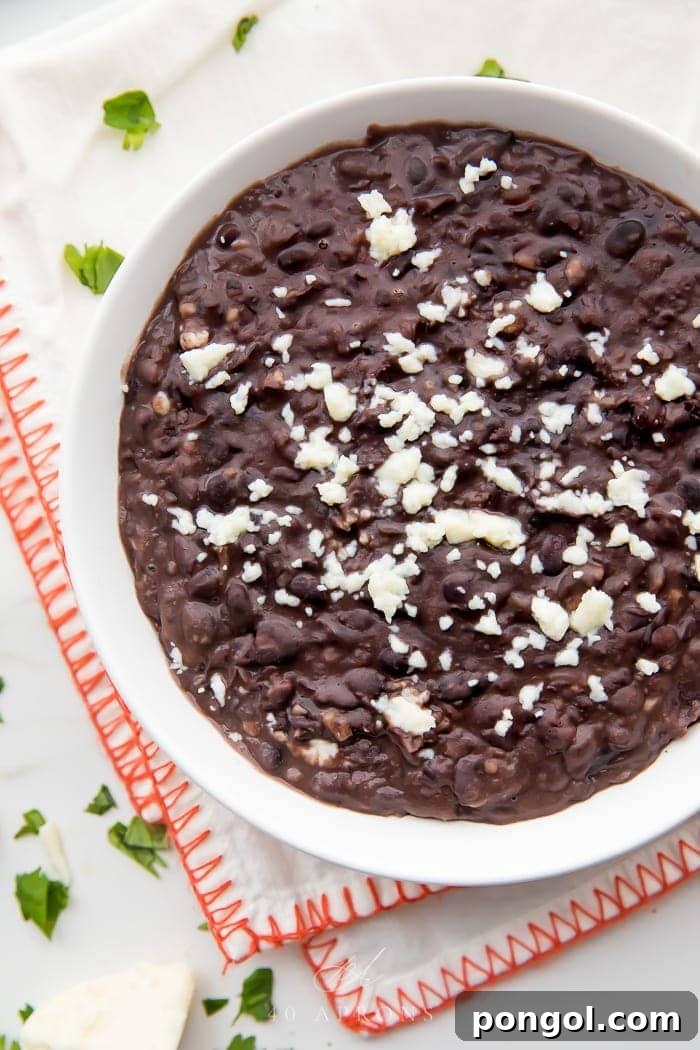
Beans are truly a vegan’s best friend, especially when you’re looking for an economical and nutrient-dense protein source. Whether it’s black beans, kidney beans, pinto beans, or cannellini beans, they all offer an impressive nutritional profile. One cup of cooked beans typically provides 13-15 grams of protein, along with an abundance of dietary fiber which aids digestion, stabilizes blood sugar, and promotes a feeling of fullness. They are incredibly versatile and can be incorporated into countless meals: chilis, tacos, burritos, salads, stews, and dips. Don’t hesitate to experiment with different varieties and spice profiles; adding some flavorful refried beans to your favorite dinner sides can elevate any meal.
9. Chickpeas (Garbanzo Beans): Versatility in a Legume
Chickpeas, also known as garbanzo beans, are beloved for their versatility and robust protein content. Cooked chickpeas contain approximately 7.25 grams of protein per half cup, making them a significant contributor to your daily intake. They are fantastic in a variety of dishes: blend them into creamy hummus, toss them into vibrant salads for added texture and nutrition, or incorporate them into hearty stews and flavorful curries, like a rich vegan chickpea curry. For a simple yet delicious snack, try roasting them in the oven with olive oil and spices like salt, cumin, oregano, and paprika until crispy – a perfect alternative to unhealthy snacks.
10. Tempeh: The Fermented Powerhouse
Tempeh is a traditional Indonesian fermented soy food that stands out as one of the top vegan protein sources. Unlike tofu, tempeh is made from whole, fermented soybeans, giving it a firmer, chewier texture and a distinctly nutty, earthy flavor. Its fermentation process also enhances digestibility and nutrient absorption. A single cup of tempeh boasts an impressive 30 grams of protein, surpassing the protein content of many animal-based foods. It’s also rich in probiotics, fiber, and iron. Tempeh is excellent grilled, steamed, pan-fried, or baked, and its firm texture makes it ideal for slicing into strips for sandwiches or cubing for stir-fries and stews. Try marinating it to soak up bold flavors before cooking for an unforgettable plant-based meal.
11. Oats: More Than Just a Breakfast Cereal
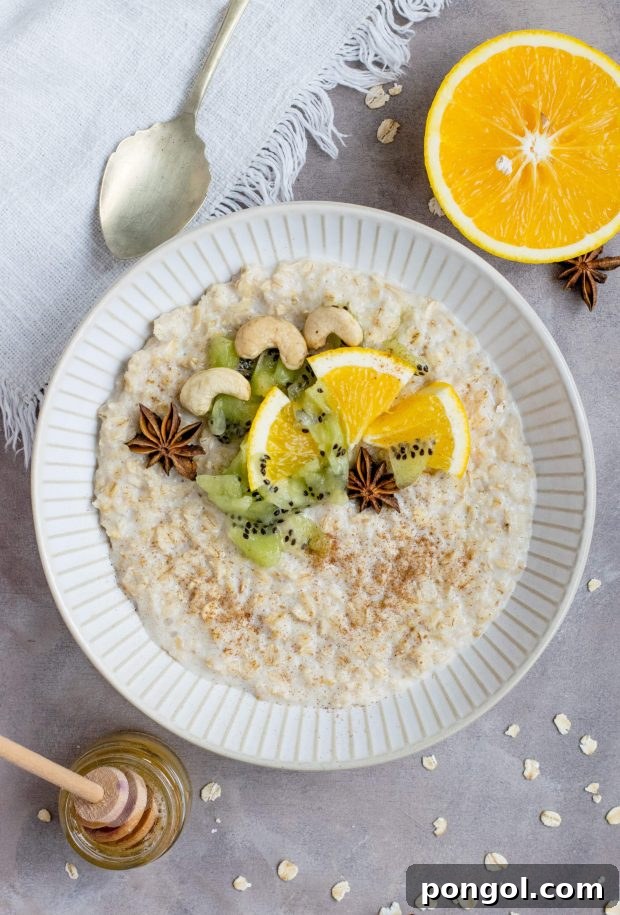
While often cherished for their complex carbohydrates and fiber, oats also provide a notable amount of protein, especially for a grain. One cup of cooked oatmeal can deliver around 6 grams of protein, equivalent to approximately an ounce of meat. Beyond their protein, oats are packed with soluble fiber, particularly beta-glucans, known for their heart-health benefits and ability to lower cholesterol. They are incredibly versatile: enjoy them as classic morning oatmeal, prepare overnight oats for a quick grab-and-go breakfast, use them in baking for added texture and nutrition, or even explore savory oat dishes. Opt for gluten-free oats if you have a sensitivity.
12. Spirulina: The Algae Superfood
Rising in popularity as a superfood, spirulina is a blue-green microalgae that is remarkably nutrient-dense. It’s an exceptional vegan protein source, containing approximately 8 grams of protein per 2 tablespoons. What makes spirulina even more impressive is its rich array of other nutrients, including iron, B vitamins (especially B12 in some fortified versions), and manganese, along with powerful antioxidants. Commonly available as a powder or supplement, it’s easily added to water, fruit juices, or smoothies, giving your creations an eye-catching aqua hue. While its taste can be quite distinct, starting with small amounts and mixing it into strong flavors can help you reap its incredible benefits. You can find high-quality spirulina online or at health food stores.
13. Chia Seeds: Tiny Seeds with Mighty Power
Chia seeds are truly a marvel of the plant world, packing a punch of nutrition in their tiny forms. While often highlighted for their high fiber and heart-healthy omega-3 fatty acid content, they are also a good source of protein, offering about 4-5 grams per two tablespoons. Their unique ability to absorb liquid and form a gel makes them incredibly versatile. You can add chia seeds to smoothies, sprinkle them over oatmeal or plain yogurt, or soak them in plant milk to create a delightful and nutritious chia pudding, like a classic PB&J inspired version. They also serve as an excellent vegan egg substitute in baking when mixed with water to form a “chia egg.”
14. Pumpkin Seeds (Pepitas): Nutrient-Dense Snack
Pumpkin seeds, also known as pepitas, are often underestimated as a protein source, yet they offer impressive nutritional value. A quarter cup of pumpkin seeds provides a solid 8 grams of protein, making them an ideal snack or addition to meals. Beyond protein, they are an excellent source of magnesium, zinc, and antioxidants, contributing to bone health, immune function, and overall well-being. Their distinct nutty flavor and satisfying crunch make them perfect for sprinkling over salads, adding to granola, blending into pestos, or simply enjoying by the handful. Keep them roasted and seasoned for a delicious and healthy on-the-go snack.
15. Seitan: The Meaty Vegan Substitute
For those seeking a substantial, meat-like texture in their plant-based meals, seitan is an absolute game-changer. A staple in Asian diets for centuries, seitan is made from vital wheat gluten, which is the main protein found in wheat. When mixed with various spices and liquids and cooked, it develops a firm, chewy texture that can closely mimic chicken, beef, or pork. Its protein content is incredibly high, often exceeding 20-25 grams per 3-4 ounce serving, making it one of the most protein-dense vegan foods available. Seitan is wonderfully versatile and can be grilled, fried, roasted, or stewed in a multitude of recipes, from sandwiches and stir-fries to mock roasts and ground “beef.” However, due to its high wheat content, individuals with celiac disease or gluten intolerance should avoid seitan.
Embrace the Power of Plant-Based Protein
As you can see, the world of plant-based protein is vast, varied, and incredibly exciting. From familiar legumes and grains to emerging superfoods and versatile soy products, there are countless ways to meet your protein needs and enjoy a deeply nourishing diet. Whether you are fully vegan, transitioning to a plant-based lifestyle, or simply looking to incorporate more plant foods into your diet, these sources offer a fantastic foundation.
Reducing animal proteins in your diet offers numerous benefits for your health, the environment, and animal welfare, and it certainly doesn’t mean sacrificing flavor or nutrition. With this comprehensive list, you are well-equipped to create delicious, high-protein vegan meals that will keep you feeling energized and satisfied. Experiment with new ingredients, try out different recipes, and discover the incredible power of plants!
For more detailed guidance on adopting a vegan lifestyle, be sure to explore our related blog posts on How to Become Vegan and 10 Tips on Going Vegan, where you’ll find even more tips and resources to support your journey.