Welcome to the world of Moringa oleifera, often hailed as the “Miracle Tree” or “Drumstick Tree.” This ancient botanical wonder, with its roots deeply embedded in traditional medicine, is now gaining widespread recognition as a modern superfood. Are you curious about the incredible potential of moringa and how it can elevate your health and well-being? In this comprehensive guide, we’ll delve into the scientific facts, explore its myriad benefits, and provide you with the best strategies to incorporate moringa into your daily routine for optimal results. Prepare to uncover the secrets of this nutritional powerhouse!
What is Moringa oleifera?
Moringa oleifera is a fast-growing, drought-resistant tree native to the Himalayan foothills of North India, though it is now cultivated widely in tropical and subtropical regions around the world. For thousands of years, every part of the moringa tree – from its delicate leaves to its robust pods, nutrient-rich seeds, and vibrant flowers – has been utilized in traditional Ayurvedic and Unani medicine for its purported medicinal properties. Historically, it has been a staple in diets and healing practices, cherished for its ability to prevent and treat a vast array of health conditions.
Referred to by many names, including the ‘Miracle Tree,’ ‘Drumstick Tree’ (referring to its long, slender pods), ‘Horseradish Tree’ (due to the taste of its roots), and ‘Ben Oil Tree’ (from the oil extracted from its seeds), moringa’s adaptability and impressive nutritional profile have made it a subject of intense modern scientific interest. Researchers are just beginning to unravel the full spectrum of its medicinal benefits, validating many of the claims passed down through generations.
The Unrivaled Benefits of Moringa: A Nutritional Powerhouse
Moringa’s reputation as a superfood is well-earned, primarily due to its extraordinarily rich nutritional content. It is a dense source of essential vitamins, minerals, and potent plant compounds that are vital for maintaining robust health. Unlike many other plant-based foods, moringa boasts a complete amino acid profile, meaning it contains all nine essential amino acids that the human body cannot produce on its own.
Among its impressive nutritional offerings, moringa is packed with:
- Vitamins: It’s an excellent source of Vitamin A (beta-carotene), crucial for vision and immune function; Vitamin B6, essential for brain development and function; and Vitamin C, a powerful antioxidant vital for immune health and collagen production.
- Minerals: Moringa is rich in iron, key for red blood cell production and combating fatigue; riboflavin (Vitamin B2), important for energy metabolism; and magnesium, involved in hundreds of bodily functions, including muscle and nerve function, blood glucose control, and blood pressure regulation. It also provides significant amounts of calcium for bone health and potassium for maintaining fluid balance and healthy blood pressure.
- Antioxidants: This is where moringa truly shines. It is teeming with various antioxidants, including quercetin, chlorogenic acid, and beta-carotene. These compounds are critical for protecting your cells against damage caused by free radicals – unstable molecules that contribute to oxidative stress. Oxidative stress is implicated in the development of numerous chronic illnesses, such as cancer, heart disease, diabetes, and neurodegenerative conditions. By neutralizing free radicals, moringa’s antioxidants play a pivotal role in disease prevention and cellular health.
Great For Skin & Hair Health
The beauty industry has taken notice of moringa, and for good reason. Its rich concentration of skin-loving nutrients makes it a powerful ally for a radiant complexion and luscious locks. Vitamin A, often found in high-end skincare products as retinol, is abundant in moringa. When applied topically or consumed, Vitamin A supports healthy cell turnover, promotes collagen production, and can significantly improve common skin concerns such as acne breakouts, hyperpigmentation, and the appearance of fine lines and wrinkles. Furthermore, Vitamin C acts as a crucial co-factor for collagen synthesis, helping to maintain skin elasticity and firmness, while also brightening the complexion and protecting against environmental damage.
Beyond vitamins, moringa is also packed with calcium and protein, both of which are fundamental for the structural integrity of your skin, hair, and nails. Protein provides the building blocks for keratin, the primary protein in hair and nails, contributing to their strength and resilience. Calcium, while largely known for bone health, also plays a role in skin cell regeneration and repair. Regular consumption or topical application of moringa can lead to stronger hair, reduced breakage, healthier nails, and a more vibrant skin tone, reflecting its comprehensive benefits from the inside out.
May Help Lower Blood Sugar Levels
Maintaining healthy blood sugar levels is paramount for preventing chronic diseases like diabetes and heart disease. Elevated blood sugar, or hyperglycemia, can lead to severe health complications over time, including nerve damage, kidney disease, and increased cardiovascular risk. While much of the early evidence regarding moringa’s effect on blood sugar comes from promising animal studies, several small-scale human trials have also yielded positive results.
These studies indicate that moringa consumption may help lower both fasting blood sugar levels (measured after a period of not eating) and the spikes in blood sugar that typically occur after a meal. This beneficial effect is attributed, in part, to the presence of insulin-like proteins and compounds like isothiocyanates found within the plant. These bioactive components may enhance the body’s sensitivity to insulin, slow down sugar absorption, or even stimulate the pancreas to produce more insulin, thereby helping to regulate glucose metabolism. Stabilizing blood sugar is not only critical for preventing diabetes but can also be a vital component in maintaining a healthy weight and overall metabolic balance.
Possesses Healing, Antibacterial, and Antimicrobial Properties
Moringa has a long history of use in traditional medicine for treating various infections and promoting wound healing. Modern scientific research has now begun to validate these traditional uses, demonstrating that moringa extracts possess significant antibacterial, antimicrobial, and antifungal properties. These properties make it a formidable natural agent against a range of pathogens that can cause infections.
Studies have specifically tested moringa’s efficacy against several common types of bacteria, including Bacillus cereus (often found in food and the environment, causing food poisoning), Staphylococcus aureus (responsible for staph infections, which can be severe), and E. coli (another common foodborne pathogen). The results suggest that moringa can inhibit the growth and even kill these harmful microorganisms, offering a natural approach to fighting infections. Furthermore, its traditional use in accelerating wound healing is likely due to these same antiseptic properties, coupled with its rich nutrient profile that supports tissue repair and regeneration. This makes moringa a valuable asset for boosting overall immunity and maintaining a healthy internal environment.
Supports Respiratory Health and May Treat Respiratory Conditions
Respiratory conditions, particularly chronic ones like asthma, can significantly impact quality of life. Emerging research suggests that moringa may offer therapeutic benefits for the respiratory system. In a noteworthy scientific study, patients suffering from bronchial asthma were given ground moringa seeds. Over several weeks of consistent administration, participants reported significant improvements in their symptoms, including a reduction in the frequency and severity of asthma attacks.
While more extensive research is needed to fully understand the mechanisms, moringa’s anti-inflammatory properties are likely key to its benefits for respiratory health. Inflammation of the airways is a hallmark of asthma and other respiratory ailments. By reducing this inflammation, moringa may help to relax bronchial muscles, clear airways, and facilitate easier breathing. Beyond asthma, its immune-boosting and antimicrobial properties could also make it beneficial in combating common respiratory infections like colds and flu, further underscoring its potential as a natural respiratory aid.
A Potent Anti-Inflammatory Agent
Chronic inflammation is now recognized as a root cause of many debilitating diseases, including heart disease, various cancers, autoimmune disorders, and neurological conditions such as Alzheimer’s disease and other forms of dementia. Persistent inflammation can silently damage tissues and organs over time, making effective anti-inflammatory strategies crucial for long-term health. Moringa stands out as a powerful natural anti-inflammatory agent.
Numerous studies, including human trials, have shown that moringa can significantly help in treating inflammatory conditions. Its anti-inflammatory prowess is largely attributed to specific compounds, most notably isothiocyanates and flavonoids, which work to modulate inflammatory pathways in the body. Beyond physical inflammation, stress is a major contributor to systemic inflammation, impacting both our physical and mental health. Moringa’s adaptogenic qualities may help our bodies and minds better deal with stress, thereby indirectly reducing inflammation caused by psychological factors. Incorporating moringa into your diet can therefore be a proactive step towards mitigating chronic inflammation and promoting overall systemic balance.
Can Lower Cholesterol and Support Heart Health
High levels of “bad” low-density lipoprotein (LDL) cholesterol are a major risk factor for heart disease, contributing to plaque buildup in arteries (atherosclerosis) and increasing the likelihood of heart attacks and strokes. The good news is that many plant-derived foods and supplements are highly effective in naturally lowering cholesterol levels, and moringa appears to be a significant addition to this list.
Studies conducted in both animal models and humans have consistently shown that moringa may be able to help reduce LDL cholesterol levels. The mechanisms behind this effect are thought to involve moringa’s ability to inhibit cholesterol absorption from the gut, reduce cholesterol synthesis in the liver, and enhance the excretion of bile acids, which are made from cholesterol. By helping to normalize lipid profiles, moringa contributes directly to improved cardiovascular health, reducing the risk factors associated with heart disease and promoting a healthier circulatory system. It’s a simple yet powerful way to support one of your most vital organs.
May Possess Anti-Cancer Potential
The quest for natural compounds that can prevent and treat cancer is ongoing, and moringa has emerged as a promising candidate in this field. While the research thus far has predominantly been conducted in laboratory settings (in vitro) and on animals, the findings are compelling and warrant further investigation. Multiple studies have indicated that moringa may be beneficial in both treating and potentially preventing certain types of cancer.
In various laboratory experiments, moringa extracts have demonstrated the ability to kill cancer cells, a process known as apoptosis, or programmed cell death. Other studies have shown that moringa can limit tumor growth and inhibit angiogenesis, the formation of new blood vessels that tumors need to grow and spread. These anti-cancer effects are attributed to its rich content of antioxidants and specific bioactive compounds like isothiocyanates, which have been observed to exert chemopreventive activities. While moringa is by no means a cure for cancer and should not replace conventional treatments, its potential as a complementary agent in cancer prevention and therapy is an exciting area of ongoing research.
Treats Depression & Anxiety, Enhancing Mental Well-being
For centuries, moringa has been utilized in traditional practices to help the body combat stress more easily and promote a sense of calm. Modern scientific investigations are now shedding light on its potential antidepressant and anxiolytic (anti-anxiety) properties. Studies suggest that moringa may have a positive impact on mental health, including reducing depression caused by inflammation, indicating a fascinating link between the plant’s anti-inflammatory actions and its mood-boosting effects.
Furthermore, some research has indicated that moringa may be even more effective when used in combination with prescription antidepressants, potentially enhancing their therapeutic benefits. It is also believed to help balance cortisol levels in the body. Cortisol, known as the “stress hormone,” when chronically elevated, can contribute to anxiety, panic attacks, and other mood disturbances. By helping to regulate cortisol, moringa may assist in creating a more stable emotional state. It’s crucial to reiterate: if you are experiencing mental health challenges or are on medication, always consult with your doctor before adding moringa or any other supplement to your mental health regimen.
Increases Energy & Decreases Fatigue
Feeling perpetually tired is a common complaint in modern life. Moringa offers a natural boost to energy levels and helps combat fatigue, thanks to its exceptional nutritional composition. A primary contributor to this benefit is its high iron content. Iron is an essential mineral vital for the production of hemoglobin, a protein in red blood cells that carries oxygen from the lungs to the rest of the body. Insufficient iron leads to anemia, a condition characterized by profound fatigue, weakness, and decreased stamina. By providing a readily absorbable form of iron, moringa can help prevent and alleviate iron-deficiency anemia, thereby enhancing energy and vitality.
Beyond iron, moringa’s rich profile of B vitamins (including riboflavin, niacin, and B6) plays a crucial role in energy metabolism, converting food into usable energy. Its substantial protein content, complete with essential amino acids, also makes it an excellent post-workout supplement, aiding in muscle repair and recovery, which in turn reduces post-exertion fatigue. This holistic nutrient delivery ensures a sustained and natural energy boost without the jitters associated with stimulants.
Even More Health Benefits: The Versatility of Moringa
The remarkable range of moringa’s benefits extends even further, touching upon various aspects of human health:
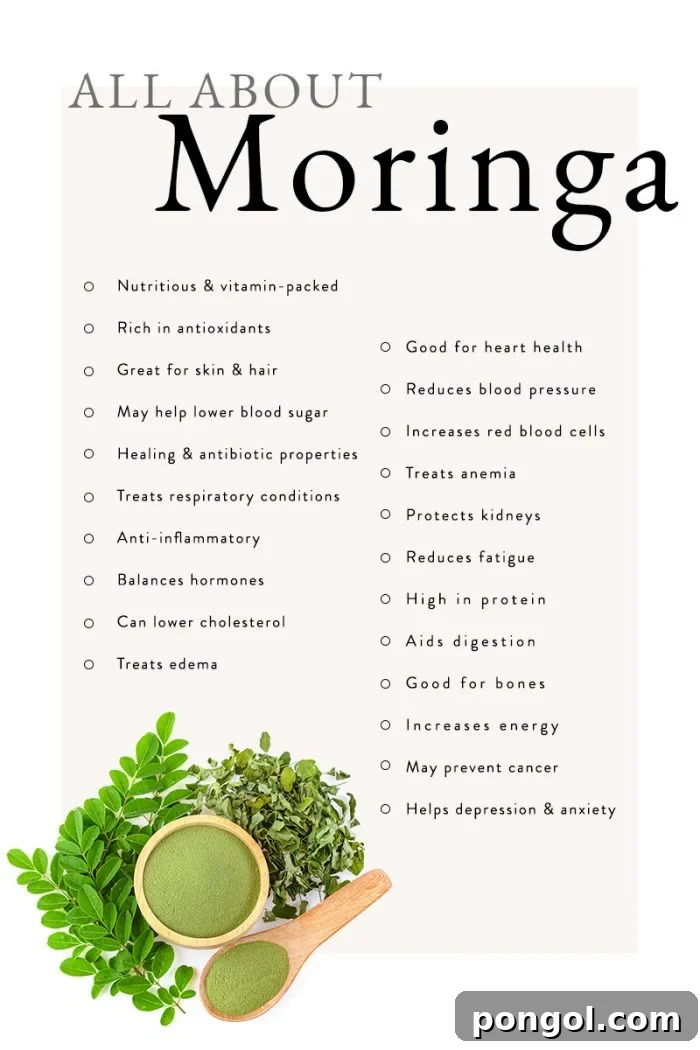
- Balances Hormones: Moringa is renowned for its ability to help regulate hormonal levels, particularly beneficial for women experiencing postmenopausal symptoms. It may also support thyroid health, contributing to a balanced endocrine system vital for metabolism and mood regulation.
- Treats Edema: With its anti-inflammatory properties, moringa has shown potential in reducing edema (swelling caused by excess fluid trapped in the body’s tissues).
- Reduces Blood Pressure: Certain compounds in moringa, such as isothiocyanates and niaziminin, possess hypotensive effects, potentially helping to lower high blood pressure and promote cardiovascular wellness.
- Increases Red Blood Cells & Treats Anemia: Its high iron content, coupled with Vitamin C (which enhances iron absorption), makes it a powerful natural remedy for increasing red blood cell count and combating anemia effectively.
- Protects Kidneys: Moringa’s antioxidant and anti-inflammatory properties may help protect the kidneys from damage caused by toxins and oxidative stress, supporting renal function.
- High in Protein: As a complete protein source, moringa provides all essential amino acids, making it an excellent plant-based protein for vegetarians, vegans, and anyone looking to boost their protein intake for muscle growth, repair, and overall cellular health.
- Aids Digestion: Rich in dietary fiber, moringa promotes healthy digestion, prevents constipation, and supports a balanced gut microbiome. Its anti-inflammatory compounds can also soothe gut lining irritation.
- Good for Bones: Beyond calcium, moringa also contains magnesium, phosphorus, and Vitamin K – a powerful combination of nutrients essential for maintaining strong bones and preventing conditions like osteoporosis.
- Vision Health: Its high concentration of Vitamin A (beta-carotene) is crucial for maintaining good eyesight, protecting against age-related macular degeneration, and preventing night blindness.
- Liver Protection: Moringa contains compounds that help protect the liver from damage caused by toxins, aiding in detoxification processes and supporting overall liver function.
How To Incorporate Moringa into Your Diet
Moringa is incredibly versatile and can be seamlessly integrated into your daily routine in several convenient forms. The most popular options are powder and capsules, offering flexibility depending on your preference and lifestyle.
Moringa Powder: This is arguably the most versatile form. The powder, made from dried and ground moringa leaves, has a mild, earthy, slightly spinach-like flavor. To start, we recommend beginning with about half a teaspoon daily and gradually increasing your intake to 1-2 teaspoons per day as your body adjusts. Here are some creative ways to use moringa powder:
- Smoothies: A classic choice! Moringa powder blends effortlessly into any smoothie, especially those with green vegetables or fruits. It adds a nutritional punch without drastically altering the taste.
- Beverages: Stir it into water, juice (like tomato or apple juice), or even your morning tea or coffee for an undetectable boost.
- Food Seasoning: Treat it like a green, spinachy seasoning. Sprinkle it over salads, soups, stews, roasted vegetables, or scrambled eggs.
- Dressings & Dips: Mix it into salad dressings, guacamole, hummus, or pesto.
- Baked Goods: Add it to bread, muffins, or pancakes for a healthy twist and a subtle green hue.
For a simpler approach, many brands offer pre-mixed options. For example, Kuli Kuli makes a Moringa Greens & Protein smoothie mix in vanilla flavor, which can be an excellent way to get your daily dose with added protein.
Moringa Capsules: If you prefer a taste-free and convenient option, moringa capsules are ideal. They offer precise dosing and are easy to take on the go. Brands like Organic India Moringa Capsules provide a straightforward way to incorporate moringa into your daily supplement regimen. Always follow the dosage instructions on the product label, or as advised by your healthcare professional.
Other Forms: You can also find moringa in tea bags, as pure moringa oil (often used topically for skin and hair), or even fresh leaves if you live in a region where the tree grows.
Important Considerations Before Taking Moringa
While moringa is generally considered safe for most people, it’s crucial to approach any new supplement with caution, especially if you have existing health conditions or are taking medications. Always consult with your doctor or a qualified healthcare professional before starting any new supplement or vitamin plan to ensure it is a healthy and safe choice for your individual needs. This is particularly important if any of the following apply to you:
- If you are taking Synthroid or Levothyroxine (Thyroid Medication): Moringa compounds may influence thyroid hormone levels or their absorption. Combining moringa with thyroid medication without medical supervision could potentially lead to an overcorrection or imbalance in thyroid function. It is imperative to discuss this with your doctor first, as adjustments to medication dosage may be necessary.
- If you are taking any medications for Diabetes or Blood Sugar Regulation: Moringa has demonstrated blood sugar-lowering effects. If you are already on medication for diabetes (such as insulin or oral hypoglycemics), taking moringa concurrently could potentially cause your blood sugar to drop too low, leading to hypoglycemia. Symptoms can include dizziness, confusion, sweating, and weakness. Close monitoring and medical guidance are essential to safely integrate moringa.
- If you are on High Blood Pressure Medication: As moringa may naturally lower blood pressure, combining it with existing antihypertensive medications could result in your blood pressure becoming excessively low (hypotension). This can cause symptoms like lightheadedness, fainting, or fatigue. Always consult your doctor to ensure it is safe to take moringa alongside your blood pressure medication.
- If you are taking any medications that are primarily broken down by the Liver (e.g., Cytochrome P450 Substrates): Moringa may affect the activity of certain liver enzymes, particularly the cytochrome P450 (CYP) system, which is responsible for metabolizing many prescription drugs. This interaction could alter how your body processes these medications, potentially leading to increased or decreased drug levels in your system, and consequently, enhanced side effects or reduced efficacy. Be sure to inform your doctor about all medications you are taking before considering moringa.
- Pregnancy and Breastfeeding: While moringa leaves are generally considered safe as a food source during pregnancy and lactation in some cultures, concentrated supplements should be approached with caution due to limited scientific research on their effects during these periods. Always consult with your obstetrician or pediatrician.
More On Health & Wellness
- 6 Gentle Natural Detox Methods
- Medicinal Mushrooms for Anxiety
- Apple Cider Vinegar and Honey Shot
- What Is Matcha And Why Is Everybody Obsessed with It?
Hey – you’ve made it this far, and now we’re best friends! Make sure you follow me onInstagram,Pinterest, andFacebook, too!