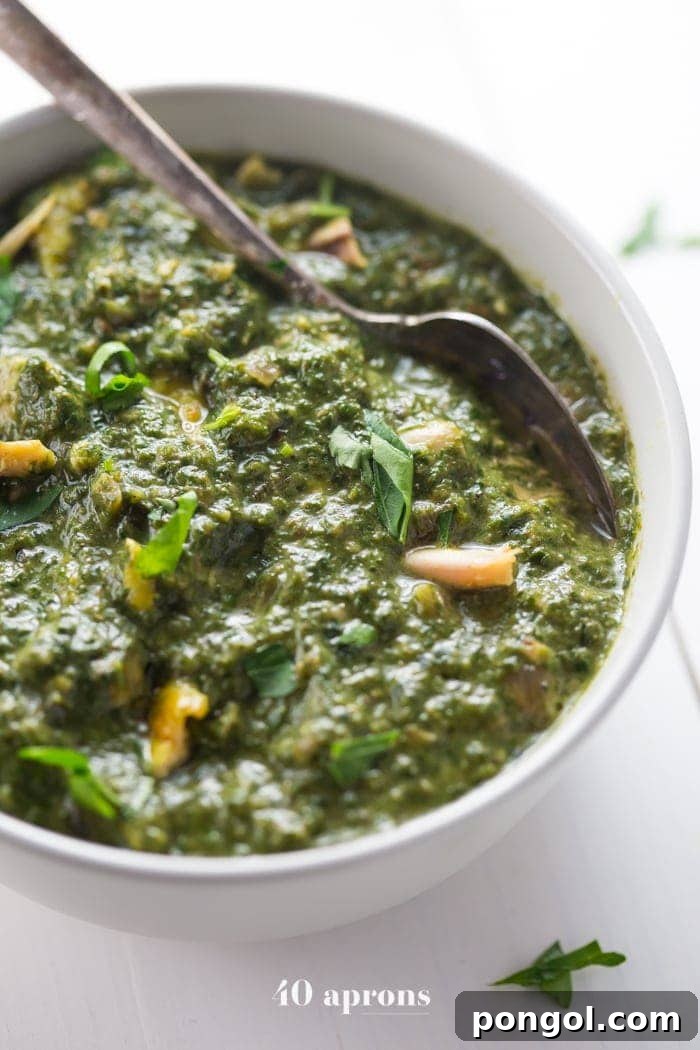
Whole30 Indian Saag Chicken: A Paleo & Dairy-Free Take on a Classic
Experience the rich, complex flavors of authentic Indian cuisine while staying true to your Whole30 or Paleo lifestyle with this incredible Whole30 Indian Saag Chicken. This paleo, Whole30-compliant rendition of the beloved Indian Saag Paneer is so incredibly satisfying and bursting with flavor, you’ll never believe it’s dairy-free. Forget takeout – this homemade Saag Chicken recipe delivers a restaurant-quality experience right in your kitchen, making it an absolute must-try for anyone seeking healthy, flavorful Indian food.
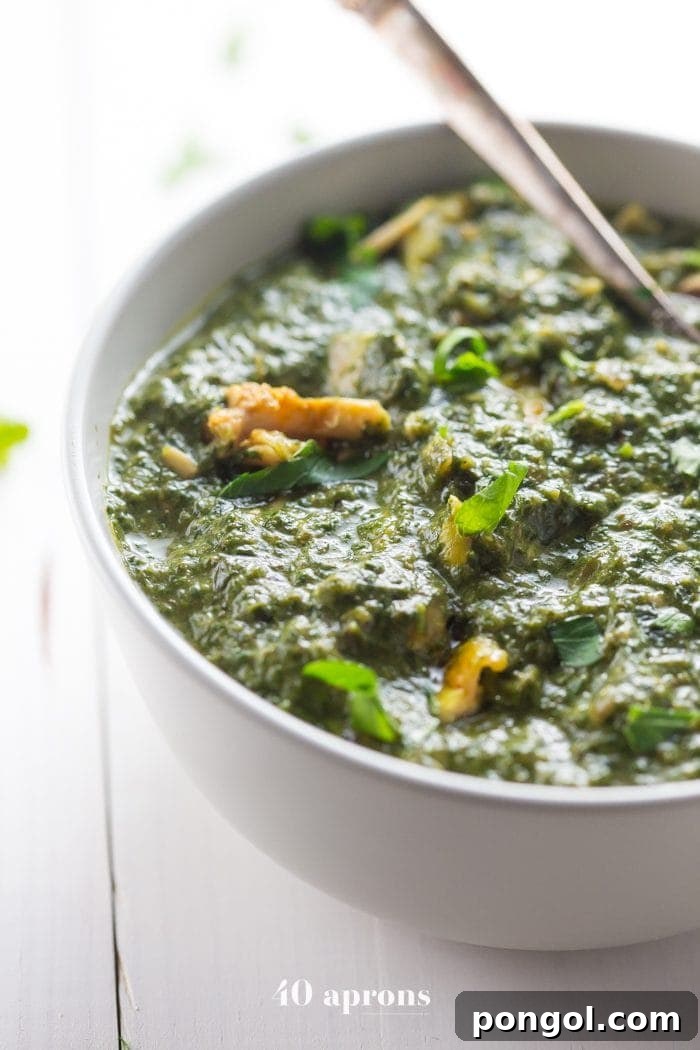
Embracing the “Ugly Delicious” Charm of Saag
Let’s be honest, some of the most delicious dishes aren’t always the prettiest. And when it comes to Indian cuisine, a rich, verdant saag or palak curry might just take the prize for its humble, yet incredibly inviting appearance. You know the sight: a deep green, almost mushy concoction, often adorned with little white cubes of paneer, nestled comfortably on a buffet line between equally comforting dals and fluffy mounds of rice. Despite its rustic look, Saag Paneer has always been a personal favorite, holding a special place in my heart as one of the most comforting and flavorful Indian dishes imaginable.
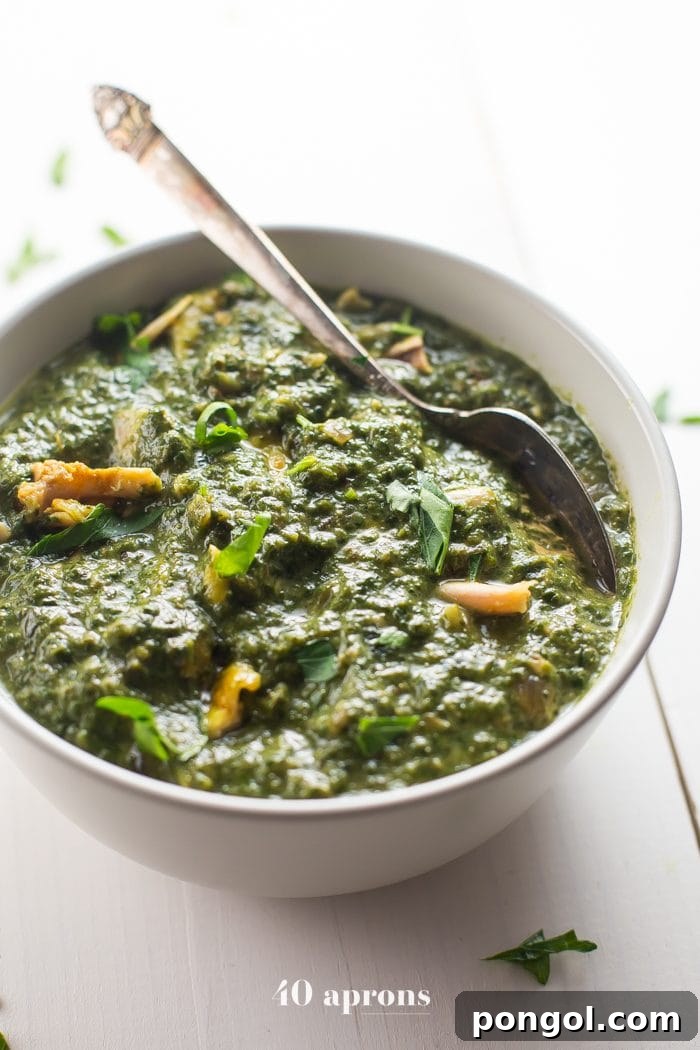
While my restaurant-style Whole30 chicken tikka masala might edge it out in a beauty contest, saag’s depth of flavor and comforting texture always keeps it high on my list of beloved Indian dishes. The challenge, of course, arises when following dietary protocols like Whole30 or Paleo.
The Whole30/Paleo Conundrum: Paneer and Dairy
The deliciousness of traditional Saag Paneer primarily comes from two key elements: the vibrant, spiced spinach base (saag or palak) and the creamy, mild paneer cheese. For those adhering to a Whole30 or Paleo diet, paneer poses a significant hurdle. Made almost entirely from whole milk, paneer is a dairy product, which is strictly off-limits on both Whole30 and strict Paleo guidelines. This restriction often leads many to believe that their favorite Indian comfort food is out of reach.
And while I absolutely adore homemade paneer – seriously, if you’re not Whole30/Paleo, my recipe for homemade paneer is an absolute game-changer, ridiculously rich and creamy, far superior to anything store-bought or even restaurant-served – its dairy content means it’s simply not an option for these specific diets. The heavenly, rich experience of fresh paneer, unfortunately, falls outside the boundaries of a Whole30 or Paleo eating plan.

Introducing: Whole30 Indian Saag Chicken (Saag Murgh)
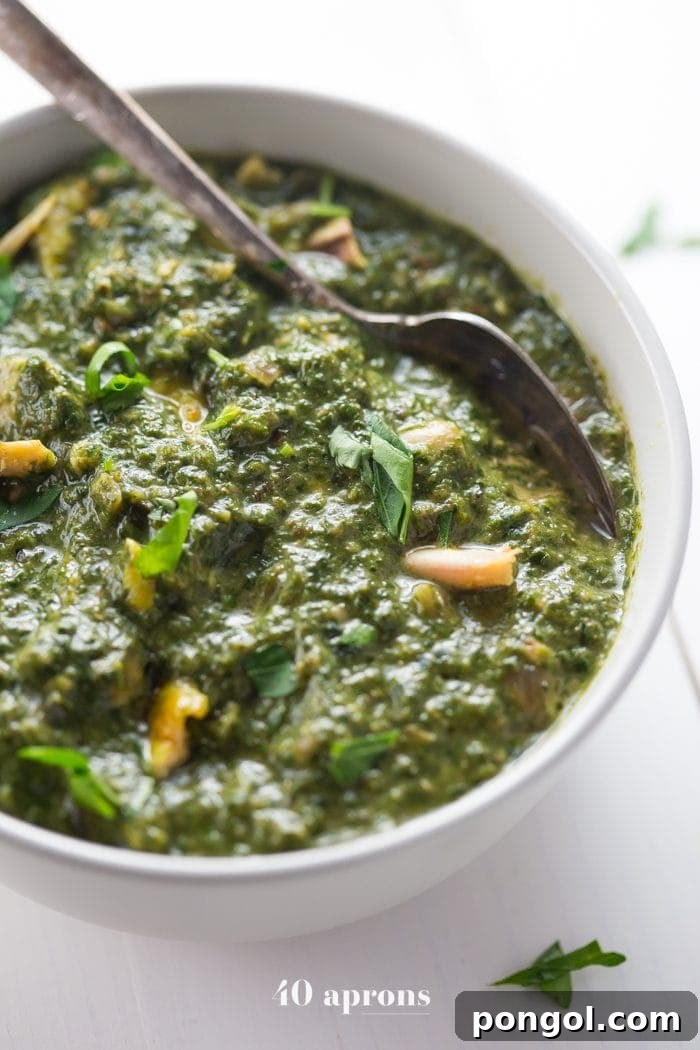
This is where our Whole30 Indian Saag Chicken steps in, a triumphant dairy-free and compliant alternative that sacrifices nothing in terms of flavor or texture. Technically known as Saag Murgh (murgh meaning chicken), this dish is truly divine. The chicken, whether you choose tender thighs or legs, becomes incredibly succulent, absorbing all the aromatic spices and rich saag flavors so completely that you genuinely won’t miss the paneer at all. It’s a revelation for anyone on a Whole30 journey or following a Paleo diet who craves authentic Indian cuisine.
The magic begins with a foundational technique: caramelizing a “quartet” of Indian aromatics. Onions, ginger, garlic, and serrano chiles are slowly cooked until they transform into a deep, golden-brown, sweet, and profoundly rich paste. This essential step builds an incredible depth of flavor that is non-negotiable for an authentic saag. Following this, generous amounts of frozen spinach are blended into a smooth purée, combined with luscious coconut cream. The result is a creamy, complex, and deeply comforting curry that perfectly balances spice, richness, and earthiness.
The Secret to Unforgettable Flavor: Caramelization
I cannot stress this enough: **do not skip or rush the caramelization of your aromatics.** This step is the absolute cornerstone of this recipe’s incredible depth and richness. Those humble onions, ginger, garlic, and chiles need time to slowly transform from their raw state into a deeply browned, sticky, and intensely flavorful foundation. This process, often referred to as browning or caramelization, develops complex sugars and savory notes that are essential for replicating the authentic taste of Indian saag. It needs to look exactly like the image below – a rich, dark toffee color.
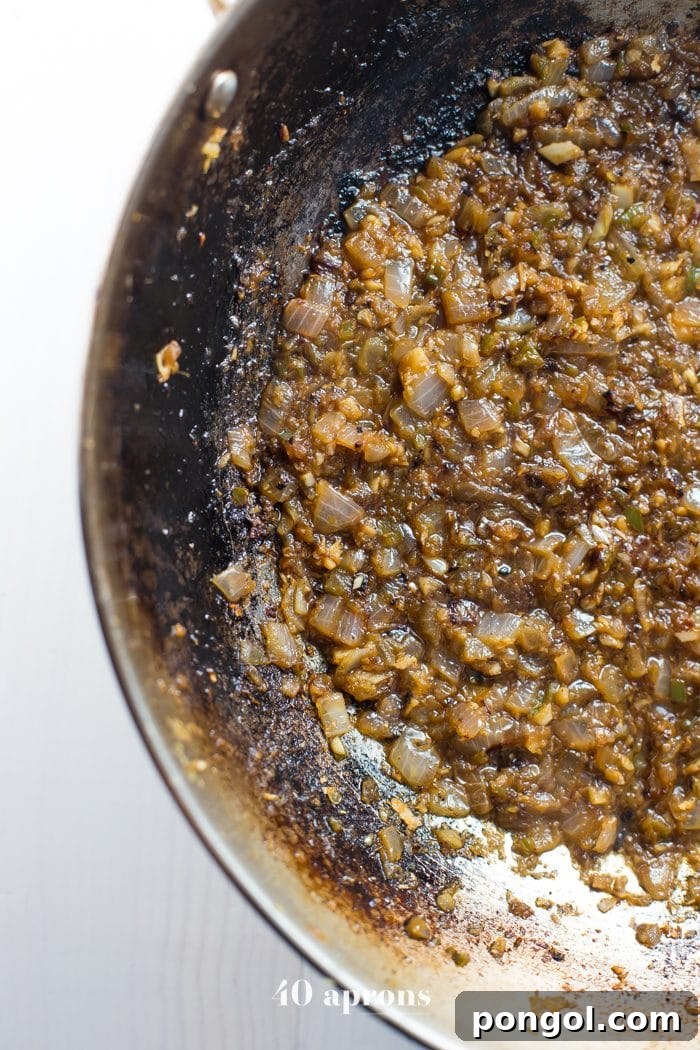
If your aromatics don’t reach this stage, the resulting Whole30 Indian Saag Chicken will lack the profound richness, complexity, and overall deliciousness that makes it truly takeout-worthy. Trust the process, be patient, and let the flavors develop. Adding a tablespoon of water occasionally can prevent burning if the mixture gets too dry, allowing for even caramelization. This patience will be amply rewarded with a curry that sings with authentic flavor.
Why This Recipe is a Whole30 & Paleo Game-Changer
Beyond its incredible taste, this Saag Chicken recipe offers numerous benefits for those on a Whole30 or Paleo journey:
- Dairy-Free Delight: It completely bypasses dairy, making it perfect for those with sensitivities or strict dietary requirements.
- Nutrient-Dense: Packed with spinach, a powerhouse of vitamins and minerals, and lean protein from chicken, it’s a truly wholesome meal.
- Satisfying & Filling: The richness from coconut cream and the robust flavors ensure a deeply satisfying meal that keeps you full and happy.
- Meal Prep Friendly: This dish makes killer leftovers! In fact, the flavors often deepen and improve the next day, making it an ideal choice for meal prepping and maximizing your efforts during a Whole30 cycle. Simply portion it out and enjoy throughout the week.
- Authentic Flavors, Healthy Twist: You get all the comforting, aromatic spices of traditional Indian cuisine without any non-compliant ingredients.
Tips for Success and Serving Suggestions
To ensure your Whole30 Indian Saag Chicken is absolutely perfect, here are a few extra tips:
- **Chicken Choice:** While chicken thighs or legs are recommended for their tenderness and flavor, you can use chicken breast if preferred. Adjust cooking time slightly to avoid drying it out.
- **Spinach Prep:** Ensure your frozen spinach is well-drained before puréeing. Excess water can dilute the flavors of your curry. Fresh spinach can also be used; simply wilt a larger quantity (it cooks down significantly) then purée.
- **Spice Freshness:** Use fresh, high-quality spices for the best flavor. Ground spices lose potency over time.
- **Taste and Adjust:** Always taste your curry before serving and adjust salt and spice levels to your preference. Indian cooking is all about balance.
- **Fenugreek Leaves (Kasuri Methi):** These dried leaves add a distinctive, slightly bitter, and aromatic flavor that is characteristic of many Indian curries. Don’t omit them if you can help it!
When it comes to serving, this Whole30 Indian Saag Chicken is incredibly versatile:
- Cauliflower Rice: This is a classic Whole30 and Paleo pairing, offering a low-carb alternative to traditional rice.
- Steamed Vegetables: Serve alongside a medley of steamed or roasted compliant vegetables like broccoli, green beans, or asparagus.
- Fresh Herbs: A generous sprinkle of fresh chopped cilantro is essential for a burst of freshness and aroma.
- Coconut Yogurt (Dairy-Free): A dollop of plain, unsweetened coconut yogurt can add a cooling contrast if you like a bit of heat.
Get ready to indulge in a truly spectacular Indian meal that aligns perfectly with your healthy eating goals. This Saag Chicken will quickly become a cherished recipe in your culinary repertoire!
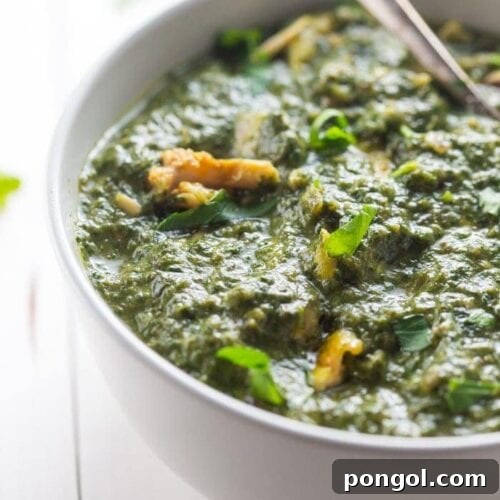
Whole30 Indian Saag Chicken (Paleo Indian Saag Chicken)
Ingredients
Chicken
- 3 Tbsp. olive oil or ghee
- 1 tsp. salt
- ½ tsp. turmeric powder
- ¼ tsp. cayenne powder
- 1 ½ pounds chicken like thigh or leg
Saag
- 2 12-ounce packages frozen spinach steamed
- 2 ½ Tbsp. ghee
- 6 cloves garlic
- 1 ½ Tbsp. grated ginger
- 1-2 serrano chiles minced
- 1 medium white onion chopped
- 1 tsp. garam masala
- 4 tsp. coriander powder
- 2 tsp. cumin powder
- 2-3 Tbsp. dried fenugreek leaves
- 1 14.5- ounce can coconut milk
- 1 cup coconut cream the solid white part of a can of coconut milk or coconut cream
- plenty of salt like 1 – 2 teaspoons
- fresh cilantro chopped, to serve
Instructions
-
Preheat your oven to 375º F (190º C). In a bowl, combine the specified spices and olive oil or ghee. Arrange the chicken pieces in a large baking dish and thoroughly coat them with this oil-spice mixture. Bake for 30 minutes. After baking, remove the dish from the oven. Increase oven temperature to broiler setting, then broil the chicken for about 5 minutes, or until nicely browned in places. Remove from oven and let cool slightly before cutting the chicken off the bone into bite-sized pieces.
-
Using a food processor, process the steamed spinach until it reaches a smooth, puréed consistency. Set aside.
-
In a large skillet, melt 2 1/2 tablespoons of ghee over medium-low heat. Add the chopped onions, grated ginger, minced garlic, and serrano chiles. Cook slowly, stirring regularly, until the mixture develops a rich, deep toffee color. This caramelization step is crucial for flavor development, so do not rush it! If the mixture starts to burn or dry out, add a tablespoon of water as needed to help it cook evenly.
-
Stir in the garam masala, coriander powder, and cumin powder. If you didn’t add water in the previous step, sprinkle a little water now to moisten the spices. Continue to cook, stirring frequently, for about 3-5 minutes, allowing the spices to become fragrant and their flavors to deepen.
-
Add the puréed spinach to the skillet and stir thoroughly to combine with the aromatic base. Incorporate 1 teaspoon of salt, 1/2 cup of water, the full can of coconut milk, the coconut cream, and the dried fenugreek leaves. Finally, add the cooked chicken pieces. Stir everything together well and cook uncovered for about 5 minutes, allowing the flavors to meld. Taste the curry and add more salt if desired.
-
Serve your Whole30 Indian Saag Chicken hot over cauliflower rice, and garnish generously with fresh chopped cilantro. Enjoy!
Approximate Information for One Serving
Nutrition Disclaimers
Number of total servings shown is approximate. Actual number of servings will depend on your preferred portion sizes.
Nutritional values shown are general guidelines and reflect information for 1 serving using the ingredients listed, not including any optional ingredients. Actual macros may vary slightly depending on specific brands and types of ingredients used.
To determine the weight of one serving, prepare the recipe as instructed. Weigh the finished recipe, then divide the weight of the finished recipe (not including the weight of the container the food is in) by the desired number of servings. Result will be the weight of one serving.
Did You Make This Recipe?
We’d love to see your creations! Tag @40aprons on Instagram and make sure to leave a review right here on the blog post!
Tag @40Aprons on Instagram