Authentic & Refreshing Seaweed Salad: Your Quick Guide to a Healthy Asian Delight
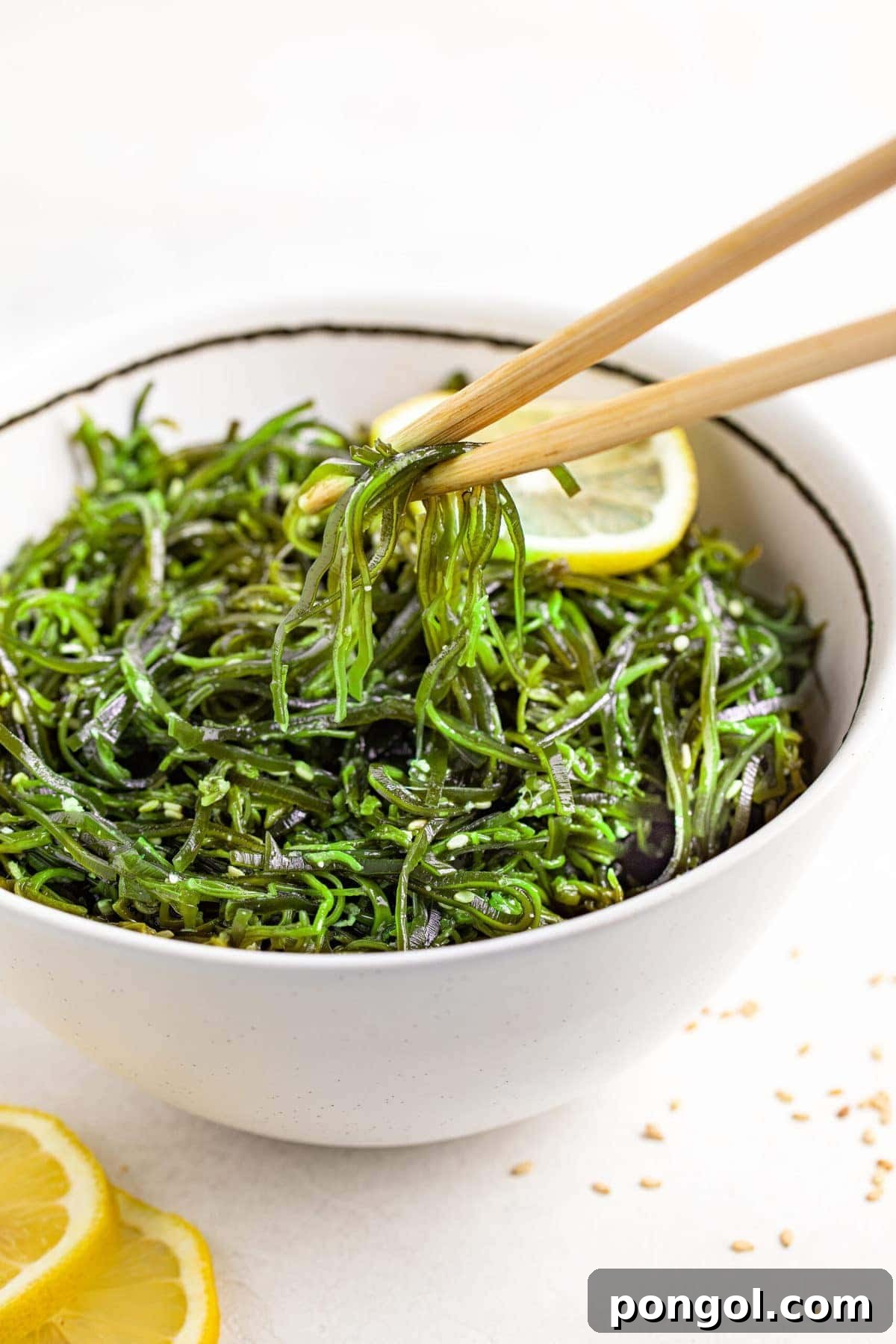
Dive into the vibrant world of Asian cuisine with this irresistibly tangy and incredibly nutritious homemade seaweed salad. Often known as Wakame Salad in Japanese culinary traditions, this dish is a true celebration of fresh, bold flavors and impressive health benefits. Forget the store-bought versions; preparing this vibrant salad at home is not only surprisingly easy but also guarantees a fresher, more satisfying experience. In less than 10 minutes, you can create a savory and crunchy side dish, bursting with umami from miso paste and soy sauce, balanced by the bright zest of rice vinegar and a hint of fresh ginger. It’s more than just a salad; it’s a superfood sensation packed with essential vitamins, minerals, and antioxidants, making it a perfect addition to any meal.
Why You’ll Fall in Love with This Seaweed Salad Recipe
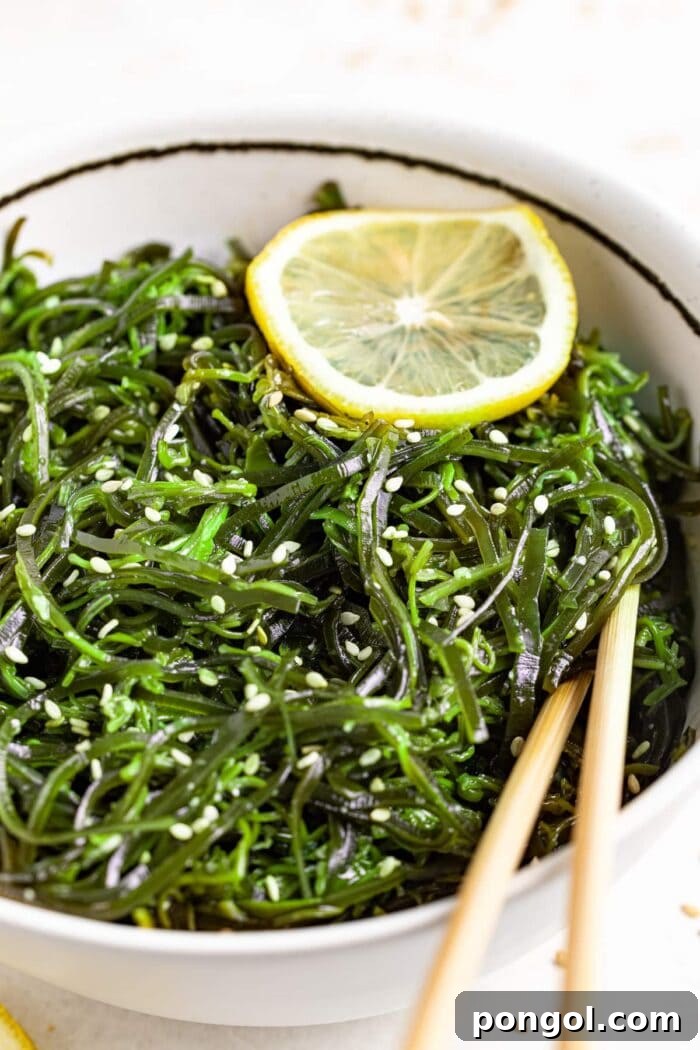
This isn’t just another salad; it’s a culinary experience that blends simplicity with profound flavor and incredible health benefits. Here’s what makes this particular seaweed salad recipe a must-try for everyone:
- Unmatched Versatility: This seaweed salad is incredibly adaptable to your preferences and dietary needs. Serve it as a light, refreshing appetizer, a vibrant side dish alongside grilled fish or chicken, or even transform it into a more substantial meal by adding extra components. Imagine it tossed with crisp carrots, sweet edamame, or fresh cilantro for an added layer of flavor and texture. For a larger, more filling option, simply serve it over a bed of mixed greens. The possibilities are truly endless!
- Explosion of Authentic Asian Flavors: The magic of this salad lies in its perfectly balanced dressing. A harmonious blend of savory miso paste, umami-rich soy sauce, tangy rice vinegar, and a kick of fresh ginger creates a dressing that coats every strand of seaweed with an irresistible depth of flavor. Each ingredient plays a crucial role, contributing to a complex yet refreshing profile that rivals your favorite Japanese restaurant.
- A Nutritional Powerhouse: Beyond its fantastic taste, this seaweed salad is a beacon of health. Seaweed, particularly the type used in this recipe, is a treasure trove of essential vitamins, minerals (like iodine and calcium), and powerful antioxidants. It’s a fantastic source of fiber and can contribute to a healthy gut. So, you’re not just enjoying a delicious dish; you’re nourishing your body with every bite.
- Effortless & Quick Preparation: Life is busy, and healthy eating shouldn’t be a chore. This recipe is designed for maximum flavor with minimal effort, coming together in under 10 minutes of active prep time. Rehydrating dried seaweed is a breeze, and mixing the dressing takes mere moments. It’s the perfect solution for a quick lunch, a last-minute side dish, or a healthy snack.
Diving Deeper into Key Ingredients for Your Perfect Seaweed Salad
Creating an authentic and delicious seaweed salad starts with understanding its core components. While simple, each ingredient contributes significantly to the overall flavor and texture of this beloved Asian dish.
Dried Seaweed: The Star of the Show
For convenience and availability, dried seaweed is often preferred over fresh. It rehydrates beautifully, transforming from a crisp, brittle form into tender, vibrant strands in just a few minutes. While various types of seaweed can be used, this recipe particularly shines with a blend of dried mekabu and hijiki seaweed for their distinct textures and mild, earthy flavors. However, the beauty of this recipe is its flexibility: feel free to use any dried seaweed you prefer or can easily find. Wakame, known for its tender texture and slightly sweet taste, is another excellent and popular choice for seaweed salads. You can typically find a wide variety of dried seaweeds in the Asian food aisle of larger grocery stores or, for an even wider selection, at your local Asian market. A quick trip to one of these specialty stores is highly recommended to explore different types and find your favorite!
Fresh Ginger: The Subtle Spice
A little fresh ginger goes an incredibly long way in this seaweed salad, infusing the dish with a delicate, warm spice and an aromatic freshness that elevates the entire flavor profile. Grating fresh ginger is key to releasing its potent oils and ensuring it disperses evenly throughout the dressing. If fresh ginger isn’t available, a small amount of dried ground ginger (approximately 1/8 teaspoon for every teaspoon of fresh) can be used as a substitute, though fresh is always recommended for its vibrant kick.
Miso Paste: The Umami Secret
Miso paste is a fermented soybean paste that brings a deep, complex umami flavor to the dressing. It’s rich, savory, and adds incredible depth that cannot be replicated. White miso (shiro miso) is generally preferred for salads due to its milder, slightly sweeter profile, but red miso can be used for a more intense, savory note. Beyond flavor, miso is a fantastic source of probiotics, contributing to gut health.
Soy Sauce: The Savory Foundation
Soy sauce provides the essential salty and umami base for our dressing, harmonizing beautifully with the miso and rice vinegar. For those monitoring sodium intake, low-sodium soy sauce is an excellent alternative without sacrificing flavor. If you’re looking to make this recipe gluten-free, opt for tamari, a gluten-free alternative to traditional soy sauce.
Rice Vinegar: The Tangy Brightener
Rice vinegar, with its mild acidity and subtle sweetness, is crucial for adding that signature tangy brightness to the salad. It cuts through the richness of the miso and soy, making the dressing wonderfully refreshing. If you don’t have rice vinegar on hand, apple cider vinegar can be used as a substitute, though it has a stronger flavor profile.
Sesame Seeds and Sesame Oil: The Aromatic Finish
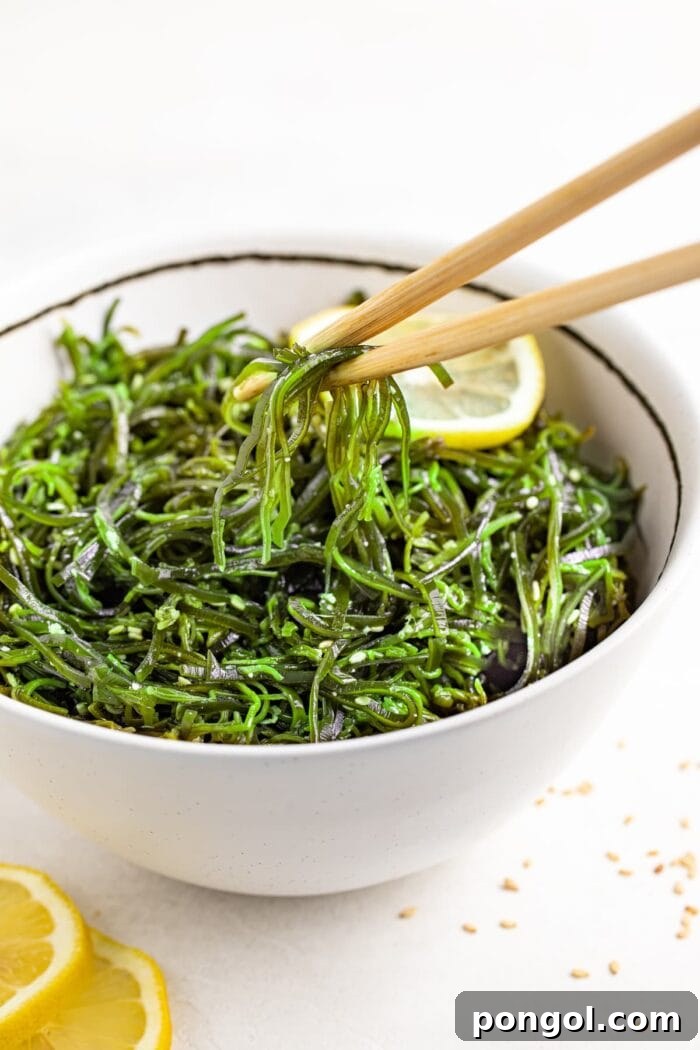
Toasted sesame seeds add a delightful nutty crunch and visual appeal, while a touch of toasted sesame oil in the dressing imparts a rich, distinctive aroma that is quintessential to Asian cuisine. These small additions provide a finishing touch that truly rounds out the salad’s flavor and texture.
Expert Tips for Crafting the Ultimate Homemade Seaweed Salad
Elevate your seaweed salad from good to exceptional with these chef-inspired tips and tricks. These insights will help you achieve the perfect texture, flavor, and overall enjoyment of your dish.
- Embrace Variety in Seaweed Selection: Don’t be afraid to experiment with different types of dried seaweed! While specific varieties like mekabu and hijiki offer a unique experience, classic wakame is a fantastic and widely available choice that yields a tender and delightful salad. Each type offers subtle differences in taste and texture, allowing you to discover your personal favorite. No matter which you choose, always follow the rehydration instructions provided in the recipe for best results.
- The Art of Proper Rehydration: For the most tender and flavorful seaweed, always rehydrate it in cold water. Soaking in cold water allows the seaweed to gradually absorb moisture and expand, resulting in a superior texture. Avoid hot water, which can cause the seaweed to become mushy. Five minutes is generally sufficient, but check your specific seaweed package for exact recommendations.
- Chill for Flavor Infusion: While this seaweed salad is delicious immediately after preparation, allowing it to chill in the refrigerator for at least 30 minutes to an hour before serving works wonders. This resting period allows the flavors from the dressing to meld and deepen, resulting in a more harmonious and robust taste. Traditionally, seaweed salad is served chilled, enhancing its refreshing qualities.
- Thorough Rinsing is Paramount: Once your dried seaweed has rehydrated, it’s crucial to rinse it thoroughly under cold running water. Dried seaweed, especially varieties that have been processed, can sometimes retain a slightly briny or overly salty taste. Rinsing helps to wash away any excess salt, restoring its fresh, clean flavor and improving its texture. Gently squeeze out any excess water before adding it to your dressing.
- Personalize with Additional Ingredients: Feel free to customize your seaweed salad with other fresh ingredients. Thinly sliced cucumbers, grated carrots, red bell peppers, or even a sprinkle of toasted nuts can add extra crunch, color, and nutritional value. For a touch of protein, consider adding cooked edamame or even small cubes of marinated tofu.
Other Easy & Delicious Salad Recipes to Explore
If you’re a fan of fresh, vibrant salads, be sure to check out some of these other delightful recipes perfect for any occasion:
- Refreshing Cucumber Tomato Salad
- Gourmet Heirloom Tomato Salad
- Creamy Avocado Salad with Zesty Dressing
- Decadent Creamy Shrimp Salad
- Classic Amish Broccoli Salad
Sam Guarnieri
Quick & Easy Seaweed Salad
10
minutes
10
minutes

Sam Guarnieri
4
people
Equipment
-
Large bowl
-
Small bowl
Ingredients
-
4
ounces
dried seaweed
(see Notes below for suggestions) -
1
tablespoon
miso paste -
3
tablespoons
soy sauce
(use tamari for gluten-free) -
3
tablespoons
rice vinegar
(or white vinegar) -
1
teaspoon
fresh ginger
(grated) -
1
tablespoon
sesame seeds
(toasted for best flavor) -
1
teaspoon
sesame oil
(optional, for added aroma)
Instructions
-
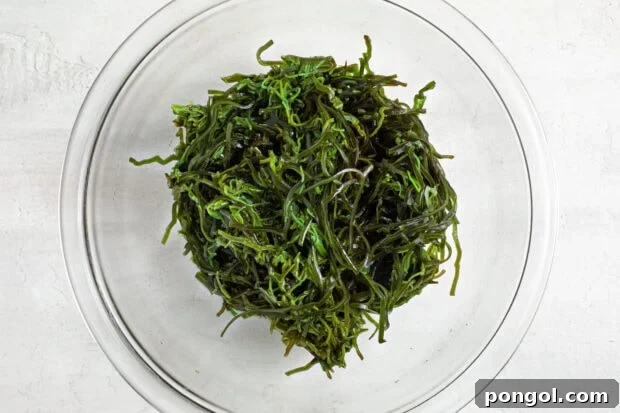
Soak the dried seaweed in a large bowl of cold water for 5 minutes, or according to package directions, until fully rehydrated and tender. Drain the rehydrated seaweed well and rinse thoroughly under fresh cold water to remove any excess salt. Gently squeeze out any remaining water. Transfer the clean, rehydrated seaweed to a large mixing bowl.

-
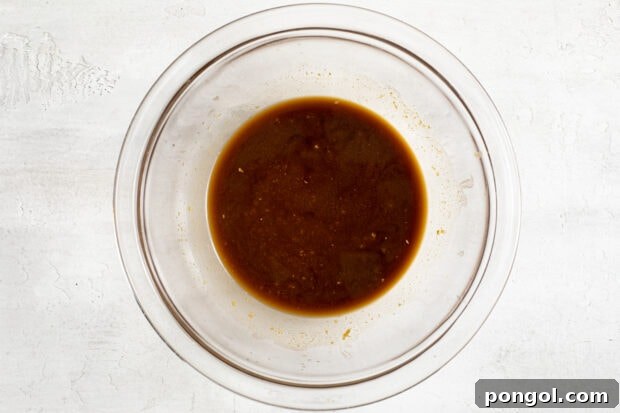
In a separate small bowl, whisk together the miso paste, soy sauce (or tamari), rice wine vinegar (or white vinegar), grated fresh ginger, and sesame oil (if using) until the dressing is smooth and well combined.
-
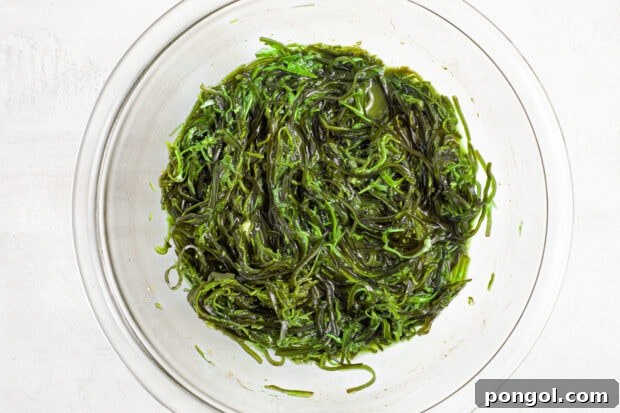
Pour the prepared dressing over the rehydrated seaweed in the large bowl. Toss gently to ensure all the seaweed is evenly coated with the flavorful dressing. Sprinkle generously with sesame seeds before serving. For best results and flavor development, chill the salad in the refrigerator for at least 30 minutes before enjoying.
- Dried Seaweed: While we recommend a combination of dried mekabu and hijiki seaweed for unique textures, feel free to use any variety of dried seaweed you enjoy, such as wakame, which is widely popular for salads.
- Make it Paleo/Gluten-Free: To adapt this recipe for a paleo diet, simply substitute the soy sauce with coconut aminos. For a strictly gluten-free version, use tamari instead of regular soy sauce.
- Rice Vinegar Alternatives: If rice vinegar is not available, white vinegar can be used as a suitable substitute, though it has a slightly stronger flavor.
This recipe yields approximately 4 servings. Nutritional values provided below reflect information for 1 serving, including sesame seeds. Please note that macros may vary slightly depending on the specific brands of ingredients used and any additions.
To accurately determine the size of one serving, prepare the recipe as instructed, then weigh the entire finished recipe (excluding the weight of the bowl or container). Divide the total weight by 4 to find the weight of one serving.
Approximate Nutritional Information for One Serving
Serving Size: 1serving
Calories: 29cal
Protein: 2g
Fat: 1g
Saturated Fat: 1g
Sodium: 979mg
Potassium: 63mg
Total Carbs: 5g
Fiber: 1g
Sugar: 1g
Net Carbs: 4g
Vitamin A: 37IU
Vitamin C: 1mg
Calcium: 53mg
Iron: 1mg
Nutrition Disclaimers
The number of total servings shown is approximate. Actual number of servings will depend on your preferred portion sizes.
Nutritional values shown are general guidelines and reflect information for 1 serving using the ingredients listed, not including any optional ingredients. Actual macros may vary slightly depending on specific brands and types of ingredients used.
To determine the weight of one serving, prepare the recipe as instructed. Weigh the finished recipe, then divide the weight of the finished recipe (not including the weight of the container the food is in) by the desired number of servings. The result will be the weight of one serving.
Frequently Asked Questions About Seaweed Salad
Is Seaweed Salad Healthy?
Absolutely! Seaweed salad is incredibly healthy. Seaweed itself is a superfood, rich in iodine (essential for thyroid function), calcium, iron, magnesium, and a spectrum of B vitamins. It’s also a great source of dietary fiber, promoting digestive health. The dressing, when made with wholesome ingredients, adds beneficial fats from sesame oil and probiotics from miso paste. It’s a low-calorie, nutrient-dense option for a side dish or light meal.
What Kind of Seaweed is Used in Seaweed Salad?
The most common type of seaweed used in Japanese seaweed salads (or “Goma Wakame”) is wakame seaweed. Wakame is prized for its tender texture and mild, slightly sweet flavor when rehydrated. Other varieties like mekabu and hijiki can also be used, offering different textures and nuances in taste. Dried forms are most common for ease of storage and preparation.
How Long Does Homemade Seaweed Salad Last?
When stored properly in an airtight container in the refrigerator, homemade seaweed salad can last for up to 3-4 days. The flavors will often meld and improve over the first day. However, for the best texture and freshness, it’s ideal to consume it within 2 days of preparation.
Can I Prepare Seaweed Salad Ahead of Time?
Yes, this seaweed salad is an excellent dish to prepare ahead of time. In fact, chilling it for at least 30 minutes allows the flavors to deepen and the seaweed to fully absorb the dressing, resulting in an even more delicious experience. You can make it a day in advance for a convenient and ready-to-serve side dish.
Is This Recipe Vegan and Gluten-Free?
This recipe is naturally vegan, as all ingredients are plant-based. To make it gluten-free, simply ensure you use a certified gluten-free soy sauce alternative, such as tamari. Always check the labels of your miso paste and other packaged ingredients to ensure they meet your dietary requirements, as some brands may contain hidden gluten.
Serving Suggestions: Enjoying Your Seaweed Salad
This versatile seaweed salad can complement a wide array of dishes. Serve it as a refreshing appetizer before an Asian-inspired meal, such as sushi, sashimi, or teriyaki chicken. It pairs wonderfully with grilled fish, pan-seared tofu, or simple rice bowls. For a light and satisfying lunch, combine it with grilled shrimp or edamame. Its crisp texture and tangy flavor provide a perfect counterpoint to richer, savory main courses, cleansing the palate and adding a burst of freshness.
Did You Make This Delicious Recipe?
We’d love to hear about your culinary adventure! Tag @40aprons on Instagram and be sure to share your thoughts by leaving a review on this blog post!