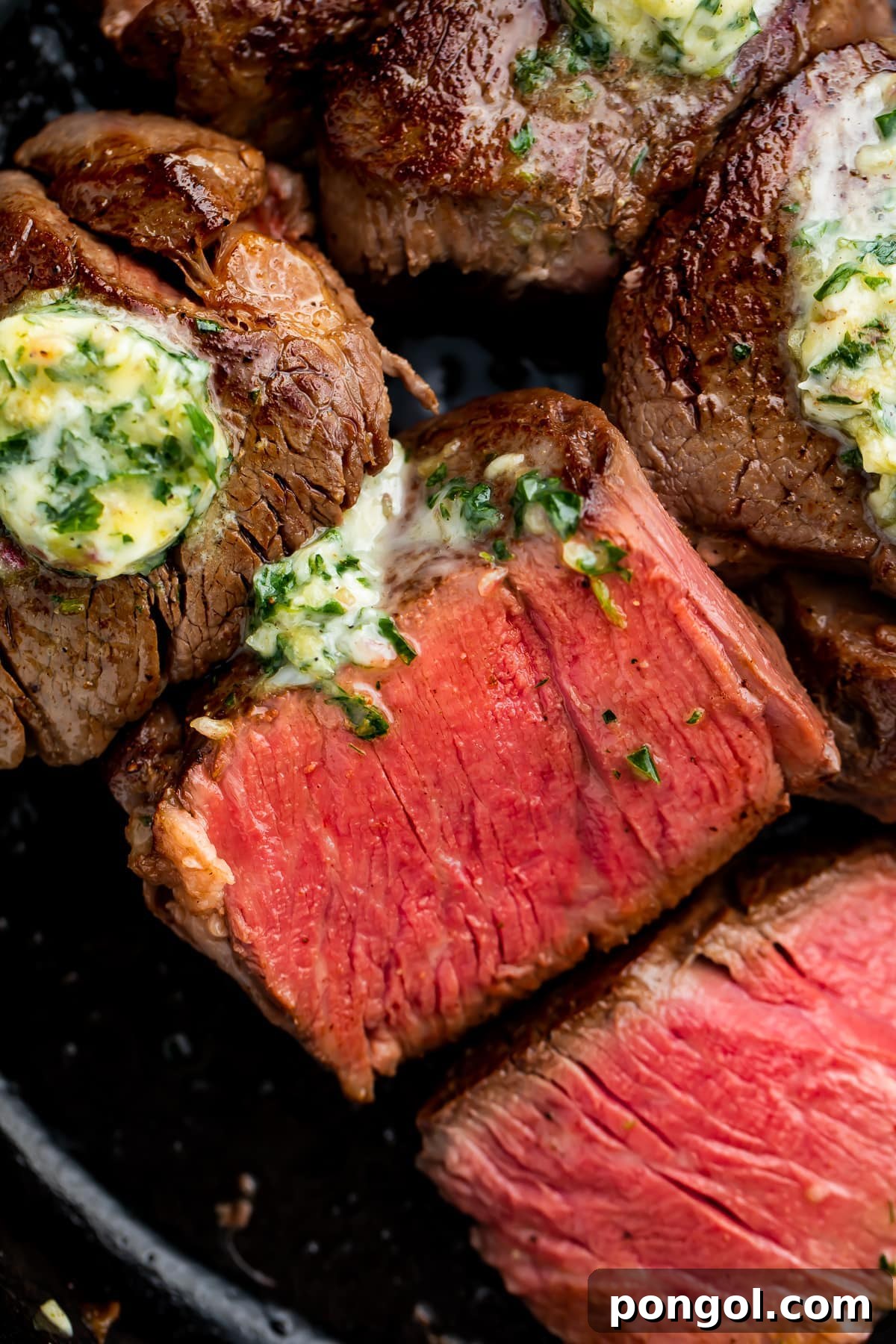
Unlock the secret to the most exquisitely tender, flavorful, and melt-in-your-mouth filet mignon you’ve ever tasted with our foolproof sous vide method. This isn’t just a recipe; it’s a culinary revelation that transforms premium cuts into a dish worthy of the finest steakhouses, right in your own kitchen. After its precise water bath, the steak is pan-seared to develop a gorgeous, golden-brown crust, locking in all the incredible juices. Crowned with a dollop of our irresistible, aromatic herb butter, every bite promises an unparalleled experience. Prepare to impress yourself and your guests with this restaurant-quality steak, made surprisingly simple through the magic of sous vide cooking.
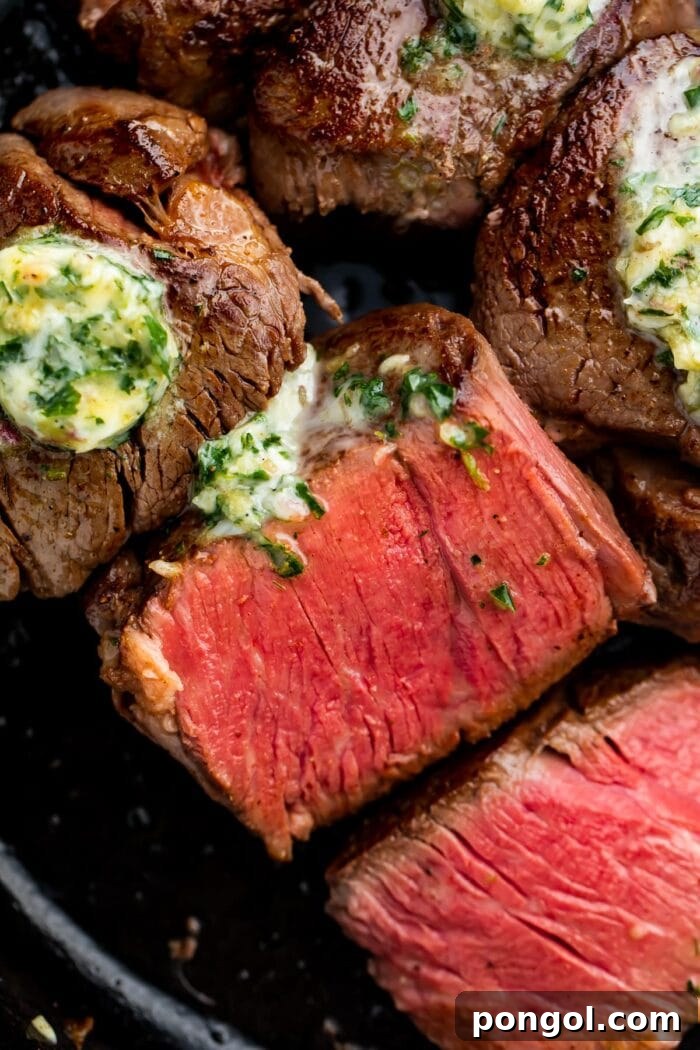
Why This Sous Vide Filet Mignon Recipe Stands Out
Achieving steakhouse perfection at home often feels daunting, but sous vide cooking revolutionizes the process, making it accessible and virtually foolproof. Here’s why this particular sous vide filet mignon recipe will become your go-to for special occasions and weeknight indulgences alike:
- Precision Cooking with Sous Vide: The term “sous vide” means “under vacuum,” referring to the innovative cooking method where food is sealed in a vacuum-safe bag and cooked to a precise, consistent temperature in a water bath. This technique eliminates any guesswork, ensuring your filet mignon is cooked perfectly from edge to edge, exactly to your desired doneness, every single time. Say goodbye to the anxiety of overcooked or dried-out steak, as the gentle, controlled heat maintains optimal moisture and tenderness.
- Effortless Gourmet Results: Despite its sophisticated outcome, this recipe requires surprisingly little active cooking time. Once your filet mignon is sealed and submerged, the sous vide machine handles the hard work. In just over an hour (depending on steak thickness), you’ll have a perfectly cooked steak, ready for a quick sear. This hands-off approach allows you to focus on other aspects of your meal or simply relax while dinner practically cooks itself.
- Mastering Reheating for Continued Perfection: One of the often-overlooked benefits of the sous vide method is its unparalleled ability to reheat food without compromising quality. If you have leftover sous vide filet mignon, simply place it back into a water bath set just below its original cooking temperature. This gentle reheating process ensures the steak remains incredibly tender and juicy, tasting as if it was freshly cooked. Use the same cook times for reheating as you did for the initial cook to achieve optimal results.
- Streamlined Meal Prep with Make-Ahead Herb Butter: Our delectable garlic herb butter isn’t just a garnish; it’s a flavor powerhouse that elevates the entire dish. The best part? It can be prepared a day or two in advance. Allowing the herb butter to chill and firm up in the refrigerator not only saves you precious time on cooking day but also allows the flavors of garlic, parsley, and shallots to meld beautifully, creating a more complex and aromatic topping ready to melt over your hot, seared filet.
- Versatile Pairing Options for Any Palate: Sous vide filet mignon, with its rich flavor and tender texture, serves as a magnificent centerpiece that pairs harmoniously with a wide array of side dishes. Whether you’re aiming for a light, healthy accompaniment like keto green beans, a hearty classic such as rosemary roasted potatoes, or elegant asparagus, this steak is incredibly adaptable. Consider creamed spinach, a fresh garden salad, or even a vibrant risotto to complete your gourmet meal.
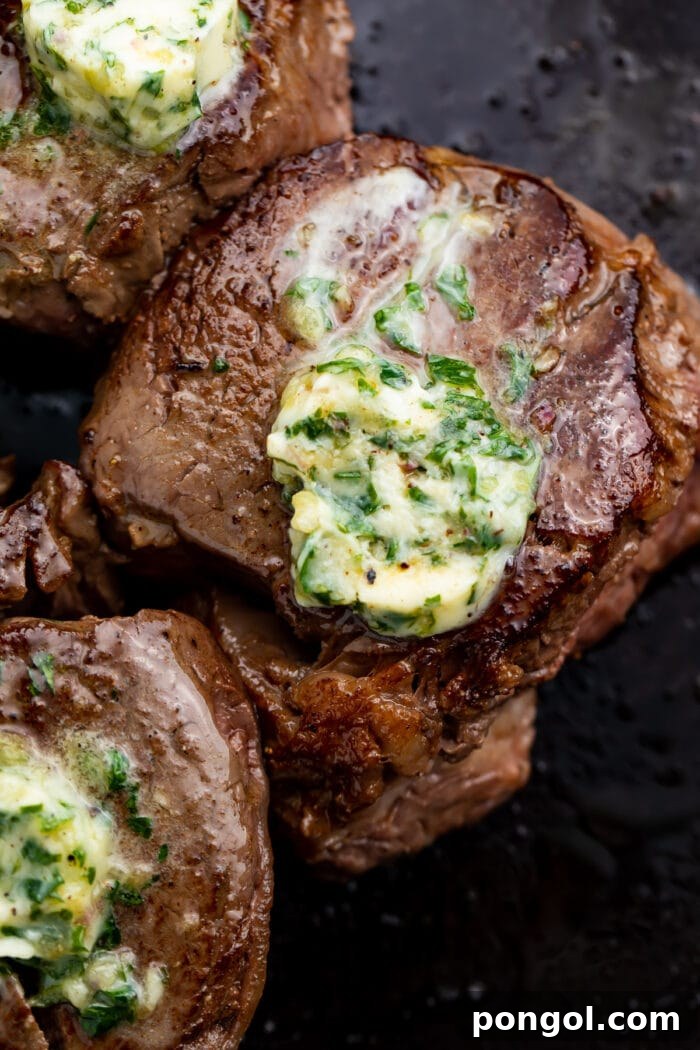
Essential Ingredients for an Unforgettable Filet
While the sous vide technique is central to this recipe’s success, the quality and combination of key ingredients are what truly make this filet mignon shine. Each component plays a vital role in crafting a dish that’s rich in flavor, luxurious in texture, and utterly satisfying.
Decadent Herb Butter: While butter on steak is a time-honored classic, our special herb butter takes this tradition to an entirely new level. Imagine a luscious blend of softened unsalted butter infused with vibrant fresh parsley, pungent garlic, sweet shallots, and a hint of bright lemon juice, all perfectly seasoned with salt and freshly cracked black pepper. This isn’t just any butter; it’s a flavor bomb designed to melt into your juicy, moist filet mignon, creating an incredible depth of taste that will redefine your perception of steak. What makes this herb butter even better is its remarkable versatility. Beyond enhancing your steak, it pairs deliciously with mashed potatoes, roasted vegetables like green beans and asparagus, or even smeared on warm crusty bread. Its robust, fresh flavor profile is truly a culinary game-changer.
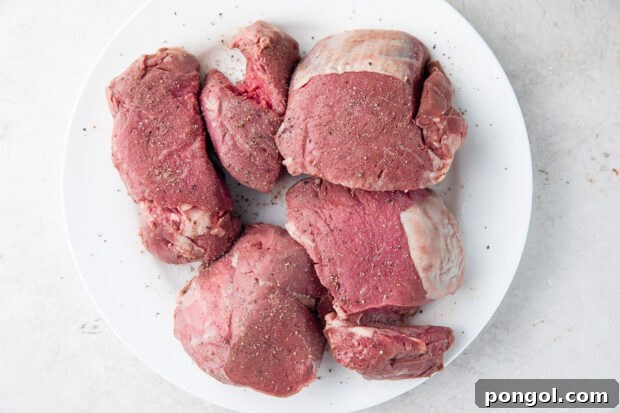
Premium Filet Mignon: The star of this dish is, undoubtedly, the filet mignon itself. Cut from the tenderloin, this prized steak is renowned for its exceptional tenderness and fine grain, offering a melt-in-your-mouth, almost buttery texture that is truly unparalleled. It’s often considered a more expensive cut, a testament to its supreme quality and desirability. When cooked to perfection, a filet mignon is so remarkably tender that you can effortlessly slice through it with a fork, hardly needing a sharp knife. For the best results, always select the highest quality filet mignon you can find. Look for steaks that are at least 2 inches thick, with good marbling, which contributes to both flavor and juiciness. A thicker cut is ideal for sous vide, as it allows for a more even internal cook before the final sear.
Supporting Cast: Don’t underestimate the power of simple seasonings. High-quality sea salt and freshly cracked black pepper are crucial for enhancing the natural flavors of the beef. A touch of extra butter for the searing process helps create that enviable dark, caramelized crust, adding another layer of rich flavor to the exterior of your steak.
Expert Chef’s Tips for Sous Vide Success
Mastering sous vide cooking is all about precision and attention to detail. These chef-approved tips will help you achieve flawless results with your filet mignon, ensuring a tender, juicy, and perfectly seared steak every time.
- The Water Displacement Method: Your Vacuum Sealer Alternative: Don’t have a dedicated vacuum sealer? No problem! The water displacement method is an excellent alternative for creating a vacuum seal with standard zip-top bags. To do this, simply place your seasoned filet mignon into an appropriately sized plastic bag (a gallon-sized Ziploc works perfectly). Seal the bag most of the way across the top, leaving a small corner open. Slowly submerge the bag into the preheated water bath, allowing the water pressure to force the air out of the bag around the food. As the air escapes and the bag clings tightly to the steak, completely seal the remaining open corner before the bag is fully submerged. This creates a tight seal, crucial for even cooking.
- Ensure Complete Submersion: For the sous vide method to work effectively, your steak must be fully submerged in the water bath throughout the entire cooking process. If your bag of steak tends to float—a common occurrence due to residual air or the steak’s density—simply attach it to the side of your pot or container using a sturdy clothespin or binder clip. This ensures consistent heat transfer and prevents uneven cooking, guaranteeing that every inch of your filet reaches the target temperature.
- Understanding Sous Vide Cooking Times and Texture: One of the incredible advantages of sous vide is that it prevents traditional “overcooking” in the sense of drying out the meat. However, it is possible to affect the texture if left in the water bath for an excessively long period. While the temperature control prevents the steak from getting hotter than your set temperature, prolonged cooking can cause the meat’s proteins to break down too much, leading to a softer, almost mushy texture rather than the desired firm yet tender bite. For a 1-inch thick steak, aim for approximately one hour. For thicker cuts, around 2.5 inches, extend the cooking time closer to four hours. Generally, avoid sous viding filets for more than four hours to maintain optimal texture.
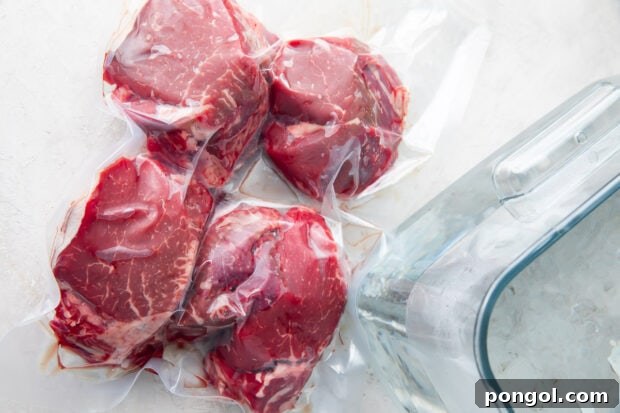
- Optimizing for Multiple Steaks: If you’re preparing several large filet mignons, consider vacuum sealing two steaks per bag rather than trying to fit all four into a single bag. This practice allows for a much better, tighter seal around each piece of meat, which is essential for efficient heat transfer and consistent cooking. It also ensures that each steak has ample contact with the temperature-controlled water, resulting in more evenly cooked and perfectly tender filets across the batch.
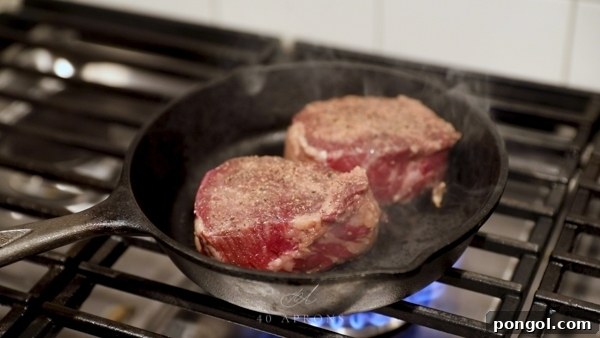
- The Art of Searing: The final sear is critical for developing that coveted browned crust. After removing the steaks from the water bath, pat them *extremely* dry with paper towels. Any moisture on the surface will prevent proper browning. Heat a heavy-bottomed skillet, preferably cast iron, to very high heat with a small amount of high-smoke-point oil or butter. Sear the steaks for just 1-2 minutes per side until a deep brown crust forms. This quick, intense heat creates the Maillard reaction, adding complex flavors and a satisfying texture contrast without affecting the perfectly cooked interior.
- Resting Your Steak: While sous vide steak doesn’t require the extensive resting time of traditionally cooked steak, a brief rest of 5-10 minutes after searing is still beneficial. This allows the juices to redistribute slightly, ensuring maximum tenderness and juiciness in every slice.
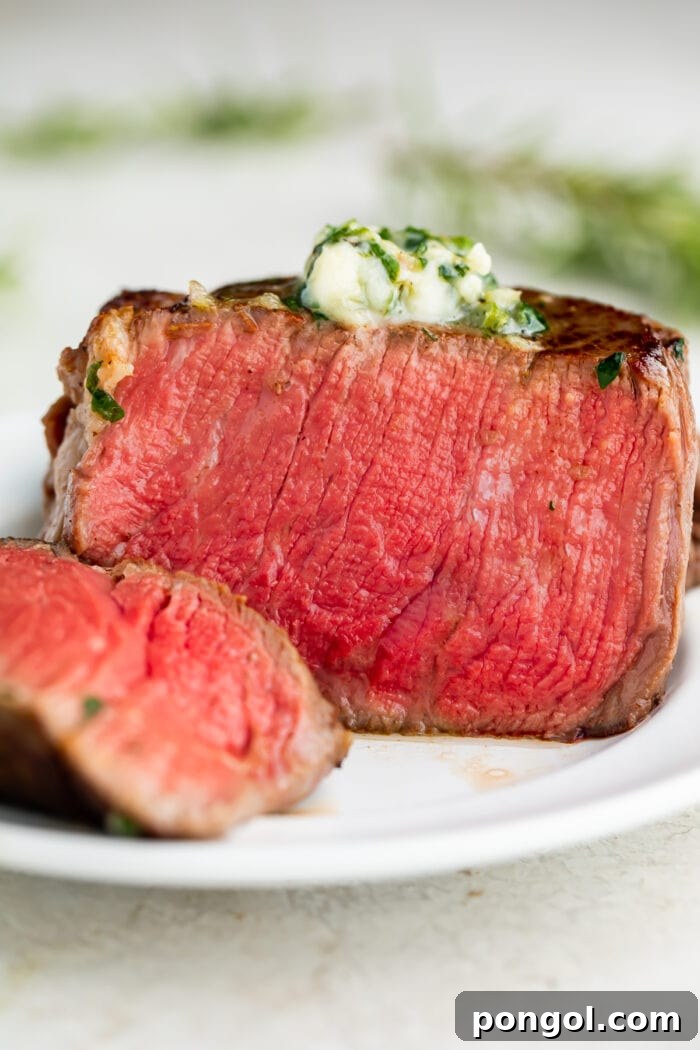
Explore More Sous Vide Recipes You’ll Love
Once you discover the ease and precision of sous vide cooking, you’ll want to apply it to everything! Expand your culinary repertoire with these other fantastic sous vide recipes:
- Sous Vide Shrimp
- Perfect Sous Vide Eggs
- Sous Vide Turkey Breast in a Vermicular Musui-Kamado
- Sous Vide Smoked Salmon with Hack
- Easy Sous Vide Chicken Breast Recipe
- Sous Vide Ribs
- Sous Vide Corned Beef
- Crispy Sous Vide Chicken Thighs
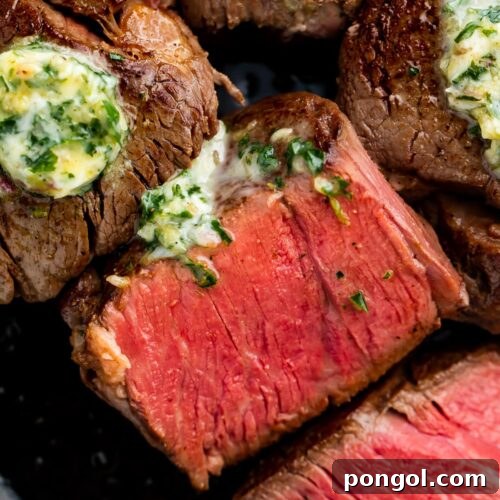
Sous Vide Filet Mignon with Garlic & Herb Butter
 Cheryl Malik
Equipment
-
Large Pot or Heat-Resistant Container: Essential for holding the water bath and your sous vide immersion cooker.
-
Sous Vide Immersion Cooker: The core device for maintaining precise water temperature.
-
Vacuum Sealer or Zip-Top Plastic Bags: For sealing the filet mignon. A vacuum sealer provides the best seal, but the water displacement method with zip-top bags works great too.
-
Cast-Iron Skillet: Crucial for achieving that perfect, deep brown sear after the sous vide bath. Its high heat retention is key.
-
Food Processor: Ideal for quickly and efficiently blending the herb butter ingredients until smooth.
-
Plastic Wrap: Used to roll and chill the herb butter into a log, making it easy to slice and use.
Ingredients
For the Herb Butter
- ½ cup unsalted butter softened, at room temperature for easy blending
- ¼ cup fresh parsley finely chopped or roughly chopped for food processor
- 1 – 1½ teaspoons garlic minced or roughly chopped
- 2 tablespoons shallots finely minced or roughly chopped
- 1 tablespoon fresh lemon juice
- ½ teaspoon salt or to taste
- ½ teaspoon freshly cracked black pepper or to taste
For the Filet Mignon
- 4 filet mignon steaks each at least 2-inches thick, choose the best quality possible for superior results
- Flaky sea salt to taste, for seasoning before searing
- Freshly cracked black pepper to taste, for seasoning before searing
- 2 tablespoons unsalted butter or high-smoke-point oil for searing
Instructions
-
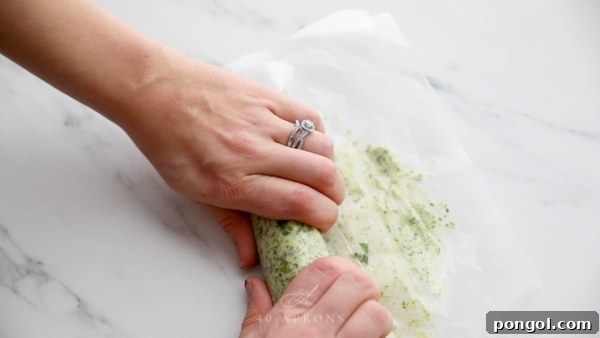
For the Herb Butter: In a food processor, combine the softened unsalted butter, fresh parsley, garlic, shallots, fresh lemon juice, salt, and freshly cracked black pepper. Process until all ingredients are well combined and the mixture is smooth and creamy. Scrape the herb butter onto a piece of plastic wrap, then roll it into a log shape, twisting the ends to seal. Chill the log in the refrigerator for at least an hour, or until firm. This can be made a day or two in advance for maximum convenience.

-
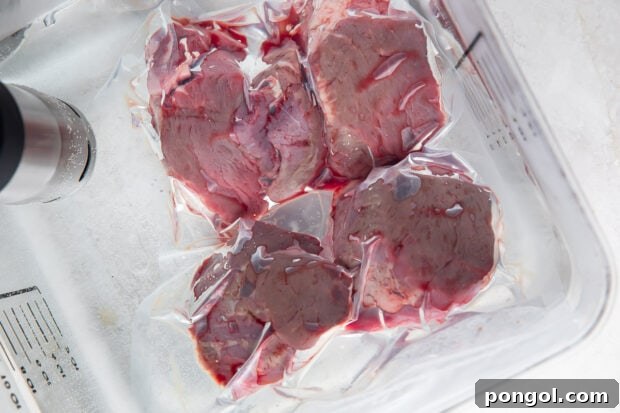
Prepare your sous vide setup. Fill a large pot or other heat-resistant container halfway with hot or warm water. Attach your sous vide immersion cooker and preheat the water to 130° Fahrenheit (for a perfect medium-rare, see notes for other temperatures). While the water is heating, season your filet mignon steaks generously with sea salt and freshly cracked black pepper. Place each seasoned filet into a vacuum-sealable plastic bag, ensuring there’s enough space between them if cooking multiple in one bag. Use a vacuum sealer to remove all air and seal the bag, or employ the water displacement method (refer to the ‘Notes’ section for detailed instructions) to create a tight seal. Once the water bath reaches the target temperature, carefully place the sealed bag(s) of filet mignon into the water. Ensure the steaks are fully submerged; if they float, use a clip to secure them to the side of the pot.
-
Allow the filet mignon to cook in the temperature-controlled water bath. For steaks approximately 1-inch thick, cook for at least 1 hour. For thicker cuts, up to 2.5 inches, extend the cooking time to closer to 4 hours. Remember, while sous vide prevents overcooking in the traditional sense, do not leave the filets in the water bath for more than 4 hours to avoid a mushy texture.
-
Once cooked to your desired doneness, carefully remove the filet mignon from the sous vide bath and immediately take them out of their plastic bags. It is critically important to pat the steaks very, very dry with paper towels on all sides. Removing all surface moisture is essential for achieving a beautiful, crispy crust during the searing process. After patting dry, season the steaks once more with a pinch of additional sea salt and freshly cracked black pepper to enhance the exterior flavor.
-
To create the perfect crust, heat a heavy-bottomed cast iron skillet over medium-high to high heat for 3 to 5 minutes, ensuring it’s smoking hot. Add the 2 tablespoons of butter (or a high-smoke-point oil) to the hot skillet, allowing it to melt and coat the bottom. Immediately place the dry, seasoned steaks into the hot skillet. Sear for approximately 2 minutes without moving, then flip the steaks and cook for another 2 minutes on the other side. During this searing process, you can tilt the pan and baste the steaks with the melting butter for extra flavor. The goal is to develop a deep, caramelized brown crust on both sides, which adds incredible flavor and texture.
-
Once both sides of the filet mignon are beautifully browned and have a rich crust, remove them from the skillet and transfer them to individual plates. Immediately top each steak with a generous slice or dollop of the chilled herb butter. The residual heat from the perfectly seared steak will gently melt the herb butter, releasing its aromatic flavors and coating the tender meat in a luxurious, herbaceous glaze. Serve warm and enjoy your restaurant-quality sous vide filet mignon!
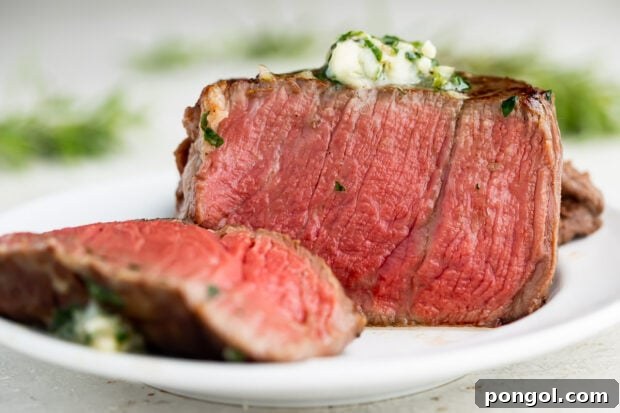
- Achieving Your Desired Doneness: The beauty of sous vide is precise temperature control. A water temperature of 130°F (54.5°C) will yield a perfect medium-rare filet mignon – tender, juicy, and beautifully pink throughout. For those who prefer a different level of doneness, here are some common targets:
- Rare: 125°F (51.5°C)
- Medium: 135°F (57.2°C) – Slightly more pink, firmer texture.
- Medium-Well: 140°F (60°C) – Very little pink, mostly firm.
- Well-Done: 150°F (65.5°C) – No pink, very firm.
Adjust your sous vide machine’s temperature accordingly for your preference.
- Mastering the Water Displacement Method (No Vacuum Sealer Needed): If you don’t have a vacuum sealer, the water displacement method is a simple and effective alternative. Place your seasoned ingredients into an appropriately sized, heavy-duty zip-top plastic bag (like a Ziploc gallon-sized freezer bag). Seal the bag almost entirely, leaving about an inch open along the top edge. Slowly lower the bag into your preheated sous vide water bath. The pressure from the water will naturally force the air out of the bag around the food. Once the food is almost entirely submerged and most of the air has been expelled, quickly seal the remaining open portion of the bag completely before it dips below the waterline. This creates a tight, effective seal for sous vide cooking.
This recipe yields approximately 8 servings. The actual number of servings will depend on your preferred portion sizes and the size of your initial filet mignon steaks. Nutritional values provided are general guidelines and reflect information for 1 serving out of 8, based on the ingredients listed. Please note that actual macronutrient counts (macros) may vary slightly depending on the specific brands and types of ingredients you choose to use.
To accurately determine the weight of one serving for your specific preparation, follow the recipe instructions precisely. Once the entire dish is prepared, weigh the finished recipe (excluding the weight of any serving containers). Then, divide the total weight by 8 (or your desired number of servings). The resulting figure will be the precise weight of one individual serving.
Approximate Information for One Serving
Nutrition Disclaimers
Number of total servings shown is approximate. Actual number of servings will depend on your preferred portion sizes.
Nutritional values shown are general guidelines and reflect information for 1 serving using the ingredients listed, not including any optional ingredients. Actual macros may vary slightly depending on specific brands and types of ingredients used.
To determine the weight of one serving, prepare the recipe as instructed. Weigh the finished recipe, then divide the weight of the finished recipe (not including the weight of the container the food is in) by the desired number of servings. Result will be the weight of one serving.
Did You Make This Recipe?
Tag @40aprons on Instagram and be sure to leave a review on the blog post!
Tag @40Aprons on Instagram