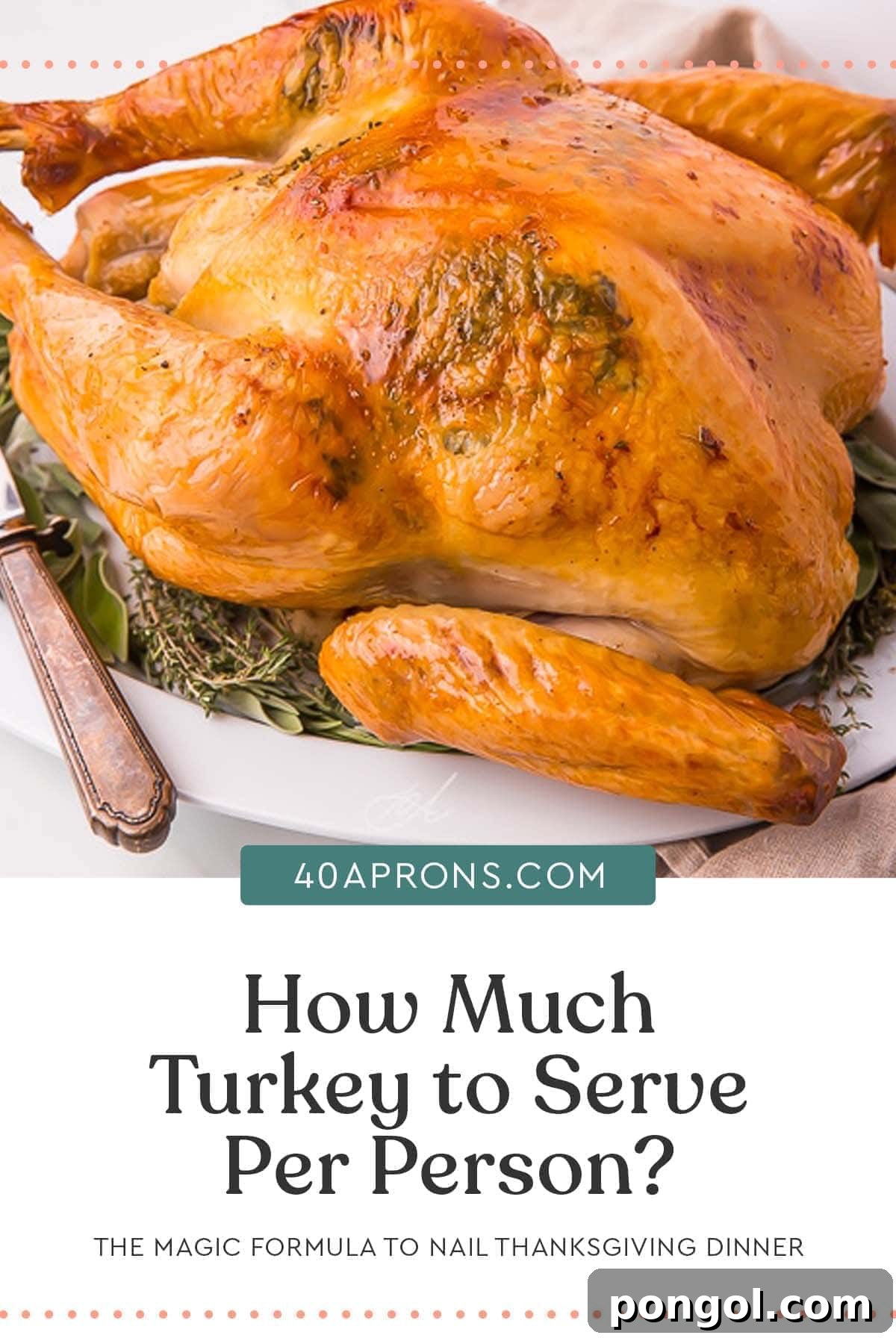
Thanksgiving is more than just a meal; it’s a cherished tradition, a time for gratitude, and an opportunity to gather with loved ones. While the vibrant array of side dishes often steals the spotlight, no Thanksgiving feast is truly complete without the centerpiece – a perfectly roasted turkey. Deciding on the right size bird can feel like a daunting task, especially when you’re catering to a crowd or meticulously planning for those coveted leftovers. This comprehensive guide will equip you with a simple, foolproof formula, ensuring you never again face the dilemma of choosing the ideal turkey size. Say goodbye to guesswork and hello to a perfectly portioned, stress-free holiday meal!
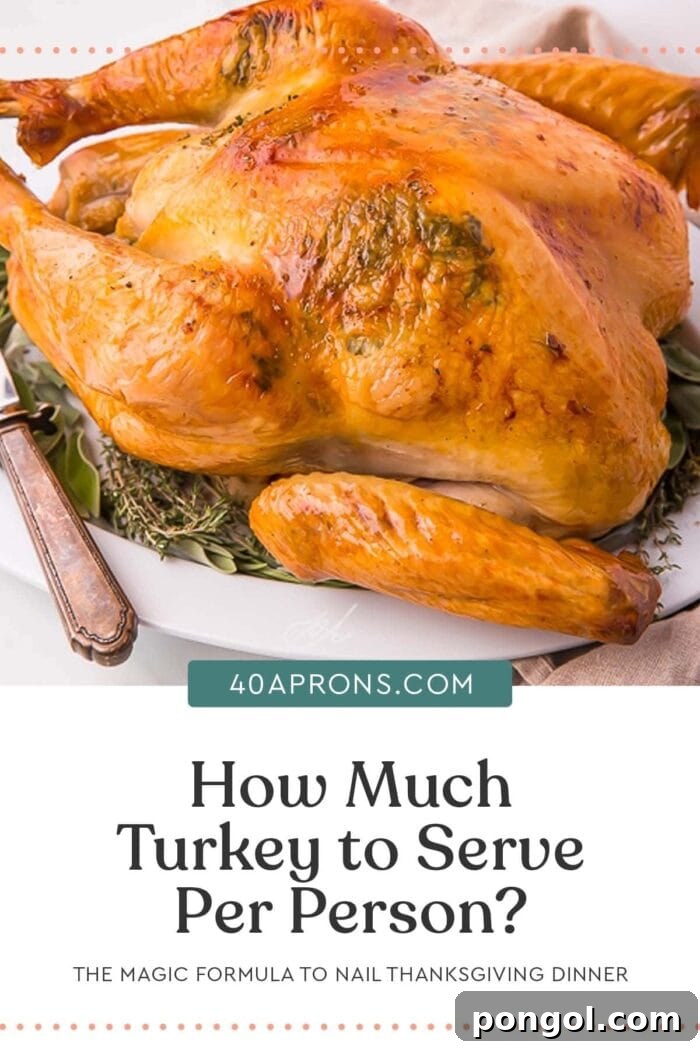
Why Accurate Turkey Planning Matters
Estimating the correct turkey size is crucial for a smooth and enjoyable Thanksgiving. Underestimating can lead to the unwelcome stress of not having enough food for all your guests, forcing last-minute culinary scrambling or leaving some diners unsatisfied. On the flip side, overestimating results in an excessively large bird that can be challenging to cook evenly, takes up valuable oven space, and potentially leads to an overwhelming amount of leftovers that might go to waste if not properly managed. This guide aims to strike the perfect balance, helping you serve a memorable meal without unnecessary stress or excess.
Understanding Turkey Weight: Beyond the Scale
When you purchase a whole turkey, it’s essential to understand that not every pound you buy translates directly into edible meat. A significant portion of the turkey’s weight comes from its skeletal structure, cartilage, and other parts that are typically not consumed. Furthermore, turkeys lose a noticeable amount of weight during the cooking process due to moisture loss. These factors are critical to consider when calculating how much turkey you need per person. The commonly recommended poundage per guest accounts for these inedible components and cooking shrinkage, ensuring that the actual amount of carved meat available is sufficient for everyone.
The Golden Rule for Turkey Portions: A Detailed Guide
The foundation of successful turkey planning lies in a simple, yet effective, rule of thumb. This formula has been tried and tested by countless hosts and hostesses, guaranteeing satisfaction whether you’re aiming for just enough or an abundance of leftovers.
The general guideline is straightforward:
1 person = 1 pound of whole turkey
However, this is just the starting point. Your specific needs and desires for leftovers will fine-tune this calculation:
For Moderate Servings (Minimal Leftovers)
If your goal is to have just enough turkey for the main meal with very few, if any, leftovers, sticking to the 1 pound per person rule is ideal. This is often suitable for smaller gatherings where guests might not be huge turkey eaters, or if you’re on a tighter budget and want to avoid excess. Remember, this calculation already factors in the bones and cooking loss, so you will have enough carved meat for a satisfying serving.
For Generous Servings and Delicious Leftovers
For most Thanksgiving celebrations, leftovers are part of the cherished experience. If you dream of post-holiday turkey sandwiches, hearty turkey soups, or creative turkey casseroles, you’ll want to aim higher. Plan for 1 ½ pounds of turkey per person. This generous allowance ensures everyone can enjoy a plentiful plate during dinner, with plenty left over for days of delicious repurposing. This is often the most popular and recommended option for families and friends who relish the extended culinary joy of Thanksgiving.
For the Leftover Lover or Large Appetite Guests
If you genuinely adore leftovers and want to guarantee an ample supply, or if you anticipate guests with particularly hearty appetites, you can even plan for 2 pounds per person. This provides the utmost safety net, guaranteeing an abundance of meat for the main meal and a substantial quantity for creative post-Thanksgiving dishes. It’s an excellent choice for hosts who prefer to err on the side of extreme generosity and truly maximize the leftover potential.
It’s important to reiterate that while you might be buying 1 to 2 pounds of turkey per guest, each person won’t actually consume that much actual meat. This formula precisely accounts for the inedible portions and cooking shrinkage, ensuring that the final yield of succulent, carved turkey is more than enough for everyone at your table.
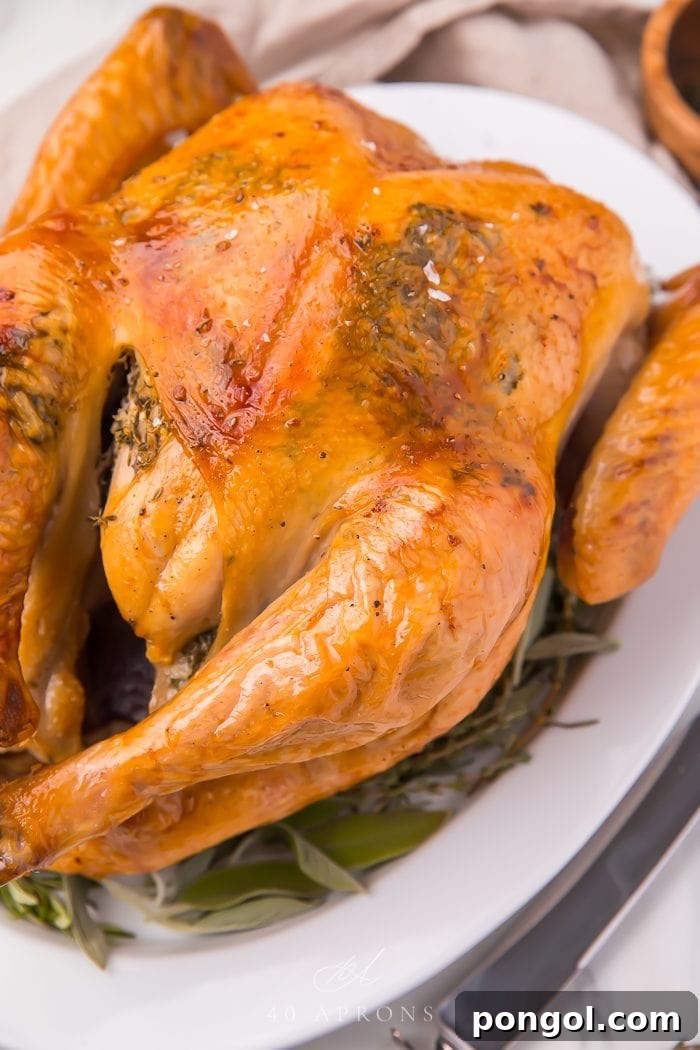
Practical Turkey Calculation Tables
To simplify your holiday planning, here are quick conversion tables illustrating how much whole, bone-in turkey to purchase based on your guest count and leftover preferences.
For Minimal to No Leftovers (1 lb per person)
For X number of people, purchase a whole bone-in turkey that weighs Y pounds.
- 4 people = 4 pounds
- 5 people = 5 pounds
- 6 people = 6 pounds
- 8 people = 8 pounds
- 10 people = 10 pounds
- 12 people = 12 pounds
- 16 people = 16 pounds
To Ensure Plenty of Leftovers (1.5 lbs per person)
For X number of people, purchase a whole bone-in turkey that weighs Y pounds.
- 4 people = 6 pounds
- 5 people = 7.5 pounds
- 6 people = 9 pounds
- 8 people = 12 pounds
- 10 people = 15 pounds
- 12 people = 18 pounds
- 16 people = 24 pounds
Note on Larger Turkeys: If your calculations suggest you need a turkey larger than 15-16 pounds, I highly recommend considering cooking two smaller turkeys instead, or pairing a medium whole turkey with a bone-in turkey breast. Extremely large turkeys are notoriously challenging to cook evenly throughout. The outer parts can dry out while the inner sections are still struggling to reach a safe temperature. Unless you’re aiming to recreate a comedic “Christmas Vacation” dinner scene, opting for multiple smaller birds or a combination ensures a more consistently moist and delicious result for all your guests.
Tips for Sourcing and Preparing Your Turkey
Once you’ve determined the ideal size, consider these points for a seamless turkey experience:
- Frozen vs. Fresh: Fresh turkeys offer convenience as they don’t require thawing, but they must be purchased closer to Thanksgiving. Frozen turkeys are often more readily available and can be bought weeks in advance, but require significant thawing time in the refrigerator (roughly 24 hours for every 4-5 pounds). Plan accordingly!
- Organic vs. Conventional: Organic turkeys are raised without antibiotics and with organic feed, often resulting in a richer flavor and different texture. Conventional turkeys are more budget-friendly and widely available. Your choice depends on personal preference and priorities.
- Cooking Multiple Birds: If you’ve opted for two smaller turkeys, ensure your oven has adequate space for both to cook efficiently. They may also cook slightly faster than a single large bird. Using a meat thermometer in the thickest part of the thigh (without touching bone) for each bird is essential to ensure both reach a safe internal temperature of 165°F (74°C).
Maximizing Your Thanksgiving Spread (and Your Turkey)
If you’re still feeling uncertain about the exact amount of turkey or simply want to stretch your main protein further, there are excellent strategies to ensure every guest leaves satisfied, regardless of the turkey’s initial size.
The Power of Plentiful Side Dishes
Thanksgiving is, at its heart, a celebration of abundance, particularly when it comes to food. The sheer volume and variety of side dishes served at a typical holiday meal are often staggering. These dishes are frequently rich, savory, sweet, and incredibly filling. When presented with an enticing array of options, most guests will naturally fill their plates with a delicious mix of sides, leaving less space (both on the plate and in their stomachs) for an excessive amount of turkey.
Plan a diverse and generous selection of accompaniments:
- Veggies: Offer classic options like Italian green beans, roasted bacon-wrapped asparagus, creamy butternut squash, and comforting mashed potatoes.
- Casseroles: Indulge in hearty favorites such as Sweet Potato Soufflé, warming Butternut Squash Casserole, savory Poppy Seed Chicken Casserole, and traditional Cornbread Casserole.
- Starches & Breads: Don’t forget the quintessential stuffing, and an assortment of dinner rolls or gluten-free cornbread.
- Sauces & Salads: Complement the meal with homemade cranberry sauce, rich thick gravy, and a refreshing spinach salad with apples and cranberries.
Offering Complementary Proteins
There’s absolutely no rule stating that Thanksgiving dinner must feature only one type of protein! Offering additional main courses or hearty appetizers can significantly reduce the pressure on your turkey supply, cater to diverse tastes, and even accommodate guests who might not prefer turkey. This strategy allows your turkey to stretch further while still providing an abundant and satisfying meal.
- Poultry Alternatives: Consider roasting a whole chicken (Roast a whole chicken) or even air frying some chicken breasts (air fry some chicken breasts).
- Hearty Appetizers: Serve crowd-pleasing sausage balls or a rich crab dip to take the edge off appetites before the main meal.
- Red Meat Options: For red meat enthusiasts, offer alternatives like flank steak, elegant filet mignon, or a show-stopping prime rib.
This is truly one occasion where you cannot have too many delicious options on your menu!
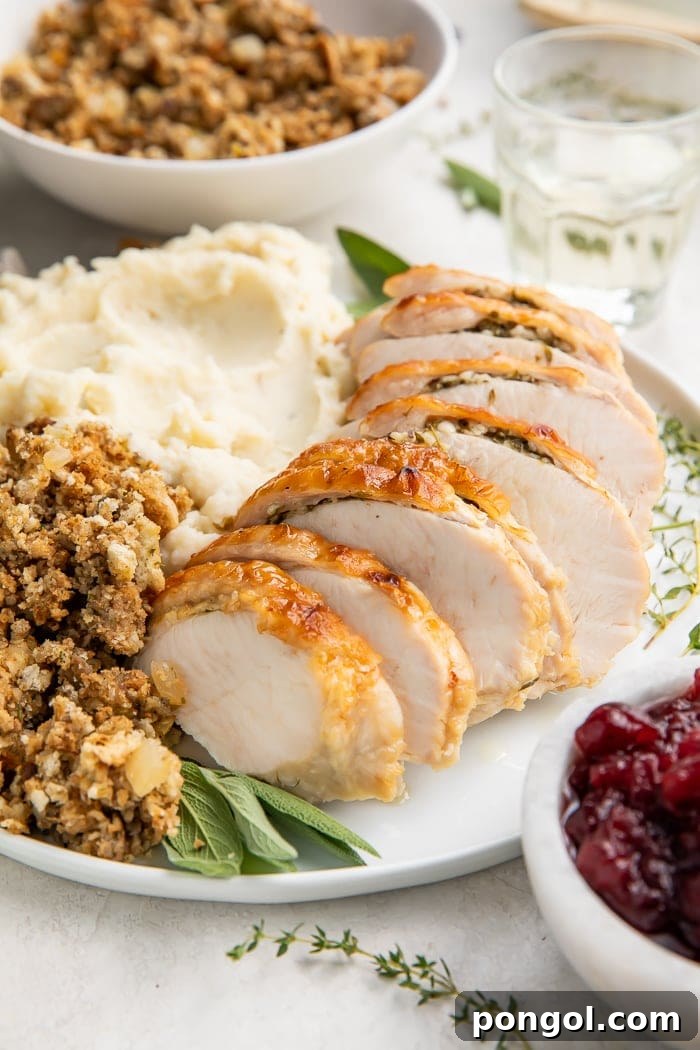
Beyond the Meal: Utilizing Turkey Leftovers
One of the true joys of Thanksgiving is the bounty of leftovers. Planning for a little extra turkey means you can extend the holiday feasting for days with creative and delicious dishes. Don’t let any of that precious bird go to waste!
- Classic Sandwiches: The simplest and most beloved way to enjoy leftover turkey.
- Hearty Soups & Stews: Turkey carcass is perfect for making stock, which then forms the base for comforting turkey noodle soup or a robust turkey chili.
- Casseroles: Combine shredded turkey with vegetables, gravy, or sauces for easy bake-and-serve meals.
- Salads & Wraps: Cold turkey can be a delicious addition to green salads or savory wraps.
- Turkey Tacos/Burritos: Add a festive twist to your weeknight meals.
Common Turkey Planning Questions
- What if I only want to cook a turkey breast? A bone-in turkey breast typically yields about 1/2 to 3/4 pound of edible meat per pound purchased. So, if serving only breast meat, you might aim for 1/2 to 3/4 pound *edible meat* per person, which means purchasing slightly more than a pound of breast per person.
- How do I account for vegetarian guests? If you have vegetarian guests, ensure you offer several substantial, protein-rich vegetarian side dishes or a dedicated vegetarian main course. This will reduce the turkey demand from other guests as well, as they might fill up on other enticing options.
- Does the formula change for boneless turkey? Yes, if you’re buying boneless turkey (like a roast), the yield is much higher. You can typically plan for about 1/2 to 3/4 pound of boneless turkey per person for a generous serving, or 1/3 to 1/2 pound if you have many other main dishes.
Our Favorite Turkey Recipes & Resources
To help you prepare the most delicious turkey possible, explore some of our top recipes and guides:
- How to Cook a Turkey Perfectly (with Gravy)
- How to Brine a Turkey for Maximum Juiciness
- Instant Pot Turkey Breast: Quick & Tender
- Garlic and Herb Sous Vide Turkey
- Flavorful Baked Turkey Wings Recipe
- Comforting Turkey Noodle Soup Recipe
- Easy Instant Pot Turkey Chili
- All About Turkey Tail Mushrooms & Its Benefits
- Homemade Instant Pot Turkey Stock