Unlocking the vibrant essence of citrus has never been easier or more rewarding. Adding orange zest to your recipes is a simple yet incredibly effective technique to elevate flavors, infuse dishes with bright aromatics, and create culinary masterpieces. Whether you’re enhancing the sweetness of baked goods, brightening savory meals, or crafting delightful beverages, orange zest is your secret ingredient. Perfect paired with tart cranberries, folded into rich cakes, crispy cookies, or a myriad of other delicious dishes, its versatility knows no bounds. In this comprehensive guide, we’ll dive deep into what orange zest truly is, show you the absolute best ways to extract it (including three easy methods!), and inspire you with countless ideas on how to seamlessly integrate this aromatic ingredient into your cooking and baking repertoire. Get ready to transform your kitchen adventures!

What is Orange Zest? Understanding This Aromatic Ingredient
Orange zest refers to the outermost, brightly colored layer of an orange peel. It’s distinct from the white, bitter layer beneath it, known as the pith or albedo. What makes orange zest so special are the tiny pockets of essential oils concentrated within this colorful skin. These oils are packed with intense citrus flavor and fragrance, providing a potent aromatic punch without adding any extra liquid or acidity to your dish, unlike orange juice. It’s these volatile compounds that give zest its unique ability to brighten and enhance the overall profile of a recipe.
Unlike the fruit’s pulp or juice, which primarily contribute sweetness and acidity, the zest offers a pure, concentrated orange essence. It’s frequently called for as a garnish, where its vibrant color and delicate aroma add visual appeal and an inviting fragrance. Beyond aesthetics, it’s a powerful ingredient in a vast array of recipes, ranging from delicate baked goods like muffins, cakes, and cookies, to savory sauces, marinades for meats and fish, refreshing salad dressings, and even sophisticated cocktails. Mastering the art of zesting means unlocking a new dimension of flavor in your kitchen.
How to Zest an Orange: Preparation and Essential Tips
Zesting an orange is an incredibly straightforward process, and knowing how to do it efficiently and correctly is a valuable skill for any home cook or baker. You might be surprised by how frequently recipes call for it once you start noticing! The best part? You don’t necessarily need a specialized zester; common kitchen tools often work just as effectively.
Selecting the Perfect Orange for Zesting
Before you even begin, choose the right orange. Look for oranges that are firm, heavy for their size (indicating juiciness), and have smooth, unblemished skin. A vibrant, deep orange color often suggests a higher concentration of aromatic oils in the peel. While any orange can be zested, organic oranges are often preferred since you’ll be consuming the peel directly, minimizing exposure to pesticides or waxes.
The Crucial First Step: Washing Your Orange
Since you’ll be consuming the peel, thorough washing is paramount. Even if you plan to peel the orange before eating, any contaminants on the surface can be transferred to the flesh by your hands or tools. Use warm water and a scrub brush or your hands to gently but firmly clean the entire surface of the orange. Some people even use a tiny amount of mild dish soap, ensuring it’s rinsed off completely afterward. This step helps remove dirt, residual pesticides, and any wax coatings applied to the fruit for preservation.
Mastering the Zesting Technique: Avoid the Pith!
The general technique for zesting is simple: hold the clean orange firmly in one hand and your chosen zesting tool in the other. Apply gentle pressure, working your way around the orange. The key is to remove only the outermost colored layer – the zest – and leave the white layer beneath, known as the pith, untouched. The pith is notoriously bitter due to compounds like limonin, and even a small amount can impart an undesirable flavor to your dish.
As you zest, rotate the orange continually to expose fresh sections of peel. This ensures you’re only removing the vibrant orange part. If you see white appearing on your zesting tool, you’re pressing too hard or going too deep. Adjust your pressure and angle immediately. Don’t worry about getting every last speck of zest; focus on quality over quantity to avoid bitterness.
Once you’ve successfully zested your orange, don’t discard the fruit! You now have a perfectly peeled, healthy, and delicious snack ready to be enjoyed, or you can juice it for another recipe.
3 Easy Zesting Methods for Every Kitchen
You don’t need a professional chef’s arsenal to get perfect orange zest. Here are three common and effective methods, each offering a slightly different texture suitable for various culinary applications.
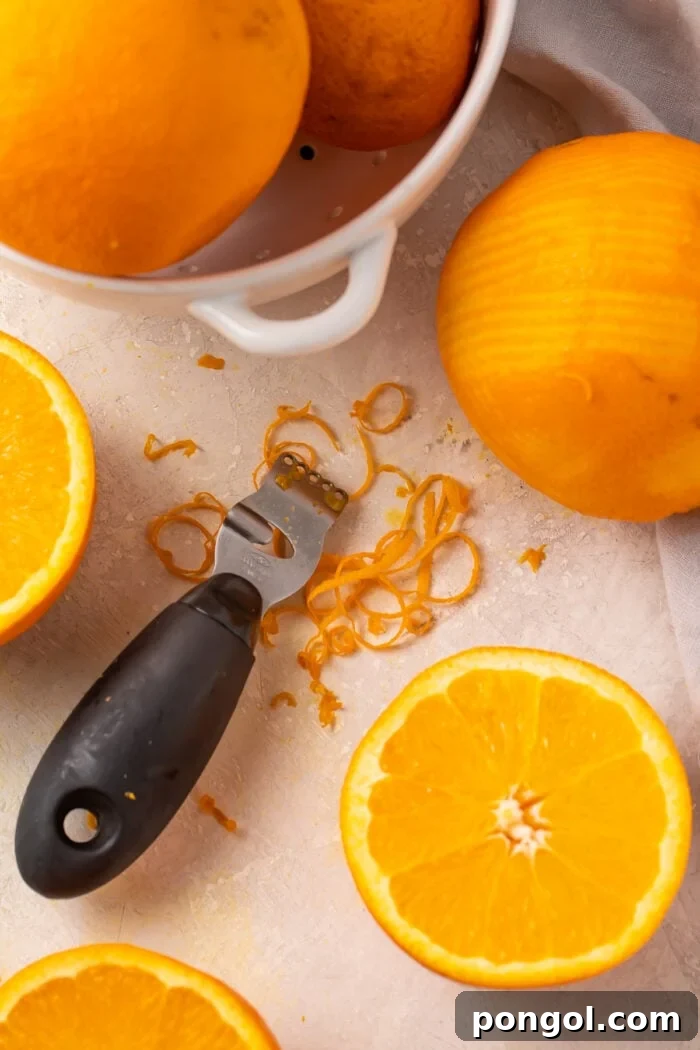
1. The Traditional Zester (Channel Knife) Method
A dedicated zester, sometimes called a channel knife, is a small, handheld tool specifically designed for this purpose. It typically features a series of small holes or a single blade with a curved edge. When pulled across the orange, it creates long, thin, attractive strips of zest.
- How to Use: Hold the orange firmly. With the zester, apply gentle pressure and pull it across the orange peel, allowing the small holes or blade to lift away narrow ribbons of zest. Rotate the orange as you go, always aiming to remove only the colorful outer layer.
- Ideal Applications: These elegant strips are perfect for garnishing cocktails, adding a sophisticated touch to desserts like chocolate mousse or panna cotta, or infusing liquids (like simple syrups or spirits) where you want to easily remove the zest later. They also make a beautiful edible decoration on top of cakes or tarts.
- Pros: Produces visually appealing, consistent long strips; easy to clean; minimizes the chance of getting pith if used correctly.
- Cons: The zest isn’t finely grated, so it might need further chopping with a knife if a finer texture is desired for baking or sauces.
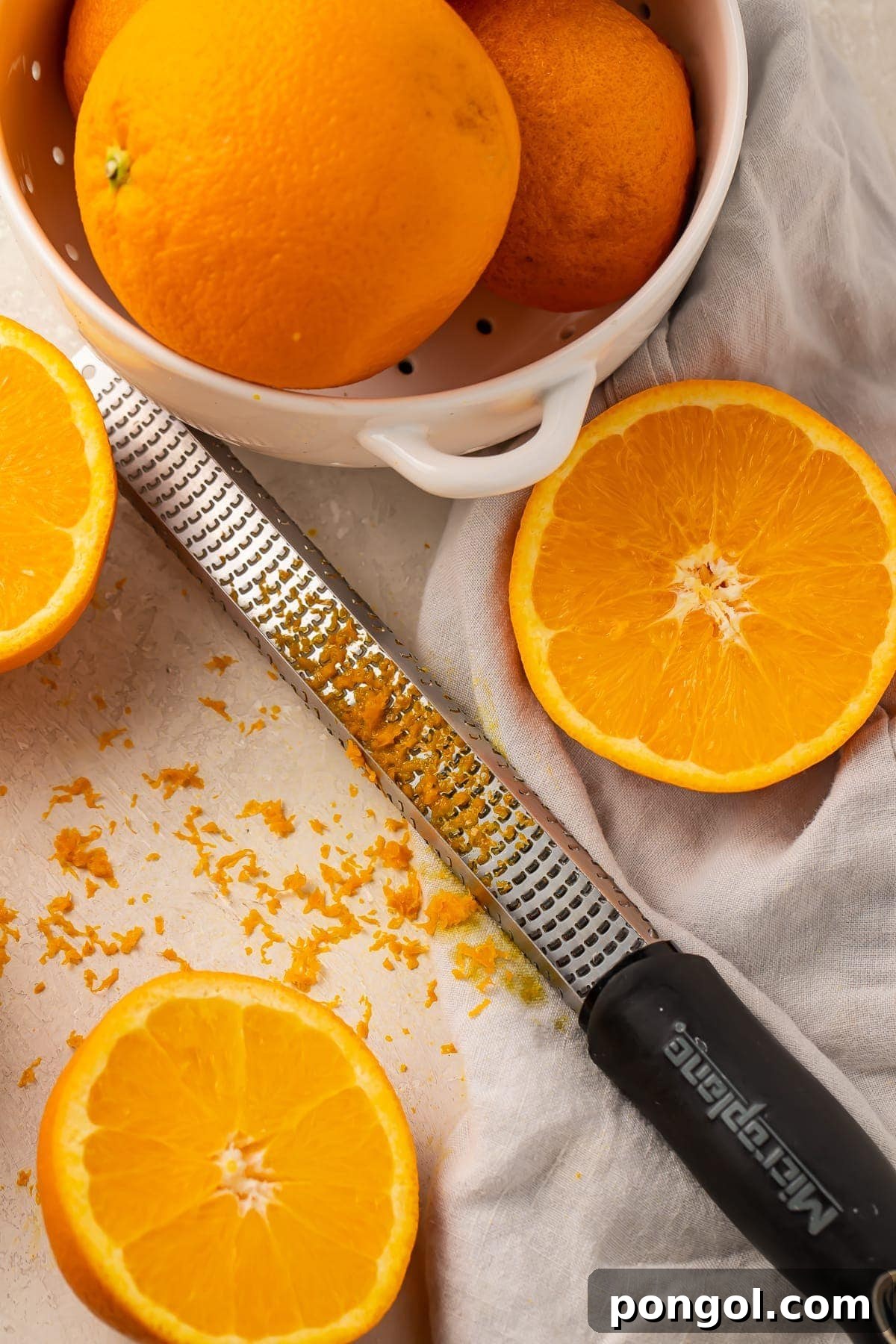
2. The Microplane Grater Method (and Box Grater Alternative)
This is arguably the most popular and versatile method for achieving super-fine zest. A microplane grater features tiny, razor-sharp blades that effortlessly shave off the zest into a fluffy, almost powdery texture. This fine consistency allows the orange flavor to disperse beautifully throughout your dishes.
- How to Use: Hold the microplane at an angle over a bowl or cutting board. Gently rub the orange against the blades, moving in one direction, rotating the orange as you go. Use light, even pressure to ensure you only remove the zest and avoid the pith.
- Ideal Applications: This fine texture is my personal favorite for almost everything! It’s perfect for baking (cakes, cookies, muffins, scones), creamy sauces, marinades, salad dressings, or incorporating into batters where you want the flavor to be evenly distributed and virtually invisible.
- Pros: Achieves a very fine, aromatic zest; maximizes flavor extraction and dispersion; versatile for many ingredients beyond citrus.
- Cons: The fine zest can sometimes stick to the grater, requiring a small brush, finger, or a quick rinse under water to remove. Can be a bit messy.
- Box Grater Alternative: If you don’t have a microplane, a box grater can be used. Use the side with the smallest holes. Rub the orange against these holes with gentle, consistent pressure, rotating the fruit. While not as fine as a microplane, it will still yield a very usable zest.
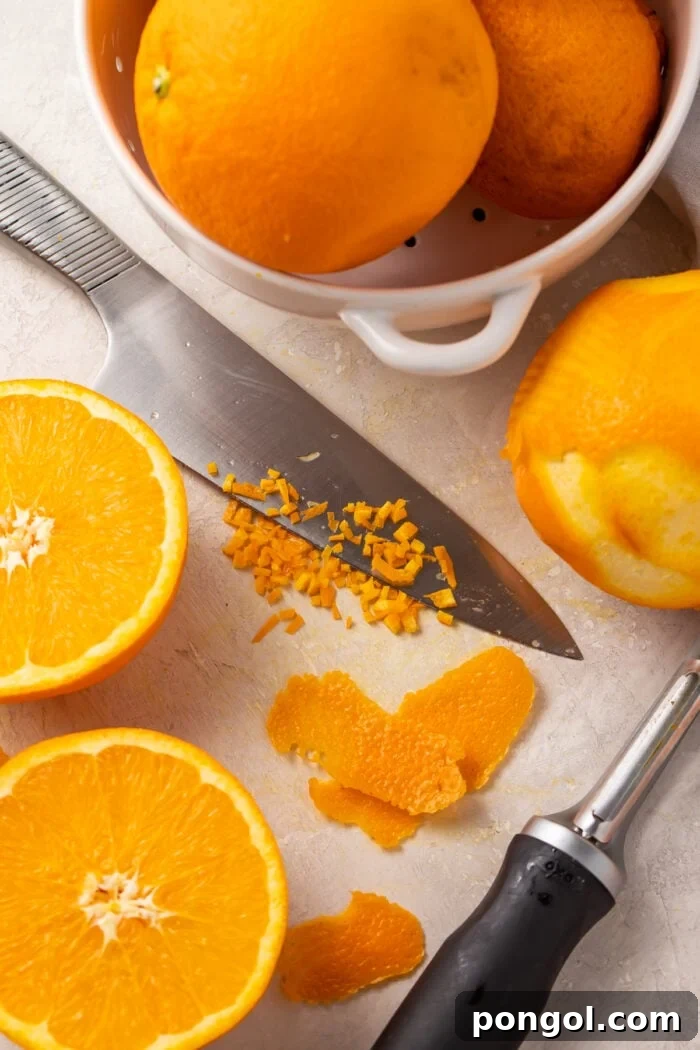
3. The “Peel and Chop” Method (Vegetable Peeler or Paring Knife)
No specialized grater? No problem! This method is perfect when you need wider strips of zest or when you plan to finely mince the zest yourself. It’s also great if you want to make candied orange peel.
- How to Use with a Vegetable Peeler: Hold the orange firmly and use a standard vegetable peeler to carefully remove wide strips of the orange peel. The key here is extreme caution to peel only the orange part and avoid the white pith beneath. You might need to adjust the angle and pressure for each stroke.
- How to Use with a Paring Knife: For those with good knife skills, a sharp paring knife can also be used. Carefully slice off thin, wide strips of the orange skin. This method requires even greater precision to avoid the pith and ensure safety.
- Chopping the Zest: Once you have wide strips, you can then lay them flat on a cutting board, stack a few together, and finely mince them with your knife to achieve the desired texture, from fine to medium dice.
- Ideal Applications: This method works exceptionally well for dishes where larger pieces of zest are desired, such as infusions (oils, vinegars), slow-cooked stews, marmalades, or for making candied orange peel. If finely chopped, it can substitute for grated zest in most recipes. It’s also excellent for rustic garnishes.
- Pros: Requires no special tools beyond basic kitchen essentials; allows for precise control over the size and shape of the zest; great for preparing larger batches.
- Cons: Requires more manual effort and careful knife work; higher risk of accidentally incorporating bitter pith if not careful.
Delicious Ways to Use Orange Zest: Unleashing Its Full Potential
The culinary possibilities with orange zest are truly endless. Its bright, aromatic, and slightly sweet-tart profile makes it a fantastic partner for a wide range of ingredients and dishes. Here’s a deeper look into how you can infuse your cooking with this incredible ingredient:
Baking and Desserts
Orange zest is a superstar in the world of sweets. It adds a layer of complexity and brightness that beautifully complements rich, creamy, or sugary flavors. It can cut through sweetness, prevent desserts from tasting flat, and provide a delightful fragrance.
- Cakes, Cookies, Muffins & Scones: Fold finely grated zest directly into batters and doughs. It pairs exquisitely with chocolate, vanilla, and other fruit flavors. Try it in these delightful Orange Cookies with Sweet Orange Glaze or Orange Zest Scones.
- Glazes, Icings & Frostings: Mix zest into powdered sugar glazes or buttercream to infuse them with a fresh citrus kick. The Orange Zest Pound Cake with Orange Curd is a prime example.
- Custards, Puddings & Fruit Salads: Sprinkle zest over fruit salads, yogurt, or incorporate it into custards and puddings like Cranberry Orange Bread Pudding for an extra burst of flavor.
- Candied Zest: Create your own Quick Candied Orange Zest for an elegant garnish or a sweet, chewy snack.
Savory Dishes
Don’t limit orange zest to just desserts! It’s a fantastic ingredient for savory applications, bringing a fresh, tangy note that can brighten heavy dishes, enhance vegetables, and create sophisticated marinades.
- Marinades & Dressings: Combine zest with olive oil, garlic, herbs, and vinegar for vibrant marinades for chicken, fish, or pork. It’s a key ingredient in dishes like Instant Pot Orange Chicken or a refreshing Spinach Salad with Orange Vinaigrette.
- Roasted Vegetables: Toss roasted carrots, sweet potatoes, or broccoli with a sprinkle of orange zest for an unexpected burst of freshness.
- Grain Dishes & Risottos: Stir zest into rice pilafs, quinoa, or risottos for an aromatic lift.
- Relishes & Sauces: Cranberry and orange are a classic pairing. Add zest to homemade cranberry sauce or relish, such as Cranberry Orange Relish or Keto Cranberry Sauce.
- Breakfast Rolls: Elevate your morning with something like these Orange Cheesecake Breakfast Rolls.
Beverages & Infusions
The essential oils in orange zest make it ideal for infusing liquids, imparting a complex aromatic quality to drinks.
- Cocktails: Use long strips of zest as a garnish or muddle them to infuse spirits. The classic Orange Old Fashioned is a perfect example.
- Infused Water & Tea: Add zest to pitchers of water for a refreshing twist, or steep it with tea leaves for a fragrant brew.
- Flavoring Sugars & Oils: Blend zest with sugar to create orange-flavored sugar for baking, or infuse it into olive oil for a gourmet finishing oil.
Storing Orange Zest: Maximize Freshness and Flavor
Once you’ve zested an orange, you might find yourself with more zest than you immediately need. Proper storage is key to preserving its potent flavor and aroma. Here are several methods to keep your orange zest fresh and ready for future use:
Short-Term Storage (Fresh)
For zest you plan to use within a few days, simply place it in a small, airtight container or a sealed plastic bag. Store it in the refrigerator. While it will retain its flavor for about 3-5 days, its aroma might diminish slightly over time.
Long-Term Storage (Frozen)
Freezing is an excellent way to keep orange zest fresh for several months, ensuring you always have some on hand.
- In an Airtight Container/Freezer Bag: Spread the fresh zest thinly on a plate or baking sheet and freeze for about 30 minutes until solid. This prevents clumping. Then, transfer the frozen zest to a freezer-safe airtight container or a heavy-duty freezer bag. Remove as much air as possible before sealing. Frozen zest can last for up to 6 months. When needed, simply scoop out the desired amount directly from the freezer; there’s no need to thaw.
- In Ice Cube Trays: For pre-portioned amounts, you can mix zest with a tiny amount of water, oil, or even orange juice, then spoon it into ice cube trays. Freeze until solid, then transfer the zest cubes to a freezer bag. This method is particularly convenient for savory dishes or sauces where a liquid component is welcome.
Dried Orange Zest
Drying orange zest concentrates its flavor and extends its shelf life indefinitely, making it a great pantry staple. While it loses some of its vibrant fresh aroma, it still provides a good flavor boost.
- Air Drying: Spread thin strips or finely grated zest on a clean plate or baking sheet in a well-ventilated area away from direct sunlight. Turn it occasionally until completely dry and brittle.
- Oven Drying: For a quicker method, spread zest on a parchment-lined baking sheet and bake at the lowest oven temperature (usually 150-200°F or 65-95°C) for 1-2 hours, or until fully dry and crisp.
- Dehydrator: Follow your dehydrator’s instructions for drying citrus zest, typically at a low temperature for several hours.
- Storage: Once completely dry, store the zest in an airtight container in a cool, dark place. It can be rehydrated by soaking in a little liquid or added directly to dishes.
By utilizing these storage methods, you can ensure that the delightful flavor of orange zest is always at your fingertips, ready to enhance your next culinary creation.
Other Essential How-To Posts You’ll Be Glad You Read
Mastering basic kitchen techniques can transform your cooking experience. If you found this guide on orange zest helpful, you’ll love these other practical tips and tricks to make your time in the kitchen more efficient and enjoyable:
- How to Dice an Onion… the Easy Way!
- How to Freeze Corn (on the Cob and Kernels)
- All About Lemon Zest + 4 Ways to Zest a Lemon
- How to Freeze Peaches
- All About Turkey Tail & Its Benefits
- How to Freeze Zucchini (3 Ways)
- The Easiest Way to Cut a Pineapple
- How to Freeze Broccoli (with 3 Cooking Methods)