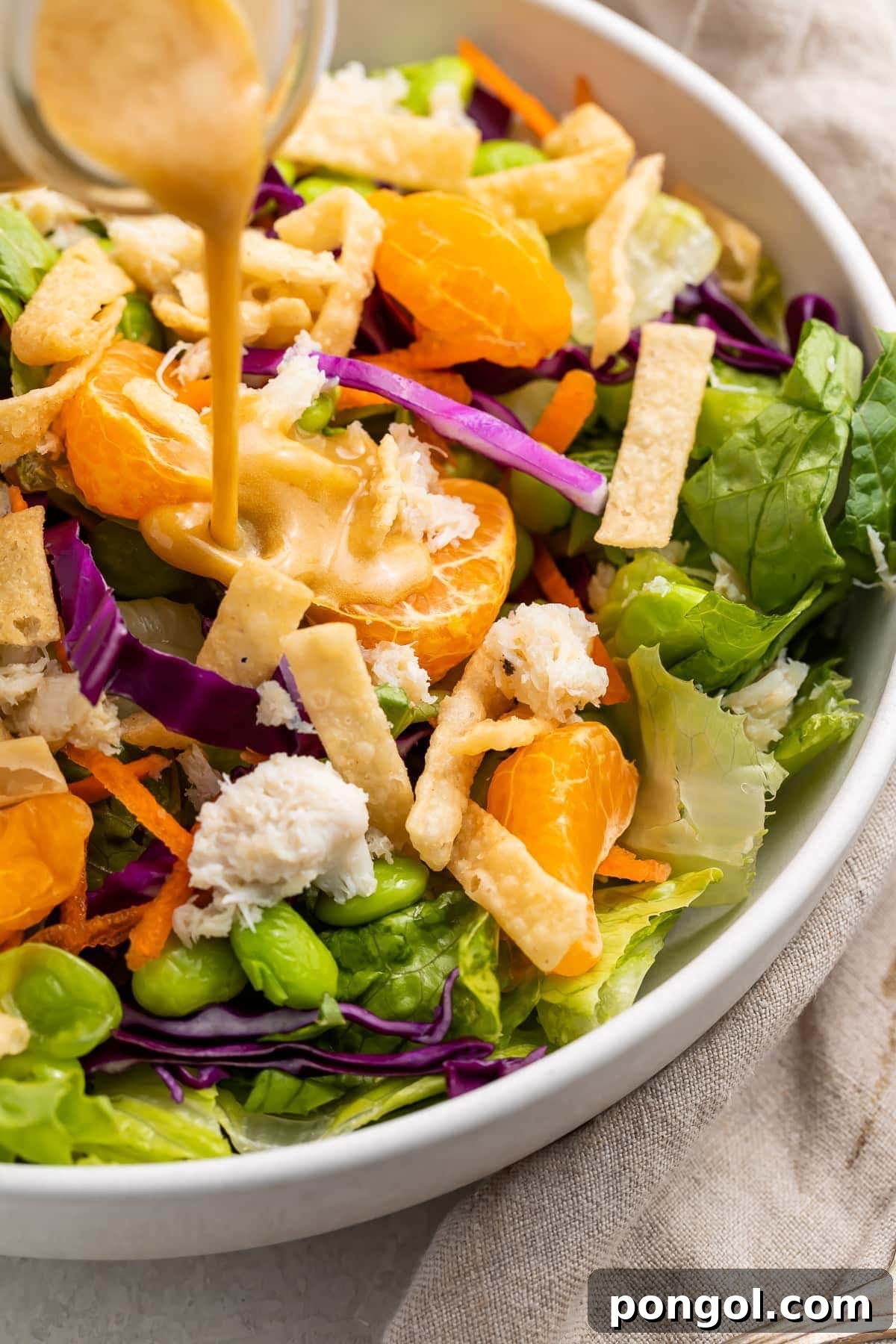
Unlock a world of vibrant flavors with this exceptional **Asian Salad Dressing recipe**, a culinary masterpiece that promises to elevate any meal. Forget bland, store-bought options; this homemade vinaigrette is the absolute perfect blend of sweet, savory, tangy, and aromatic notes, designed to awaken your taste buds. Featuring the zesty kick of fresh ginger, the pungent depth of garlic, the rich nuttiness of sesame oil, the umami punch of soy sauce, and a touch of sweetness from honey, this Asian dressing is truly unparalleled. It’s more than just a dressing; it’s a versatile condiment that will become a staple in your kitchen, transforming everyday salads and dishes into extraordinary culinary experiences.
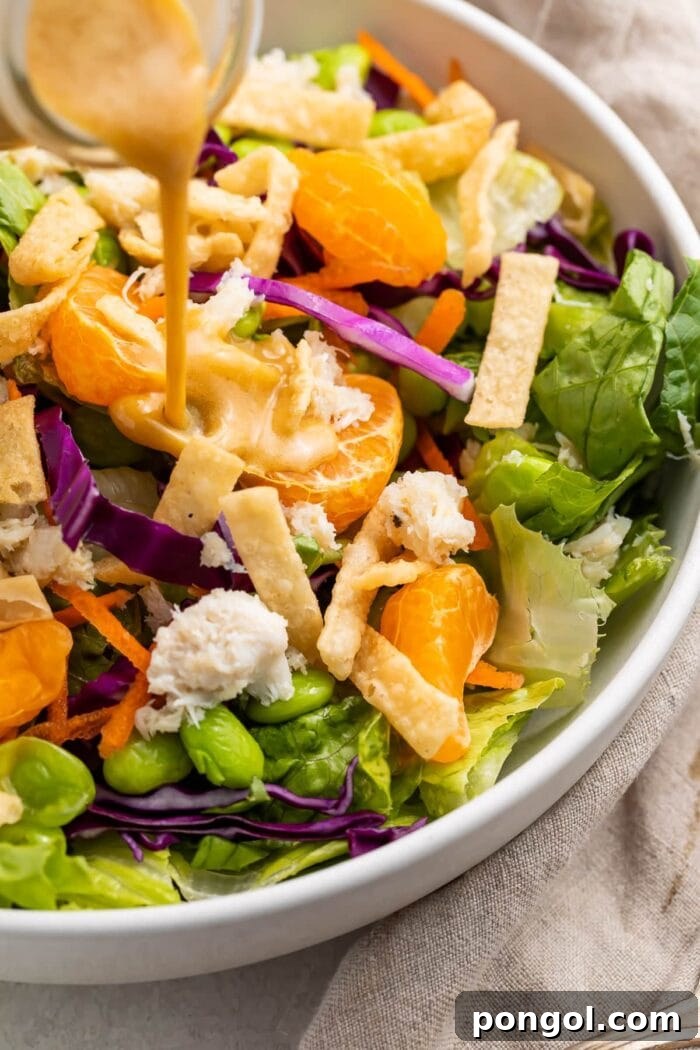
Why This Homemade Asian Salad Dressing is a Must-Try
Our Asian salad dressing isn’t just another recipe; it’s a game-changer for anyone looking to add fresh, authentic flavors to their meals with minimal effort. Here’s why this particular recipe stands out from the rest:
- Unbelievably Quick and Effortless: In today’s fast-paced world, time is precious. This recipe is designed for ultimate convenience, requiring less than 5 minutes from start to finish. You can whip up a batch faster than you can order takeout, making it ideal for busy weeknights or last-minute meal preparations. Just gather your ingredients, blend or whisk, and you’re done!
- Remarkably Versatile Beyond Salads: While “salad dressing” is in its name, its applications are incredibly broad. This dressing is not only perfect for drizzling over crisp greens, but also excels as a flavor enhancer for steamed vegetables, vibrant coleslaws, and delectable noodle dishes. Imagine it coating your favorite stir-fry or bringing life to a simple bowl of rice and vegetables.
- An Excellent Marinade for Proteins: Don’t limit its use to just dressing! This potent blend of Asian aromatics makes for an exceptional marinade. Use it to infuse chicken, tofu, shrimp, or beef with deep, savory flavors. Simply pour the dressing over your choice of raw protein in a sealable bag and marinate for 30 minutes at room temperature or 1-2 hours in the refrigerator. The result is tender, flavorful protein that cooks beautifully, whether grilled, baked, or pan-fried. For larger quantities of protein, consider doubling the batch to ensure full coverage and maximum flavor infusion.
- Ideal for Meal Prepping for the Week Ahead: Planning healthy meals has never been easier. This dressing is incredibly stable, storing well in the refrigerator in an airtight container for up to two weeks. This means you can prepare a larger batch on the weekend and enjoy fresh, flavorful meals throughout the week without any extra effort. Portion it into individual servings for grab-and-go lunches, ensuring you always have a delicious, healthy option readily available.
- Bursting with Authentic Asian Flavors: The combination of ginger, garlic, sesame oil, soy sauce, and honey creates a harmonious symphony of classic Asian tastes. Each ingredient plays a crucial role, contributing to a complex flavor profile that is both invigorating and deeply satisfying.
Essential Ingredients for Your Perfect Asian Salad Dressing
The magic of this Asian salad dressing lies in its carefully selected, high-quality ingredients. Each component contributes uniquely to the overall taste and texture, ensuring a balanced and unforgettable flavor experience.
- Sesame Oil: This ingredient is the heart of our Asian dressing. For a subtle, balanced flavor, use a standard neutral sesame oil. However, if you’re looking to elevate the dressing with a richer, deeper, and more pronounced nutty aroma, opt for toasted sesame oil. The toasting process intensifies its natural characteristics, adding an incredible depth that truly shines in Asian-inspired dishes.
- Fresh Ginger: The pungency and aromatic warmth of fresh ginger are indispensable. The flavor intensity largely depends on the age of the ginger; young, green ginger tends to be milder with a more delicate aroma, while mature ginger offers a sharper, spicier, and more peppery bite. Both variations will impart that signature bright, invigorating kick to your dressing. Always choose fresh ginger over powdered for the best results, as it provides a superior taste and texture.
- Honey: This natural sweetener plays a vital role in balancing the tangy notes from the vinegar and the savory depth of the soy sauce. Honey provides a subtle, floral sweetness that rounds out the flavor profile beautifully. For those following a vegan diet or seeking an alternative, maple syrup or agave nectar are excellent substitutes that will maintain the desired sweetness and consistency.
- Rice Vinegar: Essential for that characteristic tangy brightness, rice vinegar is milder and slightly sweeter than other vinegars, making it perfect for Asian dressings. It provides a clean acidity that cuts through the richness of the oils and harmonizes with the other intense flavors.
- Soy Sauce: The cornerstone of savory Asian cuisine, soy sauce contributes umami and saltiness, deepening the overall flavor. For a gluten-free option, substitute with tamari or coconut aminos. If you’re managing sodium intake, a low-sodium soy sauce works just as well without compromising on taste.
- Fresh Garlic: Like ginger, fresh garlic offers a robust, aromatic foundation that is crucial for a truly authentic Asian flavor. Its pungent notes provide a savory kick that enhances all other ingredients. Using fresh garlic, minced or pressed, will always yield a superior flavor compared to its powdered counterpart.
- Extra Virgin Olive Oil (EVOO): While not traditionally Asian, EVOO provides a wonderful base for emulsification and adds a smooth texture to the dressing. It also contributes healthy fats. If you prefer a more neutral-tasting oil or are looking for alternatives, grapeseed oil, avocado oil, or even canola oil are excellent choices that won’t overpower the delicate balance of Asian flavors.
- Salt: A pinch of salt is crucial for enhancing all the other flavors, bringing them into perfect harmony. Adjust to taste, especially if using a full-sodium soy sauce.
Chef’s Expert Tips for Crafting the Perfect Dressing
Achieving a restaurant-quality Asian salad dressing at home is easy with a few insider tips:
- Selecting Your Oil Base: While extra virgin olive oil provides a lovely body and healthy fats, feel free to use any neutral-flavored oil you prefer. Grapeseed oil, avocado oil, or sunflower oil are excellent alternatives that will allow the vibrant Asian flavors to shine without interference. The key is a mild oil that won’t compete with the ginger or sesame.
- Achieving Your Desired Consistency: For the quickest and smoothest dressing, a blender is your best friend. It emulsifies the ingredients beautifully, creating a creamy texture. However, if you don’t have a blender, don’t fret! You can achieve a perfectly delicious dressing by vigorously whisking all ingredients in a bowl or shaking them in a glass jar with a tight-fitting lid. If using the whisk or jar method, make sure to finely mince or grate your garlic and ginger to avoid large pieces and ensure even flavor distribution.
- Fresh vs. Dried Aromatics: For the most vibrant and authentic flavor, fresh ginger and garlic are highly recommended. Their sharp, pungent notes truly elevate the dressing. However, if fresh ingredients aren’t available, powdered versions can be used as a substitute. Remember that dried spices are more concentrated, so you’ll need to adjust quantities carefully – generally, use about 1/4 to 1/2 teaspoon of dried ginger or garlic powder for every 1 teaspoon of fresh. Always taste and adjust as you go!
- Taste and Adjust to Perfection: The beauty of homemade dressing is the ability to customize it to your personal preference. Before serving, always taste the dressing. Does it need more sweetness? Add a touch more honey or maple syrup. Could it use more tang? A splash more rice vinegar will do the trick. Is it lacking a kick? A tiny bit more soy sauce or a pinch of salt can make a difference. Don’t be afraid to experiment until it’s just right for your palate.
- Let it Mingle: While this dressing is delicious immediately, allowing it to sit for at least 15-30 minutes (or even longer in the fridge) lets the flavors meld and deepen, resulting in a more complex and harmonious taste.
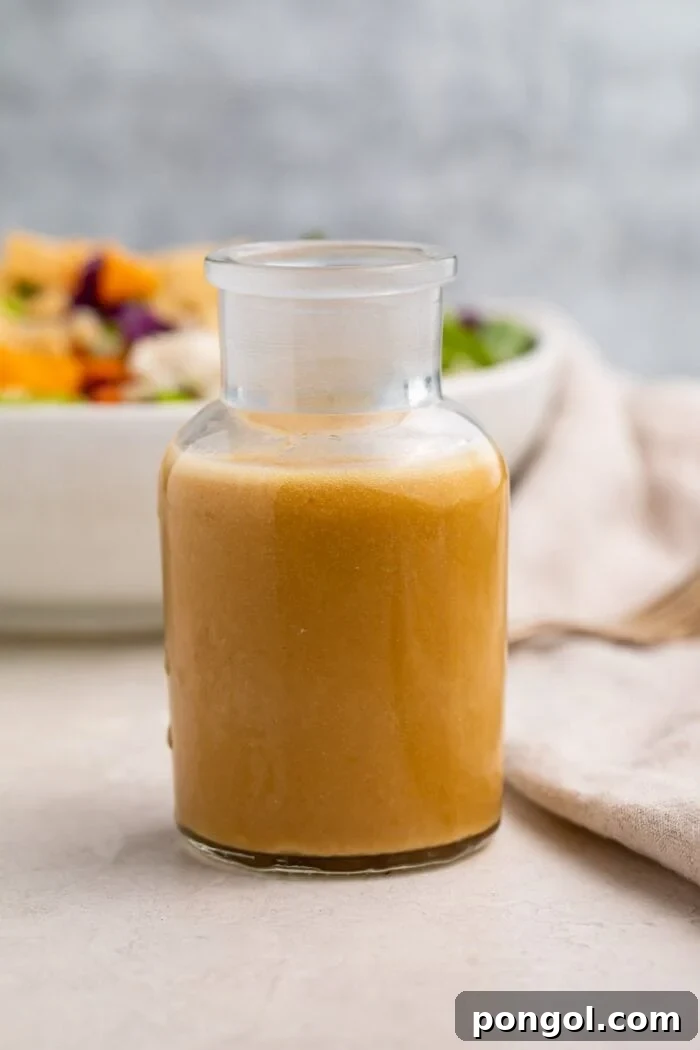
Discover More Delightful Dressings & Condiments You’ll Enjoy
If you loved this Asian Salad Dressing, we’re confident you’ll enjoy exploring these other fantastic homemade dressing and condiment recipes from our collection:
- Miso Dressing: A rich, umami-packed dressing that’s incredibly flavorful and versatile.
- Cilantro Lime Dressing: Bright, zesty, and refreshing, perfect for Mexican-inspired dishes or a simple salad.
- Whole30 Ranch Dressing (“Dump Ranch,” Paleo, Dairy-Free): A creamy, guilt-free classic, made healthy and compliant for various dietary needs.
- Creamy Whole30 Balsamic Dressing (Paleo, Vegan): A sophisticated and smooth balsamic vinaigrette that caters to paleo and vegan lifestyles.
- Whole30 Caesar Dressing (Dairy-Free Caesar Dressing): Enjoy the classic Caesar flavor without dairy, perfect for a healthy twist on an old favorite.
- Avocado Salad Dressing: Creamy, healthy, and packed with the goodness of fresh avocado, offering a smooth texture and rich flavor.
- Hot Bacon Dressing: A warm, savory dressing perfect for wilted greens or hearty vegetable salads, adding a delightful smoky depth.
Cheryl Malik
Asian Salad Dressing
5 minutes
0 minutes
5 minutes

Cheryl Malik
6
servings
Equipment
-
standard blender or bowl and whisk, or glass jar with airtight lid
Ingredients
-
▢
2
cloves
garlic
peeled -
▢
1
teaspoon
fresh ginger
chopped -
▢
¼
cup
extra virgin olive oil
-
▢
2
tablespoons
rice vinegar -
▢
1 ½
tablespoons
honey
see Notes for vegan -
▢
2
tablespoons
sesame oil
-
▢
2
tablespoons
soy sauce
see Notes for paleo -
▢
1
pinch
salt
Instructions
Blender Method
-
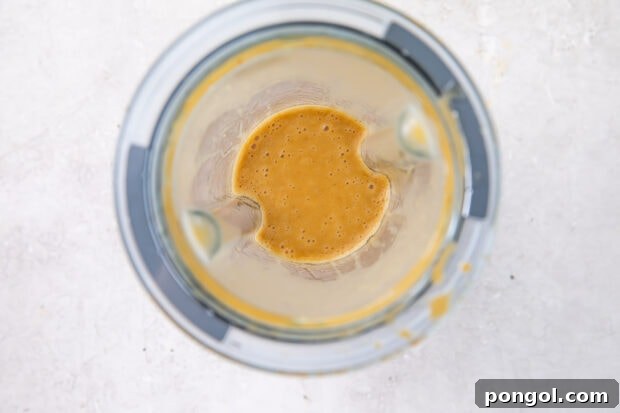
Add 2 cloves garlic, 1 teaspoon fresh ginger, ¼ cup extra virgin olive oil, 2 tablespoons rice vinegar, 1 ½ tablespoons honey, 2 tablespoons sesame oil, 2 tablespoons soy sauce, and 1 pinch salt to blender. Blend until ingredients are fully combined and mixture is smooth.

Bowl & Whisk Method
-
Finely mince or press 2 cloves garlic, then add garlic to bowl.
-
Finely grate 1 teaspoon fresh ginger, then add ginger to bowl.
-
Add ¼ cup extra virgin olive oil, 2 tablespoons rice vinegar, 1 ½ tablespoons honey, 2 tablespoons sesame oil, 2 tablespoons soy sauce, and 1 pinch salt to bowl with garlic and ginger. Whisk vigorously until ingredients are fully incorporated.
Glass Jar Method
-
Finely mince or press 2 cloves garlic, then add garlic to glass jar.
-
Finely grate 1 teaspoon fresh ginger, then add ginger to glass jar.
-
Add ¼ cup extra virgin olive oil, 2 tablespoons rice vinegar, 1 ½ tablespoons honey, 2 tablespoons sesame oil, 2 tablespoons soy sauce, and 1 pinch salt to glass jar with garlic and ginger. Secure lid on jar and shake jar vigorously until ingredients are fully incorporated.
To Serve
-
Serve salad dressing immediately, or transfer dressing to airtight container and refrigerate until ready to serve.
- Make it Vegan: For a delicious plant-based version, simply swap the honey with an equal amount of maple syrup or agave nectar.
- Make it Paleo: To make this dressing paleo-friendly, use coconut aminos as a direct substitute for soy sauce. Coconut aminos offer a similar savory flavor profile without the soy.
- Make it Gluten-Free: Ensure your dressing is entirely gluten-free by using a certified gluten-free soy sauce, tamari, or coconut aminos. It’s also important to check the labels of all other ingredients, such as rice vinegar, to confirm they are free from gluten.
- Storage: Store your homemade Asian salad dressing in an airtight container in the refrigerator. It will maintain its freshness and vibrant flavor for up to 2 weeks, making it perfect for meal prep.
Approximate Information for One Serving
Serving Size:
1
serving
Calories:
143
cal
Protein:
1
g
Fat:
14
g
Saturated Fat:
2
g
Sodium:
342
mg
Potassium:
21
mg
Total Carbs:
5
g
Fiber:
1
g
Sugar:
4
g
Net Carbs:
4
g
Vitamin A:
1
IU
Vitamin C:
1
mg
Calcium:
4
mg
Iron:
1
mg
Nutrition Disclaimers
Number of total servings shown is approximate. Actual number of servings will depend on your preferred portion sizes.
Nutritional values shown are general guidelines and reflect information for 1 serving using the ingredients listed, not including any optional ingredients. Actual macros may vary slightly depending on specific brands and types of ingredients used.
To determine the weight of one serving, prepare the recipe as instructed. Weigh the finished recipe, then divide the weight of the finished recipe (not including the weight of the container the food is in) by the desired number of servings. Result will be the weight of one serving.
Did You Make This Recipe? We’d Love to Hear From You!
We’re thrilled you tried our Asian Salad Dressing recipe! Share your culinary creations and success with us on Instagram. Tag @40aprons and become a part of our vibrant community. Your feedback is invaluable, so please don’t forget to leave a review on this blog post—it helps other home cooks discover and enjoy this fantastic recipe too!
Tag @40Aprons on Instagram
Serving Suggestions & Creative Uses for Your Asian Salad Dressing
Beyond traditional green salads, this versatile dressing can dramatically enhance a variety of dishes. Here are some inspiring ideas to make the most of your homemade Asian dressing:
- Noodle Salads: Toss with cold rice noodles, spiralized zucchini, or glass noodles for a refreshing and vibrant meal. Add shredded carrots, cucumber, bell peppers, and fresh herbs like cilantro or mint.
- Grain Bowls: Drizzle generously over quinoa, brown rice, or farro bowls packed with roasted vegetables and a protein of your choice (think marinated chicken or tofu).
- Vegetable Enhancement: Transform simple steamed or roasted vegetables like broccoli, asparagus, green beans, or bok choy into a flavorful side dish. The dressing adds a beautiful glaze and a burst of Asian taste.
- Coleslaws and Slaws: Replace mayonnaise-based dressings with this lighter, tangier Asian dressing for a refreshing twist on coleslaw. It pairs exceptionally well with shredded cabbage, carrots, and scallions.
- Spring Rolls and Dumplings: Serve it as a delightful dipping sauce for fresh spring rolls, crispy egg rolls, or pan-fried dumplings. Its balance of sweet and savory notes complements these appetizers perfectly.
- Marinade for Grilled Meats: As mentioned, it’s an excellent marinade for chicken, steak, pork, or shrimp before grilling or pan-frying. The ginger and garlic tenderize and infuse deep flavor.
- Stir-Fry Sauce: Towards the end of cooking your stir-fry, add a splash of this dressing to coat your vegetables and proteins for an extra layer of flavor and a glossy finish.
- Tofu and Tempeh: Marinate cubes of tofu or tempeh before baking, pan-frying, or grilling for a quick and flavorful plant-based protein.
Customizing Your Asian Salad Dressing: Flavor Variations & Dietary Adjustments
One of the joys of homemade dressings is the ability to tailor them to your exact preferences and dietary needs. Here are some ways to customize this Asian salad dressing:
- For Extra Heat: Add a pinch of red pepper flakes, a dash of sriracha, or a few drops of chili oil to introduce a spicy kick. Start with a small amount and add more to taste.
- Citrus Boost: A squeeze of fresh lime juice or a hint of orange zest can add a bright, aromatic lift to the dressing, complementing the ginger beautifully.
- Herbaceous Freshness: Stir in finely chopped fresh cilantro or thinly sliced green onions just before serving for an added layer of freshness and visual appeal.
- Nutty Crunch: While sesame oil provides a nutty essence, a tablespoon of finely chopped roasted peanuts or cashews blended into the dressing can add texture and a more pronounced nutty flavor.
- Sweeter or Tarter: Adjust the honey (or maple syrup) to make it sweeter, or increase the rice vinegar for a more pronounced tang, according to your preference.
- Creamier Texture: For a slightly creamier dressing, you could blend in a small amount of tahini or a spoonful of plain Greek yogurt (if not dairy-free/vegan).
- Saltiness Level: If you’re sensitive to sodium, use low-sodium soy sauce. Always taste before adding extra salt, as soy sauce is quite salty on its own.
Frequently Asked Questions About Asian Salad Dressing
We’ve gathered some common questions to help you master this delicious dressing:
How long does homemade Asian salad dressing last?
When stored in an airtight container in the refrigerator, this dressing will typically last for up to two weeks. The fresh ginger and garlic, combined with the vinegar, act as natural preservatives, though fresh ingredients are always best enjoyed sooner rather than later.
Can I use a different type of vinegar?
While rice vinegar is recommended for its mild and slightly sweet profile, you can experiment with other vinegars. Apple cider vinegar or white wine vinegar could work, but they will alter the flavor slightly, making the dressing a bit more tart. Balsamic vinegar would change the flavor profile too drastically for an authentic Asian taste.
What if my dressing separates in the fridge?
It’s completely normal for homemade dressings, especially those made with oil and vinegar, to separate when refrigerated. The oil will solidify slightly and separate from the other ingredients. Simply give the container a good shake or a quick whisk before serving to re-emulsify the dressing.
Can I use powdered ginger and garlic?
For the best flavor, fresh ginger and garlic are highly recommended. If you must use powdered, use about 1/4 teaspoon of each for every 1 teaspoon of fresh specified in the recipe. Always taste and adjust, as powdered spices are more potent.
Is this dressing spicy?
As written, this recipe is not spicy. It offers a gentle warmth from the ginger. If you prefer a spicy dressing, refer to the “Customizing Your Dressing” section above for suggestions on adding heat with chili flakes or sriracha.
What kind of salads pair well with this dressing?
This dressing is fantastic with a variety of salads. It’s excellent on mixed greens with bell peppers, cucumbers, and shredded carrots. It also shines on more substantial salads featuring grilled chicken or shrimp, or on a vibrant cabbage and noodle salad. Don’t forget to try it with edamame, mandarin oranges, or toasted almonds for a classic Asian-inspired salad!
The Ultimate Asian Salad Dressing: Your New Kitchen Staple
In conclusion, this homemade Asian Salad Dressing recipe is truly a culinary gem. It’s incredibly easy to make, remarkably versatile, and packed with an exquisite balance of sweet, savory, and tangy notes that will tantalize your taste buds. Whether you’re dressing a simple salad, marinating your favorite protein, or seeking a vibrant sauce for noodles and vegetables, this dressing delivers unparalleled flavor in every drop. Say goodbye to dull meals and embrace the vibrant, fresh tastes of Asia with this essential recipe. We encourage you to try it, customize it, and make it your own – it’s destined to become a beloved staple in your home.