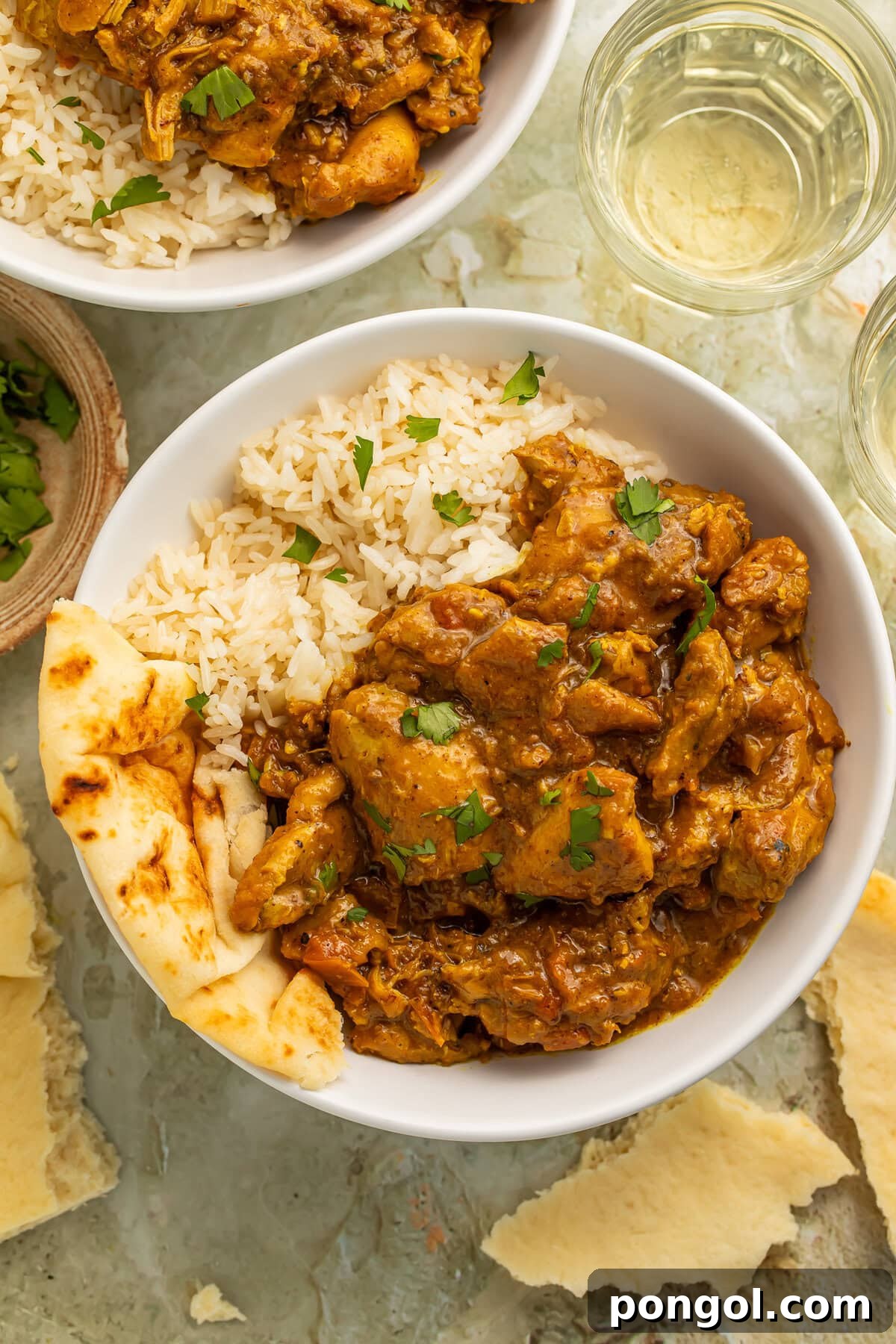
Craving an authentic, restaurant-quality chicken curry that’s rich, flavorful, and incredibly satisfying? Look no further! This recipe delivers on all fronts, featuring tender chicken thighs swimming in a deeply savory, perfectly spiced gravy that rivals your favorite Indian takeaway. The secret lies in building layers of flavor from scratch, starting with a richly caramelized onion and tomato base, infused with warm aromatic spices, and finished with a silky, tangy yogurt. Despite its complex taste and luxurious texture, this one-pot wonder is surprisingly straightforward to make, proving that extraordinary Indian cuisine is well within your reach on any weeknight. Prepare to impress your taste buds and loved ones with a curry so good, they’ll swear it took hours to prepare.
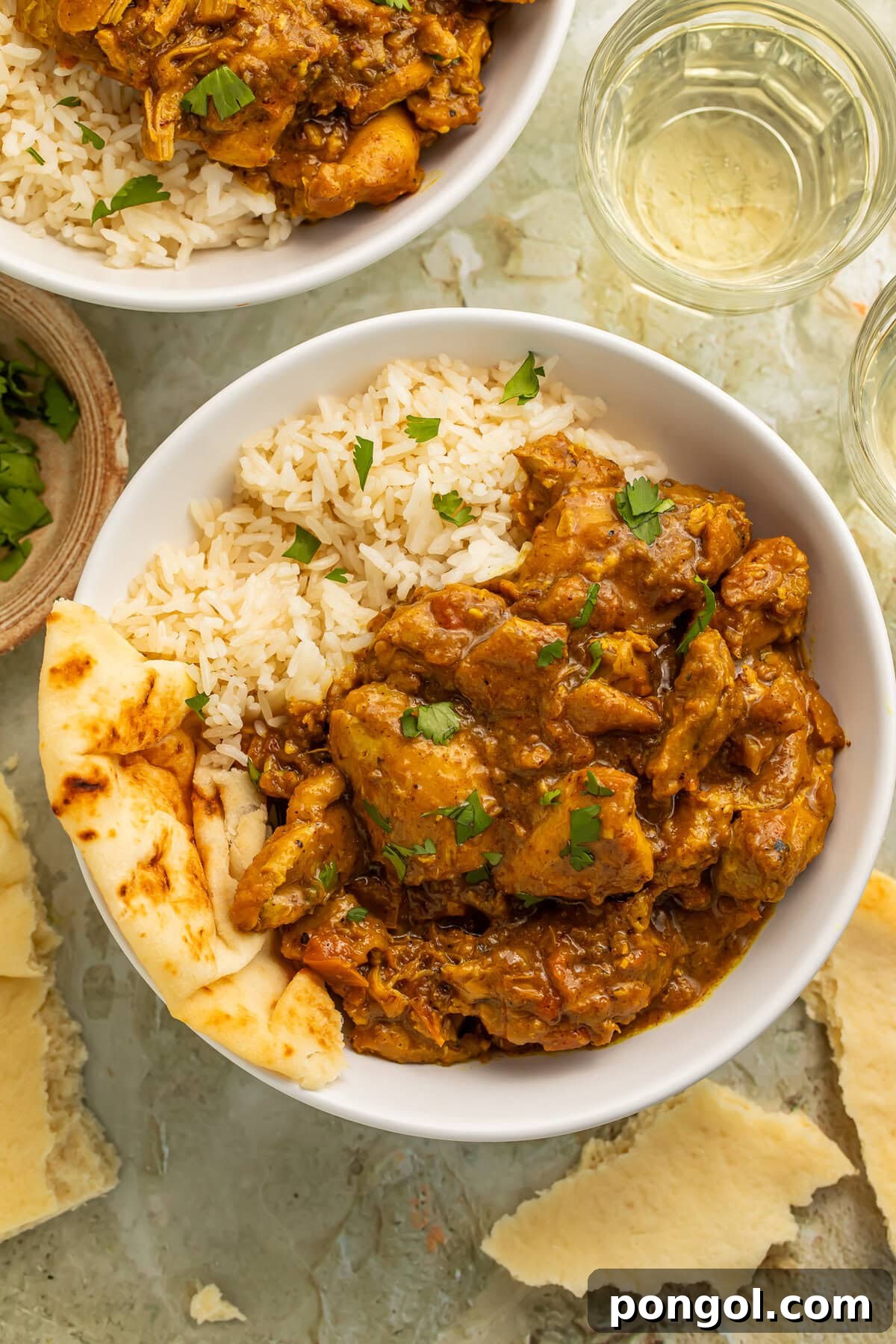
For a comprehensive list of measurements, ingredients, and step-by-step instructions, please see the full recipe card below.
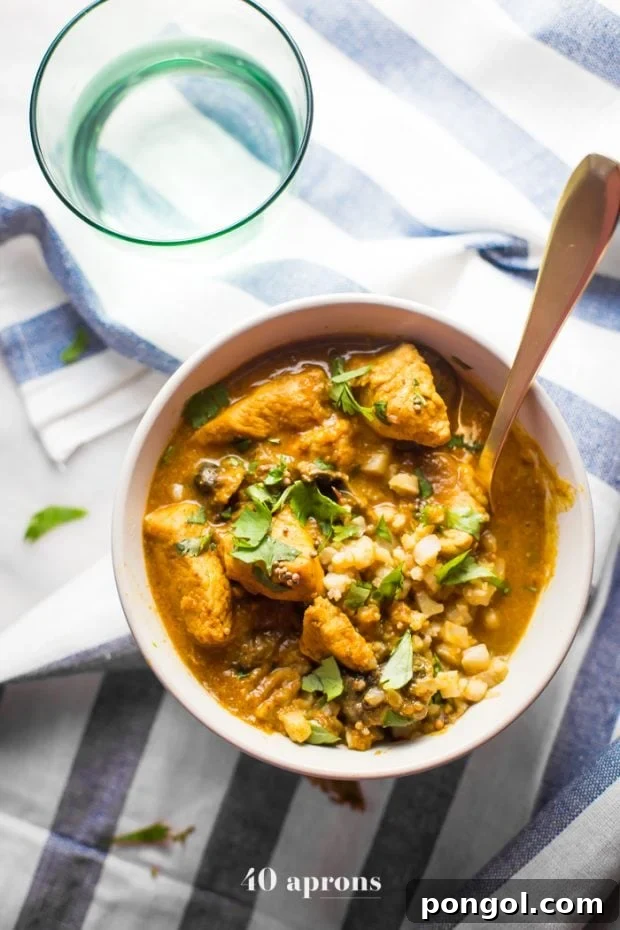
Dealing with dietary restrictions or allergies? For a delicious, family-friendly option that caters to specific needs, we highly recommend our Whole30 Chicken Curry recipe! It’s perfectly balanced for those following Whole30, Paleo, or low-carb diets.
Why This Chicken Curry Stands Out: The Restaurant Difference
What truly elevates a good curry to a great one? It’s all about technique and a deep understanding of flavor development. Our restaurant-style chicken curry isn’t just a meal; it’s an experience, crafted to replicate the authentic taste you cherish from your favorite Indian eateries. Here’s why this recipe deserves a prime spot in your culinary repertoire:
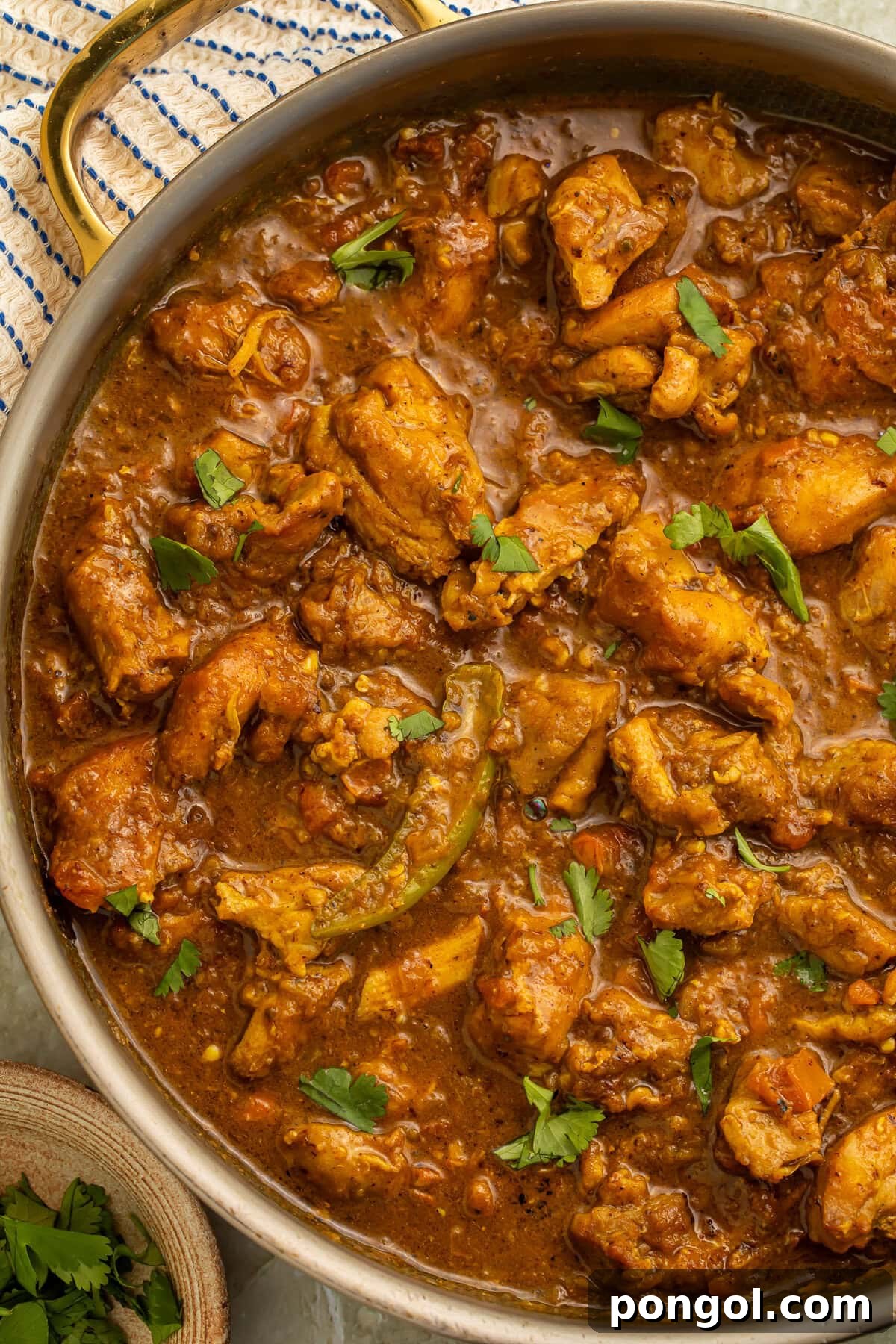
Unlocking Depth with Caramelized Onions and Jammy Tomatoes: This is arguably the most critical step that distinguishes a genuinely great homemade curry from an ordinary one. We commit to cooking the onions slowly, allowing them to transform into a deeply golden, sweet, and caramelized base. This process, coupled with letting the tomato and spice mixture reduce until it forms a rich, jammy paste, builds an unparalleled foundation of layered, complex flavors. Shortcuts simply cannot replicate this depth, and you’ll taste the difference in every glossy, spoonable bite of the finished gravy.
A Family-Friendly Flavor Profile for Every Palate: Worried about the spice level for younger eaters? This recipe is wonderfully adaptable! By entirely skipping the serrano chiles, or replacing them with a small dice of green bell pepper for color without heat, and opting for a mild curry powder blend (about 1 tablespoon), you can effortlessly transform this into a rich, saucy, and deeply flavorful curry that even the pickiest eaters, especially your kiddos, will enthusiastically devour over rice. It’s a versatile dish designed for everyone to enjoy.
Achieving That Perfect Glossy Gravy Consistency: One of the hallmarks of a fantastic restaurant curry is its luscious, spoonable gravy. Our recipe intentionally incorporates a slightly higher amount of liquid during the simmer, which is key to developing that gorgeous consistency. This allows the gravy to beautifully pool around the chicken and infuse every single grain of rice with its exquisite flavor. We also keep coconut milk usage minimal, or even optional, to ensure the flavor profile remains distinctly North Indian—savory and aromatic, rather than leaning into the richer, cream-forward, or Thai-style curries.
Masterful Spice Sequencing for Optimal Aroma: The meticulous sequencing of spices in this recipe is not by accident; it’s a deliberate art that maximizes flavor and aroma. We start by gently popping mustard seeds in ghee, releasing their nutty essence. Next, dry spices are bloomed within the jammy onion-tomato base, intensifying their flavors. Yogurt is then carefully folded in at the very end, off the heat, for a smooth, tangy, and light finish, preventing any curdling. Finally, garam masala is introduced only after the heat is off, ensuring you experience its pure, fragrant aroma without any hint of bitterness. This thoughtful approach creates a symphony of warm, complex flavors that truly shine.
More Delicious Recipes You’ll Love
If you enjoyed making this amazing chicken curry, we invite you to explore more of our highly-rated recipes. Expand your culinary horizons with these popular dishes:
- Ultimate Easter Guide: Brunch, Baskets, and Ideas for Everyone
- Comforting Cottage Cheese Egg Bake
- Cheesy Asparagus Casserole
- Decadent Overnight Brioche French Toast Casserole
Essential Tips for Perfect Restaurant-Style Chicken Curry
Crafting a truly exceptional chicken curry is more about patience and technique than sheer complexity. To ensure your homemade dish tastes every bit as good as your favorite restaurant’s, pay close attention to these crucial steps and expert advice before you begin:
Mastering the Onion Caramelization: The Foundation of Flavor. It might feel like a long 8-10 minutes when your stomach is rumbling, but this initial stage of cooking the onions is where the magic truly begins. Do not rush this step! The goal is not merely to soften the onions until translucent, but to patiently cook them until they are deeply softened and achieve a beautiful light golden hue. This deep caramelization develops profound sweetness and savory depth that is impossible to replicate with hurried cooking. Skimp on this, and the flavor of your finished curry will suffer noticeably. Treat your onions with care, and they will reward you with an incredibly rich base.
Developing a Jammy Tomato-Spice Base. Following the onions, the next vital step involves the tomato and dry spice mixture. After adding these ingredients, allow them to cook for a full 5–7 minutes, stirring frequently. Observe as the mixture darkens, thickens, and transforms into a cohesive, paste-like consistency. This process allows the spices to “bloom” in the oil and merge with the tomatoes, deepening their flavors. A common concern is the mixture sticking to the bottom of the pot; if this happens, don’t panic! Simply add a small splash of water, scrape up any browned bits (which are packed with flavor!), and continue cooking. This “sticking” is actually a sign of flavor development, and a little water helps you harness it without burning.
Choosing the Right Chicken: Thighs for Tenderness and Flavor. For this particular curry, boneless, skinless chicken thighs are highly recommended. Their higher fat content ensures they remain incredibly tender and juicy throughout the simmering process, absorbing the rich flavors of the sauce beautifully. Chicken breasts, while leaner, tend to dry out quickly in a slow-simmering sauce, resulting in a less satisfying texture and milder flavor. If you absolutely must use chicken breasts, be sure to reduce the simmer time to a mere 10–12 minutes and remove them from the heat as soon as they reach an internal temperature of 165°F (74°C) to prevent overcooking.
Incorporating Yogurt for a Smooth, Silky Finish. Yogurt is added at the very end to lend a delightful tang and silky texture to the curry. However, a crucial tip is to always reduce the heat to low before adding the yogurt. Dumping cold yogurt into a vigorously simmering, screaming-hot pan will almost certainly cause it to curdle, resulting in a grainy texture. Instead, lower the heat, then gradually stir in the yogurt a little at a time. This gentle approach ensures a perfectly smooth, velvety, and tangy finish that truly completes the dish.
Recipe Variations: Customize Your Curry
This restaurant-style chicken curry recipe is incredibly versatile, allowing you to easily adapt it to suit your preferences or explore different flavor profiles. Here are a few popular variations to try:
Transform into Chicken Tikka Masala: For a delicious twist, pre-marinate your chicken pieces in ½ cup plain yogurt, 1 tablespoon of fresh lemon juice, 1 teaspoon each of ground cumin, coriander, and turmeric, along with a generous pinch of salt. Let it marinate for at least 30 minutes, or ideally overnight for deeper flavor. Then, spread the marinated chicken on a foil-lined baking sheet and broil on high for 8–10 minutes, flipping once, until you achieve lightly charred spots. Incorporate this broiled chicken into the pot instead of pan-searing, and continue with the recipe as written. The subtle smoky char adds an incredible layer of flavor that truly elevates the dish.
Craft a British Indian Restaurant (BIR) Style Curry: If you’re aiming for that super silky, uniform sauce characteristic of British Indian Restaurants, here’s how to do it. Double the initial onion-tomato base ingredients. Once cooked down, add 1 cup of water and use an immersion blender (or carefully transfer to a regular blender) to blend the entire mixture until it’s perfectly smooth. Return the silky base to the pot, then add your chicken and simmer as directed. This extra step yields a sauce with a professional finish that is remarkably close to what you’d find in a high-quality BIR kitchen.
Create a Butter Chicken-Adjacent Flavor: To nudge this curry towards the rich, sweet, and creamy notes of butter chicken without fully transforming it into a different dish, incorporate 2 tablespoons of cold butter and 2 tablespoons of tomato paste after the yogurt has been stirred in. The butter melts into the sauce, adding luxurious richness and a velvety texture, while the extra tomato paste deepens both the color and the subtle sweetness. It’s a fantastic way to enjoy a richer curry experience. Don’t forget, we also have dedicated, delicious butter chicken recipes if you scroll further down!
Make it Milder for Sensitive Palates: If you prefer a milder curry with less heat, simply remove the seeds from the serrano chiles before adding them to the pot, or omit them entirely. For a touch of color and a very subtle pepper flavor without any spiciness, you can chop a small amount of green bell pepper into a fine dice and add it with the onions.
Achieve Authentic Restaurant Touches with Kasuri Methi: For that indefinable “something special” that makes people wonder about the secret ingredient in restaurant curries, stir in ½ teaspoon of kasuri methi (dried fenugreek leaves) along with the garam masala at the very end, after the heat is off. This herb adds a unique, slightly bitter, and aromatic depth that is a signature of many authentic North Indian dishes and will have everyone asking for your secret.
Frequently Asked Questions About This Chicken Curry
Here are some common questions and helpful answers to ensure your cooking experience is smooth and successful, and your curry turns out perfect every time:
Q: What makes this curry taste so much like a restaurant dish?
A: The secret lies in two fundamental techniques that many home cooks often rush: the deep caramelization of the onion base and the proper blooming and reduction of the tomato-spice mixture. By dedicating sufficient time to these steps, you build a complex, layered depth of flavor that is truly authentic and impossible to replicate with shortcuts. This patient approach is what delivers that incredibly rich and savory taste found in professional Indian kitchens.
Q: What’s the difference between this recipe and Chicken Tikka Masala?
A: While both are beloved Indian chicken dishes, the primary difference lies in the chicken’s preparation. Traditional Chicken Tikka Masala features chicken (the “tikka”) that has been marinated in yogurt and spices, then grilled or charred before being added to a rich sauce. Our recipe, on the other hand, focuses on developing all that restaurant-quality flavor directly within one pot, making it a faster and more convenient option for weeknight meals. If you’re keen to incorporate the distinctive char of tikka, refer to our “Recipe Variations” section for a simple modification.
Q: Can I use chicken breasts instead of thighs in this curry?
A: You can, but we strongly recommend using boneless, skinless chicken thighs for the best results. Thighs are naturally more forgiving and retain their moisture and tenderness throughout the simmering process, contributing significantly more flavor to the sauce. Chicken breasts are leaner and tend to dry out quickly. If you opt for breasts, reduce the simmer time to 10–12 minutes and ensure you remove them from the heat as soon as they reach an internal temperature of 165°F (74°C) to prevent them from becoming tough.
Q: My curry sauce tastes bitter. What went wrong?
A: A bitter taste in curry typically indicates that either your spices were burned, or the garam masala was added too early. When cooking, ensure your mustard seeds pop quickly in the ghee without scorching. It’s crucial to add garam masala only after you’ve turned off the heat at the very end of the cooking process. This preserves its delicate, fragrant aroma and prevents it from developing a bitter, burnt taste.
Q: Can I prepare this chicken curry ahead of time?
A: Absolutely, and in fact, we encourage it! This chicken curry often tastes even better the next day as the flavors have more time to meld and deepen overnight. You can prepare the entire dish and store it in an airtight container in the refrigerator for up to 4 days. Reheat gently on the stovetop over low heat, adding a splash of water or chicken stock if needed to restore its perfect consistency.
Q: Is this curry suitable for freezing?
A: Yes, it freezes beautifully! Allow the curry to cool completely, then transfer it to an airtight, freezer-safe container. It can be frozen for up to 3 months. To reheat, thaw it overnight in the refrigerator, then gently warm it on the stovetop over low heat. Don’t be alarmed if the yogurt separates slightly upon thawing; it will come back together smoothly as it warms with a gentle stir.
Q: Do I have to use ghee, or can I substitute it?
A: Ghee (clarified butter) is highly recommended for its authentic flavor and high smoke point, which makes it ideal for the caramelization steps. However, if ghee is unavailable or you need a dairy-free option, avocado oil or coconut oil are excellent substitutes that can handle the heat well. Regular butter can work in a pinch, but be mindful that it has a lower smoke point and can burn more easily, so keep the heat moderate if using.
Explore More Delicious Chicken Recipes
If you love versatile and flavorful chicken dishes, you’re in the right place! Here’s a selection of our other popular chicken recipes that are sure to inspire your next meal:
- Whole30 Indian Butter Chicken (Lactose-Free)
- Effortless Instant Pot Butter Chicken
- Savory Peanut Butter Chicken
- Classic Butter Chicken
- Aromatic Garlic Herb Butter Chicken
- Tender Chicken Spiedini with Herb Butter Sauce
- Perfectly Roasted Spatchcock Chicken with Garlic-Herb Butter
- Healthy High Protein Chicken Salad
- Delicious Chicken Parmesan Meatballs
- The Best Marry Me Chicken Recipe Roundup (Plus, Other Takes!)
Important Note: While we strive to provide accurate and helpful guidance, remember that altering a recipe can sometimes lead to unexpected results. Any substitutions or variations suggested in this article are based on our experience and are believed to work well, but individual outcomes may vary and are not guaranteed. Always use your best judgment when making modifications.
Recipe By: Cheryl Malik
4.97 from 150 votes
Restaurant Style Chicken Curry
This restaurant-style chicken curry recipe is built on a richly caramelized onion-tomato base that delivers that glossy, spoonable curry gravy you’d get at your favorite Indian restaurant. Tender chicken thighs, layers of warm aromatic spices, and a silky yogurt finish come together into a tasty and weeknight dinner!
Recipe Author:

Cheryl Malik
Pin Recipe
Equipment
- Large wide pot or deep skillet
- Sharp knife
- Cutting board
- Box grater or microplane
- Wooden spoon or silicone spatula
- Instant read thermometer (if using chicken breasts)
Ingredients for Chicken Curry (Serves 4)
- 2 pounds boneless skinless chicken thighs, cut into bite-size pieces
- 3 tablespoons ghee, divided
- 1 teaspoon mustard seeds
- 1 large red onion, finely diced, nearly minced
- 6 cloves garlic, grated or very finely minced
- 2 tablespoons fresh ginger, grated or very finely minced
- 2 Roma tomatoes, finely diced, or 1 cup crushed tomatoes
- 2 serrano chiles, slit lengthwise (adjust to preferred heat level)
- 1½ tablespoons curry powder
- 1 teaspoon ground coriander
- 1 teaspoon ground cumin
- ½ teaspoon turmeric
- 1 pinch cinnamon
- 1½ cups water or chicken stock
- ½ cup plain yogurt, full-fat (or dairy-free alternative)
- ¼ cup coconut milk, optional (for added creaminess)
- ½ teaspoon garam masala
- Salt, to taste
For Serving
- Steamed basmati rice or cauliflower rice
- Fresh cilantro, chopped (for garnish)
- Naan bread (optional)
Instructions
- Pat 2 pounds of boneless, skinless chicken thighs dry with paper towels; season lightly with salt. Heat 1½ tablespoons of ghee in a large wide pot or deep skillet over medium-high heat.
- Brown the chicken in batches until just golden on the outside (it doesn’t need to be cooked through). Remove the browned chicken and set it aside.
- Add the remaining 1½ tablespoons of ghee to the same pot. Add 1 teaspoon of mustard seeds and let them pop, which usually takes about 30 seconds.
- Add the finely diced red onion and a pinch of salt. Cook for 8–10 minutes, stirring often, until the onion is deeply softened and lightly golden. This crucial step develops deep flavor, so do not rush it.
- Stir in the grated garlic and ginger. Cook for 30–60 seconds until fragrant, being careful not to burn.
- Add the finely diced Roma tomatoes (or crushed tomatoes), serrano chiles (if using), 1½ tablespoons of curry powder, 1 teaspoon of ground coriander, 1 teaspoon of ground cumin, ½ teaspoon of turmeric, and a pinch of cinnamon. Cook this mixture for 5–7 minutes, stirring frequently, until it darkens and develops a rich, jammy, paste-like consistency. If the mixture starts to stick to the bottom, add a splash of water and continue cooking, scraping up any browned bits for extra flavor.
- Return the browned chicken to the pot and stir to ensure it’s well coated in the aromatic spiced base. Add 1½ cups of water or chicken stock, making sure to scrape up any browned bits from the bottom of the pot, as these add significant flavor.
- Bring the curry to a gentle simmer, then reduce the heat to low. Simmer uncovered for 15–20 minutes, stirring occasionally, until the sauce has reached a loose, glossy consistency and the chicken registers an internal temperature of 175–180°F (79-82°C) on an instant-read thermometer.
- Reduce the heat further to very low. Slowly stir in ½ cup of plain, full-fat yogurt, adding it a little at a time to prevent curdling. If desired, stir in ¼ cup of coconut milk for added creaminess. Simmer gently for another 3–5 minutes.
- Turn off the heat. Stir in ½ teaspoon of garam masala. Taste and adjust salt as needed. Allow the curry to rest for 10 minutes before serving; this helps the flavors meld beautifully.
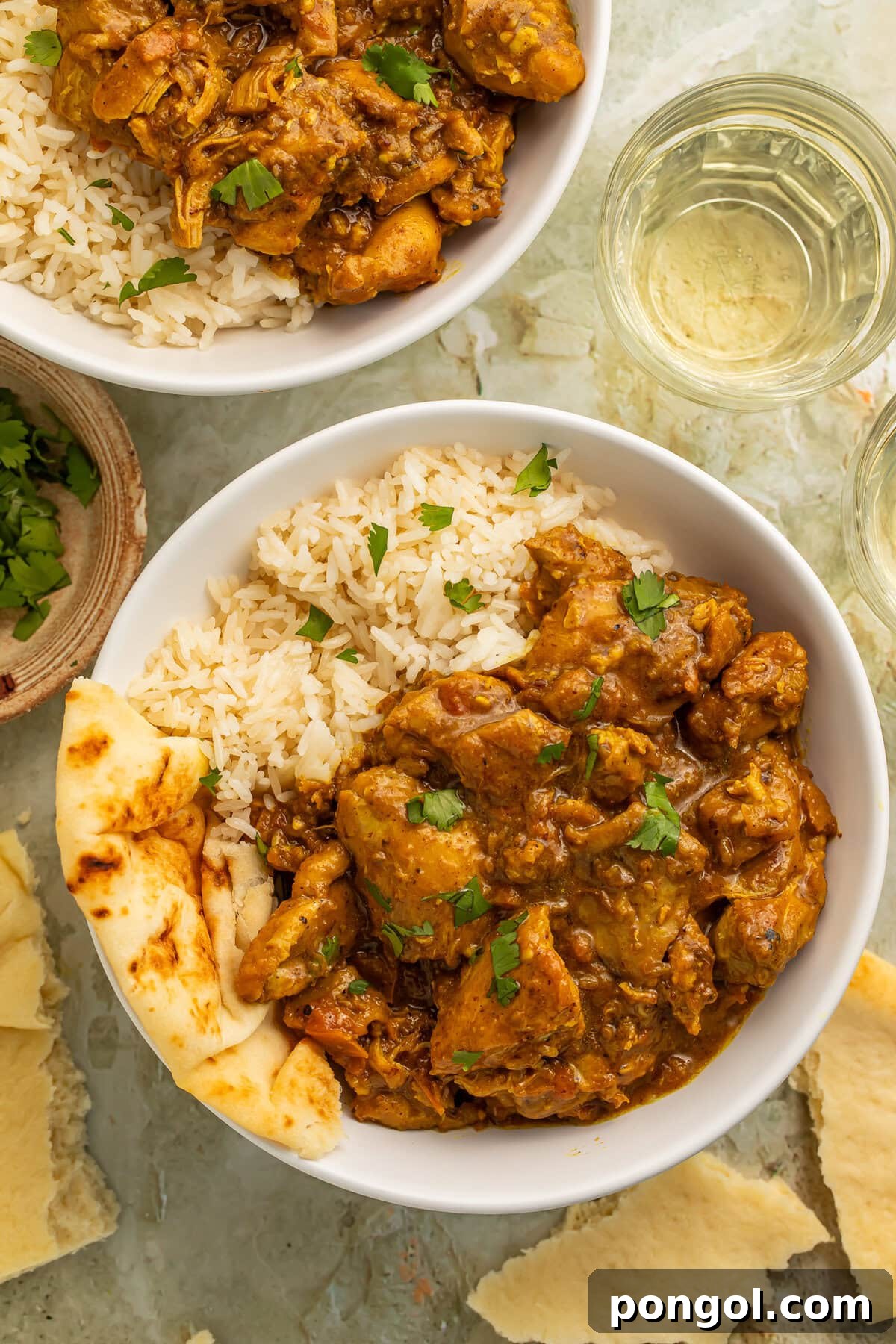
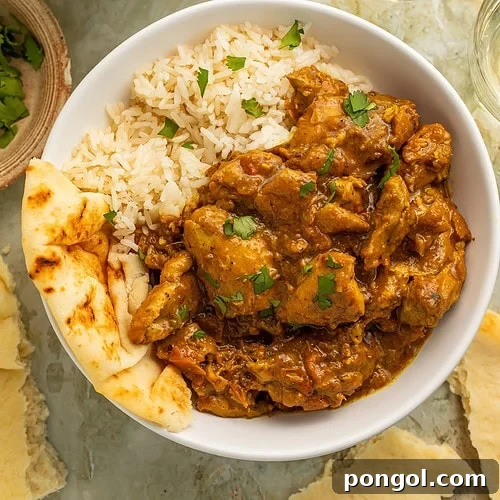
- Serve your delicious restaurant-style chicken curry over steamed basmati rice or cauliflower rice. Garnish generously with fresh chopped cilantro, and serve with warm naan bread if desired. Enjoy!
Recipe Notes & Tips
- Make it Chicken Tikka Masala: Marinate chicken in ½ cup plain yogurt, 1 tbsp lemon juice, 1 tsp each cumin, coriander, and turmeric for 30+ mins. Broil until lightly charred (8-10 mins, flipping once). Use broiled chicken instead of pan-seared.
- Make it Whole30/Paleo: Use compliant unsweetened non-dairy yogurt (like Kite Hill) and coconut oil instead of ghee. Serve over steamed cauliflower rice.
- Make it Dairy-Free: Substitute plain yogurt with your favorite dairy-free yogurt and use coconut oil instead of ghee.
- Restaurant Finishing Touch: For authentic depth, stir in ½ teaspoon of kasuri methi (dried fenugreek leaves) with the garam masala at the very end.
- Storage: Refrigerate in an airtight container for up to 4 days. Reheat gently on the stovetop over low heat, adding a splash of water or stock if needed.
- Freezing: Freeze in an airtight container for up to 3 months. Thaw overnight in the refrigerator and reheat gently on the stovetop.
Approximate Nutrition Information (Per Serving)
Please note: These values are general guidelines and may vary based on specific brands and ingredient choices. Servings are approximate.
Nutrition Disclaimers:
Number of total servings shown is approximate. Actual number of servings will depend on your preferred portion sizes.
Nutritional values shown are general guidelines and reflect information for 1 serving using the ingredients listed, not including any optional ingredients. Actual macros may vary slightly depending on specific brands and types of ingredients used.
To determine the weight of one serving, prepare the recipe as instructed. Weigh the finished recipe, then divide the weight of the finished recipe (not including the weight of the container the food is in) by the desired number of servings. Result will be the weight of one serving.
Did You Make This Recipe?
We’d love to see your creation! Tag @40aprons on Instagram and be sure to leave a review on the blog post to share your experience!
Tag @40Aprons on Instagram