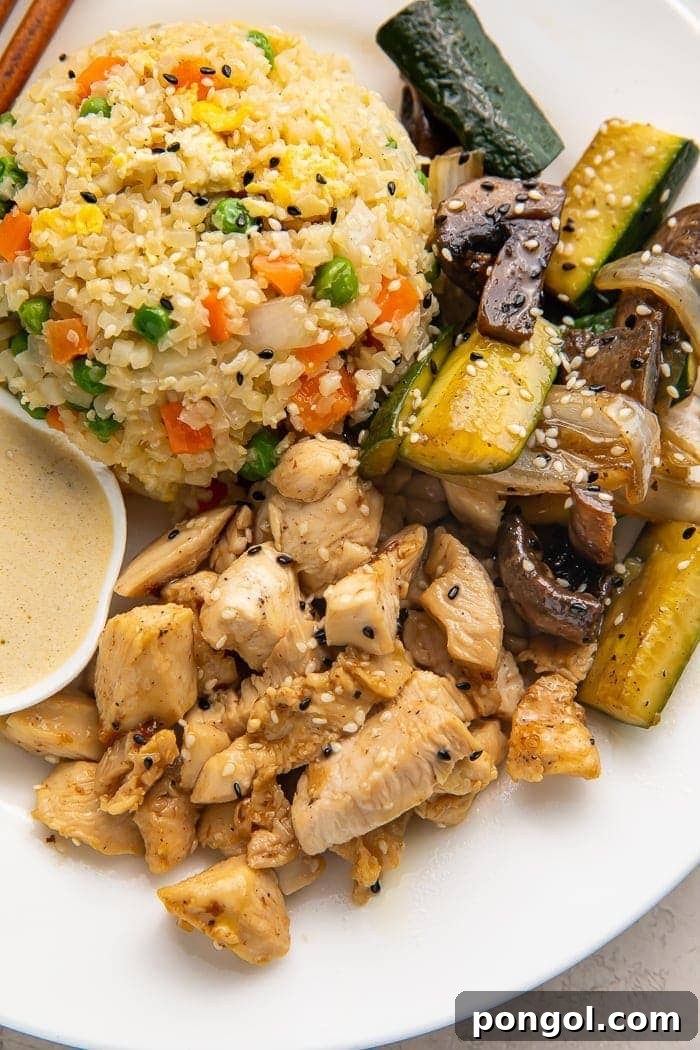
Welcome to the ultimate guide for creating an incredible **Whole30 Hibachi Chicken Dinner at Home**! Imagine the sizzling excitement and savory aromas of your favorite Japanese steakhouse, brought right into your kitchen, all while adhering to your Whole30 commitments. This comprehensive recipe delivers a full hibachi experience, complete with perfectly sautéed vegetables, savory “fried rice” made with cauliflower, and succulent, tender chicken, all complemented by a vibrant, spicy Whole30 mustard dipping sauce that will transport your taste buds. Forget the typical restaurant compromises; this version is designed to be completely Whole30-compliant without sacrificing any of the authentic flavors you love. It’s a healthy, flavorful, and incredibly satisfying meal that’s perfect for busy weeknights or for impressing guests with a wholesome, gourmet experience. Get ready to transform your dining routine with this irresistible homemade hibachi feast!
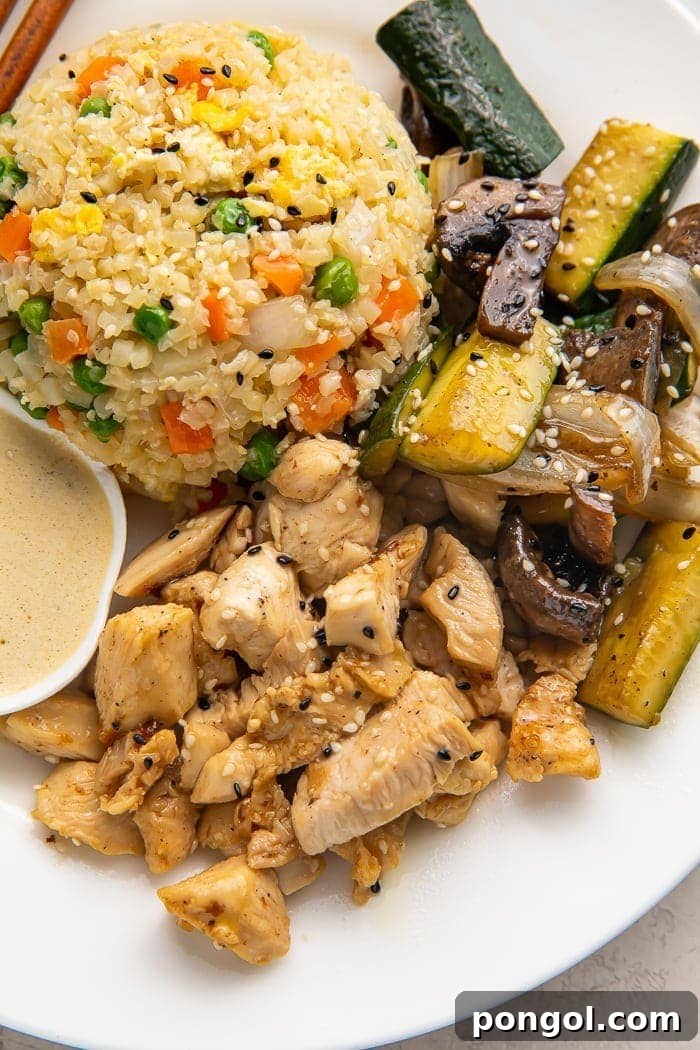
Why You’ll Love This Whole30 Hibachi Recipe
- Authentic Restaurant Flavor, Wholesome Ingredients: This recipe masterfully replicates the beloved taste of your favorite Japanese steakhouse hibachi, but with a crucial difference: every ingredient is carefully selected to be 100% Whole30-compliant. You can indulge in rich, savory flavors and tender textures without any guilt or compromise to your health goals. It’s truly the best of both worlds.
- Perfect for Meal Prep and Leftovers: Yielding a generous 6 servings, this hibachi dinner is ideal for both family meals and strategic meal prepping. The components hold up beautifully in the refrigerator, allowing you to enjoy delicious, healthy leftovers for up to 5 days when stored in an airtight container. This makes it a fantastic option for ensuring you have wholesome, ready-to-eat meals throughout your busy week.
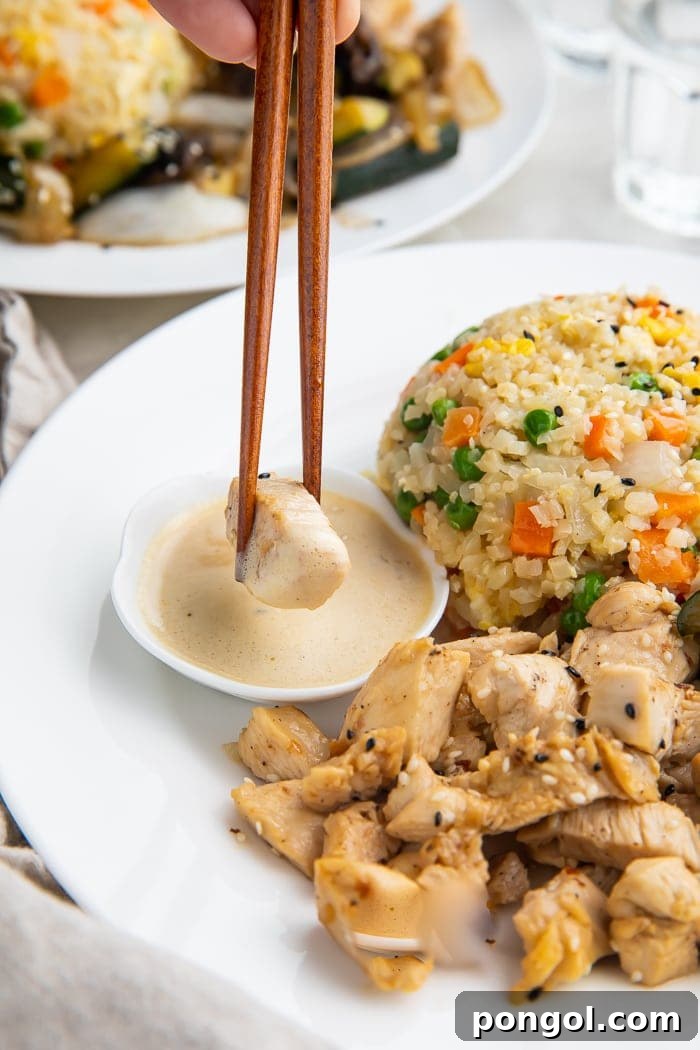
- The Irresistible Sweet-and-Spicy Mustard Sauce: Elevating this dish to a whole new level is our homemade Whole30 mustard sauce. This vibrant condiment strikes the perfect balance between sweet, spicy, and tangy, adding an incredible depth of flavor that complements the chicken, rice, and vegetables flawlessly. Be warned – you’ll want to put this versatile sauce on everything!
- Quick and Effortless Weeknight Meal: Despite its impressive appearance and complex flavors, this entire meal can be on your table in roughly 30-35 minutes. Its efficiency makes it an absolute lifesaver for those hectic weeknights when you crave a delicious, home-cooked meal but are short on time. It’s proof that healthy eating doesn’t have to be time-consuming.
- Family-Friendly and Customizable: Hibachi is a universally loved cuisine, and this Whole30 version is no exception. It’s a fantastic way to introduce healthy eating to your family, offering familiar flavors in a nutritious format. Plus, it’s easily customizable to suit individual preferences, making it a crowd-pleaser for all ages.
Essential Ingredients for Your Whole30 Hibachi
To recreate the magic of hibachi at home while staying true to Whole30 principles, selecting the right ingredients is key. Our recipe focuses on fresh, unprocessed components that deliver maximum flavor and nutritional value.
Cauliflower Rice: The Smart Carb Alternative – Cauliflower rice is a game-changer for anyone looking to reduce carbohydrate intake or simply boost their vegetable consumption. It’s an incredibly versatile and healthy substitute for traditional white rice, offering a similar texture when prepared correctly. You can easily make your own by pulsing chopped cauliflower florets in a food processor until they achieve a rice-like consistency. For ultimate convenience, many grocery stores now offer pre-made frozen cauliflower rice, which works wonderfully in this recipe and can even enhance the “fried” texture. This low-carb hero absorbs flavors beautifully, making it the perfect base for our Whole30 “fried” rice.
Frozen Vegetables: Convenience Meets Flavor – What’s fried rice without a vibrant medley of vegetables? Our recipe calls for frozen vegetables, specifically carrots and green peas, which are classic additions to traditional fried rice. These provide essential nutrients, a pop of color, and a delicious earthy sweetness. While fresh vegetables can certainly be used, frozen varieties often lend a slightly softer, more “restaurant-style” texture to fried rice, as they tend to release moisture more readily during cooking. Feel free to incorporate other Whole30-compliant frozen veggies like corn (if not strictly avoiding) or mixed blends to customize your dish.
Whole30 “Soy Sauce” (Coconut Aminos & Fish Sauce): The Umami Secret – Since traditional soy sauce contains soy and often sugar, it’s not Whole30-compliant. Our ingenious substitute—a blend of coconut aminos and fish sauce—delivers the salty, umami-rich depth characteristic of hibachi cuisine without the non-compliant ingredients. Coconut aminos provide a slightly sweet, savory profile similar to light soy sauce, while a high-quality, sugar-free fish sauce adds that crucial fermented, savory complexity. Together, they create a robust and authentic flavor base that is absolutely essential for both the “fried” rice and the chicken.
Ghee: The Golden Cooking Fat – Ghee, or clarified butter, is a staple in Whole30 cooking due to its high smoke point and rich, buttery flavor. It’s ideal for sautéing and frying, giving our chicken, rice, and vegetables a luxurious taste and beautiful browning. Unlike butter, ghee is dairy-free as the milk solids have been removed, making it a perfect Whole30 fat source.
Chicken Breast: Lean Protein Perfection – Boneless, skinless chicken breast is the star protein of this hibachi dish. Cut into bite-sized pieces, it cooks quickly and evenly, soaking up the savory marinades and developing a tender, juicy texture. It’s a lean source of protein that keeps you feeling full and satisfied.
Fresh Lemon Juice: A Brightening Touch – A squeeze of fresh lemon juice adds a bright, zesty counterpoint to the rich, savory flavors of the chicken, cutting through the richness and enhancing the overall freshness of the dish.
Hibachi Vegetables (Zucchini, Onion, Mushrooms): – These vegetables are classic hibachi additions, offering a delightful texture and earthy flavors when quickly sautéed. Zucchini becomes tender-crisp, onions caramelize slightly, and mushrooms develop a rich, meaty depth, all contributing to the restaurant-style experience.
Mustard Sauce Ingredients (Sesame Seeds, Garlic, Dry Mustard, Coconut Aminos, Coconut Milk, Hot Water): – These simple ingredients combine to create the truly exceptional dipping sauce. Sesame seeds add nutty depth, dry mustard provides pungency and heat, garlic lends aromatic intensity, while coconut aminos and coconut milk balance the flavors with creamy sweetness and umami. Hot water helps achieve the perfect consistency.
Crafting Your Homemade Whole30 Hibachi: A Step-by-Step Overview
Creating this Whole30 Hibachi feast is an exciting culinary journey that’s surprisingly straightforward. We’ll tackle each component strategically, ensuring everything comes together in a symphony of flavors and textures.
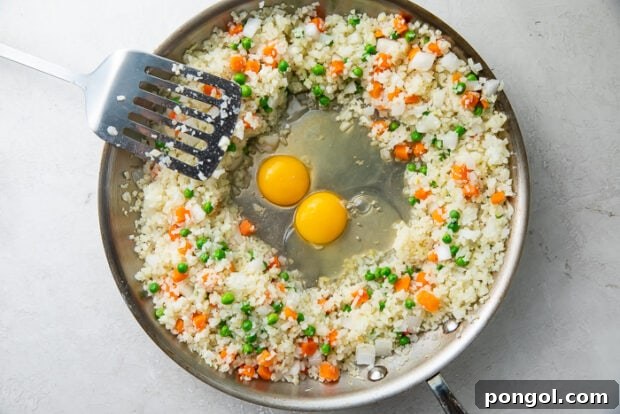
First, we begin with the star side dish: the **fried cauliflower rice**. For this, a large skillet or a traditional wok is your best friend, providing ample surface area for even cooking and stir-frying. You’ll start by heating a generous amount of ghee, allowing it to melt and become fragrant. Into this golden fat, you’ll introduce your diced onions, frozen vegetables, and prepared cauliflower rice. Sautéing these ingredients for just a few minutes allows the onions to soften and become translucent, releasing their aromatic sweetness. Once the vegetables are tender-crisp, create a well in the center of the pan and crack in two large eggs. Quickly scramble the eggs until they are cooked through, then effortlessly mix them into the cauliflower rice and vegetables. A final flourish of our special Whole30 “soy sauce” (the coconut aminos and fish sauce blend) and a pinch of salt finishes off this flavorful rice, which is then quickly transferred to bowls to keep warm while you prepare the rest of your meal.
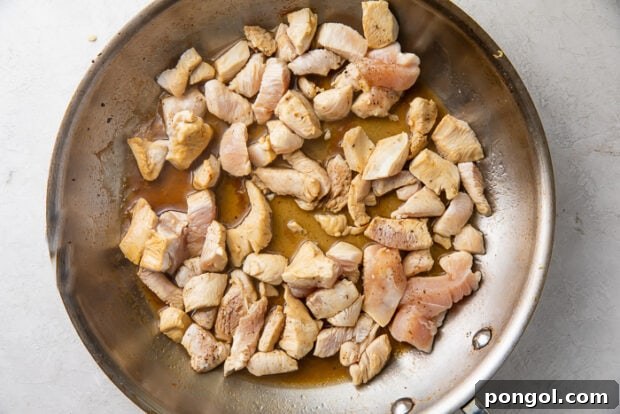
Next up is the **tender hibachi chicken**. Using the same skillet from the rice, you’ll benefit from the residual flavors left behind. Heat a fresh swirl of ghee and a touch of sesame oil, then add your bite-sized chicken pieces. The key here is not to overcrowd the pan and to resist the urge to stir constantly. Allow the chicken to sear and develop a beautiful golden-brown crust, locking in its juices and adding depth of flavor. A splash of the Whole30 “soy sauce” and fresh lemon juice, along with salt and pepper, infuses the chicken with an incredible savory and slightly tangy profile. Cook until the chicken is perfectly opaque and tender, about 5-7 minutes.
Simultaneously, in a separate skillet, prepare your **restaurant-style hibachi vegetables**. Heat more ghee and sesame oil, then add generous chunks of zucchini, sliced white onion, and quartered baby bella mushrooms. Sauté these vibrant vegetables until they reach your desired tenderness—crisp-tender is often preferred for hibachi. A dash of the coconut aminos and fish sauce mixture, along with salt and pepper, enhances their natural flavors, creating a colorful and delicious accompaniment to your chicken and rice.
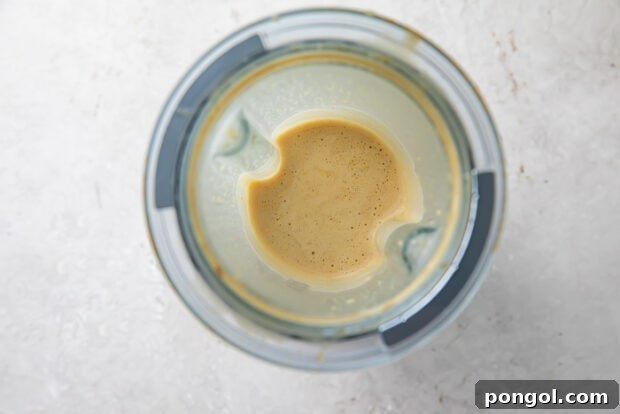
Finally, the effortlessly delicious **Whole30-compliant mustard dipping sauce**. This component is a breeze to make and can even be prepared a few days in advance, making your meal assembly even faster. Simply combine toasted sesame seeds, minced garlic, dry mustard, coconut aminos, coconut milk, and a little hot water in a blender. Blend until completely smooth and creamy. The result is a wonderfully spicy, tangy, and slightly sweet sauce that truly ties the entire hibachi experience together.
Once all components are ready, assemble your plate or hibachi bowl with a generous serving of cauliflower rice, tender chicken, and vibrant sautéed vegetables. Drizzle with or dip into the mustard sauce, and enjoy your sensational homemade Whole30 Hibachi dinner while it’s hot!
Chef’s Expert Tips for Perfect Whole30 Hibachi
Achieving that authentic hibachi taste and texture at home is easier than you think with these professional tips and tricks:
- The Secret to Superior “Fried” Rice: Use Pre-Cooked Cauliflower Rice. For the most authentic fried rice texture and flavor, mimicking the way traditional fried rice often uses day-old rice, we highly recommend using cauliflower rice that has been cooked and preferably chilled ahead of time. Freshly cooked cauliflower rice can be a bit too moist, leading to a steamed rather than fried texture. Pre-cooked and cooled rice separates better and achieves that desirable slightly chewy, distinct grain.
- Master Your Mustard Sauce in Advance: Save valuable time on busy weeknights by preparing the Whole30 mustard sauce up to 5 days ahead of time. Store it in an airtight container in the refrigerator, and simply give it a good stir or a quick re-blend before serving. This allows the flavors to meld and deepen, making it even more delicious.
- Vary Your Protein for Excitement: While chicken breast is fantastic, don’t hesitate to customize your Whole30 hibachi dinner with other compliant proteins. Shrimp is an excellent alternative, cooking quickly and absorbing flavors beautifully. For a richer flavor, consider using thinly sliced steak, like sirloin or flank steak, ensuring it’s grass-fed and Whole30-approved. Both options are just as delicious and compliant.
- Explore a Rainbow of Vegetables: Don’t limit yourself to just zucchini, onions, and mushrooms for your hibachi vegetables. Broccoli florets or crisp snap peas are wonderful additions that are perfectly Whole30-compliant and commonly found in Japanese cuisine. Other great options include bell peppers, asparagus, or even thinly sliced cabbage. The key is to cut them into similar-sized pieces for even cooking.
- Achieve the Restaurant Sizzle: To get that satisfying “sizzle” and slight char that’s characteristic of hibachi, ensure your skillet or wok is very hot before adding the ingredients. Don’t overcrowd the pan, as this lowers the temperature and steams the food instead of frying it. Cook in batches if necessary, especially for the chicken and vegetables, to allow them to properly brown and develop flavor.
- Seasoning is Key: Don’t underestimate the power of salt and pepper. Season each component individually – the cauliflower rice, the chicken, and the vegetables – as you cook them. This layering of seasoning ensures that every bite is bursting with flavor.
More Whole30 Recipes to Inspire You
- Whole30 Breakfast Meal Prep
- Whole30 Fried Chicken and Mashed Potato Bowl with Gravy
- Teriyaki Chicken (Whole30)
- Brussels Sprouts Salad
- Sweet Potato Rice
- Breakfast Egg Roll in a Bowl (Whole30, Paleo)
- Whole30 Fried Chicken and Mashed Potato Bowl with Gravy
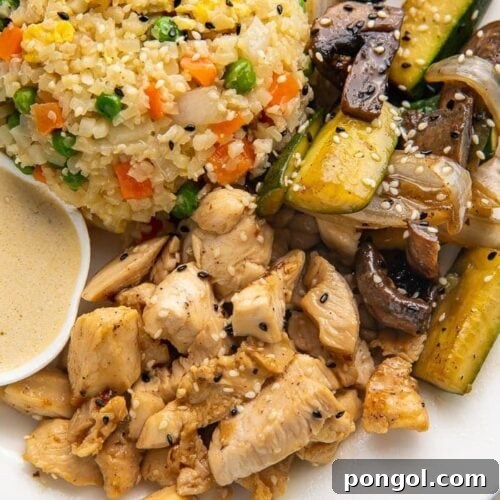
Whole30 Hibachi Chicken Dinner
 Cheryl Malik
Ingredients
- 3 teaspoons sesame oil divided
- 6 tablespoons ghee divided
- salt
- pepper
For the Whole30 “Soy Sauce”
- 6 tablespoons coconut aminos
- 3 tablespoons fish sauce (see Note for Whole30 compliance)
For the Cauliflower Fried Rice
- ½ cup white onion diced
- 1 cup frozen mixed vegetables (carrots and peas recommended)
- 2 large eggs
- 4 cups cauliflower rice (pre-cooked and chilled for best results)
For the Hibachi Chicken
- 1 pound chicken breast cut into bite-sized pieces
- 2 teaspoons fresh lemon juice
For the Hibachi Vegetables
- 1 zucchini large, quartered, cut into 2-inch pieces
- 1 white onion large, halved, cut into ½-inch pieces
- 2 cups baby bella mushrooms about 8 ounces, quartered
For the Spicy Mustard Dipping Sauce
- 1 tablespoon sesame seeds preferably lightly toasted
- 1 clove garlic minced
- 1 ½ tablespoons dry mustard
- 1 tablespoon coconut aminos
- ½ cup full-fat coconut milk (canned)
- 1 tablespoon hot water
Instructions
For the Whole30 “Soy Sauce”
-
In a small bowl, thoroughly whisk together the coconut aminos and fish sauce until well combined. Set this mixture aside as your Whole30 “soy sauce” to be used in various steps of the recipe.
For the Cauliflower Fried Rice
-
Heat 2 tablespoons of ghee in a large skillet or wok over medium-high heat until shimmering. Add the diced white onion, frozen mixed vegetables, and the cauliflower rice. Sauté, stirring occasionally, until the onions are almost translucent and the vegetables are tender-crisp, which should take approximately 3-5 minutes.
-
Push the sautéed vegetables and cauliflower rice to the edges of the pan, creating an empty space in the center. Crack the two large eggs directly into this space. Using a spatula, scramble the eggs vigorously until they are fully cooked through and finely scrambled.

-
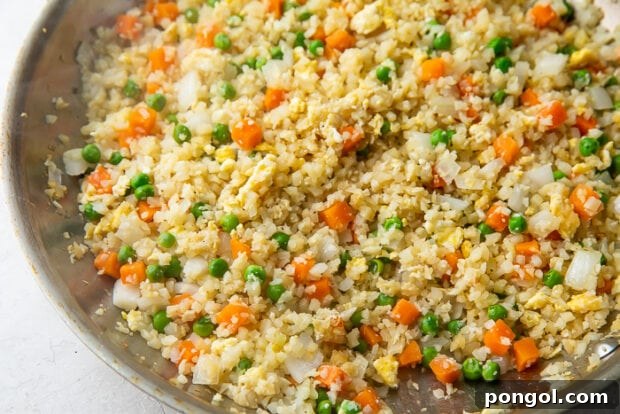
Incorporate the scrambled eggs thoroughly with the cauliflower rice and vegetables. Add an additional 2 tablespoons of ghee to the mixture. Continue to cook for another 5 minutes, stirring frequently to ensure everything is well combined and heats through evenly. Stir in 2 tablespoons of the prepared Whole30 “soy sauce” mixture and ½ teaspoon of salt. Cook for 1 additional minute to allow the flavors to marry.
-
Once the fried cauliflower rice is complete, immediately transfer it to serving bowls or an insulated container, packing it firmly to help retain its heat while you prepare the remaining components of your hibachi dinner.
For the Hibachi Chicken and Vegetables
-
Using the same skillet (or a clean one if preferred) used for the rice, heat 1 ½ teaspoons of sesame oil and 1 tablespoon of ghee over medium-high heat. Add the bite-sized chicken breast pieces to the hot skillet in a single layer. Pour 2 tablespoons of the Whole30 “soy sauce” mixture over the chicken, along with the fresh lemon juice, a pinch of salt, and a dash of black pepper. Cook the chicken for approximately 5 to 7 minutes, stirring only once or twice throughout this period to allow the chicken to develop a beautiful browned crust. Cook until the chicken is no longer pink in the center and is cooked through.
-
In a separate large skillet or wok, heat the remaining 1 ½ teaspoons of sesame oil and 1 tablespoon of ghee over medium-high heat. Add the quartered zucchini, sliced white onion, and quartered baby bella mushrooms. Add 1 tablespoon of the Whole30 “soy sauce” mixture, along with salt and pepper to taste. Sauté the vegetables, stirring occasionally, until they are tender-crisp and slightly caramelized, which usually takes about 6 to 8 minutes. Avoid overcooking to maintain their vibrant color and texture.
For the Spicy Mustard Dipping Sauce
-
If desired, lightly toast the sesame seeds in a dry skillet over low heat until fragrant (about 1-2 minutes). Combine the toasted sesame seeds (or untoasted), minced garlic, dry mustard, coconut aminos, full-fat coconut milk, and hot water in a high-speed blender. Blend on high until the sauce is completely smooth and creamy. Taste and adjust seasonings if necessary, adding more dry mustard for extra spice or coconut aminos for sweetness/umami.
Recipe Notes
- Toasting the sesame seeds for the mustard sauce is an optional step, but doing so will significantly enhance their nutty flavor and add more depth to the sauce.
- Remember that traditional soy sauce is not Whole30-compliant. Always use the coconut aminos and fish sauce mixture as specified in our recipe to maintain compliance.
- It is crucial to verify that your chosen fish sauce brand is completely sugar-free and Whole30-compliant. We highly recommend Red Boat Fish Sauce (affiliate link) as it consistently meets these requirements and offers exceptional flavor.
- For the creamiest mustard sauce, ensure you use full-fat canned coconut milk, not the beverage kind.
Approximate Nutritional Information Per Serving
Nutrition Disclaimers
Number of total servings shown is approximate. Actual number of servings will depend on your preferred portion sizes.
Nutritional values shown are general guidelines and reflect information for 1 serving using the ingredients listed, not including any optional ingredients. Actual macros may vary slightly depending on specific brands and types of ingredients used.
To determine the weight of one serving, prepare the recipe as instructed. Weigh the finished recipe, then divide the weight of the finished recipe (not including the weight of the container the food is in) by the desired number of servings. Result will be the weight of one serving.
Did You Make This Recipe?
Tag @40aprons on Instagram and be sure to leave a review on the blog post!
Tag @40Aprons on Instagram