
There’s nothing quite like the aroma of freshly baked gingerbread cookies to usher in the holiday season. Imagine the comforting scent of warm spices filling your home, inviting smiles and festive cheer. These gluten-free gingerbread cookies are everything you dream of and more: delightfully spiced, perfectly crisp yet chewy, and absolutely bursting with classic festive flavor. Crafted to be effortlessly gluten-free, they bring all the joy of traditional gingerbread without compromise. Whether you’re planning a festive cookie exchange, hosting a holiday party, or simply looking for a thoughtful, sweet gift for teachers, coworkers, or loved ones, these charming cut-out cookies are an ideal choice. Get ready to create edible works of art that taste as good as they look!

🎄 Why You’ll Love This Gluten-Free Gingerbread Cookie Recipe
This recipe isn’t just another cookie recipe; it’s a celebration of flavor, tradition, and dietary inclusivity. Here’s what makes these gluten-free gingerbread cookies truly exceptional:
- Uncompromised Taste and Texture: These cookies capture the essence of classic gingerbread. They boast the rich, warm, and distinctive blend of spices you adore, coupled with that perfect crisp-yet-chewy texture. You won’t believe they’re gluten-free, proving that deliciousness knows no bounds.
- Perfectly Shaped Cut-Outs, Every Time: Designed specifically for cut-out cookies, this dough holds its shape beautifully during baking. Say goodbye to frustrating “cookie blobs” that spread and lose their festive form. Whether you’re crafting gingerbread men, intricate trees, candy canes, gift boxes, or even components for a gingerbread house, your creations will emerge from the oven looking precisely as intended.
- A Canvas for Creativity: One of the greatest joys of gingerbread cookies is decorating them! This recipe provides a sturdy, flavorful base that’s ready for any artistic touch you wish to add. Get creative with store-bought or homemade royal icing, vibrant sprinkles, classic Red Hots, cheerful gumdrops, or a simple dusting of powdered sugar. The possibilities are endless, allowing you to personalize each cookie for a truly unique holiday treat. You can even try creamy paleo buttercream or decadent cream cheese frosting for a rich finish.
- Simple and Approachable: Despite their impressive appearance, these cookies are surprisingly easy to make. The straightforward instructions and helpful tips ensure a smooth baking process, making them accessible for bakers of all skill levels, even those new to gluten-free baking.
👩🏼🍳 Expert Tips for Gingerbread Perfection
Achieving bakery-quality gluten-free gingerbread cookies is easier than you think with these professional tips. Pay close attention to these details, and you’ll be delighted with the results:
- Accurate Gluten-Free Flour Measurement is Key: When working with gluten-free flour, precision is paramount. Always use the “spoon-and-level” method. Instead of scooping your measuring cup directly into the flour bag, which can compact the flour and lead to using too much, spoon the flour into your measuring cup until it overflows. Then, use the straight edge of a knife or a flat spatula to gently scrape across the top of the cup, leveling off any excess. This technique ensures you have the exact amount needed for the perfect dough consistency.
- Cooling is Crucial for Decoration: Patience is a virtue, especially when decorating. Before you even think about applying icing, sprinkles, or any other adornments, ensure your gingerbread cookies are completely cooled. Any residual warmth will cause your icing to melt, bleed, or run, ruining your carefully crafted designs. Warm cookies are also more fragile and prone to crumbling when handled. For crisp lines and sturdy decorations, a full cool-down on a wire rack is non-negotiable.
- Don’t Fear the Fridge for Sticky Dough: Gluten-free dough can sometimes be a bit more delicate or prone to becoming sticky as it warms from handling. If you find your dough difficult to roll out, manage, or cut shapes from, don’t hesitate to put it back in the refrigerator. A brief 15-30 minute chill will firm it up, making it much easier to work with. You can repeat this process as many times as necessary to maintain the ideal temperature and consistency. This ensures your cut-outs remain sharp and distinct.
- Achieving the Perfect Bake: Gingerbread cookies are best when they are crisp at the edges but still slightly chewy in the center. Keep a close eye on them in the oven. The ideal doneness is when the edges begin to firm up and lightly brown, but the centers still look just set. Overbaking can lead to dry, brittle cookies. Remember that cookies will continue to bake slightly from residual heat once removed from the oven, so it’s often better to slightly underbake than overbake.
- Generous Flour for Rolling: When rolling out your dough, don’t be shy with flouring your work surface and rolling pin. Gluten-free dough can be prone to sticking, so a light, even dusting prevents frustration. However, be mindful not to incorporate too much extra flour into the dough itself, as this can make the final cookies dry. Just enough to prevent sticking is perfect.

A Brief History of Gingerbread
Gingerbread, with its warm, inviting spices, has a history as rich and comforting as its flavor. Tracing its roots back to ancient civilizations, gingerbread as we know it today began to take shape in Europe during the Middle Ages. Crusaders returning from the East introduced ginger and other exotic spices, which quickly became prized ingredients in medieval cuisine. Over centuries, gingerbread evolved from dense, spiced bread into the delightful cookies and elaborate houses we cherish today.
Queen Elizabeth I is often credited with the invention of the gingerbread man, as she reportedly had gingerbread figures made in the likeness of important guests. This tradition quickly gained popularity, especially during festive seasons. Gingerbread houses emerged in Germany in the 16th century, likely inspired by the Brothers Grimm fairy tale “Hansel and Gretel,” which featured a house made of bread and sweets. These edible architectural marvels became a symbol of festive celebration and culinary artistry.
Today, gingerbread cookies remain a beloved holiday staple worldwide, transcending cultural boundaries. Their distinctive flavor, enchanting aroma, and versatility as a decorative medium make them an indispensable part of holiday traditions. This gluten-free version allows everyone to partake in this delicious and storied custom, ensuring no one misses out on the joy of gingerbread.
Understanding Your Ingredients: What Makes These Cookies Special?
Each ingredient in this recipe plays a vital role in creating perfectly flavored and textured gluten-free gingerbread cookies. Let’s delve into why these components are essential:
- Gluten-Free All-Purpose Flour with Xanthan Gum: This is the foundation of our gluten-free success. A high-quality gluten-free blend designed for baking is crucial. The addition of xanthan gum is non-negotiable; it acts as a binder, mimicking the elasticity and structure that gluten provides, preventing your cookies from being crumbly. If your chosen blend doesn’t include it, you’ll need to add it separately (typically 1/4 to 1/2 teaspoon per cup of flour).
- Unsulphured Molasses: Molasses is the heart of gingerbread flavor, providing its signature deep, rich, and slightly smoky sweetness. Unsulphured molasses is preferred as it has a purer, cleaner flavor profile compared to sulphured varieties, which can sometimes have a slightly bitter aftertaste. It also contributes to the dough’s chewiness and helps maintain moisture.
- Brown Sugar: Alongside molasses, brown sugar adds another layer of depth and moisture. Its fine crystals and subtle caramel notes complement the molasses beautifully, contributing to the cookies’ tenderness and rich flavor. Packed brown sugar ensures accurate measurement and prevents your cookies from being too dry or too sweet.
- Butter: Softened unsalted butter is key for creaming with sugar, creating a light and airy base for the dough. Its richness provides flavor and helps achieve that desired crisp-chewy texture. Using unsalted butter allows you to control the overall salt content of the cookies.
- Warm Spices (Ginger, Cinnamon, Allspice, Cloves): This quartet of spices creates the iconic gingerbread flavor. Ground ginger provides the characteristic warmth and gentle bite. Cinnamon adds a sweet, woody note. Allspice contributes a complex flavor profile reminiscent of cloves, cinnamon, and nutmeg. Finally, ground cloves offer a strong, aromatic spice that ties all the flavors together. Using fresh, high-quality spices makes a significant difference in the final taste.
- Baking Soda and Salt: Baking soda works as a leavening agent, helping the cookies rise slightly and achieve a tender crumb. Salt balances the sweetness and enhances all the other flavors, making them pop.
More Gluten-Free Recipes You Have to Try
- Gluten Free Breakfast Casserole
- Gluten Free Pumpkin Bread
- Paleo Meatloaf (Whole30, Low Carb, Gluten Free)
- Whole30 Chicken Tenders (Paleo, Low Carb, Gluten Free)
- Gluten Free Cream of Chicken Soup

Sam Guarnieri
Gluten-Free Gingerbread Cookies
45 minutes
15 minutes
2 hours
3 hours

Sam Guarnieri
Save
Saved!
24
cookies
(toggle on to prevent screen dimming)
Equipment
-
stand mixer bowl or large mixing bowl
-
stand mixer or hand mixer
-
Flour sifter
-
medium mixing bowl
-
whisk
-
Plastic wrap
-
Oven
-
baking sheet
-
parchment paper
-
rolling pin
-
Cookie cutters
-
cookie spatula
-
wire cooling rack
-
tools to decorate cookies optional
Ingredients
-
½
cup
unsalted butter
softened -
¾
packed cup
brown sugar
light or dark -
1
large
egg
at room temperature -
¼
cup
unsulphured molasses -
2 ½
cups
gluten-free all-purpose flour
with xanthan gum; plus more to flour work surface -
½
teaspoon
baking soda -
¼
teaspoon
salt -
1
tablespoon
ground ginger -
2
teaspoons
cinnamon
-
½
teaspoon
allspice -
½
teaspoon
ground cloves
Instructions
To Prepare Cookie Dough
-
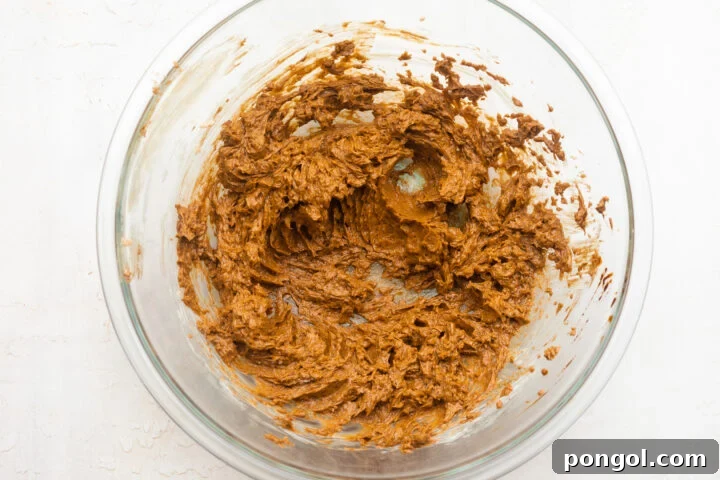
Begin by adding the softened unsalted butter and packed brown sugar to the bowl of your stand mixer (or a large mixing bowl if using a hand mixer). Start mixing these ingredients on low speed for about 30 seconds, allowing them to just combine. Then, increase the mixer speed to medium and continue mixing for 1 to 3 minutes, until the mixture is light, fluffy, and thoroughly creamed. This step is crucial for developing the cookie’s texture. Note: Be mindful not to overmix, as this can make the mixture greasy. If this happens, it’s best to discard and start fresh for optimal results.

-
Once your butter and sugar mixture is perfectly creamed, pause the mixer. Crack the large egg directly into the mixing bowl. Add the vanilla extract (if using, it wasn’t listed but often included for flavor) and the unsulphured molasses. Resume mixing on a low speed, just until all these wet ingredients are fully combined, which typically takes around 1 minute. Scrape down the sides of the bowl to ensure everything is incorporated.
-
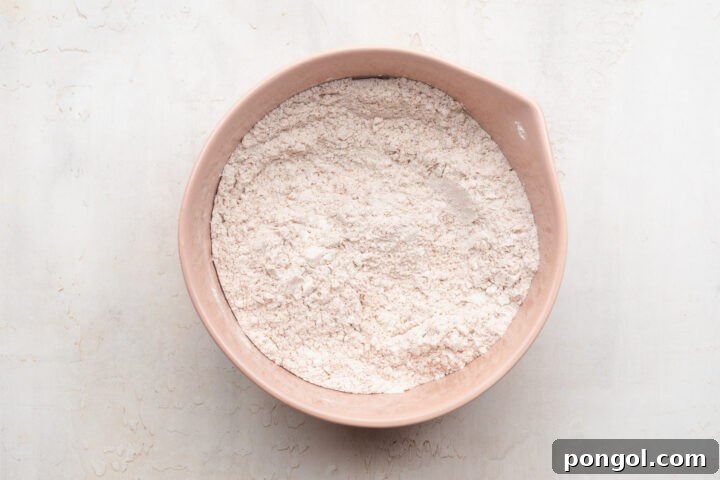
In a separate medium mixing bowl, sift your gluten-free all-purpose flour (ensure it contains xanthan gum, or add it if not). Sifting helps remove any clumps and aerates the flour, resulting in a smoother dough. Once the flour is light and smooth, add the baking soda, salt, ground ginger, cinnamon, allspice, and ground cloves. Use a whisk to thoroughly combine these dry ingredients, ensuring the spices are evenly distributed for consistent flavor in every bite.
-
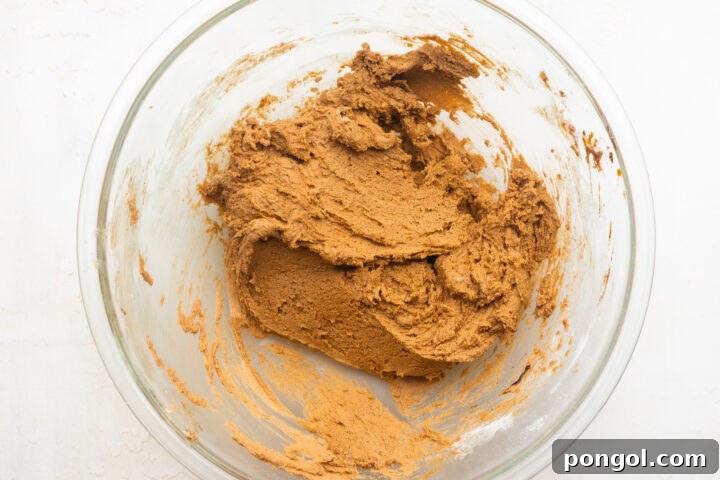
With the mixer running on low speed, gradually pour the combined dry flour mixture into the butter and sugar mixture. Add the dry ingredients in small increments, allowing them to mix well between each addition. This gradual approach helps prevent the flour from flying out of the bowl and ensures a smoothly integrated dough. Continue mixing on low speed until a thick, uniform cookie dough forms, pulling away from the sides of the bowl.
-
Once all the ingredients are fully combined and you have a cohesive, thick cookie dough, gather it into a ball. Cover the mixing bowl tightly with plastic wrap or a lid and place it in the refrigerator. It’s essential to chill the dough for at least 2 hours, but it can be chilled for up to 3 days. This chilling period is vital as it allows the gluten-free flour to fully hydrate, the flavors to meld, and the butter to firm up, making the dough much easier to roll and cut without spreading during baking.
To Bake Cookies
-
Preheat your oven to 350° Fahrenheit (175° Celsius). Line a large baking sheet with parchment paper; this prevents sticking and makes cleanup a breeze. Set the prepared baking sheet aside. Prepare your work surface by covering a generous section of your kitchen counter or a similar flat area with a light, even layer of gluten-free flour. Also, lightly flour your rolling pin to prevent the dough from sticking.
-
Remove the chilled dough from the refrigerator. If it’s been chilling for a long time, let it sit at room temperature for a few minutes to soften slightly, but not too much. Transfer the firm dough to your generously floured surface. Using your lightly floured rolling pin, roll the dough into an evenly flat sheet, aiming for a thickness of approximately ½-inch. Add more flour to your rolling pin and work surface as needed to prevent sticking, but be careful not to incorporate excessive flour into the dough.
-
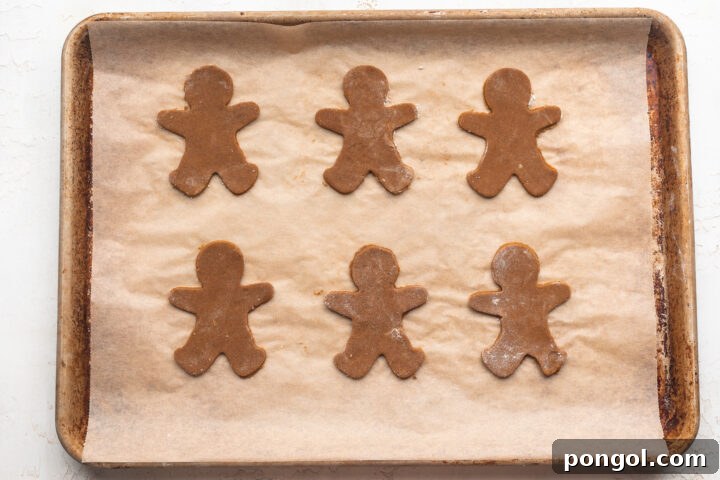
Now comes the fun part! Use your favorite cookie cutters to cut shapes from the rolled dough. Carefully lift each cut-out cookie from the parchment paper using a thin spatula and transfer them to your prepared baking sheet. Arrange the cookies approximately ½ to 1 inch apart to allow for even baking and slight expansion. Gather the dough scraps, gently knead them together, re-roll, and cut more shapes until all the dough is used. Remember to chill the dough again if it becomes too warm and sticky.
-
Place the baking sheet into your preheated oven. Bake the cookies for an initial 10 minutes. After this time, check their doneness: the edges should be firm, and the centers should appear just set. If they need more time, continue baking for an additional 1 to 4 minutes, checking frequently to prevent overbaking. The goal is perfectly firm edges with a slightly softer, chewy interior.
-
Once baked to perfection, carefully remove the baking sheet from the oven. Allow the cookies to rest on the hot baking sheet for 5 minutes; this helps them firm up and prevents breakage when transferring. After resting, gently move the cookies with a cookie spatula to a wire cooling rack and let them cool completely. Serve your delicious gingerbread cookies plain for a simple treat, or unleash your creativity and decorate the cooled cookies as desired with icing, sprinkles, and more!
Notes for Success:
- Gluten-Free Flour Essentials: For the best chewy yet firm texture, your gluten-free all-purpose flour blend MUST contain xanthan gum. This ingredient is crucial for providing structure and preventing crumbly cookies. If your blend doesn’t include it, add about ½ teaspoon for this recipe.
- Cookie Yield Variation: The total number of cookies you’ll get from this recipe will vary based on the size and shape of the cookie cutters you choose. Smaller cutters will yield more cookies, while larger ones will yield fewer.
- Avoid Overbaking: When in doubt about whether your cookies are done, it’s always better to slightly underbake them. They will continue to set and firm up as they cool on the baking sheet and wire rack, ensuring a moist and chewy result.
- Re-Chilling Dough: If at any point during the rolling and cutting process your dough becomes too sticky, soft, or difficult to handle, simply gather it, wrap it, and pop it back into the refrigerator for 15-30 minutes. You can do this multiple times as needed to keep the dough manageable.
Approximate Information for One Serving
Serving Size:
1
cookie
Calories:
129
cal
Protein:
1
g
Fat:
4
g
Saturated Fat:
3
g
Trans Fat:
0.2
g
Cholesterol:
18
mg
Sodium:
58
mg
Potassium:
93
mg
Total Carbs:
22
g
Fiber:
1
g
Sugar:
9
g
Net Carbs:
21
g
Vitamin A:
130
IU
Vitamin C:
0.02
mg
Calcium:
19
mg
Iron:
0.3
mg
Nutrition Disclaimers
Number of total servings shown is approximate. Actual number of servings will depend on your preferred portion sizes.
Nutritional values shown are general guidelines and reflect information for 1 serving using the ingredients listed, not including any optional ingredients. Actual macros may vary slightly depending on specific brands and types of ingredients used.
To determine the weight of one serving, prepare the recipe as instructed. Weigh the finished recipe, then divide the weight of the finished recipe (not including the weight of the container the food is in) by the desired number of servings. Result will be the weight of one serving.
Storage and Gifting Ideas
Once your gluten-free gingerbread cookies are baked and decorated, you’ll want to ensure they stay fresh and look their best, especially if you’re planning to share them. Proper storage is key to preserving their flavor and texture.
Storage: Store cooled, undecorated cookies in an airtight container at room temperature for up to one week. If your cookies are decorated with royal icing, they can also be stored at room temperature in an airtight container, preferably in a single layer or with parchment paper between layers to prevent smudging, for about 5-7 days. For longer storage, gingerbread cookies freeze exceptionally well. Place them in a single layer on a baking sheet to freeze solid, then transfer them to an airtight freezer-safe container or bag. They can be frozen for up to 3 months. Thaw at room temperature before serving or decorating.
Gifting: These beautiful and delicious cookies make fantastic homemade gifts. Arrange a selection of decorated cookies in a festive tin or box, tied with a ribbon. For a more personal touch, include a small card with the recipe, highlighting its gluten-free nature. You can also package individual cookies in clear cellophane bags, perfect for party favors or small tokens of appreciation for teachers, neighbors, and coworkers. A batch of homemade gluten-free gingerbread cookies is a heartwarming gesture that spreads holiday cheer and shows you care.
Frequently Asked Questions (FAQs)
Here are some common questions about making gluten-free gingerbread cookies:
- Can I make this recipe dairy-free? Yes, you can! Simply substitute the unsalted butter with your favorite plant-based butter alternative, ensuring it’s suitable for baking.
- What if I don’t have a stand mixer? A hand mixer works perfectly fine for this recipe. Just make sure to cream the butter and sugar thoroughly until light and fluffy.
- Can I reduce the sugar? While possible, reducing sugar significantly can affect the texture and spread of the cookies. For best results, stick to the recommended amount, or make minor adjustments.
- How can I make the cookies softer? For a softer cookie, roll the dough slightly thicker (closer to ½ inch) and slightly underbake them (remove from oven when edges are just set, centers still soft).
- Can I use a different gluten-free flour blend? You can, but ensure your chosen blend contains xanthan gum. Different blends can absorb liquid differently, so you might need to adjust the flour amount slightly to achieve the right dough consistency.
Did You Make This Recipe?
We absolutely love seeing your culinary creations! Share your delicious results with us on Instagram and be sure to leave a review on this blog post. Your feedback helps other bakers in our community!
Tag @40Aprons on Instagram