If you’ve been considering making the switch, this comprehensive guide on how to become vegan will serve as your essential roadmap, making your transition to a plant-based diet far less daunting and remarkably achievable.
Whether you’re looking for a fresh start or simply seeking to inject more vitality into your life, there’s no better time than now to reassess your dietary habits and lifestyle choices. Embrace the opportunity for positive change, starting today.
Embarking on Your Vegan Journey: Why Now?
In recent years, the concept of a plant-based diet and the broader vegan lifestyle has undeniably surged into the mainstream. It’s no longer an obscure niche but a globally recognized movement driven by increasing awareness and accessibility. While some might view it as a fleeting trend spurred by popular documentaries and social media influencers, the enduring appeal of veganism is rooted in its profound benefits.
The reasons individuals choose to embrace veganism are multifaceted and deeply personal. Beyond the undeniable health advantages of swapping animal products for whole, nutrient-dense plant foods, many are compelled by ethical considerations concerning animal welfare or the urgent need for environmental sustainability. Whatever your motivation, taking the step towards a plant-based diet is a powerful and impactful decision.
So, you’re ready to begin, but where exactly do you start? The initial and most crucial question to ask yourself is: do you want to dive in headfirst, or prefer a gradual, thoughtful transition to a plant-based lifestyle? Your answer will shape the path you take. If a slow and steady approach resonates with you, the following paragraphs are tailored for your journey. If you’re a “cold-turkey” kind of person, eager to make an immediate change, feel free to skip ahead to the section titled “The All-In Approach: Going Vegan Overnight.”
The Gentle Path: Gradually Transitioning to a Plant-Based Diet
For many, a phased approach to veganism feels more sustainable and less overwhelming. This method allows you to adapt at your own pace, experimenting with new foods and recipes without the pressure of an immediate, drastic change. Some might even consider a vegetarian phase as an intermediate step, and while it can be beneficial, it’s essential to ensure you’re still progressing towards a fully plant-based diet rather than simply replacing one animal product with another.
Option 1: Going Vegetarian First, Then Vegan
If you prefer a two-step process, beginning with vegetarianism can be a helpful stepping stone. Here’s a structured way to navigate this transition:
- Phase Out Meat and Fish: Begin by systematically removing all meat and fish from your diet. This includes poultry, red meat, and seafood. Instead of filling this void with dairy and eggs, actively focus on incorporating a wider variety of plant-based protein sources like lentils, beans, tofu, tempeh, nuts, and seeds into every meal.
- Become an Ingredient Detective: Start developing the habit of reading ingredient lists on packaged foods. You’ll be surprised to find animal-derived ingredients like gelatin (in candies and desserts) and rennet (in many cheeses) in unexpected places. Opt for products free from these hidden animal components.
- Amplify Whole Plant Foods: Intentionally increase your consumption of whole grains (like quinoa, brown rice, oats), legumes (all types of beans and lentils), tofu, nuts, and seeds. These will form the foundation of your new diet, providing essential nutrients and fiber.
- Transition from Vegetarian to Vegan: Once you feel comfortable and established in your vegetarian routine, begin phasing out dairy products, eggs, and honey. You can tackle these one by one, or several at a time, depending on what feels right for you. For instance, start with swapping cow’s milk for a plant-based alternative like almond or oat milk, then move on to vegan yogurts and cheese alternatives.
Option 2: From Omnivore Straight to Vegan (Gradually)
This approach bypasses the vegetarian stage, allowing you to directly integrate vegan foods while slowly eliminating all animal products. Here’s your guide:
- Identify and Eliminate “Easy Wins”: Start by removing the animal products you consume that you genuinely won’t miss much. Perhaps it’s a particular type of meat you rarely eat, or you can easily switch to plant-based milk in your coffee. These small victories build momentum.
- Shift Meal Proportions: Gradually increase the proportion of plant-based meals in your daily routine. Breakfast is often the easiest starting point; think oatmeal with fruit and nuts, chia seed pudding, or vegan smoothies. Once you’re comfortable with vegan breakfasts, extend this to lunches or dinners. Revisit favorite dishes you already enjoy and veganize them – a chickpea curry, lentil soup, or baked potatoes with vegan toppings are excellent starting points.
- Boost Whole Foods & Reduce Animal Products: Actively integrate more whole grains, beans, legumes, tofu, nuts, and seeds into your diet. Simultaneously, begin reducing the animal products that pose less of a challenge for you to give up. This could mean cutting down on dairy cheese or limiting meat to a few times a week.
- Master Ingredient Labels: Pay close attention to ingredient lists on all processed and packaged foods. While this can feel overwhelming initially, you can prioritize. Focus on eliminating obvious animal products (meat, seafood, dairy, eggs) first. Overlook less obvious ingredients until you’ve successfully removed the more prominent ones.
- Address Barrier Foods Last: Save your most challenging “barrier foods” (those items you crave the most or find hardest to replace) for the very end of your transition. We’ll delve deeper into understanding and overcoming these cravings below.

The All-In Approach: Going Vegan Overnight
For some, a decisive, immediate switch is the most effective way to go vegan. This “cold turkey” method is often ideal for individuals who have already thoroughly researched vegan nutrition, feel confident in their understanding of optimal plant-based eating, and are ready for a swift, complete change. It requires a strong commitment and usually some upfront preparation.
- Complete Elimination, Immediate Integration: On day one, cut out all animal-derived ingredients: meat, poultry, fish, dairy, eggs, and honey. Simultaneously, actively incorporate a wide array of whole plant foods into every meal. This means filling your plate with lots of whole grains, beans, legumes, tofu, tempeh, nuts, seeds, fruits, and vegetables.
- Lean on Convenience (Initially): Many who adopt the cold-turkey method find it helpful to rely on convenient vegan products during the first few days or weeks. Vegan burgers, hot dogs, deli slices, and pre-made plant-based meals can reduce the time spent cooking and help ease the transition, especially if you’re new to vegan cooking. Remember, these are transitional aids, not necessarily long-term staples, as a whole-food plant-based diet is generally recommended.
- Prioritize Planning: With an overnight transition, meal planning and grocery shopping become even more critical. Plan your meals for the week, ensure your pantry is stocked, and have plenty of vegan-friendly snacks on hand to avoid temptation.
Building Your Vegan Foundation: Pantry and Fridge Essentials
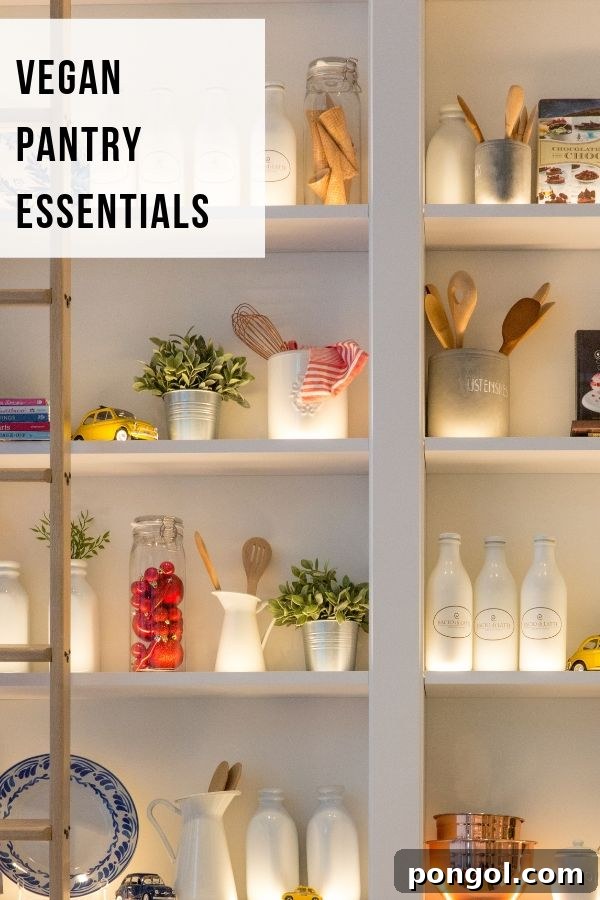
A well-stocked kitchen is key to a successful vegan transition. Having staple ingredients readily available ensures you can whip up delicious, nutritious meals without hassle. Here’s a comprehensive list to get you started:
Protein Powerhouses: Legumes
Legumes are incredibly versatile, affordable, and packed with protein and fiber. Stock up on both dried and canned varieties for convenience.
- Lentils: Green, red, black – perfect for soups, stews, curries, and salads.
- Peas: Fresh or frozen, great in stir-fries or as a side.
- Black Beans: Essential for tacos, burritos, chili, and dips.
- Black-Eyed Peas: Delicious in Southern-inspired dishes.
- Chickpeas (Garbanzo Beans): The base for hummus, roasted snacks, and adding to salads or curries.
- Kidney Beans: Ideal for chili and bean salads.
- Pinto Beans: Great for Mexican cuisine, often found refried.
- White Beans: Cannellini, navy, great northern – fantastic in Mediterranean dishes, soups, and stews.
- Refried Black Beans: Homemade is best – try this recipe.
Energy Givers: Grains & Pasta
Whole grains provide complex carbohydrates, fiber, and essential minerals. Pasta, in its myriad forms, is a versatile base for countless meals.
- Rice: Wild rice, black rice, brown rice, jasmine, basmati – a staple for almost any cuisine.
- Barley: Hearty and nutritious, great in soups or as a side dish.
- Amaranth: A complete protein, can be cooked like porridge or added to baking.
- Bulgur: Quick-cooking, perfect for tabbouleh or as a rice alternative.
- Farro: Chewy and nutty, excellent in salads or risottos.
- Millet: A gluten-free option, can be used like rice or in porridges.
- Quinoa: A complete protein, versatile for salads, bowls, or as a side.
- Oats: For breakfasts, baking, or even making oat milk.
- Whole Wheat Pasta: A healthier alternative to refined pasta.
- Rice Noodles: Essential for Asian-inspired dishes.
- Soba Noodles: Japanese buckwheat noodles, great in cold salads or hot broths.

Sweet & Savory: Baking Essentials
Being vegan doesn’t mean giving up delicious baked goods. Stock these items for all your culinary creations.
- All-Purpose Flour: A classic for most baking.
- Almond Flour: Adds moisture and a delicate flavor, great for gluten-free baking.
- Coconut Flour: Highly absorbent, use sparingly, also gluten-free.
- Spelt Flour: An ancient grain flour with a slightly nutty flavor.
- Buckwheat Flour: Earthy flavor, good for pancakes and quick breads.
- Quinoa Flour: Make your own using this recipe – a complete protein.
- Oat Flour: Make your own using this recipe – adds a soft texture.
- Chickpea Flour (Besan): Great for savory dishes, binding, and egg substitutes.
- Cornmeal and Polenta: For cornbread, grit, and Italian dishes.
- Applesauce: A natural sweetener and fat replacer in baking.
- Baking Soda and Baking Powder (Aluminum-Free): Essential leavening agents.
- Vegan Chocolate Chips: For all your sweet cravings.
Healthy Fats & Snacks: Nuts, Seeds & Dried Fruit
These are fantastic for snacking, adding to meals, and for making creamy sauces or decadent desserts.
- Almonds: Great for snacking, making almond milk, or adding to granola.
- Cashews: Perfect for creating creamy sauces, cheeses, and desserts.
- Chia Seeds: An excellent source of Omega-3s, great for puddings or egg substitutes.
- Flax Seed: Rich in fiber and Omega-3s, useful as an egg replacer (flax egg).
- Hemp Hearts: A complete protein, sprinkle on anything for extra nutrition.
- Pecans: Delicious in baking or as a crunchy topping for salads.
- Pumpkin Seeds (Pepitas): Roasting them makes a delicious snack, also great in salads.
- Pistachios: A flavorful snack or garnish.
- Sesame Seeds: White, black & toasted – for Asian dishes, salads, or tahini.
- Sunflower Seeds: Raw or toasted, a good alternative for nut allergies.
- Walnuts: Excellent for brain health, great in salads or energy bites.
- Cranberries and Raisins: Add sweetness to oatmeal, salads, or snacks.
- Dates: Awesome for natural sweetness in vegan desserts and energy bars.
- Dried Apricots: A chewy, sweet snack or addition to tagines.
- Dried Mango: A tropical treat.

Flavor Boosters: Condiments & Sauces
These staples will elevate your vegan cooking, adding depth, tang, and zest to every dish.
- Nut Butters: Tahini (sesame seed paste), almond butter, peanut butter, sun butter (sunflower seed butter), cashew butter – incredibly versatile for sauces, dressings, and snacks.
- Vegan Butter: For cooking, baking, or spreading.
- Ketchup: Make your own with this recipe for a healthier option.
- Mustard: Dijon, yellow, whole grain – for dressings, marinades, and sandwiches.
- Fruit Jams & Jellies: For toast, baking, or alongside vegan cheeses.
- Tamari, Soy Sauce or Coconut Aminos: Essential for umami flavor in Asian-inspired cooking.
- Sriracha: A spicy chili sauce; make your own with this recipe.
- Chili Paste and Hot Sauces: To add heat and complexity.
- Miso Paste and Curry Paste: For fermented flavor, broths, and rich curries.
- Mirin: Sweet rice wine, common in Japanese cuisine.
- Nutritional Yeast: A must-have for cheesy flavors in sauces, popcorn, and scrambled tofu.
- Apple Cider Vinegar & Balsamic Vinegar: For dressings, marinades, and cooking.
- Extra Virgin Olive Oil & Coconut Oil: For cooking and baking.
Aromatic Wonders: Herbs & Spices
A well-stocked spice rack is the heart of flavorful vegan cooking.
- Basil: Fresh or dried, essential for Italian dishes.
- Rosemary: Fragrant, pairs well with potatoes and roasted vegetables.
- Oregano: Another Italian staple, great for pizzas and tomato sauces.
- Cilantro: Fresh is best, for Mexican and Indian dishes.
- Parsley: Fresh or dried, a versatile garnish and flavor enhancer.
- Curry Powder: A blend for Indian and Thai-inspired curries.
- Chili Powder: For Mexican dishes, chili, and spice rubs.
- Ground Cumin: Earthy and warm, used in many world cuisines.
- Ceylon Cinnamon: Sweet and aromatic, for baking and sweet dishes.
- Coriander Seeds (ground or whole): Citrusy and warm, complements many savory dishes.
- Cardamom Pods (or ground): Aromatic, for curries and sweet treats.
- Turmeric: For color and anti-inflammatory properties, often used in curries.
- Smoked Paprika: Adds a smoky depth to dishes.
- Garlic Powder & Onion Powder: Easy flavor enhancers.
Fresh & Fermented: Fridge Essentials
These perishable items are crucial for daily cooking and maintaining a balanced diet.
- Nut Milk (Unsweetened is Best): Almond, oat, soy, cashew – for coffee, smoothies, cereals, and cooking.
- Non-Dairy Yogurts: Coconut, almond, soy – for breakfast or snacks.
- Tofu, Tempeh and Seitan: Versatile protein sources that absorb flavors well.
- Fruits and Veggies: A rainbow of fresh produce is the cornerstone of any healthy diet. Prioritize seasonal options.
- Vegetable Stock: For soups, risottos, and added flavor in cooking.
- Vegan Cheese: Blocks, shreds, or slices for sandwiches, pizzas, and snacks.
- Fermented Foods: Sauerkraut, kimchi, vegan kimchi – for gut health.

Conquering Cravings: Get to Know Your Barrier Foods
Let’s be upfront: experiencing cravings for old favorites is a completely normal and expected part of the transition. Chances are, you chose to break up with animal products for ethical, environmental, or health reasons, not because you suddenly find all things steak, ice cream, and cheese unappealing. These foods often carry strong emotional and cultural connections.
There’s a reason why vegan parmesan recipes and cashew cream cheese frequently go viral on the internet – we all miss those familiar tastes and textures. The key is not to let the fear of missing a particular food deter you from trying or committing to veganism altogether. Instead, let’s look those cravings squarely in the eye and understand what it is we are truly missing.
Is it the savory richness of cheese? The creamy texture of yogurt? Once you pinpoint the specific sensation or flavor profile, you can actively seek out fantastic vegan alternatives. The plant-based market has exploded with incredible innovations that mimic the tastes and textures you love:
- Hearty Soups & Stews: A robust, flavorful soup can be easily created using vegan “chicken” or “beef” broth powder, miso paste, or simply a rich vegetable stock base, loaded with legumes and vegetables.
- Meat Alternatives: Tofu, tempeh, and seitan are excellent, protein-rich replacements for meat. Tofu can be pressed and marinated to achieve various textures, tempeh offers a nutty, firm bite, and seitan can mimic the chewiness of meat very closely. Additionally, there are many commercial plant-based meat substitutes that are very convincing.
- Vegan Cheese: The variety of delicious, melty vegan cheeses available now is astounding. From shreds perfect for pizza to creamy blocks for platters, and even flavorful aged varieties, you can find options made from nuts (cashew, almond), soy, or coconut oil that satisfy almost any cheesy craving.
- Cheesy Sauces: For creamy, savory sauces, nutritional yeast is your secret weapon. Combined with plant-based milk, soaked cashews, or even potatoes and carrots, it creates a rich, “cheesy” flavor that’s perfect for pasta, nachos, or mac and cheese.
- Milk Chocolate & Desserts: Traditional milk chocolate can be easily swapped for coconut milk-based, oat milk-based, or rice milk-based vegan chocolates. The dessert aisle is also brimming with vegan ice creams, cakes, and pastries that rival their dairy counterparts.
- Creamy Yogurts & Dips: Replace dairy yogurt with coconut, almond, soy, or oat-based yogurts. For creamy dips and spreads, cashew cream, blended silken tofu, or mashed avocado can be used.
It will undoubtedly present some challenges in the beginning as you discover new products and recipes, but it will only get easier and more enjoyable. Trust me, your taste buds will adapt and change. Soon, those intense food cravings will diminish, replaced by new favorites and a profound appreciation for plant-based flavors.
Nourishing Your Mind: Embracing Self-Compassion and Support
Whether your goal is to be fully vegan, vegetarian, pescatarian, or simply to reduce your consumption of animal products, know that every step you take is a positive move in the right direction. This journey is a marathon, not a sprint, and cultivating self-compassion is paramount to long-term success.
Don’t be overly hard on yourself, especially during the initial stages. Expect that you might make a few mistakes – accidentally eating something non-vegan, experiencing a slip-up, or finding certain changes harder than anticipated. These are not failures; they are learning opportunities. Acknowledge them, understand what happened, learn from the experience, and then simply move forward. Don’t beat yourself up; tomorrow is always a new day and a fresh chance to recommit to your goals.
Building a support system can also make a significant difference. Connect with other vegans online or in person, share your experiences, ask questions, and celebrate your progress. Having a community that understands and encourages your choices can be incredibly motivating.
Remember, the goal is not perfection, but consistent progress towards a healthier, more ethical, and sustainable lifestyle. Enjoy the process of discovering new foods, experimenting with recipes, and feeling the positive impact of your choices.
For even more detailed information on embarking on a vegan lifestyle, make sure to explore my other valuable blog posts: dive into a comprehensive guide on Vegan Protein Sources to ensure you’re getting all essential nutrients, and read my essential 10 Tips on Going Vegan for practical advice and encouragement.