
Embarking on a Whole30 journey is a powerful step towards transforming your health and relationship with food. While the benefits are profound, many worry about the potential impact on their grocery budget. This comprehensive guide is designed to empower you with practical strategies to navigate Whole30 without breaking the bank. From strategic meal planning to smart shopping hacks and DIY essentials, discover how to enjoy all the deliciousness of Whole30 while keeping your finances in check.

Congratulations on taking on the Whole30 challenge! You’re likely on the path to some incredible changes. Perhaps that nagging knee ache when it rains will fade away, those stubborn extra pounds will finally disappear, and your sleep will become deeper and more restorative. Many participants experience renewed energy, clearer skin, and improved mood – truly a holistic transformation.
If you’ve made it past Day 10, you might already be experiencing some of these amazing benefits. Your clothes feel a bit looser, you might question why you ever needed that evening glass of wine to unwind, and your energy levels are soaring. However, there’s another common realization around this time: your wallet might be feeling the pinch.
Indeed, Whole30 can quickly become expensive. This program emphasizes consuming real, unprocessed foods, often in larger quantities than you might be used to. Eating a balanced meal with plenty of protein and vegetables at every sitting is a significant shift for many. For those transitioning from a standard diet rather than a paleo one, the initial days can feel overwhelming. New restrictions, unfamiliar ingredients, and a myriad of recipes on Pinterest can lead to panic. It’s easy to get caught up in trying a new, elaborate recipe every night, thinking it’s the best way to stay compliant and engaged.
The pitfall of constantly trying new recipes is the rapid accumulation of costs. You might find yourself buying specific spices or condiments for a single dish, stocking up on specialty items “just in case,” or purchasing expensive compliant snacks that only get eaten once. Before you know it, your grocery bill is significantly higher than anticipated, leaving you wondering how a cart full of wholesome ingredients could add up so quickly.
But fear not! As a seasoned Whole30 participant and an obsessive grocery budgeter, I’m here to share my hard-won wisdom. My goal is to help you successfully complete your Whole30 without emptying your savings. If you’re determined to learn how to save money on Whole30, this guide is tailor-made for you. I’ve even spent years refining my strategies, understanding exactly what it takes to make Whole30 realistic and affordable for anyone on a budget.
So, let’s dive into the most effective ways to save money during your Whole30 journey.
1. Embrace Simple Meals and Strategic Leftovers
It’s incredibly tempting to browse Pinterest for all the delicious, Whole30-compliant recipes out there. I get it! My Whole30 egg roll in a bowl is a crowd-pleaser, and my Whole30 Indian butter chicken tastes like gourmet takeout. Recipes like Mexican Whole30 stuffed sweet potatoes and Whole30 enchiladas can be absolutely divine.
However, preparing a completely new, elaborate recipe for every meal can quickly inflate your grocery bill. You’ll end up with numerous single-use ingredients that gather dust in your pantry. Consider a typical week where you might want to try diverse recipes like:
- Whole30 Indian Butter Chicken
- Whole30 Carnitas Bowl
- Whole30 Lettuce Wraps
- Thai Coconut Soup with Shrimp
- Meatloaf
- BBQ Meatballs
Each of these might require a unique, often specialized, ingredient that won’t be used in any of the others. For example:
- Whole30 Indian Butter Chicken: Cardamom pods
- Whole30 Carnitas Bowl: Pork loin
- Whole30 Lettuce Wraps: Coconut aminos
- Thai Coconut Soup with Shrimp: Sugar-free fish sauce
- Meatloaf: Compliant ketchup
- BBQ Meatballs: Compliant BBQ sauce
The fundamental trick to saving money on Whole30 is a balanced approach: incorporate a few inspiring recipes alongside plenty of simple meals. This strategy optimizes the use of ingredients you do purchase.
What does this mean in practice? Make your butter chicken and use those cardamom pods. Prepare a carnitas bowl with pork loin. Whip up some lettuce wraps with coconut aminos.
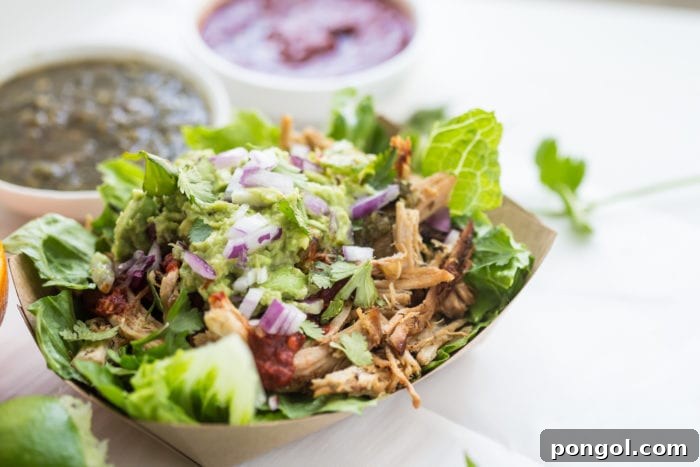
Then, get creative with leftovers and ingredient reuse! Enjoy leftover carnitas as a hearty salad bowl or as a filling for more lettuce wraps. Use your coconut aminos to create a quick chicken and veggie stir-fry. Plan another dish using cardamom pods for the following week, like a chicken curry, ensuring you get multiple uses from your specialty ingredients.
Even simpler, dedicate some meals to just cooking a protein and pairing it with a couple of vegetables. We frequently prepare chicken breasts or steaks this way: sautéed to perfection, served with my amazing chimichurri or creamy Whole30 immersion blender mayo, alongside some garlicky kale and a steamed sweet potato. Once you have the chimichurri (a staple in our fridge!), this dinner requires just four core ingredients: protein, garlic, kale, and sweet potato. It’s hard to get simpler, or more budget-friendly, than that.
Always keep Whole30-compliant sausages in your fridge or freezer. They are a lifesaver for quick lunches or dinners, paired with roasted broccoli or other veggies. Brands like Aidell’s chicken apple sausage are popular, but look for local or store-brand options that meet the Whole30 criteria. We often enjoy roasted garlic or spinach sausages from Costco; they’re delicious and easy to cook when you’re too tired for elaborate meal prep. Embracing these convenient, compliant options is a huge win for both your budget and your sanity.
By alternating between “recipe days” and “simple meal days,” following the Whole30 meal template, you can strategically purchase seasonal and sale ingredients. This not only saves money but also optimizes the nutritional value of your food. Simple meals provide a much-needed break from constant recipe-following, benefiting both your wallet and your mental energy.
2. Master the Art of DIY: Make It Yourself
Remember those Whole30 meatloaf and BBQ meatballs we talked about? Buying premade compliant ketchup and BBQ sauce can set you back $6-7 per bottle. The good news? Making them yourself often costs a fraction of that – sometimes as little as $2! This principle extends to other popular condiments like mayonnaise and ranch dressing. Not only are homemade versions significantly cheaper, but they also taste far superior and avoid unnecessary additives. While compliant store-bought options like Tessamae’s are excellent for emergencies, prioritizing homemade condiments will dramatically help you save money on Whole30.
Here are some essential staples you should consider making at home:
- Whole30 Ketchup
- Whole30 BBQ Sauce
- Whole30 Immersion Blender Mayo
- Whole30 Ranch Dressing
- Chimichurri (because it elevates seriously everything)
By investing a little time in the kitchen to prepare these staples, you’ll not only save a substantial amount of money but also enjoy fresher, more flavorful condiments. This DIY approach is a cornerstone of a budget-friendly Whole30.
3. Prioritize Seasonal and Sale Produce and Ingredients
Picture this: it’s the dead of winter, and you’re craving my Whole30 strawberry basil avocado chicken. While delicious, fresh strawberries, basil, and avocados out of season can be exorbitantly expensive. In contrast, during peak summer, this recipe is an economical way to utilize fresh, nutrient-dense produce that’s naturally on sale. The key is to buy seasonal. In winter, focus on hearty options like sweet potatoes, various squashes, and citrus fruits.
Beyond the significant cost savings, seasonal food is typically more nutritious and flavorful. An out-of-season strawberry, picked before its prime and shipped long distances, often lacks the vibrant color and taste of its summer counterpart. By aligning your purchases with seasonal availability, you unlock a powerful strategy for how to save money on Whole30 while maximizing taste and nutrition.
I often let sales and seasonal availability dictate my meal plan, especially when adhering to a strict budget. Here’s my process: First, I build a large Pinterest board of Whole30 recipes that appeal to me. Then, I diligently check my local grocery store flyers, noting significant sales on produce, meat, seafood, and even pantry staples. With these sale items in mind, I return to my Pinterest board and select recipes that heavily feature those discounted ingredients. Alternatively, following Tip #1, I simply plan to buy these sale foods and integrate them into simple, adaptable meals. Since staples like sweet potatoes and kale are frequently on sale, they often grace our dinner table. This mindful approach ensures you’re always getting the best value for your money.
4. Select Specialty Items Wisely
Revisiting Tip #1, it’s easy to get carried away and buy every single specialty item mentioned in Whole30 recipes. A haphazard meal plan can lead to surprising expenses on ingredients you’ll barely use. Coconut aminos serve as a prime example. During my first Whole30, I bought a bottle for around $11 at Whole Foods and used it for just one recipe. That was essentially $10.50 wasted, and these small losses add up quickly over 30 days!
Instead, review your chosen recipes’ ingredient lists before you shop. Decide on just one or two specialty items that you truly need and will use frequently. If you love Thai cuisine, investing in a good sugar-free fish sauce might be worthwhile. I’ve since developed an obsession with coconut aminos and highly recommend picking up a bottle; they add a wonderful depth and sweetness to many dishes. You can often find them much cheaper at stores like Sprouts Farmers Market or even online (try Big Tree Farms!).
Perhaps you’re like my friend who can’t live without ketchup. While I still encourage making your own Whole30 ketchup, having a compliant store-bought bottle for convenience, especially for work lunches, could be a lifesaver for her. In that case, get the ketchup!
The crucial takeaway: be strategic about your specialty item purchases. Don’t buy them all! This focused approach will significantly impact how to save money on Whole30.
5. Leverage the Power of Bulk Buying
I could extol the virtues of Costco all day long. It’s a paradise for budget-conscious natural food lovers like myself. An enormous bottle of pure maple syrup for $11? Yes, please (for after Whole30, of course!). A 2-pound jar of almond butter for $9? Absolutely essential. Three packages of Aidell’s chicken apple sausage for $10? A definite win.
Before every Whole30, we make a strategic trip to stock up by buying in bulk. This crucial step happens after meticulously planning your meals, identifying simple dishes, and thoroughly reviewing grocery store sale flyers.
When we find incredible deals on items like sweet potatoes (often as low as $0.50 a pound in December!), we buy a substantial quantity. And we make sure to use them! One night might feature baked sweet potatoes with ghee and cinnamon, followed by loaded sweet potato fries the next, a sweet potato apple breakfast bake later in the week, or sweet potato home fries as a side for a simple meal. Getting creative with versatile, affordable ingredients like these is key to making your food budget stretch further.

Similarly, if I discover chicken breasts for $1.00 per pound, I’ll buy as much as allowed and freeze all but one package. Our freezer is currently a testament to this strategy, holding scallops from an unbelievable sale, grass-fed ground beef from Costco, multiple packages of boneless, skinless chicken breasts, individually wrapped tilapia fillets, and even chicken thighs gifted by a local farmer.
A significant bonus of smart bulk buying and stocking up: not only do we save money, but we also always have compliant food options available. If our planned meal doesn’t sound appealing, I can quickly thaw a tilapia fillet, blacken and sear it, and serve it with a swift avocado mash over cauliflower rice (another freezer staple). This readiness makes us less likely to deviate from our Whole30, ensuring a win-win-win situation for convenience, cost, and compliance.
Costco is my absolute favorite store for pre-Whole30 stocking. My Whole30 Costco shopping list illustrates why. We have definite favorites like almond butter, Kerrygold grass-fed butter (for ghee), Jamaica Blue Mountain coffee, and grass-fed ground beef. We always stock up on compliant sausages for quick lunches or dinners and buy large bags of pre-cut kale and broccoli for easy side dishes. Organic baby spinach, organic salad mixes, mini peppers, avocados, hothouse cucumbers, you name it – their produce section is phenomenal, offering fresh items at amazing prices, including fantastic organic selections.
However, a critical caveat: only buy in bulk what you know you will genuinely consume. Purchasing giant bags of organic kale and broccoli that end up spoiling negates any savings. It’s counterproductive to your goal of figuring out how to save money on Whole30.
Therefore, carefully consider what you eat regularly and buy those items in bulk. Use a Whole30 Costco shopping list as your guide, planning your staple purchases. Avoid spontaneous splurges; instead, be methodical about stocking your fridge and pantry like a well-managed restaurant. Smart and chic!
6. Optimize Your Shopping Locations
Building on the bulk buying principle, knowing where to buy specific ingredients is another crucial element of a budget-friendly Whole30. I’m a huge advocate for Costco and Sprouts Farmers Market, but no single store carries everything at the best price. As a self-proclaimed grocery store enthusiast, I’ve learned which items are best purchased at which location. This strategic approach significantly contributes to how to save money on Whole30. Here’s a typical shopping route for me:
- Costco First: If I can find an item here and need it in large quantities, it’s almost always the most cost-effective choice. This includes staples like avocado oil, coconut oil, olive oil, almond butter, compliant sausages, grass-fed beef, frozen fish, bulk broccoli, kale, spinach, organic apples, dates (for post-Whole30 treats!), sweet peppers, cucumbers, mushrooms, Brussels sprouts, organic eggs, Kerrygold butter (for making ghee), and even actual ghee if your local Costco offers it (ours in Memphis does!). Berries, frozen cauliflower rice, and frozen broccoli florets (perfect for roasting for a quick lunch) are also great finds. They also carry Spindrift sparkling water, though I sometimes find better deals elsewhere, and LaCroix (but again, check other stores).
- Sprouts Farmers Market Second: Their produce selection is often superior and more affordable than most other stores if Costco doesn’t have what I need. I also stock up on staples here that are cheaper than Whole Foods or online retailers. For obscure spices, like cardamom for Whole30 Indian butter chicken, I head straight to their bulk spice section. This allows me to buy smaller quantities, reducing both financial and literal waste. Meat prices can vary; sometimes Sprouts offers better deals, other times a standard grocery store does. I always compare prices for expensive items using my grocery store apps while at Sprouts. Sometimes Kroger surprises me with a sale!
- Kroger Last: This is where I pick up everything I couldn’t find at Costco or Sprouts, with one exception: sparkling water.
- Target for Sparkling Water: While Kroger sometimes has competitive prices on sparkling water (including LaCroix and Dasani), Target often has unbeatable deals. I make sure to check my Target app for sales or Cartwheel deals (these are super important!). I’ve often left with 40 boxes of LaCroix Curate for around $3 a box – a killer deal. Target also sometimes offers good deals on Spindrift, though I typically buy that in bulk at Costco. I don’t drink it daily, but it’s nice to have on hand occasionally.
7. Implement a Strategic Meal Planning Workflow
Effective meal planning is a cornerstone of saving money on Whole30, and it’s all about identifying common denominators within your chosen recipes. For instance, if you’re making Whole30 carnitas, and the recipe only calls for 2 pounds of pork loin, including six other dinner recipes in your meal plan that don’t utilize pork loin means you’re being wasteful with both food and money.
Instead, consider how that inexpensive cut of meat can stretch your grocery budget over several days. You could double the carnitas recipe and enjoy it one day as a carnitas salad bowl, and the next as lettuce wrap tacos. Or, prepare the carnitas as written and reserve the remaining pork loin for a garlic-rosemary balsamic roasted pork dish later in the week. Done!
Continuing this workflow, if you’re buying fresh rosemary for that pork recipe, why not find a chicken recipe that also uses fresh rosemary? My cranberry apple chicken thighs are an easy, Whole30-compliant option where fresh rosemary adds a heavenly herbaceous note.
And since you’re already making my cranberry apple chicken thighs, which often come in packages of 6-8 and are generally inexpensive, why not plan another chicken thigh recipe for that week? If you’re tired of intricate recipes, simply follow my method for consistently perfect chicken thighs (the basis of the cranberry apple recipe), and serve them with their crispy skin and tender meat alongside a jar of my chimichurri recipe. Absolutely delicious!
Given you already have chimichurri on hand, why not make a quick steak? Pick up a couple of ribeyes as your weekly splurge, and financially balance the meal with some super cheap garlicky kale and a baked sweet potato with ghee and cinnamon. Perfection!
This systematic approach to meal planning is incredibly powerful when learning how to save money on Whole30. By identifying common ingredients and letting them inspire subsequent meals, you’ll significantly reduce food waste and unnecessary expenses.
Your Guide to Saving Money on Whole30
Ultimately, mastering how to save money on Whole30 boils down to implementing a few straightforward strategies I’ve refined over many rounds. These tips, from simple meals and DIY condiments to savvy shopping and strategic meal planning, are designed to make your Whole30 journey both successful and financially sustainable. Are you ready to embrace a budget-friendly Whole30? What strategies have you found most effective in keeping costs down while staying compliant? Share your insights!