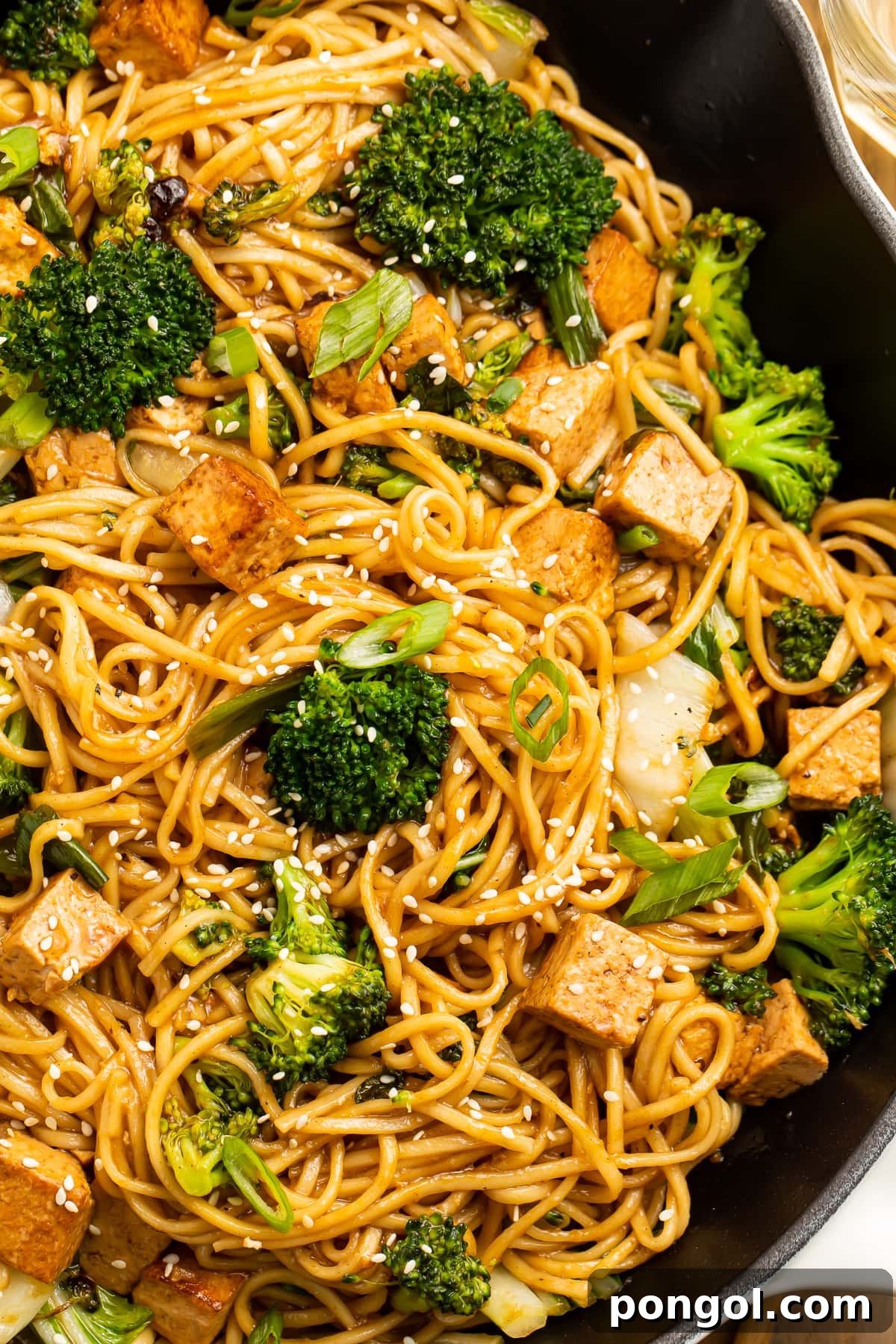
Welcome to your new favorite weeknight meal – an incredibly delicious and unbelievably easy stir-fry noodle recipe! Bursting with the vibrant flavors of a savory sesame-ginger sauce, fresh, crisp vegetables, and your choice of perfectly cooked tofu or succulent chicken, this dish has been a staple in my kitchen since my college days. It’s the kind of comforting, satisfying meal that never gets old, and I’m thrilled to share it with you.
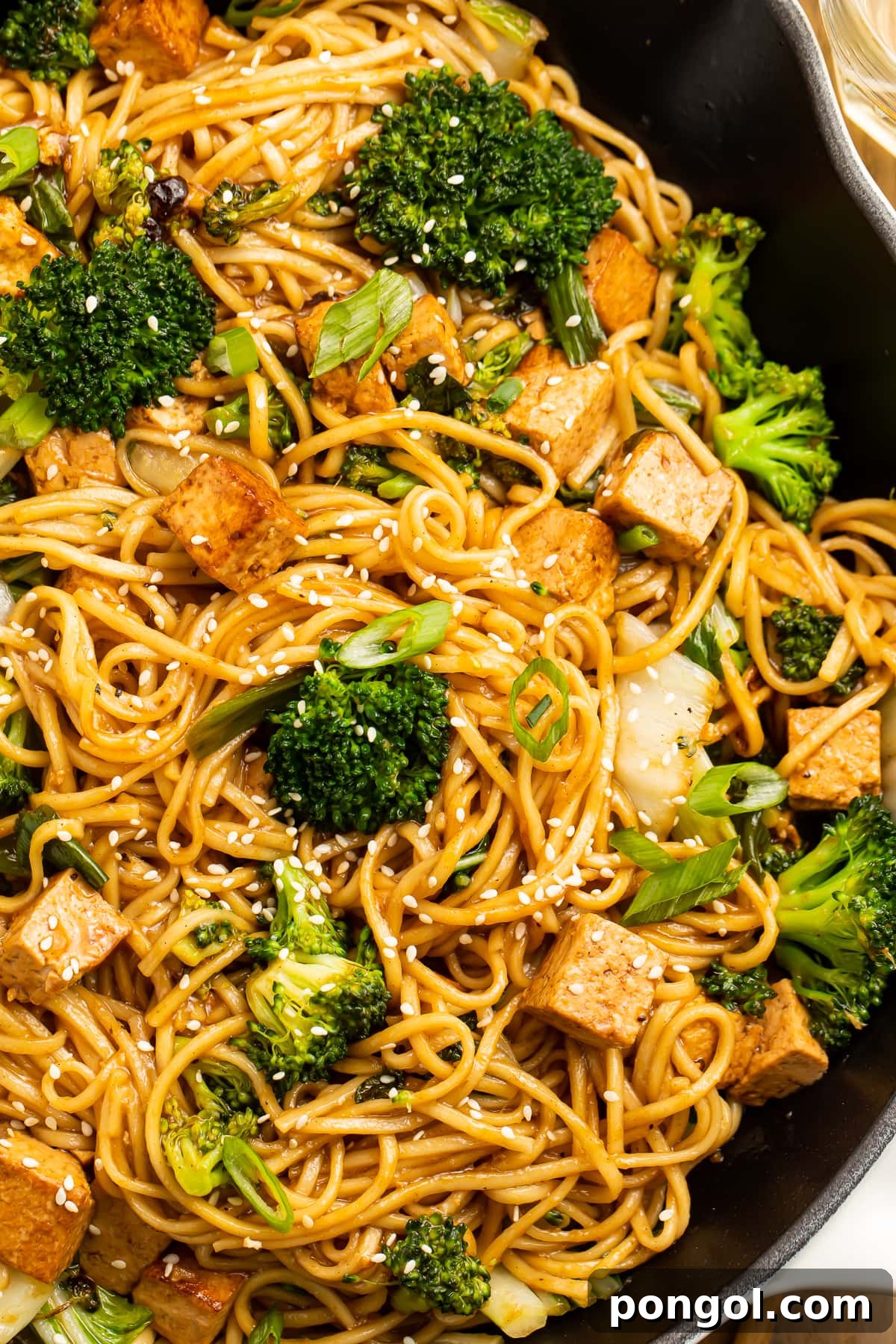
Why You’ll Fall in Love with This Stir Fry Noodle Recipe
There are countless reasons why this sesame-ginger stir fry has earned its place as a perennial favorite. It’s more than just a meal; it’s a versatile culinary experience that caters to busy schedules, diverse palates, and whatever fresh produce you happen to have on hand.
- Effortless & Lightning-Fast: Say goodbye to complicated dinner dilemmas. This stir fry comes together with remarkable ease, making it an ideal choice for those hectic evenings when you crave a homemade meal without the lengthy preparation. From prep to plate, you’ll be enjoying a hearty, flavorful dish in under 40 minutes, a perfect solution for satisfying comfort food cravings quickly.
- A Symphony of Savory Flavor: The star of this dish is undoubtedly the rich and aromatic sesame-ginger sauce. Crafted with a balanced blend of savory soy sauce (or tamari/aminos for dietary needs), fragrant sesame oil, pungent garlic-ginger paste, and a hint of dry white wine for complexity, it coats every noodle and vegetable with an irresistible umami punch. This sauce isn’t just good; it’s truly addictive.
- The Ultimate Clean-Out-the-Fridge Meal: This recipe is incredibly adaptable, serving as a blank canvas for almost any vegetable you have lingering in your crisper drawer. Broccoli, bok choy, carrots, bell peppers, snap peas, mushrooms, snow peas, water chestnuts, baby corn, zucchini, or even kale – nearly anything goes! The key is to slice your chosen veggies into small, uniform pieces to ensure quick and even cooking. This flexibility not only minimizes food waste but also allows for endless variations, making each stir fry a unique creation.
- Your Protein, Your Choice: Whether you’re a devout vegan, a chicken enthusiast, or keen on other meats, this stir fry welcomes all. I’ve personally perfected it with both firm tofu and lean chicken breast, but it performs beautifully with thinly sliced beef, tender pork, or even plump shrimp. For a lighter, purely plant-based option, feel free to omit the protein entirely and let the medley of noodles and vegetables shine.
- Nourishing & Wholesome: Loaded with a colorful array of vegetables and your chosen lean protein, this stir fry is a balanced and wholesome meal. It’s packed with essential nutrients, fiber, and protein, ensuring you feel energized and satisfied without feeling heavy. It’s a delicious way to boost your daily vegetable intake.
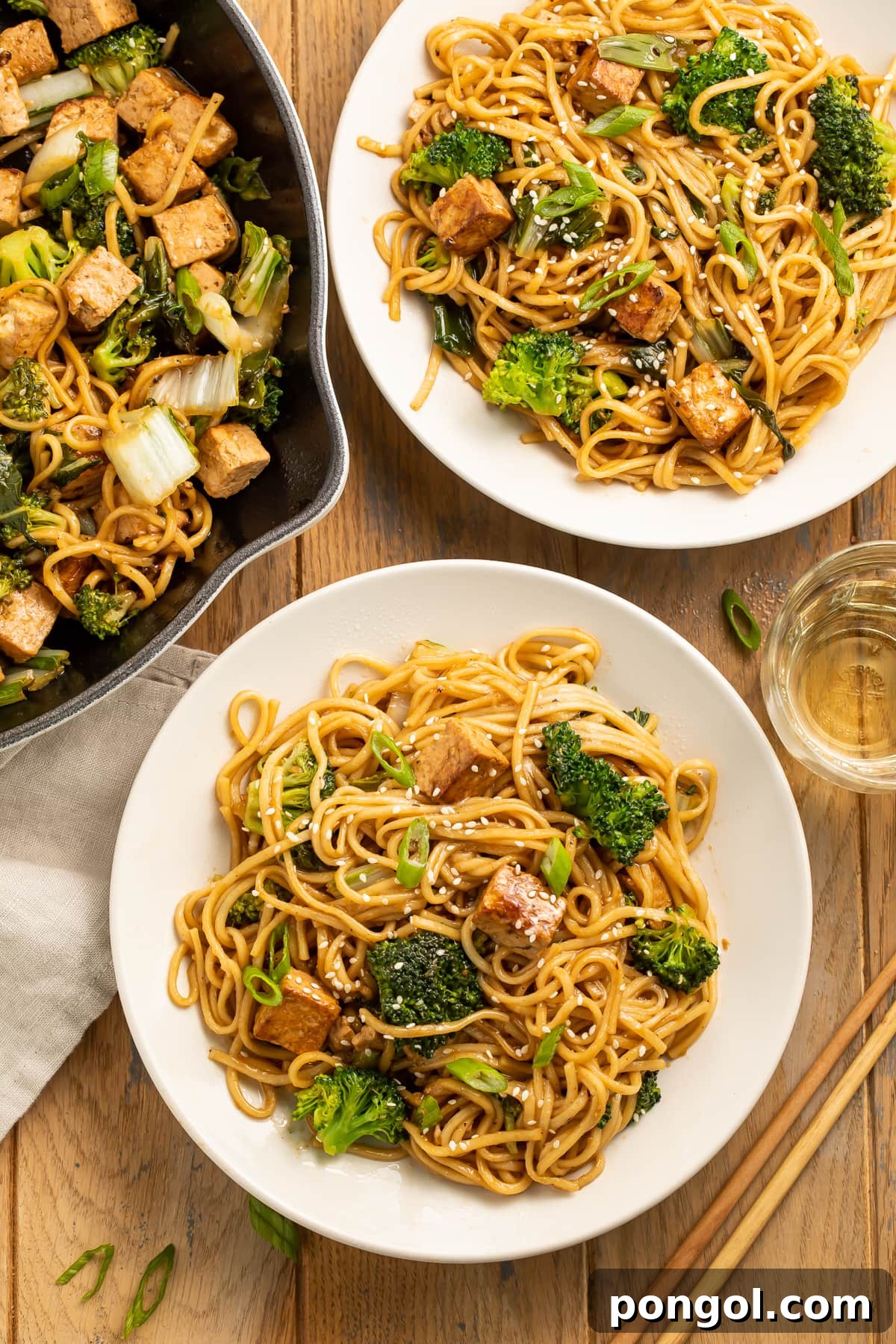
Mastering Your Stir Fry: Expert Tips & Tricks
To elevate your stir fry experience from great to truly extraordinary, consider these chef-tested tips. They cover everything from efficient meal prep to optimizing flavor and texture.
- Strategic Meal Prep for Speed: The secret to a quick weeknight stir fry lies in advanced preparation. Dedicate some time the day before to chop all your vegetables – broccoli, bok choy, green onions, and any other additions. Store them in separate airtight containers in the refrigerator. You can also mix the stir fry sauce components ahead of time and refrigerate. Even your protein can be prepped: cube the tofu or slice the chicken. However, a word of caution for marinating: avoid marinating your protein too far in advance, especially with acidic ingredients, as this can cause the protein to break down and become mushy. Marinate for no more than a few hours for optimal texture.
- The Art of Noodle Selection: The world of noodles is vast and wonderful, offering many choices for your stir fry.
- Lo Mein Noodles: These thick, chewy wheat flour noodles are a classic choice, offering a satisfying bite and excellent sauce-absorption qualities.
- Soba Noodles: Made from buckwheat, soba noodles have a distinct nutty flavor and firm texture, perfect for a healthier twist.
- Rice Noodles: Gluten-free and light, these absorb flavors beautifully and come in various widths.
- Udon Noodles: Thick, soft, and delightfully chewy, Udon noodles provide a substantial base for your stir fry.
- Spaghetti or Linguini: Don’t have Asian noodles on hand? Standard pasta works wonderfully as a substitute, especially spaghetti or linguini, offering a familiar texture.
- Ramen Noodles: For a budget-friendly and quick option, instant ramen noodles (discarding the seasoning packet) can be a fantastic choice.
When selecting, remember that thinner, more delicate noodles might break apart if stirred too vigorously. Cook them just to al dente as they will continue to cook briefly in the stir fry sauce.
- Perfecting Your Protein: Whether you choose tofu or chicken, ensuring it’s cooked just right is crucial. For tofu, pressing out excess water before cubing and marinating will yield a firmer, crispier result. Cook until golden brown and slightly crispy on the edges. For chicken, cut it into uniform bite-sized pieces to ensure it cooks quickly and evenly, becoming tender and juicy without drying out. Other proteins like beef or pork should also be thinly sliced against the grain to ensure tenderness and quick cooking.
- Don’t Overcrowd the Pan: When stir-frying, it’s essential to work in batches if your skillet isn’t large enough. Overcrowding the pan lowers the temperature, leading to steamed instead of stir-fried ingredients. This results in limp vegetables and soggy protein, rather than the desired crisp-tender texture and caramelized flavor.
- High Heat is Your Friend: A key principle of stir-frying is cooking quickly over high heat. This creates that distinct “wok hei” (breath of the wok) flavor and ensures vegetables remain crisp and vibrant while proteins sear beautifully. Make sure your skillet or wok is very hot before adding ingredients.
- Adjust the Sauce to Your Liking: The beauty of homemade stir fry sauce is its customizability. If you prefer a spicier kick, add a dash of sriracha or a pinch of red pepper flakes. For more sweetness, a touch of honey or maple syrup can be added. Want more tang? A splash of rice vinegar will do the trick. Taste and adjust as you go!
Customizing Your Stir Fry: Endless Possibilities
This recipe provides a fantastic foundation, but don’t hesitate to make it your own! Here are more ideas to inspire your culinary creativity:
- Vegetable Power-Up: Incorporate thinly sliced bell peppers (any color), shredded carrots, baby corn, water chestnuts, bamboo shoots, snap peas, or even mushrooms. For a touch of heat and freshness, finely diced chilies or a garnish of cilantro are wonderful additions.
- Alternative Proteins: Experiment with thinly sliced flank steak or sirloin for a beef stir fry, ground pork or sliced pork tenderloin, or quick-cooking shrimp for a seafood variation. Each will absorb the sesame-ginger sauce beautifully.
- Spice it Up: For those who love heat, add some finely diced fresh chilies (like bird’s eye chilies), a dollop of chili garlic sauce, or a pinch of red pepper flakes to the sauce or while cooking the vegetables.
- Nutty Crunch: Sprinkle toasted cashews, peanuts, or slivered almonds over the finished dish for an extra layer of texture and flavor.
- Sweet & Savory Balance: If you find yourself craving a slightly sweeter sauce, a teaspoon of brown sugar or honey can be added to the stir-fry sauce mixture.
Frequently Asked Questions (FAQs)
- Can I make this stir fry gluten-free? Absolutely! Simply use a gluten-free soy sauce (like tamari or coconut aminos), ensure your oyster sauce is gluten-free (some brands offer this), and opt for gluten-free noodles such as rice noodles or gluten-free spaghetti.
- How do I store leftovers? Leftover stir fry can be stored in an airtight container in the refrigerator for up to 3-4 days.
- Can I freeze stir fry noodles? While technically possible, stir-fried noodles and vegetables can become quite soft and lose their texture when thawed and reheated. It’s best enjoyed fresh or from the refrigerator. If you must freeze, ensure it’s fully cooled before freezing in an airtight container for up to 2-3 months. Reheat gently.
- What can I serve with stir fry? This dish is a complete meal on its own! However, if you’re looking for accompaniments, consider serving it with a side of plain white or brown rice, a simple cucumber salad, or extra steamed edamame.
- Why is my stir fry soggy? This is often due to overcrowding the pan or not cooking at a high enough temperature. Ensure your wok or skillet is piping hot, and cook ingredients in batches if necessary, to allow them to sear rather than steam. Also, ensure your vegetables are cut uniformly.
Other Asian-Inspired Recipes to Explore!
If you love the flavors of this stir fry, you’ll definitely want to check out these other delicious Asian-inspired dishes:
- Egg Roll in a Bowl Meal Prep (Whole30, Paleo, Keto)
- Pork Stir Fry
- Hibachi Chicken with Fried Rice and Vegetables
- Wonton Egg Drop Soup
- Shrimp Tempura
- Chicken Egg Roll in a Bowl
- Sheet-Pan Gochujang Chicken and Potatoes
- Duck Fried Rice
- Kylie Jenner’s Ramen Noodle Recipe
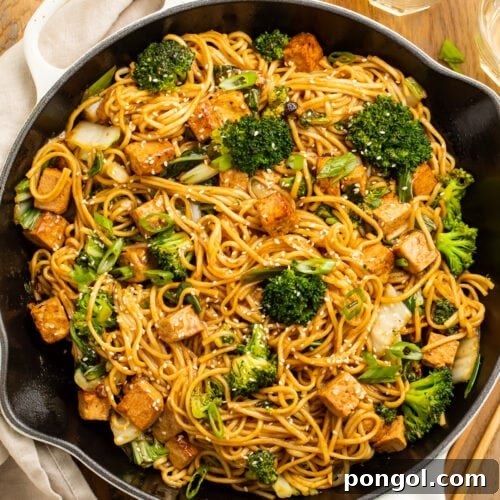
Ultimate Sesame-Ginger Stir Fry Noodles (with Tofu or Chicken)
 Cheryl Malik
Equipment
-
Large pot
-
Cutting board
-
Sharp knife
-
Large bowl
-
2 medium bowls
-
Whisk
-
Large skillet with lid or wok
-
Slotted spoon
-
Wooden spoon
-
Colander
Ingredients
For the Protein
- 1 8-ounce block extra firm tofu pressed; or 8 ounces boneless, skinless chicken breast
- 4 tablespoons soy sauce or coconut aminos, or lite tamari
- 1 teaspoon sesame oil
- 2 teaspoons garlic-ginger paste or 1 teaspoon minced ginger + 1 teaspoon minced garlic
For the Stir Fry Sauce
- 5 tablespoons soy sauce or coconut aminos, or lite tamari
- 3 tablespoons dry white wine Sauvignon blanc or pinot grigio
- 3 tablespoons oyster sauce
- 1 tablespoon sesame oil
- 1 tablespoon garlic-ginger paste or 1 ½ teaspoons minced ginger + 1 ½ teaspoons minced garlic
- 1 ½ tablespoons cornstarch
For the Noodles & Vegetables
- 1 head broccoli cut into bite-sized florets, approximately 3-4 cups
- ½ cup water
- 2 tablespoons neutral oil vegetable oil, sesame oil, coconut oil, or avocado oil; divided
- 8 ounces lo mein noodles or spaghetti noodles, see Notes
- 3 cloves garlic minced
- 2 medium heads bok choy stems removed, stalk chopped into 1-inch pieces; approximately 3 cups
- half of one bunch green onions white and green parts separated, green parts sliced into 1-inch long pieces
Serving Suggestions (All Optional)
- sesame seeds
- thinly sliced green onions
Instructions
-
Prepare your noodles: Fill a large pot with water and place it on the stovetop over medium heat. Heat until the water is hot but not yet boiling. Reduce the heat slightly to maintain this temperature, keeping the water on the verge of boiling until you are ready to cook the noodles.
-
Prepare the protein: Place your chosen protein (pressed tofu or chicken breast) on a cutting board. Use a sharp knife to cut the protein into uniform, bite-sized cubes or pieces. Set aside.

-
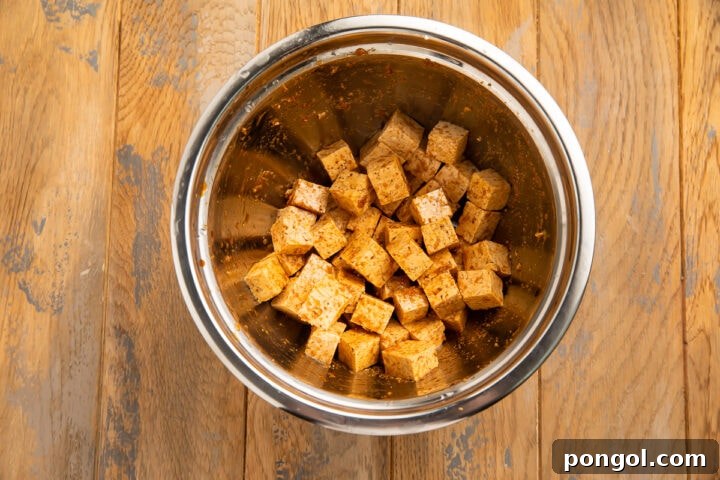
Marinate the protein: In a large bowl, combine 4 tablespoons soy sauce (or alternative), 1 teaspoon sesame oil, and 2 teaspoons garlic-ginger paste. Whisk vigorously until all ingredients are fully incorporated and smooth. Add the prepared protein to the bowl and toss gently to ensure it is evenly coated in the marinade. Set this bowl aside to allow the flavors to meld.
-
Prepare the stir-fry sauce: In a separate medium bowl, combine 5 tablespoons soy sauce, 3 tablespoons dry white wine, 3 tablespoons oyster sauce, 1 tablespoon sesame oil, 1 tablespoon garlic-ginger paste, and 1 ½ tablespoons cornstarch. Whisk meticulously until all ingredients are fully combined and the cornstarch has completely dissolved, ensuring there are no lumps. Set this sauce bowl aside.
-
Steam the broccoli: Heat a large skillet (or wok) over medium heat. Once the pan is hot, add the broccoli florets and ½ cup water. Immediately cover the pan with a lid.
-
Cook the broccoli: Allow the broccoli to cook for 2 to 3 minutes, or until it turns a bright green color and is tender-crisp. Using a slotted spoon, transfer the cooked broccoli to a medium bowl. Discard any remaining water from the skillet.
-
Heat the skillet for protein: Return the empty skillet to medium heat. Add 1 tablespoon of neutral oil, tilting or swirling the pan to ensure the oil evenly coats the surface. Heat the pan until the oil is hot and appears shimmery, indicating it’s ready for cooking.
-
Cook the protein: Once the oil is hot, add the marinated protein along with any remaining marinade (up to 2 tablespoons) to the skillet. Cook, stirring frequently, for approximately 3 to 4 minutes. Continue until the edges of the tofu are golden and slightly crispy, or until the chicken is mostly cooked through and no longer pink.
-
Cook the noodles: While the protein is cooking, increase the heat under the pot of water to medium-high and bring it to a rolling boil. Once boiling, add the lo mein or spaghetti noodles and cook strictly according to package instructions until they are just al dente. Promptly pour the water and noodles into a colander and drain them very well. Set the colander aside.
-
Sauté remaining vegetables: When the protein is cooked through, add the remaining tablespoon of neutral oil, minced garlic, chopped bok choy, and the white parts of the green onions to the skillet. Cook for 2 to 3 minutes, stirring often, until the vegetables are vibrant, slightly tender, and aromatic.
-
Combine and finish: Reduce the heat under the skillet to medium. Add the prepared stir-fry sauce, the drained al dente noodles, the steamed broccoli, and the green parts of the green onions to the pan. Cook, stirring occasionally (but gently, to avoid breaking the broccoli or tofu), until all ingredients are warmed through and the sauce has thickened to your desired consistency. This should take approximately 30 to 60 seconds.
-
Serve: Divide the finished stir fry into individual serving bowls. If desired, garnish with a sprinkle of sesame seeds and additional thinly sliced green onions for extra flavor and visual appeal. Serve warm and enjoy your homemade stir fry masterpiece!
Notes
- Noodles: If you’re using pre-boiled or fresh lo mein noodles, you may not need to boil them at all. Always double-check the packaging instructions as they are often ready to use directly in the stir fry.
- Make it Gluten-Free: To ensure this recipe is gluten-free, substitute standard soy sauce with a certified gluten-free tamari or coconut aminos. Additionally, verify that your oyster sauce is gluten-free and choose gluten-free noodles (such as rice noodles or gluten-free spaghetti).
- Spice Level: For an extra kick, a dash of sriracha or a pinch of red pepper flakes can be added to the sauce or directly to the pan with the vegetables.
Approximate Nutritional Information for One Serving
Nutrition Disclaimers
Number of total servings shown is approximate. Actual number of servings will depend on your preferred portion sizes.
Nutritional values shown are general guidelines and reflect information for 1 serving using the ingredients listed, not including any optional ingredients. Actual macros may vary slightly depending on specific brands and types of ingredients used.
To determine the weight of one serving, prepare the recipe as instructed. Weigh the finished recipe, then divide the weight of the finished recipe (not including the weight of the container the food is in) by the desired number of servings. Result will be the weight of one serving.
Did You Make This Recipe?
Tag @40aprons on Instagram and be sure to leave a review on the blog post!
Tag @40Aprons on Instagram