The concept of “dopamine detox” or “dopamine fasting” has recently captivated the wellness world, sparking conversations about our relationship with pleasure and productivity in an increasingly stimulating environment. But is this trend merely a passing fad, or does it hold genuine benefits for our mental well-being? This comprehensive guide delves into the essence of dopamine fasting, exploring its scientific underpinnings, practical applications, and the transformative potential it offers for regaining control over our daily impulses and improving overall cognitive function. We’ll uncover the origins of this intriguing practice, clarify common misconceptions, and provide actionable insights into how you can thoughtfully incorporate elements of a dopamine fast into your own life to foster greater self-awareness and intentionality.
Important Disclaimer
Please note that this article is provided for informational purposes only and should not be considered a substitute for professional medical advice, diagnosis, or treatment. We are not medical professionals, and the content presented herein is not intended to offer healthcare recommendations.
Always consult with a qualified health professional before making any significant changes to your diet, lifestyle, or mental health regimen. Your individual health needs are unique, and personalized guidance from a medical expert is crucial.
If you suspect you may be experiencing symptoms related to imbalanced dopamine levels, or if you are grappling with compulsive behaviors or addictions, we strongly advise seeking consultation with a healthcare provider. They can offer a proper assessment of your situation and guide you toward appropriate next steps and potential treatment options.
🧬 Understanding Dopamine: The Brain’s Reward Chemical
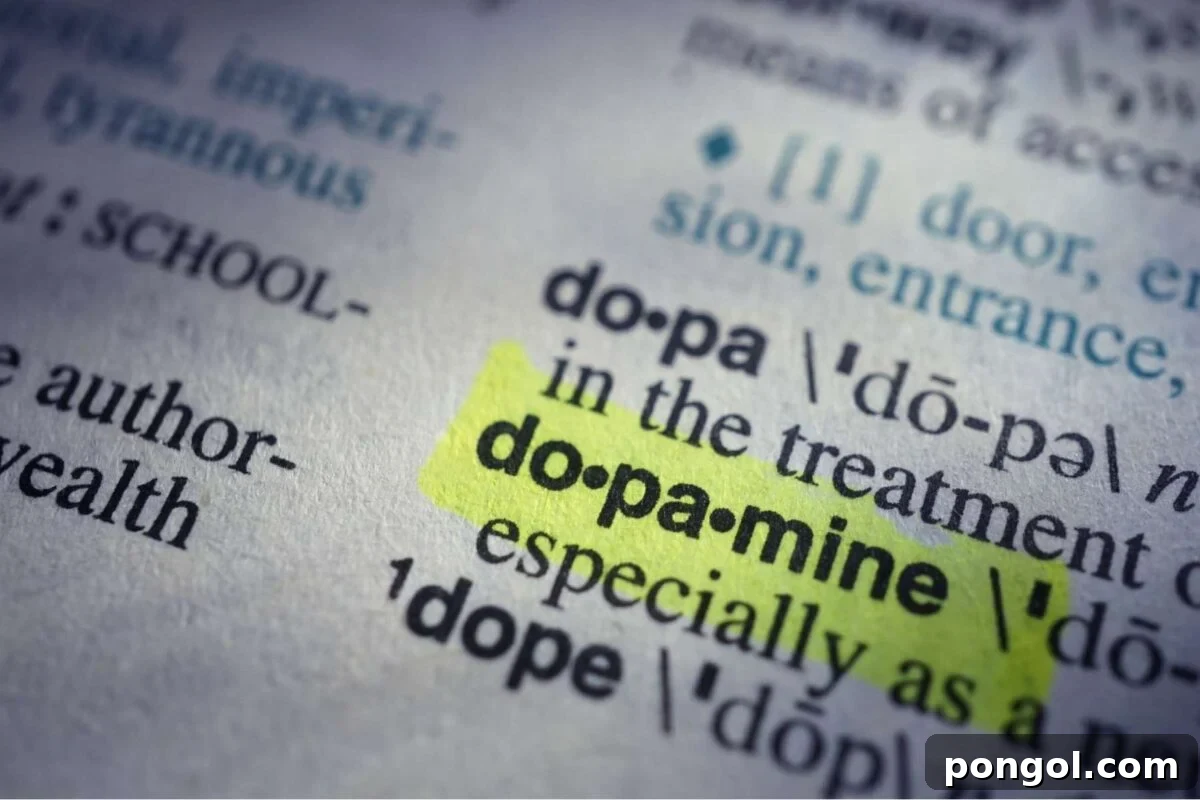
Dopamine is far more than just the widely popularized “feel-good hormone.” It’s a fundamental chemical messenger that plays a pivotal role in numerous critical functions within your brain and body, profoundly influencing your daily experiences and long-term health. Often at the center of discussions around mental health, exercise, and general well-being, understanding dopamine’s multifaceted nature is key to appreciating its impact.
- A Crucial Neurotransmitter: As a type of neurotransmitter, dopamine acts as a vital communicator, transmitting signals between nerve cells in your brain and throughout the rest of your body. In this capacity, it is an indispensable component in regulating memory formation, sustaining attention, modulating mood, driving motivation, facilitating cognitive functions like problem-solving and decision-making, and even influencing physiological processes such as lactation. Its intricate network helps orchestrate our responses to various internal and external cues.
- A Powerful Hormone: Beyond its role as a neurotransmitter, dopamine also functions as a hormone, produced by your adrenal glands. Furthermore, it serves as a neurohormone, released by your hypothalamus. The hypothalamus acts as a central command center, coordinating your entire endocrine system and serving as a crucial link between your nervous system and hormonal regulation. This dual role underscores dopamine’s broad influence across various bodily systems.
Our brains are naturally wired to seek out activities and behaviors that trigger a surge of dopamine. When these actions occur, dopamine is released into specific brain regions, generating feelings of pleasure and reward. This creates a powerful association between the action and the positive sensation, a process akin to classical conditioning (like Pavlov’s dogs). Over time, repeated engagement in these rewarding behaviors can lead to an elevated “dopamine baseline,” requiring more intense or frequent stimuli to achieve the same level of pleasure. This mechanism is central to understanding both healthy motivation and the development of compulsive habits.

🎊 The Spectrum of “Dopamine Hits”
The term “dopamine hit” refers to any experience or activity that stimulates the release of dopamine in your brain, activating its intrinsic reward pathways. This can encompass an incredibly broad range of human experiences, as virtually anything that brings you pleasure, satisfaction, or a sense of accomplishment can trigger this neurochemical response. It’s important to remember that the intensity and nature of these “hits” are highly individual; what one person finds deeply rewarding, another might find only mildly stimulating. This personalization is key to understanding the diverse ways dopamine influences our daily lives.
While the specific activities that provide a dopamine boost vary from person to person, there are many common behaviors and experiences universally recognized for their dopamine-releasing properties. These activities often tap into our fundamental needs and desires, or leverage modern technologies designed to be inherently rewarding. Here’s a general overview of dopamine-boosting activities and behaviors:
- Physical Activity: Engaging in exercise, from a brisk walk to an intense workout, is a natural and potent dopamine booster. The feeling of accomplishment and the physiological response contribute to sustained well-being.
- Caffeine Consumption: Enjoying a cup of coffee or tea provides a mild but noticeable dopamine surge, contributing to feelings of alertness and focus.
- Hydration: Surprisingly, simply drinking water, especially when thirsty, can activate reward pathways and provide a subtle sense of satisfaction.
- Social Media Engagement: Receiving “likes,” comments, shares, or new followers on social media platforms provides immediate, intermittent reinforcement that effectively triggers dopamine release, often leading to compulsive checking.
- Video Gaming: The challenges, achievements, and immersive experiences in video games are expertly designed to deliver frequent dopamine rewards, making them highly engaging and potentially addictive.
- Reading a Book: The mental stimulation, immersion in a story, and the satisfaction of learning can all contribute to a pleasant dopamine release.
- Intimate Relationships: Physical intimacy and sexual activity are powerful natural dopamine stimulants, essential for bonding and pleasure.
- Sensory Pleasures: Smelling a favorite aroma (like a candle), tasting delicious food (especially those rich in sugar, fat, or salt), or listening to music or audiobooks can all provide pleasurable sensory input that boosts dopamine.
- Exposure to Nature: Spending time outdoors, particularly in sunshine, has been linked to improved mood and increased dopamine synthesis due to Vitamin D production and stress reduction.
Interestingly, high-stress situations can initially elevate dopamine levels as the body gears up for a “fight or flight” response. However, this is a short-term effect. Research has consistently shown that prolonged or chronic stress can actually have the opposite effect, leading to a significant suppression of dopamine production and receptor sensitivity. This highlights the complex interplay between stress, reward, and neurochemical balance, emphasizing the importance of managing stress for optimal mental health.
📊 The Delicate Balance: High vs. Low Dopamine Levels
Maintaining a healthy balance of dopamine is crucial for optimal brain function and overall well-being. Both excessively high and unusually low dopamine levels can lead to a range of challenging symptoms, impacting physical, mental, and emotional health.
When dopamine levels are elevated beyond a healthy range, individuals might experience an intense surge of energy, often bordering on restlessness or hyperactivity. This can manifest as difficulty initiating and maintaining sleep, leading to chronic insomnia. High dopamine can also impair impulse control, making individuals more prone to reckless decisions, compulsive behaviors, or struggles with disordered eating patterns. Physically, symptoms may include chest pain, persistent headaches, and even heightened aggression or irritability. Conditions like schizophrenia and certain types of mania are often associated with dopamine overactivity.
Conversely, insufficient dopamine levels can lead to feelings of profound fatigue, lethargy, and a significant lack of motivation, making even simple tasks seem daunting. Individuals might struggle with focus and concentration, experiencing persistent brain fog that hinders cognitive clarity. Emotionally, low dopamine can contribute to feelings of hopelessness, anxiety, and anhedonia – the inability to experience pleasure. Physical manifestations can include muscle spasms, tremors, constipation, and generalized aches and pains. Parkinson’s disease, for example, is characterized by the degeneration of dopamine-producing neurons, leading to severe motor control issues.
Ideally, balanced dopamine levels foster a state of optimal mental and physical functioning. This equilibrium can significantly enhance cognitive functions, leading to improved attention spans, heightened creativity, and greater mental clarity. On an emotional level, balanced dopamine contributes to mood stabilization, resilience against stress, and a more consistent sense of contentment and motivation.
It is vital to underscore that brain chemistry is extraordinarily intricate and complex. Dopamine, while critically important, is merely one thread in a vast and interconnected web of neurotransmitters, hormones, and neural pathways. Attributing all psychological and physiological states solely to high or low dopamine levels would be an oversimplification and an inaccurate portrayal of brain function. Even the most seasoned neurologists, psychiatrists, and researchers continue to unravel the mysteries of the brain, highlighting that a holistic perspective is always necessary when considering neurochemical influences on health.
🎛️ Modulating Dopamine: Natural Methods and Medical Interventions
For individuals facing chronic or extreme imbalances in dopamine levels, medical intervention often plays a crucial role. Prescription medications can be a highly beneficial tool in restoring neurochemical equilibrium. These medications generally fall into two categories:
- Dopamine Agonists: These drugs work by activating dopamine receptors in the brain, mimicking the effects of natural dopamine. They are often used in conditions where dopamine production is deficient, such as Parkinson’s disease or Restless Legs Syndrome.
- Dopamine Antagonists: In contrast, these medications block dopamine receptors, reducing the impact of dopamine on the brain. They are typically prescribed for conditions characterized by excessive dopamine activity, such as certain psychotic disorders.
The specific type and brand of medication, along with the dosage, are meticulously determined by a healthcare professional based on an individual’s unique dopamine profile, the severity of their symptoms, and potential side effects.
If you believe medication might be the right course of action for your condition, it is imperative to consult with a healthcare professional. They can provide expert guidance on available options, thoroughly discuss potential side effects, and help you understand the likely outcomes of such treatments.
Beyond pharmaceutical interventions, there are also numerous natural and lifestyle-based approaches to influence dopamine production. Incorporating mindful practices and healthy habits into your daily routine can significantly contribute to better dopamine regulation:
- Regular Physical Activity: Engaging in activities like walking, jogging, cycling, or yoga has been consistently shown to boost dopamine and other mood-enhancing neurotransmitters.
- Mindfulness and Meditation: Practices such as meditation and deep breathing can reduce stress, which, as mentioned, can suppress dopamine. By promoting calm, they indirectly support healthy dopamine levels.
- Creative Pursuits: Activities like reading, listening to music, playing an instrument, or engaging in any form of creative expression can be intrinsically rewarding, stimulating dopamine release in a healthy, sustainable way.
- Adequate Sleep: Prioritizing 7-9 hours of quality sleep each night is crucial, as dopamine levels naturally fluctuate during sleep cycles, and sleep deprivation can disrupt this balance.
- Nutritional Support: While more research is always beneficial, some studies suggest a link between diet and dopamine levels. Foods rich in tyrosine (an amino acid precursor to dopamine), such as lean proteins (chicken, turkey, fish, eggs), nuts, seeds, and legumes, are often recommended. Incorporating more leafy green vegetables and antioxidants can also support overall brain health.
In recent years, one particular do-it-yourself theory for dopamine improvement has gained immense traction and public attention. It promises a novel approach to recalibrating our reward system in an overstimulated world. You might already be thinking of it…
🤔 Unpacking the “Dopamine Fast”: A Misnomer with a Purpose
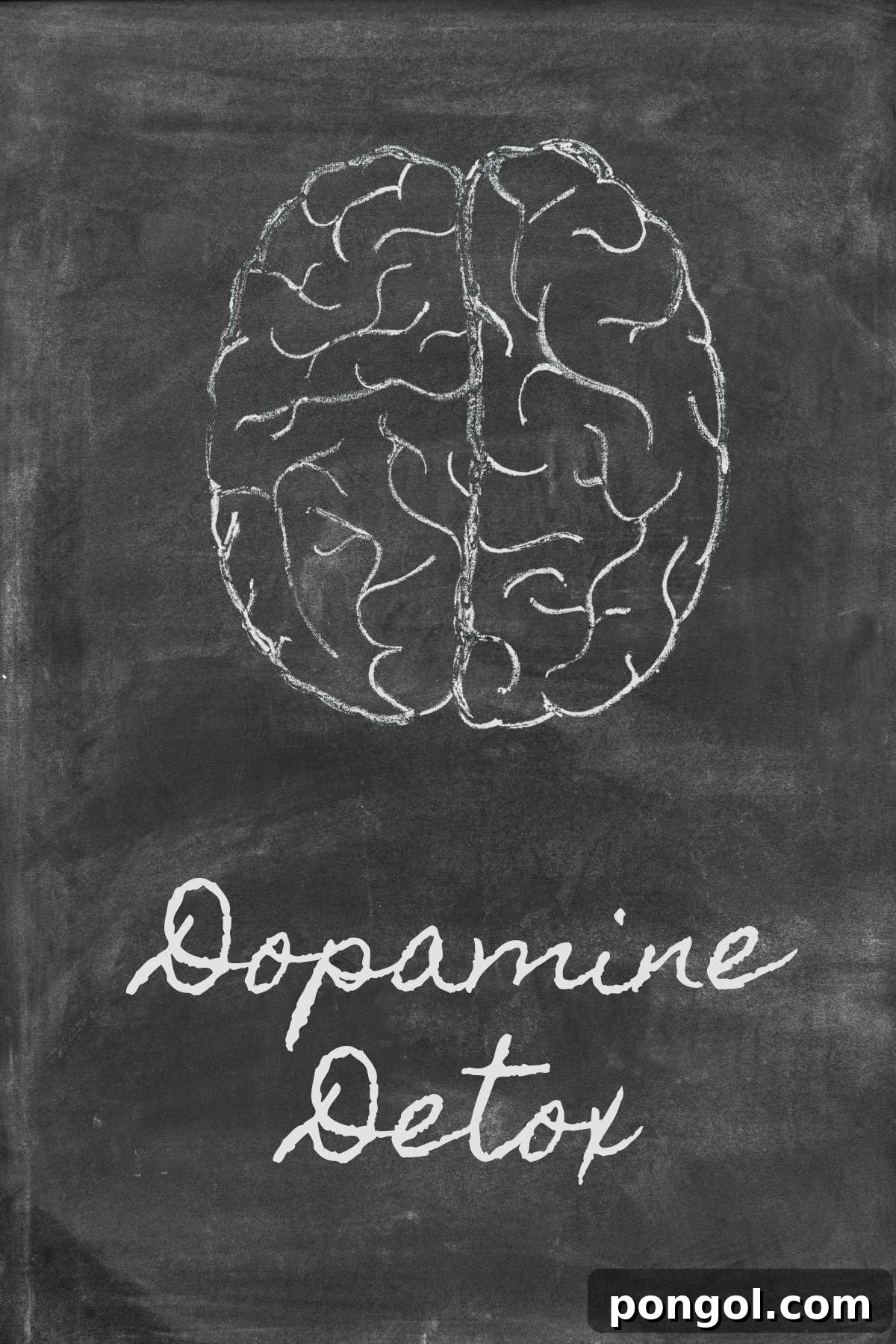
The term “dopamine detox” or “dopamine fast” is, to a significant extent, a misnomer. To “detox” implies ridding the body of toxic or unhealthy substances, but dopamine is neither. It is a vital, naturally produced neurochemical that your brain absolutely needs for proper functioning. You cannot, and would not want to, completely eliminate dopamine from your system.
What this popular trend actually refers to is a more nuanced practice: a fast from specific, often problematic, activities that lead to constant and artificial dopamine elevation. While “dopamine-increasing-stimuli deprivation” is a more scientifically accurate description, it lacks the catchy appeal of “dopamine detox.” For the sake of simplicity and common understanding, we will continue to use “dopamine detox” and “dopamine fast” interchangeably, acknowledging their popular usage.
Regardless of the terminology, the core objective behind this method, which draws heavily from principles of cognitive behavioral therapy (CBT), is an intentional effort to “reset” and “retrain” your brain’s response to pleasure and reward. Ideally, your dopamine levels should operate at a healthy, stable baseline. Throughout the day, various triggers and stimuli cause this baseline to briefly spike, delivering a “dopamine hit” and a feeling of pleasure. Crucially, after this spike, your brain typically resets back to its baseline, allowing for mental decompression and a return to a neutral state.
The modern world, however, presents a continuous barrage of stimuli that can disrupt this natural rhythm. A dopamine fast aims to consciously step away from these overwhelming inputs, allowing the brain’s reward system to recalibrate. By temporarily abstaining from highly stimulating activities, individuals hope to lower their baseline for pleasure, making everyday, simpler experiences more rewarding again. This mindful detachment encourages self-reflection on impulsive behaviors and fosters a healthier, more balanced relationship with sources of gratification.
🧠 The Neuroscientific Basis: Why Dopamine Fasting Makes Sense
In our hyper-connected, always-on world, constant stimulation has become the norm rather than the exception. Our brains are relentlessly bombarded by an onslaught of digital notifications, vivid media, rapid-fire information, and an endless stream of sensory inputs. From the incessant pings of smartwatch notifications and urgent delivery updates to the constant refreshing of social media feeds and the persistent red dots signaling unread messages on every app, our environment is designed to keep us engaged and, critically, to deliver frequent dopamine spikes. This constant stimulation leads to dopamine surges that are not only more intense but also more sustained and significantly more frequent than what our brains evolved to handle.
The central hypothesis behind dopamine fasting is that, over time, our brains adapt to this relentless stream of stimulation. This adaptation causes our “dopamine baseline”—the normal level of dopamine activity—to gradually elevate. When your baseline is high, what once provided a significant pleasure boost now feels like the bare minimum for satisfaction. Your brain essentially becomes desensitized to regular stimuli, constantly chasing higher and more frequent “hits” to feel rewarded. This creates a vicious cycle: you invest more time, energy, and mental resources into seeking out these powerful stimuli, and each successful “hit” further reinforces the problematic behaviors, perpetuating the cycle of elevated baseline and increased craving.
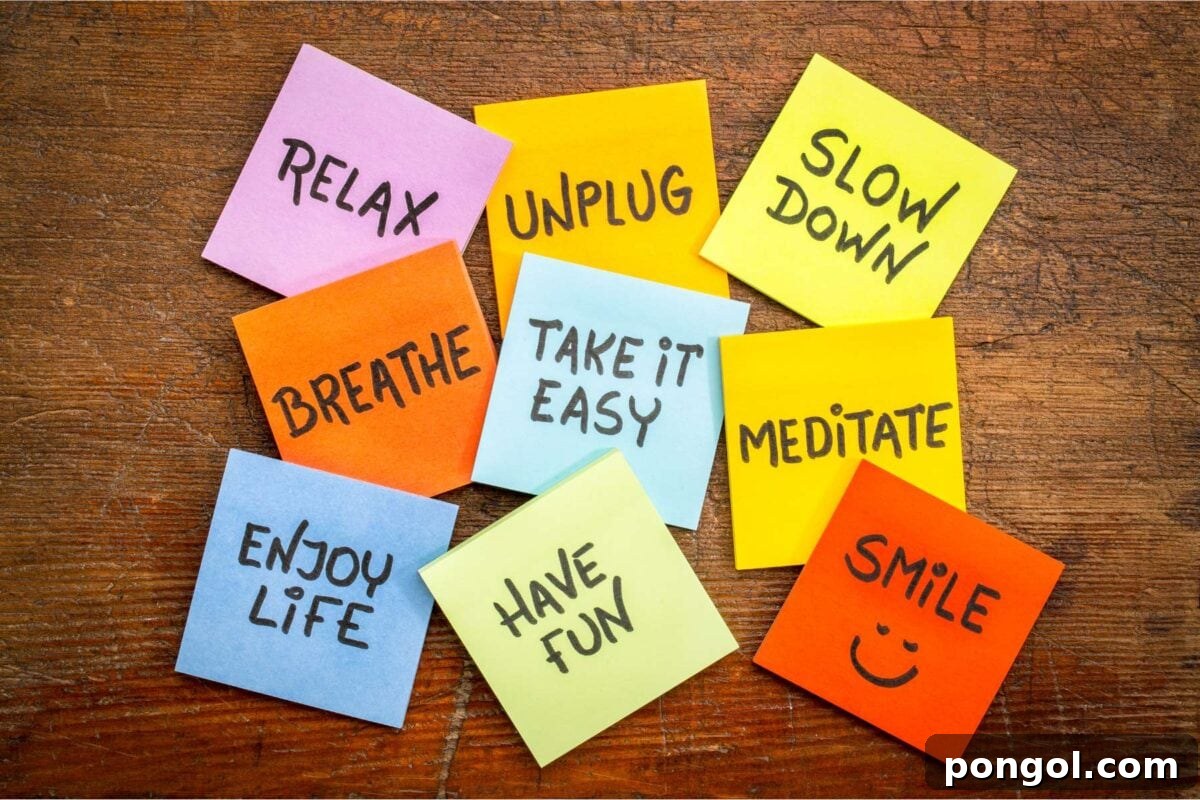
A dopamine detox is conceived as an intentional “unplugging” from this pervasive overstimulation. It represents a mindful detachment from the constant demands and immediate gratifications of modern daily life. The first step involves becoming acutely aware of the specific behaviors, activities, habits, and impulsive urges that, for you personally, are detrimental to your overall well-being. Once these problematic stimuli are identified, the practice involves consciously restricting engagement with them for a defined period. The aim is to “retrain” your brain, allowing your dopamine baseline to gradually return to a healthier, lower level. This recalibration is intended to make everyday, simpler pleasures feel more rewarding again, reducing the compulsive drive for high-intensity stimulation and fostering greater behavioral flexibility and self-control.
“An evidence-based technique to manage addictive behaviors, by restricting them to specific periods of time, and practicing fasting from impulsively engaging in them, in order to regain behavioral flexibility.”
– Dr. Cameron Sepah, psychologist behind dopamine fasting
🏁 The True Origins of the Dopamine Fasting Trend
Despite popular narratives labeling it a “productivity fad” concocted by tech entrepreneurs in Silicon Valley around 2020, the actual origin story of dopamine detox is somewhat different and more nuanced. Furthermore, the practice is not exclusive to men working in the digital tech industry; its principles are broadly applicable to anyone seeking greater self-control over impulsive behaviors.
The concept gained widespread attention following a 2019 LinkedIn post by Dr. Cameron Sepah. Dr. Sepah, a clinical psychologist who also serves as an executive coach to CEOs and venture capitalists in Silicon Valley, originally outlined the practice as a form of “stimulus control” for managing impulsive behaviors rooted in principles of Cognitive Behavioral Therapy (CBT). His initial post aimed to help individuals regain control over certain habits that were interfering with their lives. The article quickly went viral, but unfortunately, its core message and the underlying scientific principles were often misinterpreted and sensationalized by various media outlets and wellness communities.
Recognizing the widespread misunderstanding and the extreme interpretations that began to circulate, Dr. Sepah published a follow-up post just a few months later. In this clarifying piece, he aimed to correct misconceptions, emphasize that the practice is not about depriving oneself of all pleasure or completely stopping dopamine production, but rather about strategically managing problematic, compulsive behaviors to restore balance and improve behavioral flexibility. This clarification underscored the practical, therapeutic intent behind the fast, moving beyond the superficial “detox” narrative.

💭 Practical Steps: Implementing a Dopamine Fast
Over the past few years, a multitude of approaches to dopamine detox have emerged, ranging from mild to extremely rigorous. It is crucial to approach these variations with discernment, as some extreme interpretations often miss the fundamental point and original goal of the fast. Remember, the objective is not to literally “detox” from dopamine or deprive yourself of all pleasure, which is both impossible and undesirable. The true aim is to cultivate self-awareness, identify problematic behaviors that negatively impact your personal well-being, and then strategically refrain from them. By creating this intentional space, you can disrupt unhealthy cycles and replace them with more beneficial, self-aligned actions.
🔍 Identifying Your Personal Problematic Behaviors
The essence of a dopamine fast lies in its highly individualized nature. What constitutes a problematic behavior for one person may be perfectly innocuous for another. There’s no universal list of “unhealthy behaviors” that applies to everyone. Therefore, the process begins with a deep dive into self-reflection to identify the specific actions or habits that are genuinely detrimental to your life. While there isn’t a definitive checklist, you can look for several general “red flags” to pinpoint behaviors that might benefit from a dopamine fast:
Consider implementing a dopamine detox for any behavior that consistently:
- Causes Distress or Anxiety: If the frequency, duration, or nature of a particular behavior leaves you feeling distressed, anxious, guilty, or distraught, it’s a strong indicator that this behavior might be problematic. This includes a pervasive feeling of being “stuck” in a loop you want to escape.
- Interferes with Daily Responsibilities: A behavior that frequently disrupts your work schedule, academic performance, social commitments, family responsibilities, or general daily functioning warrants attention. This might manifest as procrastination, missed deadlines, neglected relationships, or a general decline in productivity due to excessive engagement in the behavior.
- You Struggle to Control: If you find yourself consistently unable to reduce or eliminate a behavior, despite a genuine and strong desire to do so, it suggests a compulsive or habituated pattern that has taken hold. This inability to self-regulate, even when recognizing negative consequences, is a critical red flag.
🎯 Six Common Categories of Impulsive Behaviors to Target
Dr. Cameron Sepah, the psychologist who popularized dopamine fasting, has identified six categories of impulsive behaviors that are so prevalent in modern society that most individuals struggle with at least one of them. These categories serve as an excellent starting point for identifying personal targets during a dopamine fast:
- Emotional Eating: This particularly refers to consuming highly-rewarding and potentially addictive foods in response to emotions rather than true hunger. These often include ultra-processed foods engineered with optimized combinations of sugar, fat, and salt to trigger maximal pleasure, such as sugary snacks, fast food, or even specific “comfort foods” like mac & cheese. The goal here is mindful eating, not starvation.
- Excessive Internet Use & Gaming: This category encompasses compulsive engagement with movies, TV shows, social media platforms, endless scrolling, online shopping, or any digital activity that demands significant clicking, swiping, and continuous input. While complete disconnection from the internet is impractical today, the fast advocates for strict, intentional, and time-bound internet usage. Instituting sustained daily digital breaks can significantly benefit your mental clarity and focus.
- Compulsive Gambling & Shopping: This does not mean abstaining from purchasing necessities like groceries, toiletries, or essential clothing. The focus is on eliminating impulsive shopping sprees, unnecessary online browsing, and buying items that are not legitimate, immediate needs. Similarly, it targets any form of gambling that has become a compulsive habit rather than occasional entertainment.
- Pornography & Masturbation: The fast distinguishes between intentional, intimate, and consensual sexual acts (which are generally fine) and impulsive, compulsive, disconnected (lacking mindfulness or emotional connection), or health-hazardous sexual behaviors. The aim is to curb compulsive patterns that might lead to feelings of guilt, shame, or interfere with healthy relationships.
- Thrill Seeking & Novelty Seeking: This category includes any activity that provides a sudden adrenaline rush, high-energy stimulation, or elicits intense feelings of euphoria or fear. Examples range from watching scary movies, reckless driving, extreme sports (like skydiving), engaging in arguments, shoplifting, excessive consumption of stimulants (like multiple espresso shots or large amounts of alcohol in one sitting), or even constantly seeking out new, highly stimulating music or entertainment.
- Recreational Drugs: This extends beyond illicit substances to include alcohol and caffeine, particularly if their consumption has become problematic, compulsive, or causes issues in your daily life. While not always considered “recreational drugs” in the traditional sense, both caffeine and alcohol can be highly addictive for some individuals and significantly impact dopamine pathways.
✅ Cultivating New Habits and Self-Reflection During a Fast
The core of a dopamine fast isn’t just about abstaining; it’s about actively replacing those identified unhealthy behaviors or activities with healthier ones that genuinely align with your life goals, needs, and values. This is an opportunity to consciously redirect your energy and attention.
- Replace with Healthier Alternatives: If you previously spent excessive time mindlessly scrolling social media, consider replacing that habit with a structured exercise routine, creative pursuit, or engaging in meaningful social interaction. If you realized caffeine was a detrimental daily crutch, swap your lattes and sodas for refreshing water, herbal teas, or electrolyte-rich beverages. The emphasis is on being mindful and intentional with every action and choice, understanding that breaking deeply ingrained habits requires consistent effort but is absolutely achievable.
- Engage in Deep Self-Reflection: Use the fasting period as a powerful opportunity for introspection. Ask yourself critical questions:
- What specific circumstances or external cues trigger the urge to engage in the fasted activities?
- How are you feeling mentally and emotionally (e.g., bored, stressed, lonely, anxious) just before that urge arises?
- What is your emotional and psychological experience each time you consciously choose not to give in to these ingrained urges?
- Are you noticing that resisting these second-nature activities becomes incrementally easier as you continue to refrain?
- Do you genuinely miss the activity or behavior itself, or do you miss the fleeting dopamine surge it provided?
- What positive, enriching activities or behaviors have you been able to incorporate or dedicate more time to, now that problematic behaviors no longer consume your time?
- Have you observed any improvements in your day-to-day mood, emotional regulation, or general mental health since you initiated your dopamine fast?
Being acutely aware of both the immediate and long-term positive results of the fast will serve as a powerful reinforcement, making you far more likely to sustain these newly established, healthier behaviors.
🚫 Avoiding Extreme and Unnecessary Restrictions
It’s important to clarify what a dopamine detox is *not*. There is no rigid, universal list of forbidden activities or strict rules you must adhere to. The fast is expressly *not* designed to be an exercise in extreme self-deprivation or punitive isolation. Do not fall prey to sensationalized interpretations that suggest:
- Complete Digital Disconnection: You don’t need to unplug all your devices indefinitely or cut off all contact with friends and family. This can lead to social isolation and unnecessary distress.
- Austerity and Joylessness: The goal is not to eliminate all pleasurable experiences from your life for an extended period. Enjoying simple pleasures like a good meal, a walk in nature, or meaningful conversation is healthy and beneficial.
- Radical Lifestyle Overhaul: Avoid making any other drastic, sudden behavioral changes that might be unsustainable or detrimental, such as stopping all forms of exercise or deleting all your social media accounts permanently if they serve important functions in your life.
The essence of the fast is mindful moderation and targeted abstinence from *specific* behaviors that *you* have identified as problematic. It’s about regaining control and fostering intentionality, not about creating an unbearable or unrealistic ascetic lifestyle.
⏱️ Determining the Duration of Your Dopamine Fast
The ideal duration for a dopamine fast is highly flexible and ultimately depends on your personal goals and needs. Some people might recommend a full week of detox, while others suggest a month. However, it’s crucial to remember that this process is not meant to be a punishment or a harsh form of deprivation. Instead, it’s a strategic method to regain control over impulsive cycles and develop greater behavioral flexibility.
A highly effective approach to a dopamine detox involves starting with small, manageable goals that can be gradually expanded over time. This incremental strategy increases the likelihood of long-term success and reduces the feeling of being overwhelmed. If this phased approach resonates with you, you might find the general time-blocking method, coined by Dr. Sepah as “FAST and FEAST windows,” particularly beneficial:
- FAST Windows: Embrace Abstinence: During your designated fasting windows, consciously refrain from engaging in any of the impulsive or problematic behaviors and activities you are actively trying to break away from. This is the period of deliberate self-control and detachment.
- FEAST Windows: Mindful Engagement: Allocate 1-3 times per day, for a duration of 5-30 minutes each, where you allow yourself to participate in your specific unhealthy behaviors or activities. The critical element here is to limit your engagement *exclusively* to these predefined windows. This structured approach helps satisfy urges in a controlled manner, preventing them from spilling over into uncontrolled, impulsive behavior throughout the day.
Restricting impulsive, addictive, or otherwise problematic behaviors to just a few dedicated hours or short windows a day is by no means an easy task. It demands significant self-discipline and conscious effort. It’s perfectly normal to struggle with these boundaries initially. If you find yourself slipping or getting frustrated, remember that consistency, not perfection, is the goal. Do not get discouraged, and absolutely stick with the practice. With persistent effort and mindful adherence to these specific windows, your overall capacity to manage your energy, focus, and time should noticeably improve as a direct result, leading to greater self-mastery.
👍🏼 The Verdict: Beyond the Hype, a Meaningful Practice
In a world saturated with fleeting wellness trends, it’s easy to dismiss “dopamine detox” as just another social media phenomenon. However, don’t let the hype and occasional misinterpretations deter you from exploring its potential benefits. The underlying logic and psychological principles championed by Dr. Sepah are rooted in sound scientific understanding of how our brain’s reward system functions and adapts to continuous stimulation.
The key is to steer clear of the extreme versions that advocate for complete deprivation of all pleasurable experiences for extended periods. Such drastic measures are unnecessary, often counterproductive, and can lead to undue misery without achieving the intended therapeutic goals. The aim is not to become completely ascetic but to cultivate a more balanced and intentional relationship with sources of pleasure.
It’s true that a dopamine detox may not be universally applicable or beneficial for everyone. If you’re fortunate enough to have no behaviors that cause you mental anguish, interfere with your responsibilities, or negatively impact your overall health, you might find minimal benefit from such a practice. Your dopamine system might already be operating in a healthy, balanced way.
However, for the many individuals who resonate with general feelings of being overwhelmed by constant stimulation, or who struggle with specific compulsive or addictive behaviors mentioned in this article, implementing a personalized process like dopamine fasting can be incredibly helpful. By encouraging heightened mindfulness, intentional decision-making, and personal accountability, it offers a pathway to reset your reward pathways, reduce impulsivity, and ultimately foster a more balanced, fulfilling, and self-directed life. It’s about regaining agency over your reactions and rediscovering joy in simpler, more sustainable ways.
Important Reminder!
Once again, we want to reiterate that we are not medical professionals, nor do we assume that role on the internet. This post is developed strictly for informational purposes, and the topics discussed within should never be interpreted or utilized as healthcare advice, diagnosis, or a treatment plan.
It is always paramount to seek the expert guidance of a qualified health professional before embarking on any dramatic changes to your established diet or lifestyle, especially those concerning mental health.
If you have any concerns that you may be experiencing symptoms indicative of either low or high dopamine levels, or if you are grappling with compulsions, addictive behaviors, or any other mental health challenges, please do not hesitate to consult with a healthcare provider. They are best equipped to discuss your unique situation, offer a professional diagnosis, and outline potential next steps and appropriate care.
📖 Explore More on Health & Wellness
- All About Adaptogens + How They Can Help You Perform, Sleep, and Feel Better
- Best 5 Adaptogens For Anxiety Relief And Stress Reduction
- One Day Detox: A Simple Guide to Rejuvenation
- Discovering Lion’s Mane: Its Benefits for Brain Health and Beyond
- 6 Gentle Natural Detox Methods for a Healthier You
- 20 Refreshing Self-Care Ideas for a Healthy, Happy You
- Immune System Booster Shot Recipe (Maximum Strength for Optimal Health!)
- Nourishing Seed Cycling Balls (Hormone Balancing Energy Bites)
- All About Ashwagandha: Ancient Herb for Modern Wellness