Do you harbor a deep passion for food and dream of building your own culinary empire, all while being your own boss? If so, venturing into the vibrant world of food blogging might just be your calling. This journey, as I can attest, is incredibly satisfying and profoundly rewarding. Moreover, with the right strategies and a clear understanding of how to monetize your efforts, a food blog can transform into a highly lucrative online business. If you’ve ever wondered how to translate your hard work and delicious creations into a sustainable income stream, you’ve landed on the ultimate guide.
Love crafting delicious recipes and stunning food photography, but dread the technical, back-end aspects of running a website? Discover CakePOP, the expert solution for food bloggers, brought to you by the creators of 40 Aprons!
Understanding the Essential Investments for a Successful Food Blog
The timeless adage, “it takes money to make money,” holds significant truth in the realm of food blogging. While the romantic notion of simply sharing recipes from your kitchen sounds appealing, building a successful and profitable food blog demands a strategic approach to both financial and non-financial investments. Being prepared for these costs is crucial to avoid unpleasant surprises and ensure the longevity of your culinary venture.
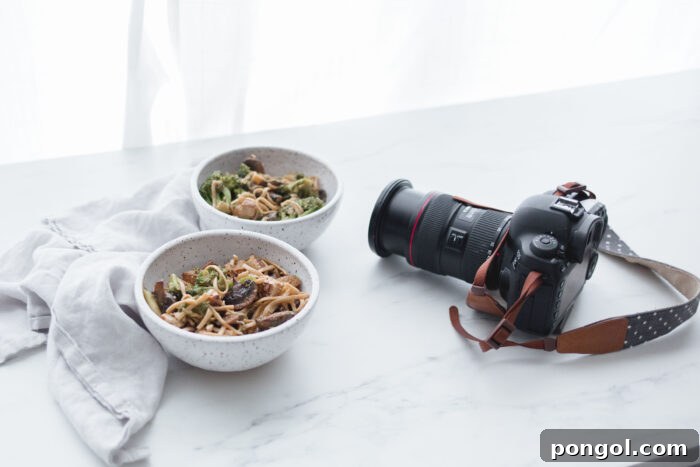
The expenses associated with running a food blog can broadly be categorized into visible and behind-the-scenes costs. On the more obvious front, you’ll naturally incur expenses for groceries and fresh ingredients to develop and test your recipes. High-quality food photography is non-negotiable in this visual industry, requiring investments in a good camera, lenses, lighting equipment, and an array of props and backdrops to make your dishes truly shine. Cookware and kitchen tools also fall into this category, as you strive to create diverse and appealing content.
However, many critical expenses operate behind the curtain, often overlooked by aspiring bloggers. These include the initial purchase and annual renewal of your domain name (your website’s address), reliable web hosting services to keep your site accessible and fast, and professional email marketing services. The cost of email services often scales with the size of your subscriber list, meaning as your audience grows, so might your monthly fee. Additionally, you’ll need to budget for utility bills, essential editing software for photos and videos, and various website plugins that enhance functionality, security, and user experience. The list, as you can imagine, goes on, encompassing everything from legal fees for business registration to accounting software.
Beyond monetary outlays, the non-financial investments are arguably even more significant. Your time, energy, and mental resilience will be tested, especially in the initial stages. Food blogging, particularly if you’re operating as a solo entrepreneur, is an immense time commitment. Every single recipe and blog post demands a meticulous process: planning, ingredient research and sourcing, cooking, plating, photographing from multiple angles, rigorous photo and video editing, engaging copywriting, publishing, monitoring performance, optimizing for search engines, promoting across various platforms, and continuously updating older content. Furthermore, the very beginning of your journey involves substantial setup time – choosing a memorable name, securing a domain, establishing your web platform (like WordPress), setting up social media profiles, selecting an email marketing provider, designing a logo, and defining your unique brand look and voice. Navigating these multifaceted demands requires dedication and strategic time management.
Given the array of monthly and annual expenditures, the question of generating a viable income might seem daunting. Rest assured, while it certainly requires a substantial amount of effort and perseverance, building a profitable food blog is absolutely achievable. It’s a marathon, not a sprint, and understanding these investments upfront is the first step toward long-term success.
Cultivating a Thriving Audience: The Cornerstone of Food Blog Monetization
The fundamental principle governing how to make money with a food blog is unequivocally clear: you must grow your traffic. Without a consistent stream of visitors to your site, revenue generation becomes an impossible feat. Blog traffic is the lifeblood of any monetization strategy, directly impacting the potential earnings from various income streams, most notably advertising.
Display advertising, while often viewed as a “necessary evil” by both bloggers and readers, forms a significant portion of most food blog incomes. The revenue generated from ads is directly proportional to the volume of traffic your blog receives each month. The challenge lies in striking a delicate balance: maximizing ad revenue without completely disrupting the user experience. An overloaded site with intrusive ads can drive visitors away, negating any potential gains. Strategic ad placement, optimized ad types, and partnering with reputable ad networks are key to achieving this equilibrium.
Strategic Approaches to Elevate Your Blog Traffic
Building substantial blog traffic is a multifaceted endeavor, but it all begins with mastering the fundamentals. Think of these as the “meat and potatoes” of any successful food blog; everything else is simply “gravy.” These foundational elements include robust Search Engine Optimization (SEO), a meticulously defined brand vision, and undeniably incredible food photography.
Search Engine Optimization (SEO): This is the art and science of optimizing your blog content to rank higher in search engine results (like Google). For food bloggers, strong SEO is paramount. It involves comprehensive keyword research to understand what your target audience is searching for (e.g., “easy weeknight dinner recipes,” “gluten-free desserts”). Once you have your keywords, you’ll implement them naturally within your recipe titles, headings, body text, meta descriptions, and image alt tags. Technical SEO, such as ensuring fast site loading speeds, mobile responsiveness, and a secure website (HTTPS), is also vital for both user experience and search engine rankings. Internal linking, connecting relevant posts within your blog, helps readers discover more of your content and signals to search engines the depth and authority of your site. Staying updated with Google’s ever-evolving algorithms is a continuous process, requiring vigilance and adaptability.
Clear Brand Vision: In a heavily saturated industry like food blogging, a distinct brand identity is your secret ingredient for standing out. This involves identifying your unique niche (e.g., vegan comfort food, budget-friendly family meals, gourmet baking), defining your target audience, and cultivating a consistent voice and aesthetic across all your platforms. A strong brand resonates with readers, fosters loyalty, and makes your content instantly recognizable and appealing.
Incredible Food Photography: Food is inherently visual, and stunning photography is arguably the single most important element for a food blog’s success. High-quality images don’t just entice readers to click; they make recipes look delicious, achievable, and inspiring. Mastering techniques such as natural lighting, appealing composition, strategic food styling, and effective photo editing software are crucial. Your photos should tell a story, evoke appetite, and accurately represent the deliciousness of your creations.
Beyond these core principles, other significant traffic drivers include strategic social media marketing (leveraging platforms like Pinterest, Instagram, TikTok, and Facebook for visual appeal and reach), building an engaged email list through valuable opt-ins, guest posting on other reputable food blogs, and actively engaging with your online community. I delve into each of these basics, along with seven other proven steps for six-figure food blogging, in much greater detail in my free webinar. With over a decade of learning, monitoring, and fine-tuning my processes, I am thrilled to share invaluable insights gained from 12 years of experience in the food blogging industry. Click here to sign up for my next webinar! It’s completely free and designed to help you chart your course, whether you’re just launching your blog or already boast 100,000 monthly page views.
Partnering with Advertising Networks
For display advertising, I wholeheartedly recommend partnering with a reputable ad network. These networks act as intermediaries, handling the complex, behind-the-scenes work of ad management. They ensure your readers see targeted and industry-specific advertisements, integrate new plugins and tech updates seamlessly, optimize your site speed, and continuously work to maximize your ad revenue. This allows you to focus on what you do best: creating exceptional food content.
The key is to select an ad network you trust, one that grants you control over your site’s content and design, and actively supports your blog’s growth and performance. Our experience with 40 Aprons vividly illustrates this point: after teaming up with the right ad network, we consistently generated a six-figure income in 2018, 2019, and 2020, and are on track to do so again in 2021. Prior to 2018, with a different network, our annual income hovered around $80,000. This demonstrates the profound impact that the right ad network partnership can have on your food blog’s earning potential.
We’ve successfully collaborated with both Mediavine and AdThrive. Both are premium ad networks renowned for their excellent support and high RPMs (revenue per mille, or per thousand page views), but they also have fairly stringent minimum traffic requirements. To apply for Mediavine, you’ll generally need 50,000 sessions within the last 30 days. AdThrive typically requires a minimum of 100,000 monthly page views. While these thresholds might seem high for new bloggers, it doesn’t mean you can’t start monetizing with ads earlier. Smaller blogs can explore networks like Ezoic, which has lower entry requirements and helps optimize ad placement. The overarching principle remains: consistent, high-quality content and a dedicated effort to grow your web traffic will eventually make your blog attractive to advertisers.
Engaging in Sponsored Content
Another powerful avenue for monetizing your food blog is through strategic partnerships with brands and companies to create sponsored content. This can take many forms, including sponsored blog posts, social media campaigns, recipe development featuring specific products, or even video content.
At 40 Aprons, we’ve carefully integrated sponsored posts, such as our popular keto granola and delectable bone-in ribeye recipes. Our approach to sponsored content is highly selective and occasional, driven by our commitment to maintaining the invaluable trust of our readership. If our content were to appear as an endless stream of paid promotions, our readers would naturally question the authenticity and impartiality of the information and recipes we provide. Our priority is to uphold our integrity and ensure our audience never perceives us as simply endorsing anything and everything that comes our way.
Being highly selective about the brands and companies you choose to collaborate with is paramount. When a brand partners with you, they are essentially borrowing your platform and the trust you’ve built with your audience. Therefore, it is crucial that their values, products, and campaign objectives align seamlessly with your blog’s brand identity and vision. In fact, we work with a dedicated brand management agency that helps us identify strong, on-brand campaigns and navigate partnership opportunities when we have the capacity to take them on, ensuring a mutual fit and successful collaboration.
While sponsored content often provides a significant boost in income, it’s essential to be aware of the demanding nature of these collaborations. They almost invariably come with a multitude of deliverables that must be produced within extremely strict timelines. It is not at all uncommon to receive a sponsor offer with an aggressive turnaround time, sometimes as short as a single week. Within that brief period, you’ll be tasked with conceptualizing and developing a brand-new recipe that creatively incorporates ingredients specific to the brand’s current campaign. Following this, you’ll need to cook, meticulously style, and photograph the food to meet the brand’s visual standards. Then comes the copywriting phase, where you must craft engaging blog post content that adheres precisely to the brand’s specific guidelines and messaging. Finally, all deliverables must be submitted for review, often involving multiple rounds of revisions, all while juggling your regular content schedule and other commitments for that week. Careful planning and excellent organizational skills are vital to successfully manage sponsored projects without compromising your existing workflow or personal well-being.
Defining Your Value Proposition: What Will You Offer?
A critical step in crystallizing your brand vision and charting the strategic direction for your food blog involves clearly defining what unique value you intend to offer your readers. In an increasingly competitive landscape, your content must resonate deeply with your audience, providing tangible benefits and engaging experiences, otherwise, they will simply seek information and inspiration elsewhere. The food blogging industry is heavily saturated, meaning that merely sharing recipes is no longer enough to carve out a significant presence. To truly stand out from the crowd, you must diligently cultivate a strong, distinctive voice and establish a memorable online presence that reflects your unique approach and culinary philosophy. This essential element of differentiation is something I delve into with much greater depth in my complimentary webinar, so I urge you, don’t forget to sign up!
Creating and Selling Digital Products
As the food blogging sphere continues to expand and evolve, it becomes increasingly vital to go above and beyond mere recipe sharing to differentiate your site. Developing and offering digital products and services can be an exceptionally effective strategy to achieve this distinction and unlock significant new revenue streams.
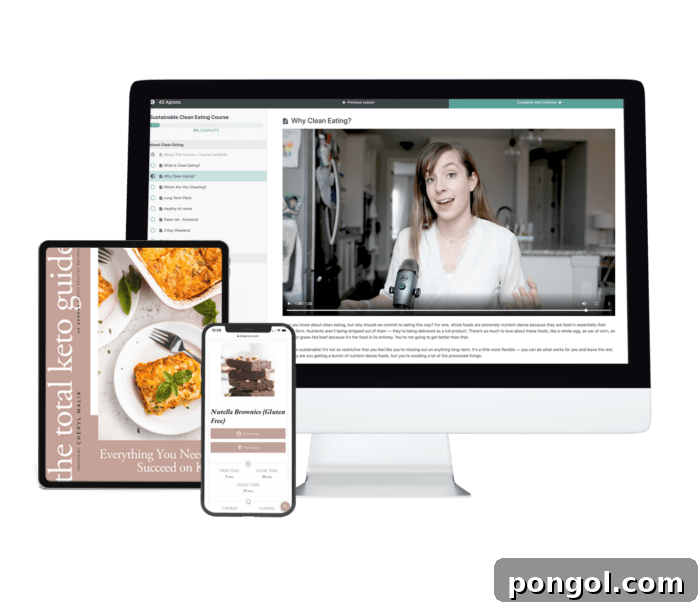
You’ve likely noticed that alongside our extensive collection of free recipes and articles, we at 40 Aprons provide premium meal plans and specialized eBooks. While some bloggers opt to sell their meal plans individually, others offer them as free lead magnets to build their email lists. Our approach involves bundling new, exclusive meal plans, comprehensive eBooks, advanced recipes, insightful articles, and even a Sustainable Clean Eating course, among other valuable resources, into our “40 Aprons Premium” membership. This membership model grants our loyal members unparalleled access to this exclusive, high-value content and, crucially, an entirely ad-free site experience, all in exchange for a recurring monthly or annual membership fee. This not only diversifies our income but also deepens our connection with our most dedicated audience members, providing them with enhanced value.
Offering Specialized Digital Services
Beyond the direct offerings of 40 Aprons and 40 Aprons Premium, my business partner and I have leveraged our extensive expertise in food blogging to create entirely separate, yet related, revenue streams through digital services. We launched 40A., a virtual assistant agency specifically tailored to handle all the intricate front-end aspects of food blogging, from content creation and social media management to community engagement. Complementing this, we developed CakePOP, a specialized service that proficiently covers everything on the technical back-end of food blogs, including website maintenance, security, and performance optimization. While these services are distinct businesses from 40 Aprons, they are direct applications of our accumulated knowledge and years of hands-on experience in the food blogging ecosystem, demonstrating a powerful way to monetize expertise.
Another digital service I proudly provide is my comprehensive Food Blogging Bootcamp! This intensive, six-week, in-depth course is meticulously designed to equip aspiring and established food bloggers alike with every essential piece of knowledge needed to effectively grow and monetize their online presence. Whether you are just embarking on your blogging journey or are already an established voice in the culinary space, the Bootcamp meticulously covers a broad spectrum of critical topics. These include the foundational elements of branding and blogging strategy, the intricate ins-and-outs of WordPress management, systematic recipe planning and development methodologies, advanced food photography techniques, robust SEO strategies for maximum visibility, and a plethora of other vital skills. Again, while not a direct revenue stream generated *by* the 40 Aprons food blog itself, this Bootcamp serves as a powerful testament to how accumulated knowledge and experience from food blogging can be expertly packaged and shared to generate significant income, while simultaneously empowering a new generation of culinary content creators.
Venturing into Physical Products
With a solid understanding of the diverse range of digital products and services that can effectively distinguish your blog, it’s worth exploring yet another exciting monetization avenue: tangible, physical products that your readers can purchase. This expands your brand’s reach beyond the digital realm and provides new ways for your audience to engage with and support your work.
Many successful bloggers have ventured into creating branded merchandise, such as aprons, kitchen towels, mugs, or t-shirts, allowing their most ardent followers to showcase their loyalty. Others establish collaborations with larger brands or utilize private labeling to develop unique food-related products that align with their niche. For instance, a baking blog might create its own line of specialized baking mixes, unique spice blends, or custom kitchen tools, selling these directly through their website using e-commerce platforms like Shopify. These products not only generate revenue but also serve as powerful extensions of your brand, fostering a deeper connection with your audience.
Excitingly, we at 40 Aprons currently have our own line of physical products in development, and I absolutely cannot wait to share them with you! More details on this will be revealed in due course, so stay tuned for what’s cooking behind the scenes.
The Indispensable Role of Your Team in Scaling a Food Blog
Alright! You now possess a comprehensive, high-level understanding of the extensive work and strategic monetization methods required to successfully create and earn income from a food blog. The natural next question arises: how on earth will you actually *do* all of this? The reality is, especially as your blog grows, it will often feel as though there simply aren’t enough hours in the day to accomplish everything on your plate. Trust me, I am intimately familiar with that feeling of overwhelm!
If your budget permits, investing in building a dedicated team to support your endeavors is an absolutely crucial step that I cannot recommend highly enough. Having other skilled individuals to balance the demanding workload, serve as sounding boards for new ideas, and simply take certain tasks off your hands can be an immense asset to your business. This delegation not only frees up your valuable time to focus on high-level strategy and content creation but also brings diverse expertise to your operation. Just as I advised earlier about being selective with your sponsors, the same rigorous selectivity applies here: *be incredibly discerning about the team members you bring on board.* Employees represent a significant investment, and the right team – comprised of individuals who are not only competent but also a strong cultural fit for you, your brand, and your overarching vision – will undoubtedly yield a substantial return on that investment, propelling your blog to new heights.
While employees certainly represent a cost, it’s vital to view them not just as an expense, but as powerful revenue generators. By freeing you from tedious or time-consuming tasks, they enable you to produce more high-quality content, engage more effectively with your audience, and explore new monetization opportunities, all of which directly contribute to increased income. If hiring full-time or regular employees isn’t feasible within your current budget, consider utilizing specialized virtual assistant services. Companies like 40A. and CakePOP are specifically designed to offer targeted support, allowing you to outsource specific aspects of your food blogging work when you need that crucial extra help, providing flexibility without the overhead of full employment.
The Realities of Food Blogging: Pros and Cons Unveiled
Let’s be unequivocally clear: food blogging is a demanding endeavor. I won’t sugarcoat the reality or pretend it’s a walk in the park. There are times when it can be incredibly stressful, pushing your creativity and resilience to their limits. The landscape is ever-changing, meaning there’s always something new to learn, a fresh skill to master, or an unexpected challenge to navigate. Just when you feel you’ve finally grasped the intricacies of one platform, Instagram might alter its algorithm, or WordPress could release a major update, plunging you back into a cycle of relearning and adaptation. You are constantly tasked with conceiving and executing creative, interesting, and valuable content that not only appeals to your existing readership but also attracts new followers. Diversifying your content formats and topics is essential to prevent your blog from becoming stale and to maintain audience engagement. If you inherently struggle with time management, maintaining self-discipline, or seeing projects through to completion, blogging, particularly when solo, can present an additional layer of significant challenges. There is an immense amount to juggle at all times, especially if you take on extra projects beyond the regular cadence of publishing a few blog posts each week, making strong organizational skills paramount.
BUT! Despite these challenges, there are a profound number – truly, a *multitude* – of compelling reasons to fall in love with food blogging. Honestly, I derive immense joy and satisfaction from what I do every single day. While I won’t claim it never feels like work, it is undeniably far more fulfilling, exciting, and rewarding than any of the jobs I held before embarking on this journey. This profession allows me to indulge my passion for creating delicious food, express my creativity through captivating photography and thoughtful design, and, most importantly, connect authentically with all of you, my incredible audience. Furthermore, the unparalleled freedom of being my own boss empowers me to prioritize what truly matters most in my life, fostering a work-life balance that I couldn’t achieve elsewhere. The ability to shape my own schedule, pursue my creative vision, and build a thriving community around something I adore is truly priceless. How could anyone not find that incredibly appealing and deeply satisfying?

Expand Your Knowledge: More About Food Blogging
Embarking on the food blogging journey is an exciting venture that promises both creative fulfillment and financial potential. By understanding the necessary investments, prioritizing traffic growth through SEO and captivating visuals, diversifying your income with ads, sponsored content, and your own products/services, and strategically building a supportive team, you can transform your passion into a thriving online business. Keep learning, stay persistent, and enjoy the delicious path ahead!
- Essential Food Blogging Resources
- Discover the Best WordPress Themes for Food Blogging
- Enroll in the Food Blogging Bootcamp Course
- Deep Dive into Food Blog Income Reports and Traffic Strategies: January 2019 + SEO Insights