
Welcome to the ultimate guide to crafting the most exquisite homemade cream of celery soup you’ll ever taste. Forget everything you thought you knew about cream of celery from a can; this recipe transcends those expectations, delivering a rich, velvety, and deeply flavorful experience that is truly a revelation. Using fresh, crisp celery as its star, this soup transforms simple pantry staples like butter, flour, chicken broth, and heavy cream into a luxurious culinary masterpiece. It’s not just a soup; it’s a versatile culinary backbone for your favorite casseroles and an incredibly comforting dish that you’ll want to savor straight from the pot with a piece of crusty artisan bread. Beyond its incredible taste, this recipe is naturally low in carbohydrates and thoughtfully designed to be effortlessly adaptable for various dietary needs, including dairy-free, gluten-free, vegetarian, or vegan preferences. Prepare to elevate your soup game and discover a new family favorite that promises both comfort and culinary sophistication.

For a comprehensive list of measurements, ingredients, and detailed cooking instructions, please refer to the recipe card below.
Why This Homemade Cream of Celery Soup is an Absolute Must-Try
There are countless reasons why this homemade cream of celery soup stands head and shoulders above its store-bought counterparts, quickly becoming a staple in your kitchen. From its unparalleled flavor to its health benefits and incredible versatility, here’s why this recipe is truly exceptional:
-
Unbeatable Flavor & Healthier Choice: This isn’t just a “good” soup; it’s an incredibly delicious, easy-to-make, and significantly healthier alternative to any canned version. By utilizing fresh produce like crisp celery, savory onions, and aromatic garlic, combined with fundamental pantry items such as high-quality butter, all-purpose flour, rich chicken broth, and decadent heavy cream, you gain complete control over the ingredients. This means no artificial preservatives, excessive sodium, or hidden sugars often found in commercial soups. You dictate the exact amount of salt, allowing for a perfectly seasoned and wholesome meal that truly satisfies.
-
Effortlessly Adaptable for Diverse Diets: One of the most remarkable aspects of this recipe is its inherent flexibility. While naturally low in carbohydrates, it can be seamlessly modified to accommodate a wide range of dietary preferences and restrictions. Whether you’re cooking for someone who is dairy-free, gluten-free, vegetarian, or vegan, this soup can be easily adjusted without compromising on its creamy texture or robust flavor. This makes it an ideal choice for inclusive family dinners or gatherings where everyone can enjoy a warm, comforting bowl.
-
Perfect for Meal Prep & Freezing: For those who appreciate the convenience of freezer meals and efficient meal planning, this cream of celery soup recipe is a dream come true. It freezes exceptionally well, making it an excellent candidate for batch cooking. Once prepared, simply allow the soup to cool completely before transferring it to freezer-safe containers or sealable freezer bags. For optimal storage and space-saving, lay freezer bags flat until the soup solidifies, then store them upright. Properly stored, this soup maintains its quality and flavor for up to four months, providing a quick and easy homemade meal whenever you need it.
-
Incredibly Versatile Culinary Workhorse: Beyond being a stand-alone comforting bowl, this cream of celery soup is an incredibly versatile ingredient that can elevate numerous dishes. It serves as an exquisite creamy base for a multitude of casseroles, lending a rich depth to classics like green bean casserole or chicken and rice bakes. Stir it into rice dishes for added creaminess, mix it with pasta for a quick and satisfying meal, or use it to create luscious sauces for pork chops or chicken breasts. This soup truly acts as a “secret weapon” in your kitchen, enhancing flavors and textures with minimal additional effort, making everyday meals extraordinary.
Explore More Delicious Recipes You’ll Love
Ultimate Easter Guide: Brunch, Baskets, and Ideas for Everyone
Cottage Cheese Egg Bake
Cheesy Asparagus Casserole
Overnight Brioche French Toast Casserole
Essential Tips for Perfect Cream of Celery Soup Every Time
Achieving a restaurant-quality cream of celery soup at home is simpler than you might think, but a few key considerations can make all the difference. Follow these expert tips to ensure your soup is perfectly smooth, rich, and bursting with flavor:
-
Selecting the Best Celery: The quality of your celery directly impacts the final flavor of your soup. Always opt for crisp, firm celery stalks that boast bright green leaves. Avoid any stalks that appear sad, limp, or discolored, as these will contribute a less vibrant flavor. Interestingly, if you have celery that’s just starting to lose its crunch, this recipe is a brilliant way to salvage it and prevent food waste, transforming it into something truly delicious.
-
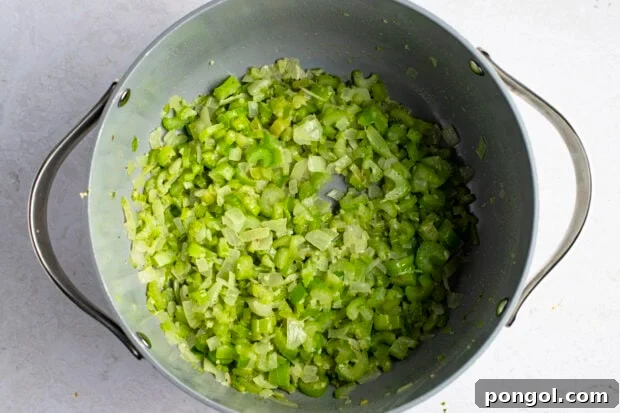
Mastering the Sauté: The initial step of cooking your celery, onion, and garlic in butter is absolutely crucial for developing a deep, savory foundation for your soup. Dedicate about 5-7 minutes to this process, stirring occasionally, until the vegetables are tender and exquisitely fragrant. The goal is to soften the vegetables and coax out their natural sweetness and aromatics without allowing them to brown. Keep your heat at a steady medium-high; if you notice any browning, simply reduce the heat slightly to maintain that perfect tender-crisp stage.
-
Achieving Your Preferred Texture: The beauty of homemade soup lies in customizing its texture. Some enthusiasts adore a flawlessly smooth, velvety soup, while others might prefer a more rustic texture with small, discernible pieces of celery. For the ultimate convenience and minimal cleanup, an immersion blender can be used directly in the pot. If you’re using a standard blender, remember to work in batches and exercise extreme caution with hot liquids. Always leave the vent on the lid open (covering it with a clean kitchen towel to prevent splatters) to allow steam to escape and prevent dangerous pressure buildup. For those who enjoy a heartier, more textured experience, feel free to skip the blending step entirely and savor a wonderfully chunky soup.
-
Adjusting Consistency and Broth Choices: After blending, if your cream of celery soup appears too thick for your liking, simply whisk in a little more chicken or vegetable broth until it reaches your desired consistency. Conversely, if it’s too thin, allow it to simmer gently for a few more minutes to encourage further reduction and thickening. When it comes to broth, feel free to experiment: vegetable broth is an excellent alternative for a vegetarian option, or you can elevate the nutritional profile by using a homemade Instant Pot chicken stock or even a collagen-rich bone broth.
Exciting Recipe Variations to Customize Your Soup
This cream of celery soup is a fantastic canvas for culinary creativity. Don’t hesitate to experiment with these delicious variations to suit your taste or available ingredients:
-
Cream of Broccoli Soup: Easily transform this recipe by swapping the celery for 3 cups of fresh, chopped broccoli florets. You’ll need to simmer the broccoli a bit longer, typically around 10-12 minutes, until it’s very tender before proceeding with the blending step. This creates a vibrant, earthy soup that’s equally comforting.
-
Indulgent Cheesy Celery Soup: For an extra layer of richness and flavor, stir in about ½ cup of freshly grated Parmesan, sharp cheddar, or even Gruyère cheese after you’ve blended the soup. The cheese melts beautifully, adding incredible depth and a delightful subtle tang that harmonizes perfectly with the celery’s fresh notes.
-
Herbaceous Boost: Elevate the aromatic profile of your soup with additional fresh herbs. A teaspoon of fresh thyme leaves, ½ teaspoon of dried dill, or a touch of fresh parsley can take this soup to an entirely new level. Add them during the vegetable sautéing phase to allow their flavors to infuse deeply into the butter and vegetables, creating a more complex and fragrant dish.
-
Lighter Cream of Celery Soup: If you’re looking to reduce the calorie and fat content without sacrificing too much creaminess, you can opt to use whole milk, 2% milk, or even a good quality unsweetened plant-based milk (like almond or oat milk) instead of heavy cream. The soup will be slightly less rich, but it will still retain a wonderfully creamy texture and satisfying flavor profile.

Frequently Asked Questions About Cream of Celery Soup
Making homemade cream of celery soup is a straightforward process that yields incredibly delicious results. You’ll begin by sautéing diced celery, onion, and minced garlic in butter until they are tender and fragrant. Next, whisk in all-purpose flour to create a roux, which will thicken your soup. Gradually pour in chicken broth, whisking continuously to ensure a smooth consistency free of lumps. Allow the mixture to simmer until it begins to thicken, then stir in heavy cream for richness. Finally, blend the soup until it’s smooth and creamy (or leave it chunky if you prefer a rustic texture). The entire preparation, from start to finish, typically takes about 30-45 minutes.
Homemade cream of celery soup is incredibly versatile and can be used in numerous culinary applications. It makes an excellent creamy base for a wide variety of casseroles, such as classic green bean casserole or a comforting tuna noodle casserole. You can also stir it into rice dishes, pasta recipes, or mix it with cooked chicken for a quick and flavorful skillet dinner. It’s fantastic for creating rich, creamy sauces to serve over pan-seared pork chops or baked chicken breasts. And, of course, it’s absolutely delicious enjoyed on its own as a standalone soup, perhaps with a side of warm garlic bread or a crusty sliced baguette – its flavor is truly that good!
Absolutely! Celery leaves are not only entirely edible but also add a wonderful boost of flavor to your soup. They possess a slightly more concentrated celery taste and can contribute a subtle, herbaceous note to the finished dish. Simply chop them roughly along with the celery stalks and add them to the pot when you’re sautéing the vegetables. They will blend seamlessly into the soup, enhancing its overall celery essence.
The ideal consistency for cream of celery soup is one that is rich enough to coat the back of a spoon. To test this, dip a spoon into the soup, then lift it out. If you draw your finger across the back of the spoon and it leaves a clear, distinct line, your soup is perfectly thickened. It’s important to remember that the soup will continue to thicken slightly as it cools, so it’s best to aim for a consistency that is just a touch thinner than your desired final result.
Yes, this soup is an excellent candidate for making ahead! In fact, many find that the flavors deepen and meld even more beautifully after a day or two, making it taste even better. You can prepare this soup up to 3 days in advance and store it securely in an airtight container in the refrigerator. When you’re ready to serve, simply reheat it gently on the stovetop over low heat, adding a splash of extra broth or water if needed to adjust the consistency.
This homemade cream of celery soup works wonderfully as a direct 1:1 substitute for canned condensed versions in most recipes. As a general guideline, use approximately 2 cups of this homemade soup in place of one standard 10.5-ounce can of condensed cream of celery soup. If your casserole or dish typically calls for adding water or milk to the condensed soup, you might find you don’t need to add as much liquid with the homemade version, or none at all, depending on your desired final consistency. If a recipe calls for a very thick condensed soup, you can simply simmer your homemade soup a bit longer before adding it to further reduce and thicken it.
Lumps in soup typically occur when the flour (used to create the roux) isn’t thoroughly whisked into the melted butter, or when the chicken broth is added too quickly to the roux. To prevent lumps, ensure you whisk the flour constantly for at least a minute to create a smooth paste, then gradually add the broth in small increments while whisking vigorously. If you find your soup has developed stubborn lumps, don’t despair! An immersion blender is your best friend here – it will quickly smooth out any inconsistencies right in the pot. Alternatively, you can carefully transfer the soup in batches to a standard blender and blend until smooth. For a truly silky finish, you can also strain the soup through a fine-mesh sieve.
More Creamy & Comforting Soup Recipes You’ll Love
If you’re a fan of rich, creamy soups, you’re in for a treat! Explore these other delightful recipes that promise warmth and flavor:
- Marry Me Chicken Soup
- Creamy Boursin Chicken Soup
- Creamy Crockpot Potato Soup
- Creamy Cajun Chicken Pasta Soup
- Healthy Creamy Clam Chowder (Whole30, Paleo, Dairy Free)
- Creamy Keto Taco Soup
- Seafood Soup
- Instant Pot Butternut Squash Soup
- Instant Pot Tomato Soup
- Vegan Broccoli Cheddar Soup
- Manhattan Clam Chowder
- Cajun Shrimp Bisque
Please note that making significant changes to a recipe can sometimes lead to unexpected results. Any substitutions or variations listed within this article are simple modifications that are believed to work well with this recipe, but outcomes are not guaranteed. Always use your best judgment when adapting recipes.

Jasmine Comer
Best Cream of Celery Soup

Jasmine Comer
15 minutes
30 minutes
45 minutes
Equipment
-
dutch oven or large, heavy-bottomed pot
-
immersion blender or standard blender, see Notes
Ingredients
- 3 tablespoons butter
- 1 medium onion diced
- 7 ribs celery diced
- 2 cloves garlic minced
- 2 tablespoons all-purpose flour see Notes for gluten-free option
- 3 cups chicken broth or vegetable broth
- ½ cup heavy cream
- salt to taste
- pepper to taste
- chives chopped, for garnish
Instructions
-
In a Dutch oven or large, heavy-bottomed pot, melt the butter over medium-high heat. Add the diced onion, celery, and minced garlic. Cook for 5 to 7 minutes, stirring occasionally, until the vegetables are softened and fragrant.

-
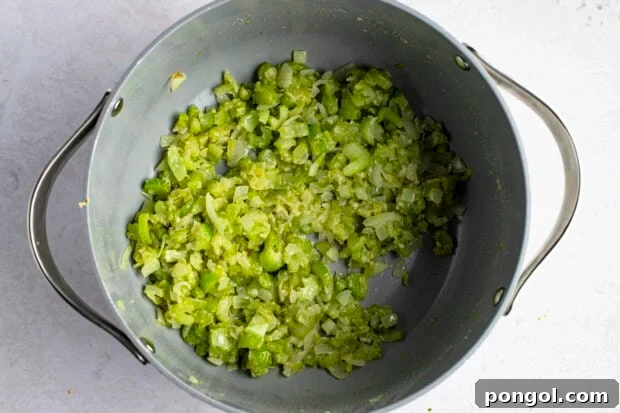
Sprinkle in the all-purpose flour and stir well to distribute it evenly among the vegetables. Continue to cook for 2 minutes, stirring frequently, to cook out the raw flour taste and create a roux.
-
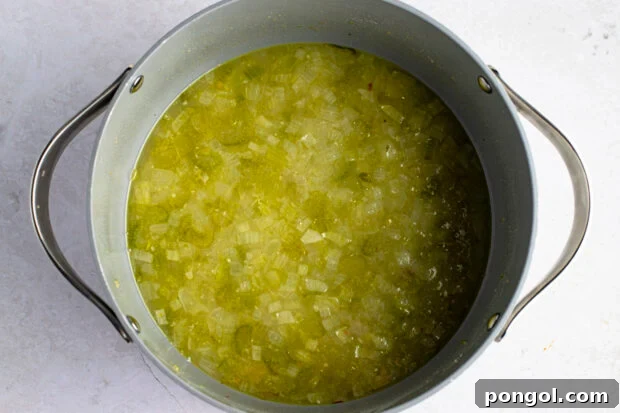
Gradually pour in the chicken broth, stirring constantly to prevent lumps from forming. Reduce the heat to low and let the soup simmer, uncovered, for 10 minutes, allowing it to thicken slightly.
-
Remove the pot from the heat and allow it to cool slightly. Use an immersion blender directly in the pot to blend the soup until it reaches your desired smooth consistency. If using a regular blender, carefully transfer the soup in batches and blend until completely smooth (refer to the Notes section below for tips on blending hot liquids). Once blended, return the pot to low heat and stir in the heavy cream. Simmer gently for another 5 minutes to allow the flavors to meld and the soup to heat through.
-
Taste the soup and season generously with salt and pepper as needed to enhance the flavors. Ladle the warm soup into serving bowls and garnish with fresh chopped chives for a touch of color and herbaceousness. Serve immediately and enjoy!

Make it Dairy-Free: Substitute the butter with your preferred dairy-free butter alternative or olive oil. For the heavy cream, use a dairy-free cream substitute, full-fat canned coconut milk (for a slightly sweeter, richer flavor), or homemade unsweetened cashew cream for a neutral taste.
Make it Vegetarian: Simply swap the chicken broth for an equal amount of good quality vegetable broth. All other ingredients and steps remain the same.
Make it Vegan: Combine the substitutions for dairy-free and vegetarian diets. Use vegetable broth instead of chicken broth, replace butter with olive oil or vegan butter, and opt for full-fat canned coconut milk or unsweetened cashew cream instead of heavy cream.
Freezing Instructions: This soup freezes beautifully. Allow it to cool completely, then portion it into freezer-safe containers or heavy-duty freezer bags. Freezing in 2-cup portions is ideal, as this amount is often called for in recipes. Label each container or bag with the date; the soup will keep for up to 4 months. To use, thaw overnight in the refrigerator or defrost gently in the microwave, then reheat on the stovetop, thinning with a splash of broth if necessary.
Tips for Blending Hot Soup in a Standard Blender:
-
- Fill the blender **no more** than halfway. You will likely need to blend your soup in several small batches to ensure safety and prevent overflow.
- After transferring the hot liquid to the blender, let it sit for a few minutes to cool slightly before blending.
- Before blending, remove the small center cap from the blender lid. Cover the opening with a clean kitchen towel instead. This allows steam to escape, preventing pressure from building up inside the blender which can cause the lid to blow off. Keep your hand firmly on the lid to hold it down while blending.
Approximate Nutrition Information for One Serving
Serving Size: 1 serving
Calories: 225 cal
Protein: 3 g
Fat: 20 g
Saturated Fat: 12 g
Trans Fat: 1 g
Cholesterol: 63 mg
Sodium: 789 mg
Potassium: 398 mg
Total Carbs: 10 g
Fiber: 2 g
Sugar: 3 g
Net Carbs: 8 g
Vitamin A: 1018 IU
Vitamin C: 17 mg
Calcium: 70 mg
Iron: 1 mg
Nutrition Disclaimers
Number of total servings shown is approximate. Actual number of servings will depend on your preferred portion sizes.
Nutritional values shown are general guidelines and reflect information for 1 serving using the ingredients listed, not including any optional ingredients. Actual macros may vary slightly depending on specific brands and types of ingredients used.
To determine the weight of one serving, prepare the recipe as instructed. Weigh the finished recipe, then divide the weight of the finished recipe (not including the weight of the container the food is in) by the desired number of servings. Result will be the weight of one serving.
Did You Make This Recipe?
We’d love to see your creations! Tag @40aprons on Instagram and be sure to leave a review on the blog post!
Tag @40Aprons on Instagram